

 English
 中文简体
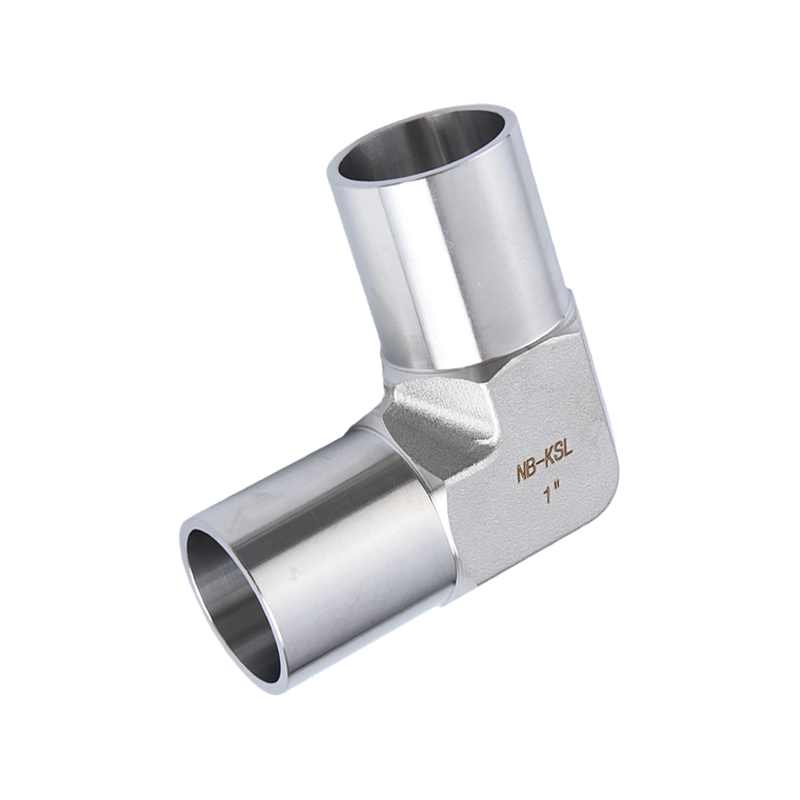


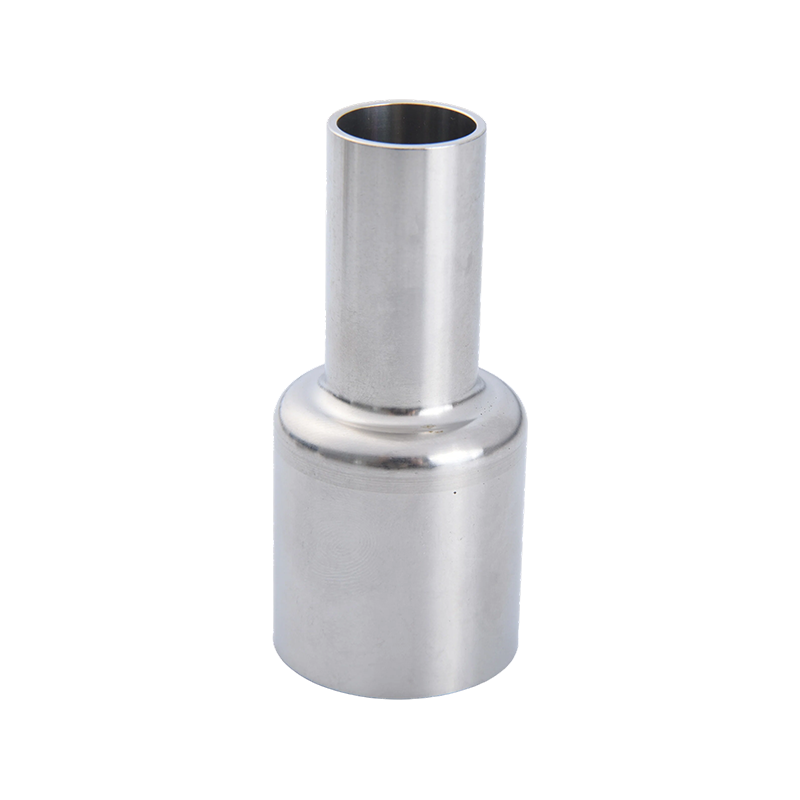
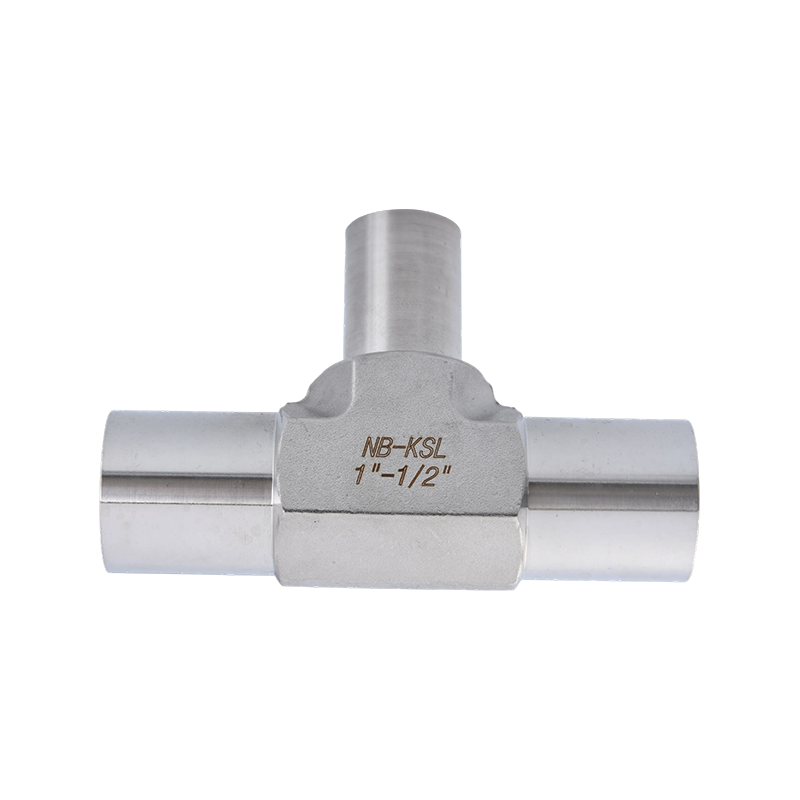
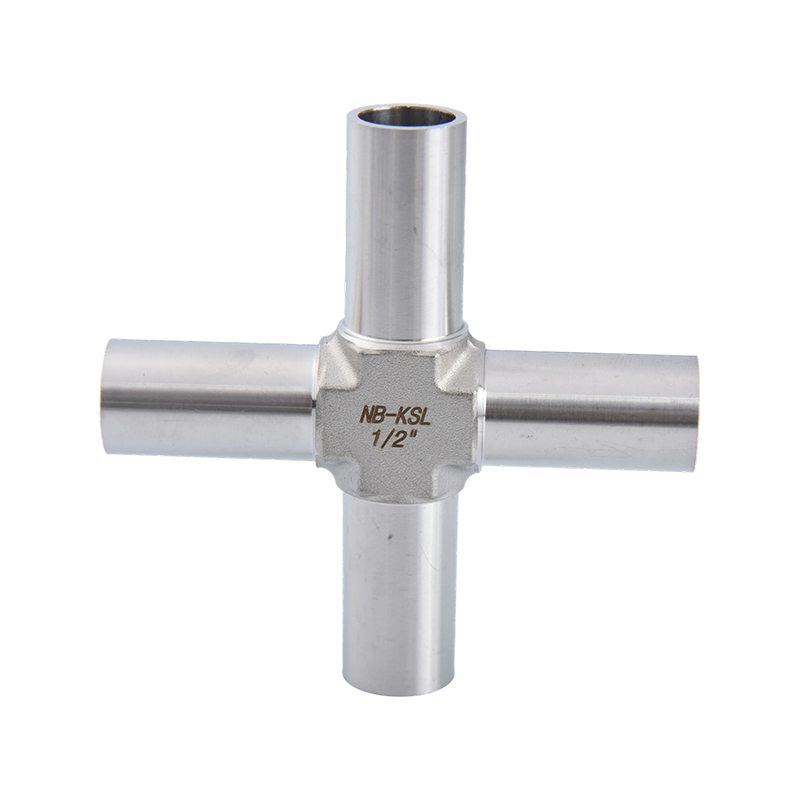
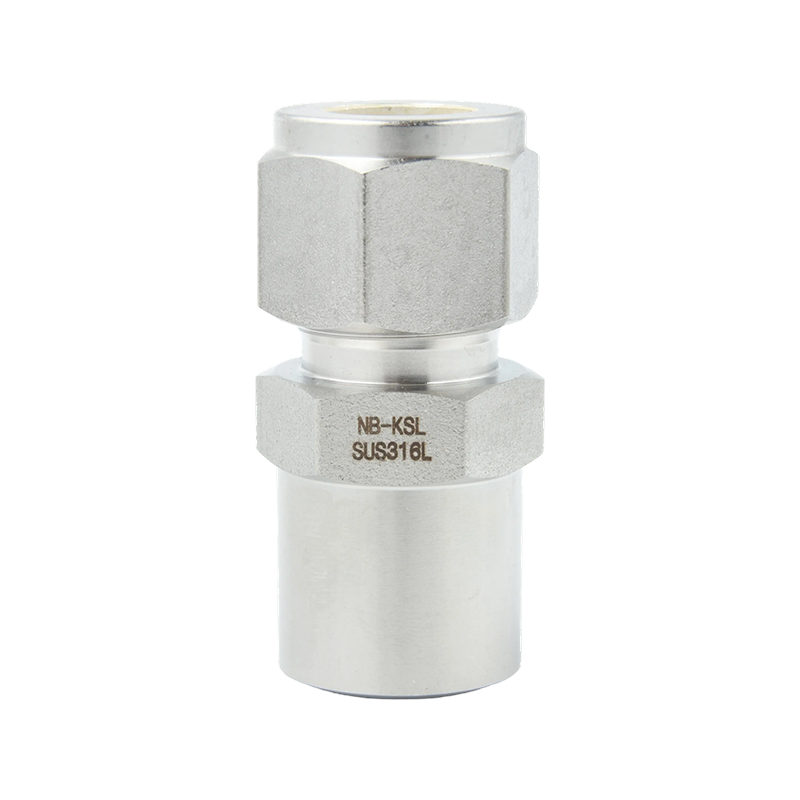
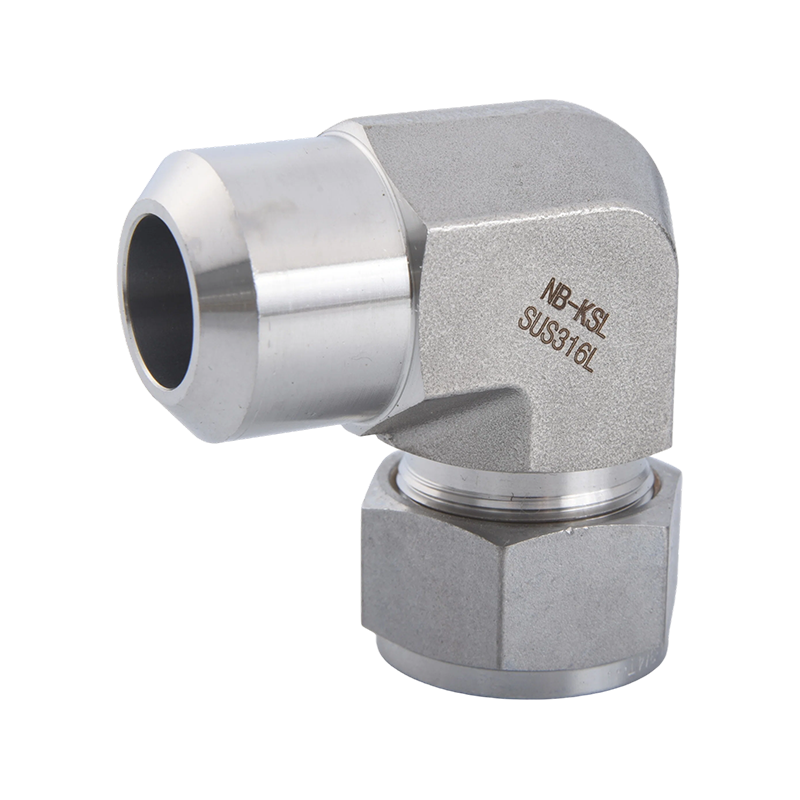
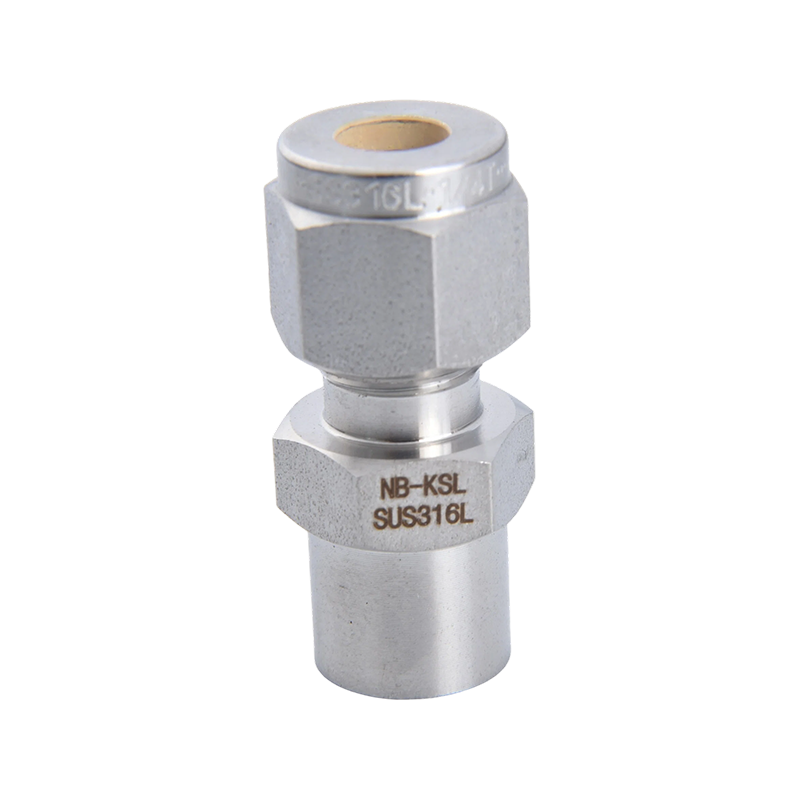
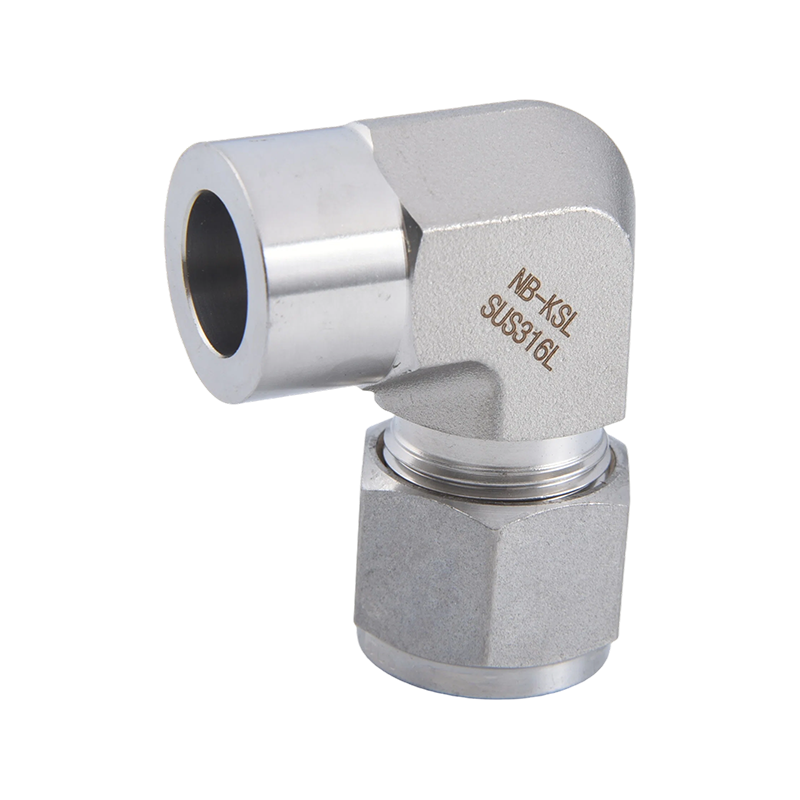
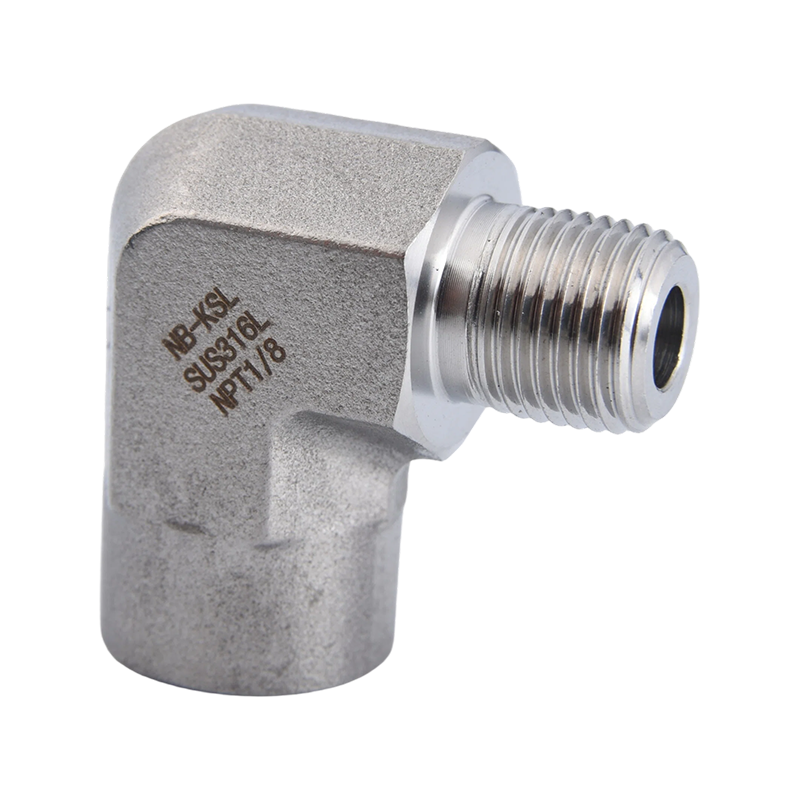

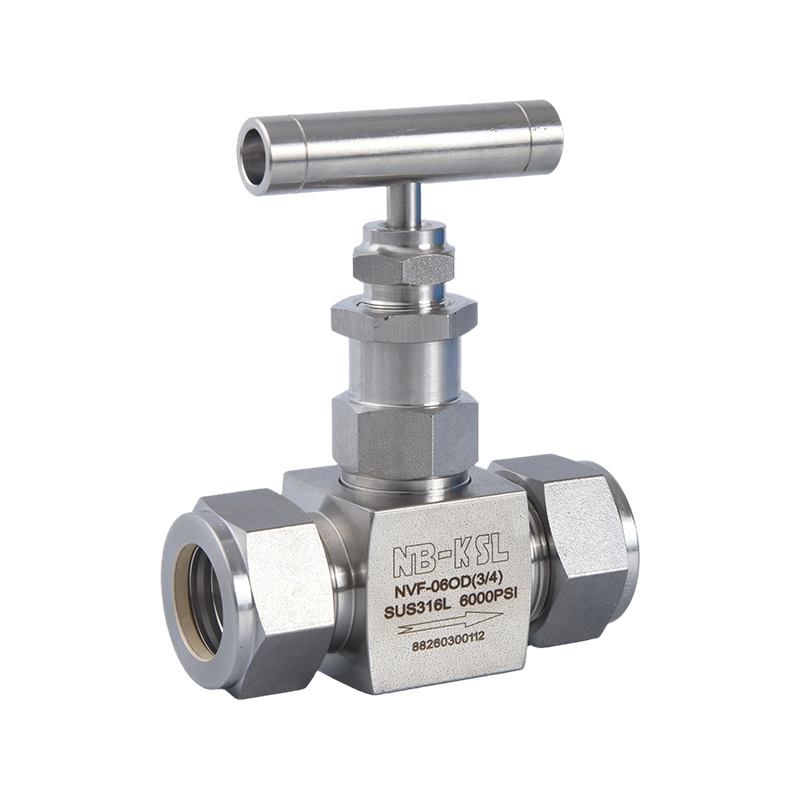

Socket Weld Dimensions and Technical Parameters
| Parameter | Typical Specification |
|---|---|
| End connection | Socket weld (SW), female socket bore |
| Socket dimensions | ASME B16.11 (socket bore, depth and wall thickness) |
| Standard for forged valves | API 602, ASME B16.34, BS 5352 |
| Pressure class | Class 800 (typical), Class 1500; ball valves 1000 WOG to PN63 |
| Size range | 1/4 inch to 2 inch (DN8 to DN50) |
| Body material | F304, F304L, F316, F316L (A182); CF8, CF8M (A351); F51 duplex |
| Trim material | 304 or 316 stainless steel, with hard facing on seats for gate and globe valves |
| Seat and seal | Metal seat, PTFE or RPTFE for ball valves; graphite packing for steam |
| Working temperature | -29 °C to +425 °C depending on design and seat material |
| Operation | Handwheel, lever or actuator with ISO 5211 pad on selected models |
Key welding details
| Item | Recommended Practice |
|---|---|
| Pipe insertion | Insert the pipe fully into the socket, then withdraw about 1.6 mm (1/16 inch) before welding |
| Why the gap | Allows for thermal expansion during welding and reduces the risk of cracking |
| Weld type | Single fillet weld around the outside of the pipe |
| Fillet weld leg | Not less than 1.09 times the pipe wall thickness, per common piping code practice |
| Filler metal | Match the base material, such as ER308L for 304 and ER316L for 316L |
Please follow your project code, such as ASME B31.3, for weld size and inspection, since the final requirement depends on the application.
Installation guidance: cut the pipe square, deburr the end, clean it and insert it to the bottom of the socket before withdrawing about 1.6 mm. Mark the pipe with a line to confirm the gap is maintained during welding. This simple step is the most common cause of cracked socket welds when it is skipped.
Socket Weld Valve Range and One-Stop Supply
Small bore systems are made of many different components. A steam skid, a chemical dosing panel or an instrument line may use gate valves, globe valves, check valves, needle valves and unions in the same material and class. We supply the full set, so that the whole system is consistent and ready for welding.
| Product | Size Range | Typical Use |
|---|---|---|
| Forged gate valves, Class 800 | 1/2 inch to 2 inch | Isolation in steam, condensate, chemical lines |
| Forged globe valves, Class 800 | 1/2 inch to 2 inch | Throttling and flow control |
| Forged check valves, lift and swing | 1/2 inch to 2 inch | Backflow prevention in small lines |
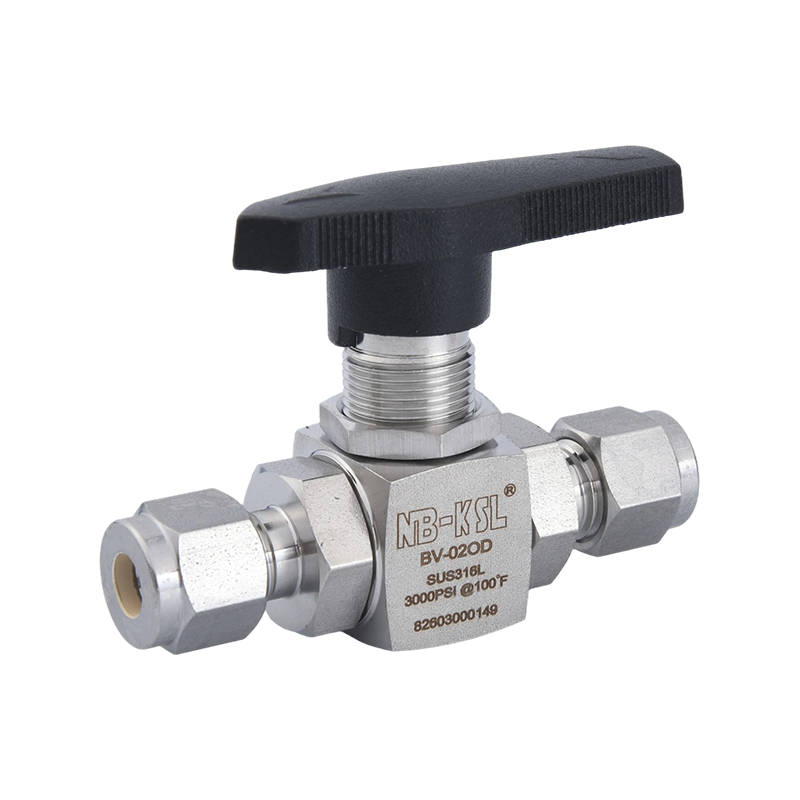
| Socket weld ball valves | 1/4 inch to 2 inch | On-off duty in process and utility lines |
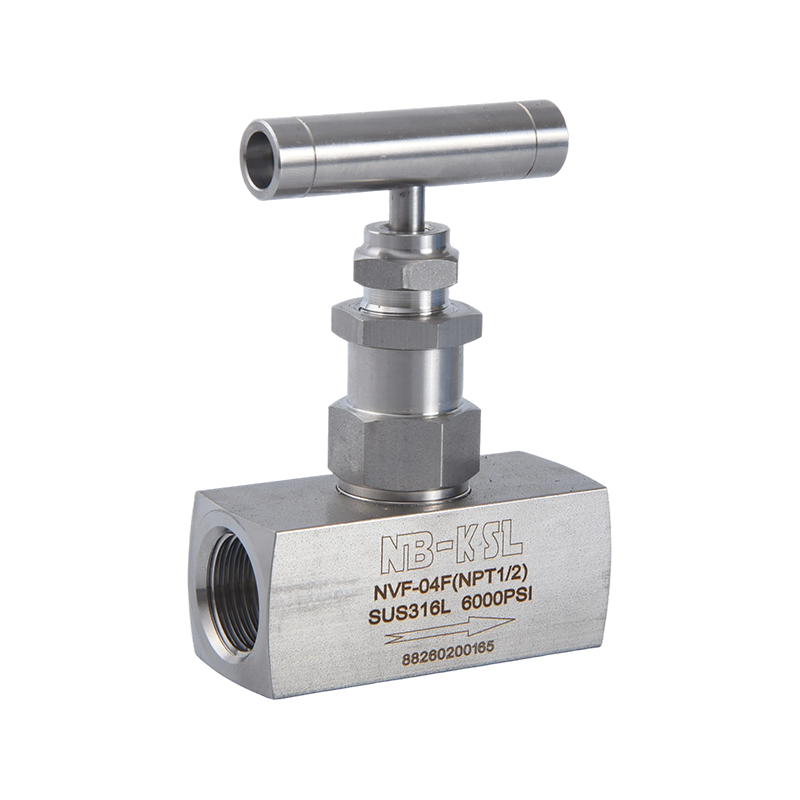
| Needle and instrument valves | 1/4 inch to 1 inch | Sampling, gauge isolation, instrumentation |
| Socket weld fittings, 3000 lb and 6000 lb | 1/8 inch to 2 inch | Elbows, tees, couplings, caps |
| Unions and nipples | 1/4 inch to 2 inch | Maintenance points in welded lines |
| Strainers | 1/2 inch to 2 inch | Protection of pumps, traps and instruments |
Benefits of socket weld connections
- Easy alignment: the pipe sits inside the socket, so no fit-up gauge or tack welds are needed.
- No bevelling: pipe ends are cut square, saving preparation time.
- Strong joint: well suited for high pressure and vibration.
- No weld spatter inside: weld metal is on the outside, which protects internal parts.
Where full penetration and no crevices are required, such as in hygienic or severe corrosion service, a butt weld joint is usually a better choice, and we can supply that option as well.
Standards for Socket Weld Valves and Fittings
Socket weld components follow a distinct group of standards, because forged small bore valves are covered by their own design code. Using the correct set of standards ensures the valve, the pipe and the weld all work together.
| Area | Standard Reference |
|---|---|
| Socket weld dimensions | ASME B16.11 |
| Small forged steel valves | API 602, BS 5352, ISO 15761 |
| Pressure-temperature ratings | ASME B16.34 |
| Forged material | ASTM A182 F304, F304L, F316, F316L, F51 |
| Cast material | ASTM A351 CF8, CF8M |
| Stainless pipe | ASME B36.19M, ASTM A312 |
| Process piping code | ASME B31.3, ASME B31.1 |
| Welding procedures | ASME Section IX, EN ISO 15614-1 |
| Needle valve design | ASME B16.34 and customer specifications |
| Testing | API 598, EN 12266-1, ISO 5208 |
Class 800 explained: API 602 forged valves use Class 800 and Class 1500 designations, which are different from the Class 150, 300 and 600 numbers used for flanged valves. A Class 800 stainless valve is rated for roughly 100 bar or more at ambient temperature, depending on the grade, but the real limit depends on temperature, and we supply the pressure-temperature chart.
If your specification includes additional requirements, such as special testing under API 602 Annex, mention them at the inquiry stage.
Code compliance: several piping codes limit the use of socket welds in certain services, for example where crevice corrosion or severe cyclic loading is expected. Please check the requirements of your project code, and let us know if a different end connection should be quoted as an alternative, so you can compare options easily.
Certificates and Quality Records for Forged Socket Weld Valves
Forged valves for small bore service are widely used in power plants, refineries, chemical plants and steam systems, and they are often subject to documentation requirements. We prepare the following items according to the project plan.
- Material certificate: EN 10204 3.1 for forged body, bonnet, stem, wedge or disc, and bolting, with heat numbers.
- Forging record: forging ratio, heat treatment and test results, when required.
- Dimensional report: socket bore, socket depth, shoulder and face-to-end dimensions, sampled per batch.
- PMI report: alloy verification for body and critical internals.
- Pressure test report: shell, back seat and seat tests per API 598.
- Hard facing record: seat facing material and hardness, for gate and globe valves.
- Quality management: ISO 9001 style system, with API 602 conformity checked at the product level.
- Third-party inspection: SGS, BV, TUV or end-user inspectors can witness tests.
Marking and nameplate: API 602 valves carry marking for size, pressure class, body material and heat number. We can also add tag numbers, project numbers and customer logos on request.
Not all certificates apply to all models, so please state your requirements early so that we can confirm which documents are available.
Nameplates and marking: a forged valve carries many marks, and they matter for inspection and maintenance. If your site uses its own tag system, we can add tag numbers on a stainless steel plate, laser mark the body, or print the information on the carton, so that valves go to the right line without confusion.
Forging and Material Traceability
For forged valves, traceability starts at the steel mill and continues through the forging press and heat treatment furnace. Because these valves are small and compact, markings must be placed carefully, and records must be kept in a way that follows each part even when many similar bodies are processed in one batch.
- Billet or bar source: material is bought from qualified mills with certificates showing heat number and chemistry.
- Forging record: forgings are produced in lots with traceable heat numbers, and the lot number is stamped on the body.
- Heat treatment: solution annealing records show temperature, time and quench for each load.
- Machining stage: the heat number is transferred to the machined body and recorded on the traveller sheet.
- PMI check: body, stem and internal parts are checked by XRF at receiving and before assembly.
- Assembly and test: serial numbers link the finished valve to heat numbers and pressure test results.
| Stage | Record | Benefit |
|---|---|---|
| Mill | Heat number and chemistry | Proof of grade |
| Forging | Lot and forging ratio | Proof of dense, wrought structure |
| Heat treatment | Furnace chart | Proof of correct properties |
| Machining | Traveller with heat number | Keeps identity during machining |
| Testing | Pressure test report with serial number | Evidence of leak tightness |
With these records, a valve in service can be linked back to its original forging and test, which is valuable for insurance, audits and root cause investigation in high-pressure systems.
Why forging records matter: forging improves grain structure and removes casting defects, but only when the process is properly controlled. Records of forging ratio and heat treatment let a buyer judge that quality, and they also support requests from end users who audit suppliers and want to see how forged parts are made and controlled.
Testing Capability for Small Bore Forged Valves
Small valves are often placed in critical positions, such as steam isolation or instrument tapping points, so their testing matters even though they are physically small. Our test plan follows API 598 and adds dimensional and material checks to confirm both performance and fit.
| Test | Method | Frequency |
|---|---|---|
| Shell test | Hydrostatic at 1.5 times rated pressure | 100% of valves |
| Back seat test | Hydrostatic with stem in the fully open position (gate and globe) | 100% of valves |
| Seat test | Hydrostatic at 1.1 times rated pressure, plus low-pressure air test where applicable | 100% of valves |
| Socket dimension inspection | Plug gauges and depth gauges for socket bore, depth and shoulder | Sampling plus first article |
| PMI | XRF analyser | Incoming and sampling |
| Hardness test | Hardness check of seats and wedge, to confirm hard facing quality | Sampling |
| Operating torque test | Torque measurement on handwheel or lever | Sampling |
| Special tests | Fire safe, fugitive emission and cycle tests | Type test reports on request |
Why the back seat test matters: in gate and globe valves, the back seat lets the stem packing be replaced under pressure. If the back seat leaks, the packing may not be safe to service. We therefore test it on every valve, and not only on samples.
We welcome witnessed tests, and can provide photos or video of the pressure gauge and hold time for your records.
Reading the test report: a pressure test report lists the test pressure, the duration, the medium and the acceptance result for each valve. It also lists the inspector and the date. If you need serial-numbered reports for each valve, tell us at order stage, because individual reports take extra time and must be organised in advance.
Frequently Asked Questions about Socket Weld End Valves
Q: Why leave a gap when welding a socket weld?
The pipe is pulled back about 1.6 mm (1/16 inch) from the bottom of the socket before welding. This allows for thermal expansion and reduces stress that could crack the weld as it cools.
Q: What size of pipe fits a socket weld valve?
The socket is made for the pipe outside diameter. For example, a 1 inch socket weld valve takes 1 inch NPS pipe, with an outside diameter of 33.4 mm. Please give the pipe outside diameter and wall thickness when ordering.
Q: Are socket welds suitable for corrosive service?
They contain a small crevice at the bottom of the socket, which can trap corrosive media. For severe corrosion, high-chloride or hygienic service, butt weld is usually preferred.
Q: What does Class 800 mean?
It is a pressure class used for small forged valves in API 602, and it is different from Class 150 or 300. It means that the valve is rated for high pressure at ambient temperature, and the rating decreases at higher temperature.
Q: Which is better, forged or cast for small valves?
Forged bodies are stronger, denser and more suitable for high-pressure and high-temperature lines. Cast valves are cheaper and fine for moderate duty. For steam and hydrocarbon service, forged is the usual choice.
Q: Can you supply socket weld ball valves for hygienic lines?
For hygienic lines, tube-end butt weld designs are better because they give a smooth bore. We can recommend the correct design when you describe the application.
Q: Can socket weld valves be removed after welding?
Only by cutting. For parts needing frequent service, we suggest adding a union or flange near the valve.
MOQ and Pricing for Socket Weld Valves
Small forged valves are produced in batches, so we can offer attractive pricing at moderate quantities. For urgent or small project needs, stock items may be available at a slight premium.
| Item | Typical Terms |
|---|---|
| Sample order | 1 to 5 pieces per model |
| Standard MOQ | 50 to 100 pieces per size and class |
| Mixed items | Gate, globe and check valves can be combined within a size range |
| Custom designs | 300 pieces or more, depending on tooling |
| Pricing basis | EXW, FOB Ningbo, CFR or CIF in USD |
| Quote validity | 30 days, adjusted for stainless steel and nickel price changes |
| Payment | 30% T/T deposit, 70% before shipment; L/C at sight for approved accounts |
What affects the price
- Material grade: 316L and duplex cost more than 304.
- Pressure class: Class 1500 bodies are heavier and more expensive than Class 800.
- Valve type: gate, globe and check valves differ in complexity and parts count.
- Trim and seat: hard facing and special packing raise the price.
- Documentation and testing: extended certificates and witnessing are extra.
Frame agreement: maintenance departments and distributors often order the same sizes repeatedly. A frame agreement with scheduled call-offs lets us keep stock for you, stabilise price and shorten delivery.
Stocking advice: if you serve maintenance customers, a small stock of the most common sizes of Class 800 gate and globe valves in 304 and 316L covers many urgent calls. We can suggest a starter assortment based on size popularity in similar markets, so your first stock order is balanced and efficient.
Lead Time, Customisation, Packaging and Trade Terms
Lead time and stock
Popular sizes of forged 304 and 316L socket weld valves are partly kept in semi-finished stock, so standard orders usually ship in 20 to 30 days. Duplex, special trim or heavily documented orders take 40 to 60 days. Urgent needs can be discussed, and part of an order can be split and shipped earlier.
Customisation
We can customise socket dimensions, material grade, trim, packing, handwheel or lever, bonnet type, marking, nameplate and tag numbers. Specifications from an end user, such as those used by large power or oil and gas companies, can be reviewed and applied.
Packaging
- Plastic caps in each socket to protect the bore and keep it clean
- Individual wrapping and inner cartons with dividers
- Export cartons on pallets or wooden cases for larger orders
- Gate and globe valves shipped in the closed or slightly open position, as agreed
- Tag labels and project marking on request
Shipping and trade terms
| Term | Details |
|---|---|
| Incoterms | EXW, FOB Ningbo, CFR, CIF, DAP |
| Port | Ningbo-Zhoushan; Shanghai as an alternative |
| Transport | Sea freight, air freight for urgent items, express courier for samples |
| Documents | Invoice, packing list, bill of lading, origin certificate, material and test certificates |
We can combine socket weld valves with socket weld fittings, unions and nipples in one shipment, which makes the supply of a small bore system much easier to manage.
Handling advice: keep the plastic caps in the sockets until installation, avoid dropping or knocking forged valves against steel surfaces, and store them in a dry place. Clean sockets and undamaged sealing surfaces help the first weld to go well, and reduce rework during commissioning.