
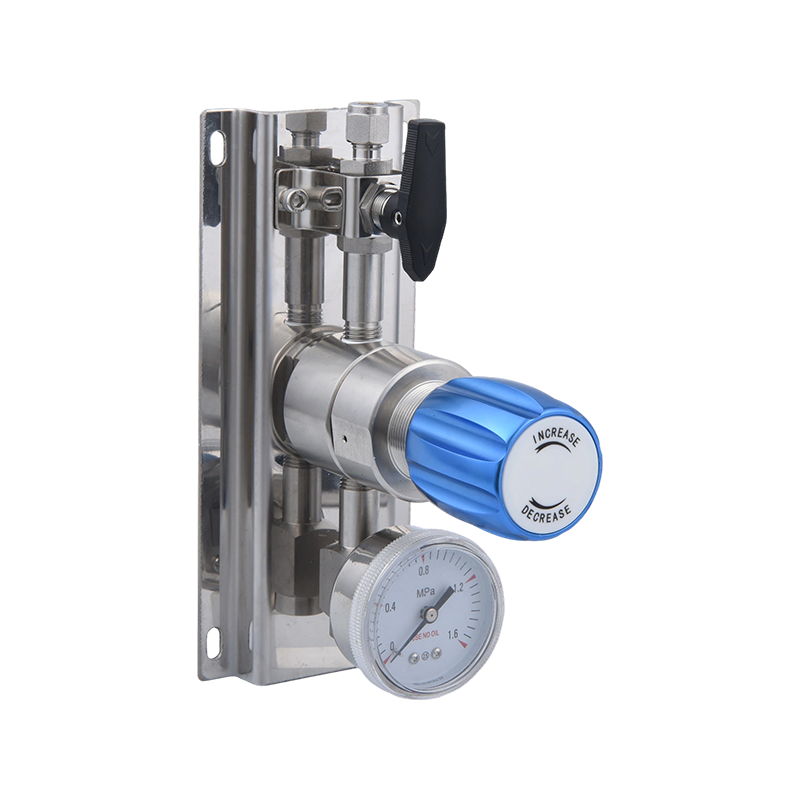


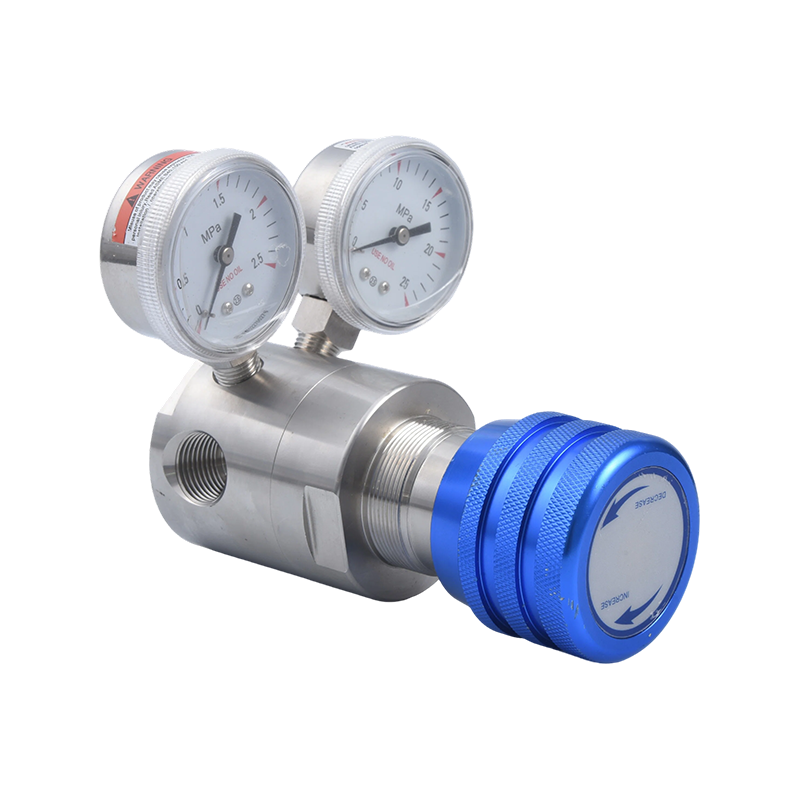
It regulates high-pressure upstream media to maintain stable downstream pressure, offering both pressure regulation and stabilization capabilities. Constructed from stainless steel, the valve features reliable sealing and adapts effectively to pressure fluctuations.
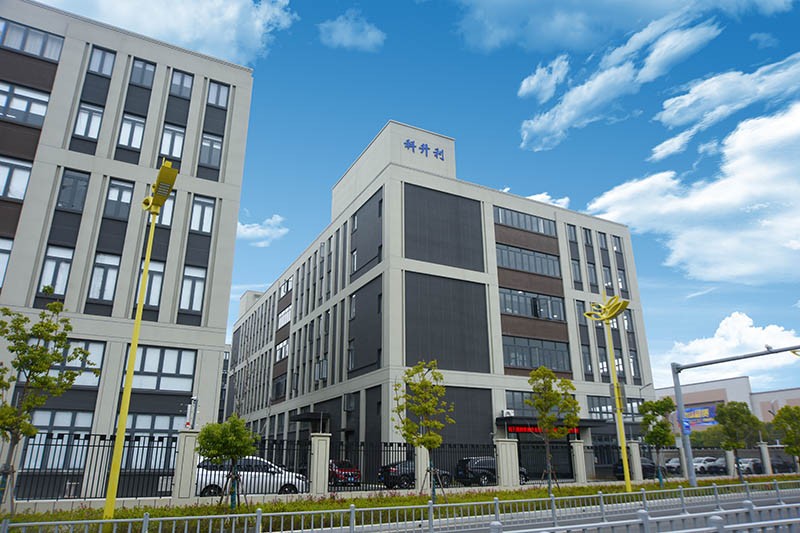
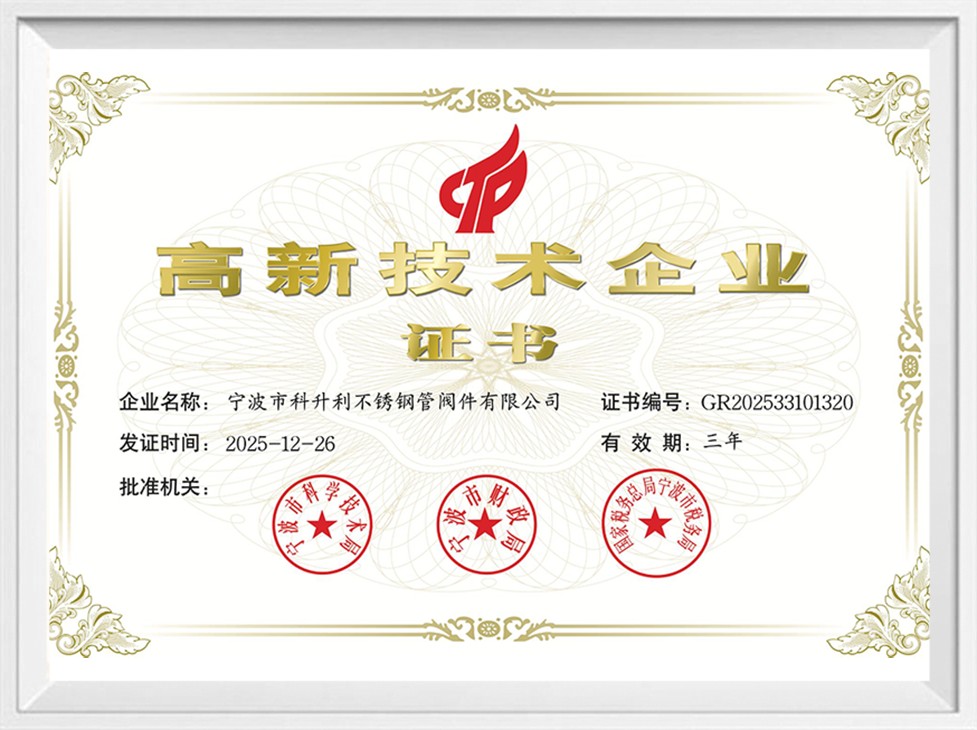
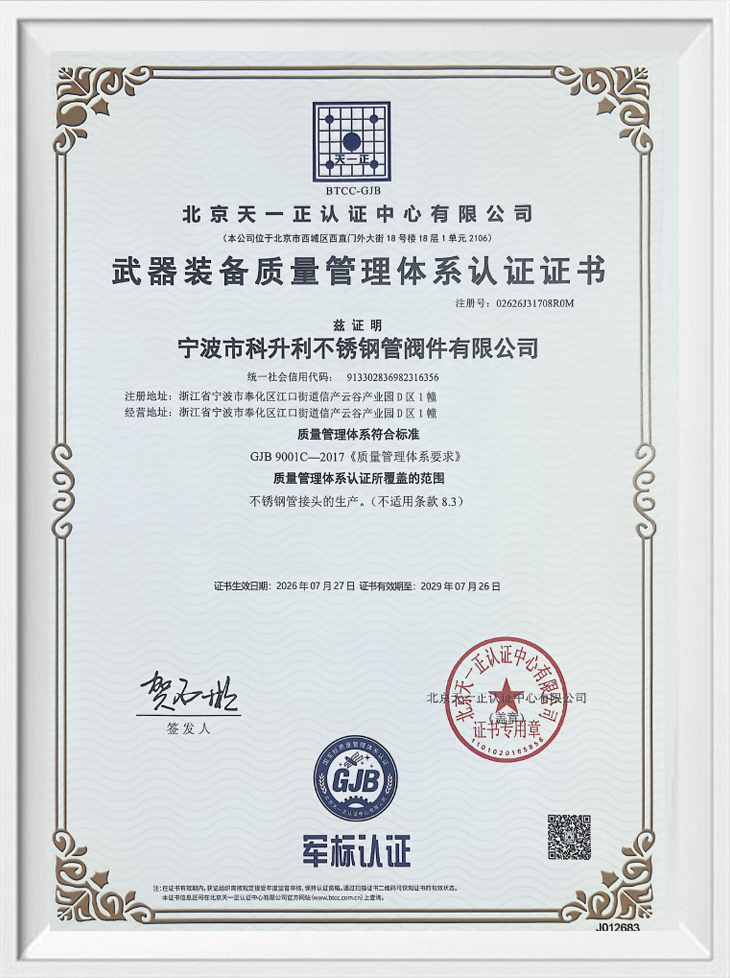
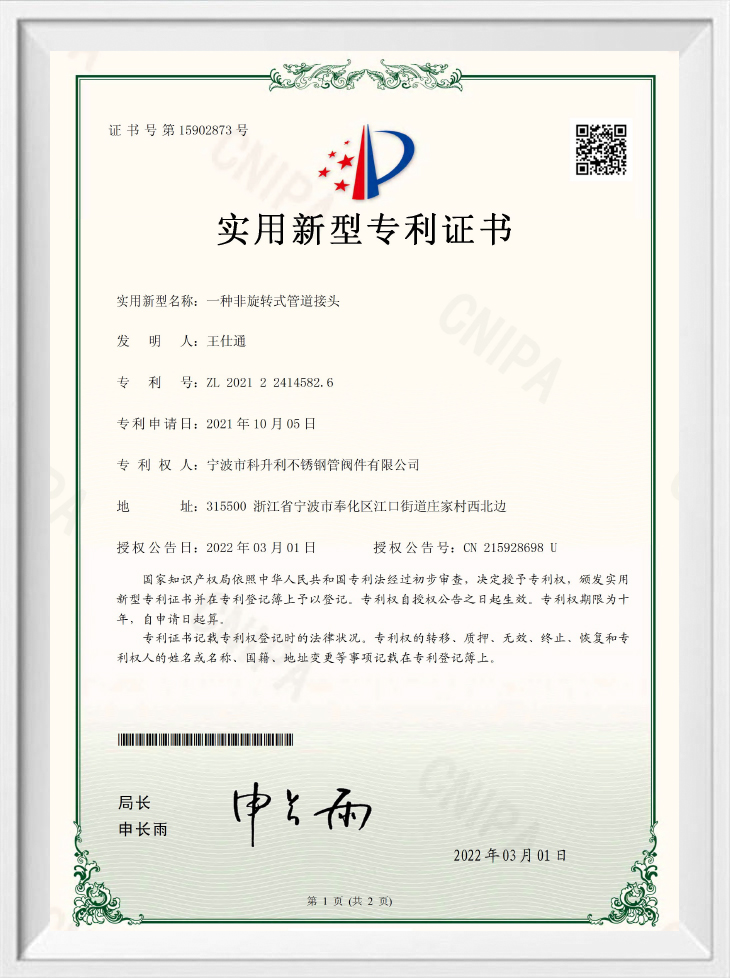
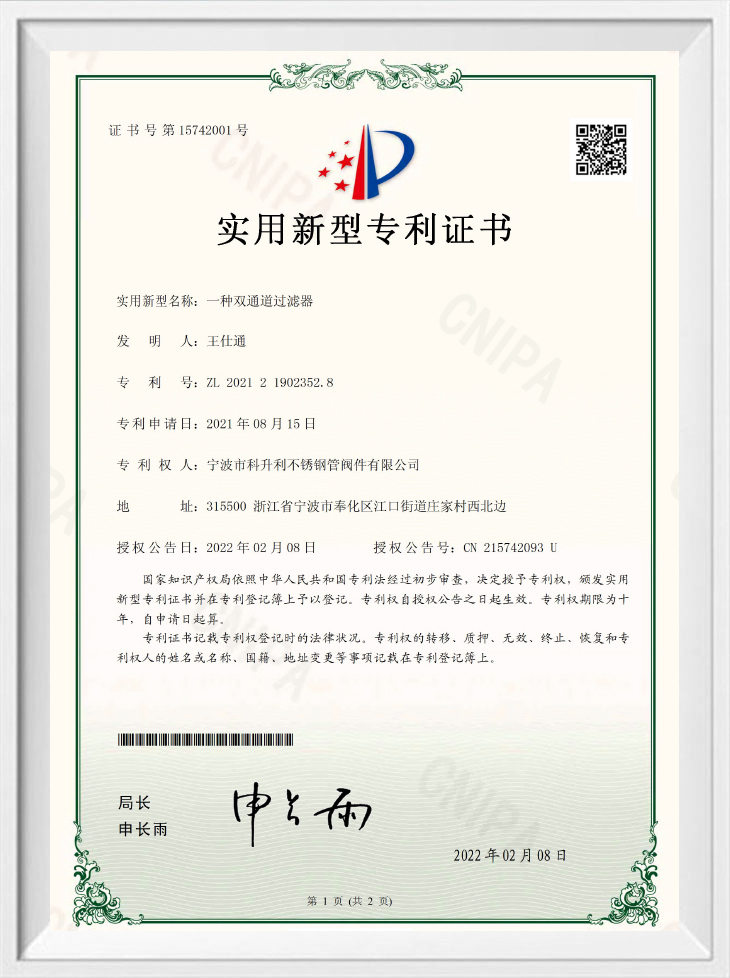
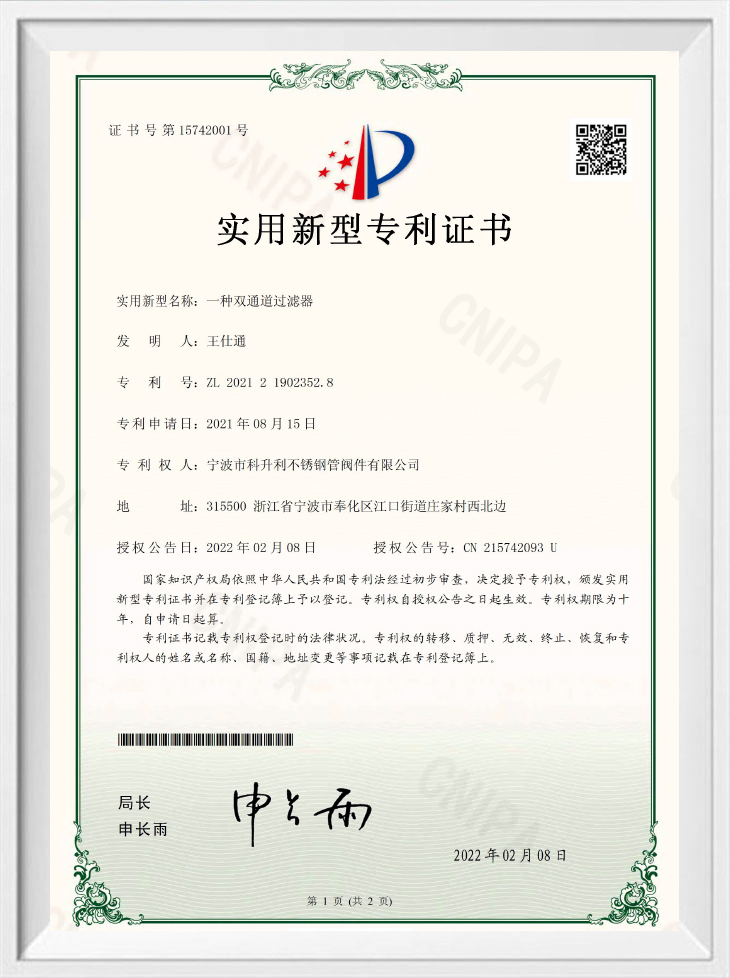
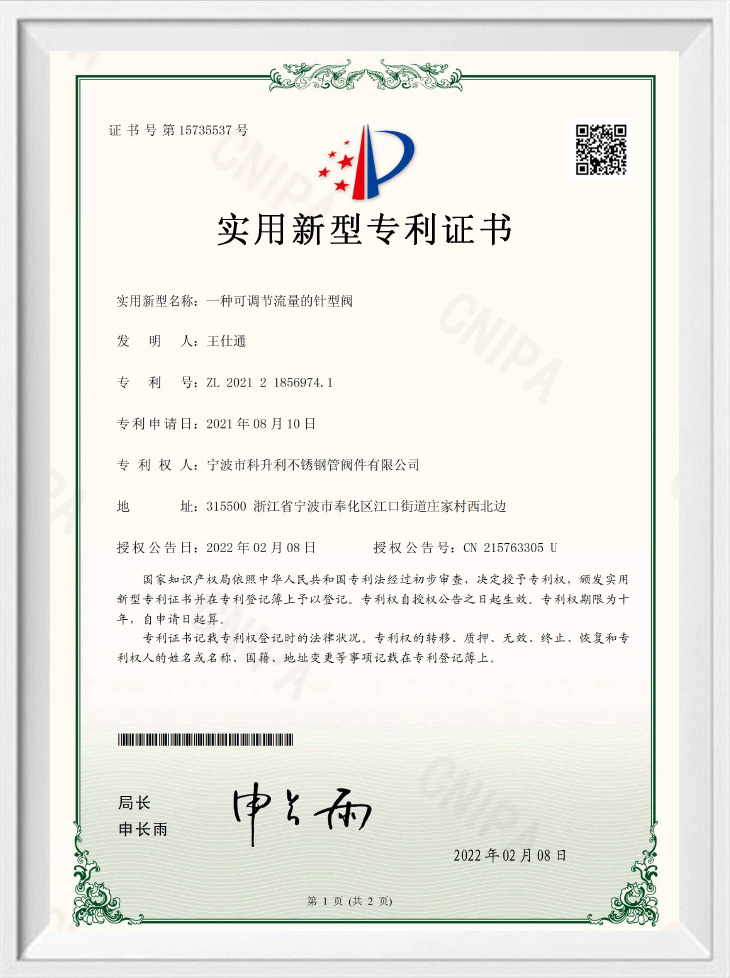
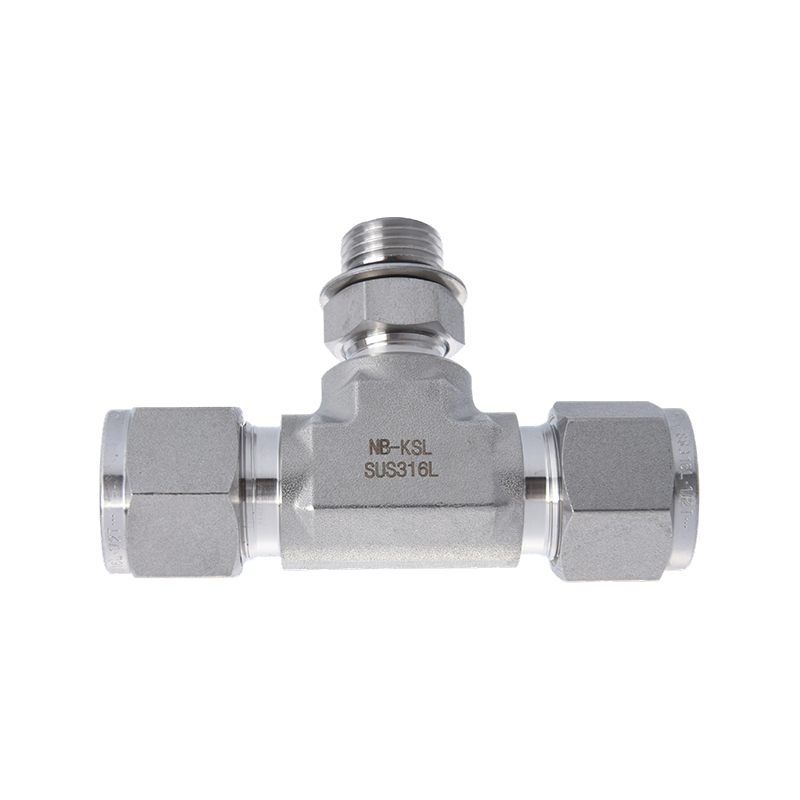
As China Stainless Steel Pressure Regulator Manufacturers and Stainless Steel Regulator Suppliers, Our company specializes in the manufacturing and sales of stainless steel pipe fittings and valves in national (GB), American (ANSI/ASME), and British (BS) standards. We are equipped with advanced CNC machining centers, material testing and heat treatment facilities, a skilled technical team, and a robust production workforce. With a sound quality management system and excellent after-sales service, we sincerely serve customers worldwide.
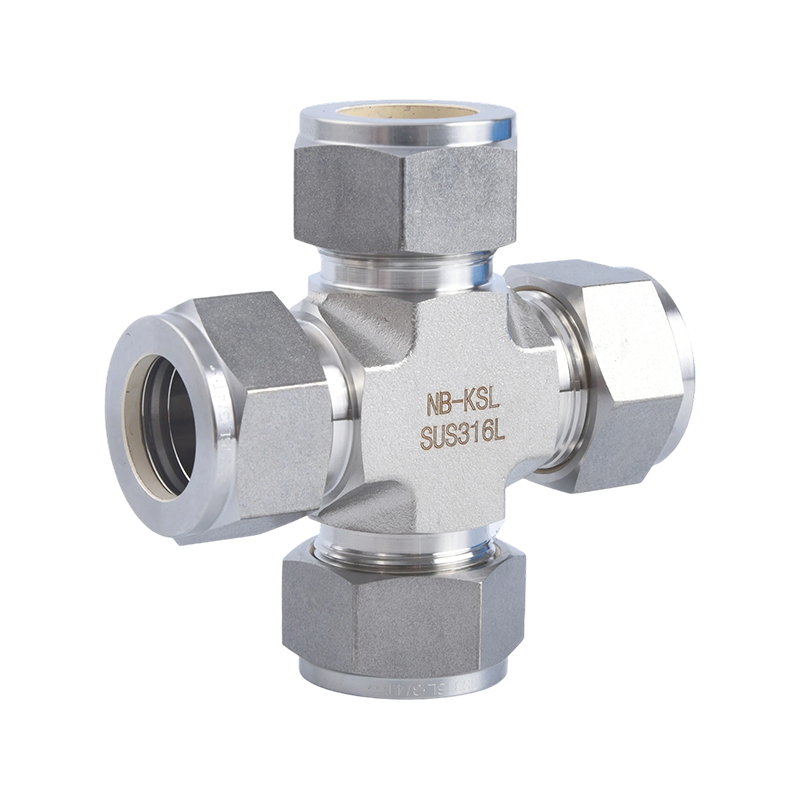
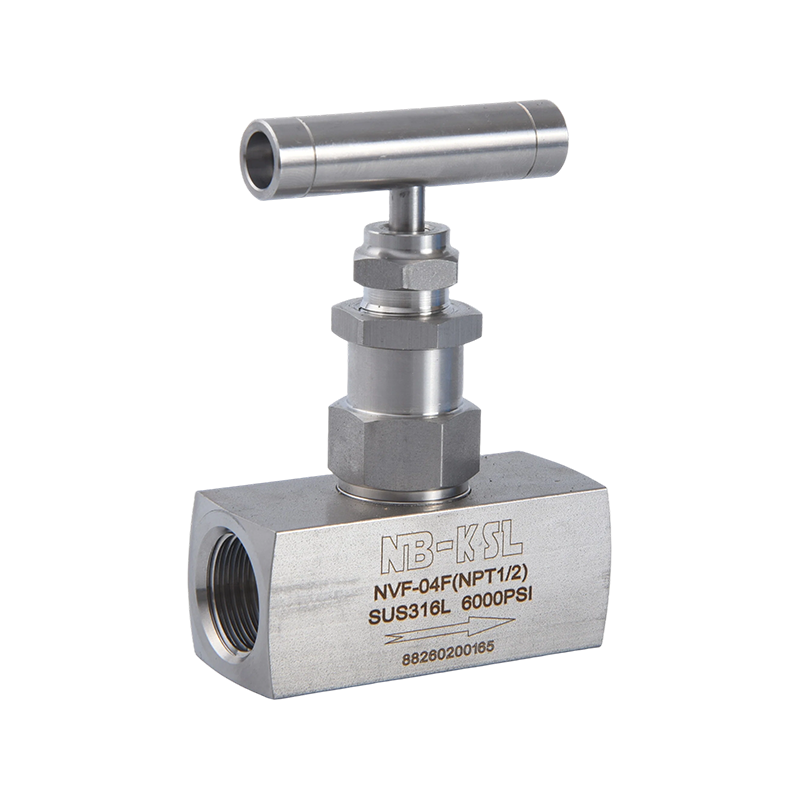
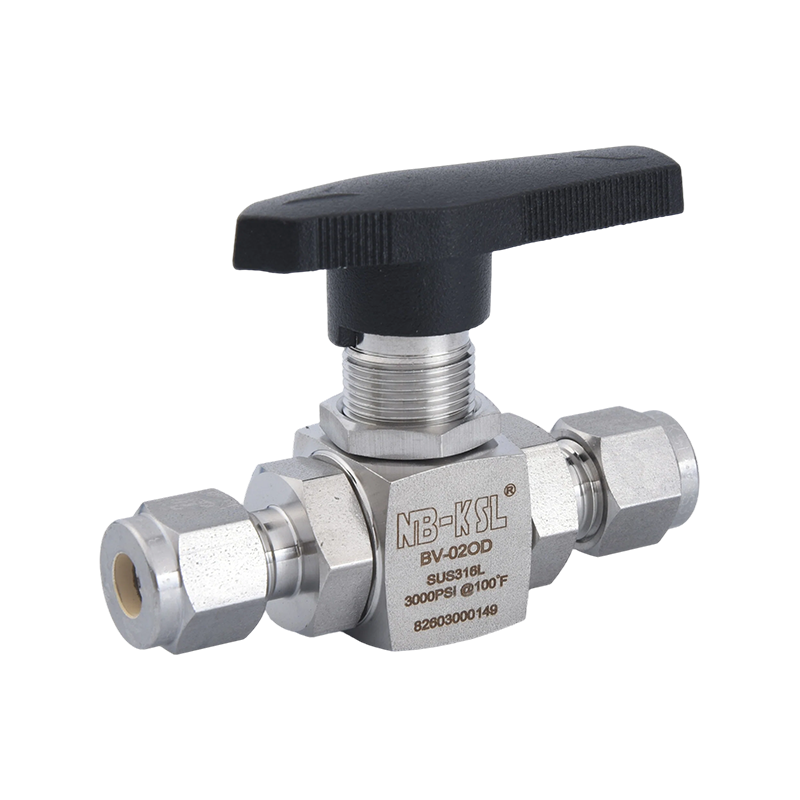
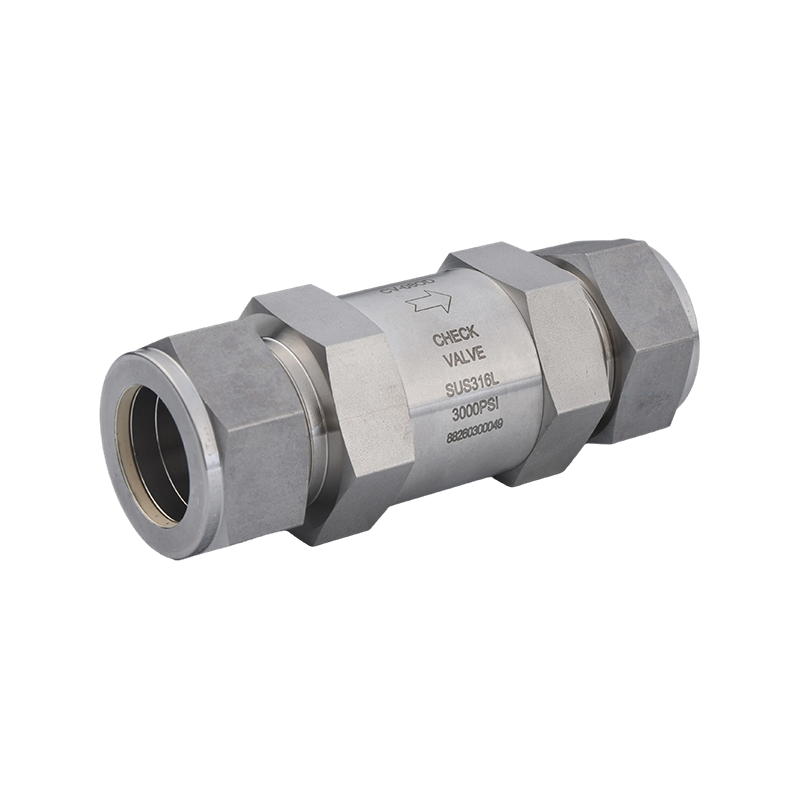
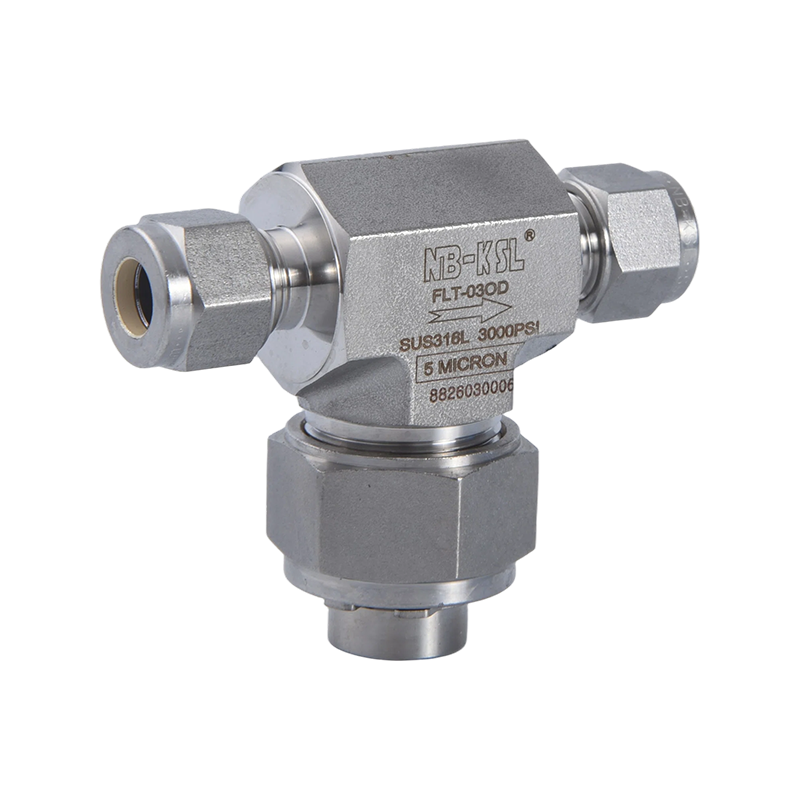
Our main products include: ferrule-type fittings, threaded fittings, instrument fittings, instrument needle valves, instrument ball valves, ferrule needle valves, ferrule ball valves, compact high-pressure instrument needle valves, compact high-pressure instrument ball valves, and high-pressure check valves. The primary material is SS316 stainless steel. These products are widely used in petrochemical, petroleum, electric power, pharmaceutical, food, papermaking, marine, and general machinery industries.
We strictly control product quality at every stage and are committed to delivering superior quality through advanced technology and professional management. Adhering to the business philosophy of "Quality First, Customer Supreme, Integrity Foremost," we strive to build the "NB-KSL" brand image, better serve our customers, and work together with you to create a prosperous future.
A process engineer once asked me why a new 3/8-inch needle valve could not hold downstream pressure. The valve was not defective; it was oversized. Every small turn of the stem moved more flow than the process needed, and the Cv formula wo...
A fixed-roof tank stores a flammable aromatic solvent. Its vent line runs to a vapor collection manifold. An electrical spark from a nearby pump can ignite the vapor-air mixture. The flame front travels along the vent pipe. In a long, turb...
Consider a gas line that has just been purged and refilled with a flammable mixture. A maintenance welder sparks, and a small flame front starts moving down the pipe. The question is not whether it will burn—it is whether the flame stays s...
A low-pressure alarm on a nitrogen analyzer purge line is rarely caused by the analyzer itself. More often, the real problem is a regulator or valve with a Cv that is too low for the flow demand. The component may look right in the catalog...
A Stainless Steel Pressure Regulator is one of the most important control devices in modern industrial fluid and gas systems. Its primary function is to automatically maintain a stable downstream pressure regardless of fluctuations in inlet pressure or changes in flow demand. This ability to stabilize pressure is essential in ensuring the safety, efficiency, and precision of complex industrial operations.
In many industrial environments, gas or liquid is supplied at high and often unstable pressure levels. Without regulation, this can lead to serious problems such as equipment damage, pipeline rupture, process instability, or inaccurate production results. The stainless steel regulator acts as a protective and balancing mechanism, continuously adjusting internal valve positions to maintain a preset output pressure.
From a structural perspective, a stainless steel regulator typically consists of a valve body, diaphragm, spring mechanism, valve seat, adjusting knob, and pressure sensing chamber. When downstream pressure drops, the spring pushes the valve open to increase flow; when pressure rises, the diaphragm responds by restricting flow. This closed-loop mechanical balance ensures consistent output without external power.
As a professional manufacturer, Ningbo Keshengli Stainless Steel Valve Co., Ltd. focuses on producing high-precision stainless steel regulators designed for demanding industrial environments. Our engineering approach emphasizes stability, corrosion resistance, and long service life, making our products suitable for continuous operation systems in chemical plants, oil refineries, gas distribution networks, and precision manufacturing facilities.
Compared with traditional regulators, stainless steel models provide significantly better resistance to corrosion, high pressure, and temperature extremes. This is especially important in environments where gases may contain moisture, acids, or reactive compounds. Using SS304 or SS316L stainless steel ensures structural integrity and chemical compatibility.
| Parameter | Range | Description |
|---|---|---|
| Inlet Pressure | Up to 40 MPa | Suitable for high-pressure systems |
| Outlet Pressure | 0.05 – 25 MPa | Adjustable precision control |
| Material | SS304 / SS316L | Corrosion-resistant stainless steel |
| Temperature Range | -40°C to 250°C | Wide industrial adaptability |
| Accuracy | ±1% – ±5% | Stable regulation performance |
| Connection Type | Thread / Flange / Weld | Flexible installation options |
In real industrial applications, even small pressure fluctuations can affect production quality. For example, in chemical reactions, inconsistent gas pressure may lead to unstable reaction rates. In instrumentation systems, it can cause inaccurate readings. Therefore, stainless steel regulators are engineered with highly sensitive diaphragms and optimized flow paths to ensure rapid response and stable control.
At Ningbo Keshengli Stainless Steel Valve Co., Ltd., we also conduct strict testing such as pressure endurance testing, leakage detection, and long-cycle stability validation to ensure each regulator performs reliably under real-world conditions.
FAQ – Function of Stainless Steel Pressure Regulators
Q1: What is the main role of a pressure regulator?
A1: It maintains stable downstream pressure regardless of inlet pressure fluctuations.
Q2: Why use stainless steel instead of other materials?
A2: Stainless steel provides superior corrosion resistance and long-term durability.
Q3: Can it be used in continuous industrial systems?
A3: Yes, it is designed for long-term continuous operation.
The increasing demand for Stainless Steel Pressure Regulators in global industries is driven by the need for higher reliability, longer service life, and better adaptability in harsh working environments. Traditional regulators made from brass, aluminum, or plastic materials are gradually being replaced as industrial requirements become more complex and demanding.
One of the most important advantages of stainless steel regulators is their exceptional corrosion resistance. In environments where gases contain moisture, sulfur compounds, or acidic components, traditional materials tend to degrade quickly. Stainless steel materials such as SS316L offer excellent resistance to chemical corrosion, ensuring long-term stability and reducing the risk of leakage or failure.
Another key advantage is structural strength. Stainless steel regulators can withstand high inlet pressures and mechanical stress without deformation. This makes them suitable for high-pressure gas systems, refinery pipelines, and industrial compressed air networks where stability is critical.
In addition, stainless steel regulators are widely used in high-purity industries such as pharmaceuticals, semiconductor manufacturing, and food processing. These industries require contamination-free gas delivery systems. Stainless steel ensures that no particles or chemical residues are released into the medium, maintaining system purity.
From a cost perspective, although the initial investment is higher, stainless steel regulators provide significantly lower lifecycle costs due to reduced maintenance and longer service intervals. This makes them a more economical solution in the long run.
Ningbo Keshengli Stainless Steel Valve Co., Ltd. has developed a wide range of stainless steel regulator products designed to meet these evolving industrial needs. Our manufacturing process includes precision machining, advanced sealing technology, and rigorous quality control to ensure consistent performance across all applications.
| Feature | Traditional Regulators | Stainless Steel Regulators |
|---|---|---|
| Corrosion Resistance | Limited | Excellent |
| Service Life | Short | Long-term |
| Pressure Stability | Moderate | High precision |
| Maintenance Frequency | High | Low |
| Application Range | General use | Industrial & high-purity systems |
In modern industrial systems, reliability is more important than ever. Equipment downtime can lead to significant production losses. Stainless steel regulators help minimize these risks by providing stable and predictable performance even in harsh conditions.
FAQ – Advantages of Stainless Steel Regulators
Q1: Are stainless steel regulators more durable?
A1: Yes, they offer significantly longer service life compared to traditional materials.
Q2: Are they suitable for corrosive environments?
A2: Yes, especially SS316L models are highly resistant to corrosion.
Q3: Do they require frequent maintenance?
A3: No, maintenance requirements are much lower.
Selecting the correct Stainless Steel Pressure Regulator is essential for ensuring safe, efficient, and stable operation of industrial systems. Different applications require different pressure ranges, flow capacities, and material specifications, so a careful evaluation is necessary before making a selection.
The first factor is pressure compatibility. The regulator must be able to handle the maximum inlet pressure while maintaining stable outlet pressure. Choosing a regulator with insufficient pressure capacity can lead to instability or even equipment failure.
The second factor is medium compatibility. Different gases or liquids may have corrosive or reactive properties, so selecting the appropriate stainless steel grade is critical. SS304 is suitable for general industrial use, while SS316L is preferred for corrosive or high-purity applications.
Flow capacity is another key consideration. A regulator must be able to supply sufficient flow without causing excessive pressure drop. If the flow capacity is too low, downstream systems may experience instability or reduced performance.
Environmental conditions also play an important role. Regulators used in outdoor, high-temperature, or high-vibration environments must be structurally robust and resistant to external stress. Stainless steel construction ensures strong mechanical durability in such conditions.
Precision requirements vary depending on application. Laboratory systems and semiconductor industries require extremely precise pressure control, while general industrial systems may tolerate wider pressure ranges.
As a professional manufacturer, Ningbo Keshengli Stainless Steel Valve Co., Ltd. provides both standard and customized stainless steel regulator solutions. We support OEM/ODM services, allowing customers to tailor pressure range, connection type, and material specifications based on specific operational needs.
| Selection Factor | Key Requirement |
|---|---|
| Pressure Range | Match system inlet/outlet needs |
| Material Grade | SS304 or SS316L selection |
| Flow Capacity | Ensure stable supply |
| Accuracy Level | Based on application sensitivity |
| Environment | Temperature, corrosion, vibration |
Choosing the right regulator not only improves system efficiency but also significantly enhances safety and reduces long-term operational costs.
FAQ – Selection of Stainless Steel Regulators
Q1: What is the most important selection factor?
A1: Pressure range compatibility is the most critical factor.
Q2: Can regulators be customized?
A2: Yes, OEM/ODM customization is available.
Q3: Which industries need high-precision regulators?
A3: Semiconductor, laboratory, and pharmaceutical industries.
 1 Zhongxin Yungu Zone D Building 1, Jiangkou Street, Fenghua District, Ningbo City, Zhejiang Province, China
 +86-574-88561893 / +86-15057497901
 Copyright © Ningbo Keshengli Stainless Steel Valve Co., Ltd. Rights Reserved.
Custom Stainless Steel Regulator Manufacturers
Copyright © Ningbo Keshengli Stainless Steel Valve Co., Ltd. Rights Reserved.
Custom Stainless Steel Regulator Manufacturers



 English
 中文简体
中文简体