
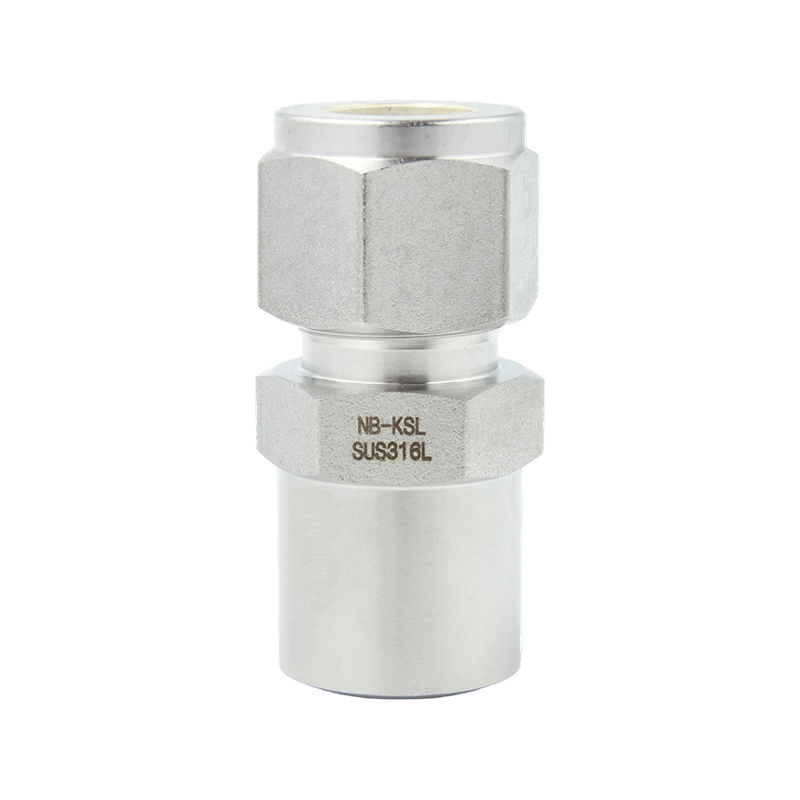


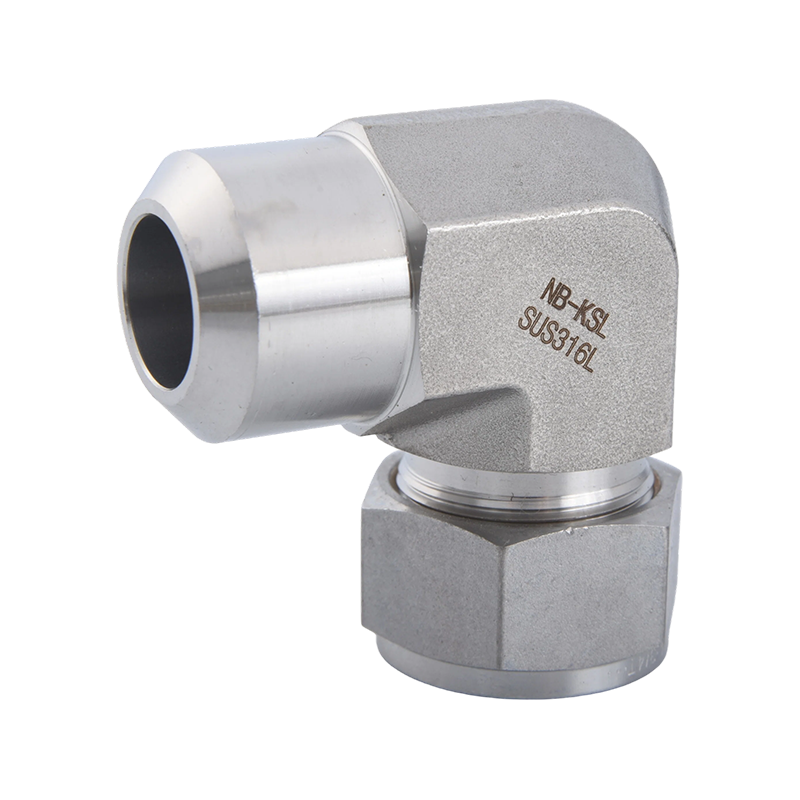
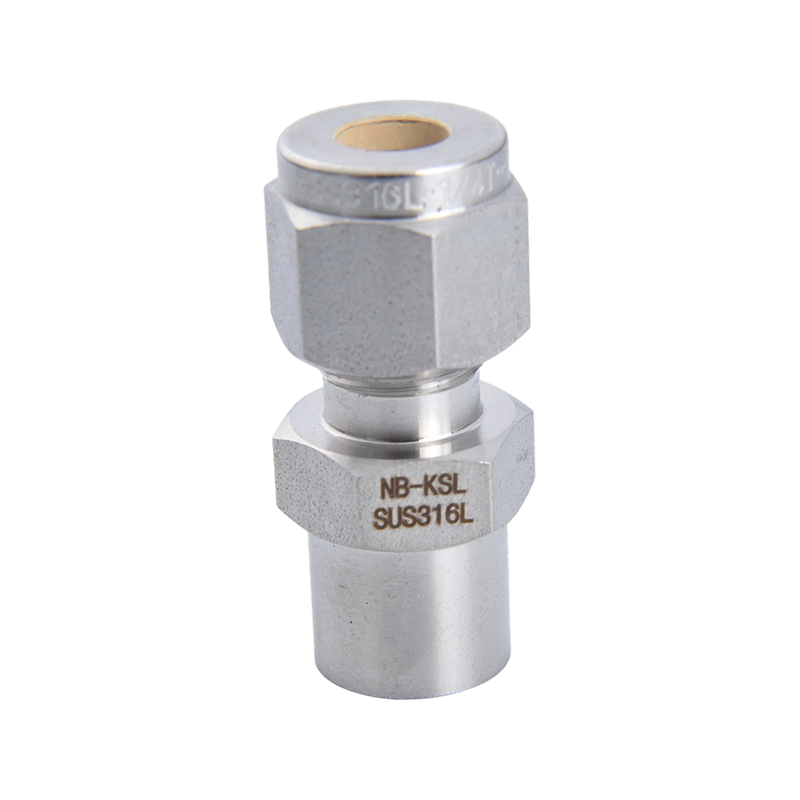
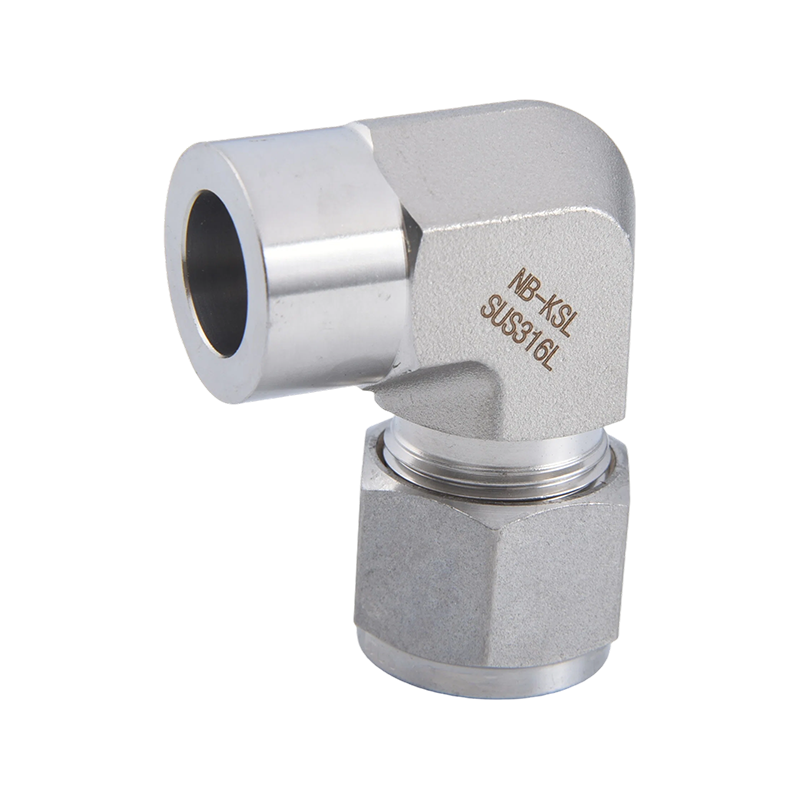
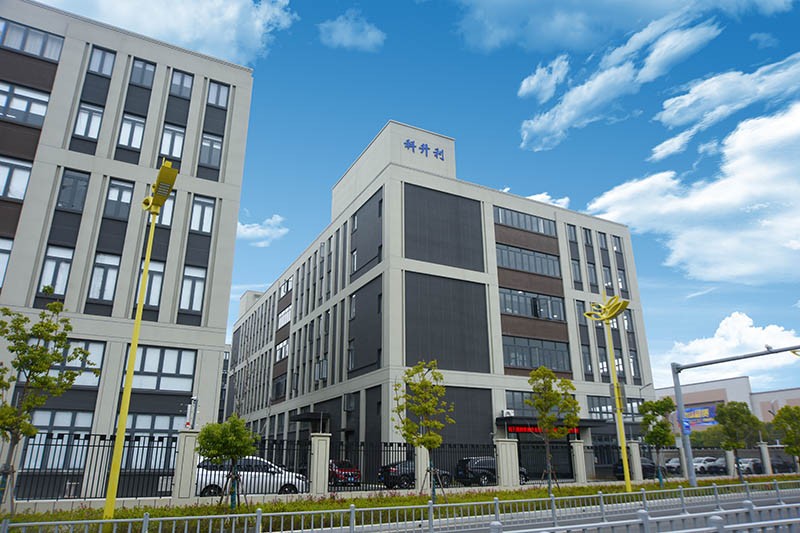
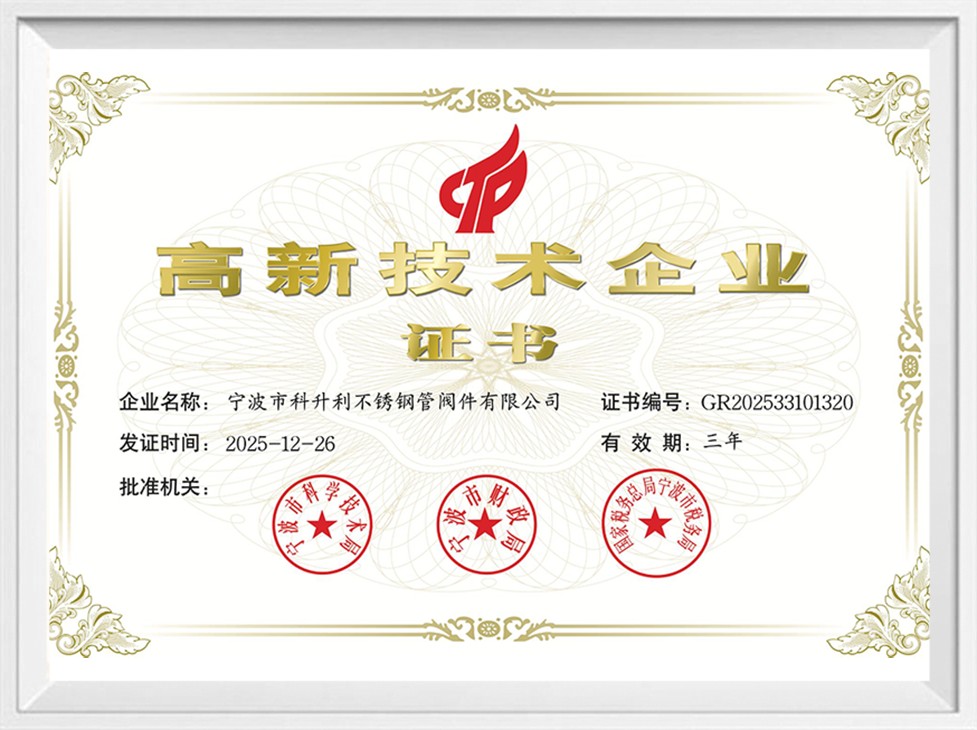
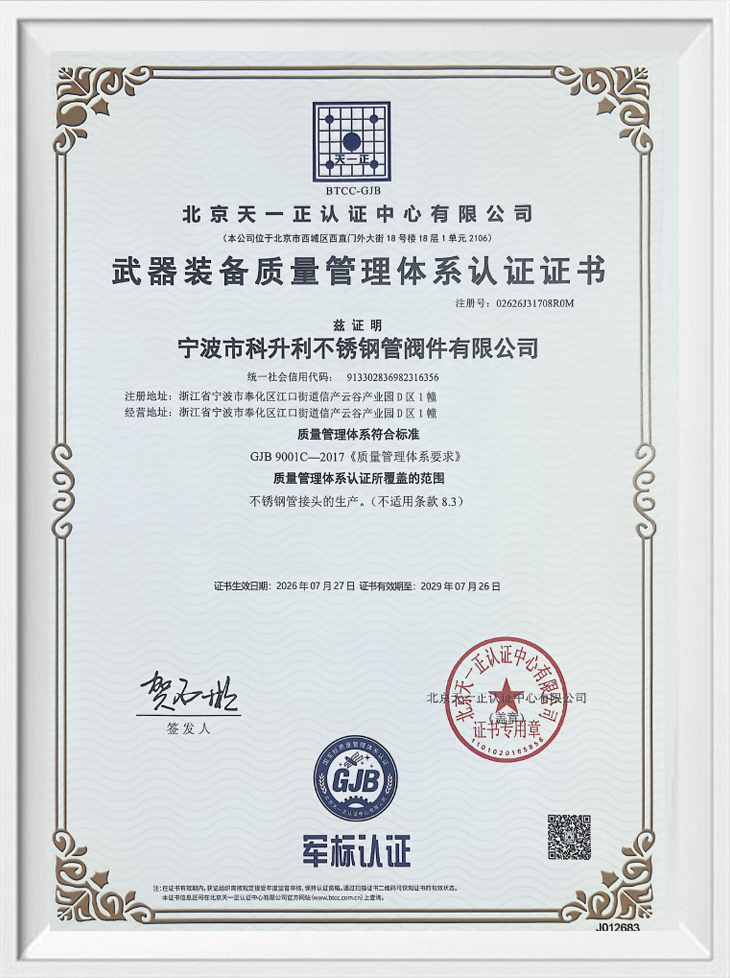
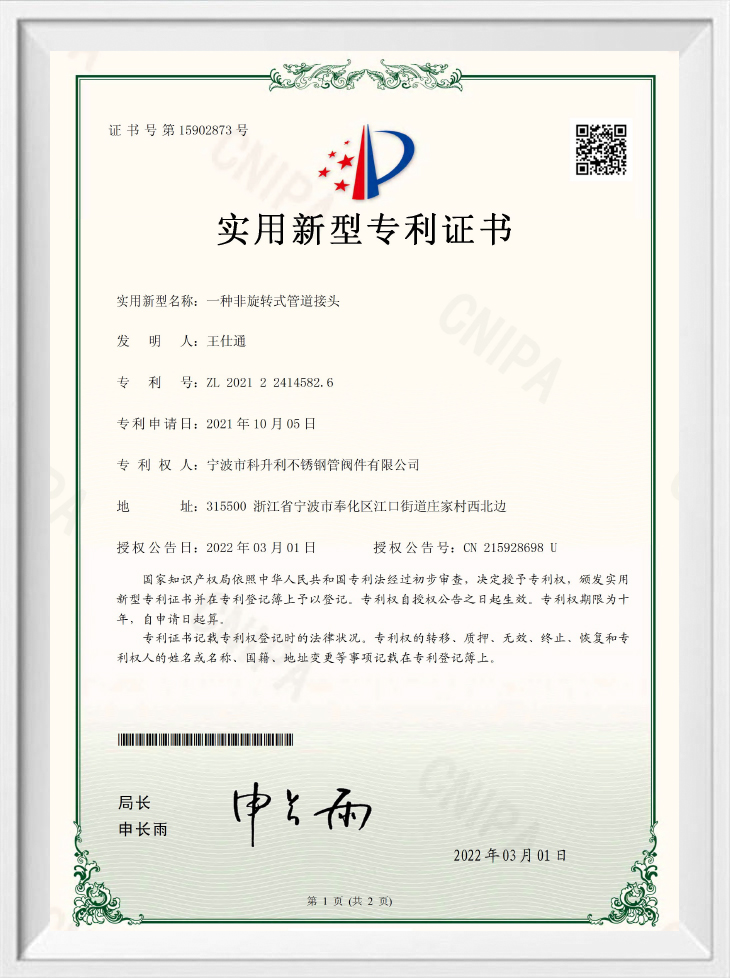
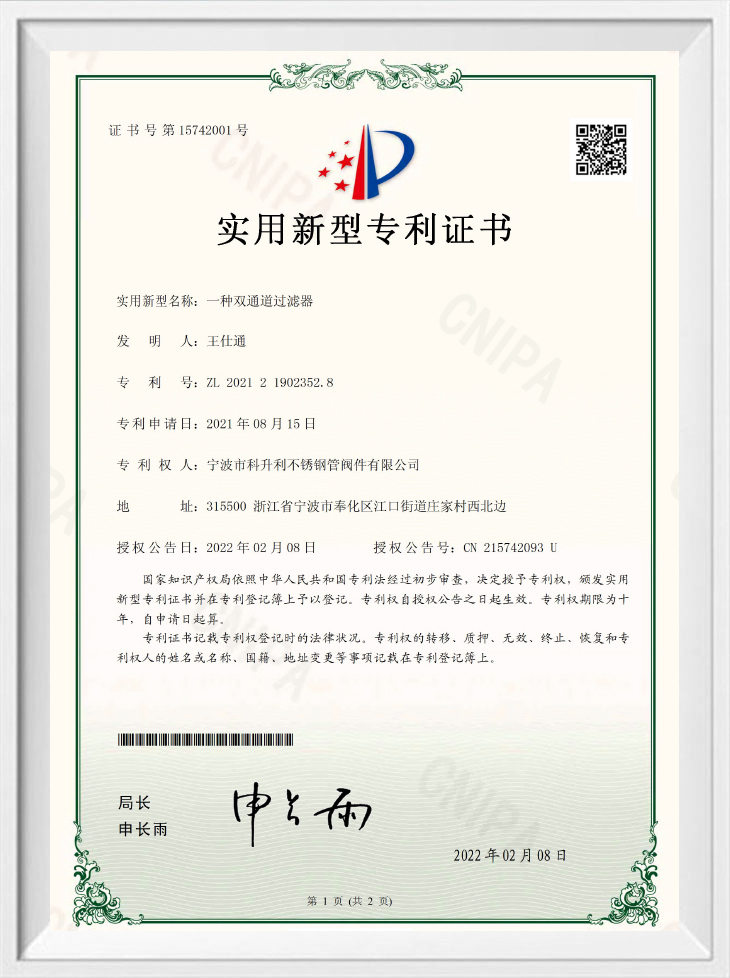
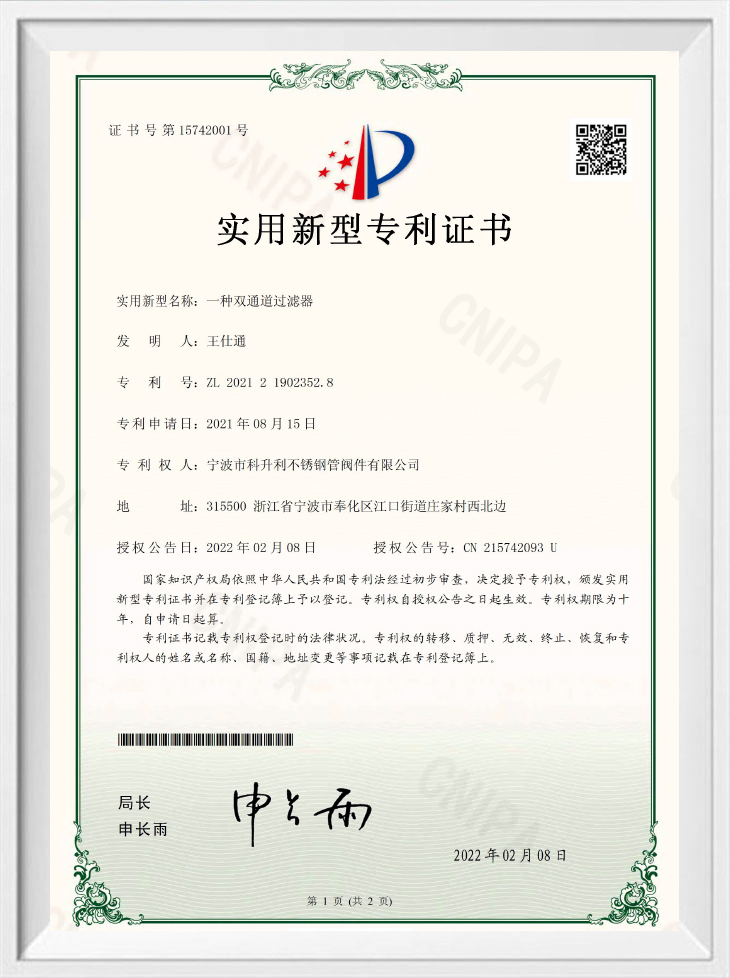
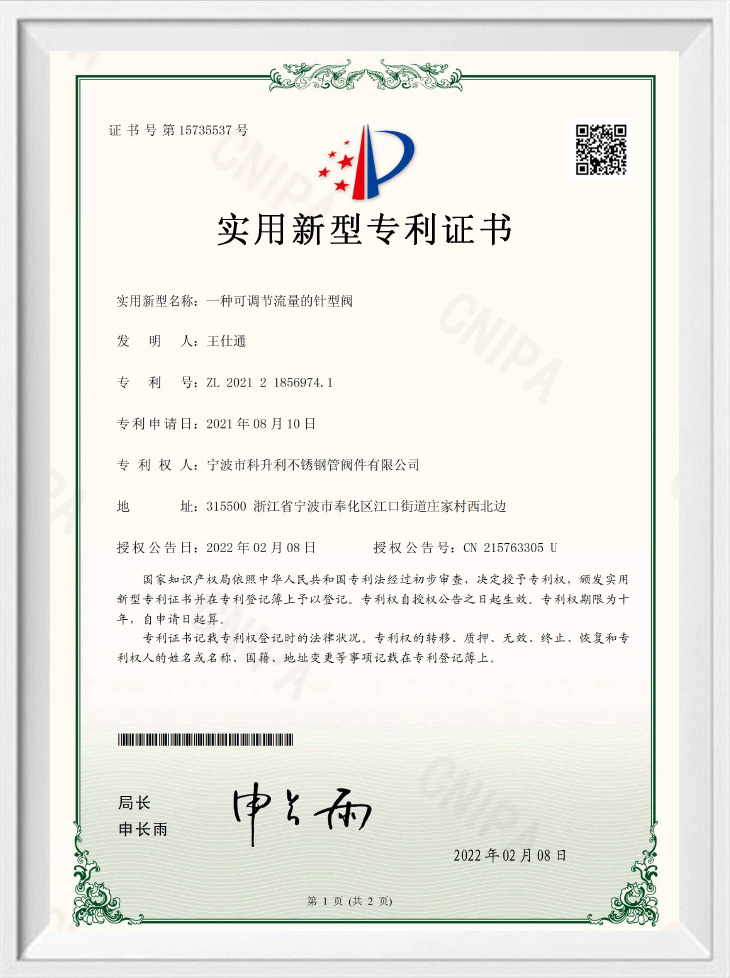
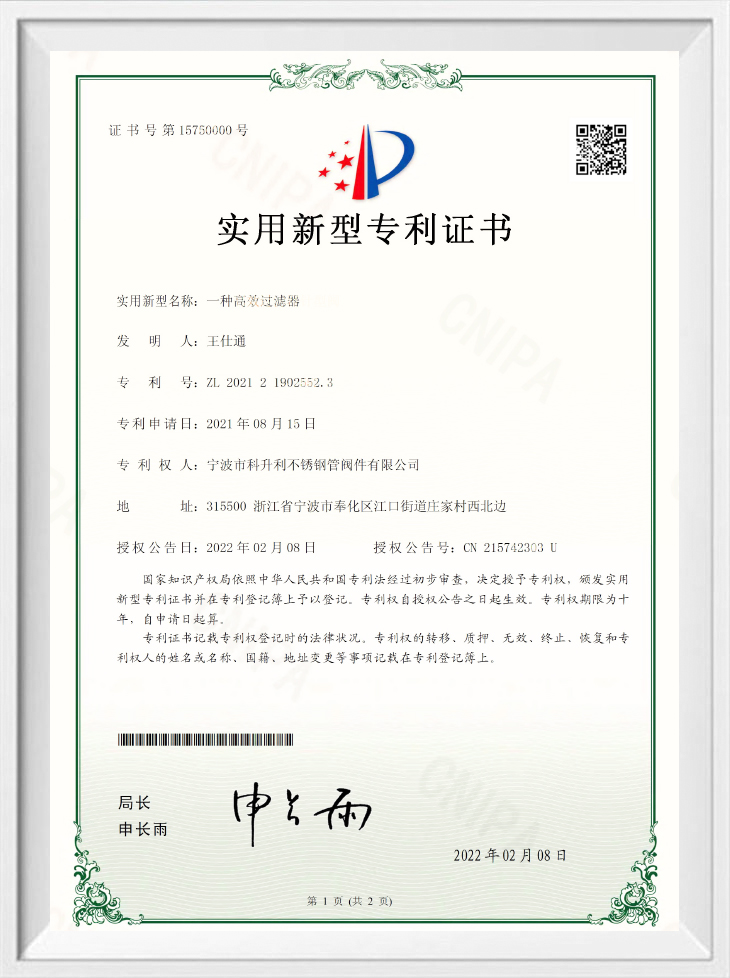
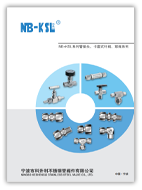
As China Stainless Steel Tube To Weld End Suppliers and Stainless Steel Tube To Weld End Manufacturers, Our company specializes in the manufacturing and sales of stainless steel pipe fittings and valves in national (GB), American (ANSI/ASME), and British (BS) standards. We are equipped with advanced CNC machining centers, material testing and heat treatment facilities, a skilled technical team, and a robust production workforce. With a sound quality management system and excellent after-sales service, we sincerely serve customers worldwide.
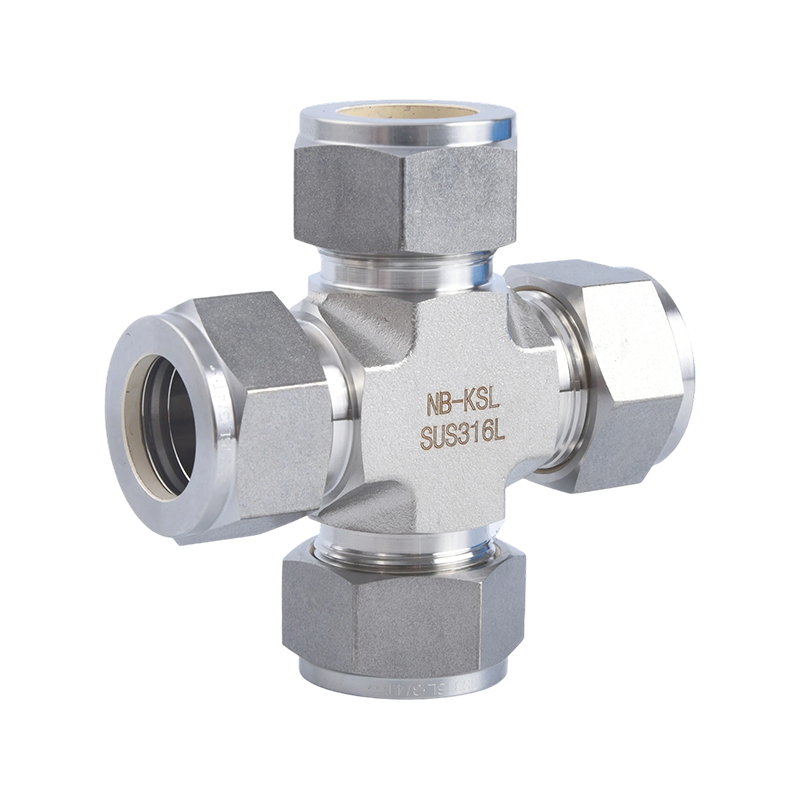
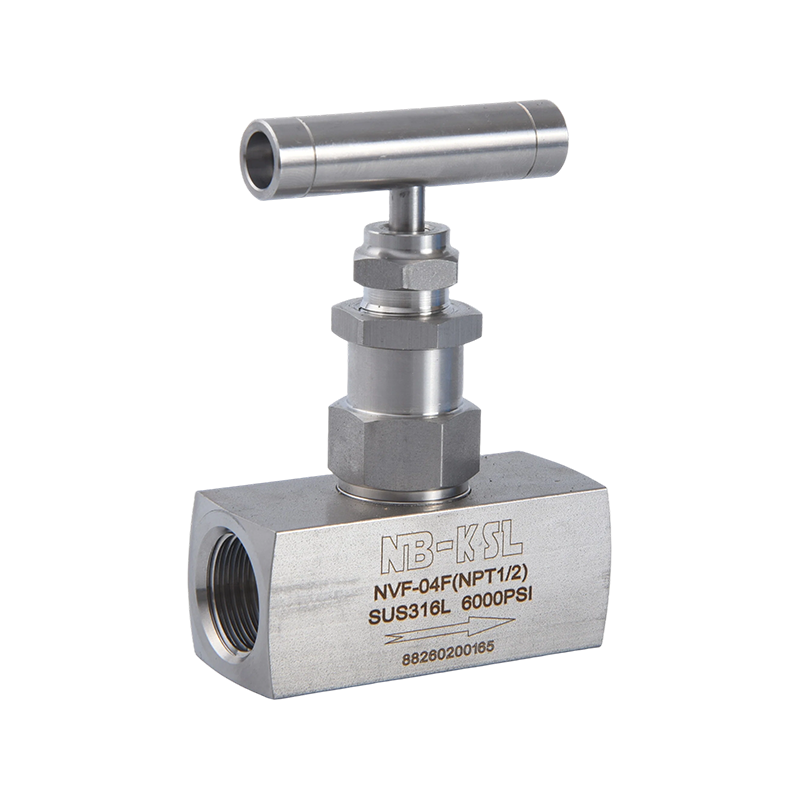
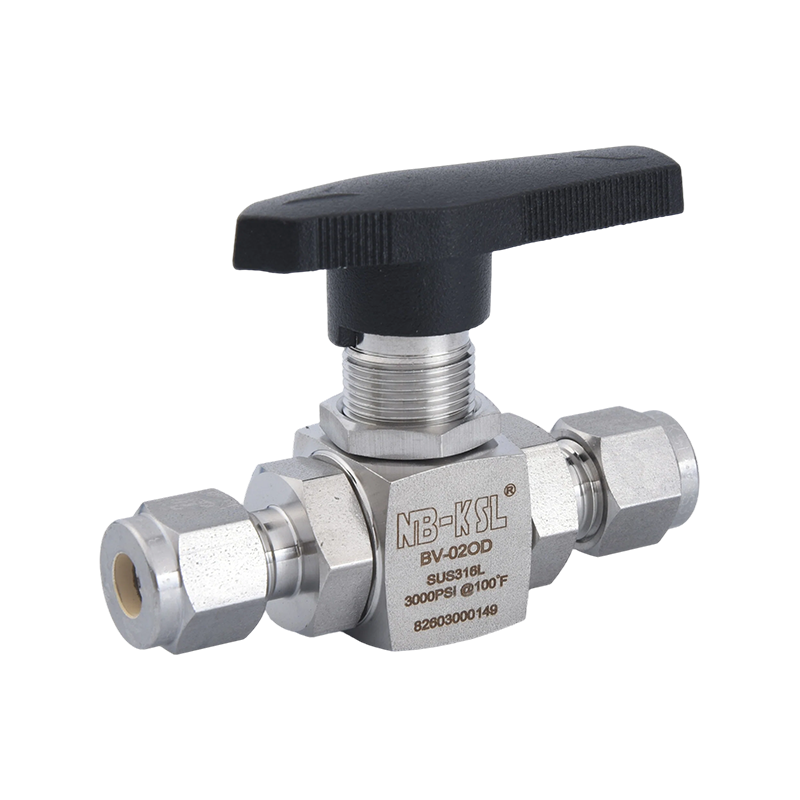
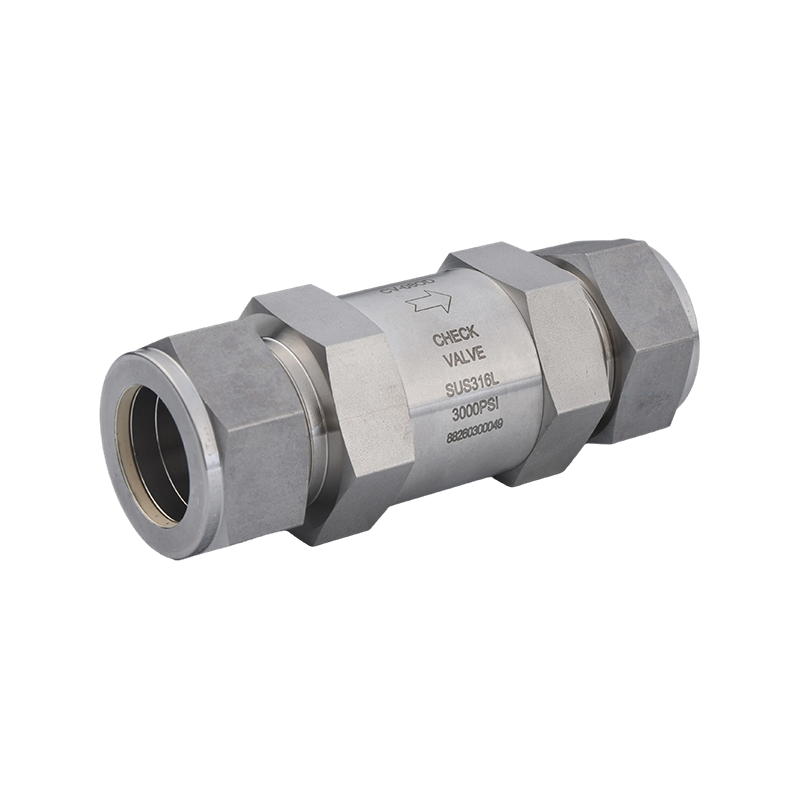
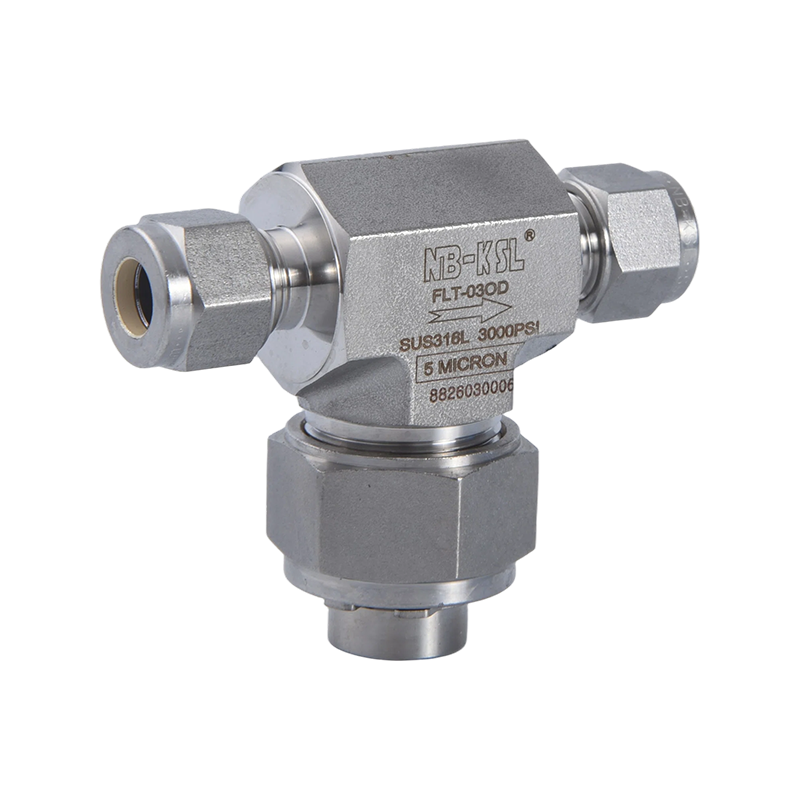
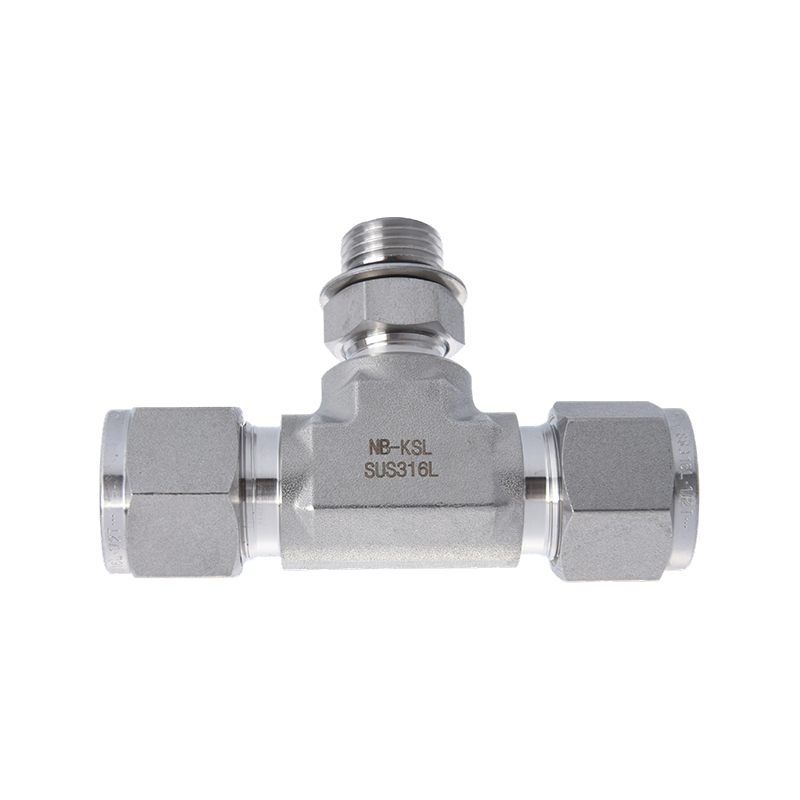
Our main products include: ferrule-type fittings, threaded fittings, instrument fittings, instrument needle valves, instrument ball valves, ferrule needle valves, ferrule ball valves, compact high-pressure instrument needle valves, compact high-pressure instrument ball valves, and high-pressure check valves. The primary material is SS316 stainless steel. These products are widely used in petrochemical, petroleum, electric power, pharmaceutical, food, papermaking, marine, and general machinery industries.
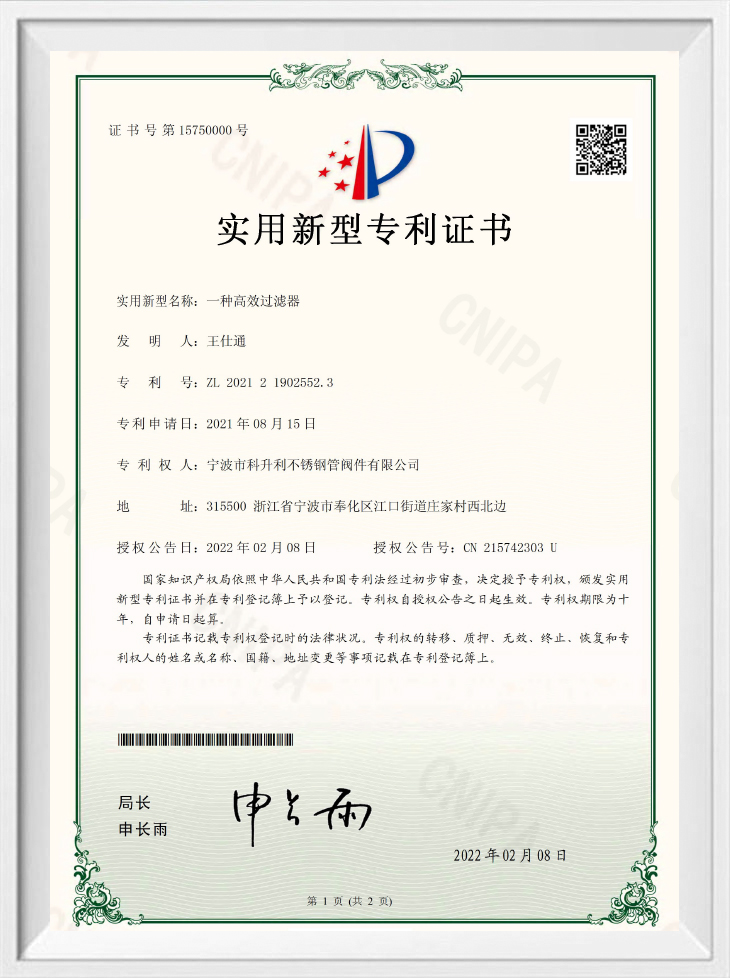
We strictly control product quality at every stage and are committed to delivering superior quality through advanced technology and professional management. Adhering to the business philosophy of "Quality First, Customer Supreme, Integrity Foremost," we strive to build the "NB-KSL" brand image, better serve our customers, and work together with you to create a prosperous future.
A process engineer once asked me why a new 3/8-inch needle valve could not hold downstream pressure. The valve was not defective; it was oversized. Every small turn of the stem moved more flow than the process needed, and the Cv formula wo...
A fixed-roof tank stores a flammable aromatic solvent. Its vent line runs to a vapor collection manifold. An electrical spark from a nearby pump can ignite the vapor-air mixture. The flame front travels along the vent pipe. In a long, turb...
Consider a gas line that has just been purged and refilled with a flammable mixture. A maintenance welder sparks, and a small flame front starts moving down the pipe. The question is not whether it will burn—it is whether the flame stays s...
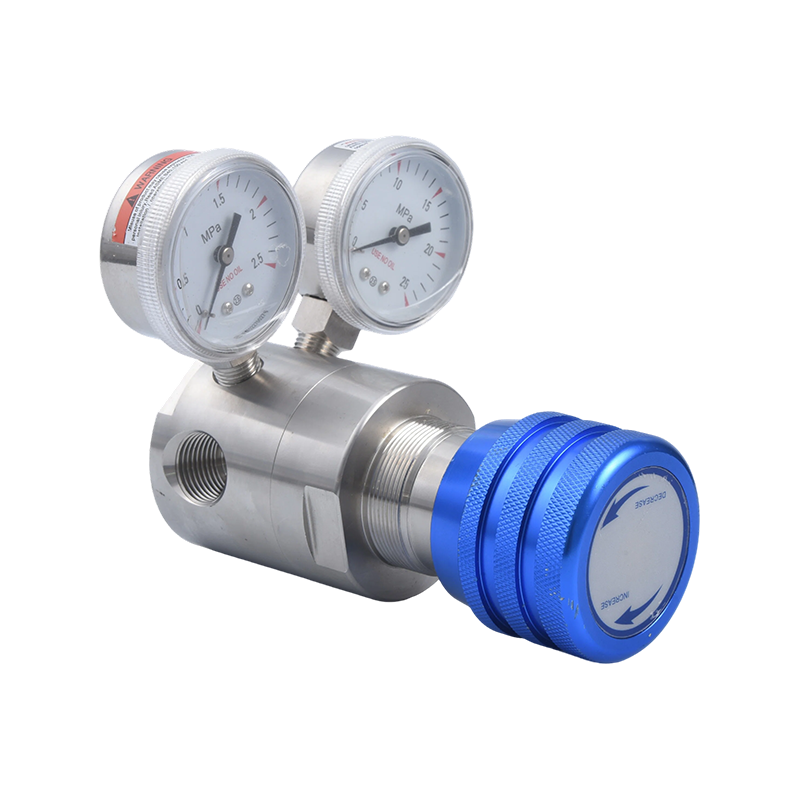
A low-pressure alarm on a nitrogen analyzer purge line is rarely caused by the analyzer itself. More often, the real problem is a regulator or valve with a Cv that is too low for the flow demand. The component may look right in the catalog...
A Tube To Weld End is an important transition fitting widely used in modern industrial piping systems. Its main role is to connect a tube section to a weld-end interface, enabling the pipeline to be permanently joined through welding. Compared with mechanical connections such as threaded joints or compression fittings, this structure provides a much more stable and secure sealing performance, making it especially suitable for high-pressure, high-temperature, and high-safety-demand environments.
In industrial fluid systems, leakage prevention is one of the most critical engineering requirements. Tube To Weld End fittings are designed to eliminate potential weak points by converting a detachable tube connection into a permanent welded joint. Once installed, the connection becomes an integral part of the pipeline, significantly reducing maintenance requirements and improving long-term reliability. This is why it is commonly used in petrochemical plants, pharmaceutical production lines, food-grade processing systems, and energy industries.
From a structural perspective, Tube To Weld End fittings are designed with precision-machined tube sockets on one side and a beveled weld preparation end on the other. This allows smooth alignment during installation and ensures high-quality weld penetration. The design also helps reduce turbulence in fluid flow, which is essential for maintaining system efficiency.
Companies like Ningbo Keshengli Stainless Steel Valve Co., Ltd., which specialize in stainless steel valve and piping solutions, integrate Tube To Weld End components into broader valve and pipeline systems. With advanced machining capabilities and strict quality control, such manufacturers ensure that every fitting meets industrial performance and safety standards.
| Feature | Description |
|---|---|
| Connection Type | Tube connection + weld-end transition |
| Structural Function | Permanent pipeline integration |
| Flow Characteristics | Smooth transition, reduced turbulence |
| Pressure Suitability | Medium to high-pressure systems |
| Common Industries | Petrochemical, pharmaceutical, energy, food processing |
Another important advantage is compatibility. Tube To Weld End fittings can be manufactured in various materials such as 304 stainless steel, 316 stainless steel, and duplex steel, allowing them to perform well in corrosive, marine, or chemically aggressive environments. Their versatility makes them a standard component in many global piping systems.
The performance and reliability of a Tube To Weld End fitting are highly dependent on material selection and manufacturing precision. In industrial applications, materials must not only withstand pressure but also resist corrosion, thermal cycling, and mechanical stress over long periods. Therefore, stainless steel grades such as 304 and 316 are most commonly used due to their excellent corrosion resistance and mechanical strength.
In more demanding environments, duplex stainless steel or alloy steel may be selected to enhance resistance to chloride corrosion, acidic media, or extreme temperature conditions. The material selection process is typically based on fluid type, operating temperature, pressure rating, and environmental exposure.
Manufacturing Tube To Weld End fittings requires a combination of forging, CNC machining, and precision finishing. The process begins with raw material inspection to ensure chemical composition compliance. Forging is often used to improve internal grain structure, enhancing strength and fatigue resistance. CNC machining is then applied to achieve tight dimensional tolerances, ensuring proper tube fit and weld preparation geometry.
Heat treatment is another critical stage. It helps relieve internal stress and improves hardness and durability. After machining and treatment, surface finishing is performed to ensure smooth weld areas, reducing the risk of welding defects such as cracks or porosity.
Manufacturers like Ningbo Keshengli Stainless Steel Valve Co., Ltd. emphasize strict adherence to international standards such as ASME, ASTM, and DIN. Their production lines typically include multiple inspection stages, ensuring that each Tube To Weld End fitting meets global industrial requirements.
| Manufacturing Stage | Key Purpose |
|---|---|
| Raw Material Testing | Ensure chemical and mechanical compliance |
| Forging Process | Improve strength and structural integrity |
| CNC Machining | Achieve precise dimensions |
| Heat Treatment | Enhance hardness and stability |
| Surface Finishing | Improve weld quality and corrosion resistance |
| Quality Inspection | Pressure, dimension, and leak testing |
Quality control is especially important because Tube To Weld End fittings are often used in critical systems where failure is not acceptable. Therefore, pressure testing and non-destructive testing methods such as ultrasonic inspection or dye penetrant testing are commonly applied.
Tube To Weld End fittings are widely used in industries where safety, durability, and leak prevention are essential. Their welded structure ensures a permanent and robust connection, making them suitable for both static and dynamic operating environments. One of the most common applications is in petrochemical and refinery systems, where pipelines transport hazardous and high-pressure fluids.
In the pharmaceutical and food processing industries, Tube To Weld End fittings are favored for their sanitary and contamination-free design. Since welded joints eliminate gaps where bacteria or residue could accumulate, they help maintain strict hygiene standards. Similarly, in power generation systems, they are used in steam and cooling pipelines where high temperature and pressure resistance are required.
Another major application is in marine and offshore engineering. These environments expose piping systems to saltwater corrosion and constant vibration. Tube To Weld End fittings, especially those made from 316 stainless steel, offer excellent resistance and stability under such conditions.
The advantages of Tube To Weld End fittings include high structural integrity, long service life, and reduced maintenance costs. Once welded, the system becomes virtually maintenance-free compared to mechanical joints that require periodic tightening or replacement of sealing components.
| Application Area | Key Requirement | Tube To Weld End Advantage |
|---|---|---|
| Petrochemical Industry | High pressure & safety | Leak-proof welded connection |
| Food & Beverage | Hygiene & cleanliness | No contamination risk |
| Pharmaceutical | Sterile environment | Smooth internal surface |
| Power Plants | Heat resistance | Stable under high temperature |
| Marine Engineering | Corrosion resistance | Stainless steel durability |
From a system design perspective, Tube To Weld End fittings also help reduce overall footprint by enabling compact pipeline layouts. Engineers can design more efficient systems without worrying about space-consuming mechanical connectors.
As a professional manufacturer, Ningbo Keshengli Stainless Steel Valve Co., Ltd. provides high-quality Tube To Weld End solutions integrated with stainless steel valves and fittings. With strong engineering capabilities and strict quality control systems, the company supports global customers in building safe and efficient pipeline systems.
Q1: What is the main purpose of a Tube To Weld End?
It is used to convert a tube connection into a permanent weld-end joint, ensuring a leak-proof and durable pipeline system.
Q2: What materials are commonly used?
The most common materials are 304 and 316 stainless steel, with duplex and alloy steels used for more demanding environments.
Q3: Where is Tube To Weld End typically used?
It is widely used in petrochemical, pharmaceutical, food processing, power generation, and marine industries.
Q4: What are the advantages over mechanical fittings?
It provides a permanent, maintenance-free, and highly secure connection with excellent resistance to pressure and vibration.
Q5: Does Ningbo Keshengli Stainless Steel Valve Co., Ltd. supply these fittings?
Yes, Ningbo Keshengli Stainless Steel Valve Co., Ltd. supplies stainless steel valve and piping components, including Tube To Weld End solutions, designed for industrial-grade performance and reliability.
 1 Zhongxin Yungu Zone D Building 1, Jiangkou Street, Fenghua District, Ningbo City, Zhejiang Province, China
 +86-574-88561893 / +86-15057497901
 Copyright © Ningbo Keshengli Stainless Steel Valve Co., Ltd. Rights Reserved.
OEM/ODM Stainless Steel Tube To Weld End Suppliers
Copyright © Ningbo Keshengli Stainless Steel Valve Co., Ltd. Rights Reserved.
OEM/ODM Stainless Steel Tube To Weld End Suppliers



 English
 中文简体
中文简体