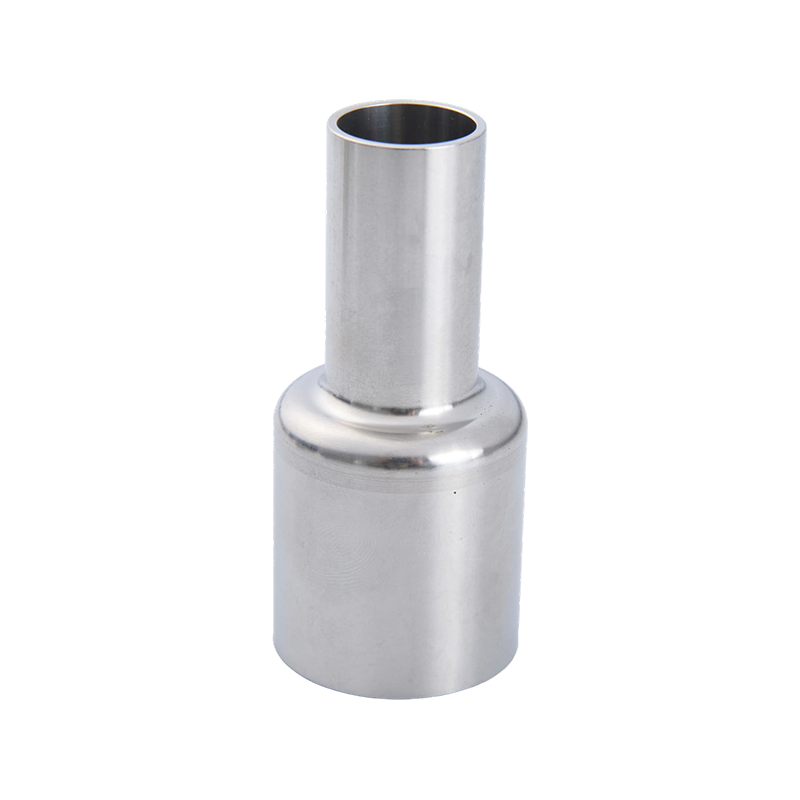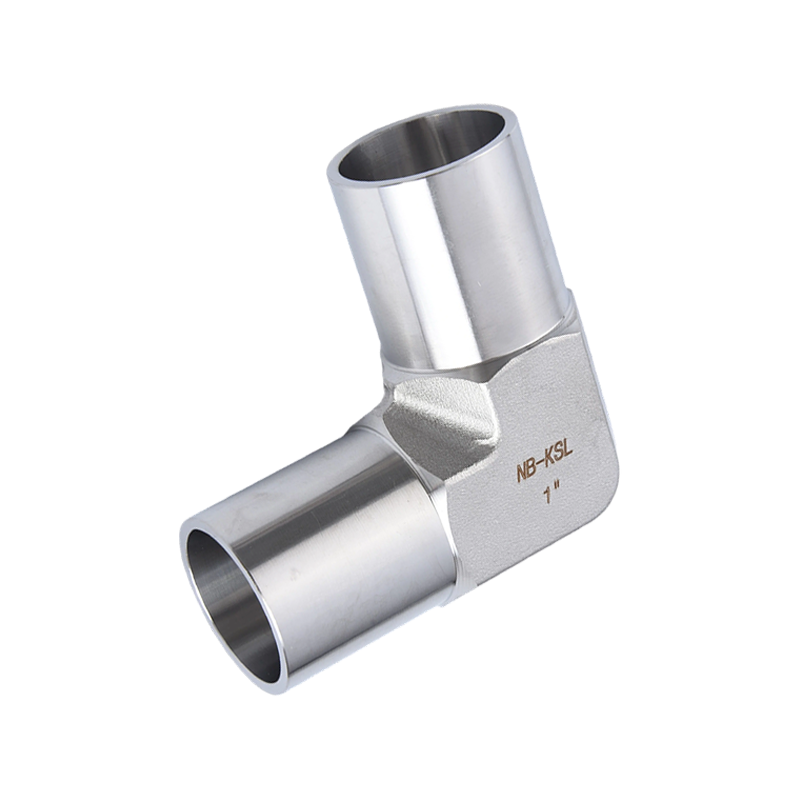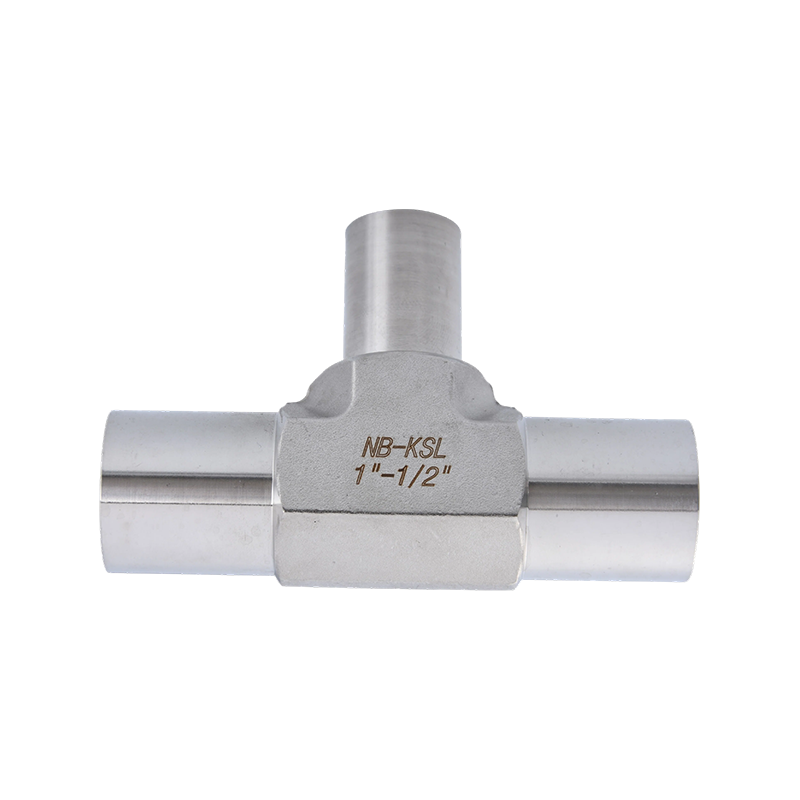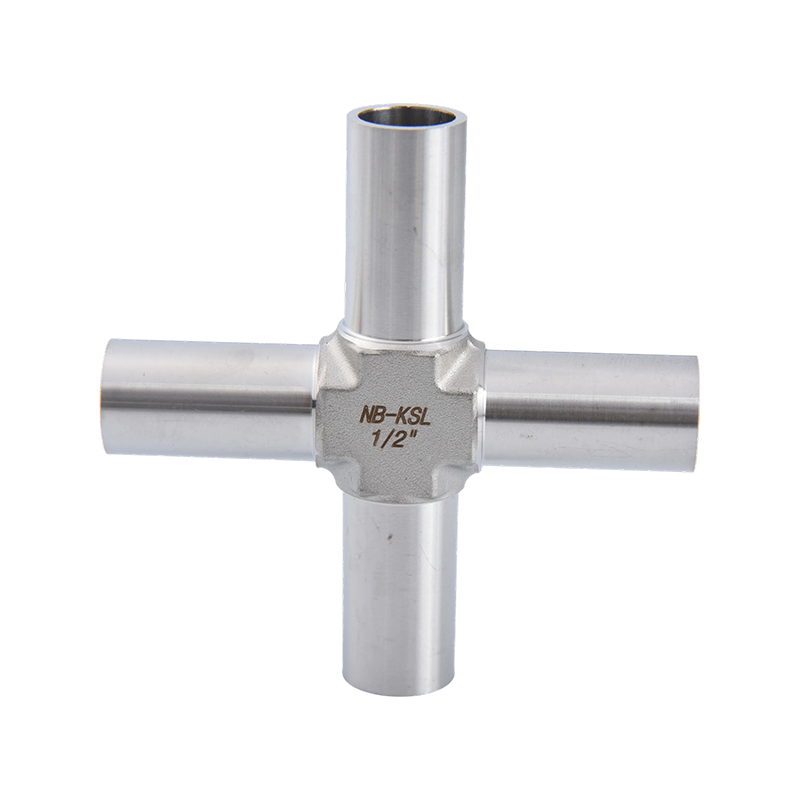
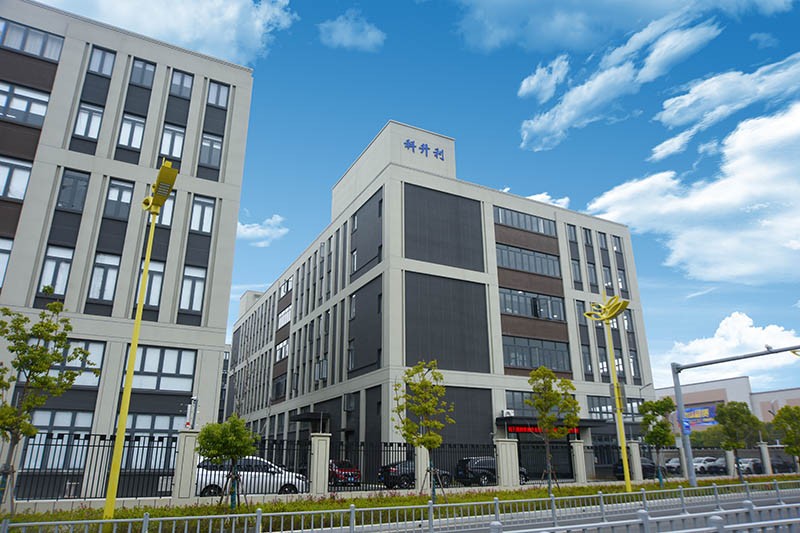
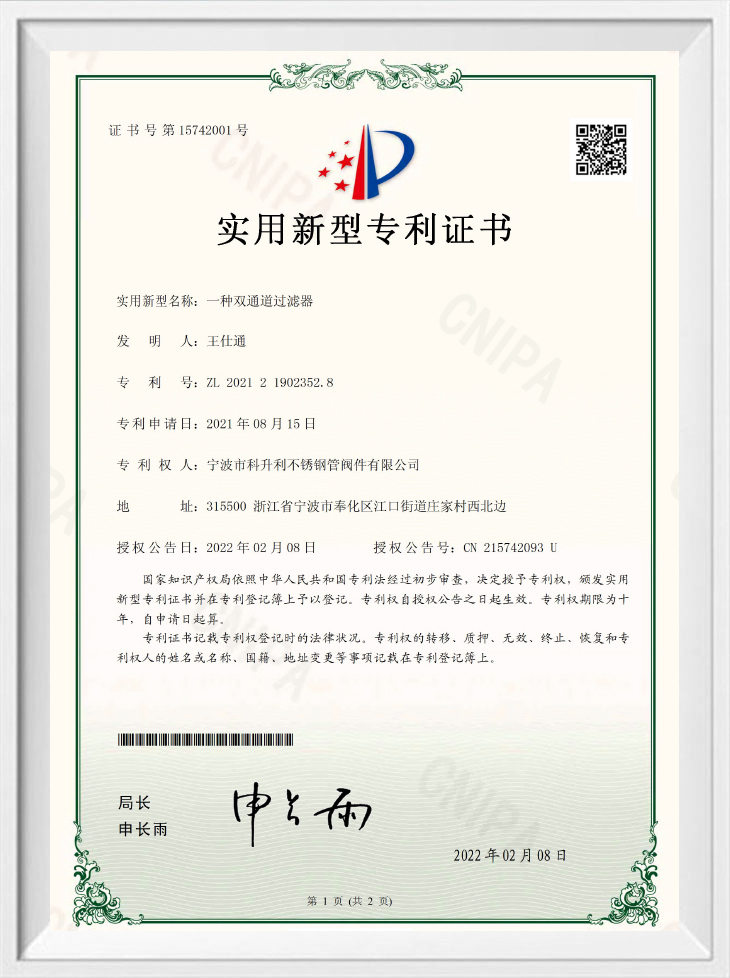
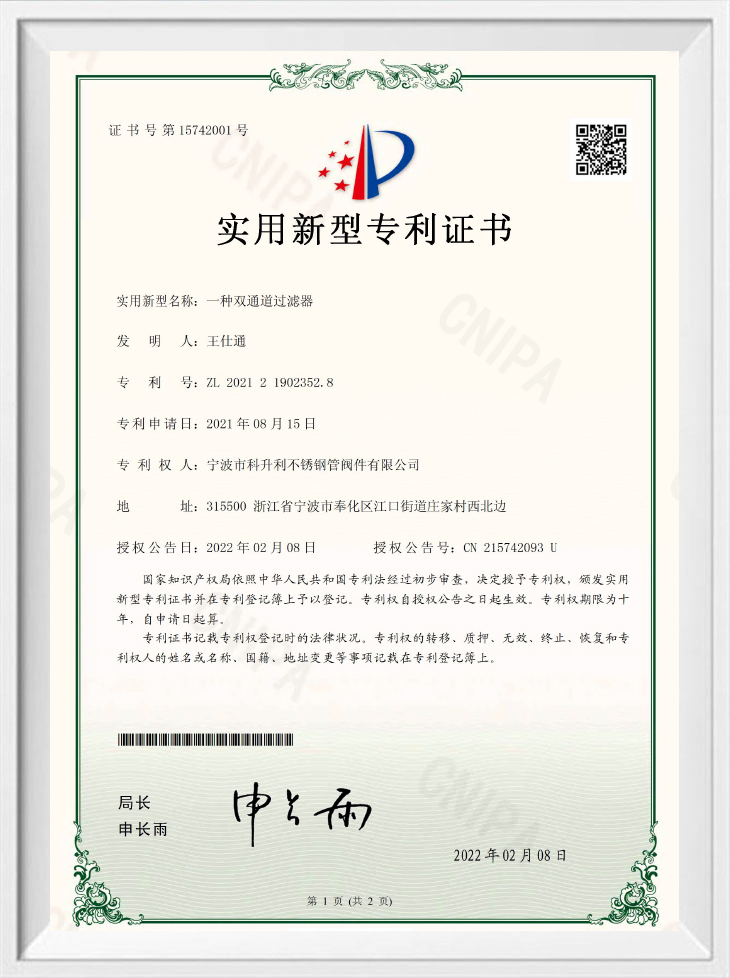
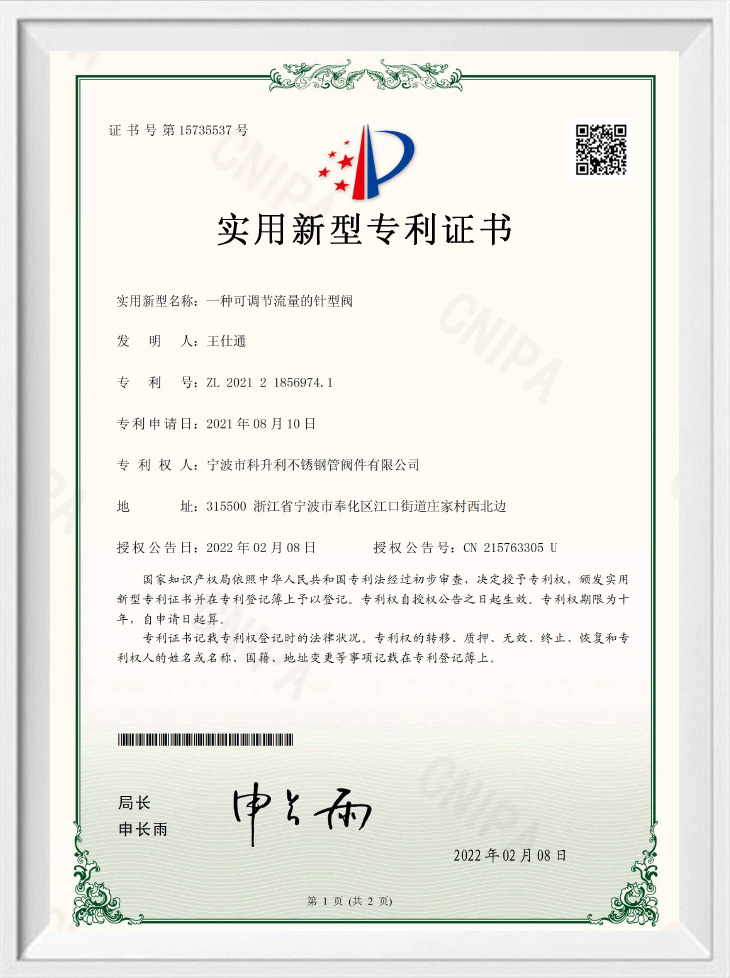
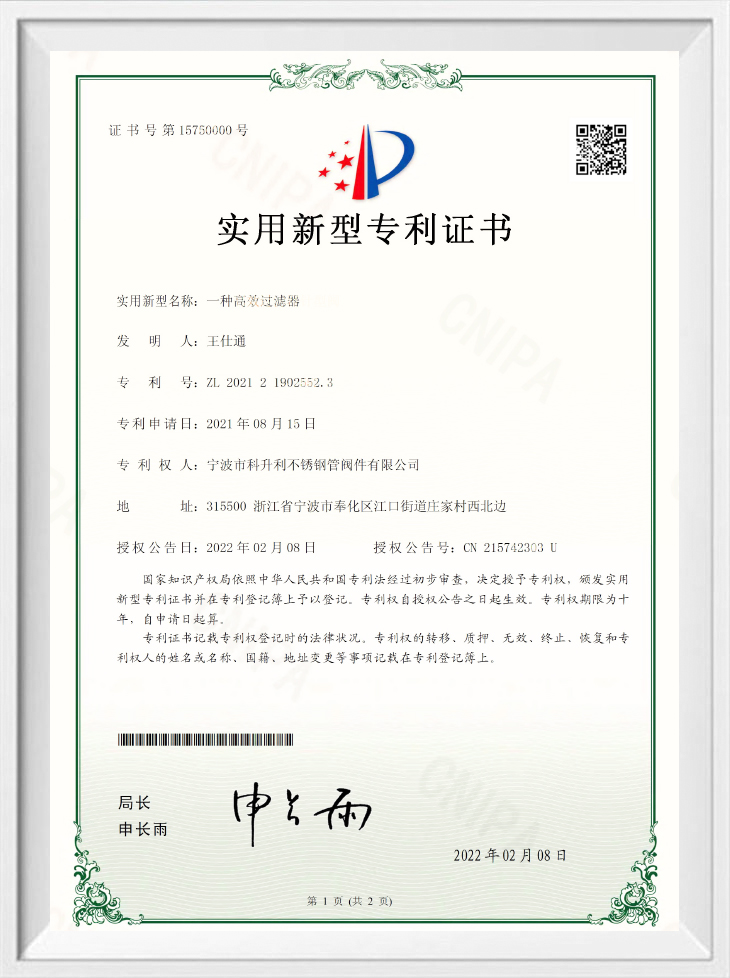
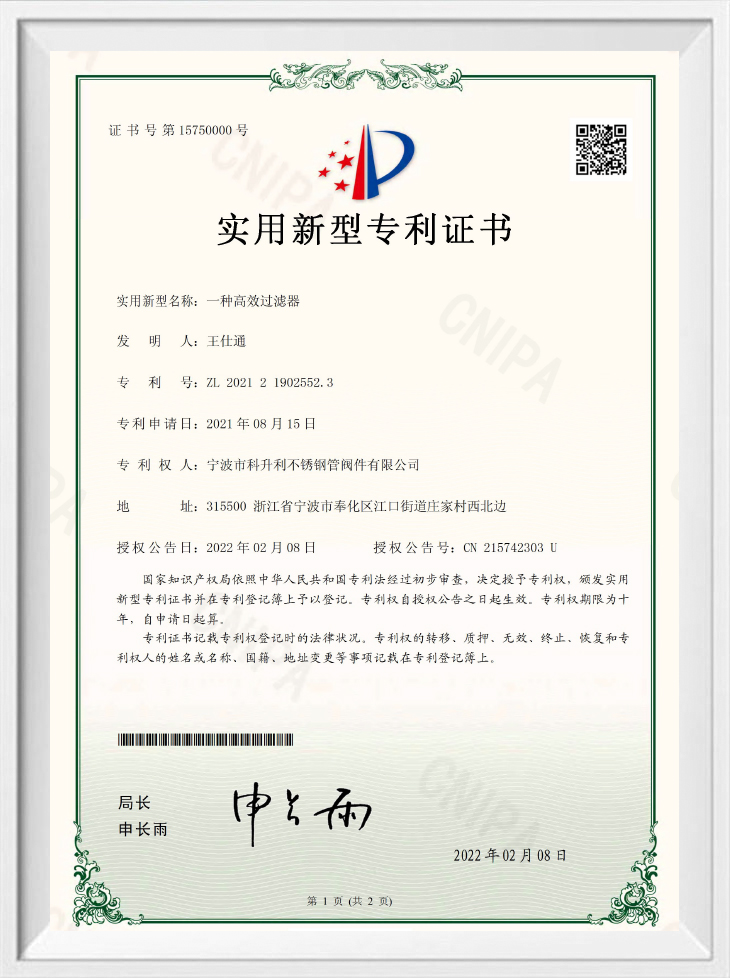
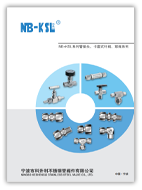
As China Stainless Steel Weld Fittings Suppliers and Stainless Steel Weld Fittings Manufacturers, Our company specializes in the manufacturing and sales of stainless steel pipe fittings and valves in national (GB), American (ANSI/ASME), and British (BS) standards. We are equipped with advanced CNC machining centers, material testing and heat treatment facilities, a skilled technical team, and a robust production workforce. With a sound quality management system and excellent after-sales service, we sincerely serve customers worldwide.
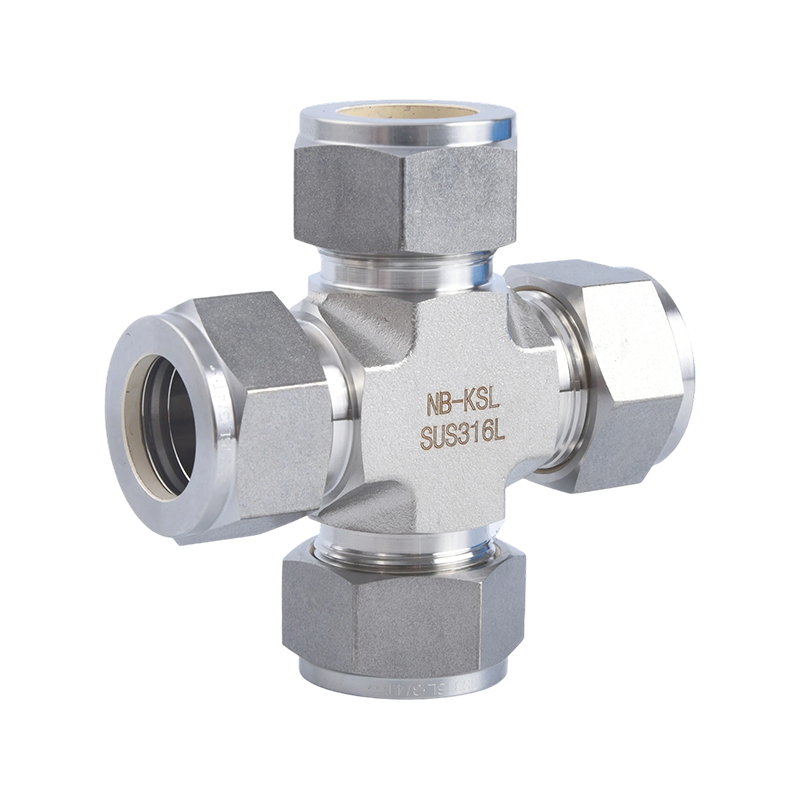
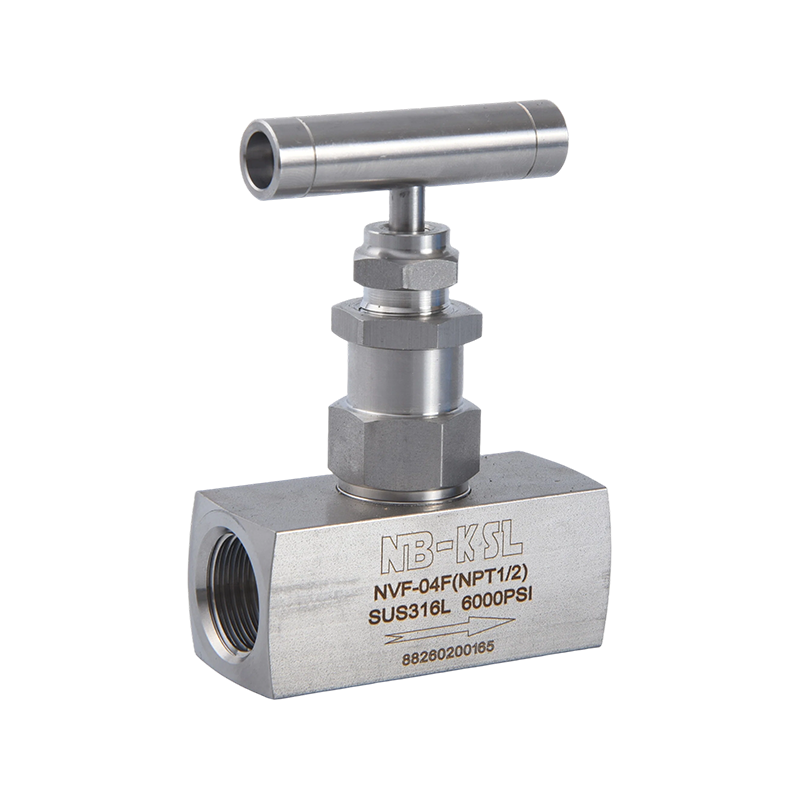
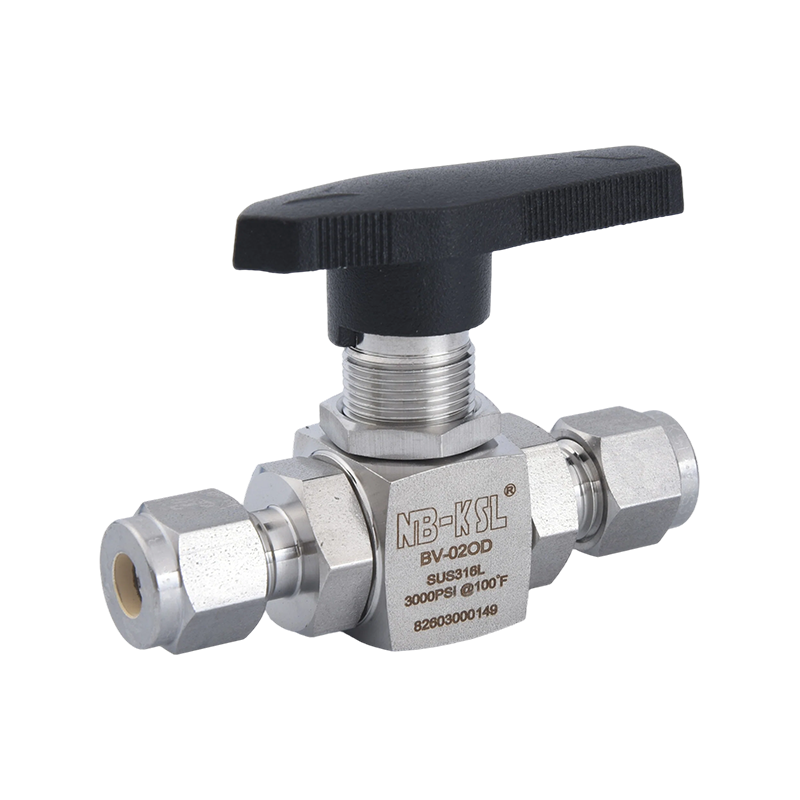
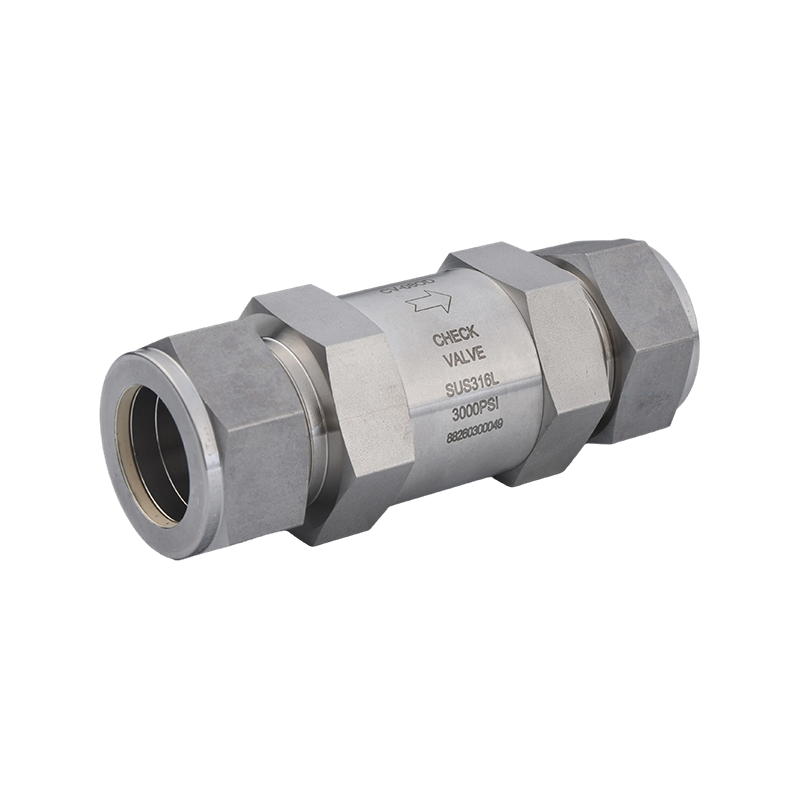
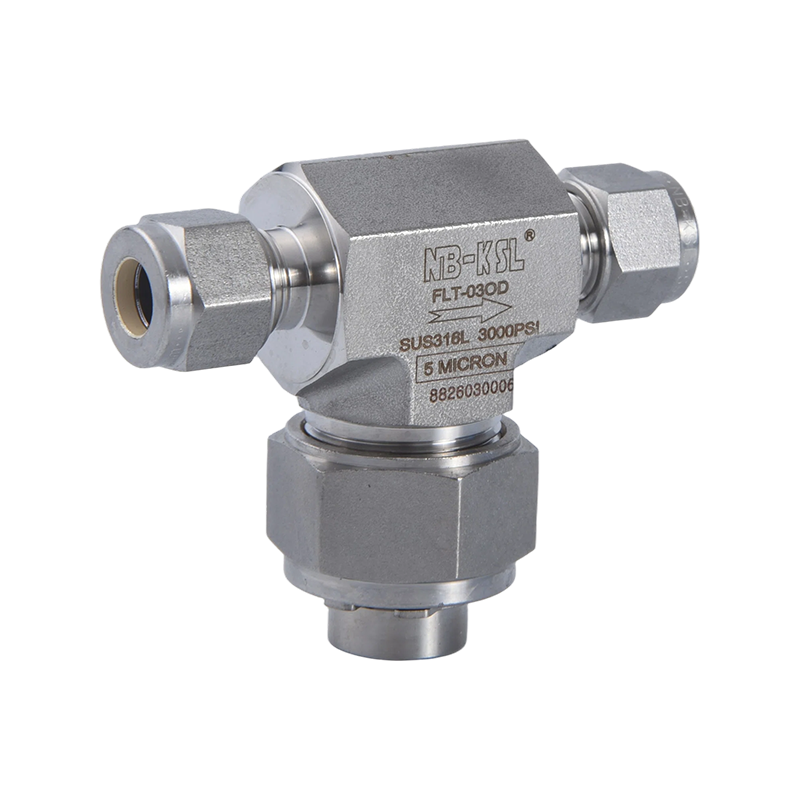
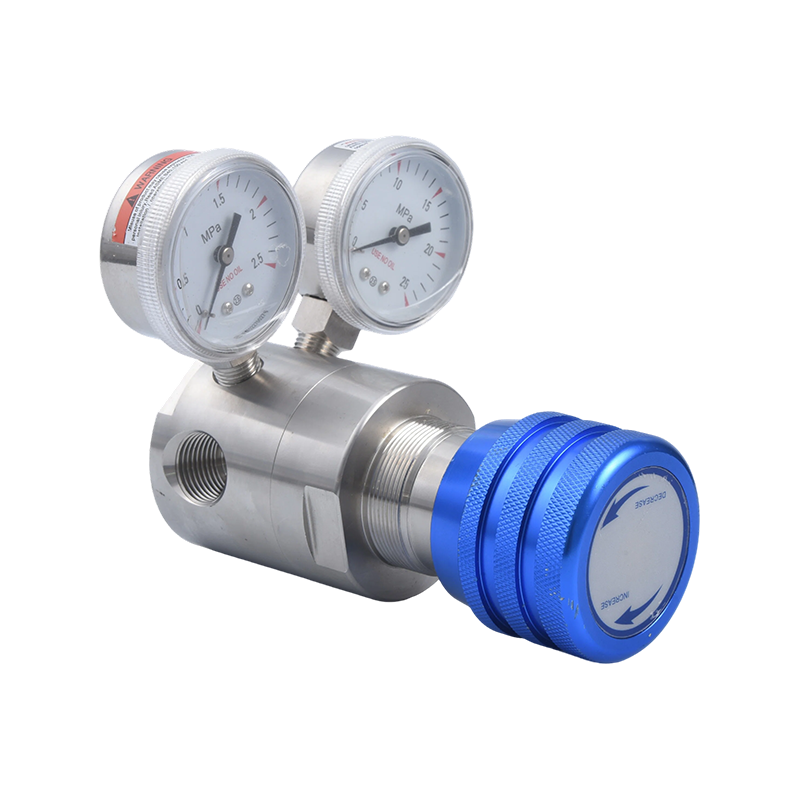
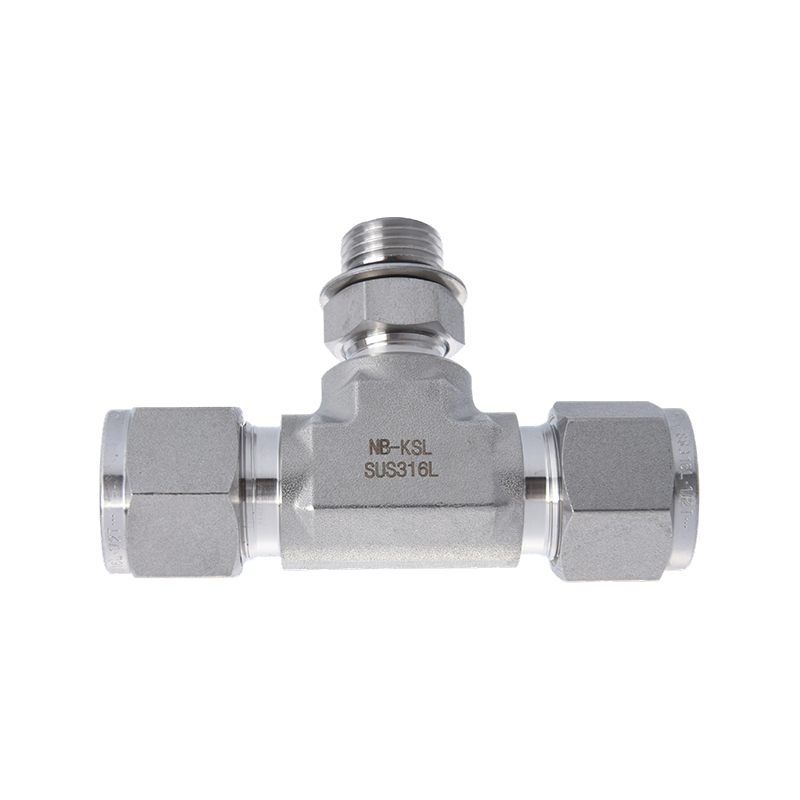
Our main products include: ferrule-type fittings, threaded fittings, instrument fittings, instrument needle valves, instrument ball valves, ferrule needle valves, ferrule ball valves, compact high-pressure instrument needle valves, compact high-pressure instrument ball valves, and high-pressure check valves. The primary material is SS316 stainless steel. These products are widely used in petrochemical, petroleum, electric power, pharmaceutical, food, papermaking, marine, and general machinery industries.
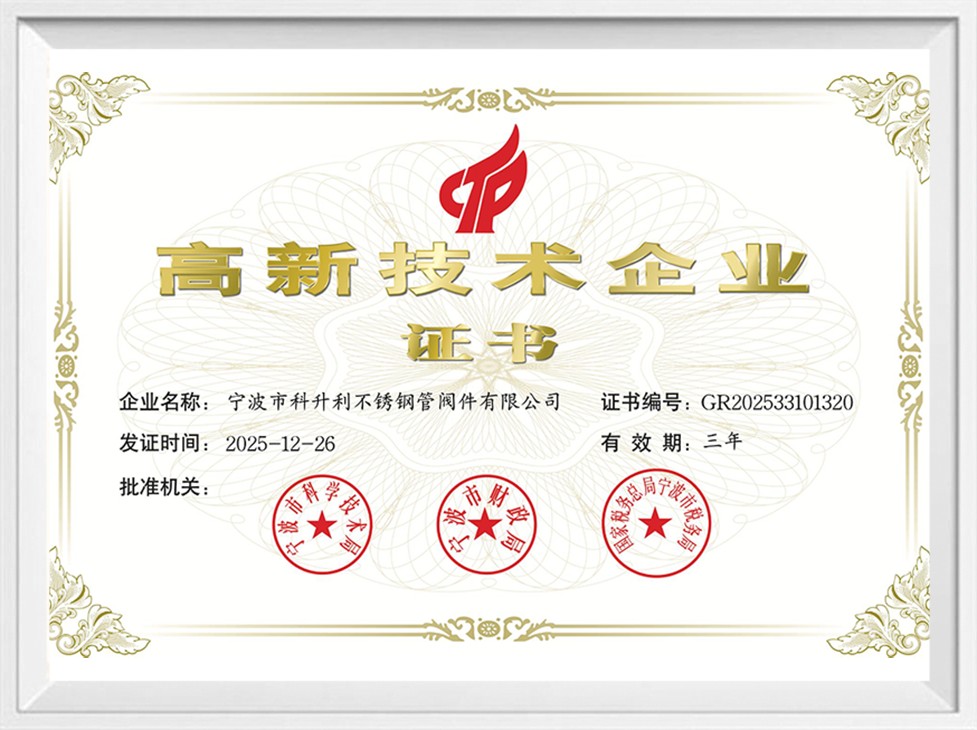
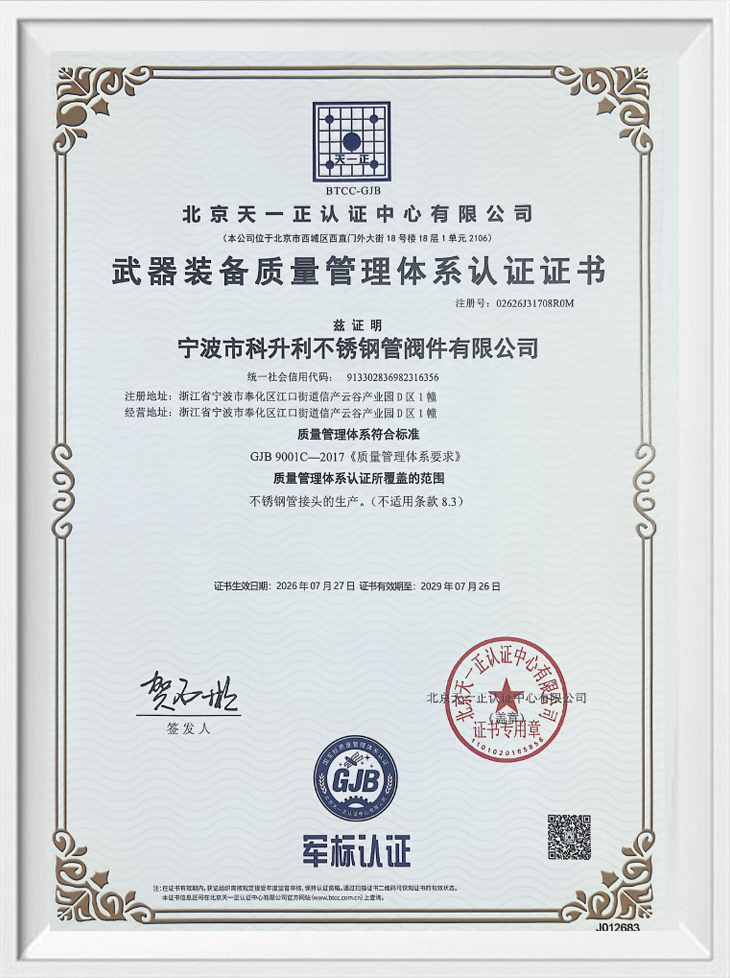
We strictly control product quality at every stage and are committed to delivering superior quality through advanced technology and professional management. Adhering to the business philosophy of "Quality First, Customer Supreme, Integrity Foremost," we strive to build the "NB-KSL" brand image, better serve our customers, and work together with you to create a prosperous future.
A process engineer once asked me why a new 3/8-inch needle valve could not hold downstream pressure. The valve was not defective; it was oversized. Every small turn of the stem moved more flow than the process needed, and the Cv formula wo...
A fixed-roof tank stores a flammable aromatic solvent. Its vent line runs to a vapor collection manifold. An electrical spark from a nearby pump can ignite the vapor-air mixture. The flame front travels along the vent pipe. In a long, turb...
Consider a gas line that has just been purged and refilled with a flammable mixture. A maintenance welder sparks, and a small flame front starts moving down the pipe. The question is not whether it will burn—it is whether the flame stays s...
A low-pressure alarm on a nitrogen analyzer purge line is rarely caused by the analyzer itself. More often, the real problem is a regulator or valve with a Cv that is too low for the flow demand. The component may look right in the catalog...
Weld fittings are a category of pipe connection components designed to be permanently joined to pipelines through welding processes, forming a continuous and leak-proof metallic structure. Unlike threaded or compression fittings that rely on mechanical tightening, weld fittings eliminate detachable joints, which significantly improves structural integrity and long-term reliability. They are widely used in high-demand industries such as oil and gas, petrochemical processing, power generation, shipbuilding, pharmaceuticals, food engineering, and heavy machinery manufacturing.
Structurally, weld fittings include elbows, tees, reducers, caps, stub ends, and socket-weld or butt-weld connections. Each type plays a different role in pipeline systems: elbows change flow direction, tees distribute or combine flow, reducers adjust pipe diameter, and caps terminate pipeline ends. These components are designed to ensure smooth fluid transition with minimal pressure loss, while maintaining structural strength under extreme operating conditions.
One of the most important advantages of weld fittings is their ability to withstand high pressure, high temperature, and vibration environments. Because the connection is permanently fused, there is no risk of loosening over time, which makes them especially suitable for critical systems where safety is a top priority. In chemical plants or offshore platforms, even a small leakage can lead to serious safety hazards or production shutdowns.
As a professional manufacturer and global supplier, Ningbo Keshengli Stainless Steel Valve Co., Ltd. specializes in stainless steel pipe fittings and valves that comply with GB, ANSI/ASME, and BS international standards. Our weld fittings are produced using SS316 stainless steel, which provides excellent resistance to corrosion, particularly in chloride-rich environments such as marine engineering and chemical processing systems. With advanced CNC machining and strict quality control, we ensure that every fitting meets high industrial reliability standards.
| Feature | Description | Industrial Benefit |
|---|---|---|
| Permanent Connection | Welded joint forms integrated structure | Eliminates leakage risk |
| High Pressure Resistance | Suitable for extreme operating conditions | Ensures system safety |
| Corrosion Resistance | SS316 stainless steel material | Ideal for harsh environments |
| Flow Efficiency | Smooth internal transition | Reduces pressure loss |
| Structural Stability | No loosening under vibration | Long-term reliability |
| Standard Compliance | GB/ANSI/ASME/BS | Global application compatibility |
In conclusion, weld fittings are essential components in industrial piping systems where safety, durability, and performance cannot be compromised. They provide a permanent solution for critical fluid and gas transport systems.
Q1: Are weld fittings stronger than threaded fittings?
A1: Yes, because welded joints create a continuous metal structure without mechanical weak points.
Q2: Can weld fittings be used in corrosive environments?
A2: Yes, especially when made from SS316 stainless steel.
Q3: What industries rely most on weld fittings?
A3: Oil & gas, petrochemical, power generation, and marine industries.
The manufacturing process of weld fittings is highly technical and requires strict control over material selection, forming, machining, heat treatment, and quality inspection. The goal is to ensure that every fitting can withstand high pressure, thermal stress, and long-term operational fatigue while maintaining perfect weld compatibility.
The process begins with raw material selection. High-quality stainless steels such as SS304 and SS316 are commonly used due to their excellent mechanical strength and corrosion resistance. At Ningbo Keshengli Stainless Steel Valve Co., Ltd., all raw materials are strictly inspected to ensure chemical composition and mechanical properties meet international standards before production begins.
Next comes forming, which may include hot forging, cold pressing, or stamping depending on the type of fitting. Forging improves internal grain structure, enhancing strength and durability. After forming, CNC machining is used to achieve precise dimensions, especially at weld bevels or socket areas. These precision surfaces are critical for achieving strong and uniform welding joints during installation.
Heat treatment is another essential step. It improves hardness, toughness, and fatigue resistance, ensuring that fittings can perform reliably under fluctuating pressure and temperature conditions. Surface treatments such as pickling and passivation remove oxidation layers and enhance corrosion resistance, especially for SS316 stainless steel fittings used in marine or chemical environments.
Finally, every weld fitting undergoes rigorous inspection, including dimensional checks, ultrasonic testing, hydrostatic pressure testing, and surface quality evaluation. Only products that pass all tests are approved for shipment.
| Stage | Process Description | Purpose |
|---|---|---|
| Material Inspection | Chemical and mechanical testing | Ensure raw material quality |
| Forming | Forging or pressing | Create basic structure |
| CNC Machining | Precision shaping and beveling | Ensure weld accuracy |
| Heat Treatment | Strength enhancement | Improve durability |
| Surface Treatment | Pickling and passivation | Enhance corrosion resistance |
| Quality Testing | Pressure and flaw detection | Guarantee safety performance |
This systematic manufacturing approach ensures that weld fittings produced by Ningbo Keshengli Stainless Steel Valve Co., Ltd. deliver consistent performance, high reliability, and long service life across demanding industrial applications worldwide.
Q1: Why is forging important in weld fitting production?
A1: It improves internal grain structure and increases mechanical strength.
Q2: What is the purpose of surface passivation?
A2: It enhances corrosion resistance by forming a protective oxide layer.
Q3: How is product quality ensured?
A3: Through multi-stage inspection including pressure and ultrasonic testing.
Weld fittings are widely used in industries where safety, durability, and long-term stability are critical. Their permanent welded structure makes them ideal for systems that operate under high pressure, high temperature, or corrosive environments where leakage is not acceptable.
In the oil and gas industry, weld fittings are used in pipeline transportation systems, offshore platforms, and refinery processing units. These environments involve highly pressurized and chemically aggressive fluids, making welded connections essential for preventing leaks and ensuring operational safety. In petrochemical plants, weld fittings are used in reaction systems and chemical transfer pipelines where corrosion resistance and structural integrity are crucial.
In power generation systems, weld fittings are widely applied in steam pipelines, boiler systems, and high-temperature hydraulic lines. These systems require components that can withstand continuous thermal cycling without deformation or failure. In marine engineering, weld fittings are used in seawater pipelines, ballast systems, and offshore equipment, where resistance to saltwater corrosion is essential.
The pharmaceutical and food industries also rely on weld fittings for sterile processing systems. The smooth internal surface of stainless steel weld fittings helps prevent bacterial accumulation and ensures hygienic fluid transport. In heavy machinery and industrial automation, they are used in hydraulic systems that require vibration resistance and high structural stability.
As a professional manufacturer, Ningbo Keshengli Stainless Steel Valve Co., Ltd. provides a complete range of stainless steel weld fittings designed to meet international standards. Our products are engineered for durability, safety, and long service life, making them suitable for global industrial applications.
| Industry | Application Area | Key Requirement | Main Advantage |
|---|---|---|---|
| Oil & Gas | Pipelines & refineries | High pressure resistance | Safety assurance |
| Petrochemical | Chemical systems | Corrosion resistance | Long-term stability |
| Power Plants | Steam systems | Heat resistance | Continuous operation |
| Marine Engineering | Offshore pipelines | Anti-corrosion | Environmental durability |
| Pharmaceutical | Sterile systems | Hygiene compliance | Clean operation |
| Food Industry | Processing lines | Non-toxic material | Safety assurance |
| Machinery | Hydraulic systems | Vibration resistance | Structural reliability |
The main advantage of weld fittings is their permanent leak-free connection, which significantly reduces maintenance requirements and improves system safety. However, they are best suited for fixed installations where future disassembly is not required.
Q1: Why are weld fittings preferred in high-pressure systems?
A1: Because they provide permanent, strong, and leak-free connections.
Q2: Are weld fittings suitable for sanitary applications?
A2: Yes, especially stainless steel weld fittings with smooth internal surfaces.
Q3: Do weld fittings require frequent maintenance?
A3: No, they require minimal maintenance due to their permanent structure.
 1 Zhongxin Yungu Zone D Building 1, Jiangkou Street, Fenghua District, Ningbo City, Zhejiang Province, China
 +86-574-88561893 / +86-15057497901
 Copyright © Ningbo Keshengli Stainless Steel Valve Co., Ltd. Rights Reserved.
OEM/ODM Stainless Steel Weld Fittings Suppliers
Copyright © Ningbo Keshengli Stainless Steel Valve Co., Ltd. Rights Reserved.
OEM/ODM Stainless Steel Weld Fittings Suppliers



 English
 中文简体
中文简体