
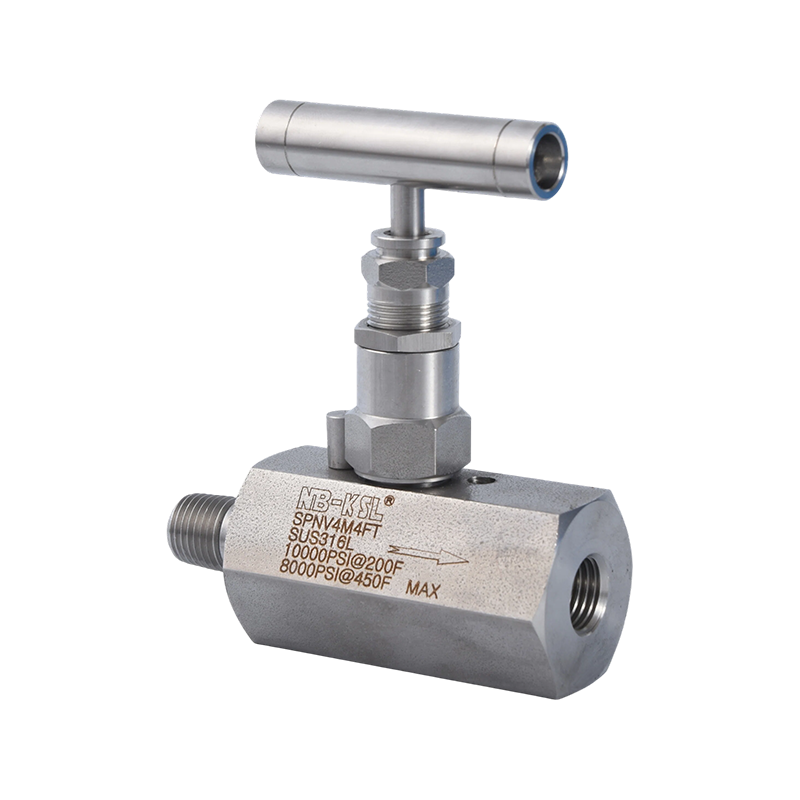


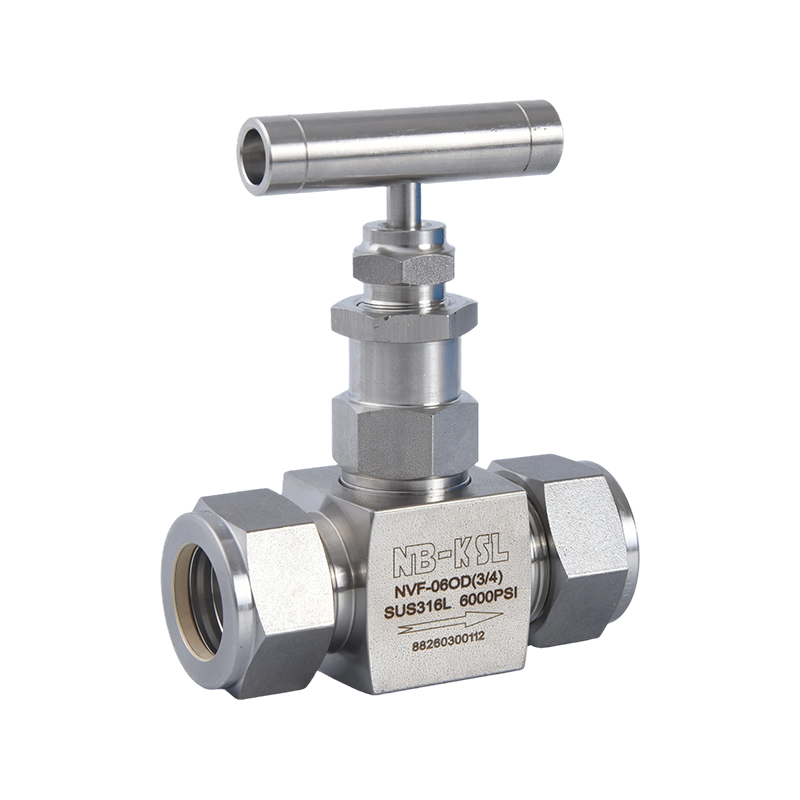
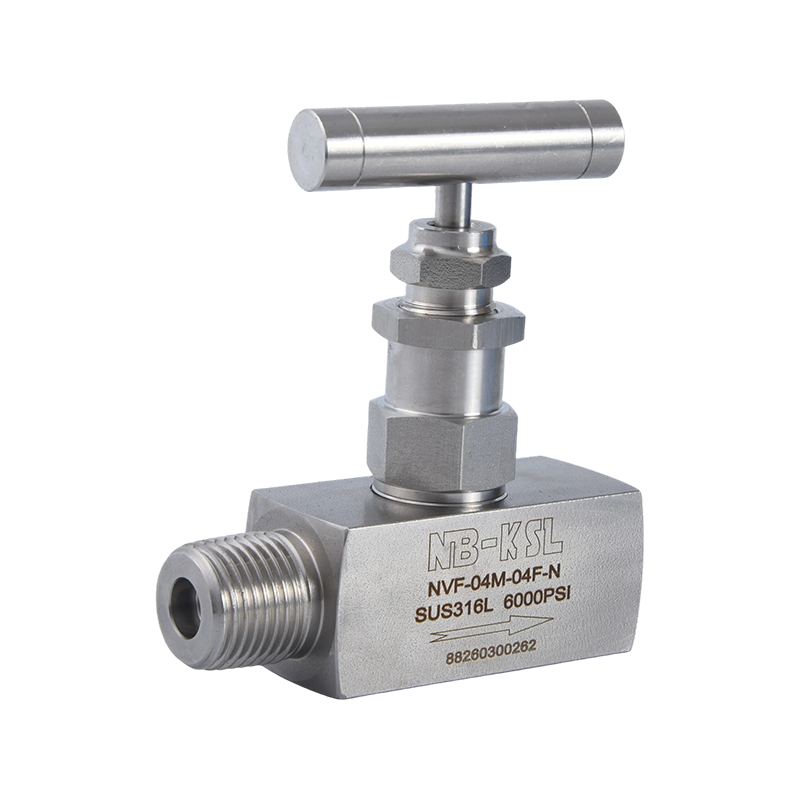
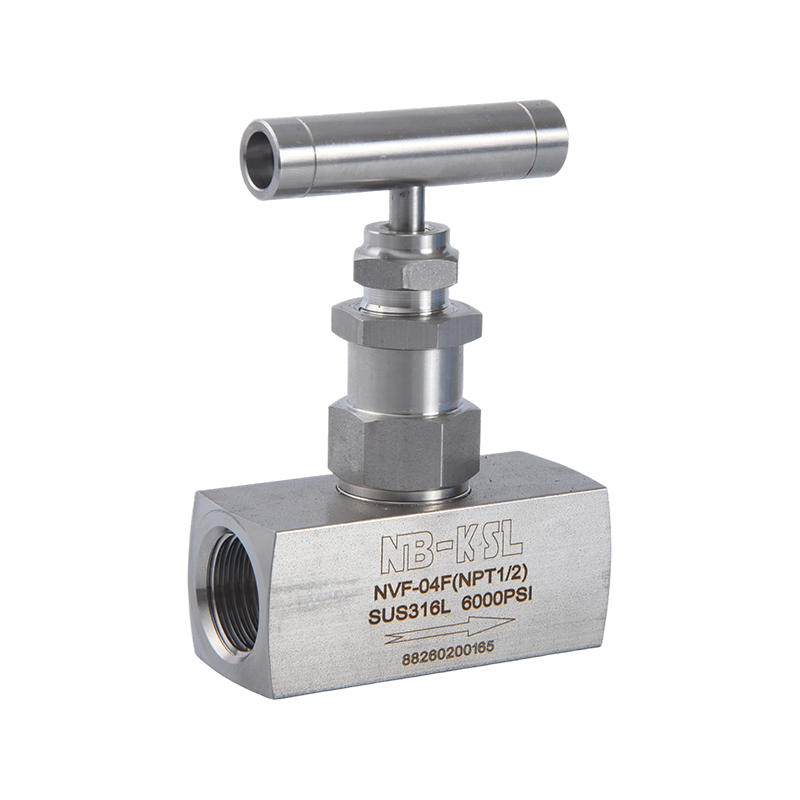
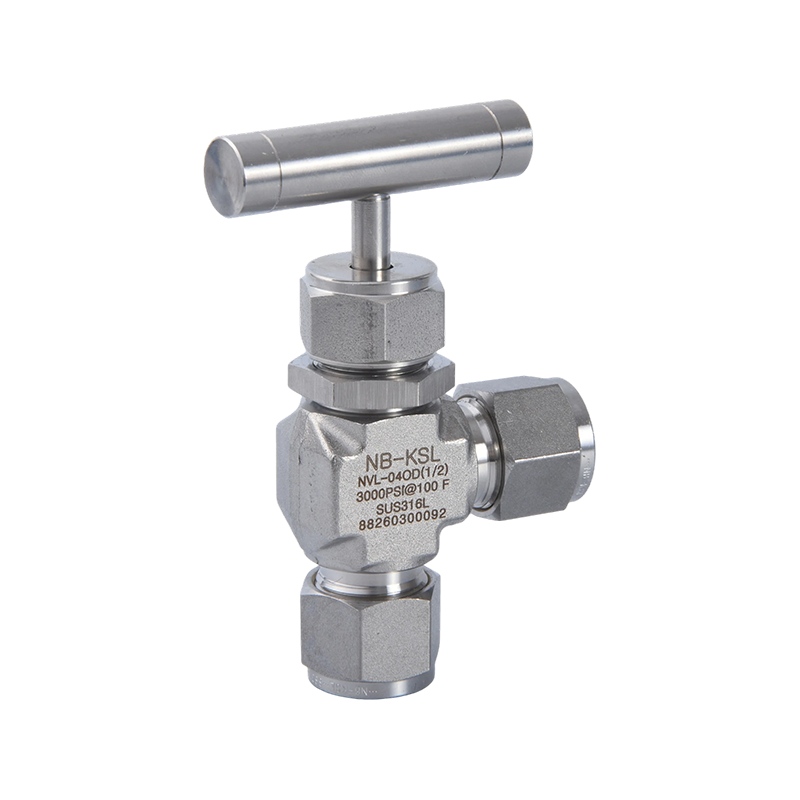
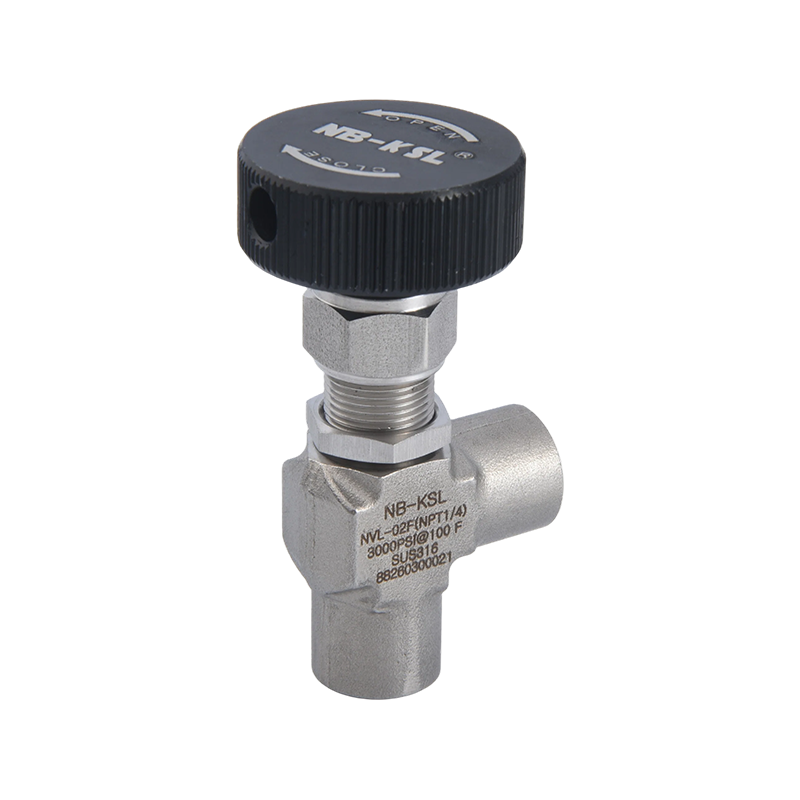
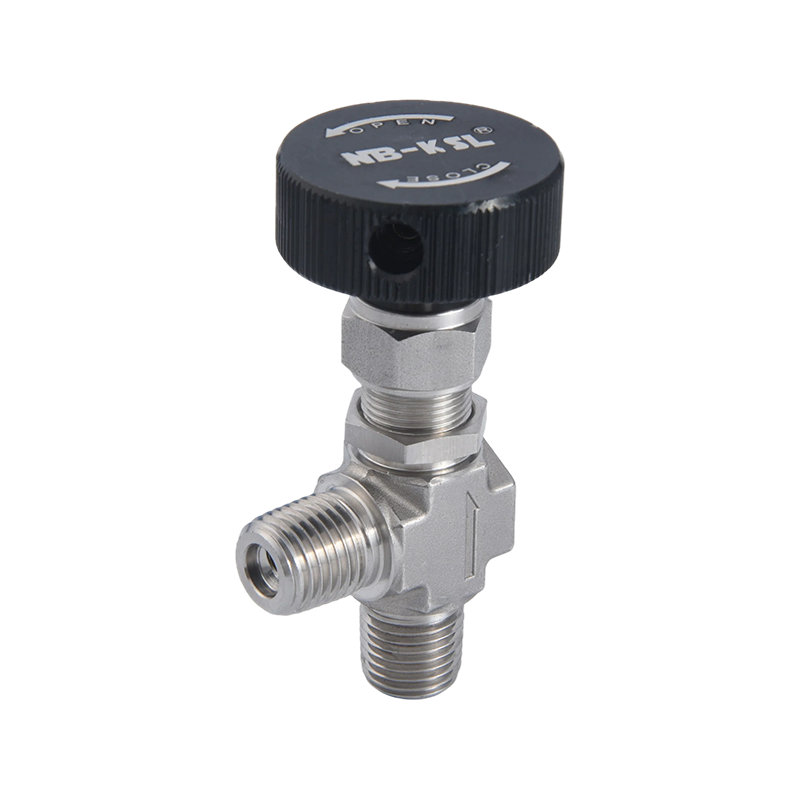
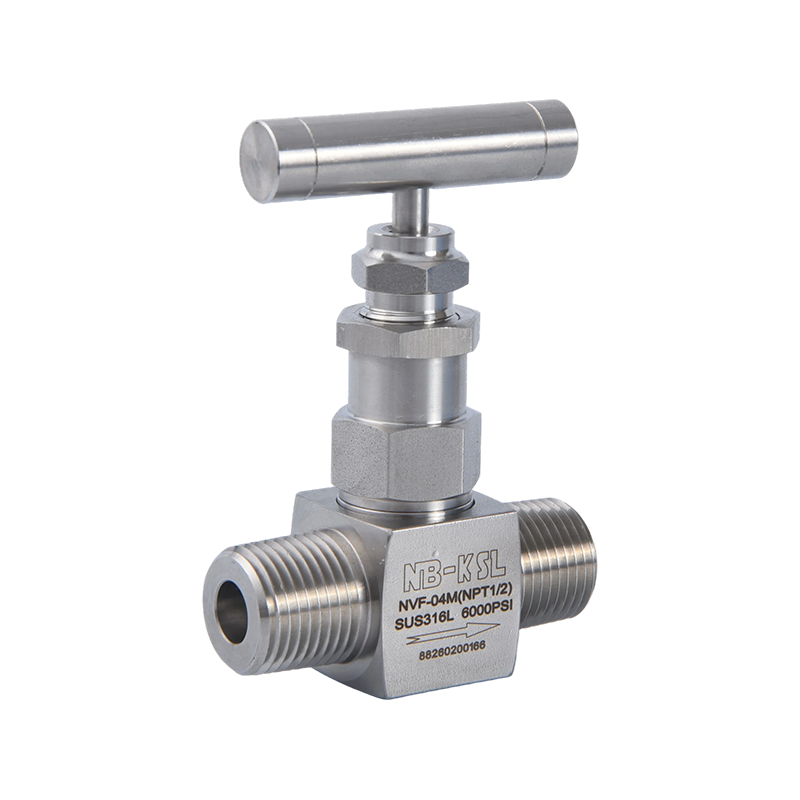
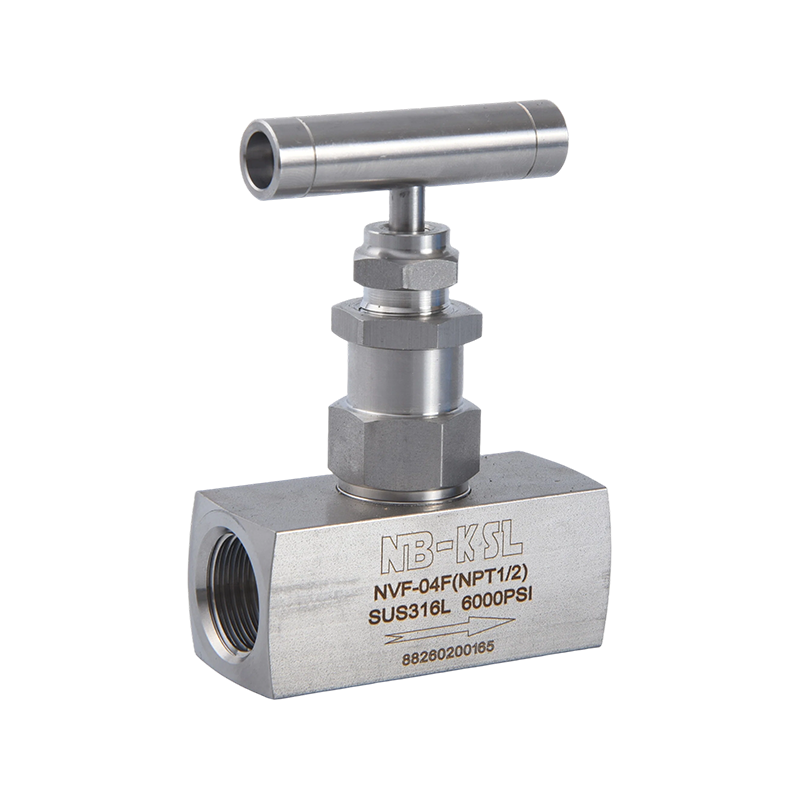
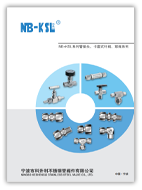
This is a valve designed for precision flow regulation and shut-off, enabling minute flow throttling, pressure control, and media flow control through precise fine-tuning. The product features high-temperature and high-pressure resistance, corrosion resistance, and stable sealing performance; it operates without sticking or leakage and is compatible with various high-purity media, including gases and liquids.
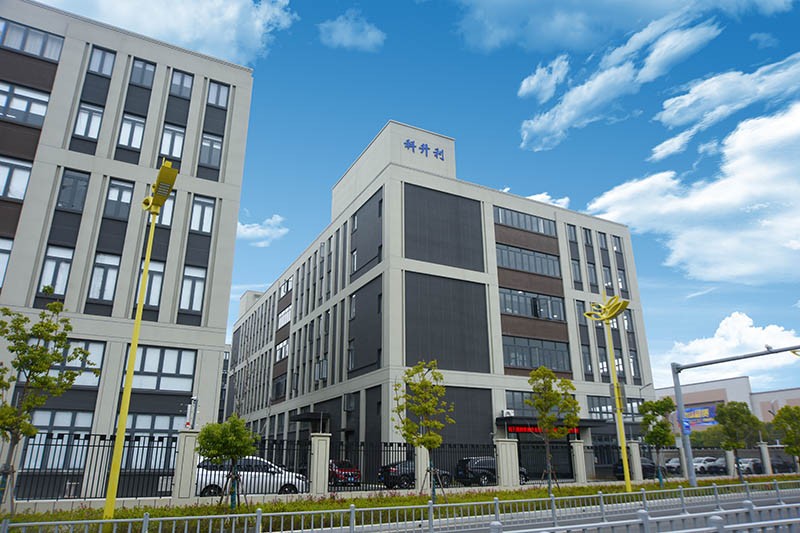
As China Stainless Steel Needle Valves Manufacturers and Stainless Needle Valve Suppliers, Our company specializes in the manufacturing and sales of stainless steel pipe fittings and valves in national (GB), American (ANSI/ASME), and British (BS) standards. We are equipped with advanced CNC machining centers, material testing and heat treatment facilities, a skilled technical team, and a robust production workforce. With a sound quality management system and excellent after-sales service, we sincerely serve customers worldwide.
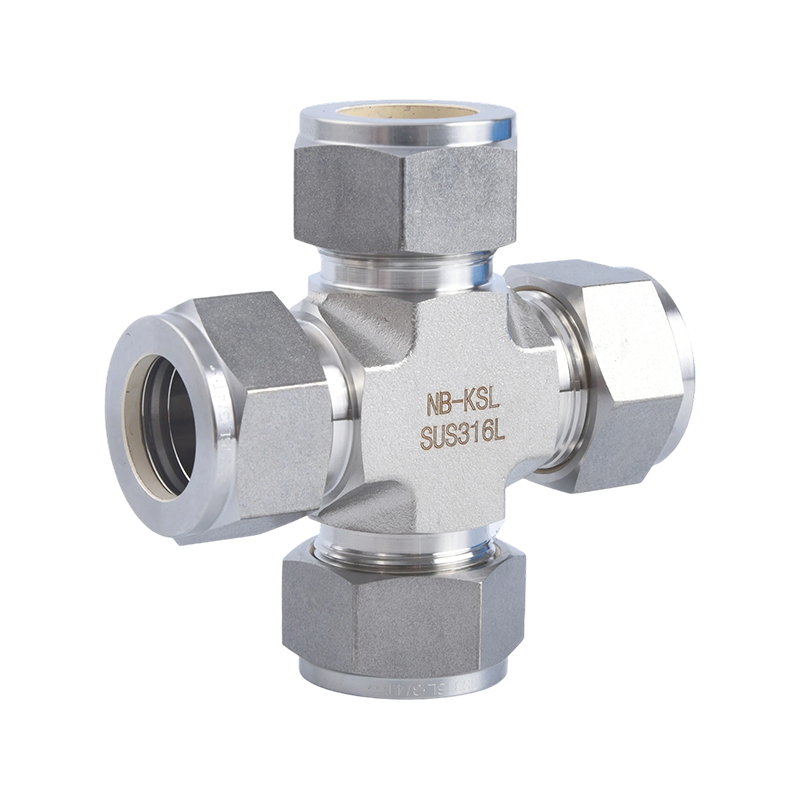
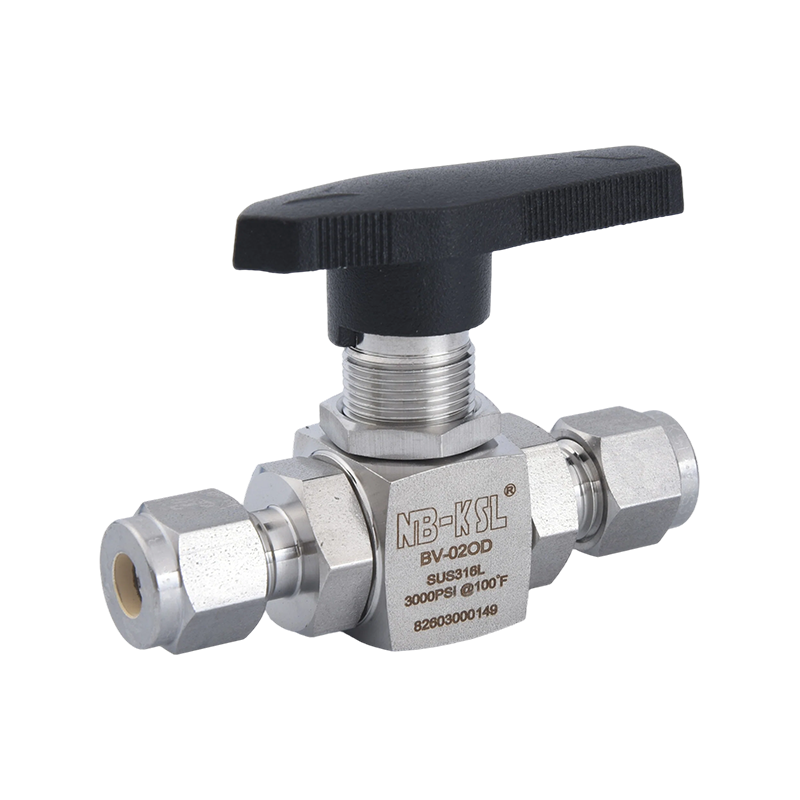
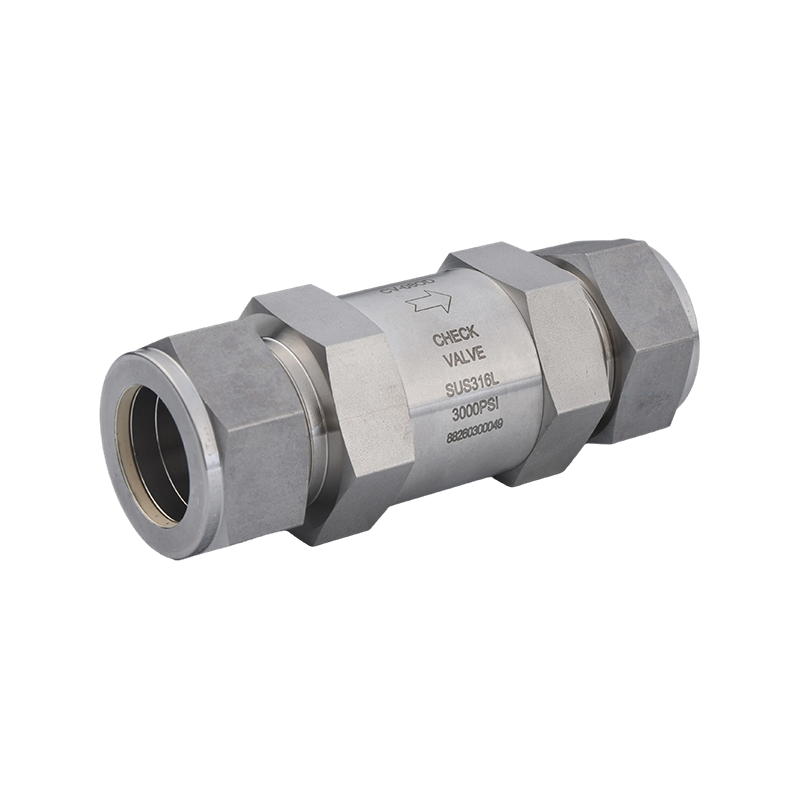
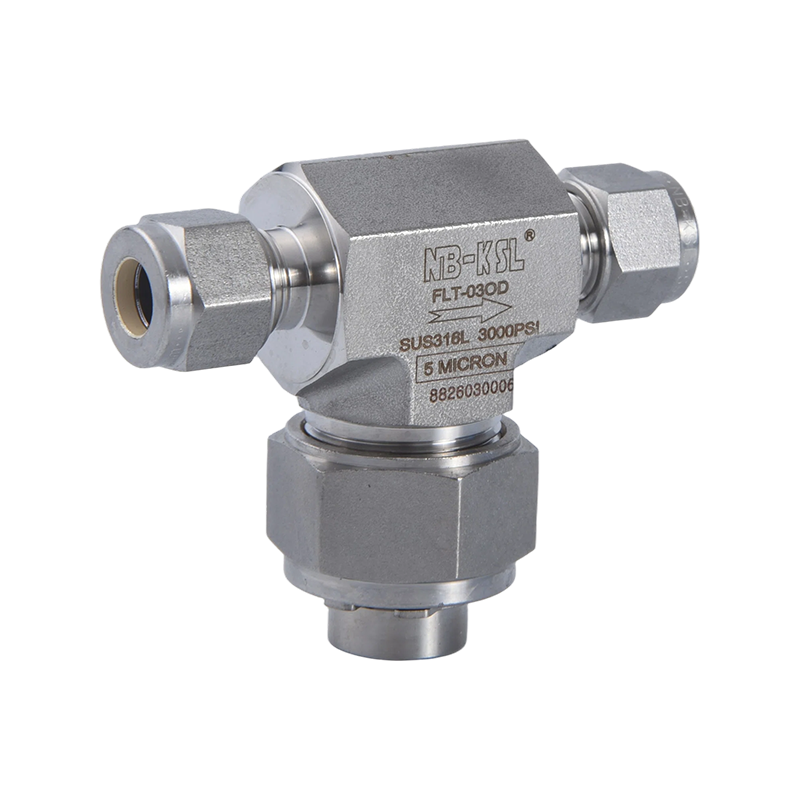
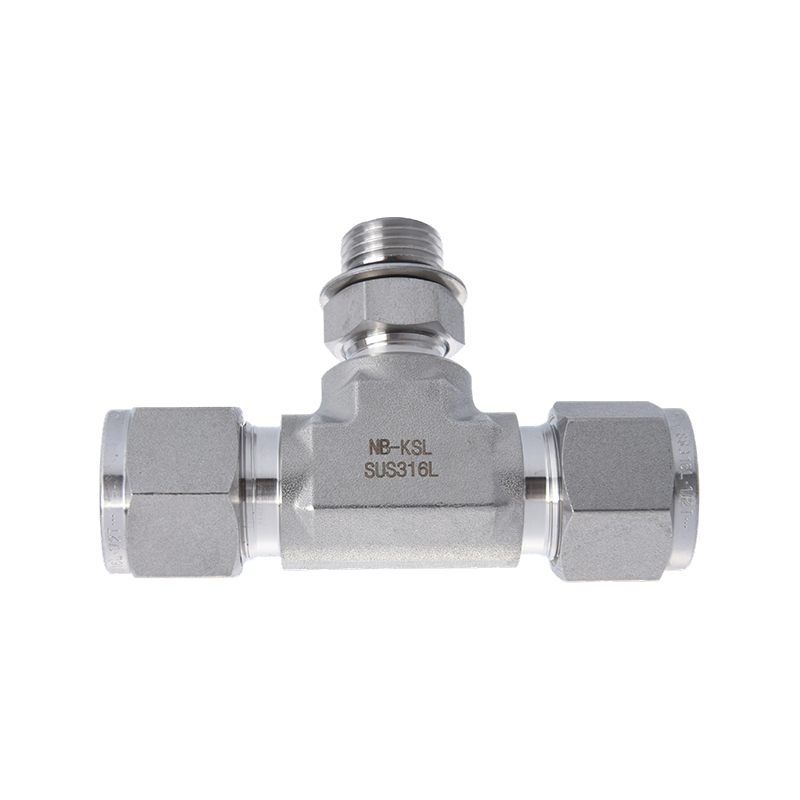
Our main products include: ferrule-type fittings, threaded fittings, instrument fittings, instrument needle valves, instrument ball valves, ferrule needle valves, ferrule ball valves, compact high-pressure instrument needle valves, compact high-pressure instrument ball valves, and high-pressure check valves. The primary material is SS316 stainless steel. These products are widely used in petrochemical, petroleum, electric power, pharmaceutical, food, papermaking, marine, and general machinery industries.
We strictly control product quality at every stage and are committed to delivering superior quality through advanced technology and professional management. Adhering to the business philosophy of "Quality First, Customer Supreme, Integrity Foremost," we strive to build the "NB-KSL" brand image, better serve our customers, and work together with you to create a prosperous future.
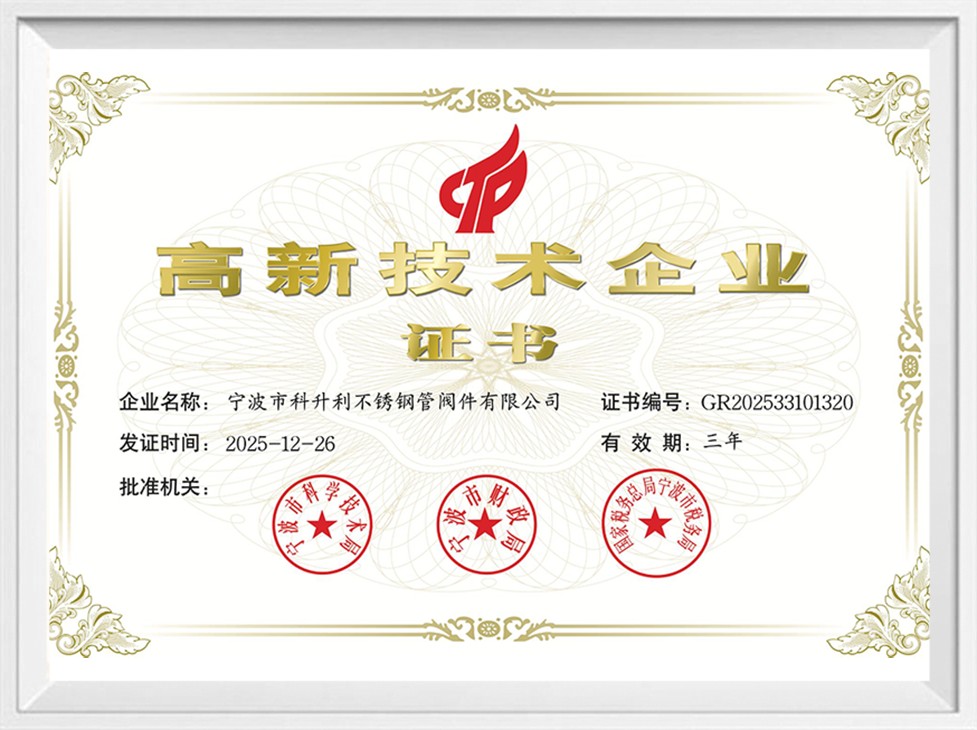
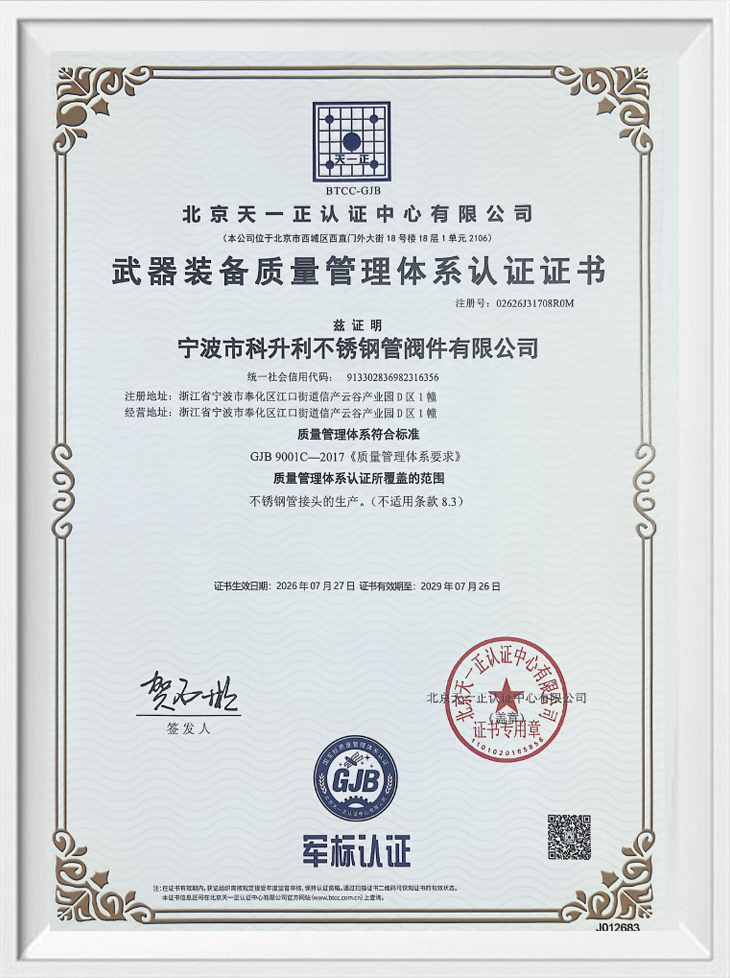
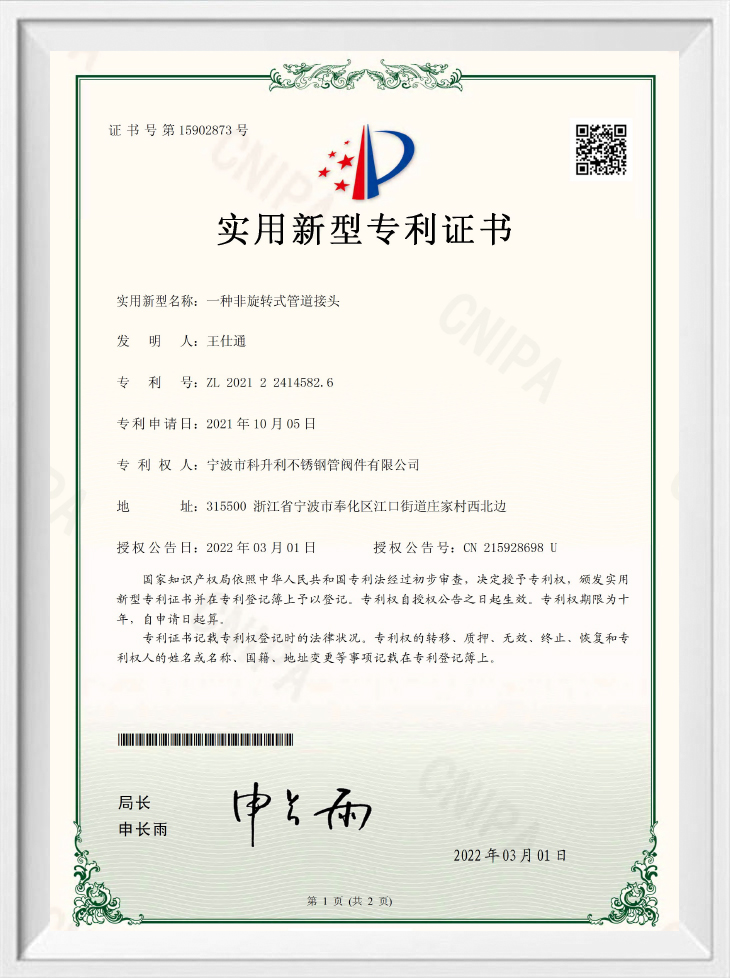
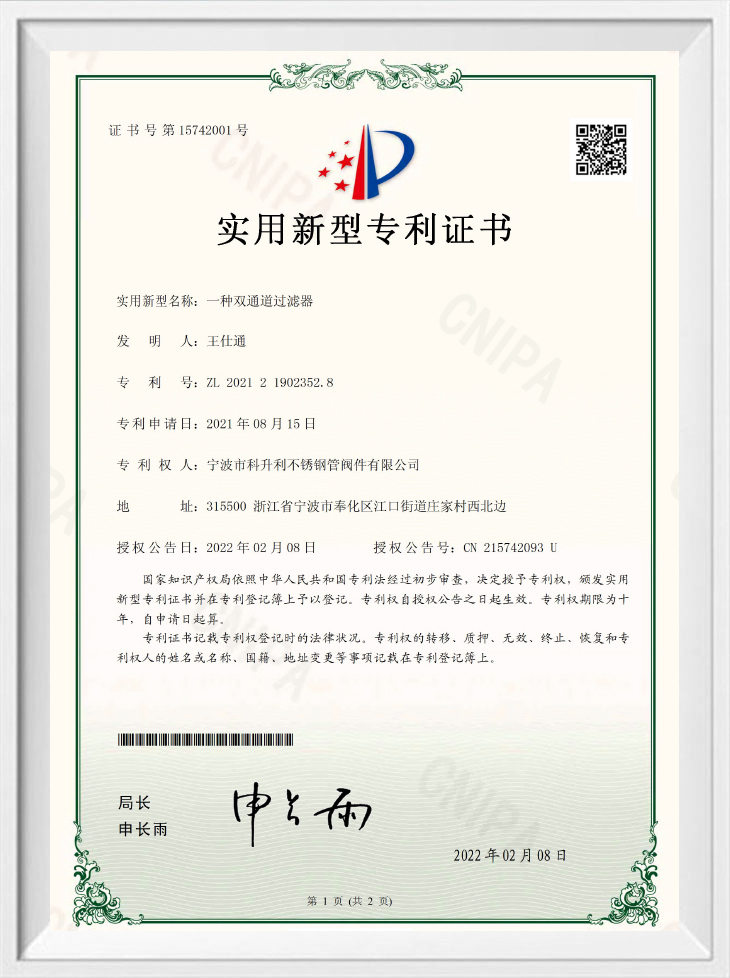
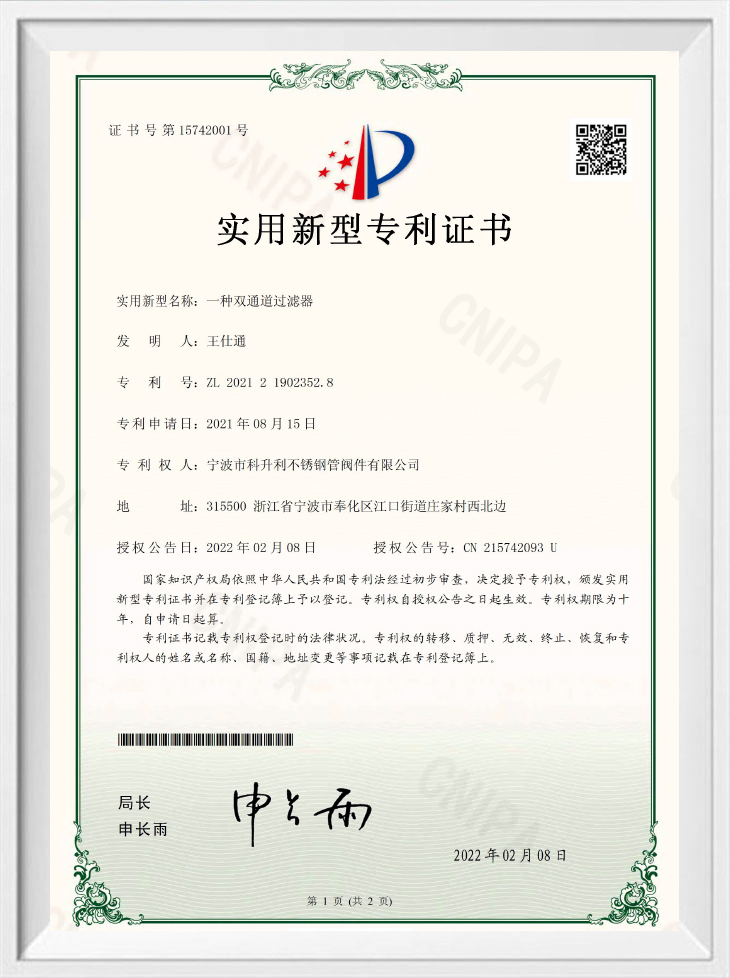
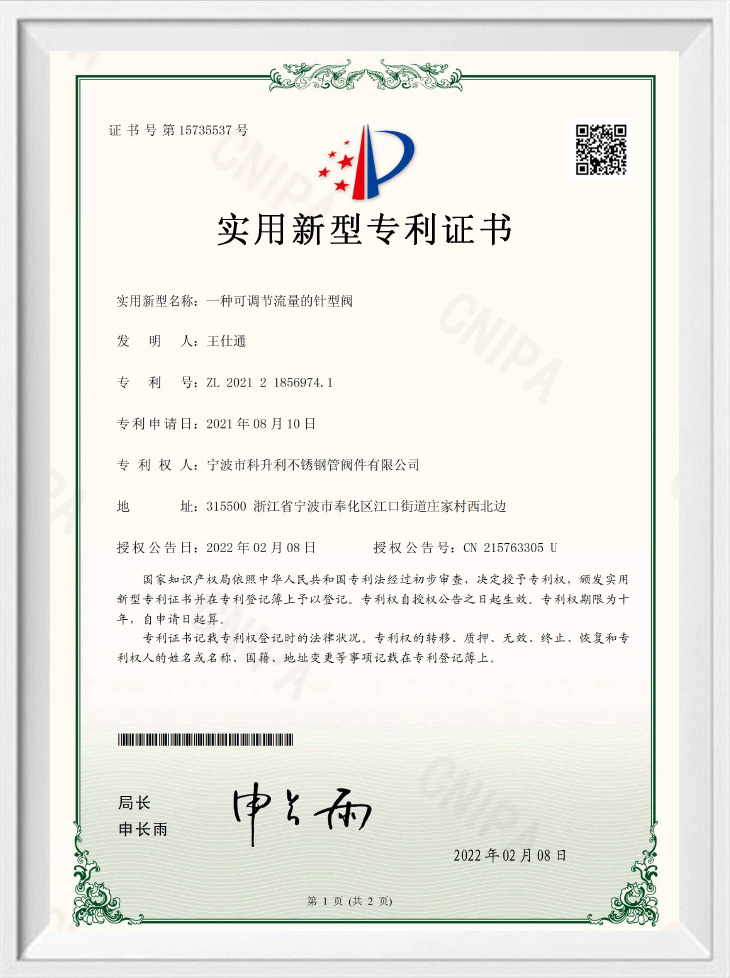
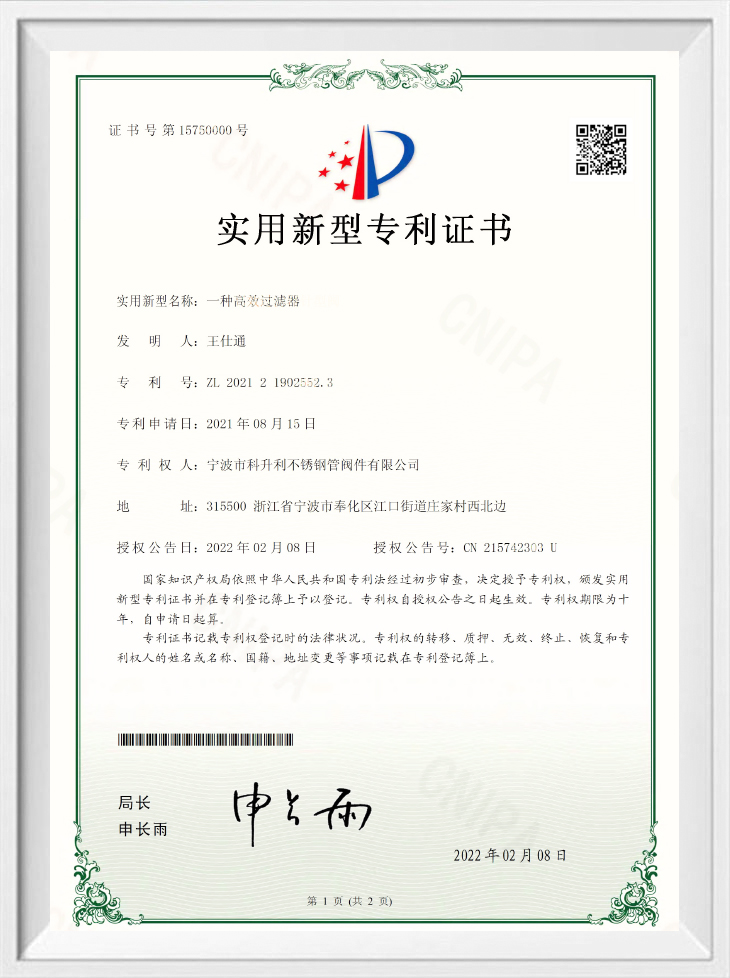
A process engineer once asked me why a new 3/8-inch needle valve could not hold downstream pressure. The valve was not defective; it was oversized. Every small turn of the stem moved more flow than the process needed, and the Cv formula wo...
A fixed-roof tank stores a flammable aromatic solvent. Its vent line runs to a vapor collection manifold. An electrical spark from a nearby pump can ignite the vapor-air mixture. The flame front travels along the vent pipe. In a long, turb...
Consider a gas line that has just been purged and refilled with a flammable mixture. A maintenance welder sparks, and a small flame front starts moving down the pipe. The question is not whether it will burn—it is whether the flame stays s...
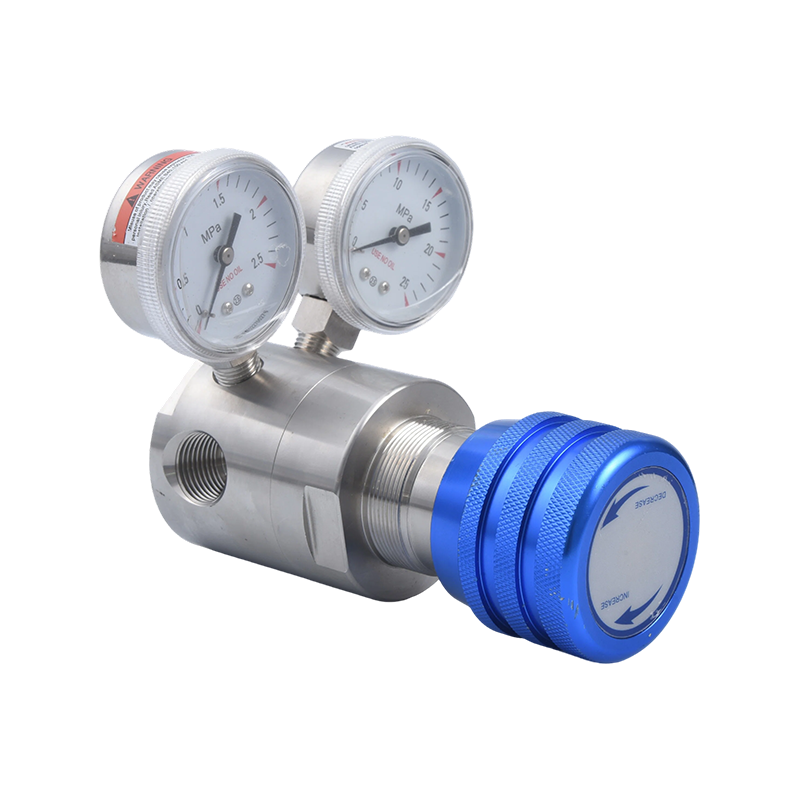
A low-pressure alarm on a nitrogen analyzer purge line is rarely caused by the analyzer itself. More often, the real problem is a regulator or valve with a Cv that is too low for the flow demand. The component may look right in the catalog...
Stainless steel needle valves are widely recognized as one of the most important components in modern industrial fluid control systems, especially where high-precision flow regulation is required. Unlike ball valves or gate valves, which are mainly used for on/off control, needle valves are specifically designed for fine throttling. Their internal structure features a long, tapered “needle-like” stem that gradually enters the valve seat, allowing operators to precisely control very small flow variations. This makes them indispensable in instrumentation pipelines, laboratory systems, hydraulic control circuits, and pressure monitoring applications.
As a professional manufacturer, Ningbo Keshengli Stainless Steel Valve Co., Ltd. focuses on producing high-quality stainless steel needle valves that meet international standards such as GB, ANSI/ASME, and BS. Our production system is equipped with advanced CNC machining centers, precision grinding equipment, and strict inspection processes to ensure that every valve achieves extremely tight tolerances and stable sealing performance.
One of the most important characteristics of stainless steel needle valves is their ability to provide micro-adjustment capability. Operators can precisely control flow rates by making small rotations of the handwheel, which moves the needle incrementally. This level of control is essential in applications where pressure stability and flow accuracy directly impact system safety and performance, such as chemical dosing systems or gas sampling lines.
SS316 stainless steel is the primary material used in our needle valve production. This material offers excellent resistance to corrosion, especially in chloride-rich environments, and performs reliably in high-temperature and high-pressure conditions. It also ensures long service life and reduced maintenance requirements.
| Feature | Description | Industrial Benefit |
|---|---|---|
| Needle Structure | Fine tapered stem design | Precise flow adjustment |
| SS316 Material | Corrosion-resistant stainless steel | Long service life |
| Compact Design | Small installation footprint | Easy system integration |
| Precision Threading | CNC-machined accuracy | Stable performance |
| High Sensitivity Control | Micro flow regulation | Improved system safety |
Our needle valves are widely used in petrochemical systems, power plants, pharmaceutical manufacturing, marine engineering, and laboratory instrumentation. Each product is tested for leakage, pressure resistance, and dimensional accuracy before delivery to ensure consistent quality.
FAQ
Q1: What is the main advantage of needle valves over ball valves?
A1: Needle valves provide precise flow control, while ball valves are mainly for on/off operation.
Q2: Why is SS316 commonly used?
A2: Because it offers excellent corrosion resistance and durability in harsh environments.
Q3: Can needle valves be used in high-pressure systems?
A3: Yes, they are designed for stable performance under high pressure conditions.
In industrial applications where systems operate under extreme pressure or aggressive chemical conditions, stainless steel needle valves demonstrate exceptional reliability and stability. These valves are engineered to maintain consistent sealing performance even under fluctuating pressure, vibration, and corrosive exposure, making them a preferred choice for critical industrial systems.
The structural design of stainless steel needle valves plays a key role in their performance. The valve body is typically forged or precision-machined from SS316 stainless steel, ensuring high mechanical strength and resistance to deformation. The needle and seat are finely machined to create a tight sealing interface, which reduces the risk of leakage even after long-term operation.
In high-pressure systems such as hydraulic control units, gas distribution lines, and petrochemical pipelines, maintaining sealing integrity is essential. Needle valves achieve this through precise machining and controlled torque operation. Unlike conventional valves, the gradual sealing mechanism of the needle reduces sudden pressure impact, enhancing system safety.
Corrosion resistance is another critical advantage. SS316 stainless steel contains molybdenum, which significantly improves resistance to chloride-induced corrosion. This makes the valve suitable for marine environments, offshore platforms, seawater systems, and chemical processing plants where standard materials would quickly degrade.
Ningbo Keshengli Stainless Steel Valve Co., Ltd. ensures every needle valve undergoes strict quality control, including pressure testing, leakage detection, material composition analysis, and surface inspection. This guarantees compliance with global standards and ensures reliable performance in demanding applications.
| Working Environment | Valve Performance | Key Advantage |
|---|---|---|
| High Pressure | Stable sealing structure | No leakage risk |
| Chemical Exposure | SS316 corrosion resistance | Long durability |
| Marine Environment | Anti-chloride performance | Extended service life |
| Continuous Operation | Wear resistance | Low maintenance cost |
| Temperature Variation | Thermal stability | Reliable operation |
Through continuous improvement in manufacturing technology and strict process control, our company ensures that every product delivers consistent performance even in the most demanding industrial environments.
FAQ
Q1: Can needle valves handle extreme pressure?
A1: Yes, they are designed for high-pressure industrial applications.
Q2: Are they suitable for seawater systems?
A2: Yes, SS316 provides excellent resistance to seawater corrosion.
Q3: How is quality ensured?
A3: Through CNC machining and multi-stage pressure testing.
Stainless steel needle valves are widely used across multiple industries because they offer a unique combination of precision control, compact structure, and high reliability. In instrumentation systems, they are essential for regulating flow to pressure gauges, transmitters, and sampling points, ensuring accurate measurement and stable system operation.
One of the main reasons for their popularity is their ability to provide extremely fine flow adjustment. This is particularly important in systems where even minor fluctuations in pressure or flow can affect measurement accuracy or process stability. The needle valve’s tapered stem allows gradual adjustment, giving operators full control over fluid dynamics.
Another advantage is their compact size. Unlike larger valve types, needle valves can be installed in tight spaces such as control panels, skid systems, and laboratory equipment. This makes them ideal for modern industrial designs where space optimization is important.
Industries such as pharmaceuticals and food processing require high levels of cleanliness and corrosion resistance. SS316 stainless steel needle valves meet these requirements by providing a smooth internal surface and excellent resistance to contamination and chemical reaction.
As a professional manufacturer, Ningbo Keshengli Stainless Steel Valve Co., Ltd. integrates advanced CNC machining technology and strict inspection systems to ensure consistent product quality. Each valve is tested for sealing performance, pressure resistance, and operational smoothness before delivery.
| Application Area | Function | Key Requirement |
|---|---|---|
| Instrumentation Systems | Flow regulation | High precision |
| Petrochemical Industry | Pressure control | Corrosion resistance |
| Pharmaceutical Systems | Clean fluid control | Hygiene compliance |
| Oil & Gas Systems | Gas flow adjustment | High strength |
| Laboratory Equipment | Sample control | Accuracy & stability |
These characteristics make stainless steel needle valves an essential component in modern industrial engineering systems.
FAQ
Q1: Where are needle valves commonly installed?
A1: In instrumentation, chemical, and hydraulic systems.
Q2: Do they support precise flow control?
A2: Yes, they are designed for micro-level adjustment.
Q3: What industries rely most on them?
A3: Petrochemical, pharmaceutical, and energy industries.
 1 Zhongxin Yungu Zone D Building 1, Jiangkou Street, Fenghua District, Ningbo City, Zhejiang Province, China
 +86-574-88561893 / +86-15057497901
 Copyright © Ningbo Keshengli Stainless Steel Valve Co., Ltd. Rights Reserved.
Custom Stainless Needle Valve Manufacturers
Copyright © Ningbo Keshengli Stainless Steel Valve Co., Ltd. Rights Reserved.
Custom Stainless Needle Valve Manufacturers



 English
 中文简体
中文简体