
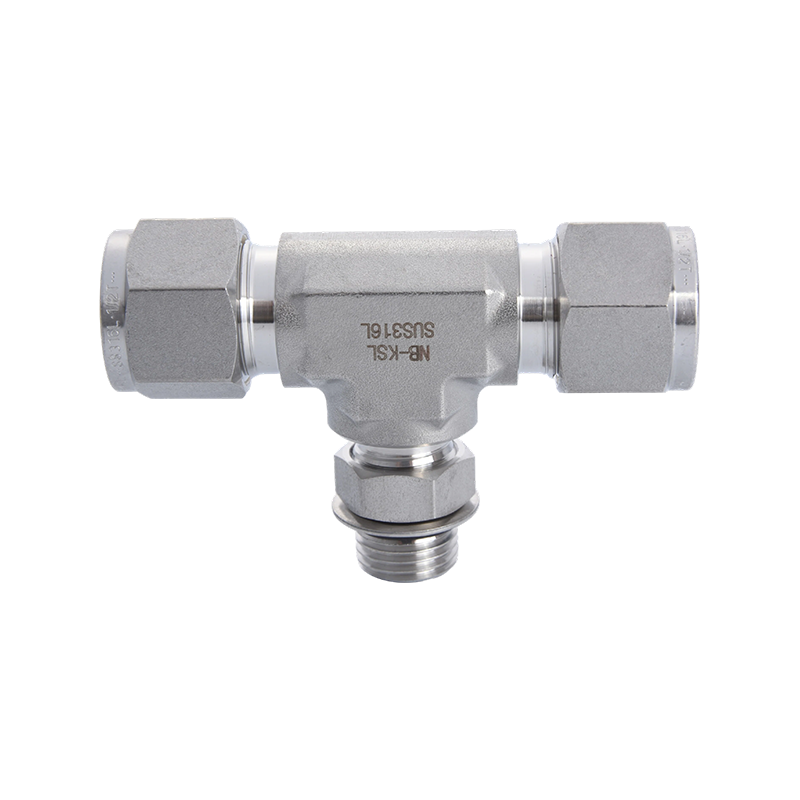


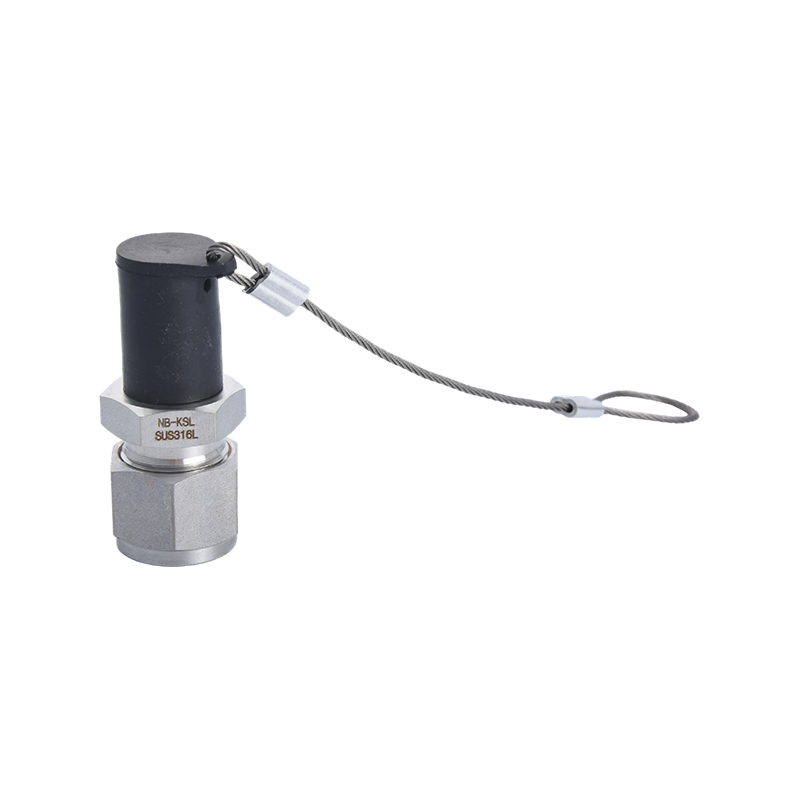
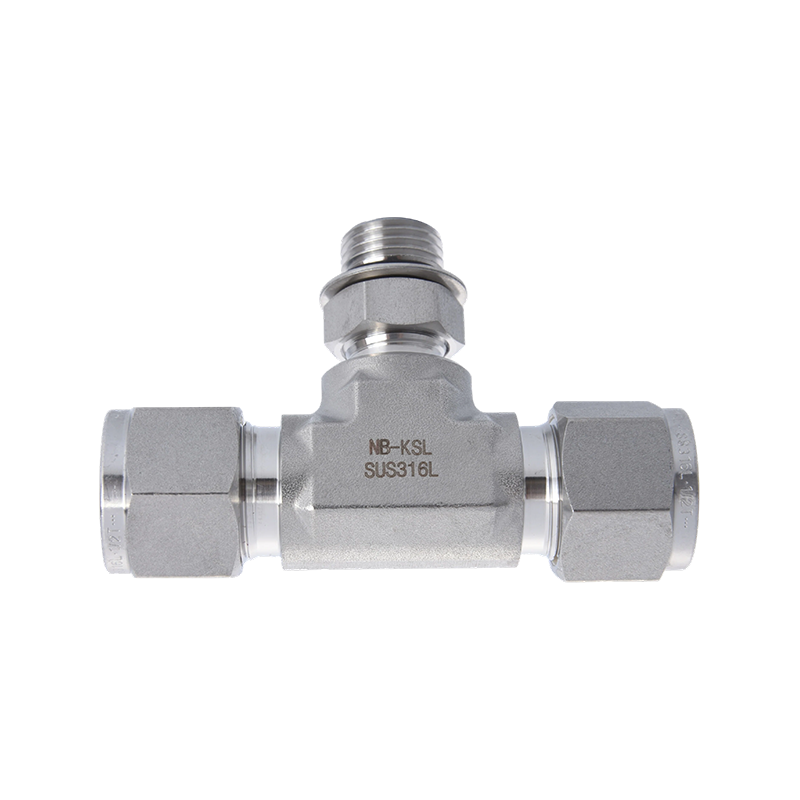
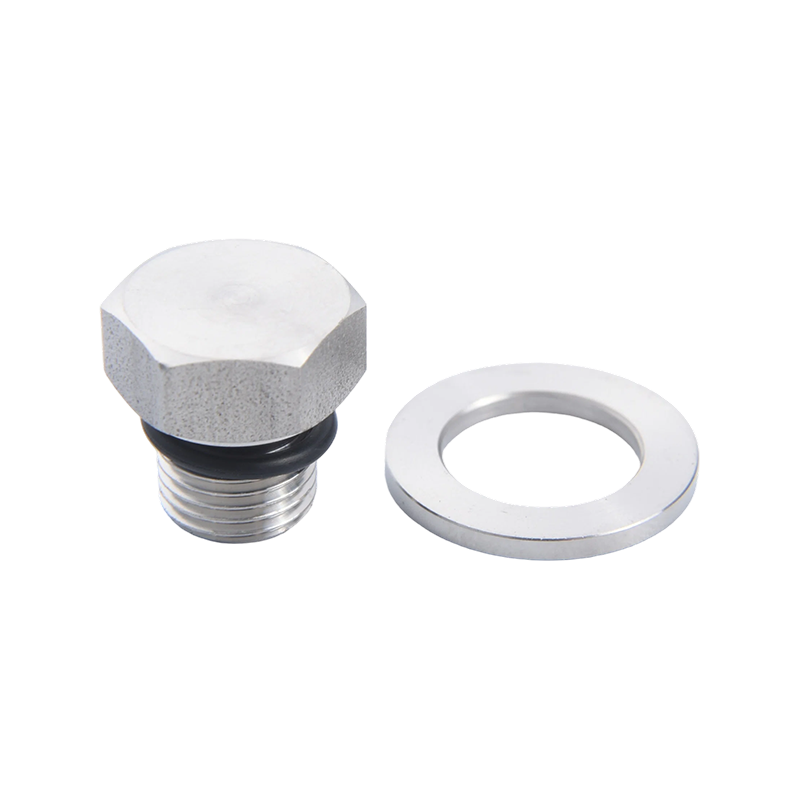
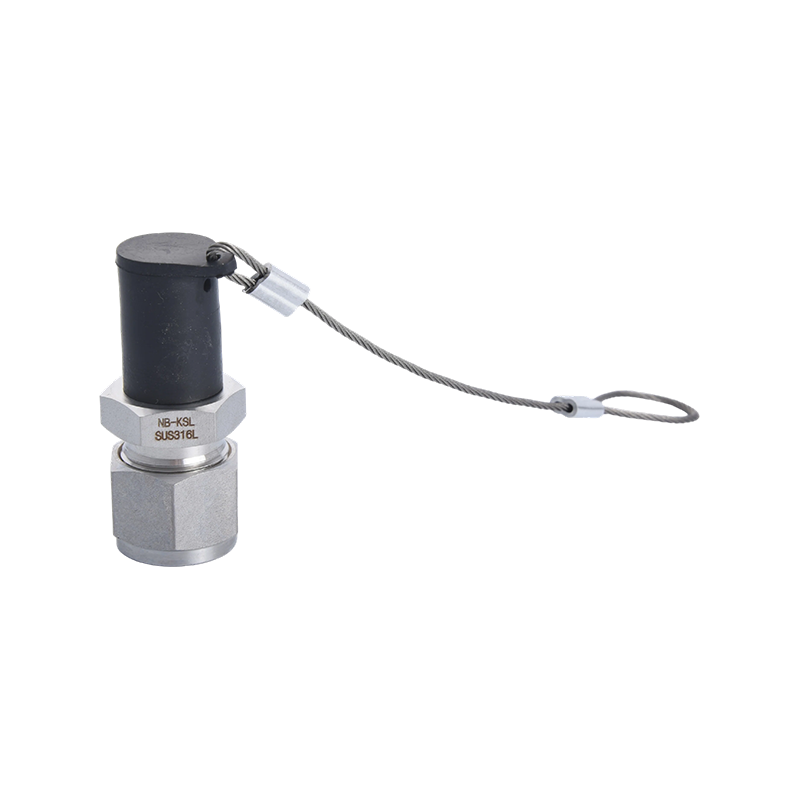
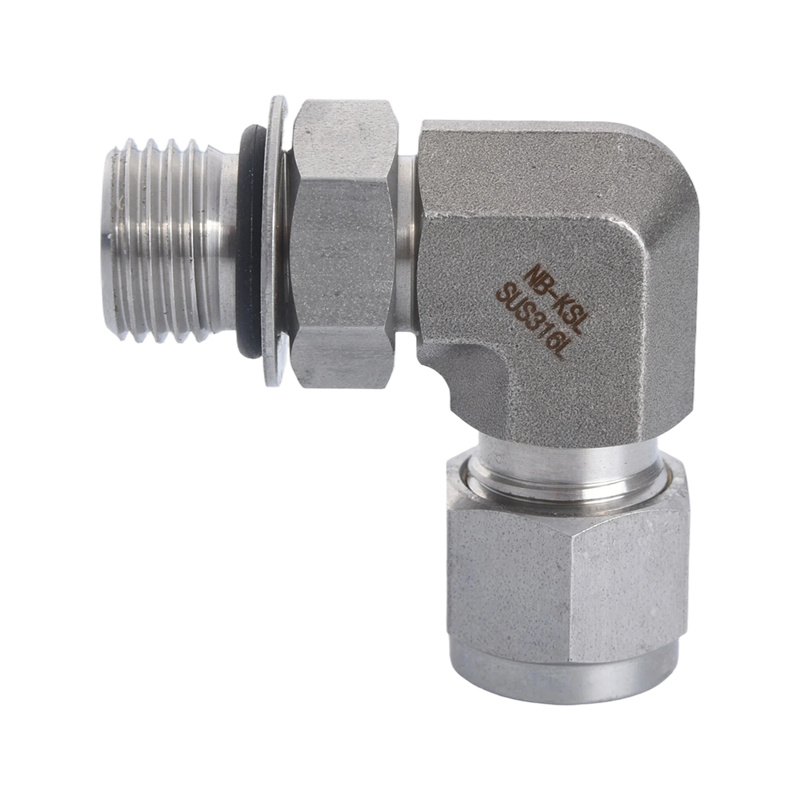
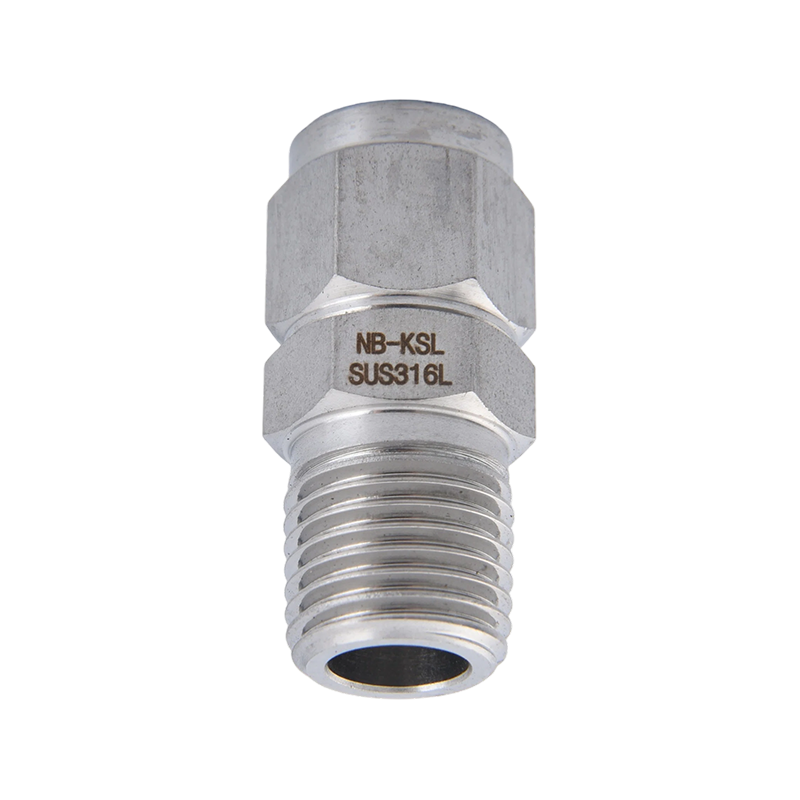
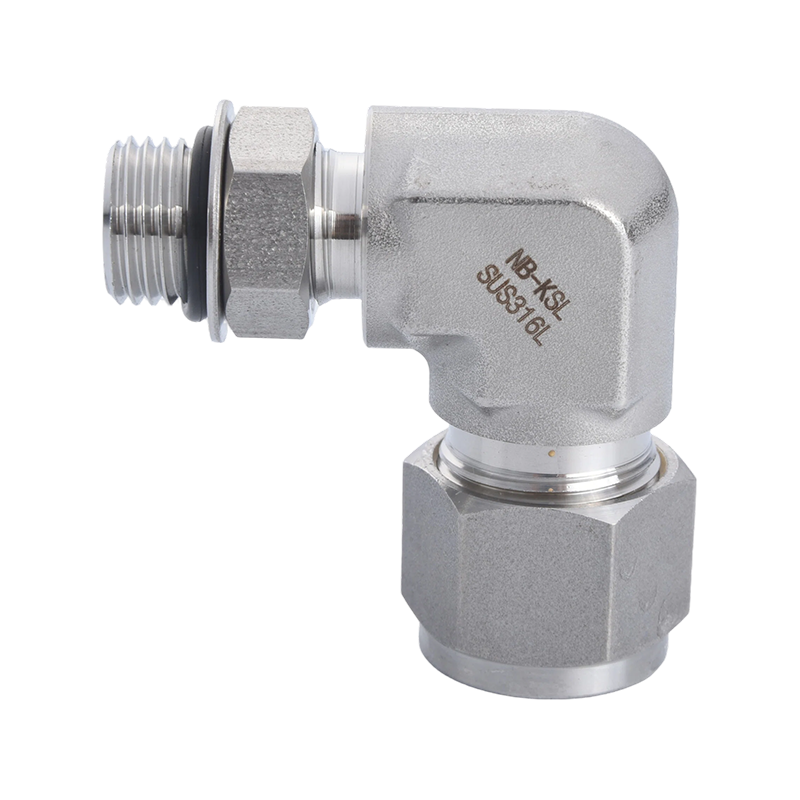
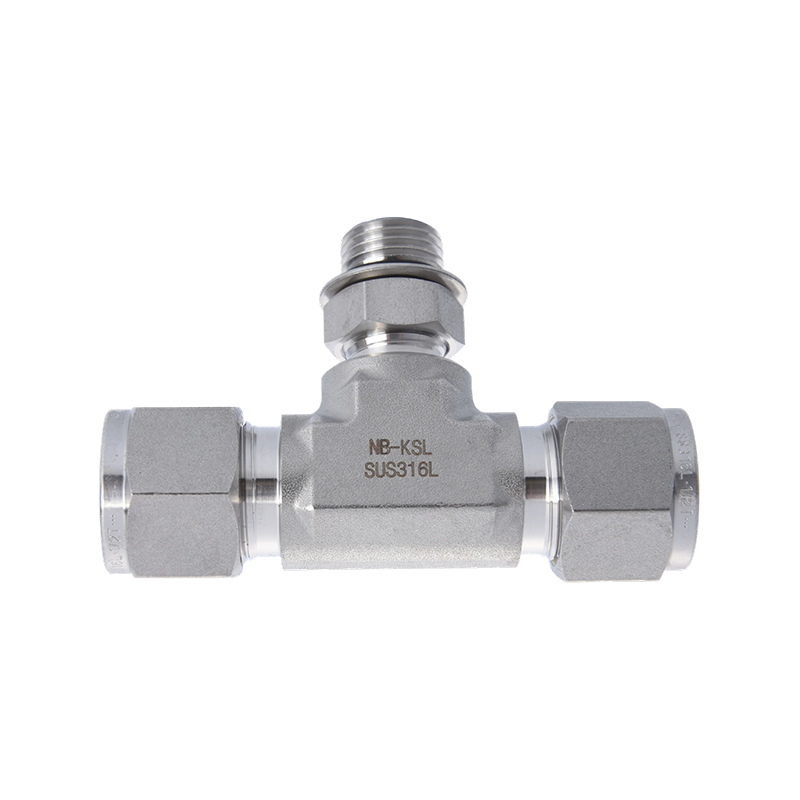
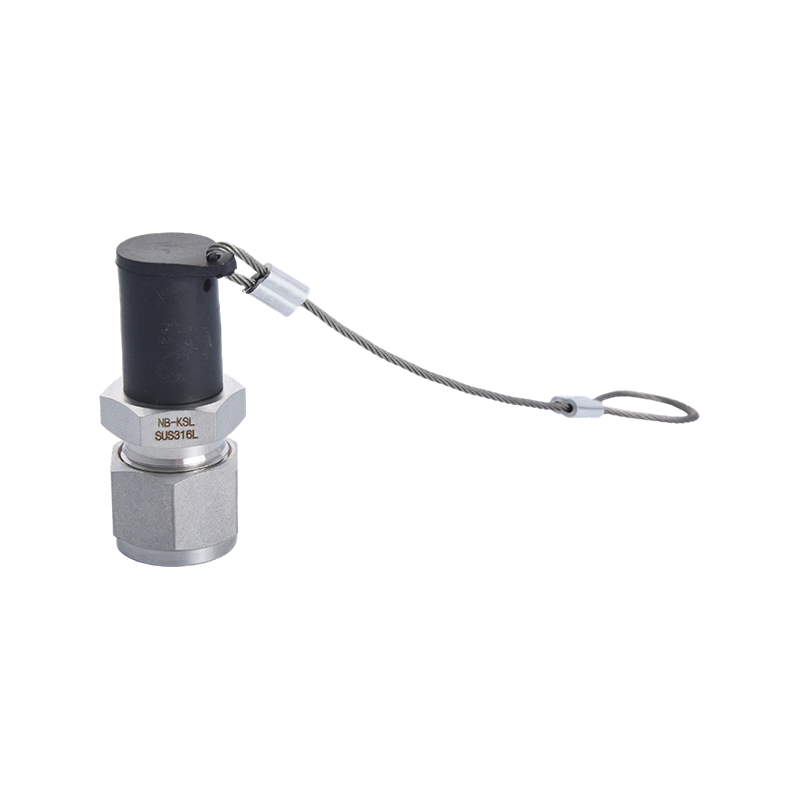
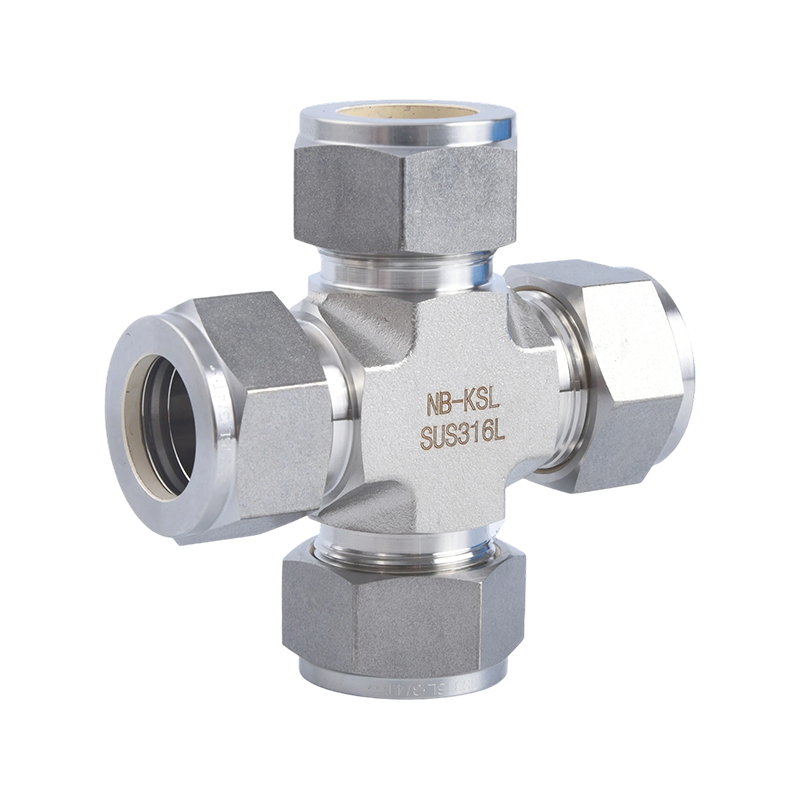
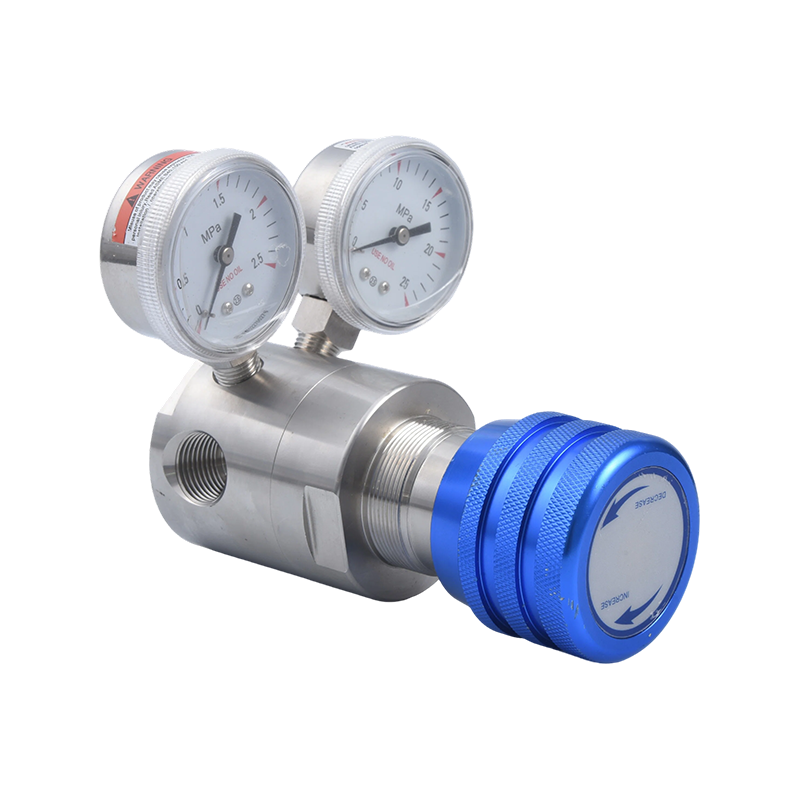
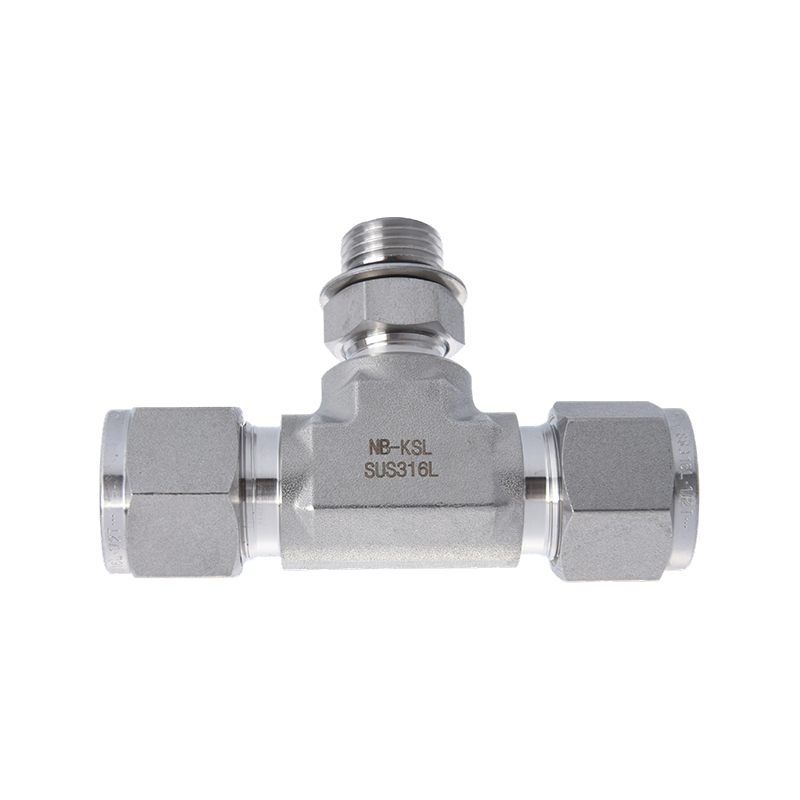
Constructed from high-nickel austenitic stainless steel (nickel content ≥12%), it effectively resists hydrogen embrittlement and hydrogen-induced cracking. It withstands high pressure and cyclic pressure loads, offers excellent sealing performance, and inhibits hydrogen micro-leakage.
Available with various connection types—such as compression fittings and welded connections—it is suitable for hydrogen refueling stations, hydrogen fuel cells, hydrogen storage equipment, and hydrogen instrumentation piping, ensuring the long-term safe and reliable operation of high-pressure hydrogen systems.
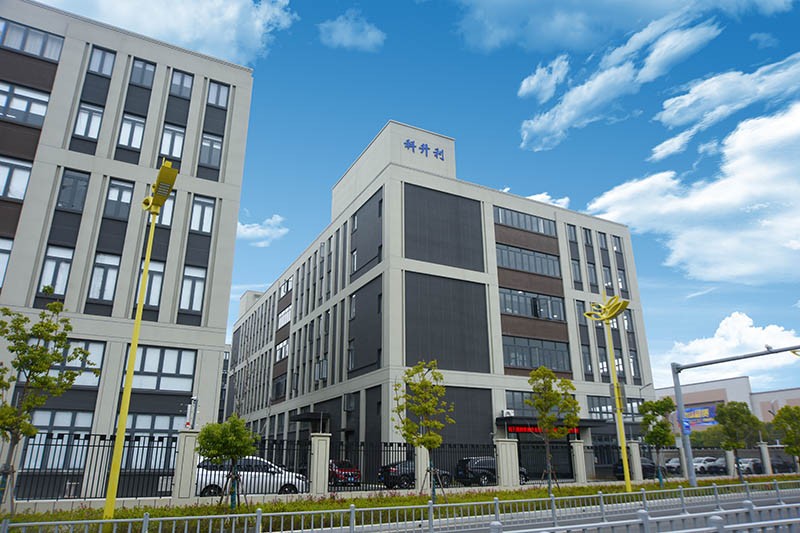
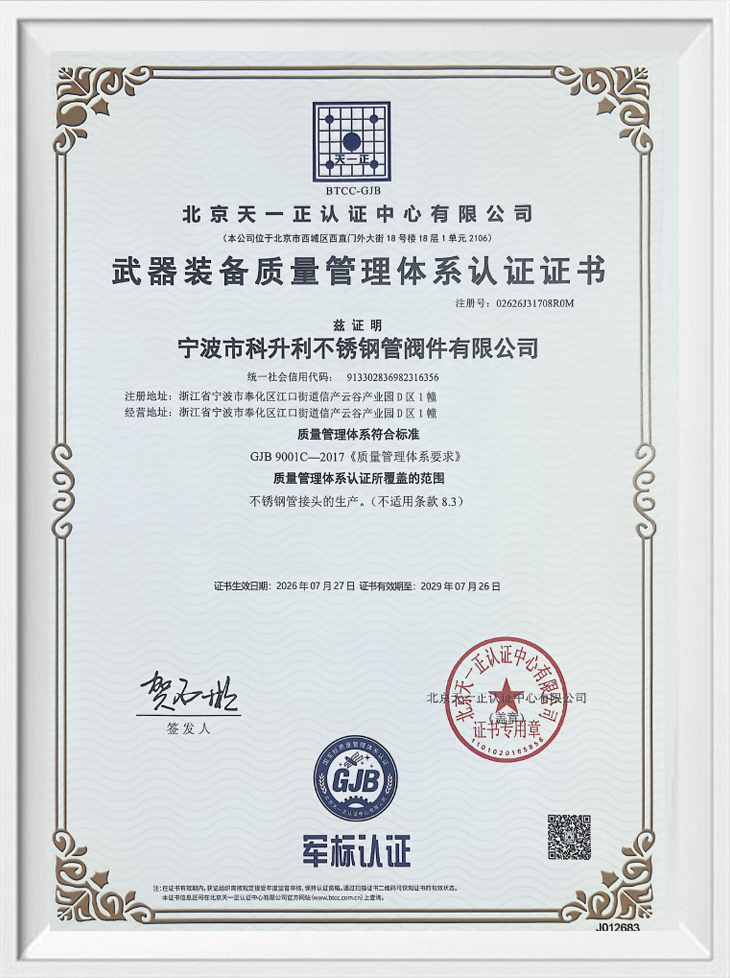
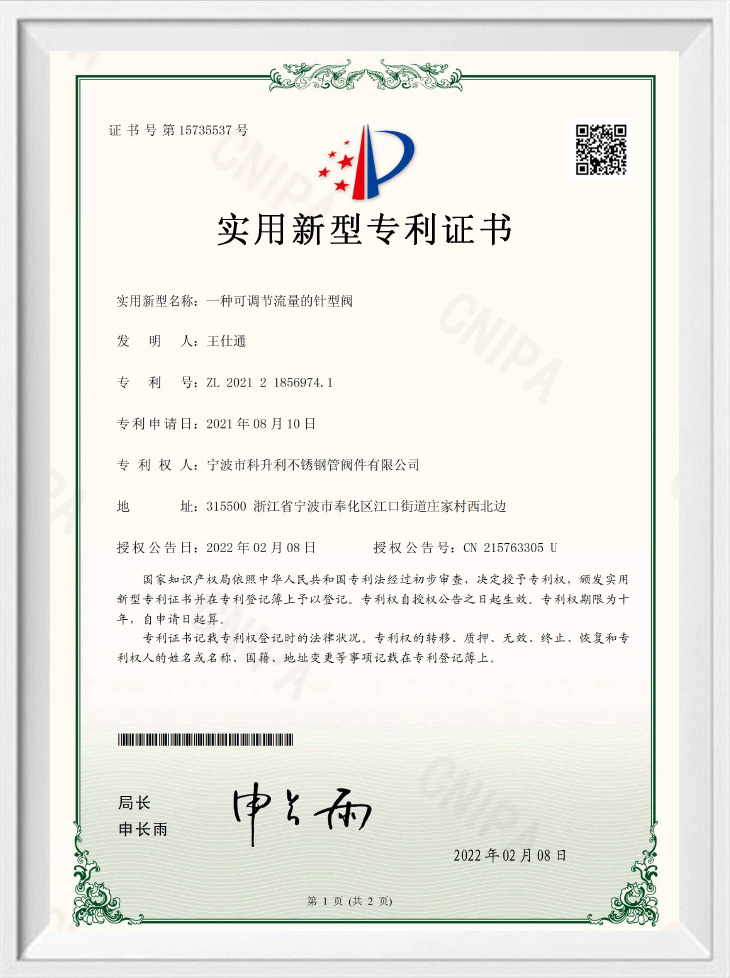
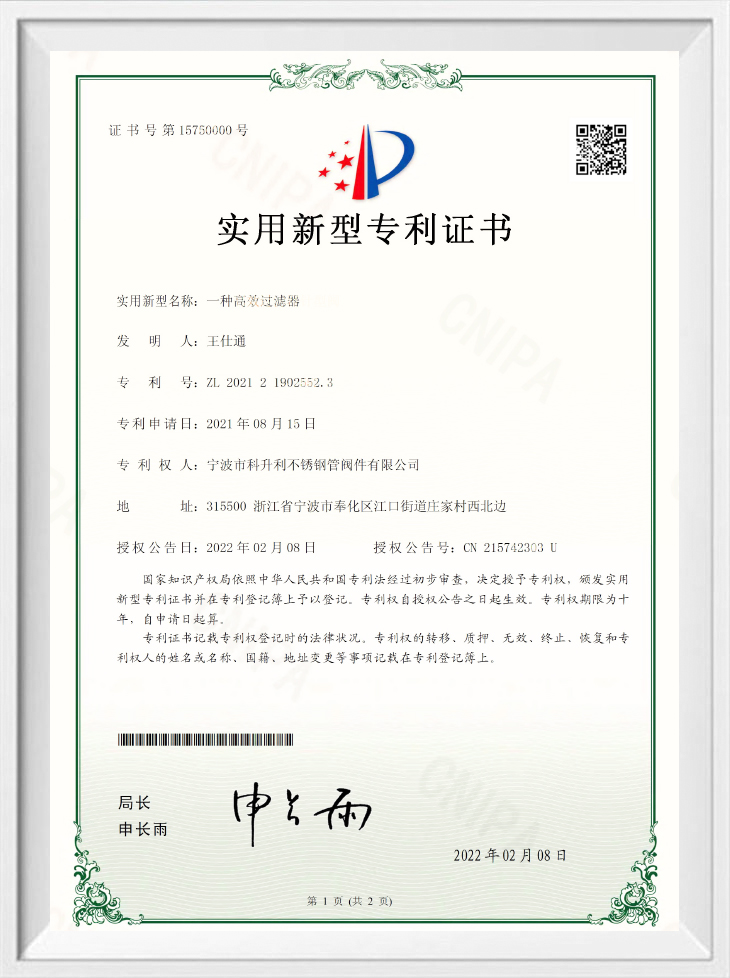
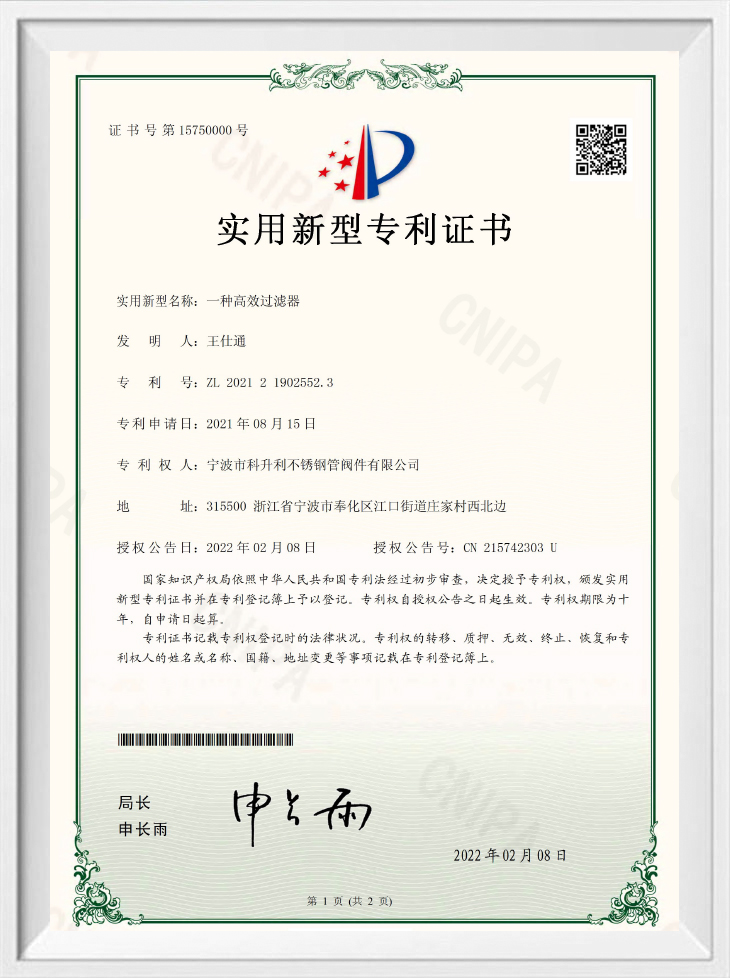
As China Hydrogen Fittings Manufacturers and Hydrogen Fittings Suppliers, Our company specializes in the manufacturing and sales of stainless steel pipe fittings and valves in national (GB), American (ANSI/ASME), and British (BS) standards. We are equipped with advanced CNC machining centers, material testing and heat treatment facilities, a skilled technical team, and a robust production workforce. With a sound quality management system and excellent after-sales service, we sincerely serve customers worldwide.
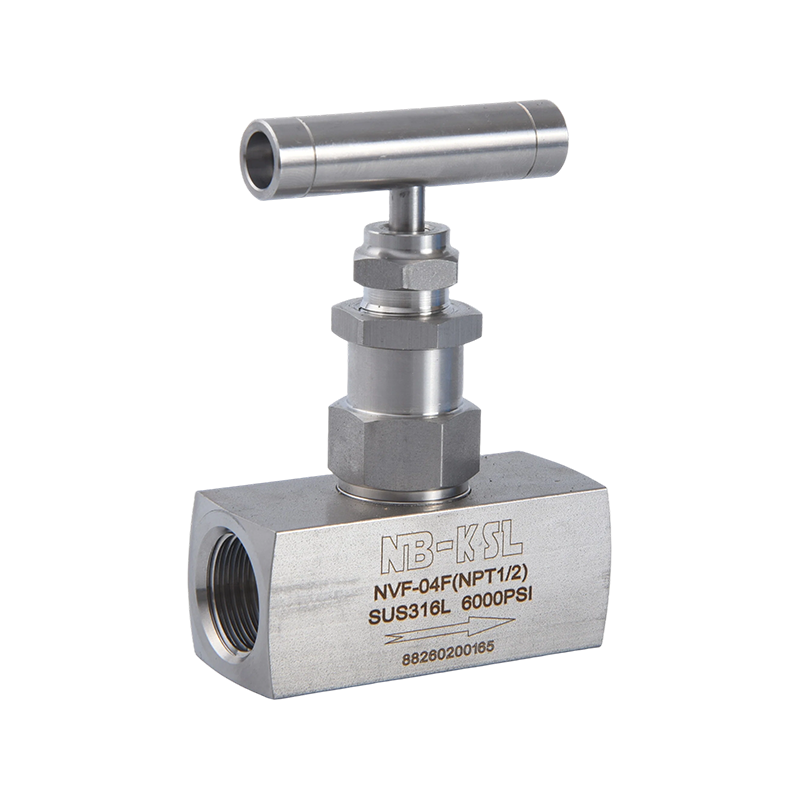
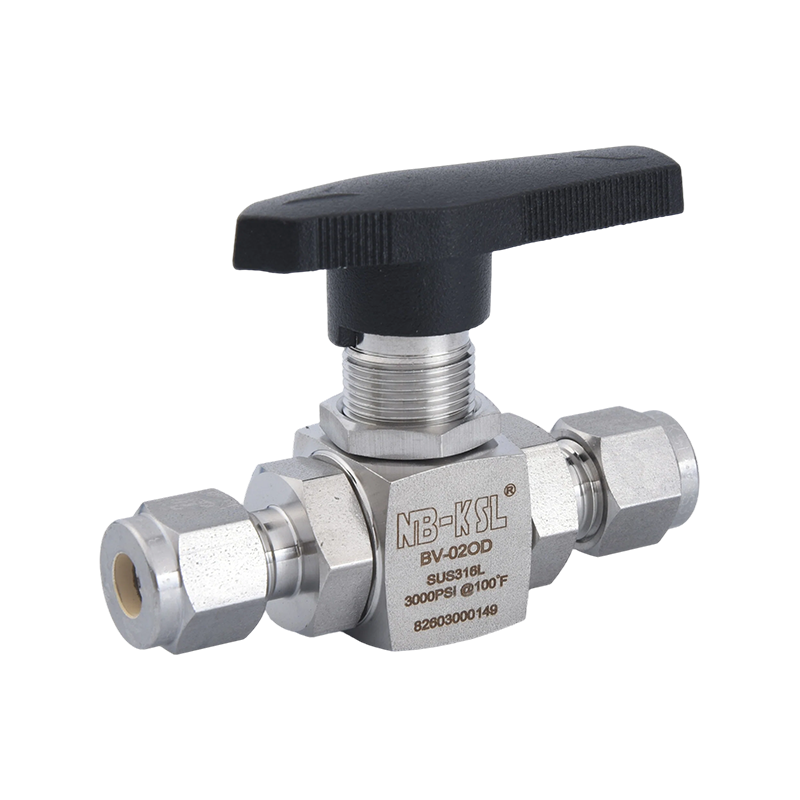
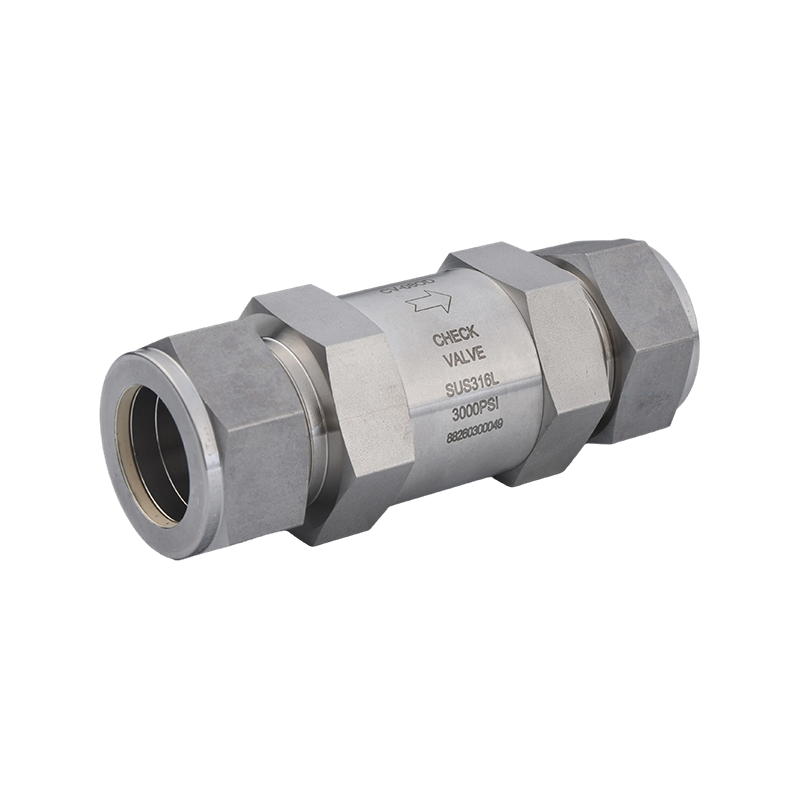
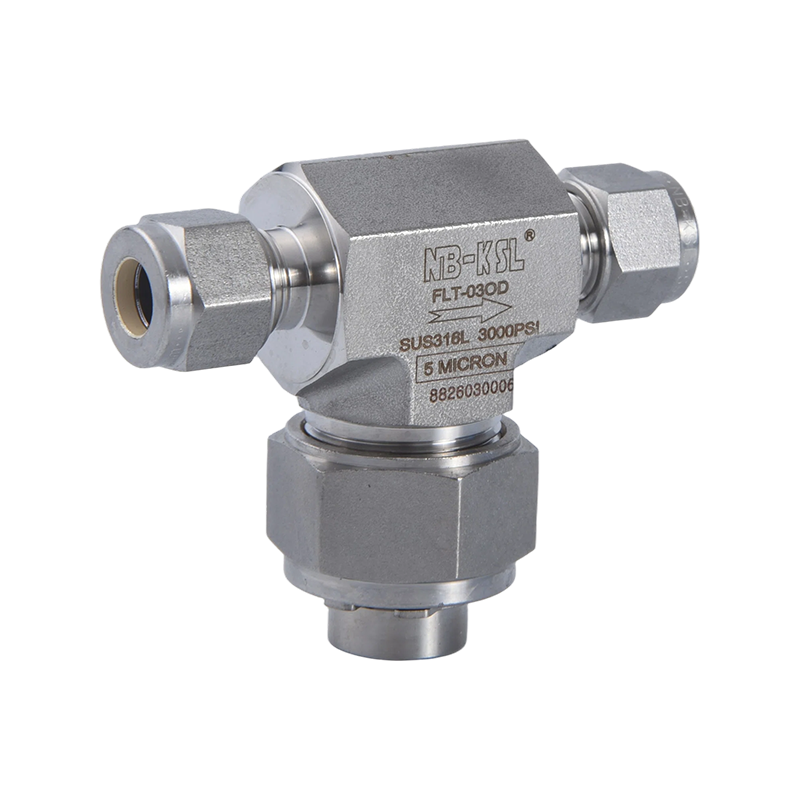
Our main products include: ferrule-type fittings, threaded fittings, instrument fittings, instrument needle valves, instrument ball valves, ferrule needle valves, ferrule ball valves, compact high-pressure instrument needle valves, compact high-pressure instrument ball valves, and high-pressure check valves. The primary material is SS316 stainless steel. These products are widely used in petrochemical, petroleum, electric power, pharmaceutical, food, papermaking, marine, and general machinery industries.
We strictly control product quality at every stage and are committed to delivering superior quality through advanced technology and professional management. Adhering to the business philosophy of "Quality First, Customer Supreme, Integrity Foremost," we strive to build the "NB-KSL" brand image, better serve our customers, and work together with you to create a prosperous future.
A process engineer once asked me why a new 3/8-inch needle valve could not hold downstream pressure. The valve was not defective; it was oversized. Every small turn of the stem moved more flow than the process needed, and the Cv formula wo...
A fixed-roof tank stores a flammable aromatic solvent. Its vent line runs to a vapor collection manifold. An electrical spark from a nearby pump can ignite the vapor-air mixture. The flame front travels along the vent pipe. In a long, turb...
Consider a gas line that has just been purged and refilled with a flammable mixture. A maintenance welder sparks, and a small flame front starts moving down the pipe. The question is not whether it will burn—it is whether the flame stays s...
A low-pressure alarm on a nitrogen analyzer purge line is rarely caused by the analyzer itself. More often, the real problem is a regulator or valve with a Cv that is too low for the flow demand. The component may look right in the catalog...
With the acceleration of global carbon neutrality goals, hydrogen energy has rapidly become one of the most strategic clean energy solutions. In this context, hydrogen fittings are no longer simple connection parts—they are now core safety and performance components in hydrogen production, storage, transportation, and utilization systems. As professional Hydrogen Fittings Manufacturers, Ningbo Keshengli Stainless Steel Valve Co., Ltd. focuses on delivering high-integrity, high-pressure, and zero-leakage connection solutions for hydrogen infrastructure projects worldwide.
Hydrogen is fundamentally different from other industrial gases. Its molecular diameter is extremely small, which makes it highly permeable. Even microscopic imperfections in fittings, threads, or sealing surfaces can result in leakage. In addition, hydrogen systems often operate under ultra-high pressures (350 bar, 700 bar, and even higher in future applications), which significantly increases mechanical stress on every fitting component.
Hydrogen fittings are widely used across the entire hydrogen value chain:
In all these scenarios, fittings serve as the critical connection points that ensure system integrity. A single weak connection can compromise the safety of the entire hydrogen network. Therefore, hydrogen fittings must achieve zero-leak performance, high fatigue resistance, and long-term pressure stability.
At Ningbo Keshengli Stainless Steel Valve Co., Ltd., our engineering approach focuses on precision machining and strict material control. We integrate advanced CNC processing, high-pressure testing, and precision sealing design to ensure that every hydrogen fitting meets demanding industrial expectations.
| Requirement | Technical Meaning | Importance Level |
|---|---|---|
| High-pressure resistance | Withstand up to 700 bar or more | Critical |
| Zero leakage sealing | No detectable gas escape | Critical |
| Hydrogen embrittlement resistance | Prevent metal cracking over time | Critical |
| High fatigue strength | Maintain performance under repeated cycles | High |
| Surface precision | Ultra-smooth sealing interface | High |
In real-world hydrogen infrastructure, fittings must withstand continuous pressure cycles, temperature fluctuations, and vibration conditions. This makes structural stability and material integrity essential.
As hydrogen infrastructure expands globally, the demand for reliable components continues to grow. Companies like Ningbo Keshengli Stainless Steel Valve Co., Ltd. play a key role in ensuring that hydrogen systems operate safely and efficiently at scale.
FAQ – Hydrogen Fittings Industry Importance
Q1: Why are hydrogen fittings more critical than normal gas fittings?
A1: Because hydrogen molecules are extremely small and require ultra-high sealing performance.
Q2: Where are hydrogen fittings most commonly used?
A2: Fuel cells, hydrogen refueling stations, storage systems, and industrial pipelines.
Q3: What is the biggest risk in hydrogen systems?
A3: Micro-leakage leading to safety hazards and energy loss.
The safety and reliability of hydrogen systems depend heavily on the materials and manufacturing processes used in hydrogen fittings. As a professional Hydrogen Fittings Manufacturer, Ningbo Keshengli Stainless Steel Valve Co., Ltd. places strong emphasis on advanced metallurgy, precision machining, and strict quality control to ensure that every component performs reliably in high-pressure hydrogen environments.
One of the most critical material challenges in hydrogen applications is hydrogen embrittlement. This phenomenon occurs when hydrogen atoms penetrate metal structures, causing internal stress and eventual cracking. To prevent this, high-quality stainless steel materials such as SS316L and specially treated alloys are widely used due to their excellent resistance to hydrogen-induced degradation.
In addition to material selection, surface finishing is equally important. Hydrogen fittings require extremely smooth internal and external surfaces to reduce leakage pathways. Even microscopic scratches or surface irregularities can become potential leakage points under high pressure. Therefore, advanced processes such as electropolishing, precision grinding, and ultrasonic cleaning are widely applied.
Manufacturing accuracy is another key factor. Hydrogen fittings require extremely tight dimensional tolerances to ensure perfect sealing between components. CNC machining centers with micron-level precision are used to ensure consistency across mass production.
At Ningbo Keshengli Stainless Steel Valve Co., Ltd., we combine these technologies with strict inspection procedures, including helium leak testing and pressure cycling tests, to ensure every product meets hydrogen safety requirements.
| Technology | Function | Benefit |
|---|---|---|
| CNC precision machining | Ensures dimensional accuracy | Stable assembly performance |
| Electropolishing | Improves surface smoothness | Reduces leakage risk |
| Helium leak detection | Detects micro-leaks | Ensures zero leakage |
| Heat treatment | Enhances material strength | Improves durability |
| Ultrasonic cleaning | Removes contaminants | Ensures hydrogen purity |
These technologies ensure that hydrogen fittings maintain structural integrity even under extreme pressure and long-term operation.
As hydrogen energy systems continue to expand globally, manufacturing precision becomes even more important. Any small defect can compromise system safety, making high-quality manufacturing essential.
FAQ – Materials & Manufacturing of Hydrogen Fittings
Q1: Why is SS316L widely used in hydrogen systems?
A1: Because it has excellent resistance to hydrogen embrittlement and corrosion.
Q2: How is leakage tested in hydrogen fittings?
A2: Helium mass spectrometry and high-pressure testing are commonly used.
Q3: Why is surface finishing so important?
A3: It directly affects sealing performance and leakage prevention.
Selecting the right Hydrogen Fittings Manufacturers is one of the most important decisions in hydrogen energy system development. Because hydrogen applications involve high pressure, high risk, and strict safety requirements, choosing a qualified supplier directly affects system reliability, operational safety, and long-term cost efficiency.
The first key factor is manufacturing capability. A reliable manufacturer must have advanced CNC machining systems, precision assembly lines, and high-pressure testing equipment. Without these capabilities, it is impossible to ensure consistent product quality for hydrogen applications.
The second factor is quality control and traceability. Every hydrogen fitting must be traceable in terms of raw materials, production batches, and inspection records. This ensures accountability and consistency, especially in large-scale hydrogen infrastructure projects.
The third factor is customization capability. Hydrogen systems vary widely depending on application—fuel cells, refueling stations, industrial pipelines, and storage systems all require different pressure ratings, sizes, and connection types. A strong manufacturer should offer OEM/ODM services to meet diverse engineering needs.
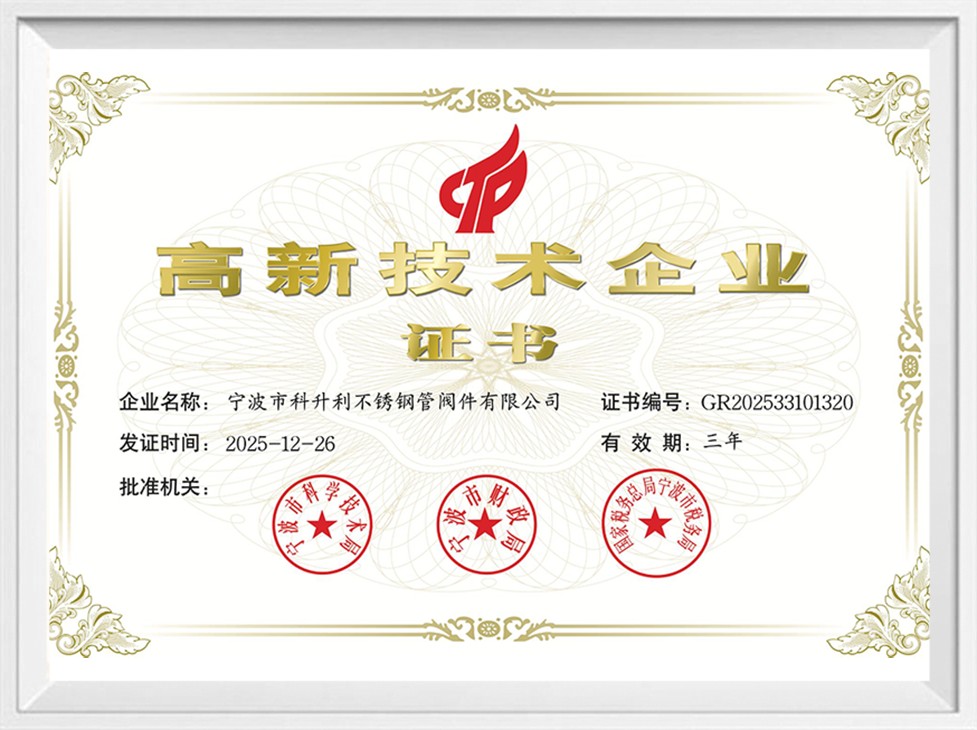
Ningbo Keshengli Stainless Steel Valve Co., Ltd. has developed strong engineering and production capabilities in this field, focusing on high-pressure stainless steel valve and fitting systems. Our hydrogen fittings are designed to meet stringent industrial requirements while ensuring long-term reliability and safety.
We also emphasize supply chain stability. Hydrogen energy projects often require long-term cooperation and consistent product supply. Therefore, production capacity, delivery reliability, and technical support are all critical factors.
| Evaluation Factor | Importance Level | Description |
|---|---|---|
| Production precision | Critical | Ensures safe operation |
| Material traceability | High | Guarantees quality consistency |
| Testing capability | Critical | Verifies zero-leak performance |
| Certification compliance | High | Meets international standards |
| Custom engineering | High | Supports complex systems |
Choosing the right manufacturer is not just a procurement decision—it is a strategic decision that affects the entire hydrogen system lifecycle.
FAQ – Selecting Hydrogen Fittings Manufacturers
Q1: What is the most important selection factor?
A1: Product safety and sealing reliability under high pressure.
Q2: Do hydrogen fittings require certification?
A2: Yes, international hydrogen safety standards are commonly required.
Q3: Can fittings be customized for different systems?
A3: Yes, OEM/ODM customization is widely supported.
 1 Zhongxin Yungu Zone D Building 1, Jiangkou Street, Fenghua District, Ningbo City, Zhejiang Province, China
 +86-574-88561893 / +86-15057497901
 Copyright © Ningbo Keshengli Stainless Steel Valve Co., Ltd. Rights Reserved.
Custom Hydrogen Fittings Manufacturers
Copyright © Ningbo Keshengli Stainless Steel Valve Co., Ltd. Rights Reserved.
Custom Hydrogen Fittings Manufacturers



 English
 中文简体
中文简体