
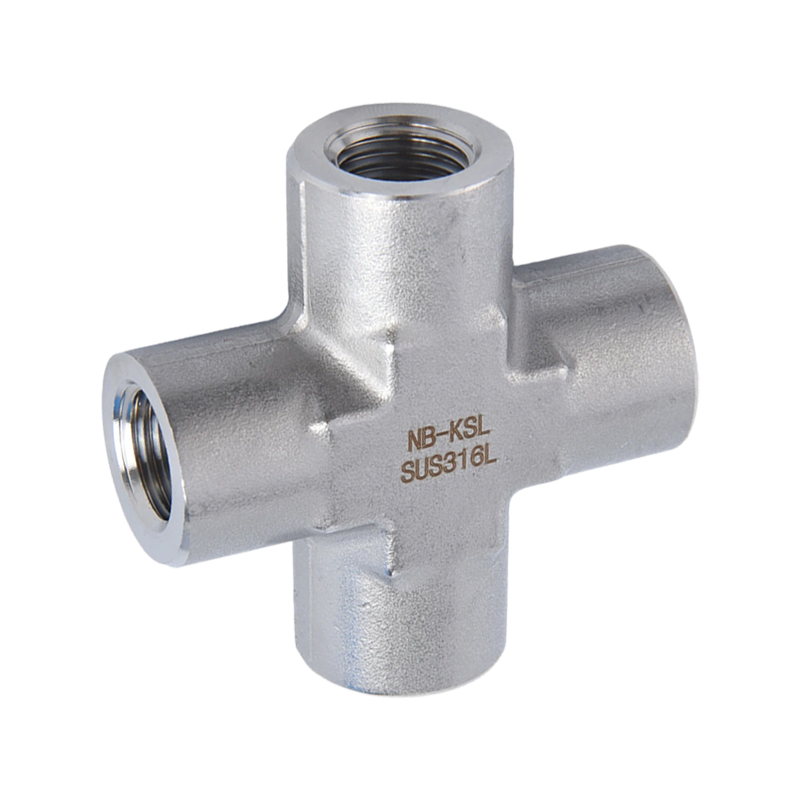


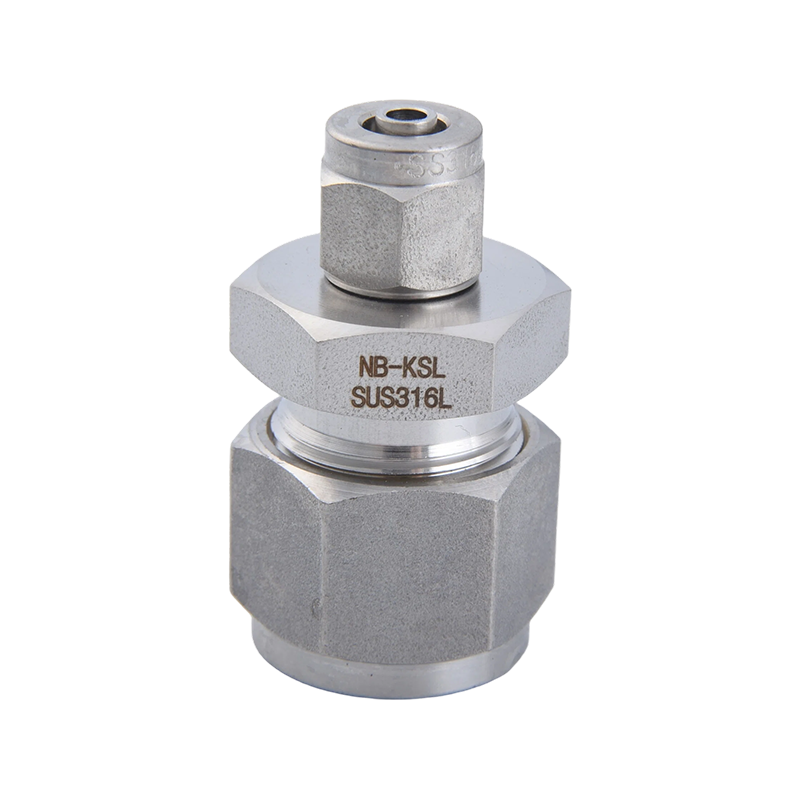
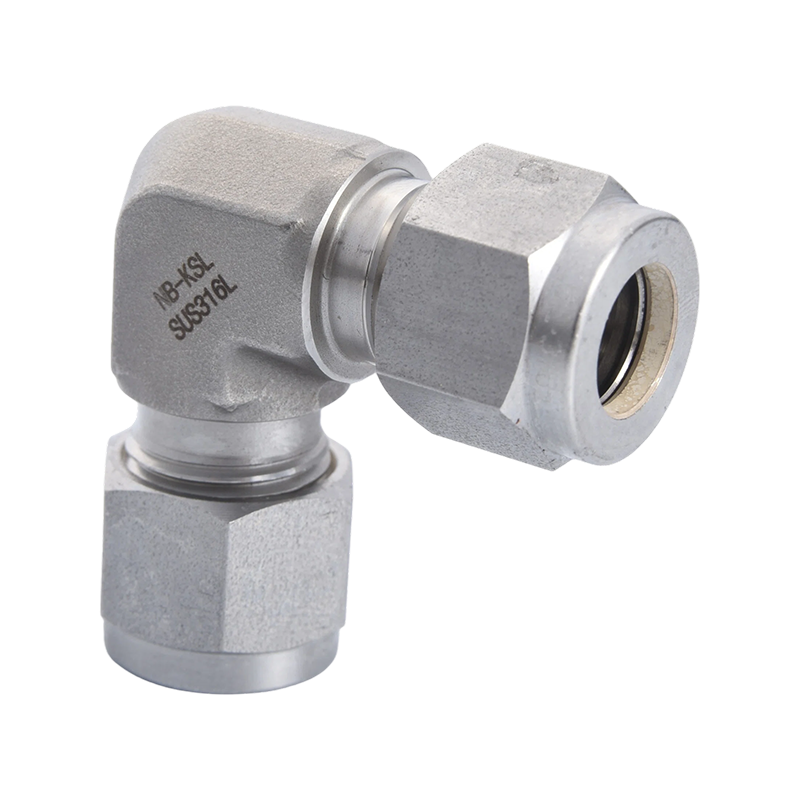
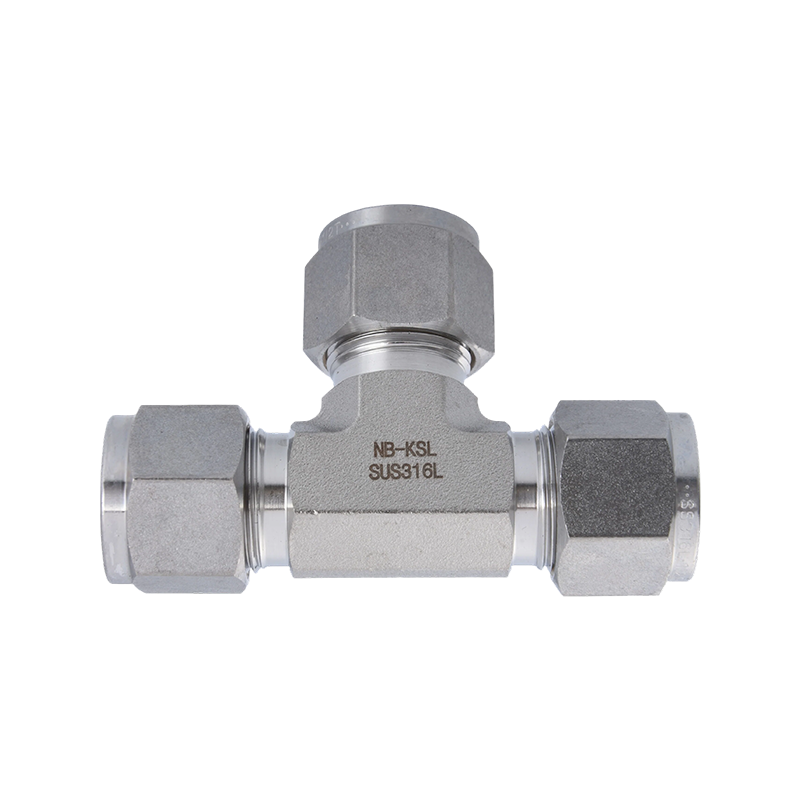
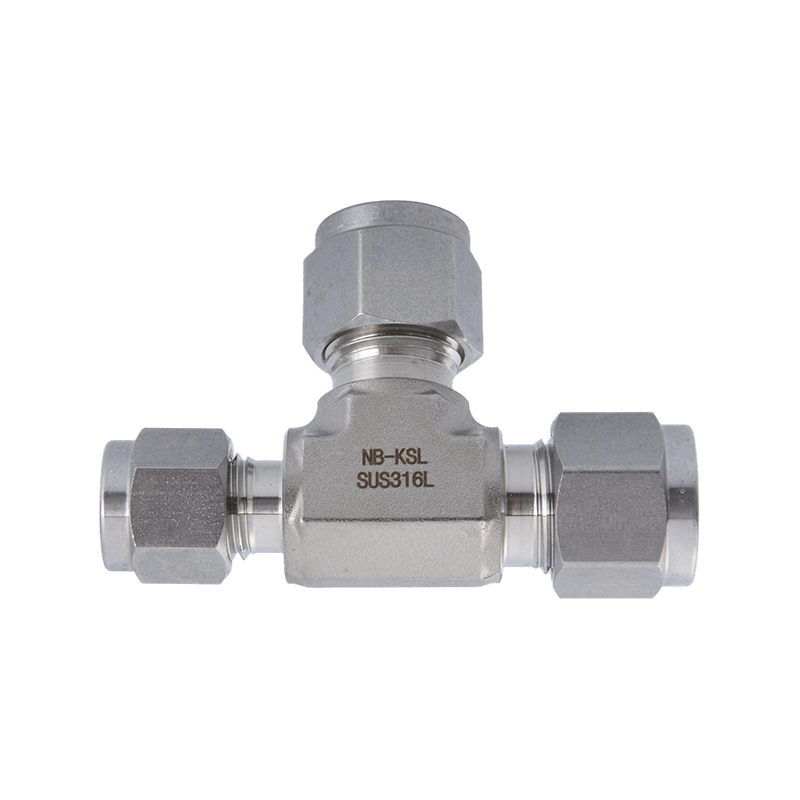
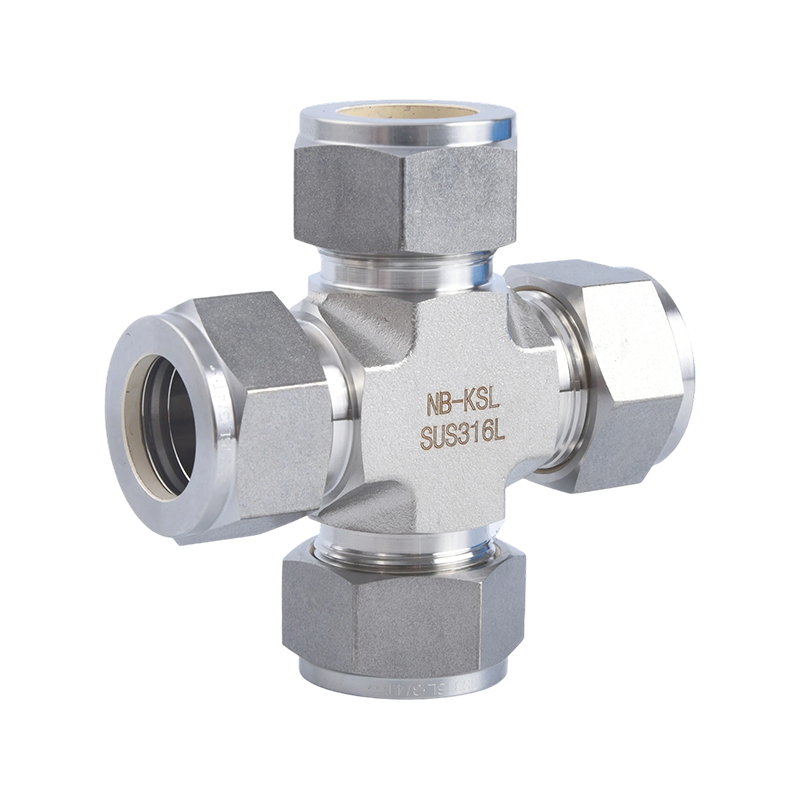
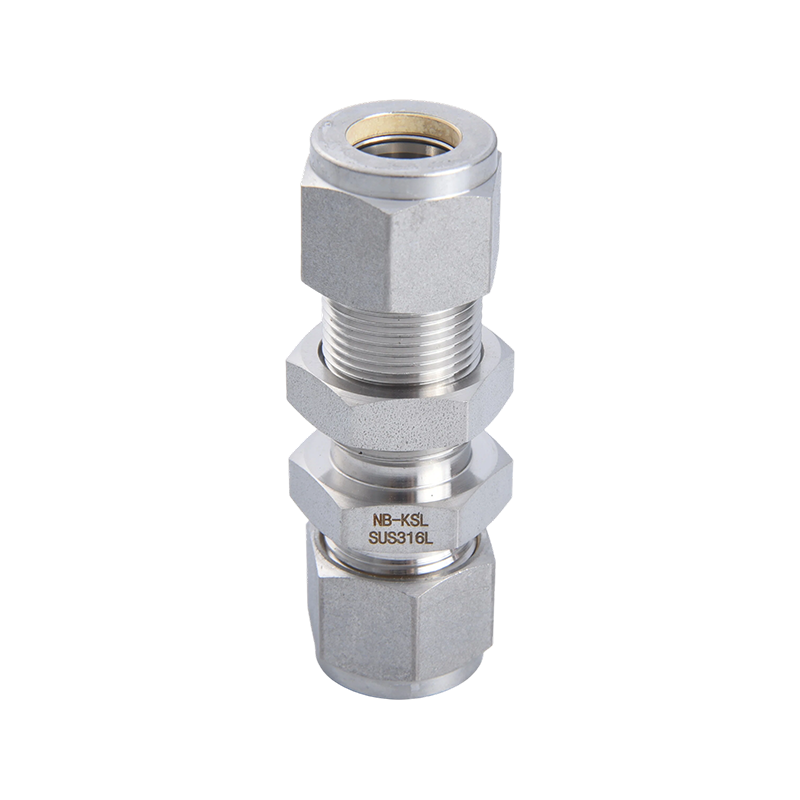

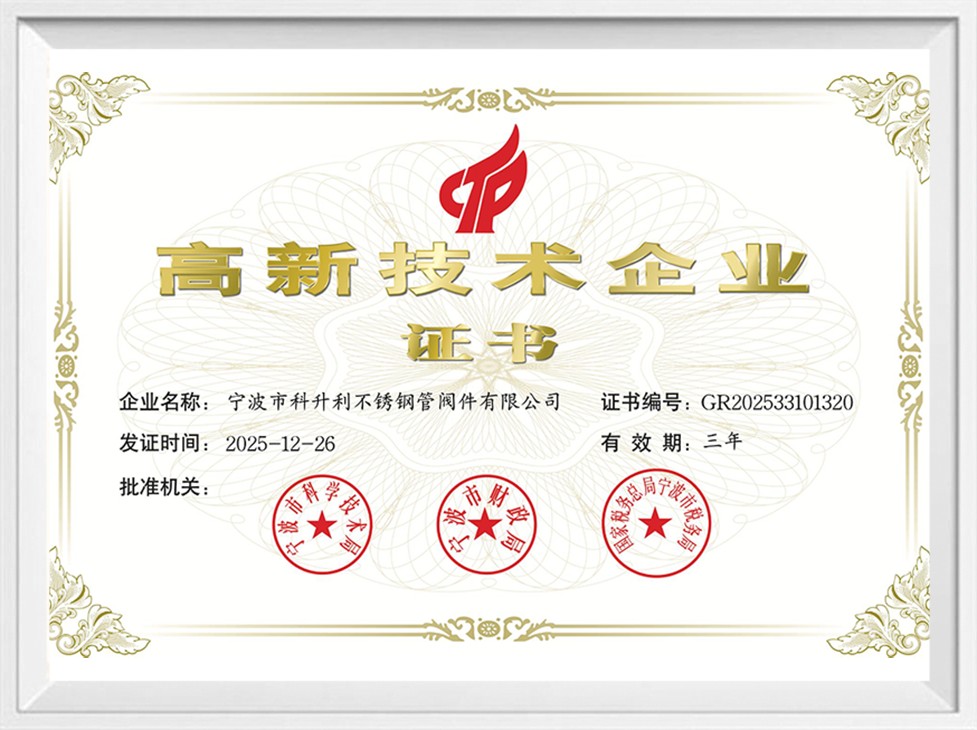
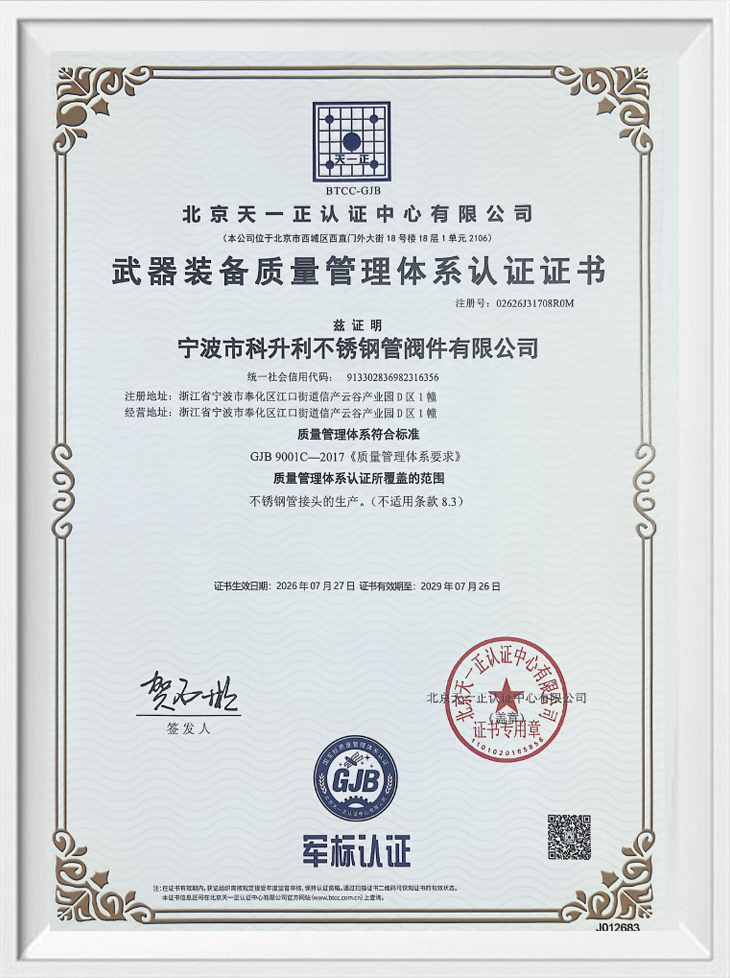
As China Stainless Steel Tube To Union Suppliers and Stainless Steel Tube To Union Manufacturers, Our company specializes in the manufacturing and sales of stainless steel pipe fittings and valves in national (GB), American (ANSI/ASME), and British (BS) standards. We are equipped with advanced CNC machining centers, material testing and heat treatment facilities, a skilled technical team, and a robust production workforce. With a sound quality management system and excellent after-sales service, we sincerely serve customers worldwide.
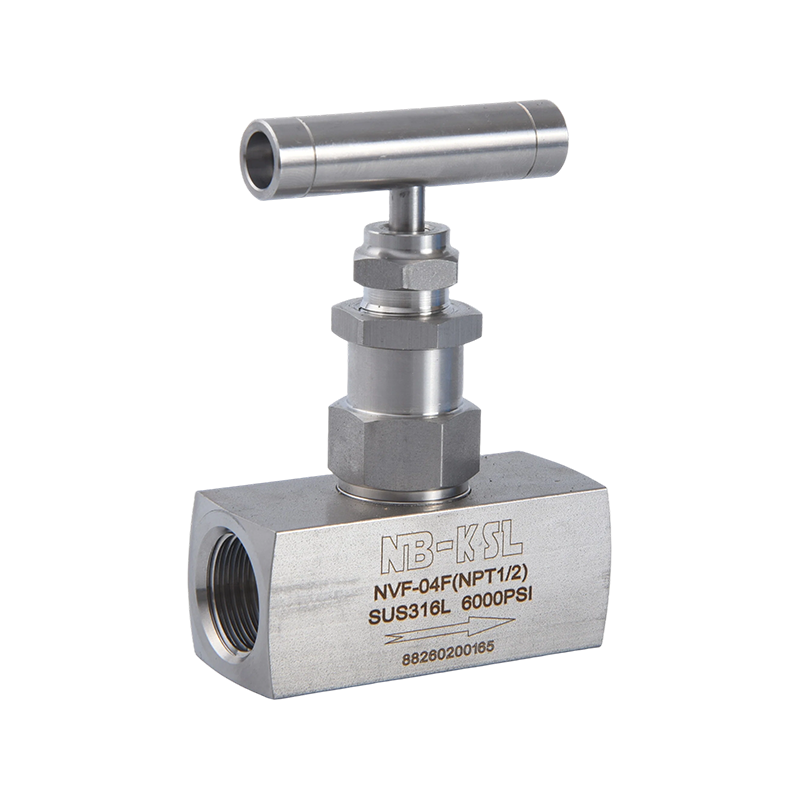
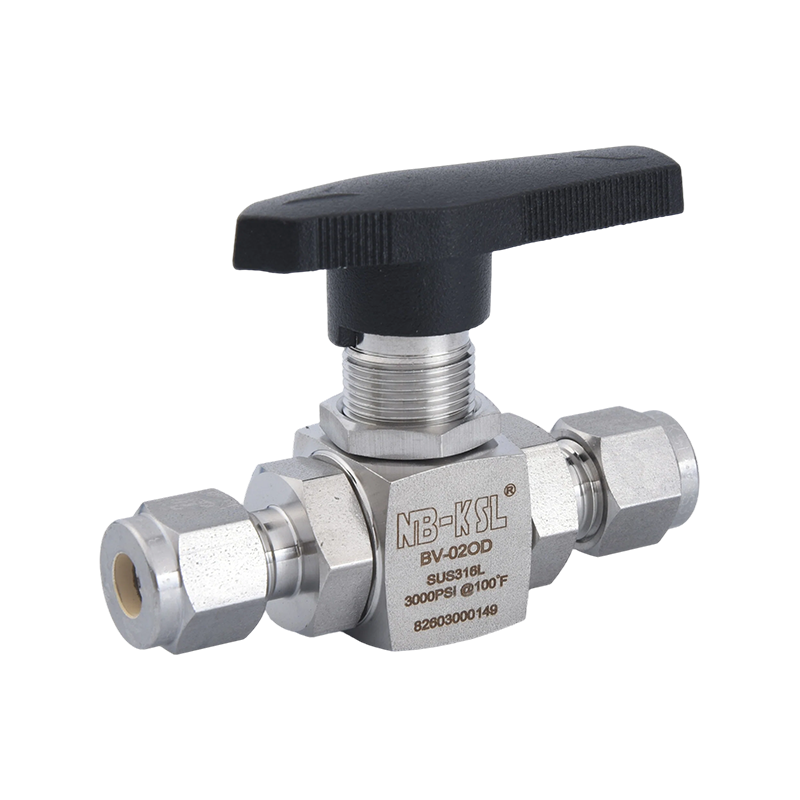
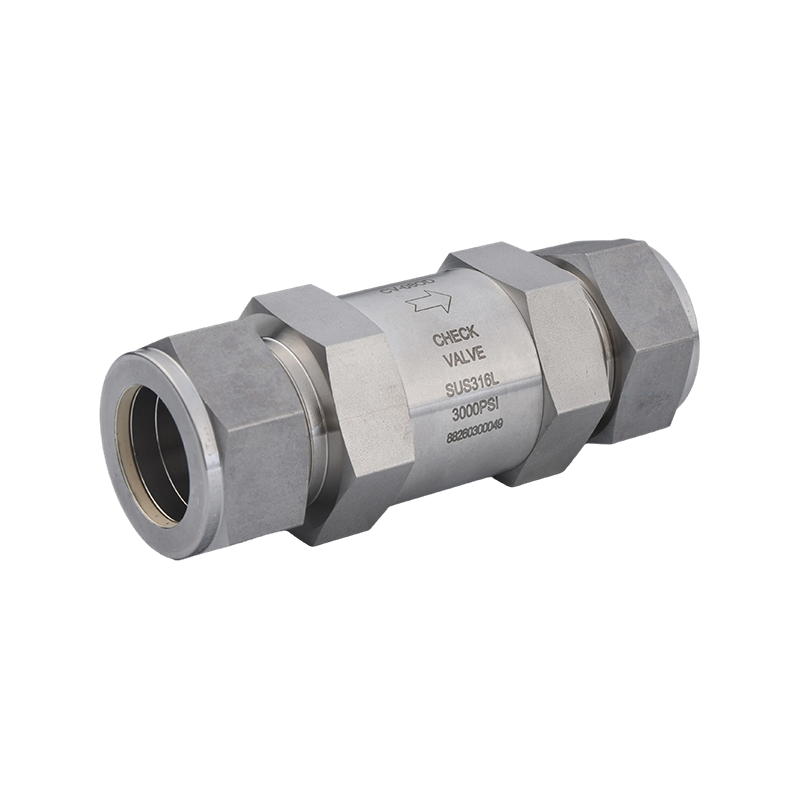
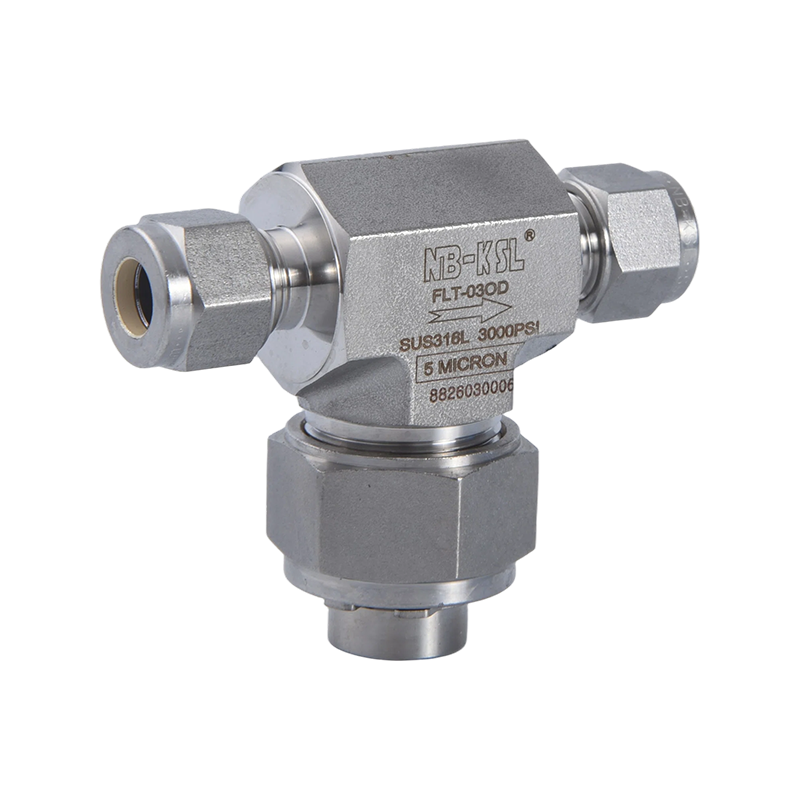
Our main products include: ferrule-type fittings, threaded fittings, instrument fittings, instrument needle valves, instrument ball valves, ferrule needle valves, ferrule ball valves, compact high-pressure instrument needle valves, compact high-pressure instrument ball valves, and high-pressure check valves. The primary material is SS316 stainless steel. These products are widely used in petrochemical, petroleum, electric power, pharmaceutical, food, papermaking, marine, and general machinery industries.
We strictly control product quality at every stage and are committed to delivering superior quality through advanced technology and professional management. Adhering to the business philosophy of "Quality First, Customer Supreme, Integrity Foremost," we strive to build the "NB-KSL" brand image, better serve our customers, and work together with you to create a prosperous future.
A process engineer once asked me why a new 3/8-inch needle valve could not hold downstream pressure. The valve was not defective; it was oversized. Every small turn of the stem moved more flow than the process needed, and the Cv formula wo...
A fixed-roof tank stores a flammable aromatic solvent. Its vent line runs to a vapor collection manifold. An electrical spark from a nearby pump can ignite the vapor-air mixture. The flame front travels along the vent pipe. In a long, turb...
Consider a gas line that has just been purged and refilled with a flammable mixture. A maintenance welder sparks, and a small flame front starts moving down the pipe. The question is not whether it will burn—it is whether the flame stays s...
A low-pressure alarm on a nitrogen analyzer purge line is rarely caused by the analyzer itself. More often, the real problem is a regulator or valve with a Cv that is too low for the flow demand. The component may look right in the catalog...
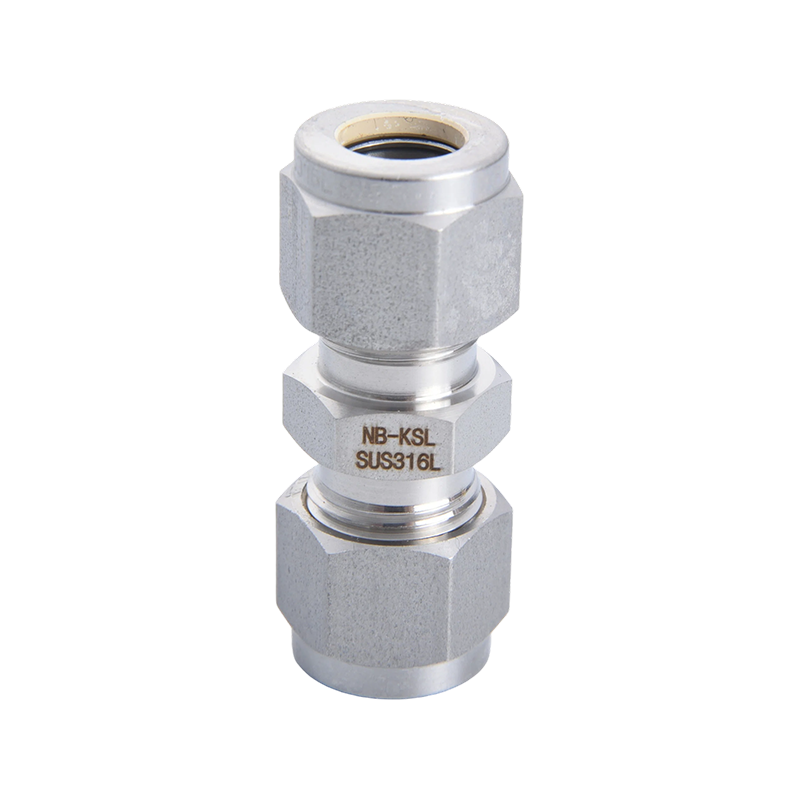
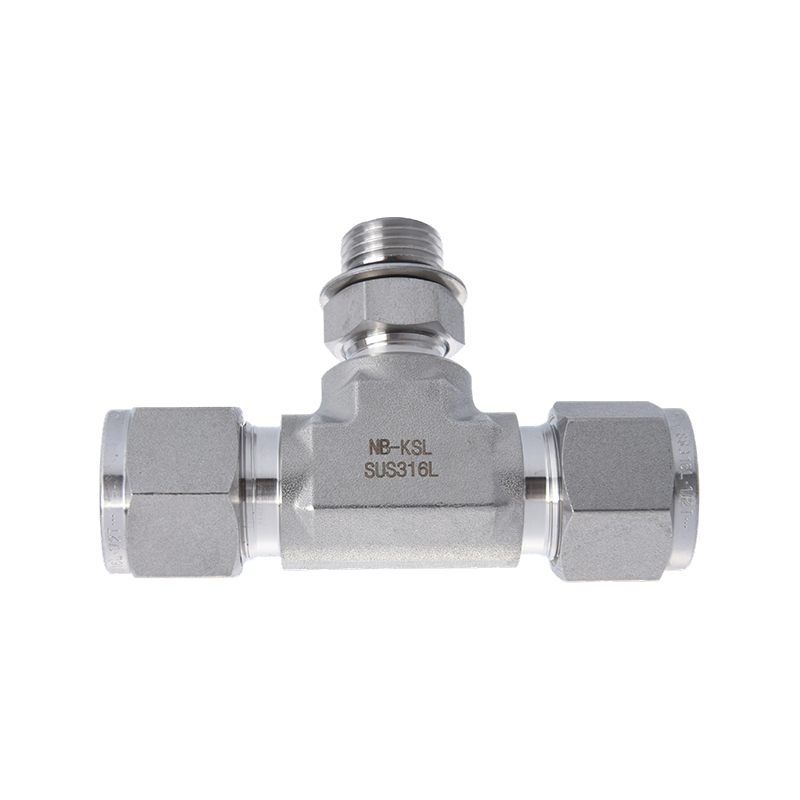
A Tube to Union is a precision-engineered detachable pipe fitting designed to connect two sections of tubing securely while allowing easy disassembly without cutting or welding. In modern industrial piping systems, this type of fitting plays a crucial role in ensuring both sealing reliability and long-term maintainability. It is widely used in instrumentation systems, chemical processing lines, hydraulic equipment, oil and gas pipelines, and high-purity gas distribution systems.
Structurally, a Tube to Union typically consists of three main parts: the male end, the female end, and a sealing interface. When assembled, these components are tightly compressed to form a leak-tight connection. Depending on application requirements, sealing may be achieved through metal-to-metal contact or with the assistance of precision-engineered sealing rings. This modular design allows engineers to quickly disconnect and reconnect pipelines without damaging tubing.
From an engineering perspective, Tube to Union fittings are essential because modern industrial systems increasingly demand flexibility. Unlike welded joints, which are permanent and require cutting tools for modification, unions allow rapid system reconfiguration. This is particularly valuable in laboratories, pilot plants, and production environments where system layouts change frequently.
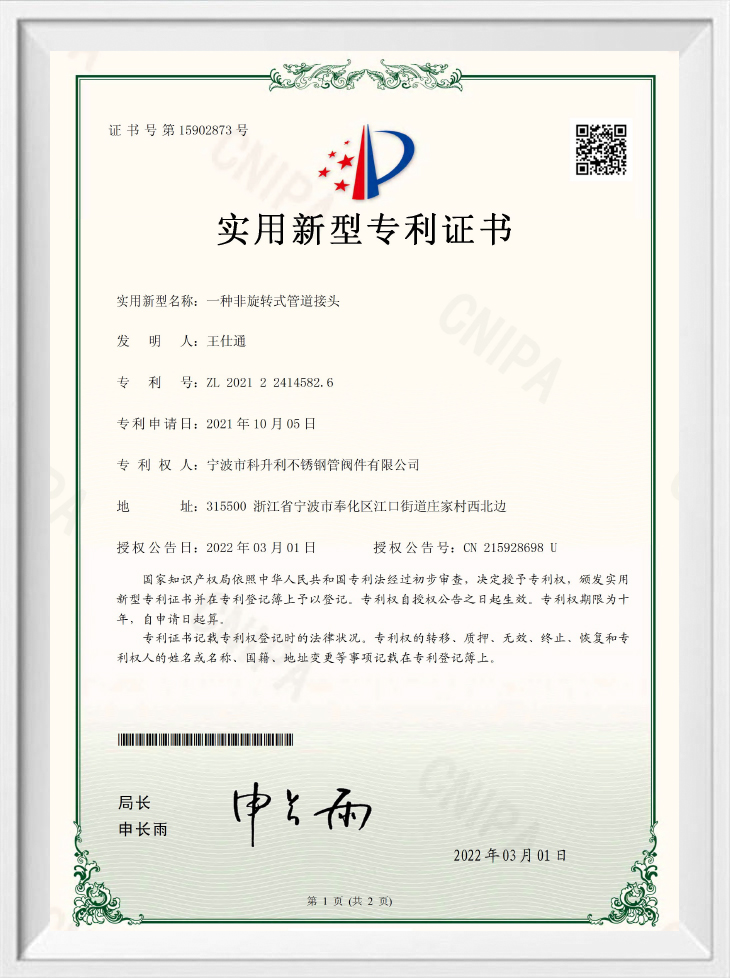
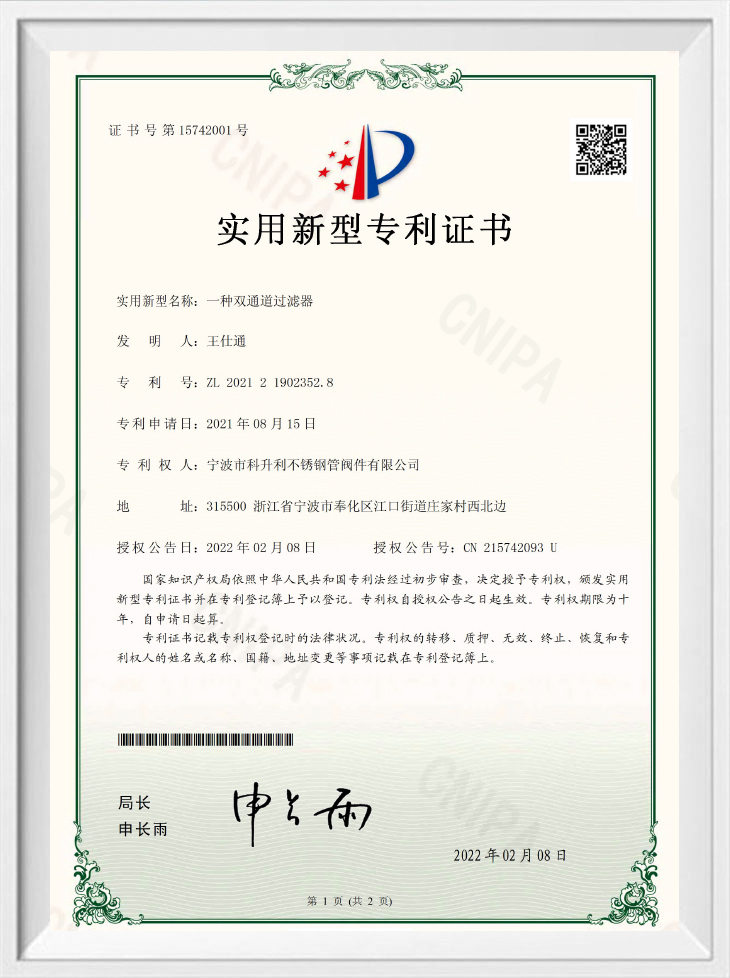
As a professional manufacturer, Ningbo Keshengli Stainless Steel Valve Co., Ltd. focuses on producing high-precision stainless steel fittings, including Tube to Union products designed for demanding industrial environments. Our products are engineered with strict dimensional control and surface finishing standards to ensure stable sealing performance even under high pressure and vibration conditions.
Tube to Union fittings are also critical in reducing downtime. In industrial maintenance scenarios, technicians can quickly remove and replace components without shutting down entire systems for extended periods. This significantly improves operational efficiency and reduces maintenance costs.
| Parameter | Typical Range | Description |
|---|---|---|
| Material | SS304 / SS316L | Corrosion-resistant stainless steel |
| Pressure Rating | Up to 6000 psi+ | Suitable for high-pressure systems |
| Temperature Range | -50°C to 450°C | Industrial adaptability |
| Sealing Type | Metal-to-metal / elastomer | Depends on application |
| Connection Type | Threaded / compression | Flexible installation |
In addition, Tube to Union fittings are widely used in systems requiring frequent inspection or calibration, such as pressure measurement lines and gas sampling systems. Their ability to maintain a stable seal after repeated assembly makes them indispensable in precision engineering applications.
FAQ – Tube to Union Fundamentals
Q1: What is the main function of a Tube to Union?
A1: It connects tubing securely while allowing easy disassembly for maintenance.
Q2: Is welding required for installation?
A2: No, Tube to Union fittings are designed for non-welded installation.
Q3: Can they be reused multiple times?
A3: Yes, they are designed for repeated assembly and disassembly.
The widespread adoption of Tube to Union fittings in modern industries is driven by increasing demands for system flexibility, safety, and operational efficiency. As industrial processes become more complex, engineers require connection systems that combine strong sealing performance with easy maintenance capabilities.
One of the key advantages of Tube to Union fittings is their excellent pressure resistance. In hydraulic and pneumatic systems, pressure fluctuations and mechanical vibrations are common. A properly designed union fitting can maintain a stable seal even under dynamic load conditions, preventing leakage and system failure.
Another major advantage is maintenance efficiency. Traditional welded piping systems require cutting, welding, and reassembly when modifications or repairs are needed. This process is time-consuming, expensive, and often results in system downtime. Tube to Union fittings eliminate this issue by enabling quick disassembly without damaging the pipeline.
In high-purity industries such as semiconductor manufacturing, pharmaceuticals, and analytical laboratories, cleanliness is critical. Tube to Union fittings made from stainless steel (especially SS316L) provide smooth internal surfaces that minimize contamination risk and ensure consistent fluid or gas purity.
As a trusted manufacturer, Ningbo Keshengli Stainless Steel Valve Co., Ltd. produces Tube to Union fittings designed for both general industrial and high-precision applications. Our engineering focus includes tight tolerance control, advanced surface polishing, and rigorous pressure testing to ensure reliable performance.
| Feature | Welded Joints | Tube to Union |
|---|---|---|
| Installation | Permanent | Detachable |
| Maintenance | Difficult | Easy |
| Reusability | None | High |
| System Downtime | High | Low |
| Flexibility | Low | High |
Tube to Union systems also support modular engineering design. This means entire piping systems can be reconfigured without major structural changes, making them ideal for rapidly evolving industrial environments.
In addition, their reliability under vibration and thermal expansion conditions makes them suitable for mobile equipment and high-temperature systems.
FAQ – Industrial Applications
Q1: Where are Tube to Union fittings commonly used?
A1: Instrumentation, hydraulic systems, gas lines, and chemical processing.
Q2: Are they suitable for high-purity systems?
A2: Yes, especially stainless steel SS316L versions.
Q3: Do they reduce maintenance costs?
A3: Yes, significantly due to easy disassembly and reuse.
Selecting the appropriate Tube to Union fitting is critical for ensuring long-term system safety, efficiency, and performance. Different industrial applications require different pressure ratings, material grades, sealing structures, and dimensional specifications.
The first factor to consider is pressure rating. The fitting must safely withstand both normal operating pressure and occasional pressure surges. Choosing an under-rated fitting may result in leakage or mechanical failure, while over-design may increase unnecessary costs.
Material selection is equally important. Stainless steel is the preferred choice due to its strength and corrosion resistance. SS304 is commonly used in general applications, while SS316L is recommended for corrosive or high-purity environments. In specialized systems, material traceability and certification are also important factors.
Sealing type is another key consideration. Metal-to-metal sealing is suitable for high-pressure and high-temperature environments, while elastomer-based seals provide flexibility for lower-pressure systems. The choice depends on system requirements and operating conditions.
Dimensional compatibility must also be carefully evaluated. Tube outer diameter, wall thickness, and thread standards must match precisely to ensure proper sealing and mechanical stability.
Environmental conditions such as vibration, temperature fluctuations, and chemical exposure should also be considered when selecting fittings. Harsh environments require more robust designs with enhanced sealing performance.
At Ningbo Keshengli Stainless Steel Valve Co., Ltd., we provide both standard and customized Tube to Union solutions. Our OEM/ODM capabilities allow customers to define specifications based on real engineering requirements, ensuring optimal system performance.
| Factor | Recommendation |
|---|---|
| Pressure | Match system maximum pressure |
| Material | SS304 or SS316L based on media |
| Seal Type | Metal seal or elastomer seal |
| Application | Instrumentation, hydraulic, gas systems |
| Environment | Temperature, corrosion, vibration |
A properly selected Tube to Union not only improves system reliability but also reduces long-term operational and maintenance costs.
FAQ – Selection Guide
Q1: What is the most important selection factor?
A1: Pressure rating compatibility with the system.
Q2: Can Tube to Union fittings be customized?
A2: Yes, OEM/ODM customization is available.
Q3: Which material is best for corrosive environments?
A3: SS316L stainless steel is recommended.
 1 Zhongxin Yungu Zone D Building 1, Jiangkou Street, Fenghua District, Ningbo City, Zhejiang Province, China
 +86-574-88561893 / +86-15057497901
 Copyright © Ningbo Keshengli Stainless Steel Valve Co., Ltd. Rights Reserved.
OEM/ODM Stainless Steel Tube To Union Suppliers
Copyright © Ningbo Keshengli Stainless Steel Valve Co., Ltd. Rights Reserved.
OEM/ODM Stainless Steel Tube To Union Suppliers



 English
 中文简体
中文简体