

 English
 中文简体
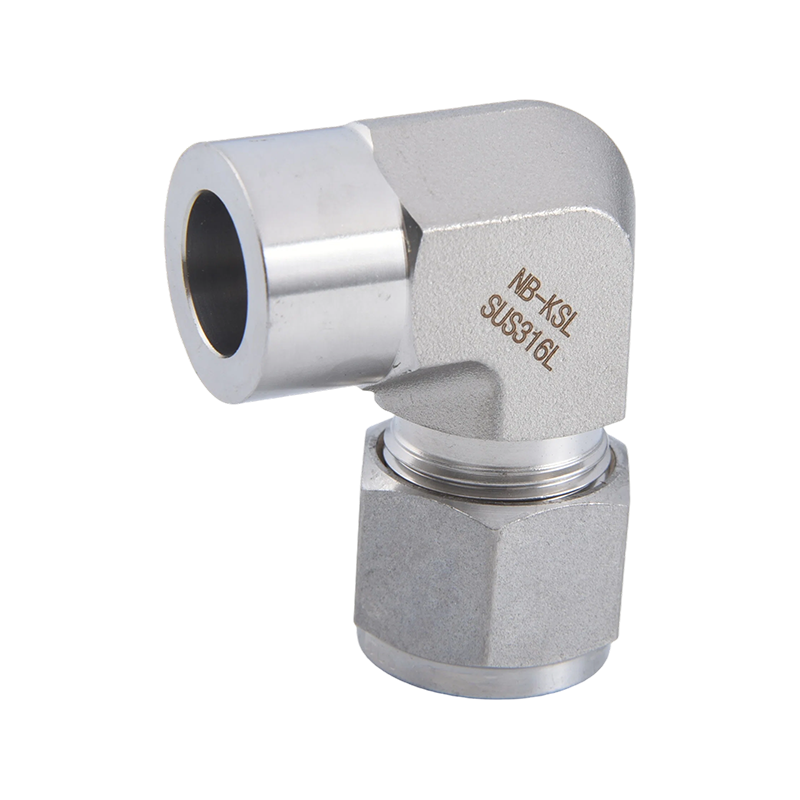


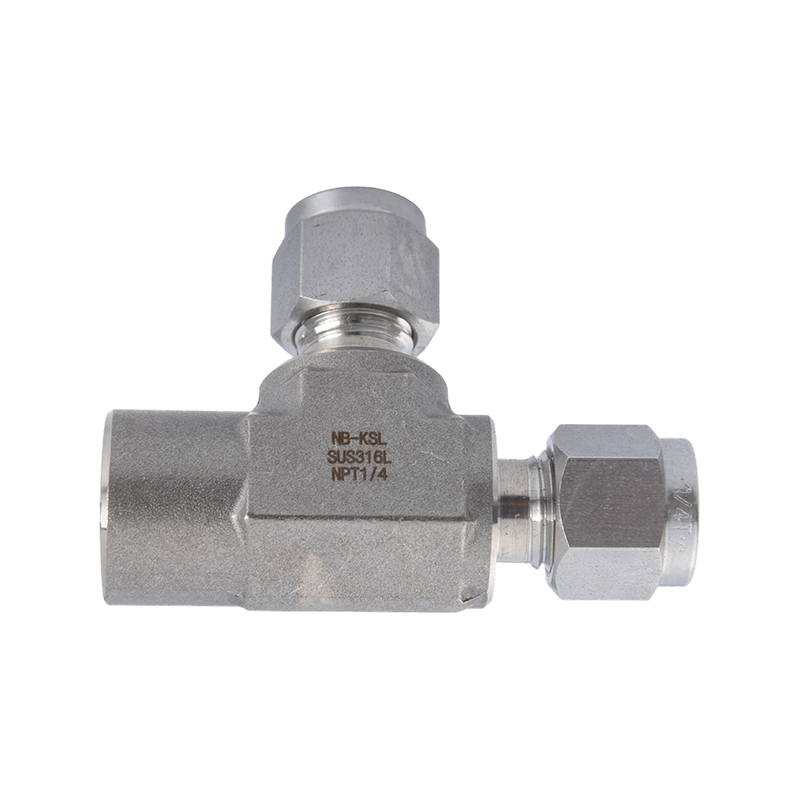
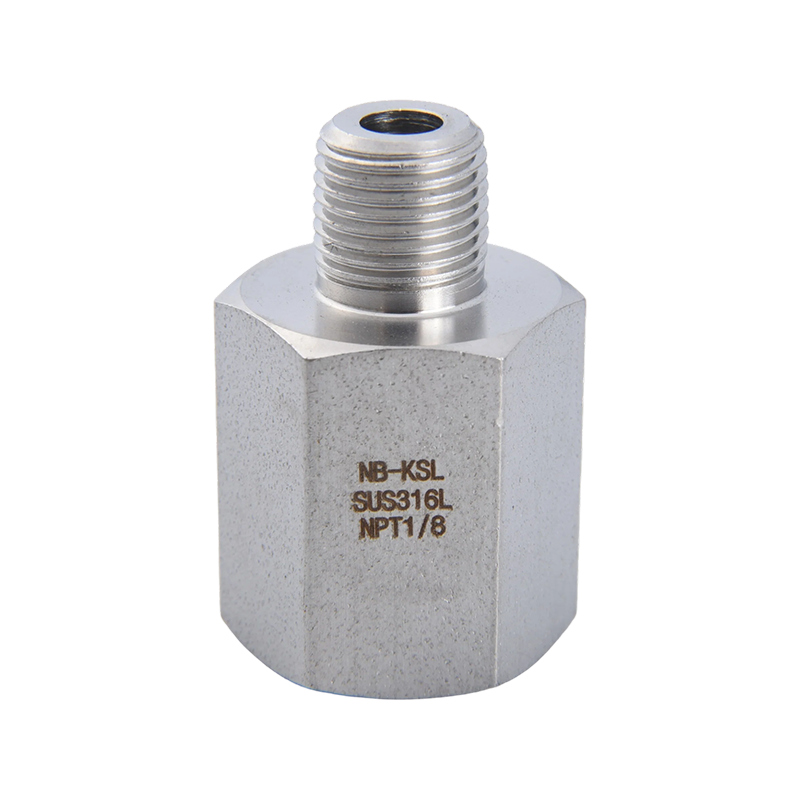
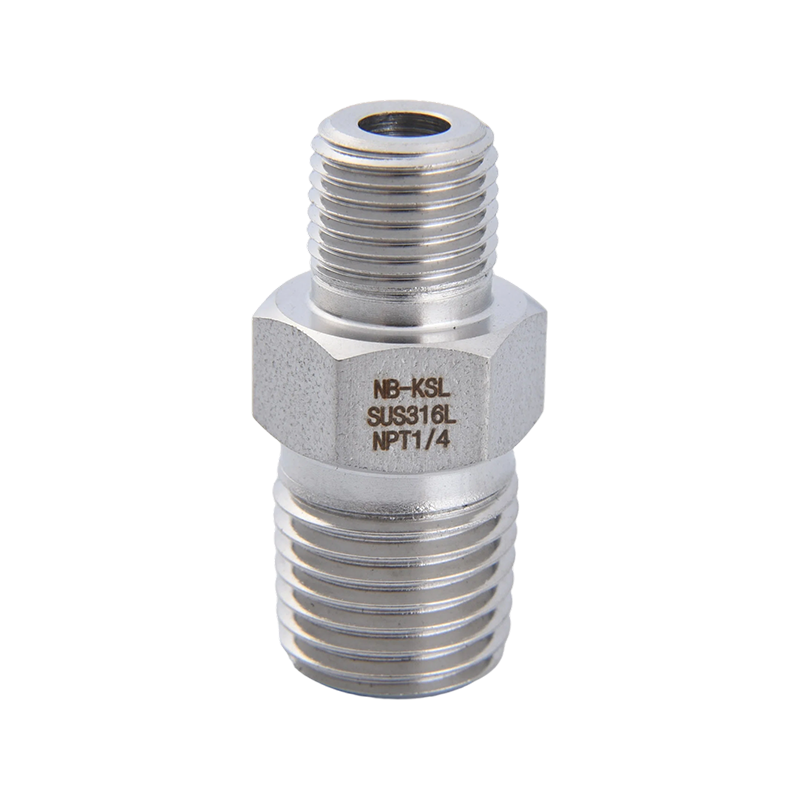
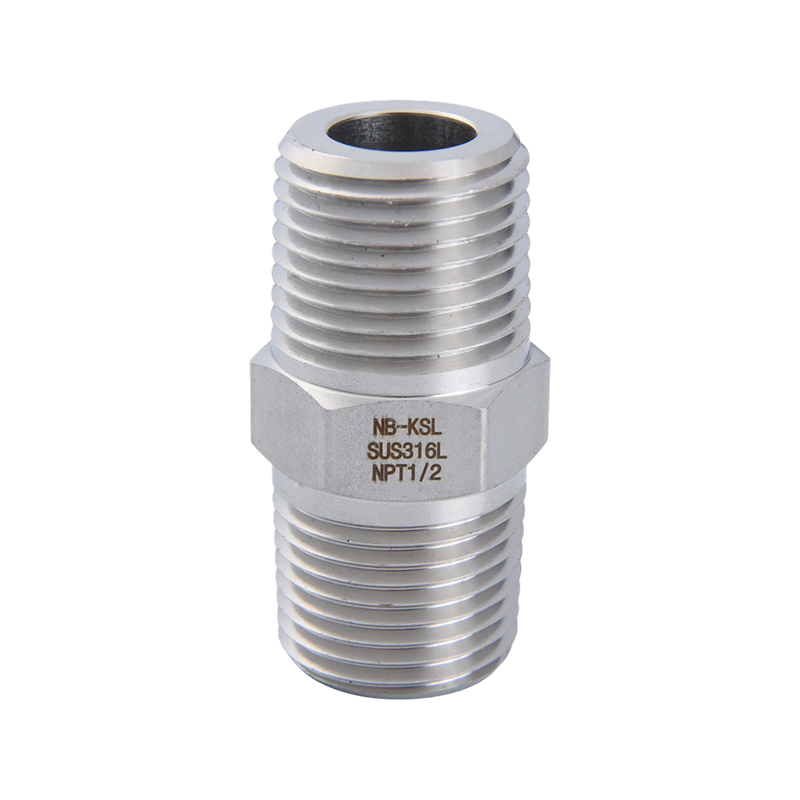
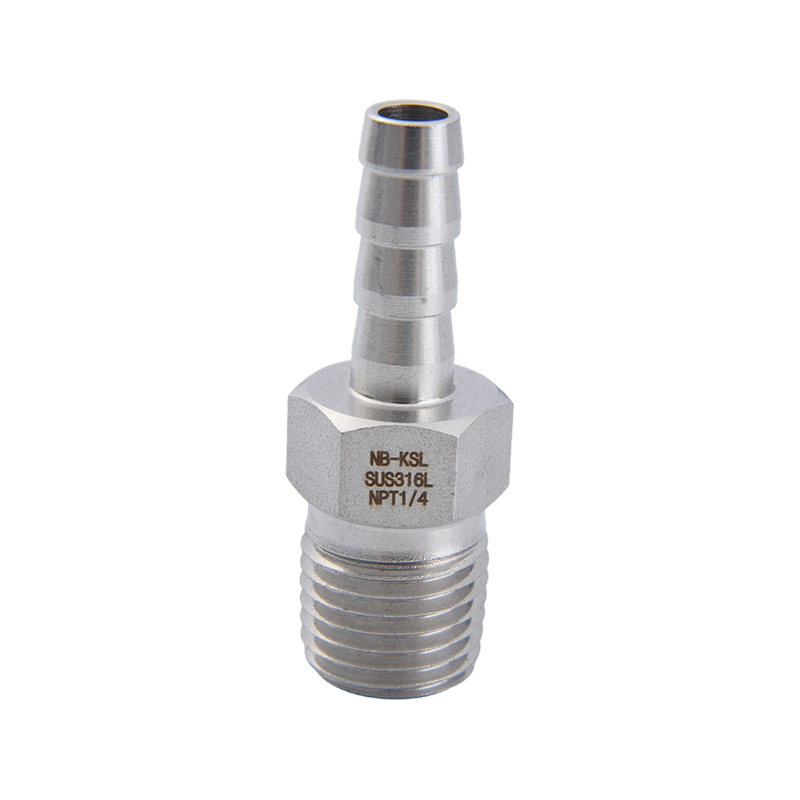
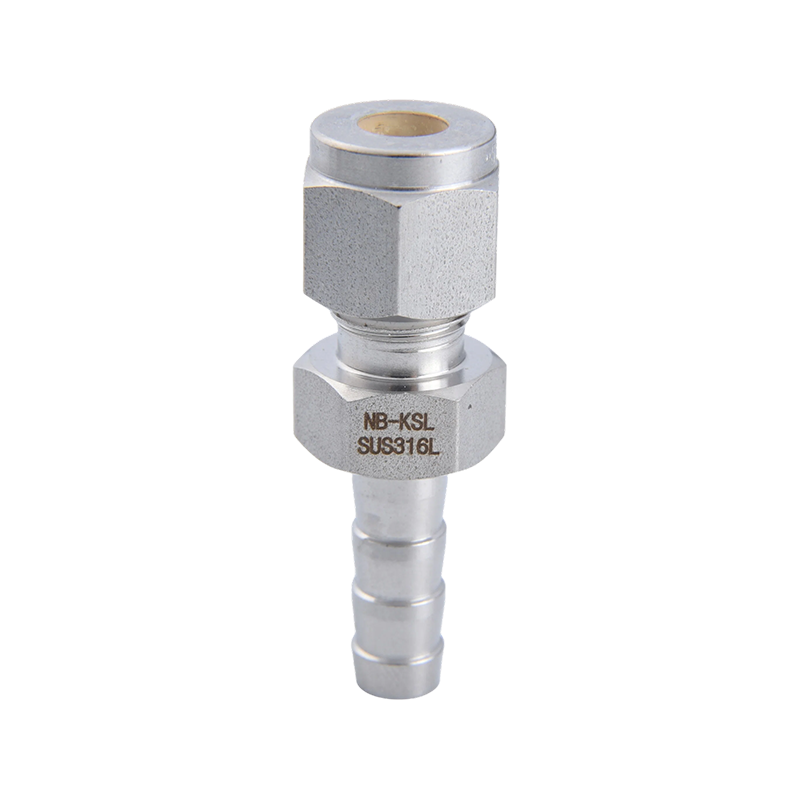
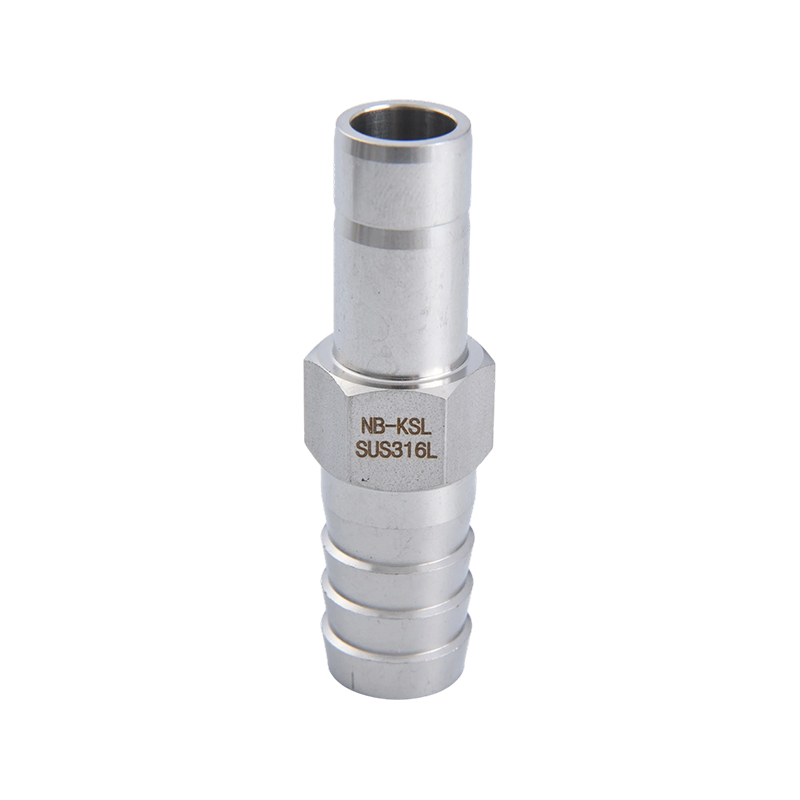
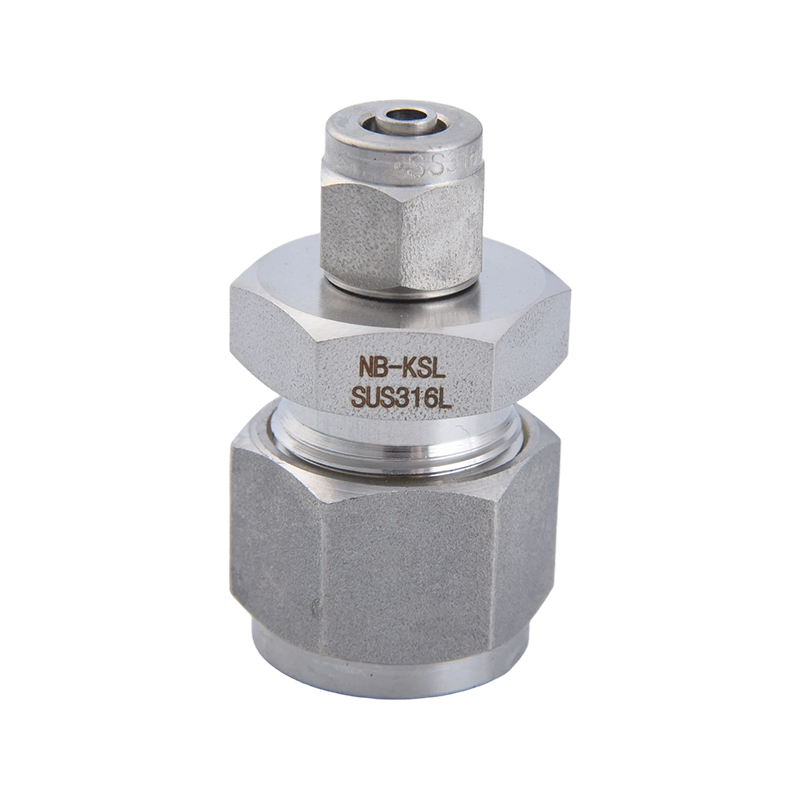
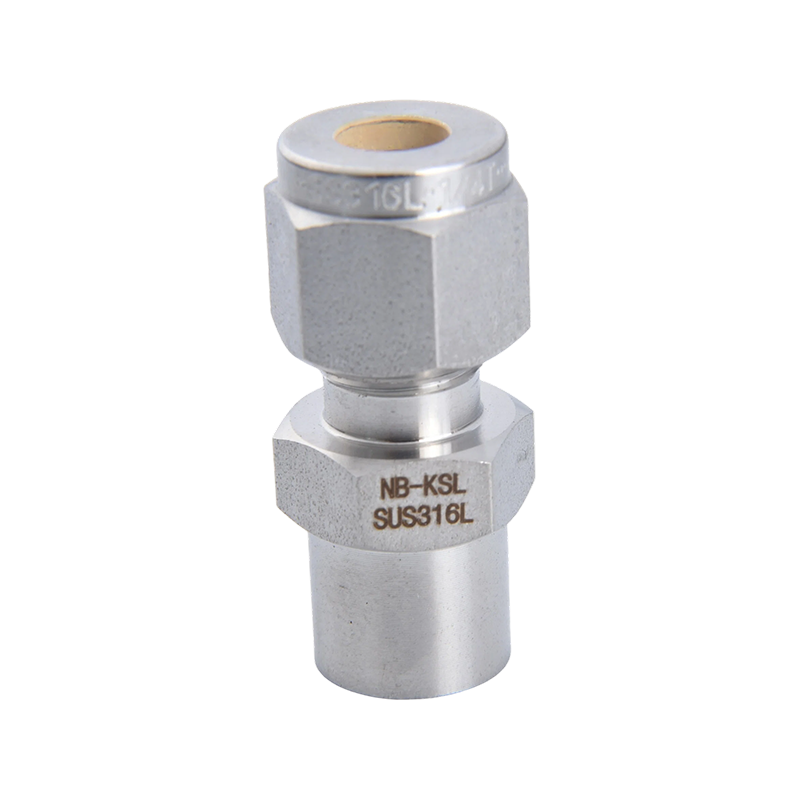
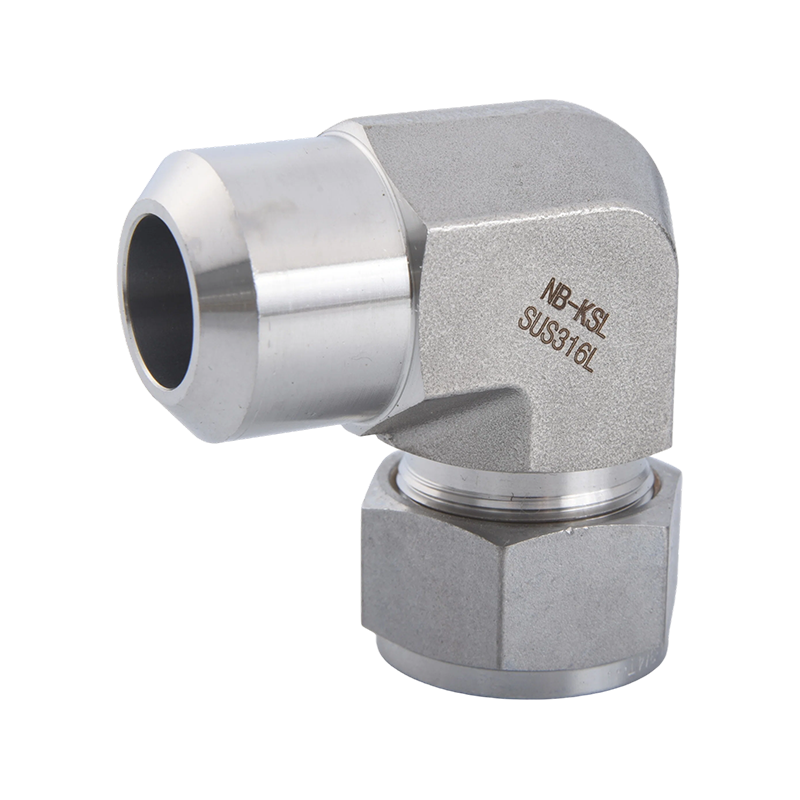
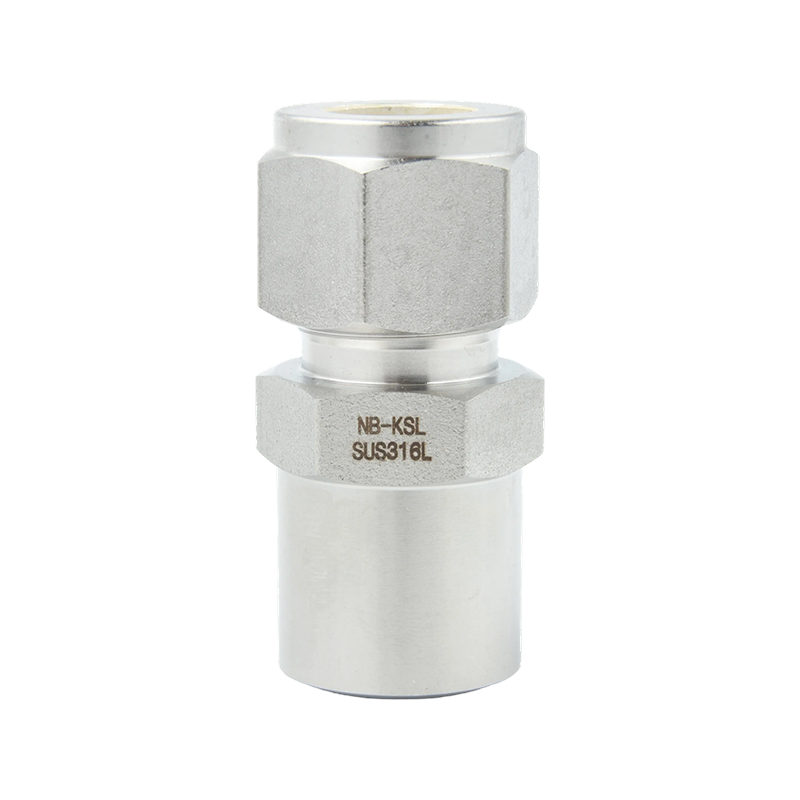
Technical Parameters of 316L Marine Grade Valves
| Parameter | Typical Specification |
|---|---|
| Body material | CF3M / CF8M (cast 316L / 316), ASTM A182 F316L (forged), ASTM A276 316L (bar) |
| Trim material | 316L stainless steel ball and stem; duplex or Hastelloy trim on request |
| Seat and seal | PTFE, RPTFE, PEEK, Viton, EPDM or graphite depending on medium |
| Size range | 1/4 inch to 4 inch (DN8 to DN100) threaded; DN15 to DN300 flanged |
| Pressure rating | 1000 WOG, PN16, PN40, Class 150, Class 300 (model dependent) |
| Working temperature | -29 °C to +200 °C with reinforced PTFE; higher with graphite or metal seats |
| End connection | NPT, BSPP, BSPT, flanged, butt weld, socket weld, tri-clamp, DIN 11851 |
| Pitting resistance (PREN) | Approx. 24 to 26 for 316L, compared with approx. 18 to 19 for 304 |
| Operation | Manual lever, gear, pneumatic or electric with ISO 5211 direct mount pad |
| Surface finish | Pickled, passivated, mirror polished (Ra 0.8 µm) or electropolished |
Reading the PREN number: the Pitting Resistance Equivalent Number is a rough index of how well a stainless steel resists chloride pitting. A higher number means better resistance. It is not a guarantee, but it explains why 316L performs noticeably better than 304 in salty environments.
Please remember that warm, stagnant seawater is a severe environment even for 316L. For permanent immersion or high temperature seawater, we suggest discussing duplex or super duplex options with our engineers.
Selection advice: for marine fresh water, fuel and deck systems, a 316L ball valve with RPTFE seats is a dependable choice. For hot or highly saline media, consider PEEK seats or a duplex body. Tell us your conditions and we will recommend one clear option.
316L Valve Range for Marine, Offshore and Process Projects
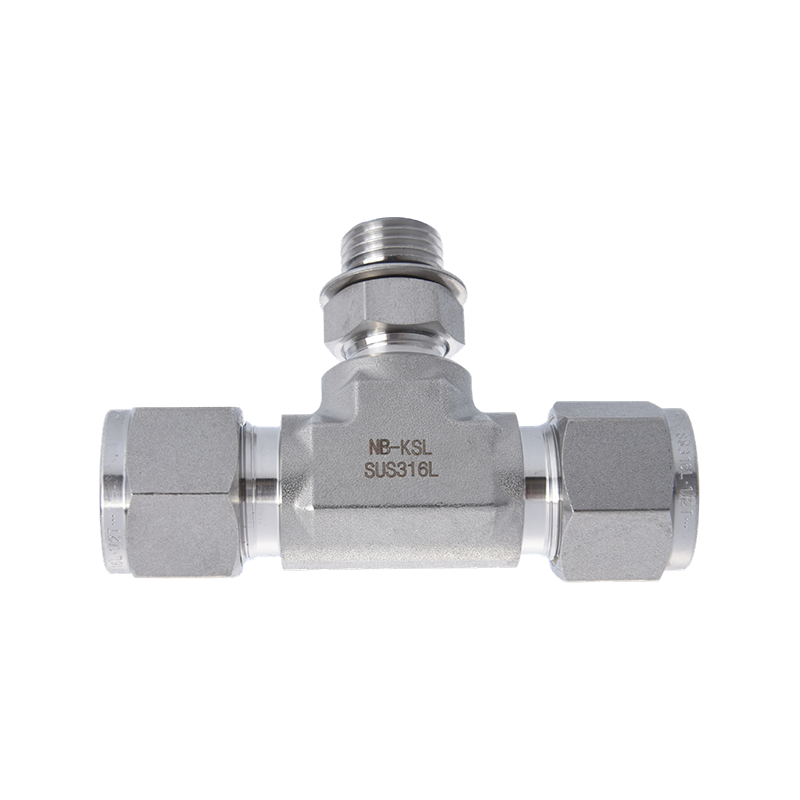
Marine and offshore buyers usually need a complete set of shut-off, non-return and filtering components in the same alloy so that galvanic problems are avoided. Our 316L range is organised around that requirement, and every product group can be supplied with matching 316L fittings.
| Product Group | Typical Use | Notes |
|---|---|---|
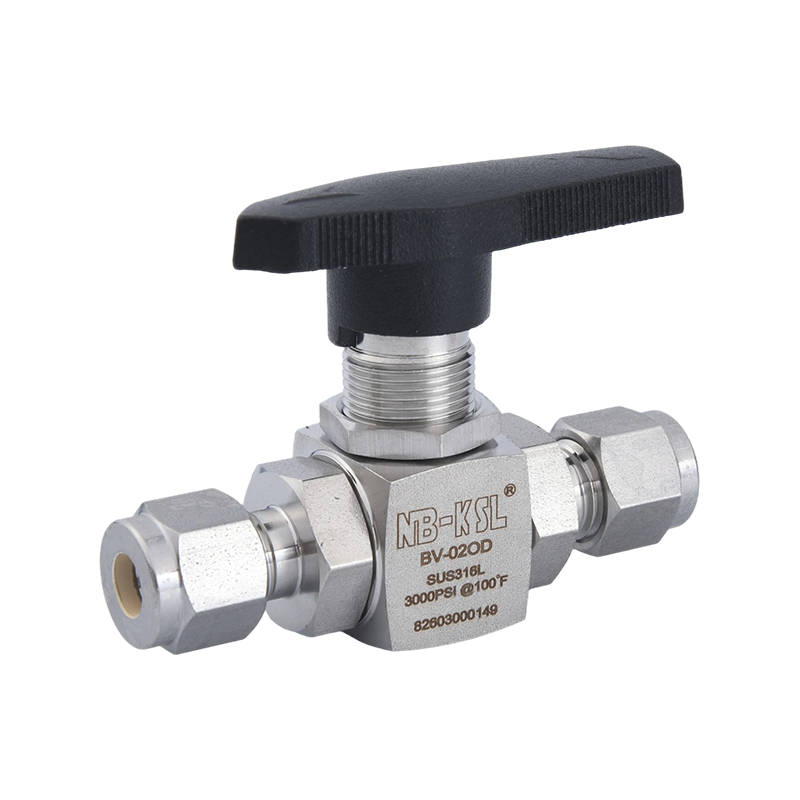
| Ball valves, 2-piece and 3-piece | Seawater intake, ballast, fuel and fresh water | Blow-out proof stem, lockable handle |
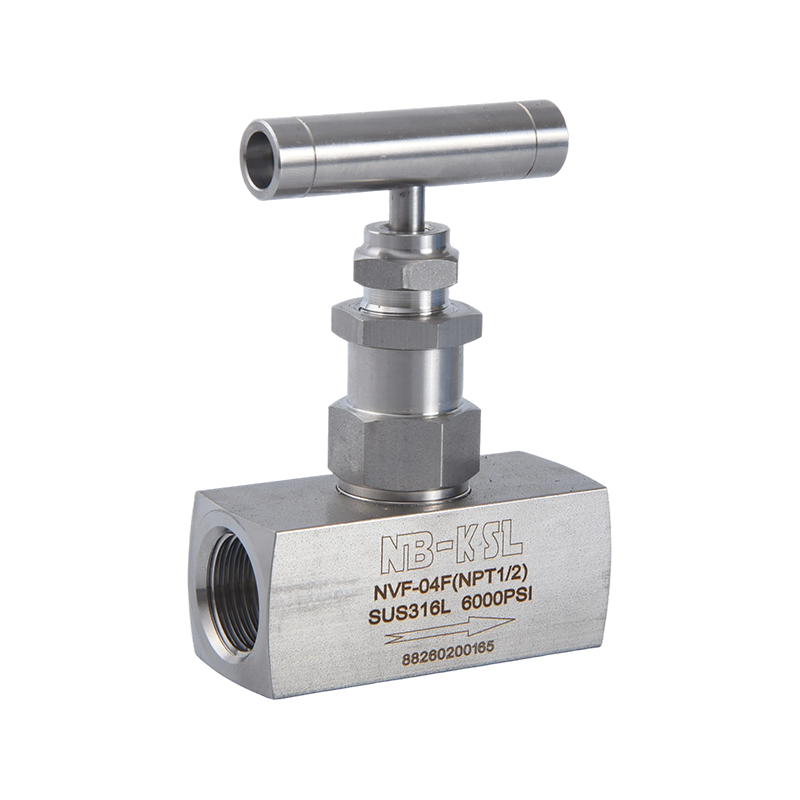
| Needle and instrument valves | Gauge and sampling lines | Compact, high pressure |
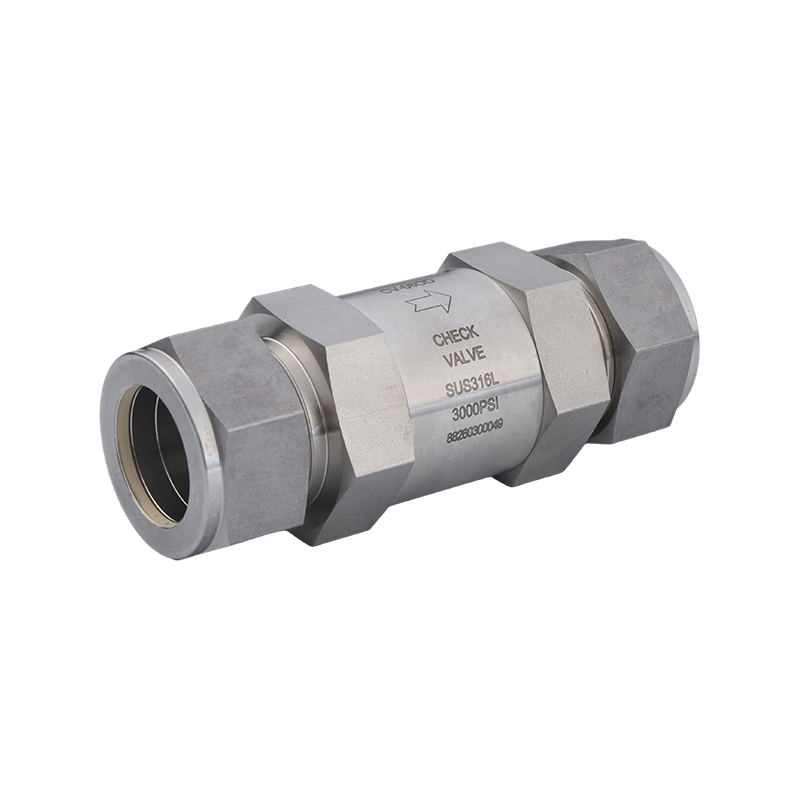
| Check valves | Pump discharge, bilge and deck wash | Spring-assisted types for vertical lines |
| Gate and globe valves | Process isolation and throttling | Bolted bonnet, flanged ends |
| Butterfly valves | Cooling water and large-bore lines | Wafer, lug and flanged |
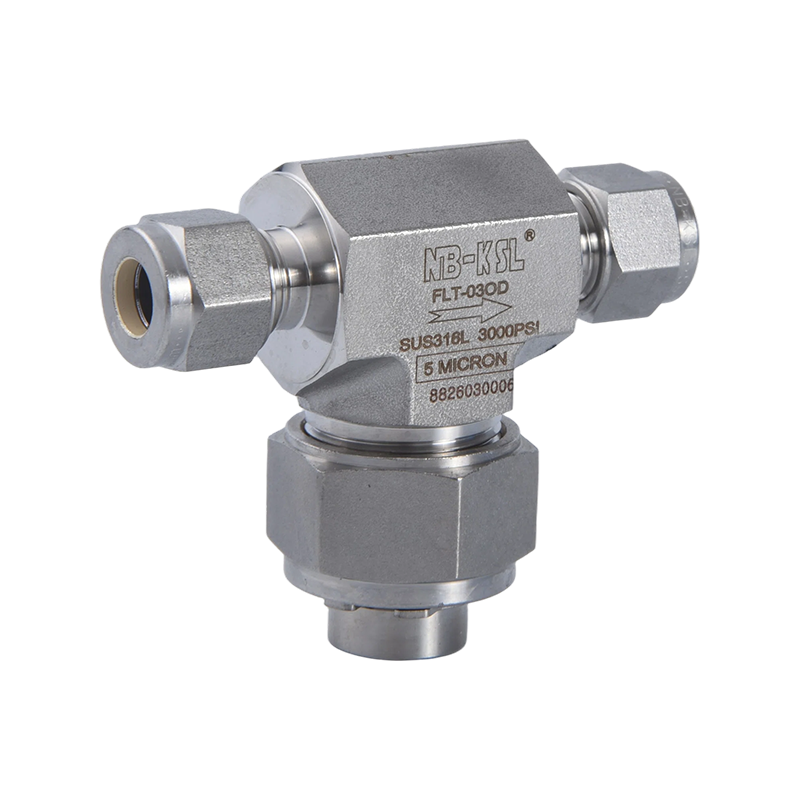
| Y-strainers | Protecting pumps and heat exchangers | Replaceable 316L mesh |
| Sanitary valves | Pharma, cosmetics, beverage | Tri-clamp, polished interior |
| Actuated packages | Remote controlled systems | Pneumatic or electric, with limit switches |
Single-source advantage: when valves, strainers and fittings come from the same supplier, the grade, the finish and the certificate format all match. That reduces inspection time on the shipyard dock and cuts the risk of a wrong-grade component ending up in a critical line.
If your drawing includes items we do not list, send us the specification. We often coordinate with partner factories for flanges, pipe and special castings and can include them in one shipment.
Galvanic note: when stainless valves are connected to different metals in seawater, galvanic corrosion can occur. Using matching 316L fittings, or insulating gaskets and sleeves, reduces this risk. We can supply matching fittings so the system behaves as one material.
Standards Followed for 316L Marine Grade Valves
Marine classification societies and offshore operators expect valves to follow recognised standards for design, material and testing. Our 316L products are produced in line with the references below, and we will confirm the exact edition used when we send your quotation.
| Area | Standard Reference |
|---|---|
| Pressure-temperature ratings | ASME B16.34, EN 12516 |
| Ball valve design | ISO 17292, BS 5351, MSS SP-110 |
| Gate, globe and check design | API 600, API 602, BS 1873, EN 12334 |
| Butterfly valve design | API 609, EN 593 |
| Flange dimensions | ASME B16.5, EN 1092-1, JIS B2220 |
| Threads | ASME B1.20.1, ISO 228, ISO 7 |
| Material | ASTM A351 CF3M / CF8M, ASTM A182 F316L, ASTM A276 316L |
| Marine valve reference | ISO 7840 and ISO 10497 fire test principles, where applicable |
| Sanitary connections | ASME BPE, DIN 32676, ISO 2852 for tri-clamp ends |
| Testing | API 598, EN 12266-1, ISO 5208 |
About class approvals: many shipowners require valves to be approved by a classification society such as DNV, ABS, BV or LR. Approval is usually granted per product type and per factory, so please tell us early if your project needs one. We will tell you honestly whether a given model is covered, or whether witness testing by a surveyor on the order is the more practical route.
Where your own project specification differs from the standard we follow, we review it line by line and propose a compliant alternative.
If your shipyard or owner supplies its own technical specification, send it to us before quotation. We will compare it with our standard practice and highlight any items needing special testing, so approval and delivery are not delayed by late changes.
Quality Records, Certificates and Inspection Support
Marine and offshore projects live on paperwork. A valve that cannot be traced and documented is difficult to install, even if the hardware is perfect. We prepare a documentation pack for each order so your receiving team and your classification surveyor can check it quickly.
- Material certificate: EN 10204 3.1 mill certificate showing chemical composition and mechanical properties for body and trim.
- Pressure test report: shell and seat test values, with date and inspector signature.
- PMI record: molybdenum content verified to confirm the true 316L grade.
- Quality management: an ISO 9001 style system governs incoming, in-process and final inspection.
- CE and PED: available for qualifying models where the project requires it.
- Fire safe test reports: available for selected ball valve designs.
- Class society witness: DNV, ABS, BV, LR or other surveyors can attend final inspection when arranged in advance.
- Certificate of origin and conformity: issued with the shipping documents.
Not all certificates apply to every model. We recommend giving us the list of approvals your project needs at the quotation stage so we can verify which products are suitable, rather than discovering a mismatch at delivery.
Sample certificate packs and our factory profile can be emailed to you for your supplier approval process.
Tip for approvals: start the approval request as early as possible. Class societies may need drawings, material certificates and a test plan before they accept a valve, and these steps run in parallel with production if they are planned from the beginning.
Traceability for Critical 316L Material
The most common quality problem in stainless valves is not a leak. It is the wrong grade. A 304 body sold as 316L looks identical, polishes the same and passes a pressure test, but it can corrode quickly in salt water. For this reason, we control the material of every 316L valve from steel mill to packing line.
- Approved sources: bar, forgings and castings are purchased from qualified mills and foundries with mill certificates.
- Incoming check: heat numbers are recorded and PMI confirms the presence of molybdenum, typically 2.0 to 3.0%.
- Permanent marking: grade and heat or batch identification are stamped or cast on the valve body.
- Segregation: 316L parts are stored and machined separately from carbon steel and 304 to prevent cross-contamination and mix-ups.
- Final check: sampled finished valves are re-checked with PMI before packing, and results are recorded.
- Documentation: the 3.1 certificate links to the heat number on the product.
| Element | 316L Typical Range (%) | Why It Matters |
|---|---|---|
| Chromium (Cr) | 16.0 to 18.0 | Passive layer that resists corrosion |
| Nickel (Ni) | 10.0 to 14.0 | Stability of the austenitic structure |
| Molybdenum (Mo) | 2.0 to 3.0 | Chloride and pitting resistance |
| Carbon (C) | 0.03 max | Protection against weld sensitisation |
If your project is audited, we can provide a sample traceability file so you can see how heat numbers connect to certificates and test reports.
Buyers sometimes ask whether a magnet can distinguish 316L from 304. It cannot, because both are austenitic and mostly non-magnetic. PMI testing is the reliable method, and we are glad to send the PMI report with the shipment.
Testing Capability for Marine Grade Valves
Valves for ships and coastal plants face vibration, thermal cycles and salty air. We therefore test beyond simple pressure checks, and we can add more demanding procedures where the application justifies them.
| Test | Method | Frequency |
|---|---|---|
| Shell test | Water at 1.5 times rated pressure, per API 598 | 100% |
| Seat test | Water at 1.1 times rated pressure plus low-pressure air test | 100% |
| PMI | XRF analyser to verify Cr, Ni and Mo | Incoming and sampling on finished valves |
| Salt spray test | Neutral salt spray per ISO 9227 on sample surfaces | On request |
| Pickling and passivation check | Copper sulfate or ferroxyl test for free iron | Per batch |
| Cycle test | Repeated open and close operation to check torque stability | Type test or on request |
| Fire safe test | Per API 607 or ISO 10497 on selected models | Type test with report |
| Low temperature test | Cryogenic soak for selected designs | On request |
| Dimension and thread inspection | Gauges and calipers | Sampling plus first article |
Passivation deserves a mention. After machining or polishing, stainless steel surfaces may carry iron particles that rust and then spread to the valve. A correctly applied acid passivation removes these particles and restores the protective chromium oxide layer, which is why we treat it as a quality step and not a cosmetic one.
Third-party laboratories can run additional tests, such as intergranular corrosion tests or full chemical analysis, and we coordinate sample submission for you.
Reading the table: a salt spray test shows relative surface behaviour and is useful for comparing finishes, but it does not replicate every real service condition. We therefore use it together with chemistry verification, and not as a replacement for correct material selection.
Frequently Asked Questions about 316L Marine Grade Valves
Q: Is 316L suitable for continuous seawater?
It is widely used for seawater service, especially for intermittent wetting, deck systems and flowing water. In warm stagnant seawater, crevice corrosion can still occur, so we recommend duplex or super duplex if the valve is permanently immersed or the line is often stagnant.
Q: What is the difference between 316 and 316L?
316L has lower carbon, at 0.03% maximum compared with 0.08% for 316. This reduces sensitisation during welding. For valves that are welded into pipework, 316L is the safer choice.
Q: Do you supply CF3M or CF8M bodies?
Both. CF3M is the low-carbon cast equivalent of 316L, and CF8M is the standard carbon cast equivalent of 316. We can choose based on your specification and welding requirements.
Q: Can you supply valves for DNV, ABS or BV projects?
Yes, subject to the specific approval required. Some models are approved, while others can be supplied with surveyor witness testing. Please send us the requirement and we will advise.
Q: Which seat material is best for seawater?
RPTFE is a common choice for its chemical resistance and low friction. For higher temperatures or abrasive media, PEEK or metal-seated designs may be better.
Q: Are your 316L valves suitable for pharmaceutical use?
With a polished, crevice-free internal finish and suitable seals, yes. We can provide electropolished valves and the associated roughness measurements.
Q: Is passivation included in the price?
Yes, standard pickling and passivation are part of our production process. Electropolishing is an optional extra.
If you are unsure which grade is right for your site, send us a short description of the location, medium and temperature range. We will give a plain recommendation, even if that means a cheaper grade than you expected.
MOQ and Pricing for 316L Valves
316L valves cost more than 304 because of nickel and molybdenum content, so transparent pricing is especially important. We quote clearly and explain what contributes to the number.
| Item | Typical Terms |
|---|---|
| Sample order | 1 to 5 pieces per model, sample charge refunded against bulk order |
| Standard MOQ | 50 to 100 pieces per size for standard models; 200 pieces for customised items |
| Project orders | Small quantities accepted for marine and offshore projects with full documentation |
| Pricing basis | EXW, FOB Ningbo, CFR or CIF in USD |
| Quote validity | 15 to 30 days, since molybdenum and nickel prices fluctuate |
| Payment | 30% T/T deposit and 70% before shipment; L/C at sight for approved customers |
Main cost drivers
- Alloy surcharge: nickel and molybdenum markets change the raw material cost directly.
- Casting or forging route: forged F316L bodies are generally more expensive than CF8M castings of the same size.
- Seat and seal selection: PEEK and special elastomers cost more than PTFE.
- Finish: electropolishing and polished internals add processing cost.
- Documentation and witness: surveyor attendance and extra test reports are charged separately.
Ways to reduce cost: standardise on a few sizes, use cast bodies where code allows, and combine 316L with 304 in non-corrosive lines. We are happy to review your bill of materials and suggest a mix that meets performance without paying for more alloy than necessary.
Budget tip: request an alternative quotation with 304 for non-critical lines and 316L for exposed ones. This often reduces the total cost of a project by a meaningful amount without lowering the protection where it is needed.
Lead Time, Customisation, Packaging and Shipping for 316L Valves
Lead time and stock
Standard 316L ball valves and check valves in common sizes can often ship within 15 to 25 days. Forged, flanged or actuated assemblies usually need 30 to 45 days. If your project has a fixed vessel delivery date, tell us the deadline when you request the quotation and we will plan production backwards from it.
Customisation
We regularly customise port size, end connection, handle design, stem extension, seat material, lockable device, marking and surface finish. Special flanges and short face-to-face lengths for compact skids are possible. Samples and drawings are both welcome.
Packaging for marine export
- Each valve wrapped in protective film or bag to protect polished surfaces
- Foam or carton dividers to avoid contact between valves
- Export cartons strapped on fumigation-free wooden pallets
- Plywood cases for large flanged valves and actuated assemblies
- Moisture-proof wrapping and desiccant for long sea voyages
Trade terms
| Term | Details |
|---|---|
| Incoterms | EXW, FOB Ningbo, CFR, CIF, DAP |
| Loading port | Ningbo-Zhoushan, with Shanghai as an alternative |
| Shipping methods | Sea freight, air freight for urgent items, courier for samples |
| Documents | Invoice, packing list, bill of lading, origin certificate, material and test certificates |
We can ship to a freight forwarder in China or directly to your site, and we keep photographs of loading for your records.
Logistics tip: for projects with several delivery points, such as shipyards with multiple vessels, we can pack and label cartons by hull number or work order, which helps your warehouse team issue the correct valves to the correct job.