

 English
 中文简体
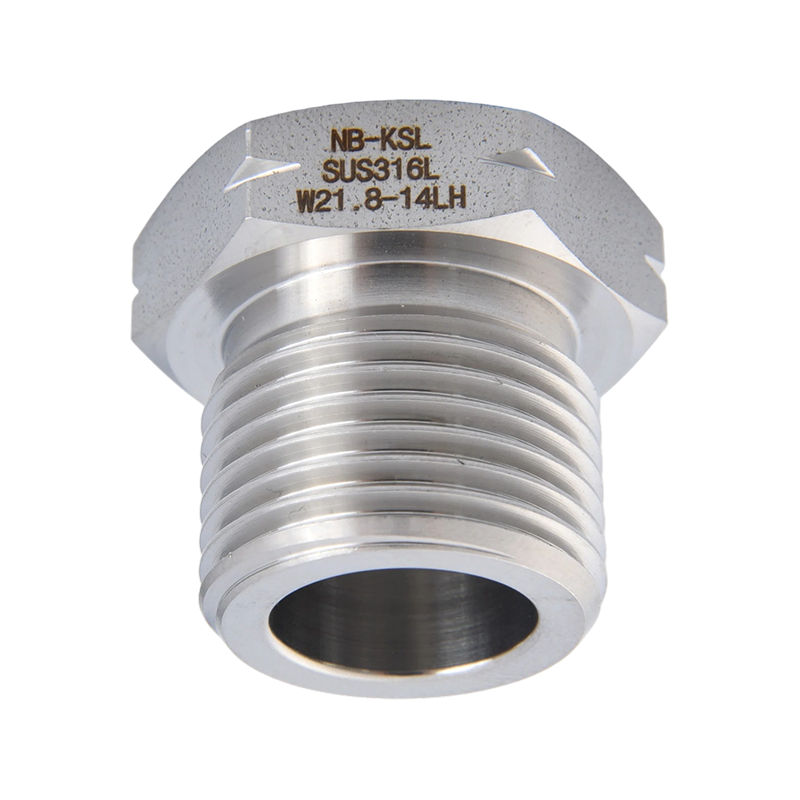


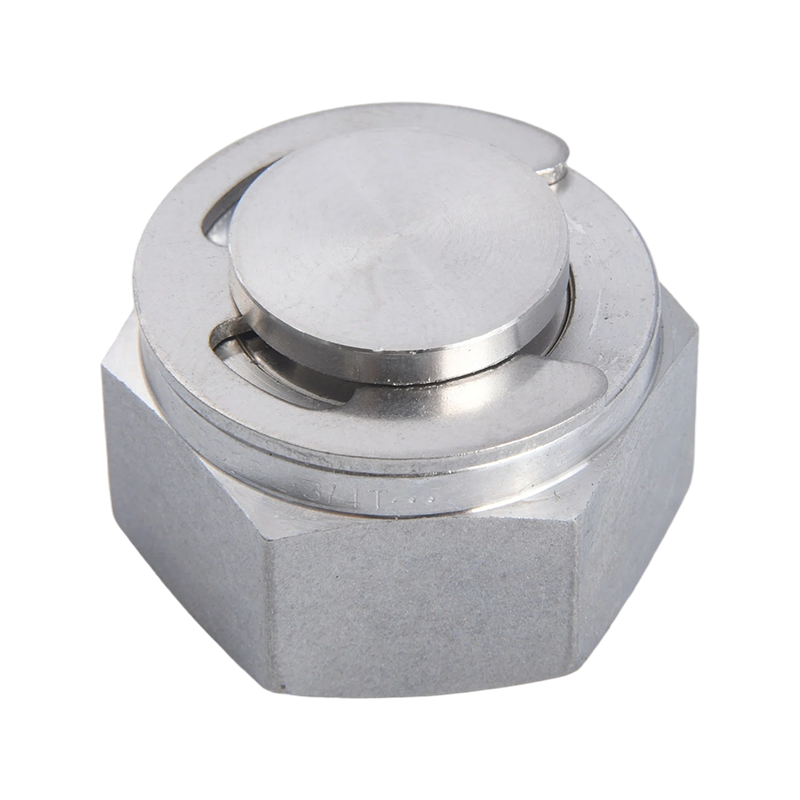
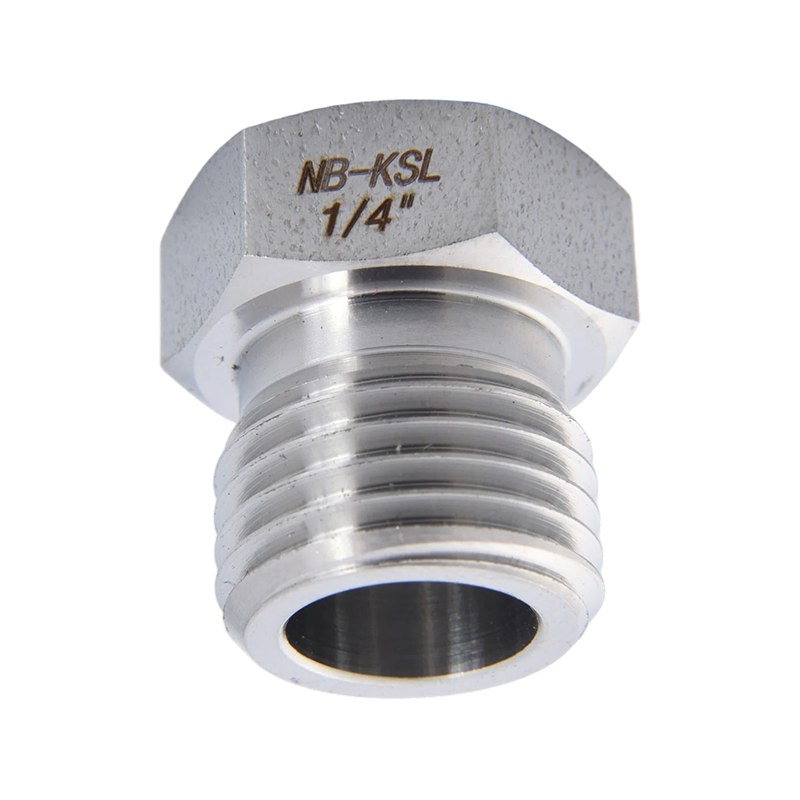
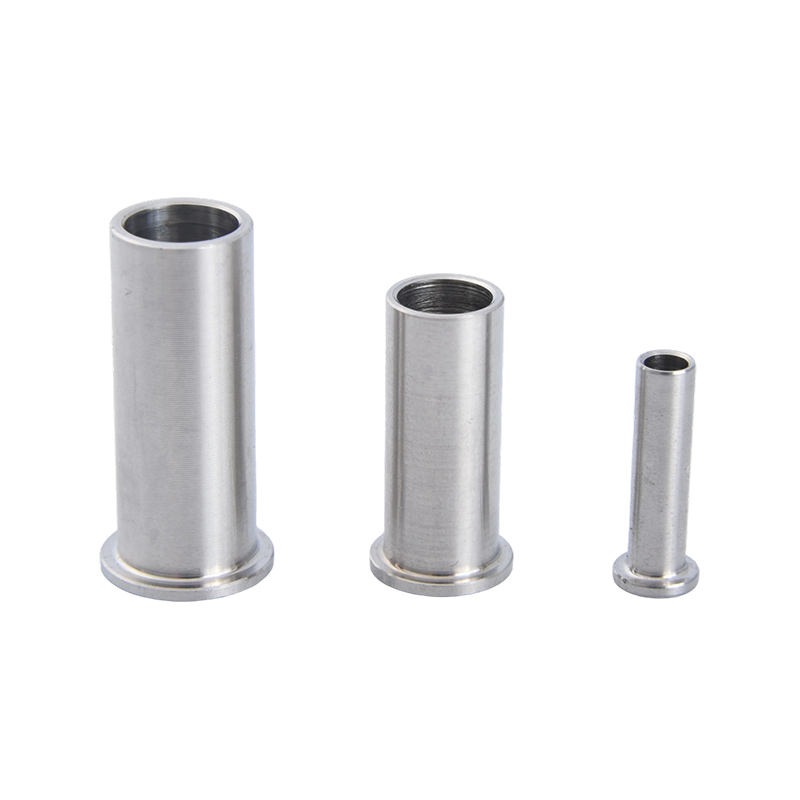
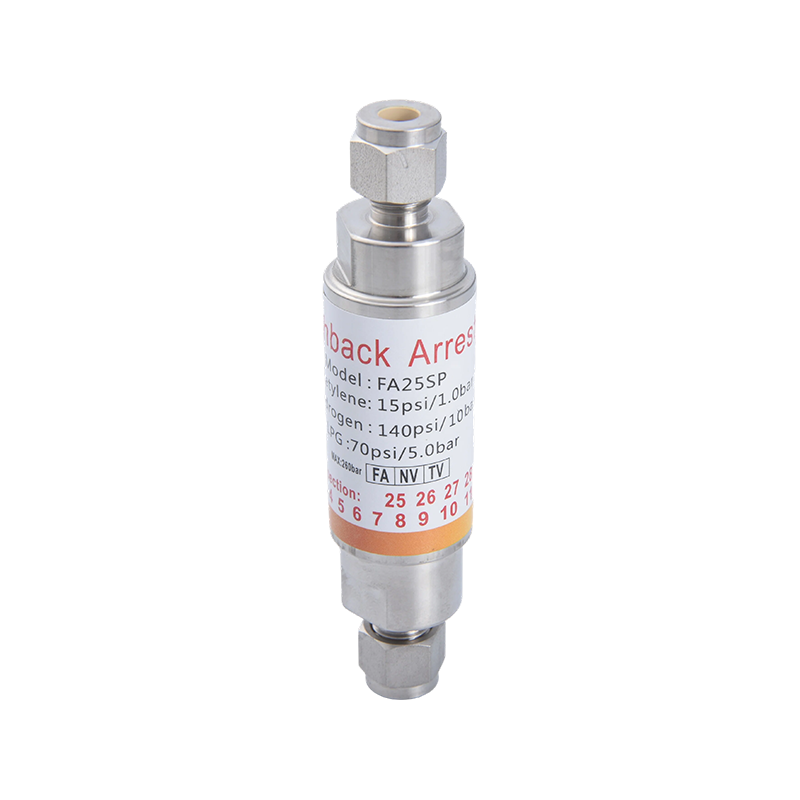
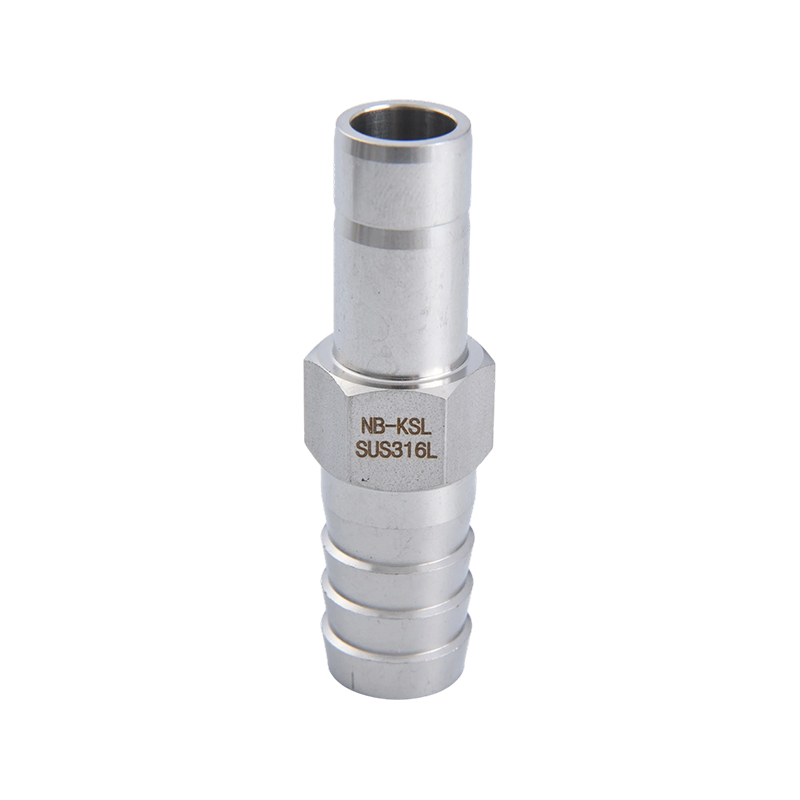
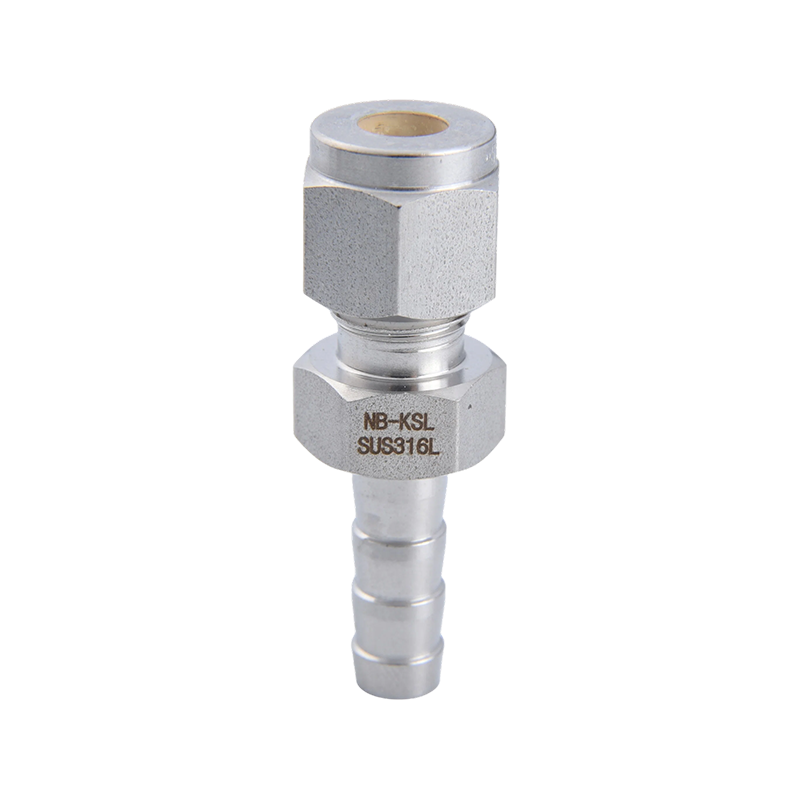
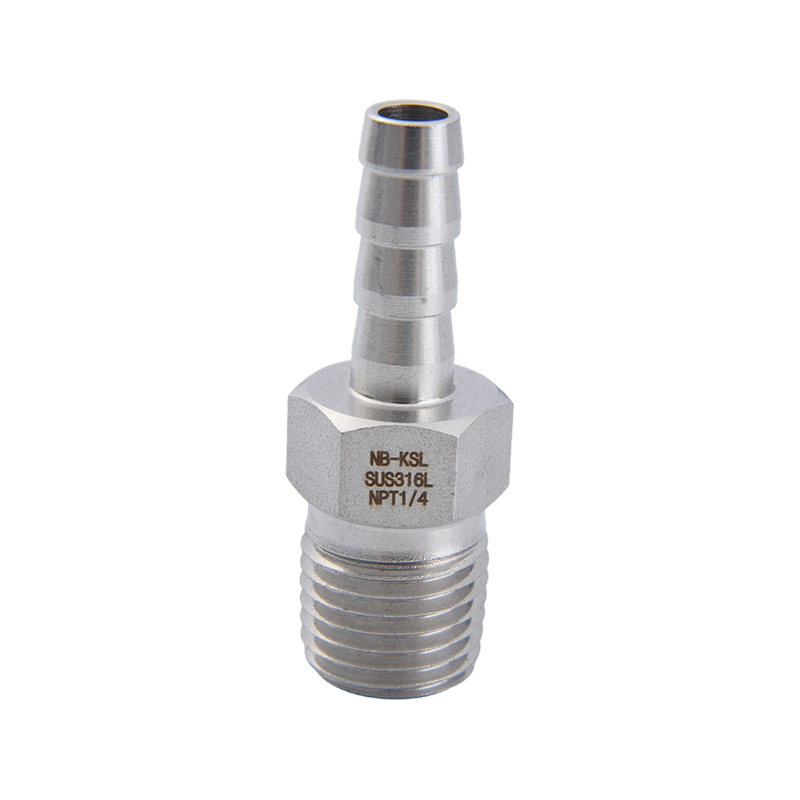
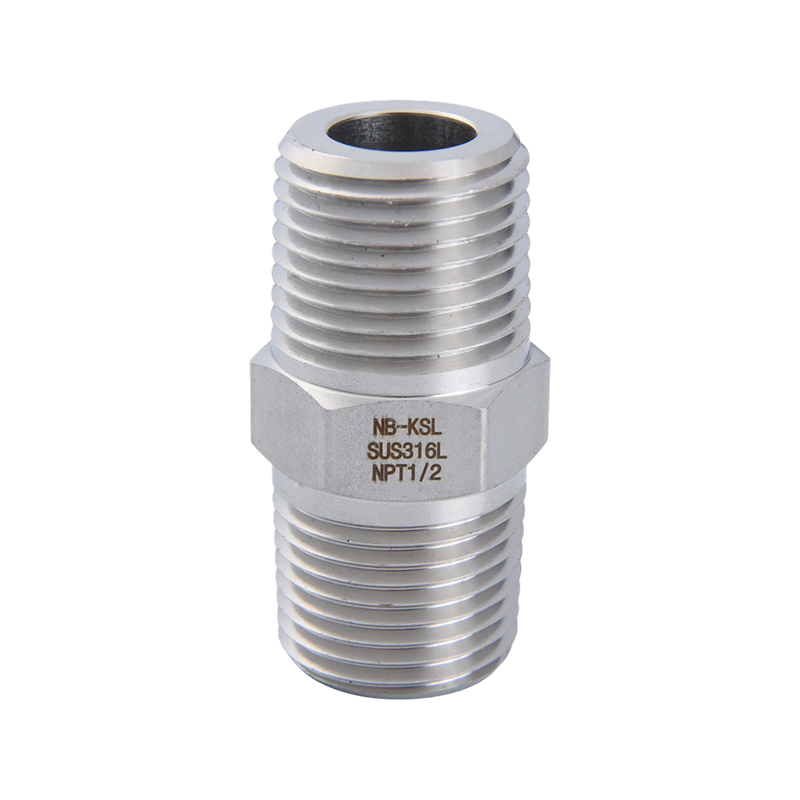
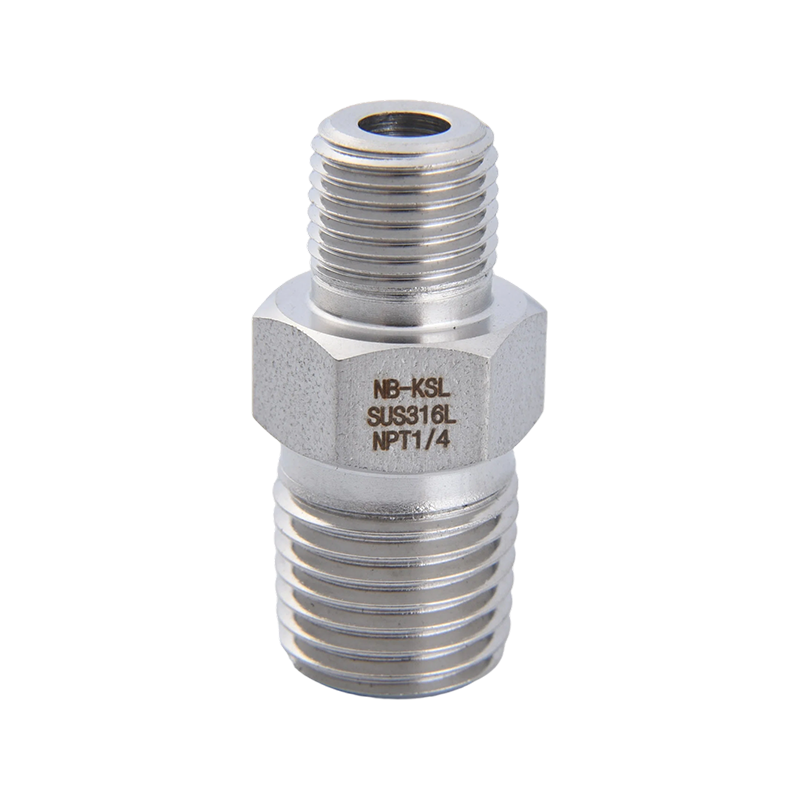
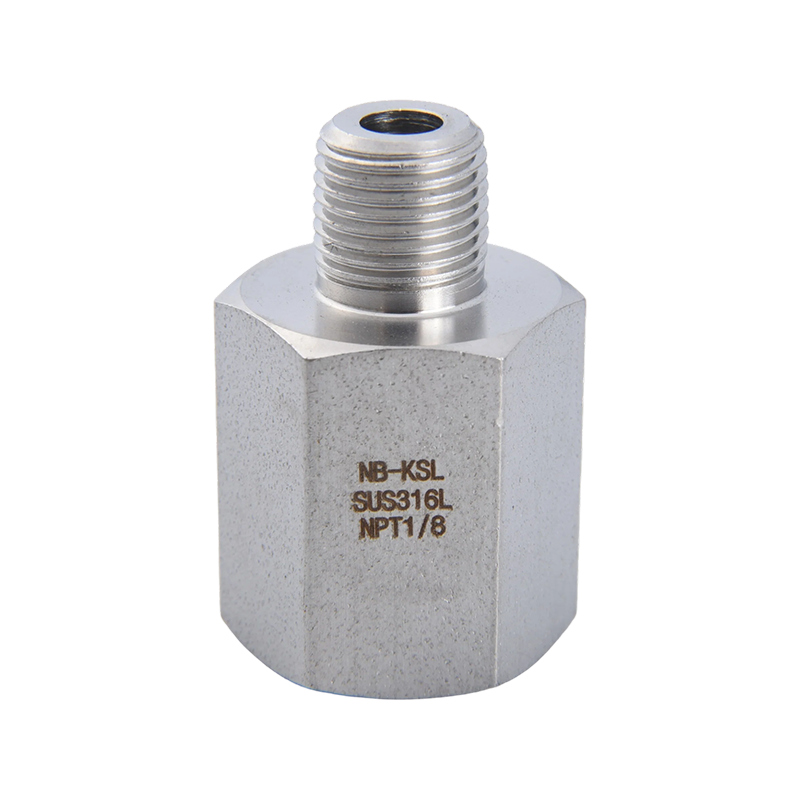
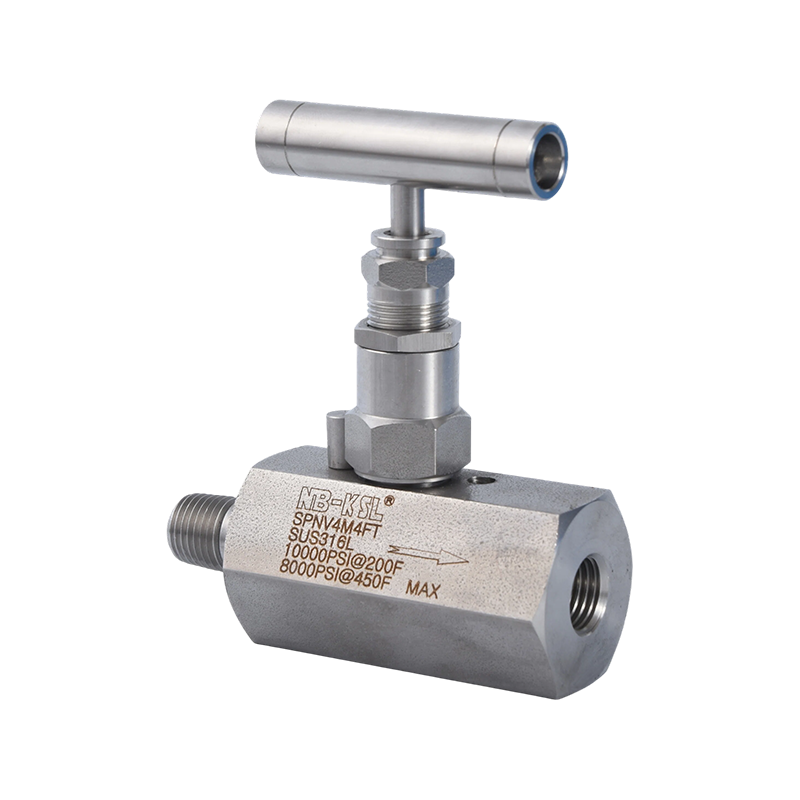
Technical Parameters of Food Grade Stainless Valves
| Parameter | Typical Specification |
|---|---|
| Body material | 304 (CF8 / F304) or 316L (CF3M / F316L) |
| Internal surface | Polished Ra 0.8 µm or better; electropolished Ra 0.4 µm on request |
| External surface | Satin or mirror polished |
| Seat and seal | FDA-grade PTFE, EPDM, silicone, FKM (Viton), as required by the medium |
| Size range | 1/2 inch to 4 inch (DN15 to DN100) for ball valves; DN25 to DN200 for butterfly valves |
| Pressure rating | Typically up to 10 bar for butterfly types, up to 1000 WOG for ball valves, model dependent |
| Working temperature | -10 °C to +150 °C (seal dependent); SIP steam up to 135 °C for suitable seals |
| Connection | Tri-clamp (ISO 2852 / DIN 32676), DIN 11851, SMS, ISO, butt weld |
| Valve construction | Crevice-free, drainable, with cavity-fill seats on selected models |
| Operation | Manual lever, locking lever, pneumatic or electric actuator |
Choosing the seal: the seal is usually the limiting factor in sanitary valves. EPDM resists hot water, steam and many cleaning agents, but not oils and fats. FKM handles oils and fats better. Silicone is soft and suited to many food contacts but has limited mechanical strength. PTFE resists nearly all media but is harder and more prone to cold flow. We recommend a seal based on your actual product and cleaning chemicals.
Please tell us the product, temperature, cleaning agent and sterilisation method, and we will confirm a seal and valve combination that suits your process.
Dead legs and drainability: a good sanitary valve is also about geometry. Short, self-draining flow paths prevent product from stagnating, which is the main cause of microbial growth. We recommend mounting guidance with each valve so that the installed system drains well and cleans properly during each CIP cycle.
Sanitary Valve Range for Food and Beverage Lines
A hygienic line needs more than valves. It needs fittings, clamps, gaskets, sight glasses and strainers made to the same standard and finish. We supply these together, so that components match and the line can be assembled quickly and cleaned reliably.
| Product | Size Range | Typical Use |
|---|---|---|
| Sanitary 3-piece ball valve | 1/2 inch to 4 inch | Product lines needing easy disassembly and cleaning |
| Sanitary 2-piece ball valve | 1/2 inch to 4 inch | General on-off in beverage and food lines |
| Sanitary butterfly valve | DN25 to DN200 | Large flow lines and tank outlets |
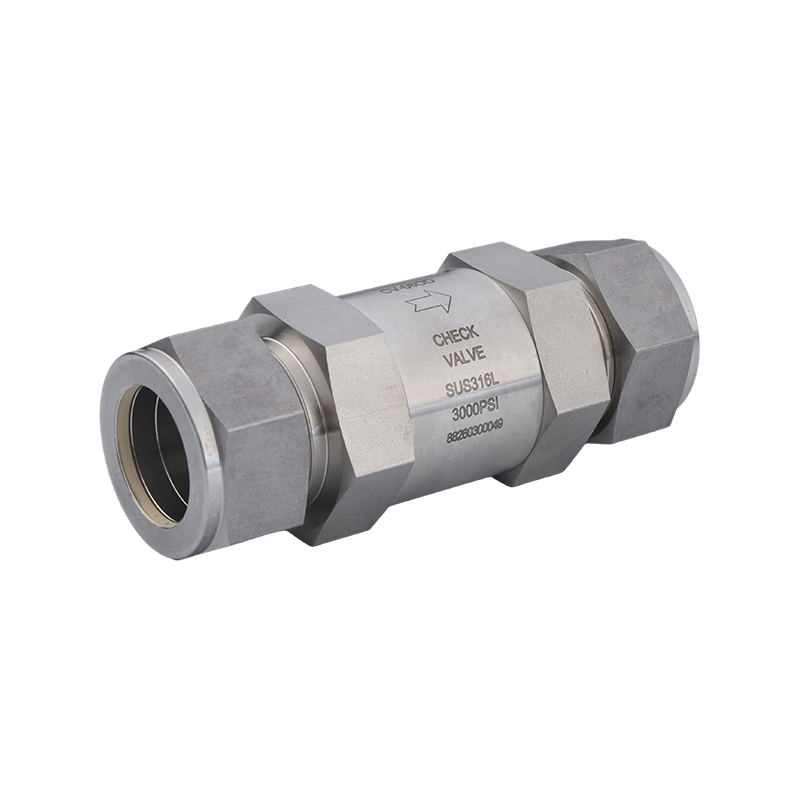
| Sanitary check valve | 1/2 inch to 4 inch | Pump discharge and backflow prevention |
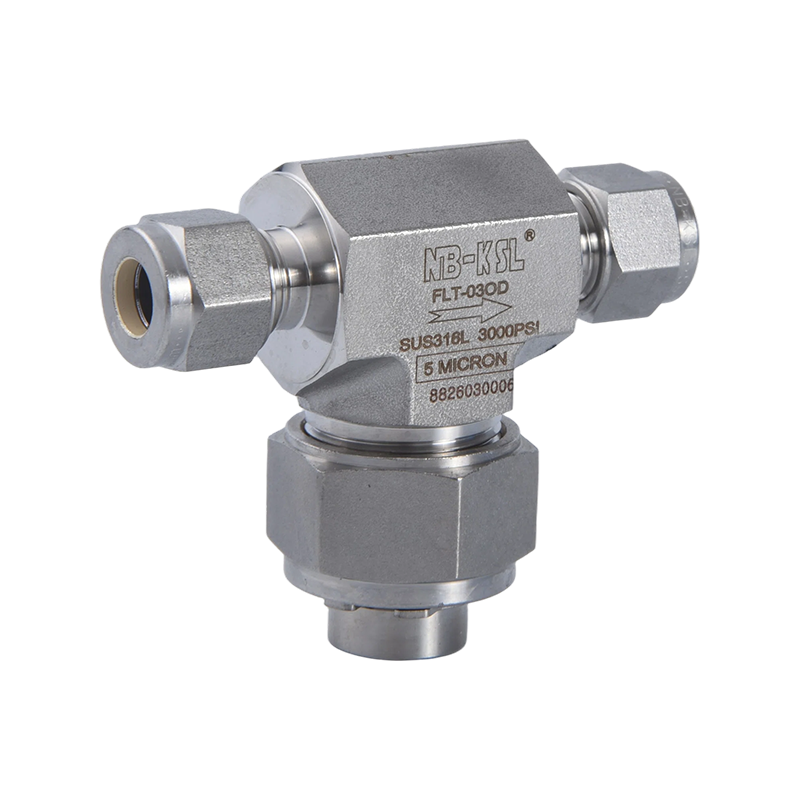
| Sanitary Y-strainer and filter | 1/2 inch to 4 inch | Protection of pumps and filling machines |
| Sight glass | 1 inch to 4 inch | Visual flow monitoring |
| Tri-clamp fittings, ferrules and clamps | 1/2 inch to 4 inch | Elbows, tees, reducers, caps and connectors |
| Sampling valve | 1/2 inch to 1 inch | Hygienic sampling during processing |
Why a full range matters: a mismatch between ferrule, gasket and clamp is a common cause of leaks and dead legs in hygienic systems. When all parts come from the same supplier, dimensions match, and product contact surfaces have a uniform finish.
We also supply complete pre-assembled valve manifolds and tank outlet kits for equipment manufacturers, which saves assembly time at your plant.
Buyer tip: list the valve, clamp, gasket and ferrule specifications together in your inquiry. For example, state a 2 inch tri-clamp ball valve, with EPDM seals and 316L body. A complete description prevents small mismatches and allows us to provide a precise quotation in one reply.
Hygienic Design and Food Contact Standards
Food grade valves are covered by material, hygiene and connection standards. The list below shows the main references we use. Exact requirements depend on your country and product, and we are happy to review your own food safety plan.
| Area | Standard Reference |
|---|---|
| Stainless steel material | ASTM A351 CF8 / CF3M, ASTM A182 F304 / F316L, EN 10088 |
| Tri-clamp connections | ISO 2852, DIN 32676, ASME BPE (on request) |
| Threaded dairy connections | DIN 11851, SMS 1145, IDF |
| Hygienic design principles | EHEDG guidelines, 3-A Sanitary Standards principles |
| Food contact plastics and rubbers (US) | FDA 21 CFR 177.1550 (PTFE), 21 CFR 177.2600 (rubber) |
| Food contact materials (EU) | Regulation (EC) 1935/2004, Regulation (EU) 10/2011 for plastics, (EC) 2023/2006 good manufacturing practice |
| Passivation | ASTM A967, ASTM A380 |
| Surface roughness | ISO 4287, ISO 4288 |
| Testing | API 598, EN 12266-1, ISO 5208 |
Important: compliance is shown at the level of the material and the finished product, and not through a single mark. Some customers require specific third-party certification, such as a 3-A symbol or an EHEDG certificate. These approvals apply to specific models, so please tell us which are required and we will confirm which products can be supplied.
We can issue a declaration of conformity for materials in contact with food, together with the seal manufacturer's compliance documents.
Regional differences: European dairies often prefer DIN 11851 or SMS, North American plants mostly use tri-clamp, and Asian plants use both. Tell us your market and equipment brands, and we will recommend connection standards that match existing tanks, pumps and heat exchangers on your line.
Certificates and Compliance Documents for Food Contact
Food buyers usually need documents more than most industrial buyers. Auditors from retailers, certification bodies and regulators ask to see proof of what touches the product. We prepare the following documents so your supplier approval and annual audits go smoothly.
- Material certificate: EN 10204 3.1 certificate for 304 or 316L body materials, with chemical composition.
- Declaration of conformity for food contact: stating that stainless steel parts comply with applicable food contact regulations.
- Seal compliance documents: FDA statement and EU compliance documents from the PTFE, EPDM, silicone or FKM supplier.
- Surface roughness report: measured Ra values for internal surfaces, supplied with polished or electropolished valves.
- Passivation record: confirming acid treatment according to ASTM A967 or equivalent.
- Pressure test report: leak test results for each batch.
- Quality management: ISO 9001 style system, with food safety documentation such as HACCP-aware production hygiene practices.
- Third-party reports: migration tests or heavy metal tests through accredited laboratories on request.
Be specific when asking: terms like "food grade" can be understood differently in different markets. Tell us the regulation your customer or auditor follows, and we will provide the documents that match it, instead of a generic statement.
We can send a sample compliance package before your order for internal approval.
Audit readiness: supplier approval by large food companies often takes weeks. Sending the compliance pack with your first sample reduces this time, because your quality team can review materials, seals and test reports in advance and ask any question before the formal order.
Material and Seal Traceability in Hygienic Valves
In the food industry, traceability is a legal and commercial requirement as much as a technical one. If a customer complaint or recall occurs, you must show which materials were in contact with which batch of product. We support your obligations with batch-level records for both metal parts and seals.
- Stainless steel source: mill certificates are recorded with heat numbers for each bar, tube or casting lot.
- PMI check: chromium, nickel and molybdenum are verified on incoming material and sampled on finished goods.
- Seal batch tracking: PTFE, EPDM, silicone and FKM seals are recorded by supplier batch and compliance document.
- Marking: valve body carries material grade and batch information, and polished parts are marked in non-contact areas.
- Production record: polishing, passivation and cleaning steps are logged by batch.
- Shipping record: carton labels link to batch numbers listed in the packing documents.
| Component | Record Kept | Purpose |
|---|---|---|
| Body and ferrule | Heat number and mill certificate | Proof of 304 or 316L grade |
| Seats and seals | Supplier batch and compliance document | Proof of food contact compliance |
| Internal surface | Roughness measurement | Proof of cleanability |
| Passivation | Process record | Proof of corrosion resistance |
| Final valve | Test report and packing batch | Link to shipment |
With batch records for each of these elements, your own quality department can complete traceability documentation quickly, and any question about a specific valve can be answered with evidence.
Recall readiness: in a recall situation, speed is critical. With batch records in a consistent format, you can identify which valves contain which seal and metal lots within hours. We are happy to align our label and batch coding system with your own traceability system.
Testing and Hygiene Verification
For sanitary valves, testing covers two areas: normal mechanical tests such as pressure and leakage, and hygiene-related checks such as surface roughness, cleanliness and seal condition. Our standard process includes both.
| Test | Method | Purpose |
|---|---|---|
| Shell and seat pressure test | Water or air per API 598 / EN 12266-1 | Confirm leak tightness |
| Surface roughness measurement | Portable profilometer on internal surfaces | Verify Ra 0.8 µm or better |
| PMI | XRF analyser | Confirm 304 or 316L grade |
| Passivation check | Copper sulfate or ferroxyl test | Confirm absence of free iron |
| Visual inspection | Inspection with light for scratches, pits and weld defects | Ensure hygienic internal condition |
| Weld seam inspection | Visual and dye penetrant on welded parts | Ensure smooth, crevice-free welds |
| Seal check | Hardness test and visual inspection | Confirm seal quality |
| Cleanliness check | Ultrasonic cleaning and drying, wipe test | Remove polishing residues and oils |
| Operation test | Torque check and cycle test | Confirm smooth operation |
Cleanliness before packing: after polishing and testing, every valve is cleaned to remove polishing compounds and oils, dried completely and sealed in a clean bag. This is important for food buyers, because contamination at installation can be as harmful as a defect in the valve.
On request, we can provide additional documentation, including roughness values for sampled parts, or arrange migration testing with an accredited laboratory.
Why roughness numbers matter: a rough surface can hide bacteria that survive normal cleaning. By measuring and recording roughness, you gain objective proof of cleanability. We can send sample measurement reports with the quotation so that you can compare them with your own hygiene specification.
Frequently Asked Questions about Food Grade Stainless Valves
Q: Which stainless steel is better for food, 304 or 316L?
304 suits most food and beverage products. 316L is better where salt, acids or strong cleaning chemicals are present, such as sauces, pickles and brines. For pharmaceutical and cosmetic lines, 316L is the usual choice.
Q: What does Ra 0.8 µm mean?
Ra is the average surface roughness. 0.8 micrometres is a smooth finish often required for hygienic equipment, and electropolishing can lower it to 0.4 or better.
Q: Which seal material should I choose?
EPDM is common for water-based products and steam cleaning. FKM suits fatty or oily products. Silicone is soft and neutral in taste. PTFE resists most chemicals. We recommend one after reviewing your process.
Q: Can I clean these valves with caustic and acid?
Yes, with suitable seals and within recommended concentrations and temperatures. We provide a guide for CIP chemicals and seal compatibility.
Q: Are these valves FDA approved?
Valves themselves are not approved by FDA as such. Materials in contact with food, such as PTFE or EPDM seals, comply with FDA regulations, and we supply the compliance statements.
Q: What is the difference between tri-clamp and DIN 11851?
Tri-clamp uses a ferrule and clamp, allowing fast assembly. DIN 11851 uses a threaded union nut and is widespread in European dairies. We make both.
Q: Do you provide 3-A or EHEDG certified valves?
Some designs follow their principles, but formal certification is model-specific. Please tell us your requirement and we will confirm which valves are certified.
MOQ and Pricing for Food Grade Valves
We supply both food machinery makers and distributors, so our order terms cover small replacement quantities as well as annual supply contracts.
| Item | Typical Terms |
|---|---|
| Sample order | 1 to 5 pieces per model, for trial and certification |
| Standard MOQ | 50 to 100 pieces per size for standard sanitary valves; 300 pieces for custom designs |
| Mixed order | Different sizes and connections can be combined within one series |
| Pricing basis | EXW, FOB Ningbo, CFR or CIF in USD |
| Quote validity | 30 days, adjusted for stainless steel price changes |
| Payment | 30% T/T deposit, 70% before shipment; L/C at sight for approved customers |
What affects the price
- Grade: 316L costs more than 304.
- Surface finish: electropolishing or mirror polishing adds processing cost.
- Seal material: PTFE, silicone and FKM are priced differently.
- Connection type: DIN 11851 and SMS fittings cost more than basic tri-clamp.
- Documentation: migration tests and third-party reports are charged at cost.
Spare parts program: to reduce downtime, we suggest ordering seal kits and gaskets with the valves. Seal kits are low-cost and ship with the order, and we can agree a recommended spare list based on your cleaning cycle.
Sourcing tip: standardising on a small number of sizes and one or two connection types across your plant lowers inventory and simplifies maintenance training. We can help you build a short, practical valve list that covers most of your lines and keeps your purchasing costs predictable.
Please also let us know whether you need individually boxed valves for retail distribution or bulk cartons for plant use, since this changes packing cost.
Lead Time, Customisation, Hygienic Packaging and Trade Terms
Lead time and stock
Common tri-clamp ball valves and fittings are in stock or semi-finished stock, allowing shipment in 10 to 20 days. Customised polishing, special connections or actuated assemblies usually take 25 to 40 days. We can split shipments to deliver urgent items first.
Customisation
OEM support includes laser marking, handle colour, connection type, seal material, surface finish, special lengths, actuator mounting and private-label packaging. For equipment makers, we can supply valves matched to your drawings, including tank outlets and manifold assemblies.
Hygienic packaging
- Each valve cleaned, dried and sealed in a clean plastic bag
- Protective caps on ends to keep contact surfaces clean
- Inner cartons with dividers, then export cartons on pallets
- Label with batch number, grade and seal material
- Neutral or private-label packaging on request
Shipping and trade terms
| Term | Details |
|---|---|
| Incoterms | EXW, FOB Ningbo, CFR, CIF, DAP |
| Port | Ningbo-Zhoushan; Shanghai as an alternative |
| Transport | Sea freight, air freight for urgent orders, express courier for samples |
| Documents | Invoice, packing list, bill of lading, origin certificate, material and food contact compliance documents |
We can mix sanitary valves with industrial stainless items in one container, which reduces freight cost per piece.
Clean handling at your site: keep end caps on until installation, wear clean gloves and avoid contact with carbon steel tools to prevent contamination. A one-page handling guide is included with our shipments to help your installers keep the valves in the same condition in which they left our factory.