
Content
A stainless steel gas filter is the correct choice whenever a process gas line must stay free of particulate and moisture while also resisting corrosion from the gas itself or from ambient humidity in the installation environment. The performance that matters most is not the filter housing but the filter element inside it, since micron rating, element material, and filtration efficiency at that rating are what actually determine whether the gas reaching downstream equipment is clean enough to use. A stainless housing paired with the wrong element grade still delivers unfiltered gas.
Separating the housing function from the filtration function
A stainless steel gas filter is an inline device that removes solid particulate, condensed moisture, and in some designs aerosol droplets from a gas stream before it reaches downstream equipment such as instrumentation, analyzers, regulators, or process machinery. The stainless steel component refers specifically to the housing and, in many designs, the filter element support structure, both of which must resist the pressure, temperature, and chemical characteristics of the gas being filtered without corroding or shedding particles of their own.
It is important to separate two functions that are often bundled together in casual conversation but that come from different parts of the assembly. The housing provides pressure containment, chemical compatibility, and a sealed flow path. The filter element inside the housing provides the actual particle capture, and its micron rating and material determine filtration performance almost entirely independent of what the housing is made from. A stainless housing does not filter gas by itself, and buyers who focus purchasing decisions solely on housing material while treating the element as an afterthought frequently end up with a filter that looks correct on a datasheet but underperforms in actual service.
Stainless steel earns its place as the dominant housing material in this category because gas filtration applications routinely involve pressurized lines, elevated or fluctuating temperature, humidity, and in many industrial settings, gases with mild corrosive properties such as hydrogen sulfide traces in natural gas or ambient moisture in compressed air systems. A carbon steel housing in any of these conditions risks internal rust, and any rust particle shed from the housing wall becomes a new contamination source the filter element then has to catch, undermining the entire purpose of the filtration system.
How housing, element, and seal work together as a system
Contains line pressure and provides the sealed flow path, machined or welded from bar stock or tubing to meet the required pressure rating.
The actual filtration medium, whether sintered metal, pleated membrane, or wound fiber, that captures particulate at a specified micron rating and efficiency.
A perforated or mesh structure that prevents the element from collapsing under differential pressure as it loads with captured particulate.
Compatible elastomer or PTFE seals prevent bypass around the element, since any gap allows unfiltered gas to skip the filtration medium entirely.
Present on many designs to remove accumulated condensate or liquid without opening the housing, particularly important in coalescing filter applications.
Monitors pressure drop across the element, giving a direct, measurable signal for when the element is loaded and needs replacement.
Matching filtration medium to the contaminant being removed
| Element Type | Typical Micron Rating | Best Suited For |
| Sintered metal element | 0.5 to 40 micron | High temperature or corrosive gas requiring a fully metallic, cleanable element |
| Pleated membrane element | 0.01 to 5 micron | High purity gas applications needing fine particulate and submicron capture |
| Coalescing element | 0.3 to 1 micron for liquid aerosols | Removing oil mist, water aerosol, and condensed liquid droplets from compressed gas |
| Wound fiber element | 1 to 25 micron | General purpose particulate removal in less demanding industrial gas lines |
| Activated carbon element | Not rated in microns, adsorption based | Removing hydrocarbon vapor and odor rather than solid particulate |
Selecting housing material based on the gas chemistry and environment
Grade 316 and 316L stainless steel dominate gas filter housing construction because of their molybdenum content, which improves resistance to chloride and mild acidic exposure compared with grade 304. The low carbon 316L variant is particularly common in welded housings, since lower carbon content reduces the risk of carbide precipitation at weld zones, a phenomenon that can otherwise create localized areas of reduced corrosion resistance right where the housing is most likely to be stressed by pressure cycling.
Grade 304 stainless remains acceptable for lower cost, less demanding applications such as general compressed air filtration in dry indoor environments, but it is not the preferred choice where the gas stream may contain even trace levels of chloride or acidic compounds, since pitting corrosion can initiate at a much lower exposure threshold than with 316. In high purity gas systems, such as those supplying semiconductor manufacturing or analytical instrumentation, electropolished 316L housings are often specified specifically because the electropolishing process reduces surface roughness, which in turn reduces the surface area available for particle adhesion and outgassing inside the housing itself.
Where filtration quality directly affects downstream process reliability
In natural gas processing and distribution, stainless steel gas filters protect regulators, meters, and compressors from pipeline scale, rust, and liquid condensate that can otherwise cause premature wear or inaccurate metering. In compressed air systems, coalescing stainless filters remove oil and water aerosol generated by the compressor itself, a critical step ahead of any pneumatic instrumentation or process equipment sensitive to moisture and oil carryover.
In semiconductor manufacturing and analytical instrumentation, filtration requirements move into the submicron range, since even a small number of particles reaching a wafer processing chamber or a sensitive analyzer can compromise results or damage equipment. Medical gas supply systems apply stainless filtration to meet strict purity standards before gas reaches patient delivery points, where contamination risk carries direct clinical consequences rather than only equipment wear concerns. Chemical processing applies stainless gas filtration wherever process gas must be protected from catalyst poisoning caused by trace particulate or moisture entering a reactor feed stream.
A practical framework for specifying the right filter for a given gas system
| Selection Factor | Question To Answer | Why It Matters |
| Gas chemistry | Does the gas contain chloride, acid, or corrosive trace compounds | Determines whether 304 stainless is adequate or 316L is required |
| Contaminant type | Is the concern solid particulate, liquid aerosol, or vapor | Sets the required element type, since sintered, coalescing, and carbon elements serve different roles |
| Required purity level | What micron rating and efficiency does downstream equipment require | Under specifying purity risks equipment damage, over specifying adds unnecessary pressure drop |
| Operating pressure | What is the maximum system pressure and expected pressure cycling | Determines housing wall thickness and construction method needed for safe containment |
| Element replacement access | How often will the element need to be changed and how accessible is the housing | Frequent service applications benefit from quick opening housing designs |
Keeping filtration performance consistent over the life of the system
A stainless steel gas filter delivers real filtration performance only when housing material, element type, and micron rating are all matched deliberately to the specific gas and contaminant profile of the application.
The overarching principle is that a stainless steel gas filter is a system, not a single component, and treating housing and element as independently important specifications is what actually delivers clean, reliable gas to sensitive downstream equipment over the long term.


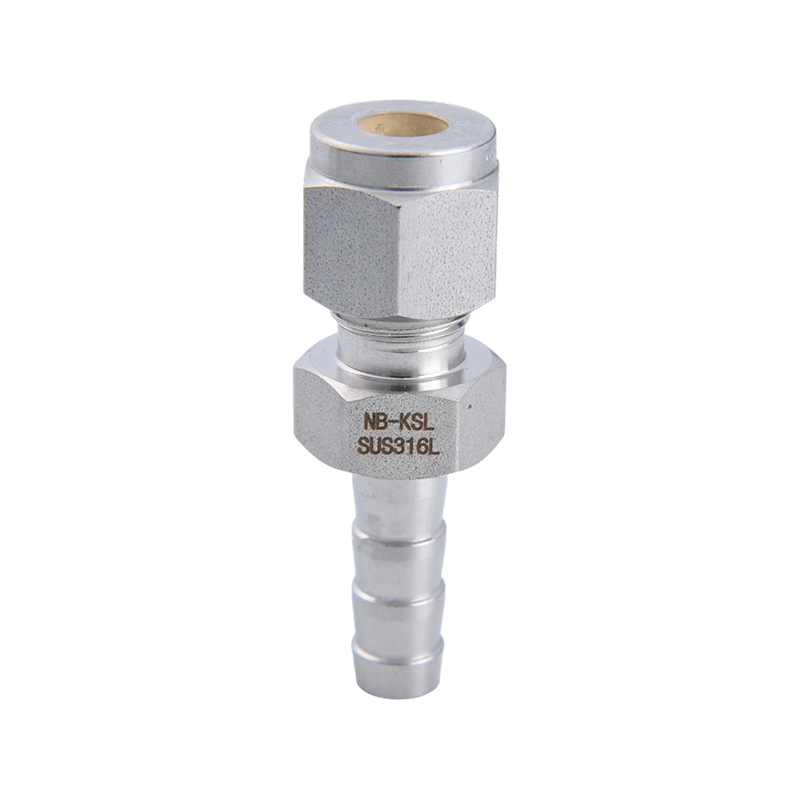
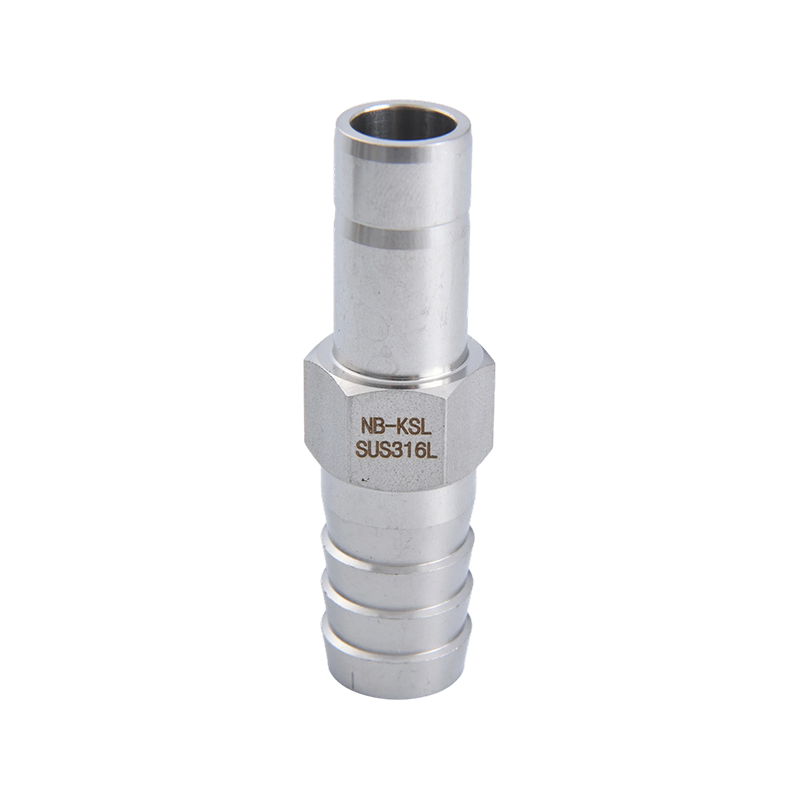
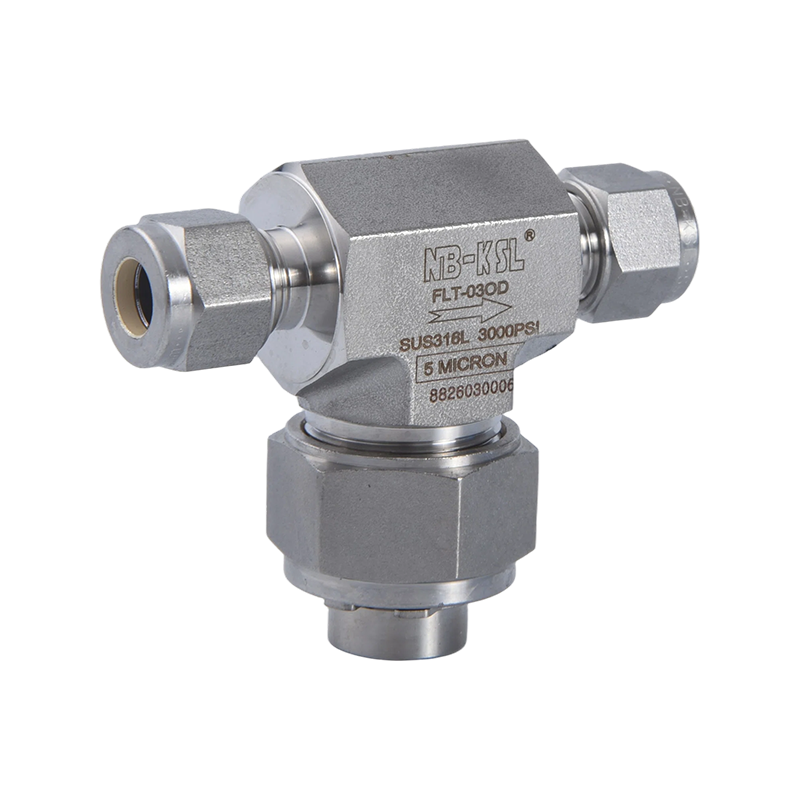
Quick Answer: What Stainless Steel Gas Filters Do and Why They Matter Stainless steel gas filters remove solid particles, rust, scale, and liquid condensate from gas lines before the gas reaches sensitive equipment such as regulators, mete...
Quick Answer: What Matters Most When Sizing and Buying Stainless Steel Check Valves The right stainless steel check valve is determined by three core factors: correct pipe sizing (matching nominal diameter to flow rate), an appropriate pre...
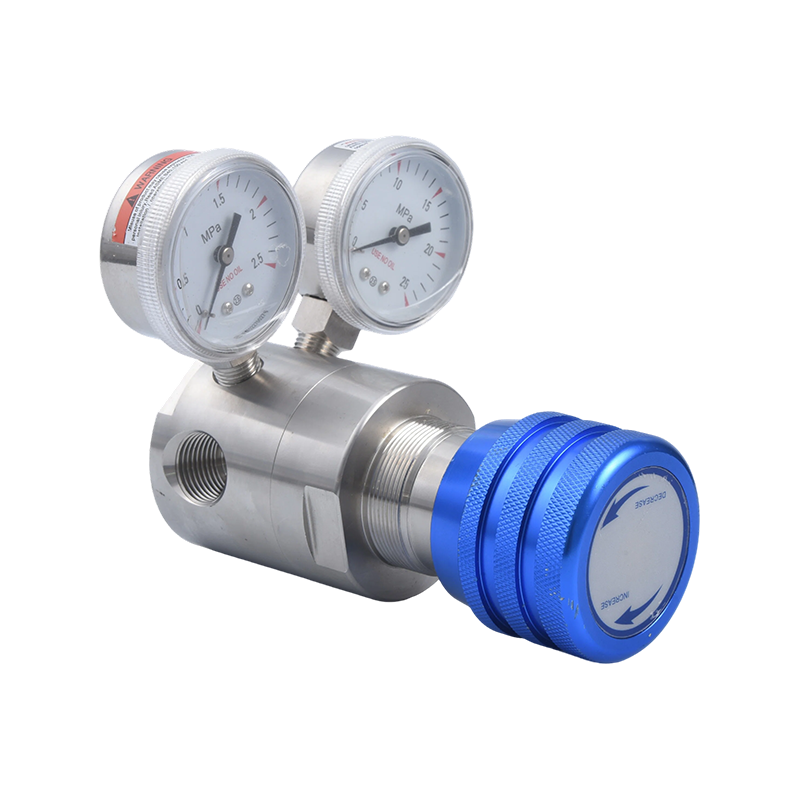
Stainless Steel Pressure Regulators Deliver Superior Safety and Precision in Gas Control Stainless steel pressure regulators are the industry standard for controlling gas flow safely and accurately across critical applications, from semico...
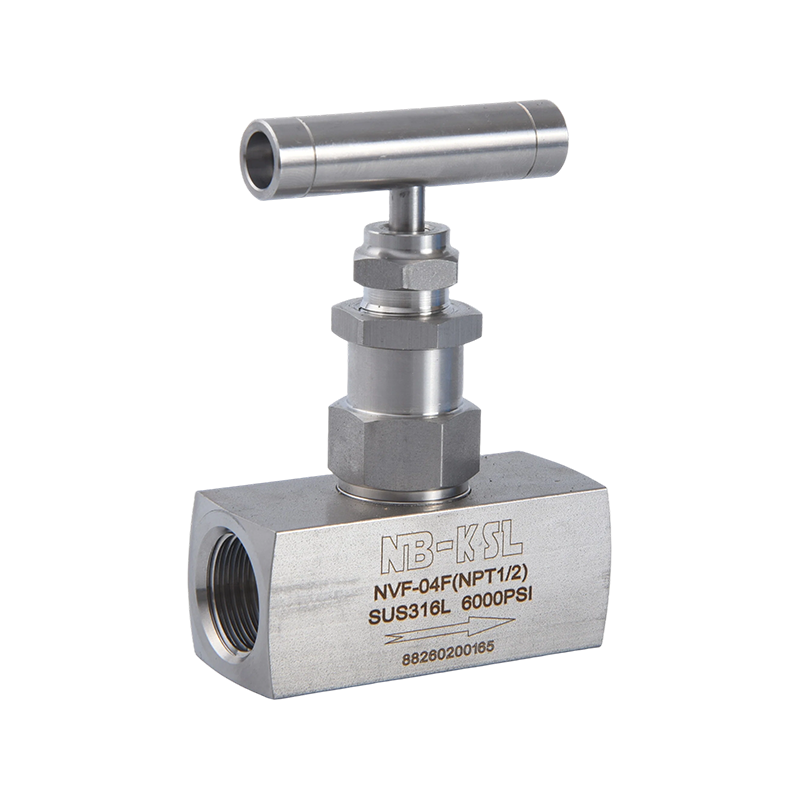
Quick Answer: Key Specs to Check Before Buying For most instrumentation and process applications, a 316 stainless steel needle valve rated for 6,000 psi with a 1/4 in. to 1/2 in. NPT or tube-fitting connection covers the majority of genera...
 1 Zhongxin Yungu Zone D Building 1, Jiangkou Street, Fenghua District, Ningbo City, Zhejiang Province, China
 +86-574-88561893 / +86-15057497901
 Copyright © Ningbo Keshengli Stainless Steel Valve Co., Ltd. Rights Reserved.
Wholesale Stainless Steel Fittings & Valves Manufacturers
Copyright © Ningbo Keshengli Stainless Steel Valve Co., Ltd. Rights Reserved.
Wholesale Stainless Steel Fittings & Valves Manufacturers



 English
 中文简体
中文简体