
Content
Stainless steel gas filters remove solid particles, rust, scale, and liquid condensate from gas lines before the gas reaches sensitive equipment such as regulators, meters, burners, or compressors. They are built from corrosion-resistant stainless steel (typically 304 or 316L grade) and use filtration elements—commonly sintered mesh, wound cartridges, or perforated screens—rated between 5 and 100 microns depending on the application. Without proper filtration, contaminants can cause valve seat damage, meter inaccuracy, and premature equipment failure, making gas filters a critical component in natural gas, LPG, CNG, and compressed air systems.
The sections below cover how these filters work, the types available, sizing and micron selection, installation best practices, and maintenance schedules.
Gas enters the filter housing and passes through a filtration element before exiting to the downstream system. As gas flows through the element, particles larger than the rated micron size are physically trapped on the surface or within the depth of the media, while cleaner gas continues through the outlet port.
Most designs also include a drain or blowdown valve at the bottom of the housing to remove accumulated liquid condensate and heavier debris without requiring full disassembly. This is especially important in natural gas systems, where moisture and hydrocarbon liquids commonly collect at low points in the piping.
Filter design varies based on the filtration mechanism and physical configuration. Choosing the right type depends on particle size, flow rate, and available installation space.
| Filter Type | Typical Micron Range | Best For |
|---|---|---|
| Sintered mesh | 5-40 microns | High-precision filtration, instrumentation lines |
| Wound cartridge | 10-50 microns | General-purpose gas lines, moderate debris loads |
| Perforated screen (Y-strainer) | 40-100 microns | Coarse filtration, protecting downstream equipment from large debris |
| Coalescing filter | 0.3-1 micron | Removing fine liquid aerosols and oil mist |
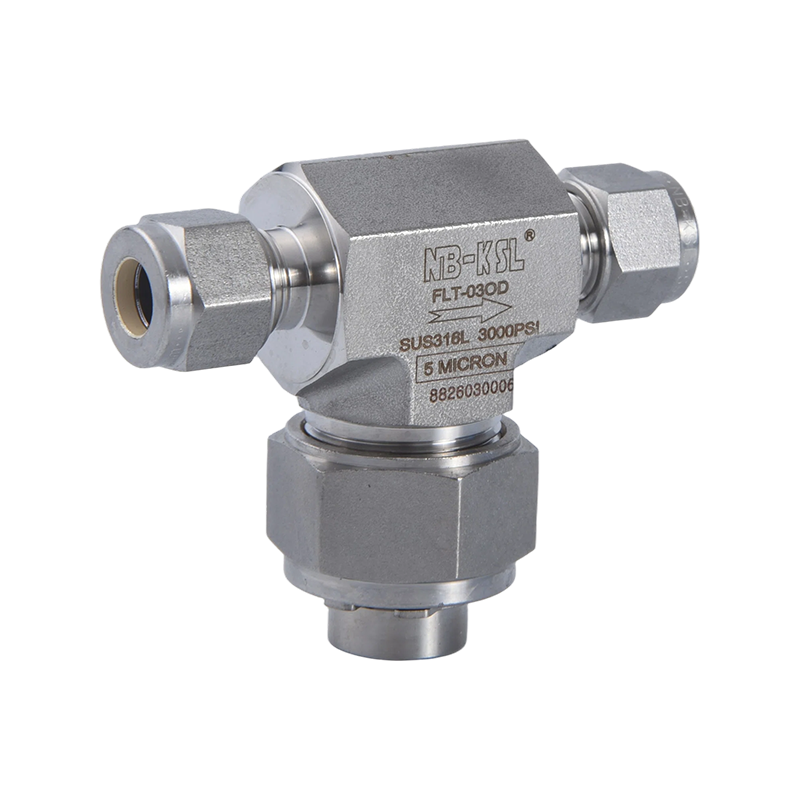
Beyond the filter element, housing shape affects installation and maintenance access. Y-type filters are compact and commonly used in horizontal pipelines where space is limited, while T-type (basket) filters offer a larger filtration surface area and are easier to service, making them preferable for high-flow industrial applications where filter elements need frequent cleaning.
Micron rating determines the smallest particle size the filter will capture. Selecting too coarse a rating allows damaging particles through; selecting too fine a rating increases pressure drop and requires more frequent element changes.
| Downstream Equipment | Recommended Micron Rating |
|---|---|
| Gas meters | 40-100 microns |
| Pressure regulators | 10-40 microns |
| Burner tips / combustion equipment | 5-20 microns |
| Analytical instrumentation | 0.3-5 microns |
As a general rule, the more sensitive the downstream equipment, the finer the micron rating required. Instrumentation and analytical equipment, which can be damaged by even microscopic particles, typically require sub-micron coalescing filters, while basic meters and coarse protection points can tolerate 40-100 micron screens.
Filter housings and elements are most commonly manufactured from 304 or 316L stainless steel, with the choice depending on the corrosiveness of the gas and surrounding environment.
316L filters typically cost 15-20% more than 304-grade equivalents, but the added corrosion resistance often reduces long-term replacement costs in aggressive gas streams containing hydrogen sulfide or moisture.
Correct sizing balances two competing needs: filtration efficiency and acceptable pressure drop. A filter that is too small for the system's flow rate will cause excessive pressure loss and rapid clogging, while an oversized filter adds unnecessary cost and installation space.
As a starting benchmark, most gas filter manufacturers recommend keeping clean-element pressure drop below 1 PSI, with a replacement or cleaning threshold typically set once pressure drop reaches 5-10 PSI, depending on system tolerance. Flow rate, pipe diameter, and expected particulate load should all be provided to the manufacturer or supplier when requesting a properly sized filter.
Proper installation directly affects filtration performance and long-term reliability. Key guidelines include:
Installing the filter in the wrong flow direction is one of the most common field errors, and it can cause the element to collapse or bypass entirely, allowing unfiltered gas through to downstream equipment.
Regular maintenance keeps filtration efficiency consistent and prevents unplanned downtime. Recommended practices include:
Sintered stainless steel elements offer a notable advantage over disposable cartridges: they can often be cleaned via backflushing or ultrasonic cleaning and reused multiple times, reducing long-term replacement costs in high-throughput systems.
Stainless steel gas filters are used across a wide range of industries, each with slightly different filtration priorities:
In gas turbine applications specifically, even small amounts of particulate contamination can cause significant erosion to turbine blades, which is why fine filtration—often in the 5-10 micron range—is standard practice upstream of combustion systems in power generation facilities.


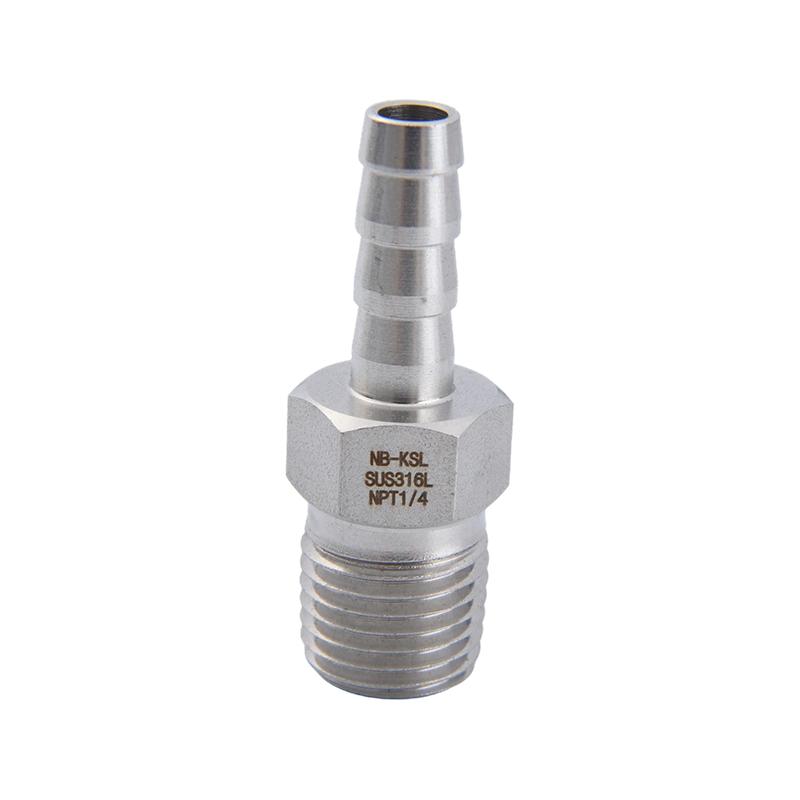
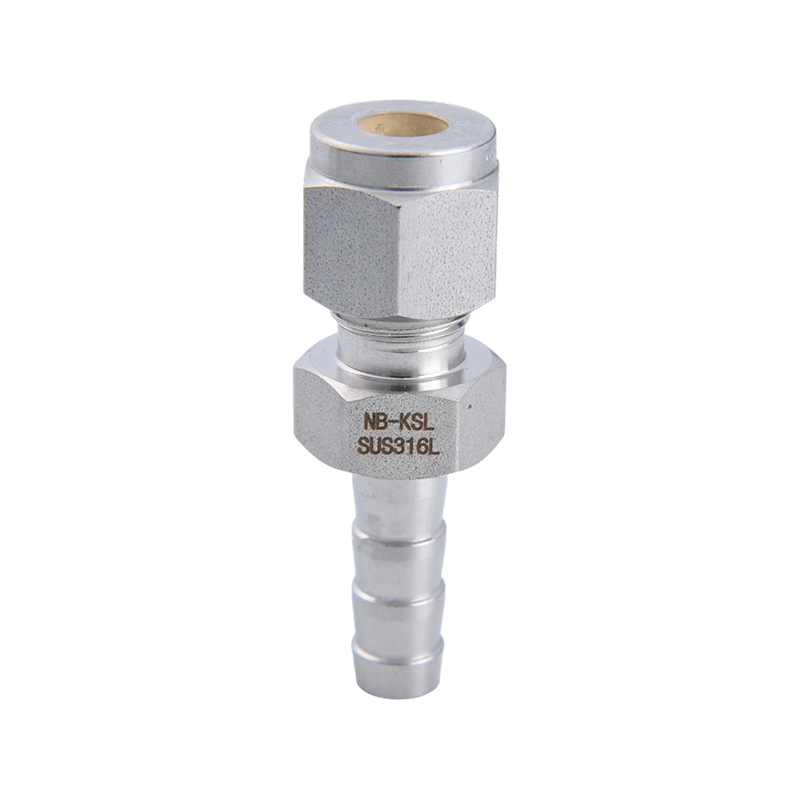
Direct Answer A stainless steel gas filter is the correct choice whenever a process gas line must stay free of particulate and moisture while also resisting corrosion from the gas itself or from ambient humidity in the installation enviro...
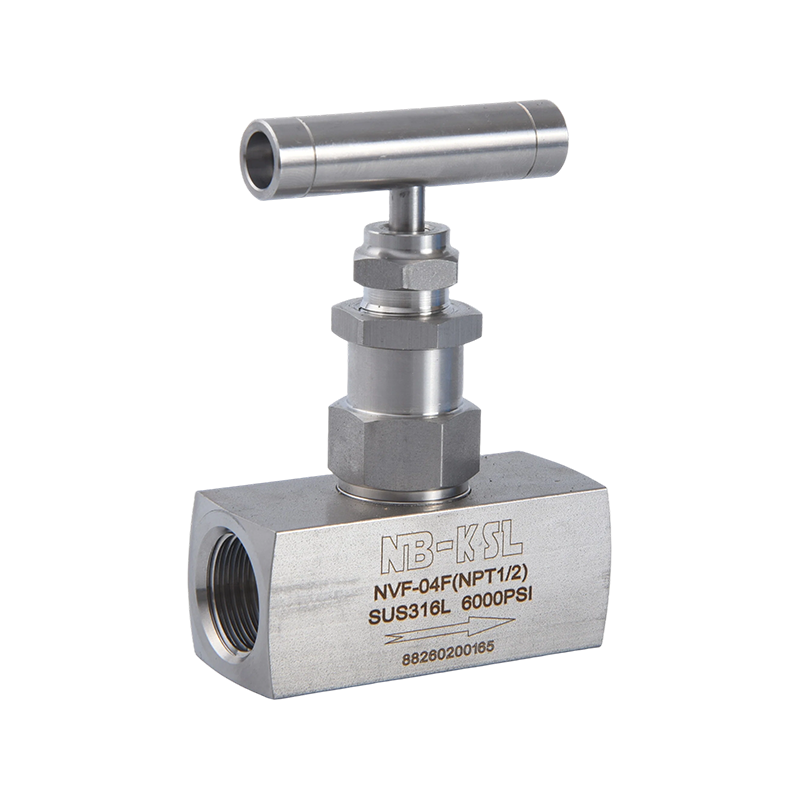
A process engineer once asked me why a new 3/8-inch needle valve could not hold downstream pressure. The valve was not defective; it was oversized. Every small turn of the stem moved more flow than the process needed, and the Cv formula wo...
Stainless Steel Pressure Regulators Deliver Superior Safety and Precision in Gas Control Stainless steel pressure regulators are the industry standard for controlling gas flow safely and accurately across critical applications, from semico...
The right stainless steel tube fitting is determined by five factors, in order of priority: material grade (304 vs. 316), connection type (compression, flared, or welded), working pressure and temperature rating, tube outer diameter and wa...
 1 Zhongxin Yungu Zone D Building 1, Jiangkou Street, Fenghua District, Ningbo City, Zhejiang Province, China
 +86-574-88561893 / +86-15057497901
 Copyright © Ningbo Keshengli Stainless Steel Valve Co., Ltd. Rights Reserved.
Wholesale Stainless Steel Fittings & Valves Manufacturers
Copyright © Ningbo Keshengli Stainless Steel Valve Co., Ltd. Rights Reserved.
Wholesale Stainless Steel Fittings & Valves Manufacturers



 English
 中文简体
中文简体