
Content
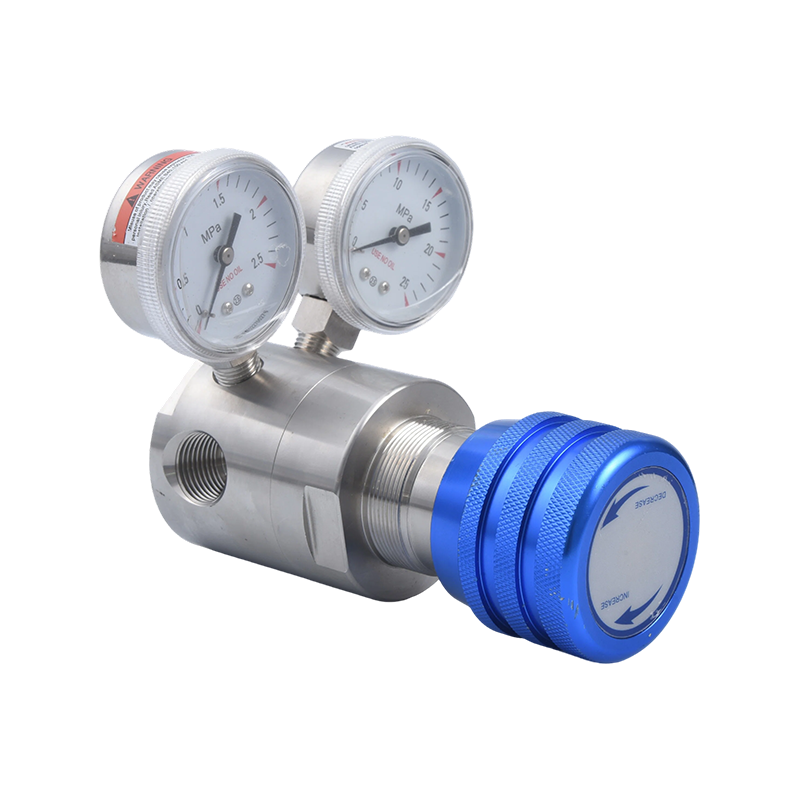
Stainless steel pressure regulators are the industry standard for controlling gas flow safely and accurately across critical applications, from semiconductor manufacturing to medical oxygen delivery. These regulators can maintain outlet pressure accuracy within ±1% to ±2% of set point, even under fluctuating inlet conditions, making them essential for processes where pressure instability could cause equipment failure, product contamination, or safety hazards.
The combination of corrosion resistance, mechanical strength, and material purity makes 316L stainless steel the preferred construction material for regulators used with reactive, toxic, or high-purity gases.
The safety performance of a pressure regulator starts with its base material. Most high-quality gas regulators use 316L stainless steel, an austenitic alloy containing 16-18% chromium, 10-14% nickel, and 2-3% molybdenum, which provides exceptional resistance to pitting and crevice corrosion.
The addition of molybdenum in 316L stainless steel significantly improves resistance to chloride-induced corrosion compared to standard 304 stainless steel. This is particularly important in applications involving corrosive gases such as chlorine, hydrogen sulfide, or ammonia, where standard carbon steel or even 304-grade stainless would degrade rapidly and compromise seal integrity.
The "L" designation indicates low carbon content (under 0.03%), which prevents carbide precipitation during welding. This ensures that welded joints in the regulator body retain full corrosion resistance, eliminating a common failure point in lower-grade materials.
Accuracy in gas control depends on the internal design of the regulator, particularly the diaphragm, seat, and spring mechanisms that work together to maintain consistent outlet pressure.
Most precision regulators use a metal diaphragm sensing element rather than elastomeric diaphragms, particularly in high-purity applications. Metal diaphragm regulators can achieve pressure control accuracy of ±0.5% to ±1% and offer significantly better long-term stability, since metal diaphragms do not degrade from gas permeation or chemical attack the way rubber-based diaphragms can.
Two key performance metrics define regulator accuracy: droop (the drop in outlet pressure as flow increases) and lock-up (the pressure rise above set point when flow stops). Well-engineered stainless steel regulators typically limit droop to less than 5% of set pressure across the full flow range, ensuring downstream equipment receives consistent gas delivery.
Beyond material selection, stainless steel regulators incorporate multiple engineered safety mechanisms designed to prevent overpressure events and gas leaks.
| Safety Feature | Function |
|---|---|
| Relief Valve | Vents excess pressure if outlet exceeds safe threshold |
| Burst Disc | Provides secondary rupture protection against extreme overpressure |
| Metal-to-Metal Seals | Prevents leakage in high-pressure or corrosive gas service |
| Filter Screens | Blocks particulate contamination from damaging seats and orifices |
These integrated features work together to protect both the regulator and downstream equipment. Industry data from CGA (Compressed Gas Association) guidelines indicates that properly maintained relief valve systems prevent the vast majority of overpressure-related incidents in industrial gas distribution networks.
Certain industries demand stainless steel construction not just for durability, but because gas purity and safety regulations leave no alternative.
Even the highest-quality stainless steel regulator requires proper maintenance to sustain its safety and accuracy performance over time.
Operators should watch for creeping outlet pressure, inconsistent flow delivery, or visible pitting on the regulator body. Any of these symptoms can signal internal seat wear or diaphragm fatigue, both of which compromise the safety margin the regulator is designed to provide.
Stainless steel pressure regulators combine corrosion-resistant materials, precision internal mechanisms, and multiple layered safety features to protect both personnel and equipment in gas control systems. For applications involving corrosive, toxic, or high-purity gases, 316L stainless steel construction with metal diaphragm sensing is generally the most reliable choice, offering measurement accuracy, long service life, and compliance with strict industry safety standards. Selecting a regulator rated for the specific gas type, pressure range, and flow requirements—paired with a consistent maintenance schedule—ensures dependable performance throughout the system's operational lifetime.


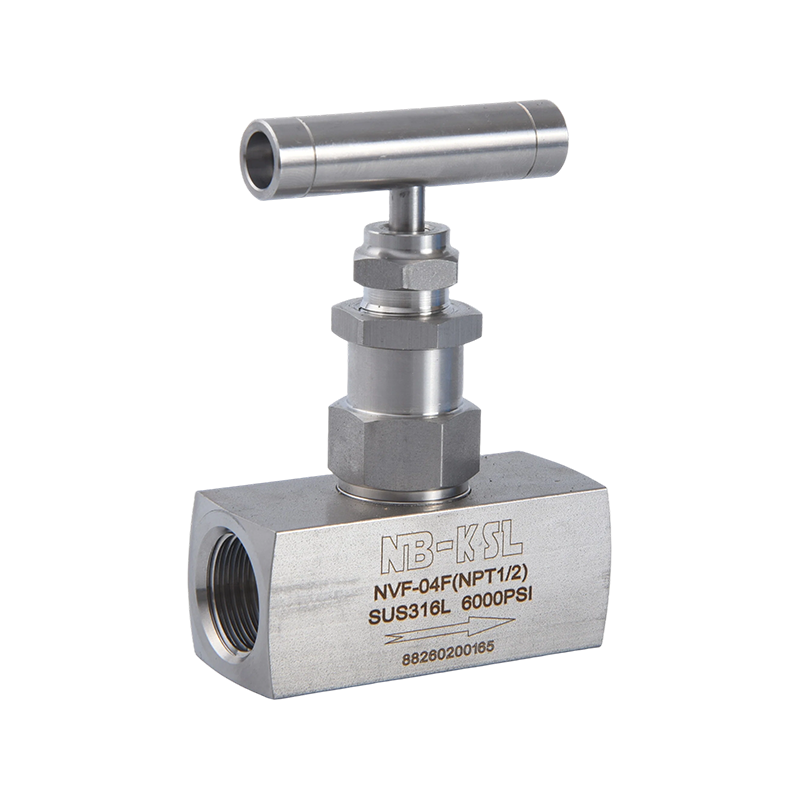
What Stainless Steel Needle Valves Are and How They Work A needle valve controls flow through a small-bore orifice by advancing or retracting a tapered needle-shaped stem into and out of a precision-machined seat. As the handwheel or actua...
A process engineer once asked me why a new 3/8-inch needle valve could not hold downstream pressure. The valve was not defective; it was oversized. Every small turn of the stem moved more flow than the process needed, and the Cv formula wo...
Quick Answer: Key Specs to Check Before Buying For most instrumentation and process applications, a 316 stainless steel needle valve rated for 6,000 psi with a 1/4 in. to 1/2 in. NPT or tube-fitting connection covers the majority of genera...
If you need a quick answer: for most industrial piping systems handling water, steam, air, oil, or mild chemicals below 1000 psi, a 316 stainless steel 2-piece or 3-piece full-port ball valve with PTFE seats is the right default choice. Onl...
 1 Zhongxin Yungu Zone D Building 1, Jiangkou Street, Fenghua District, Ningbo City, Zhejiang Province, China
 +86-574-88561893 / +86-15057497901
 Copyright © Ningbo Keshengli Stainless Steel Valve Co., Ltd. Rights Reserved.
Wholesale Stainless Steel Fittings & Valves Manufacturers
Copyright © Ningbo Keshengli Stainless Steel Valve Co., Ltd. Rights Reserved.
Wholesale Stainless Steel Fittings & Valves Manufacturers



 English
 中文简体
中文简体