
Content
If you only remember one thing from this guide, remember this: for most hydrogen systems operating between 350 and 700 bar, 316/316L stainless steel fittings with metal-to-metal or PTFE-based seals are the safest and most cost-effective choice. Avoid brass, standard carbon steel, and most elastomer seals unless the application is strictly low-pressure and low-purity. The sections below explain exactly why, with the data and comparisons you need to make a confident purchasing decision.
Before diving into technical detail, here is the decision path that covers roughly 90% of industrial hydrogen fitting selections:
Skipping any of these three steps is the most common reason hydrogen systems experience leaks, embrittlement failures, or premature seal degradation within the first 12–18 months of service.
Hydrogen is the smallest molecule in existence, which means it permeates and diffuses into metal lattices far more aggressively than natural gas, nitrogen, or compressed air. This diffusion causes hydrogen embrittlement, a mechanism where atomic hydrogen weakens the grain boundaries of a metal, leading to cracking under stress that would otherwise be well within a safe margin.
Not all metals respond the same way. The table below summarizes how common fitting materials perform in hydrogen service.
| Material | Hydrogen Embrittlement Resistance | Typical Max Pressure | Recommended Use |
|---|---|---|---|
| 316/316L Stainless Steel | Excellent | up to 1,000 bar | High-pressure storage, refueling stations |
| Carbon Steel | Poor | Not recommended above 50 bar | Non-critical, low-pressure venting only |
| Brass / Copper Alloys | Poor to Moderate | Not recommended for continuous H2 service | Avoid in hydrogen-specific circuits |
| Aluminum Alloys (6061-T6) | Good | up to 350 bar | Lightweight, low-cycle mobile applications |
| Duplex/Super Duplex Steel | Excellent | up to 1,000+ bar | Offshore/corrosive environment hydrogen lines |
Industry standards such as ASME B31.12 (Hydrogen Piping and Pipelines) and ISO 19880 explicitly restrict or exclude certain carbon steels and copper alloys from high-pressure hydrogen service. If your fitting supplier cannot confirm compliance with one of these standards, treat that as a red flag rather than a minor omission.
Atomic hydrogen diffuses into the metal at grain boundaries and micro-defects. Under cyclic pressure loading — such as the fill-and-discharge cycles at a hydrogen refueling station — these hydrogen atoms accelerate crack initiation and propagation. A steel that appears perfectly adequate under a static pressure test can still fail after a few thousand pressure cycles if the alloy is embrittlement-prone.
Seals fail far more often than the fitting body itself. Hydrogen's small molecular size means seal materials that work perfectly for nitrogen or compressed air can leak significantly with hydrogen at the same pressure. The right seal choice depends heavily on pressure, temperature, and how frequently the connection is made and broken.
| Seal Type | Best Pressure Range | Reusability | Notes |
|---|---|---|---|
| Metal-to-Metal (Face Seal) | up to 1,000 bar | Limited (often single-use) | Best leak-tightness, requires precise torque control |
| PTFE / PCTFE | up to 700 bar | Moderate | Low permeation, good chemical resistance |
| FKM (Viton) | up to 100 bar | High | Only for low-pressure, non-critical secondary lines |
| Nickel-Plated Copper Gasket | up to 900 bar | Single-use | Common in refueling station dispensers |
A useful rule of thumb: standard rubber O-rings (NBR, EPDM) should generally be avoided above 100 bar in hydrogen service, since hydrogen permeation through elastomers increases sharply with pressure, and rapid depressurization can cause "explosive decompression" damage to the seal as trapped hydrogen expands within the rubber matrix.
Hydrogen fittings are typically specified against a working pressure with a safety factor, not just a burst pressure. Most reputable manufacturers design fittings with a burst-to-working-pressure ratio of at least 4:1, meaning a fitting rated for 350 bar working pressure should have a minimum burst pressure around 1,400 bar.
| Application | Typical Working Pressure | Recommended Fitting Rating |
|---|---|---|
| Fuel Cell Stack Piping | 5–15 bar | 50 bar minimum |
| Onboard Vehicle Storage (Light Duty) | 350 bar | 525–700 bar |
| Onboard Vehicle Storage (Heavy Duty/FCEV Cars) | 700 bar | 1,000 bar |
| Refueling Station Dispenser Lines | 700–875 bar | 1,000+ bar |
Never select a fitting based solely on matching your working pressure. A minimum safety margin of 1.5x the maximum system operating pressure is a widely used baseline, and higher-cycle applications like refueling dispensers often warrant an even greater margin due to fatigue considerations.
Beyond material and seal, the mechanical design of the fitting itself affects reliability, maintenance, and installation cost.
Widely used for instrumentation and mid-pressure hydrogen lines up to around 400 bar. They are easy to install and reusable, but require precise tube preparation and are more sensitive to vibration-induced loosening over long service periods.
Preferred for high-purity, high-pressure hydrogen systems such as electrolyzer feed lines and analytical equipment. These provide excellent leak-tightness — often rated below 1 x 10⁻⁹ atm·cc/sec helium equivalent leak rate — but each connection typically requires a new metal gasket for reliable sealing.
The most leak-proof option for permanent, high-pressure hydrogen piping. Orbital welding eliminates mechanical seal points entirely, which is why it is standard practice for permanent runs in hydrogen refueling stations and large-scale electrolysis facilities.
Use this checklist as a final verification step before placing a purchase order for hydrogen fittings:
Getting hydrogen fitting selection right up front is far cheaper than dealing with leaks, downtime, or safety incidents later. When in doubt, choose the higher-rated material and seal combination — the incremental cost is small relative to the risk of failure in a hydrogen system.
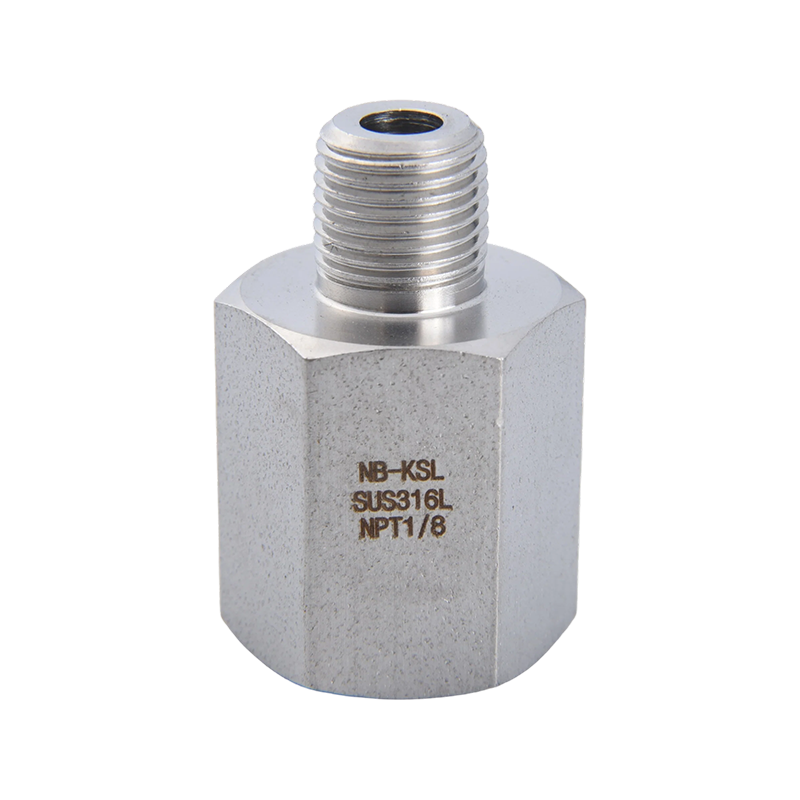


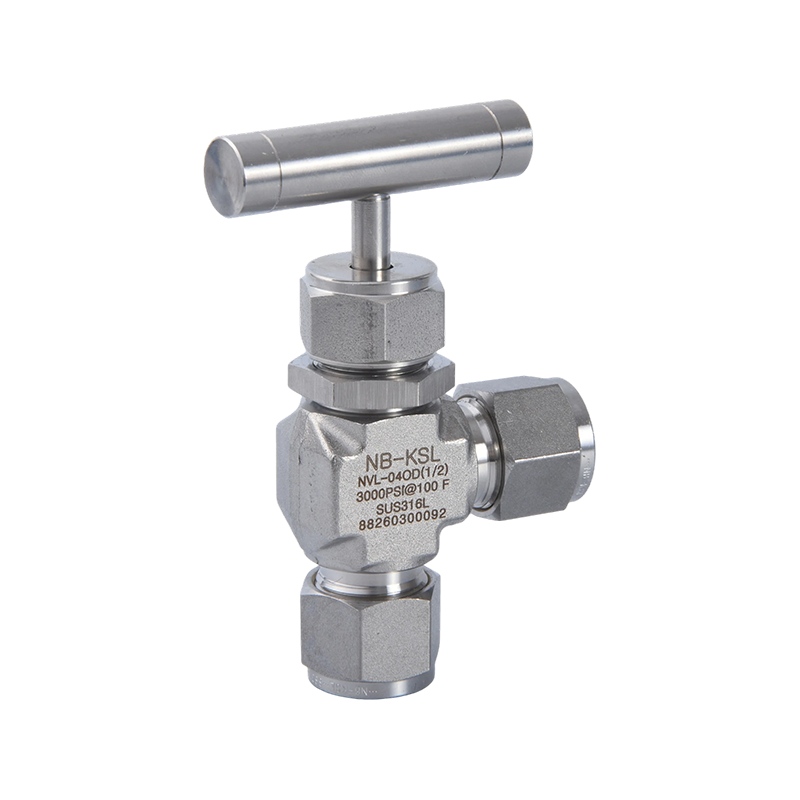
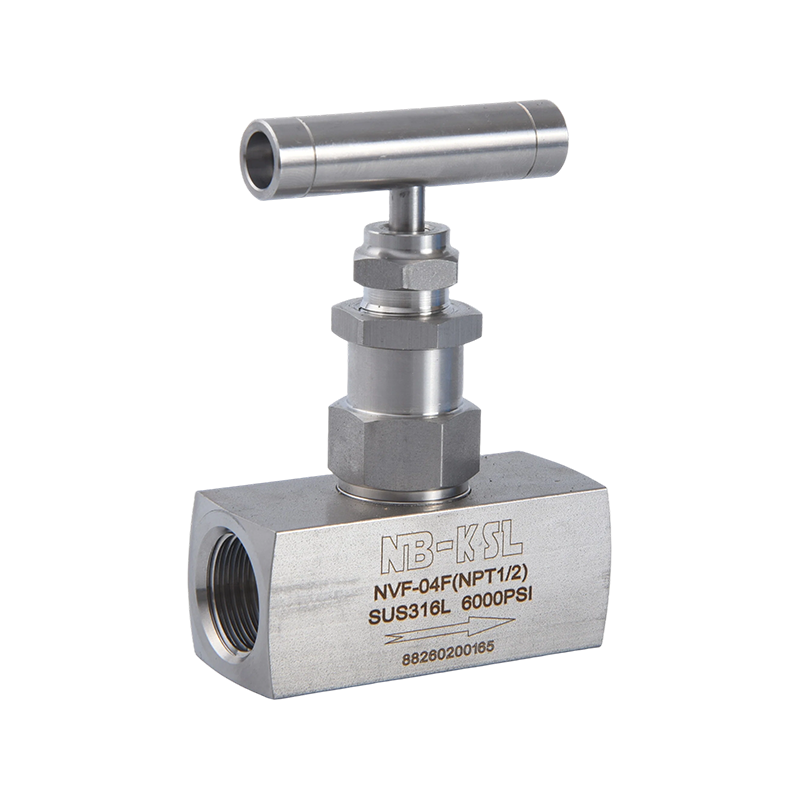
What Stainless Steel Needle Valves Are and How They Work A needle valve controls flow through a small-bore orifice by advancing or retracting a tapered needle-shaped stem into and out of a precision-machined seat. As the handwheel or actua...
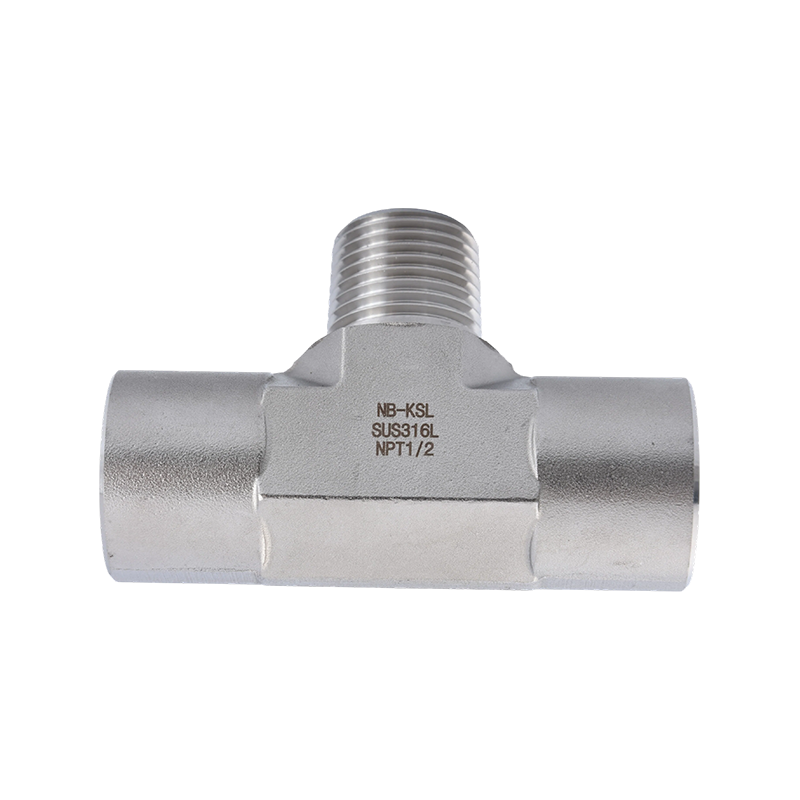
The right stainless steel tube fitting is determined by five factors, in order of priority: material grade (304 vs. 316), connection type (compression, flared, or welded), working pressure and temperature rating, tube outer diameter and wa...
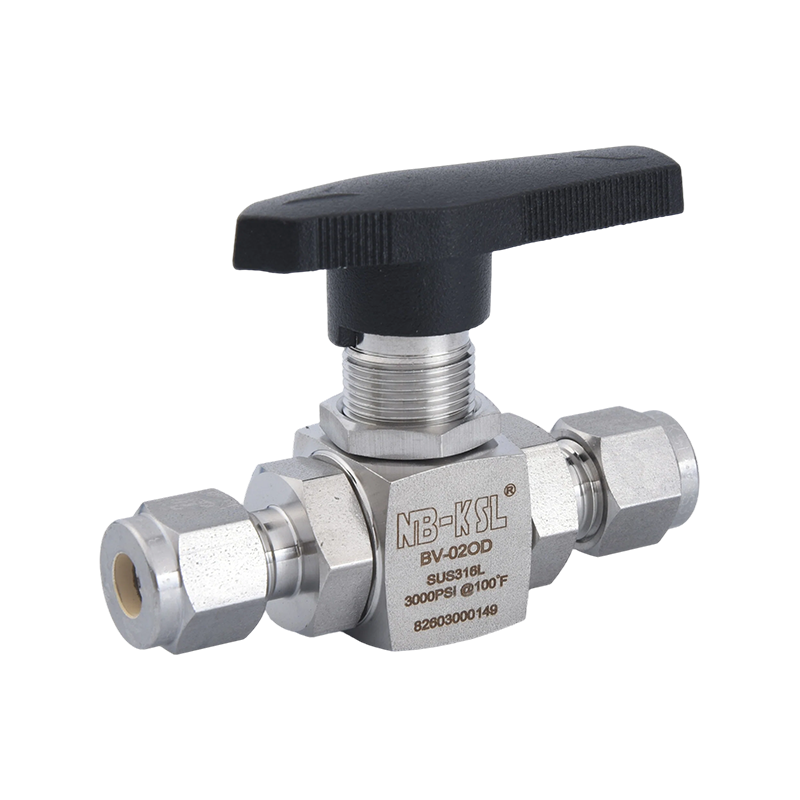
If you need a quick answer: for most industrial piping systems handling water, steam, air, oil, or mild chemicals below 1000 psi, a 316 stainless steel 2-piece or 3-piece full-port ball valve with PTFE seats is the right default choice. Onl...
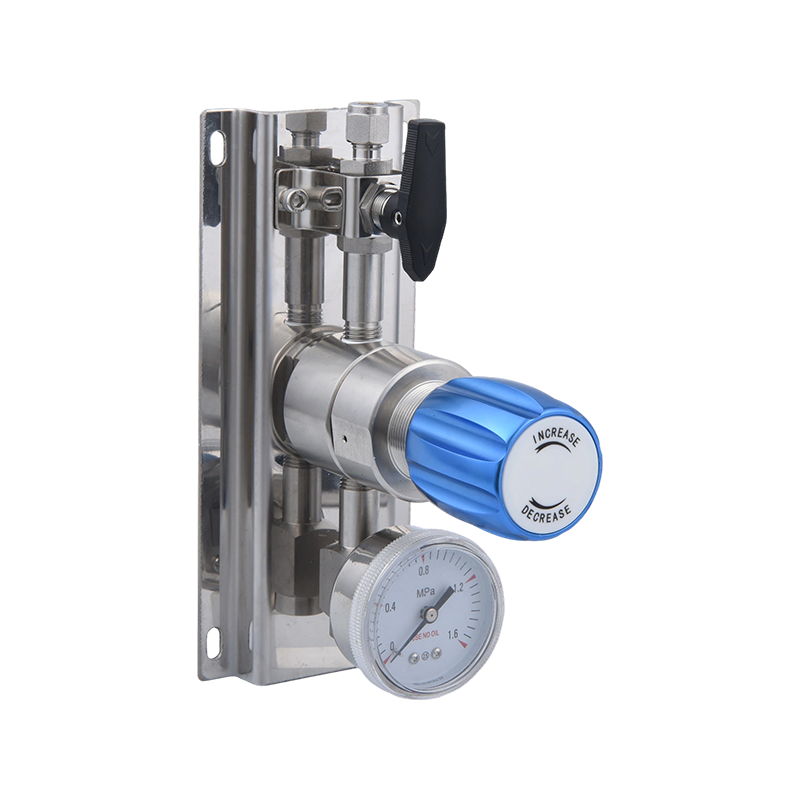
Stainless Steel Pressure Regulators Deliver Superior Safety and Precision in Gas Control Stainless steel pressure regulators are the industry standard for controlling gas flow safely and accurately across critical applications, from semico...
 1 Zhongxin Yungu Zone D Building 1, Jiangkou Street, Fenghua District, Ningbo City, Zhejiang Province, China
 +86-574-88561893 / +86-15057497901
 Copyright © Ningbo Keshengli Stainless Steel Valve Co., Ltd. Rights Reserved.
Wholesale Stainless Steel Fittings & Valves Manufacturers
Copyright © Ningbo Keshengli Stainless Steel Valve Co., Ltd. Rights Reserved.
Wholesale Stainless Steel Fittings & Valves Manufacturers



 English
 中文简体
中文简体