Content
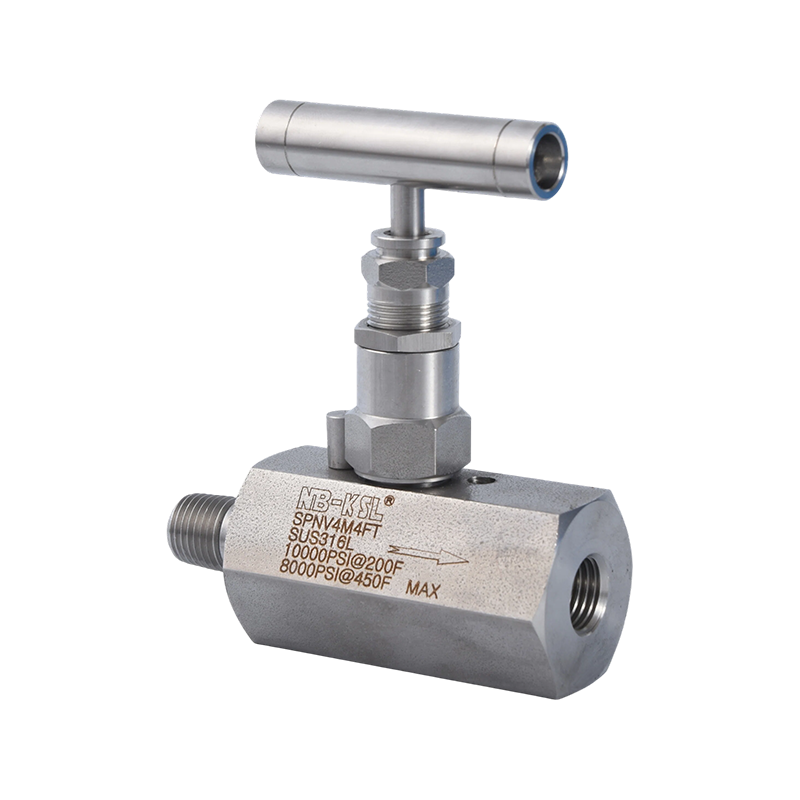
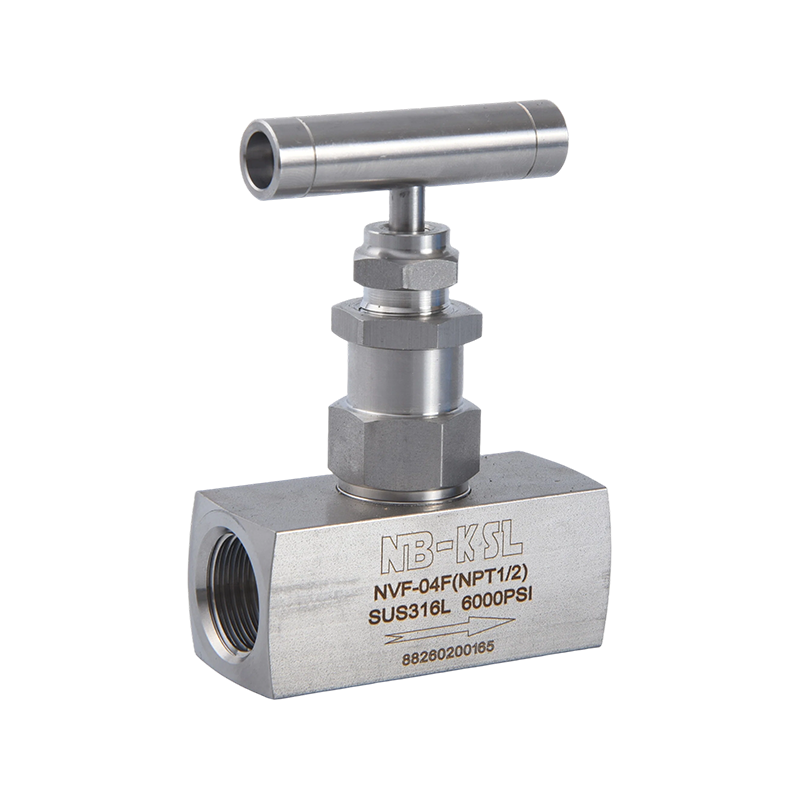
For most instrumentation and process applications, a 316 stainless steel needle valve rated for 6,000 psi with a 1/4 in. to 1/2 in. NPT or tube-fitting connection covers the majority of general-purpose and moderate-pressure needs. Beyond that baseline, four specs decide whether a valve is actually correct for your system: material grade, pressure/temperature rating, orifice size (Cv), and end connection type — get any one wrong and the valve either fails prematurely or simply won't fit.
Needle valves are sized by function, not by pipe diameter alone. A valve chosen only by connection size but mismatched on pressure class or seat material is one of the most common causes of packing leaks and premature seat wear in the field. The sections below break down each spec so you can match a valve to your actual operating conditions.
Most stainless steel needle valves are built from 316 or 316L stainless steel (UNS S31600), chosen for corrosion resistance in chemical, oil & gas, and instrumentation service. Cold-worked 316 SS is standard for higher-pressure valve bodies because cold working increases tensile strength without changing the base alloy's corrosion resistance.
| Material | Key Property | Typical Use Case |
|---|---|---|
| 316 SS (cold-worked) | Higher tensile strength | Medium and high-pressure valve bodies |
| 316L SS | Lower carbon, better weldability | Welded assemblies, food/pharma lines |
| Alloy 400 (Monel) | Resistance to hydrofluoric acid, seawater | Sour gas, marine, HF alkylation service |
Seat and packing materials matter as much as the body alloy. PTFE packing is the standard choice for general service (roughly -18°C to 232°C), while flexible graphite or graphite yarn packing extends temperature capability up to 650°C for high-heat or high-cycle applications. PEEK packing is available on select severe-service series for combined chemical and thermal resistance.
Needle valves are grouped into rough pressure classes rather than a single universal rating. Standard instrumentation valves are typically rated to 6,000 psig, medium-pressure valves up to 15,000-20,000 psig, and high-pressure cone-and-thread valves up to 60,000 psig (4,134 bar) in smaller bore sizes.
| Pressure Class | Typical Rating | Common Sizes |
|---|---|---|
| Standard/Instrumentation | Up to 6,000 psig | 1/8 - 1 in. |
| Medium Pressure | 15,000 - 20,000 psig | 1/4 - 1 in. |
| High Pressure | 30,000 - 60,000 psig | 1/4 - 9/16 in. |
Pressure rating and temperature rating are not independent — the same valve rated 6,000 psig at room temperature may carry a lower rating at elevated temperature, and packing material choice (PTFE vs. graphite) directly shifts the usable temperature range. Always check the manufacturer's pressure-temperature chart for the specific packing and connection combination rather than relying on the headline pressure figure alone.
Needle valve "size" actually refers to three separate measurements that are often confused: connection size (e.g., 1/4 in. NPT), orifice diameter, and flow coefficient (Cv). Two valves with the same 1/4 in. connection can have very different flow capacities depending on orifice size.
Cv values for standard instrumentation needle valves commonly range from 0.1 to roughly 12 depending on orifice size, with larger 400-series style valves (orifice up to 0.562 in.) offering meaningfully higher flow for the same nominal connection size. When comparing valves, match Cv to your required flow rate at the expected pressure drop rather than comparing connection sizes alone.
Fractional sizes typically range from 1/8 in. to 1 in. for standard and medium-pressure valves, narrowing to 1/4 in. - 9/16 in. for high-pressure cone-and-thread designs. Never mix tube fittings or connection components across manufacturers unless explicitly rated as interchangeable, since thread and cone geometry differences can cause seal failure under pressure.
Standards compliance determines whether a valve is suitable for regulated or severe-service applications, not just whether it fits the pipe.
If your application involves sour gas, oxygen service, or a regulated process industry, confirm the specific certification is stated on the valve's datasheet — general "stainless steel" construction alone does not guarantee compliance with any of these standards.
A correctly specified needle valve is defined by the combination of material, pressure/temperature rating, flow capacity, and connection type working together — not by any single spec in isolation. When two options look similar on paper, the pressure-temperature chart and Cv rating are the two data points worth verifying directly with the manufacturer before ordering.
What Stainless Steel Needle Valves Are and How They Work A needle valve controls flow through a small-bore orifice by advancing or retracting a tapered needle-shaped stem into and out of a precision-machined seat. As the handwheel or actua...
Quick Answer: What Matters Most When Sizing and Buying Stainless Steel Check Valves The right stainless steel check valve is determined by three core factors: correct pipe sizing (matching nominal diameter to flow rate), an appropriate pre...
A process engineer once asked me why a new 3/8-inch needle valve could not hold downstream pressure. The valve was not defective; it was oversized. Every small turn of the stem moved more flow than the process needed, and the Cv formula wo...
A low-pressure alarm on a nitrogen analyzer purge line is rarely caused by the analyzer itself. More often, the real problem is a regulator or valve with a Cv that is too low for the flow demand. The component may look right in the catalog...
 1 Zhongxin Yungu Zone D Building 1, Jiangkou Street, Fenghua District, Ningbo City, Zhejiang Province, China
 +86-574-88561893 / +86-15057497901
 Copyright © Ningbo Keshengli Stainless Steel Valve Co., Ltd. Rights Reserved.
Wholesale Stainless Steel Fittings & Valves Manufacturers
Copyright © Ningbo Keshengli Stainless Steel Valve Co., Ltd. Rights Reserved.
Wholesale Stainless Steel Fittings & Valves Manufacturers



 English
 中文简体
中文简体