
Content
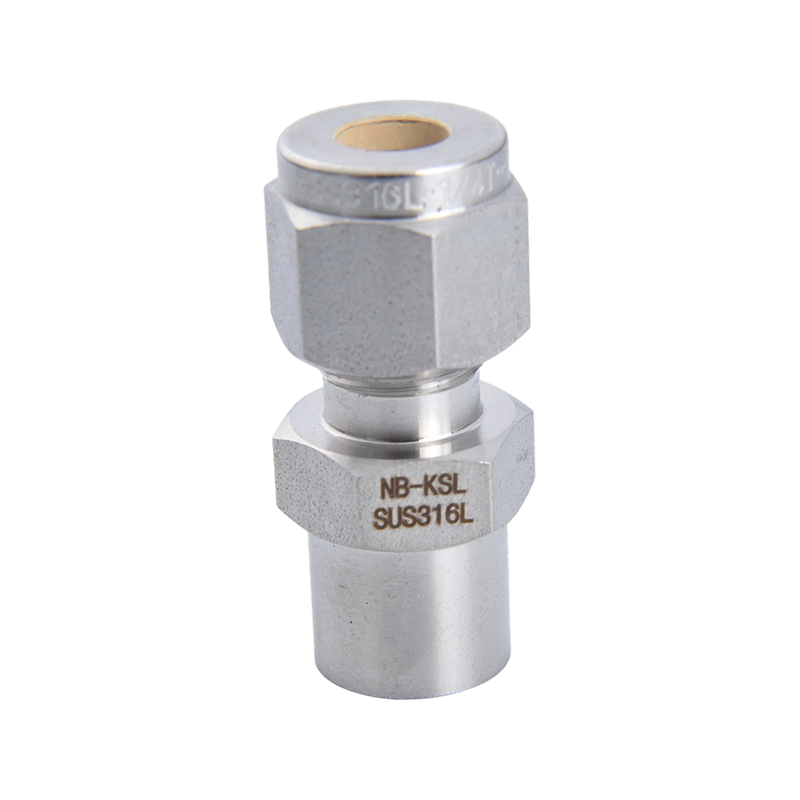
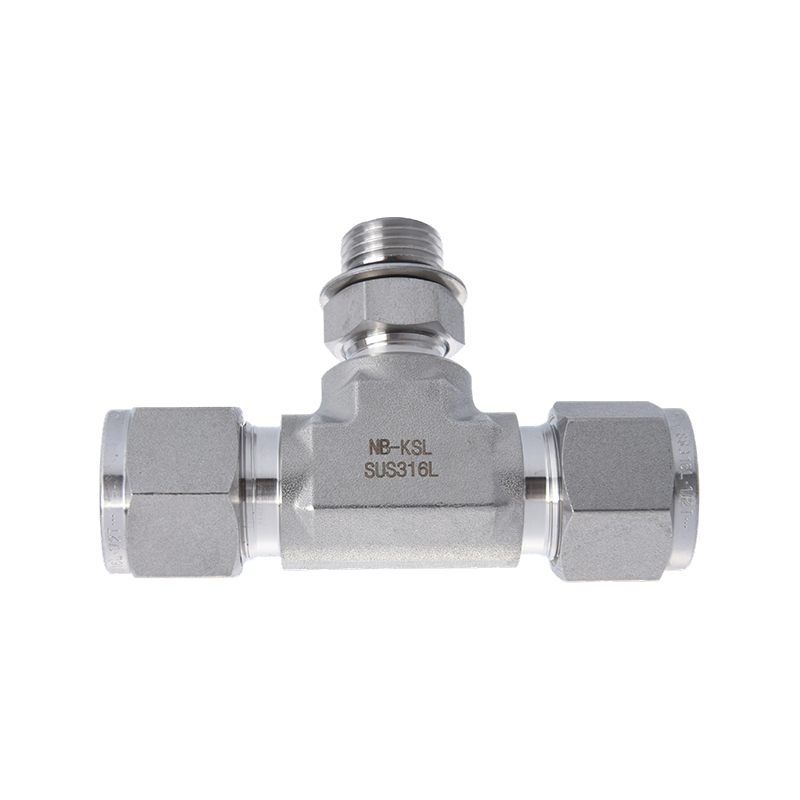
Stainless steel tube fittings are precision-machined connectors used to join, branch, or terminate sections of tubing in fluid and gas systems, creating a leak-tight seal without welding. They work by mechanically compressing a ferrule (or similar sealing element) against the outer wall of the tubing as a nut is tightened, creating a metal-to-metal seal capable of withstanding high pressure, vibration, and temperature extremes. Common types include compression fittings, flare fittings, and welded fittings, each suited to different pressure ranges and application requirements.
We explain the mechanics behind each fitting type, how the sealing process actually works, and where these fittings are typically used.
Most stainless steel tube fittings rely on a similar core principle: compressing a sealing component onto the tube's outer diameter to create a mechanical, leak-tight joint. While the exact mechanism varies by fitting type, the general assembly process follows these steps:
The number of turns past finger-tight is critical—under-tightening leaves the joint prone to leaks, while over-tightening can damage the ferrule or tube wall, weakening the connection. Most manufacturers specify exact turn counts for each fitting size, and these should be followed precisely rather than estimated.
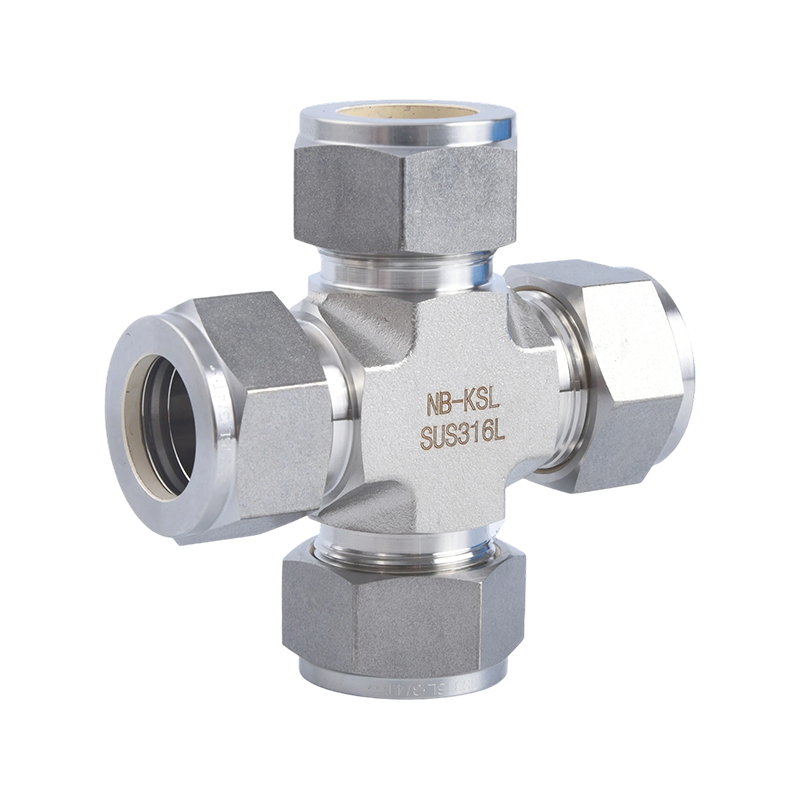
Compression fittings use one or two ferrules—small metal rings—positioned between the tube and the fitting body. As the nut is tightened, the ferrule is compressed and permanently deformed, biting slightly into the tube's outer surface to create both a mechanical grip and a pressure seal. Double-ferrule designs, common in instrumentation systems, add a second ferrule for additional vibration resistance and a more robust seal.
Flare fittings work differently: the end of the tube is mechanically flared outward at a 37-degree or 45-degree angle using a flaring tool. When the nut is tightened, the flared tube end is compressed directly against a matching angled seat inside the fitting body, creating a metal-to-metal seal without a separate ferrule. This design is common in aerospace, hydraulic, and refrigeration systems where high pressure and vibration resistance are priorities.
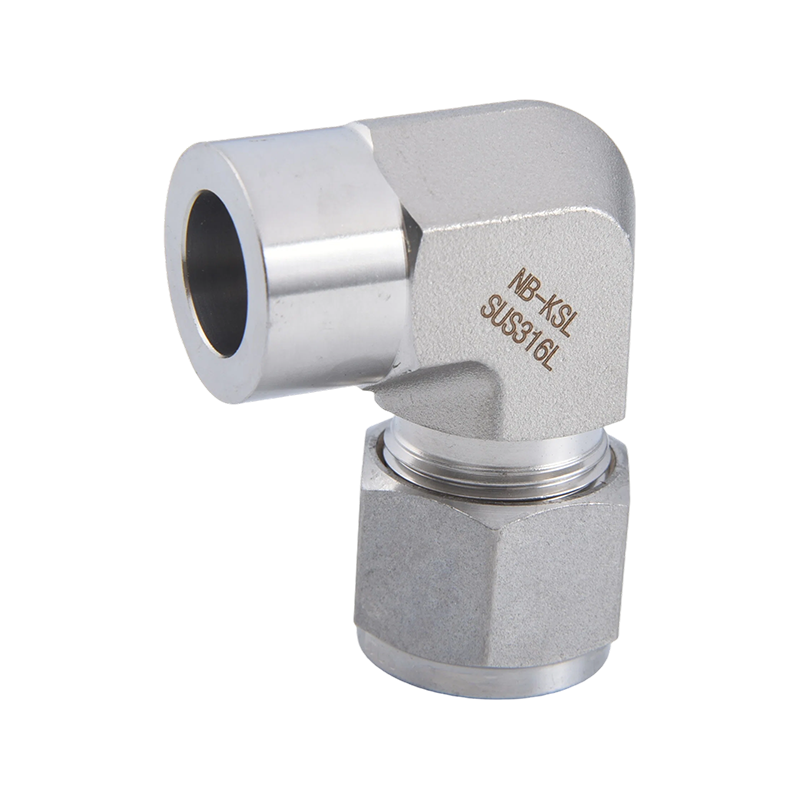
For permanent, high-integrity connections, welded fittings are butt-welded or socket-welded directly to the tubing. Since there is no mechanical seal to potentially loosen over time, welded joints provide the highest leak resistance and are typically specified for critical process lines, though they sacrifice the ability to disassemble the connection for maintenance.
Push-to-connect fittings use an internal collet and O-ring system. The tube is simply pushed into the fitting until it locks in place, with the collet's teeth gripping the tube while the O-ring provides the pressure seal. These are popular in pneumatic systems for their fast, tool-free installation, though they are generally rated for lower pressures than compression or flare fittings.
| Fitting Type | Typical Max Pressure | Reusable? | Installation Tools Needed |
|---|---|---|---|
| Compression (double ferrule) | Up to 10,000+ PSI | Yes, several times | Wrench, tube cutter |
| Flare (37°/45°) | Up to 5,000-8,000 PSI | Limited reuse | Flaring tool, wrench |
| Welded | System-dependent, very high | No | Welding equipment |
| Push-to-connect | Up to 150-300 PSI | Yes, tool-free | None required |
For high-pressure instrumentation and process systems, double-ferrule compression fittings are generally the industry standard, offering an effective balance between ease of installation, reusability, and pressure capability that welded or push-to-connect options can't match in most industrial contexts.
Stainless steel is the dominant material choice for precision tube fittings for several practical reasons:
Between the two most common grades, 316 stainless steel offers superior resistance to chloride-induced corrosion compared to 304, making it the preferred choice for marine, offshore, and chemical processing environments, while 304 remains a cost-effective option for general industrial and low-corrosion applications.
Because of their reliability under pressure and resistance to corrosion, stainless steel tube fittings are used extensively across multiple industries:
In semiconductor and pharmaceutical applications specifically, fittings are often electropolished to achieve extremely smooth internal surfaces, reducing particle entrapment and contamination risk in ultra-high-purity systems where even microscopic residue can compromise product quality.
Even high-quality fittings can leak if installed incorrectly. The most frequent errors include:
A properly made compression fitting joint should show a visible, uniform ferrule bite mark on the tube when disassembled for inspection—an uneven or shallow bite mark is a clear indicator that the original installation was under-tightened and likely leaking.


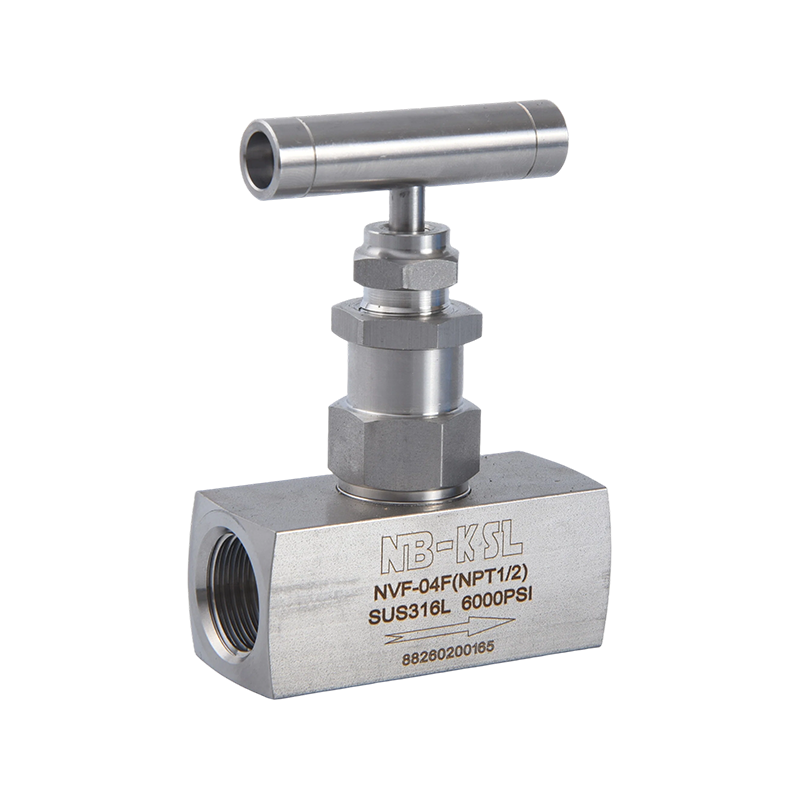
What Stainless Steel Needle Valves Are and How They Work A needle valve controls flow through a small-bore orifice by advancing or retracting a tapered needle-shaped stem into and out of a precision-machined seat. As the handwheel or actua...
The right stainless steel tube fitting is determined by five factors, in order of priority: material grade (304 vs. 316), connection type (compression, flared, or welded), working pressure and temperature rating, tube outer diameter and wa...
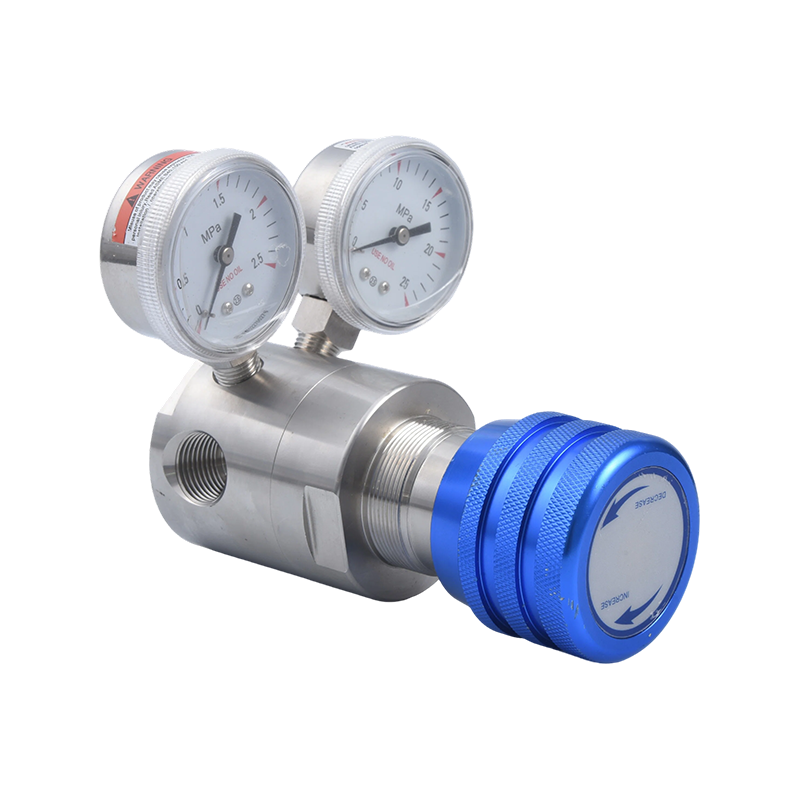
Stainless Steel Pressure Regulators Deliver Superior Safety and Precision in Gas Control Stainless steel pressure regulators are the industry standard for controlling gas flow safely and accurately across critical applications, from semico...
If you need tube fittings that resist corrosion, handle high pressure, and last decades with minimal maintenance, stainless steel tube fittings are the right choice for the vast majority of industrial, chemical, and food-grade applications....
 1 Zhongxin Yungu Zone D Building 1, Jiangkou Street, Fenghua District, Ningbo City, Zhejiang Province, China
 +86-574-88561893 / +86-15057497901
 Copyright © Ningbo Keshengli Stainless Steel Valve Co., Ltd. Rights Reserved.
Wholesale Stainless Steel Fittings & Valves Manufacturers
Copyright © Ningbo Keshengli Stainless Steel Valve Co., Ltd. Rights Reserved.
Wholesale Stainless Steel Fittings & Valves Manufacturers



 English
 中文简体
中文简体