Content
When we talk about deflagration, we are discussing a specific type of combustion where a flame front moves through a fuel‑oxidizer mixture at subsonic speeds. It is the most common mode of flame propagation in industrial accidents, and while it sounds less dramatic than a detonation, a deflagration can still generate dangerous pressure waves and cause severe damage to equipment, buildings, and personnel. In facilities that handle flammable gases – from hydrogen to natural gas – understanding deflagration dynamics is the first step toward preventing catastrophic events. At NB‑KSL, we have spent years manufacturing stainless steel tube fittings, valves, and pressure regulators for the oil, gas, petrochemical, and power generation industries. Our daily work involves helping engineers select components that maintain system integrity under the very conditions that could otherwise lead to deflagration.
Deflagration is defined as a chemical reaction that propagates through a pre‑mixed fuel and oxidizer at a speed lower than the speed of sound – roughly below 340 m/s at sea level. Unlike detonation, which is supersonic and produces a shock wave, deflagration relies on heat transfer from the burning zone to the unburned mixture. However, the pressure rise from a confined deflagration can still exceed the design limits of piping, vessels, and instruments. In many industrial gas systems – such as those in hydrogen refueling stations, semiconductor fabs, or chemical processing plants – a small leak together with an ignition source can lead to a deflagration that propagates back into the supply line. This is why selecting the right valves and fittings is not just about flow control; it is about preventing flame travel and managing overpressure events.
Key characteristics of a deflagration include a relatively smooth pressure front, a flame speed that depends on turbulence and mixture composition, and a strong dependence on the geometry of the containment. For example, a long straight pipe with no obstructions can accelerate a deflagration, potentially causing a transition to detonation – a phenomenon known as DDT (deflagration‑to‑detonation transition). Therefore, engineers must design systems that either prevent deflagration from occurring or safely vent the pressure if it does occur.
Industrial gas systems typically include a chain of components: tubes, fittings, valves, filters, and pressure regulators. Each plays a role in maintaining safe operating conditions. When a deflagration occurs, the pressure front can travel both forward and backward through the piping. Devices such as check valves (non‑return valves) are essential to stop the reverse flow of gas after a pressure surge, but they can also help isolate sections of the system. In many applications, a spring‑loaded or ball‑type check valve can close rapidly when flow reverses, preventing the flame from propagating upstream.
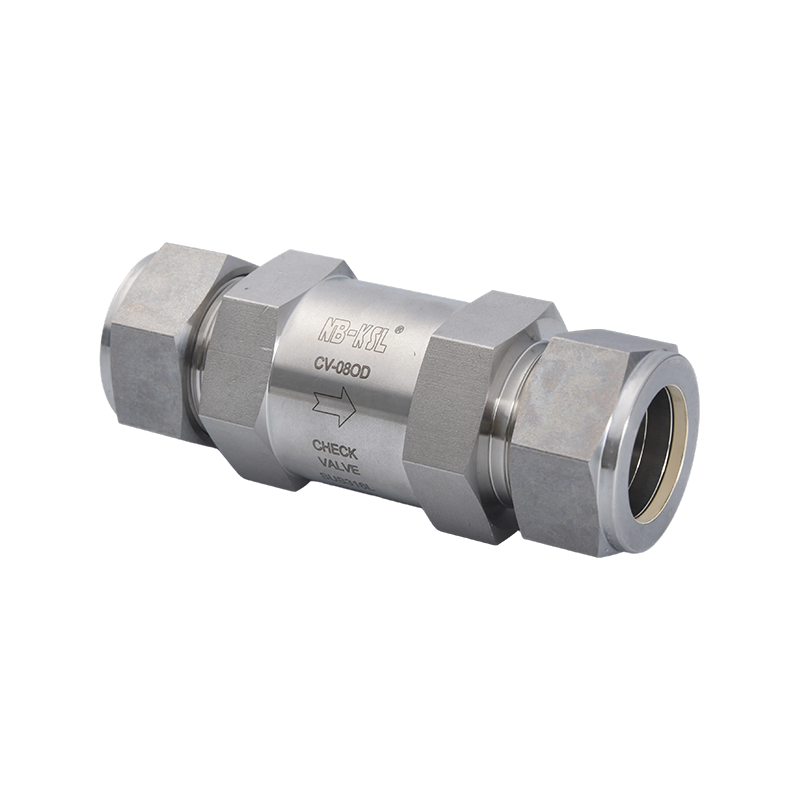
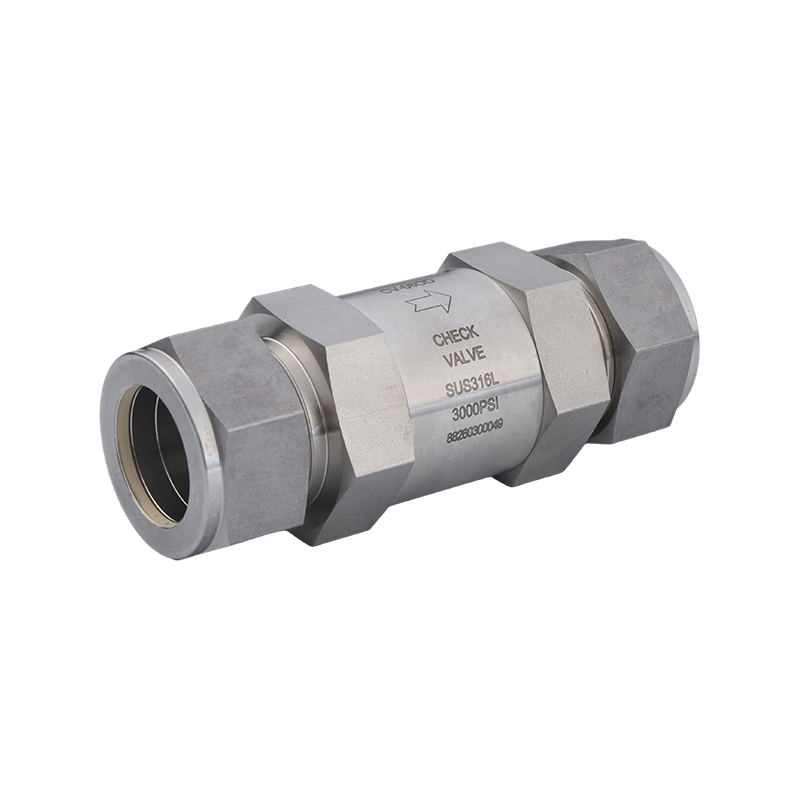
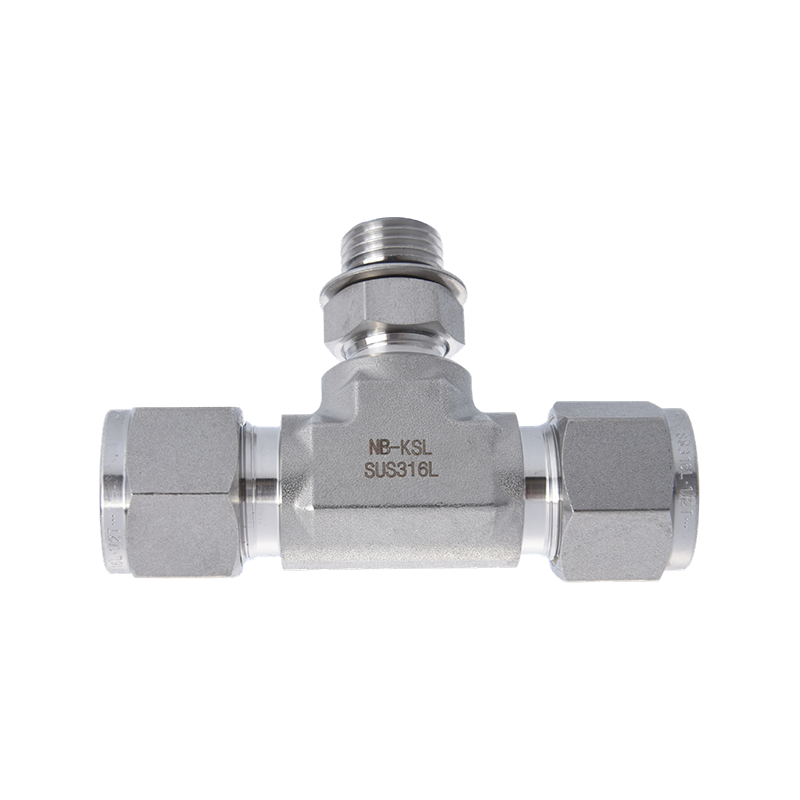
For a direct line of defense, consider a robust stainless steel check valve designed for high‑purity gas service. At NB‑KSL, our 316L stainless steel check valves are CNC‑machined, heat‑treated, and fully tested to ensure reliable sealing under pressure. They can be integrated into tube‑to‑male pipe or tube‑to‑female pipe configurations, allowing easy installation in existing systems. When a deflagration causes a pressure reversal, the check valve instantly closes, blocking the flame path and protecting upstream equipment such as compressors, manifolds, and cylinders.
 316L Stainless Steel External Thread Check Valve for High-Purity GasThis check valve instantly blocks reverse flow and flame paths during a deflagration. Its CNC-machined, heat-treated 316L construction ensures reliable sealing, protecting upstream compressors, manifolds, and cylinders.View Product →
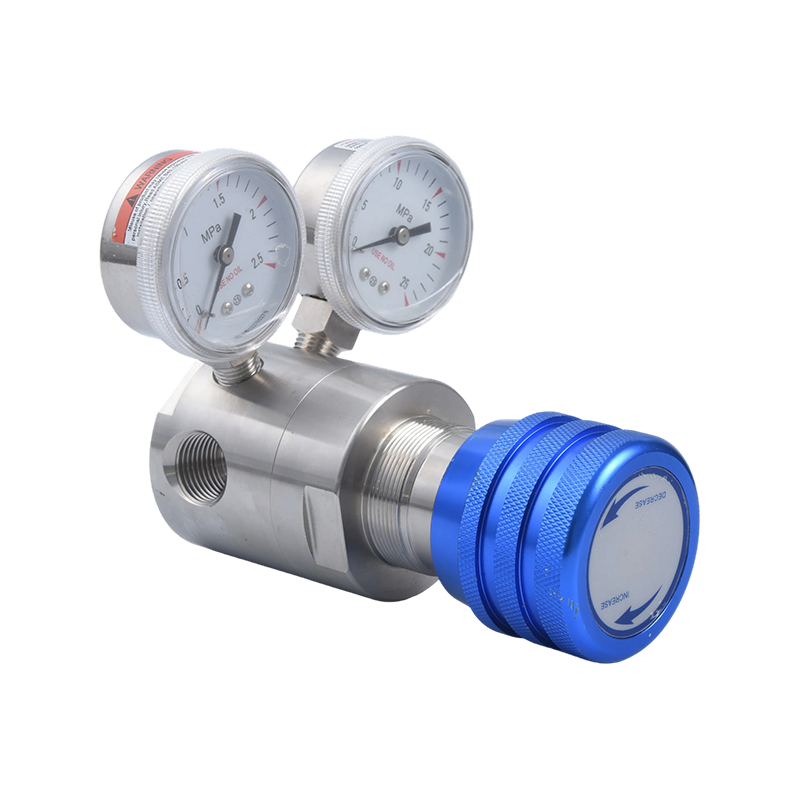
Another key component is the pressure regulator. A deflagration can generate a pressure spike many times the normal working pressure. A regulator that cannot respond quickly may fail, releasing more gas and feeding the fire. High‑quality stainless steel regulators, like those in our R57 and SR series, are built with heavy‑duty diaphragms and precision seats that can handle rapid pressure changes. They are designed to maintain a stable downstream pressure even when upstream conditions fluctuate – a critical feature when a deflagration transient passes through. Our R57 series medium‑sized pressure regulator, for example, is used in hydrogen gas cylinder collection devices and similar high‑pressure applications where deflagration risk is elevated.
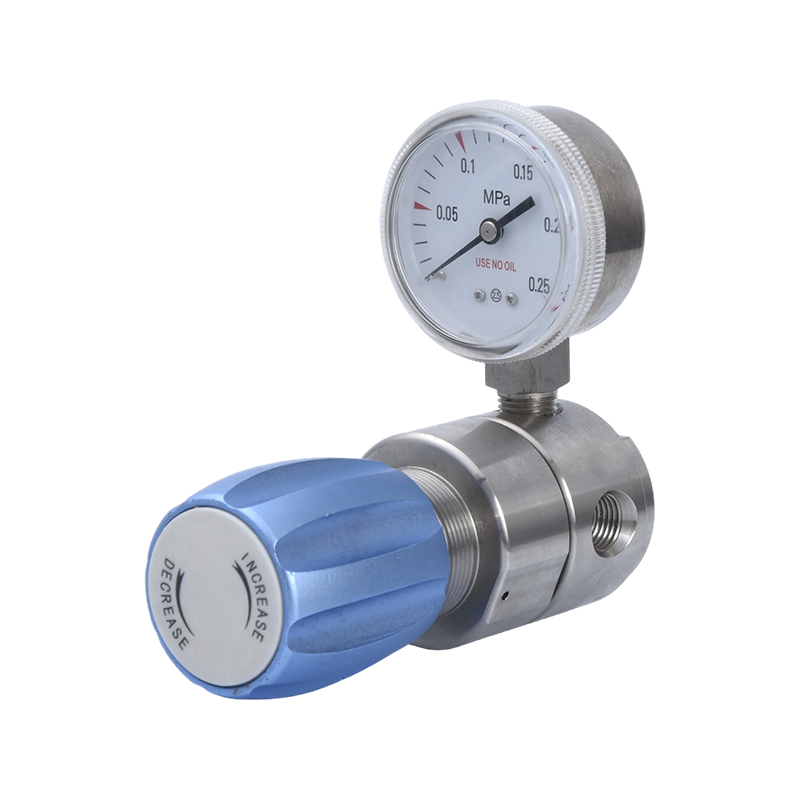 R57 Series Medium-Sized Single-Stage Pressure RegulatorBuilt with a heavy-duty diaphragm and precision seat, this regulator maintains stable downstream pressure despite upstream spikes. It is ideal for hydrogen cylinder devices and other high-pressure applications with deflagration risk.View Product →
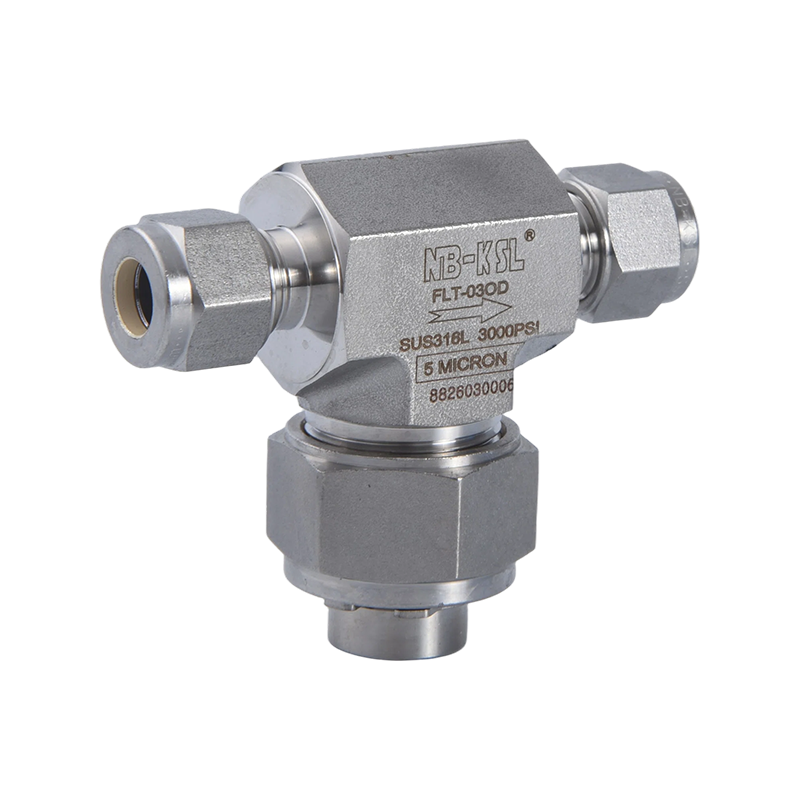
Finally, gas filters play an often‑overlooked role in deflagration prevention. Contaminants in the gas stream – such as particles, moisture, or oil – can act as ignition sources or alter the combustion characteristics. A stainless steel gas filter removes these impurities, reducing the likelihood of an ignition. Moreover, the filter element itself can serve as a flame arrestor, depending on its design. Our 316L stainless steel straight‑through gas filters are available with sintered elements that can quench a deflagration flame under certain conditions. Installing a filter immediately upstream of sensitive equipment (e.g., analyzers, control valves) is a simple yet effective layer of protection.
 316L Stainless Steel Straight-Through Gas Filter with Sintered ElementThis filter removes particles, moisture, and oil that can ignite deflagrations. Its sintered 316L element can quench flames under certain conditions, making it a simple yet effective protection layer for sensitive equipment.View Product →
Selecting individual components is only part of the solution. A comprehensive approach requires understanding how the entire piping system behaves under deflagration conditions. Factors such as pipe length, diameter, bends, and valves all affect flame acceleration and pressure buildup. Using high‑quality stainless steel fittings and tubing that meet recognized standards (ANSI/ASME, GB, BS) ensures that the mechanical strength of the system can withstand the pressure rise. Additionally, incorporating pressure relief devices (such as rupture discs or relief valves) at strategic points can vent the overpressure before it reaches unsafe levels.
It is also wise to consult detailed technical resources on deflagration safety. For example, understanding how different valve types behave under transient conditions can guide your selection of needle valves for instrumentation and control. Similarly, the durability of stainless steel regulators compared to alternatives is well documented – our all‑316L construction provides corrosion resistance and thermal stability that are essential in harsh environments where deflagration risk is present.
Deflagration is a real and present danger in any facility that handles flammable gases. The best defense is a combination of proper system design, strict maintenance, and the use of high‑quality components that are engineered to withstand the pressures and temperature excursions that accompany a deflagration event. At NB‑KSL, we are committed to producing stainless steel tube fittings, valves, filters, and regulators that meet the “Precision Beyond Standards” motto. Our CNC‑machined, heat‑treated, and fully tested products give engineers the confidence that their gas systems are as safe as they can be.
If you are designing a new gas system or upgrading an existing one, take the time to evaluate each component’s ability to handle dynamic events. A single weak link – a check valve that sticks, a regulator that drifts, or a filter that clogs – can turn a manageable deflagration into a catastrophic event. By choosing reliable stainless steel equipment from an experienced manufacturer, you are investing in both performance and safety.
Stainless Steel Pressure Regulators Deliver Superior Safety and Precision in Gas Control Stainless steel pressure regulators are the industry standard for controlling gas flow safely and accurately across critical applications, from semico...
If you only remember one thing from this guide, remember this: for most hydrogen systems operating between 350 and 700 bar, 316/316L stainless steel fittings with metal-to-metal or PTFE-based seals are the safest and most cost-effective cho...
What Stainless Steel Needle Valves Are and How They Work A needle valve controls flow through a small-bore orifice by advancing or retracting a tapered needle-shaped stem into and out of a precision-machined seat. As the handwheel or actua...
Quick Answer: What Stainless Steel Tube Fittings Are and How They Function Stainless steel tube fittings are precision-machined connectors used to join, branch, or terminate sections of tubing in fluid and gas systems, creating a leak-tigh...
 1 Zhongxin Yungu Zone D Building 1, Jiangkou Street, Fenghua District, Ningbo City, Zhejiang Province, China
 +86-574-88561893 / +86-15057497901
 Copyright © Ningbo Keshengli Stainless Steel Valve Co., Ltd. Rights Reserved.
Wholesale Stainless Steel Fittings & Valves Manufacturers



 English
 中文简体