

 English
 中文简体
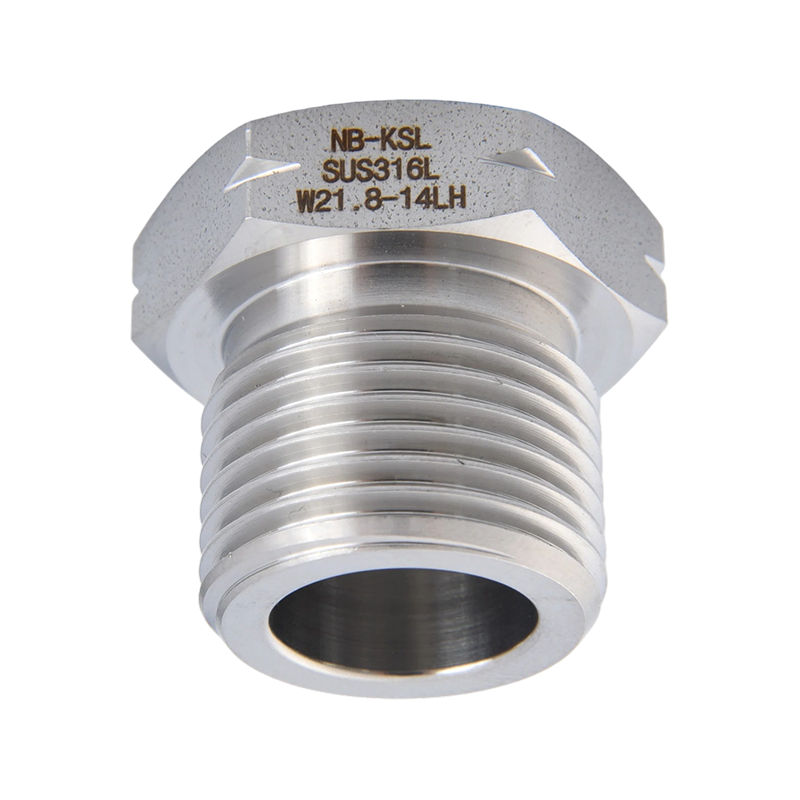


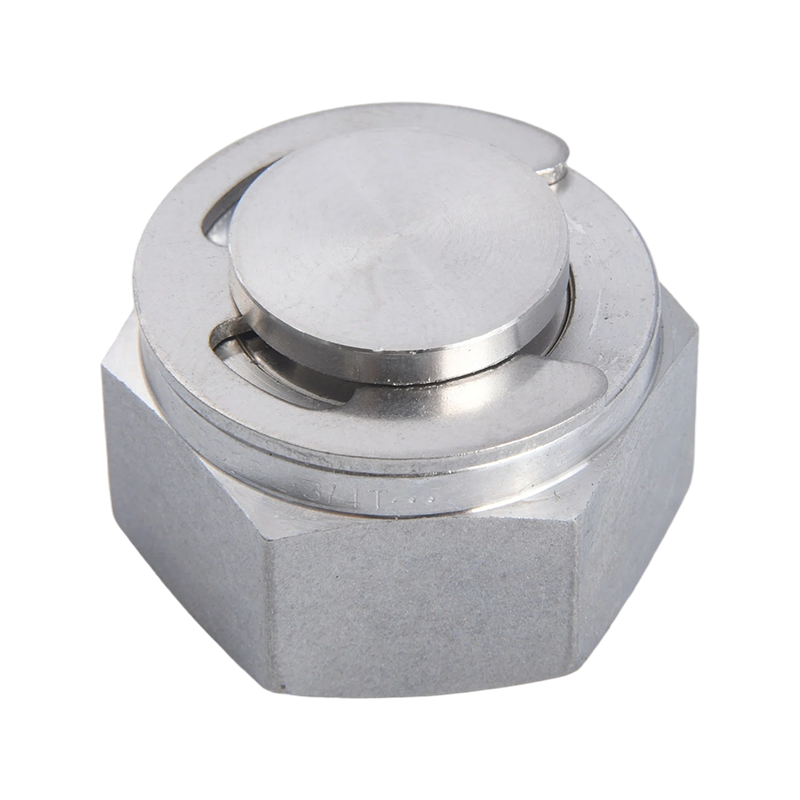
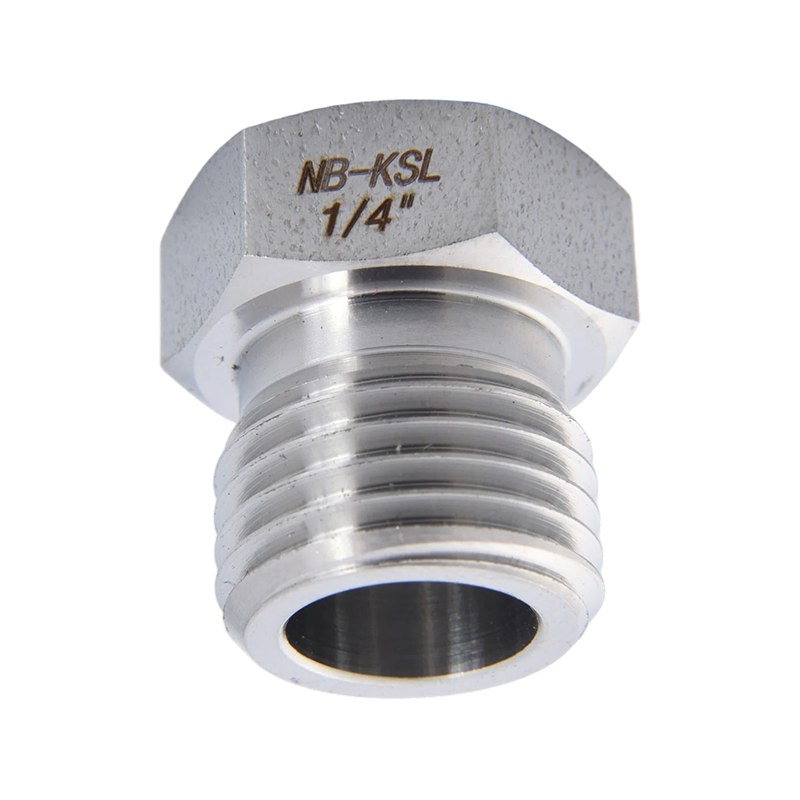
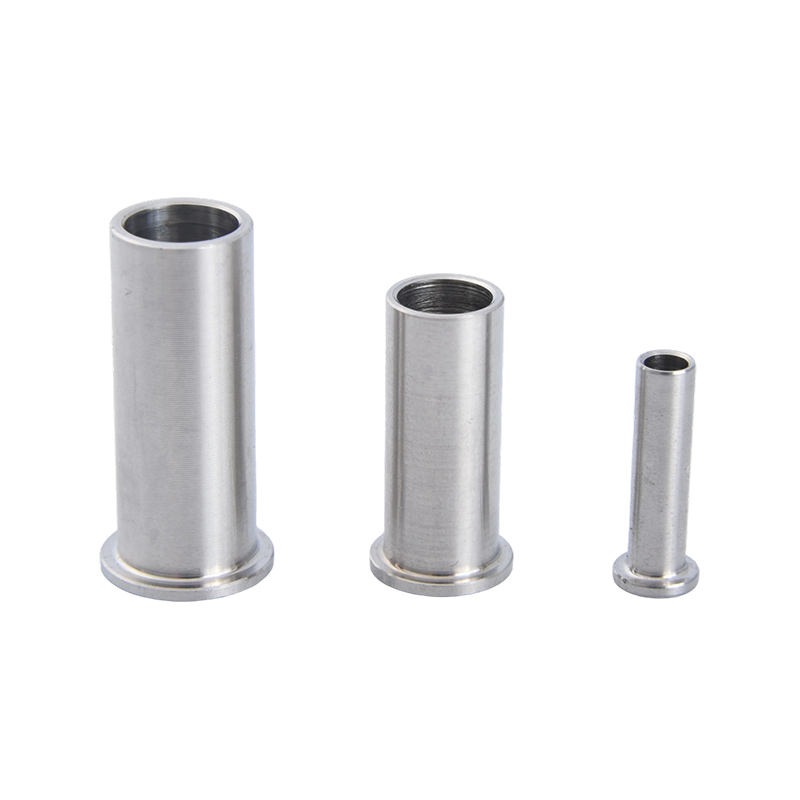
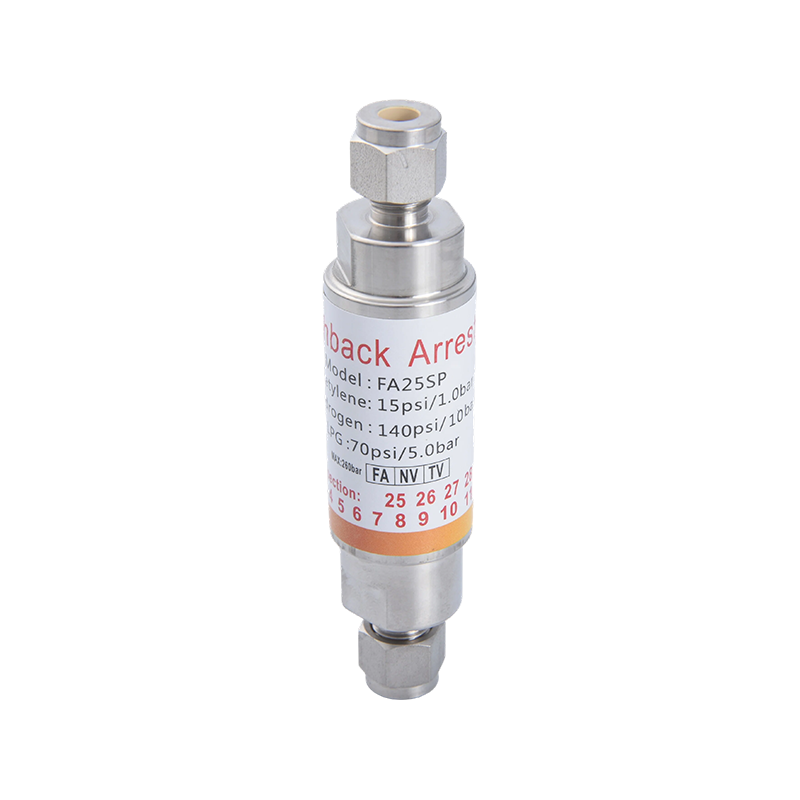
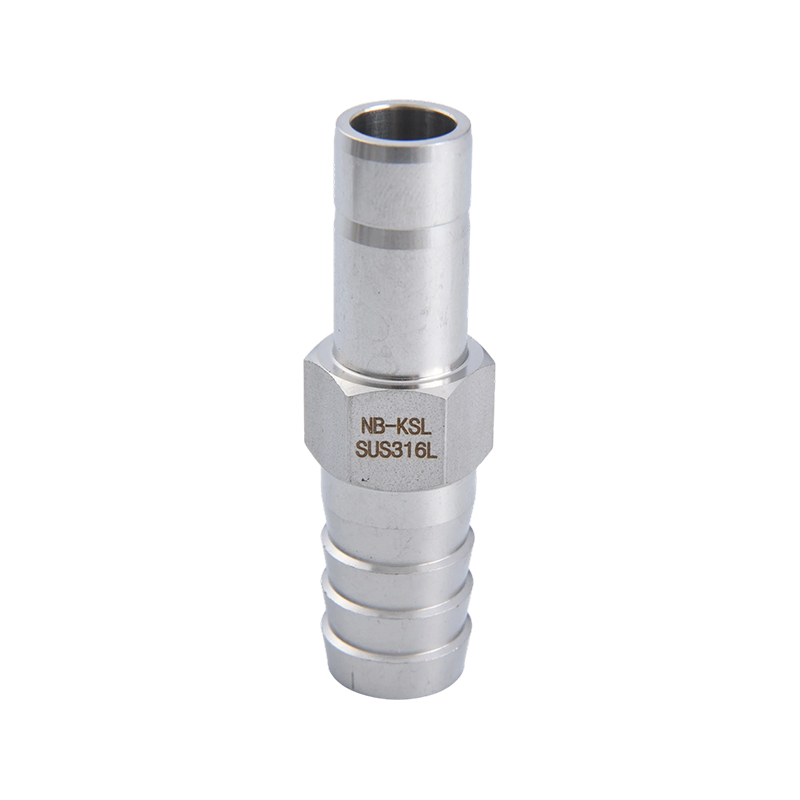
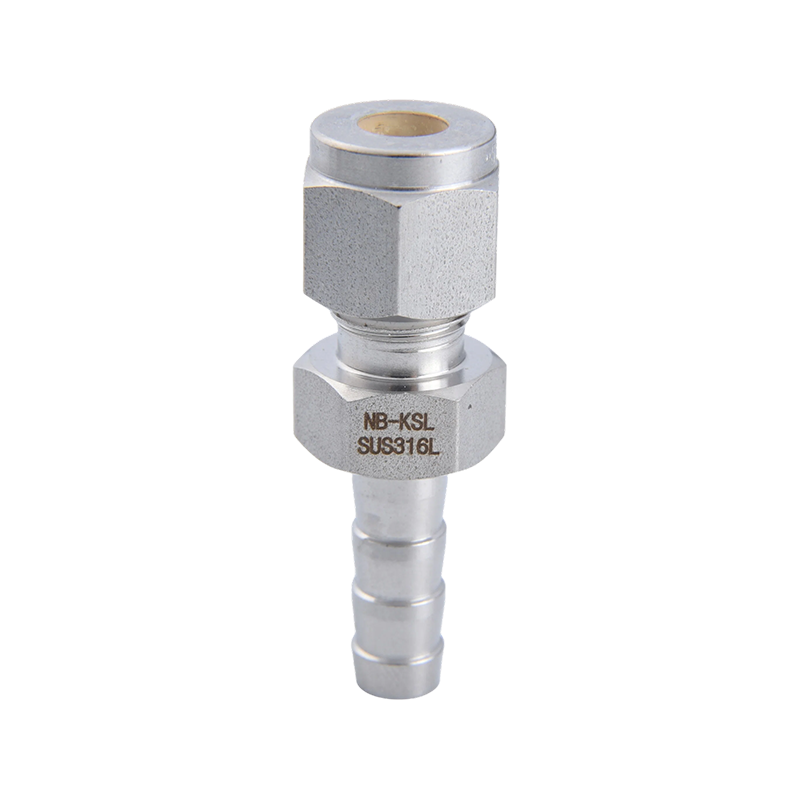
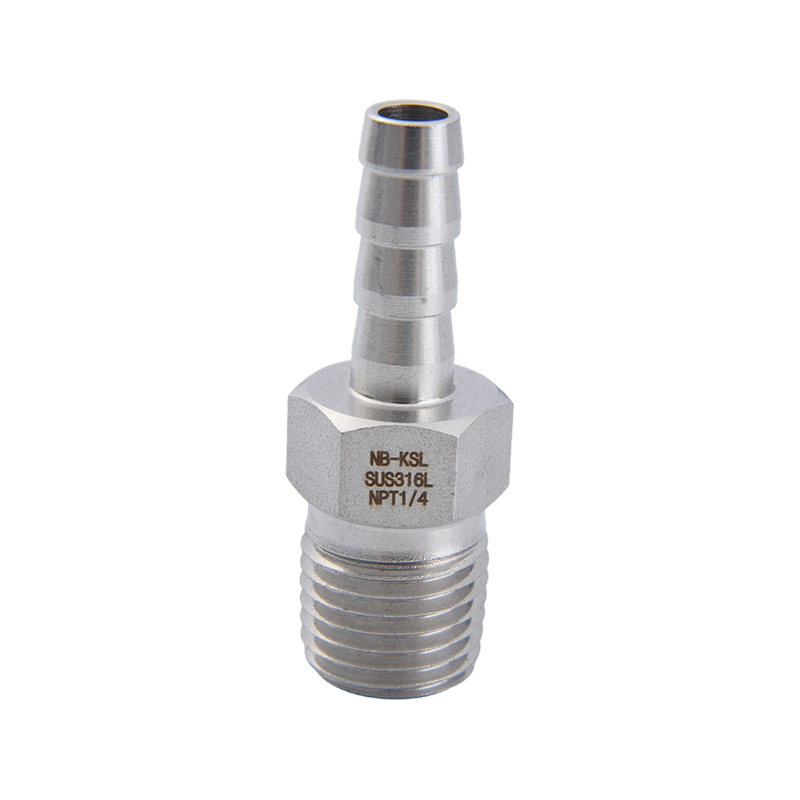
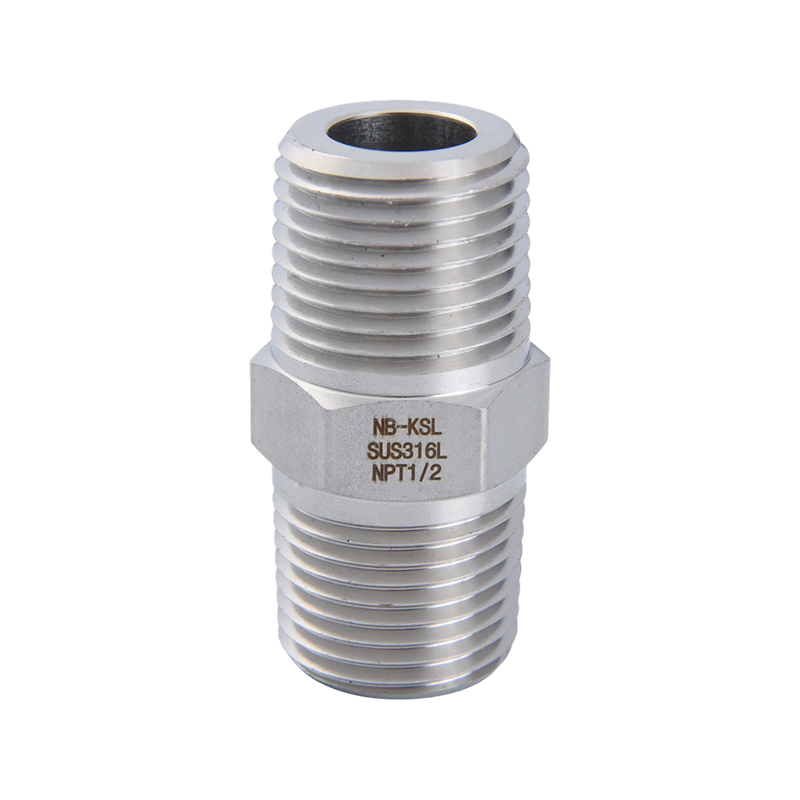
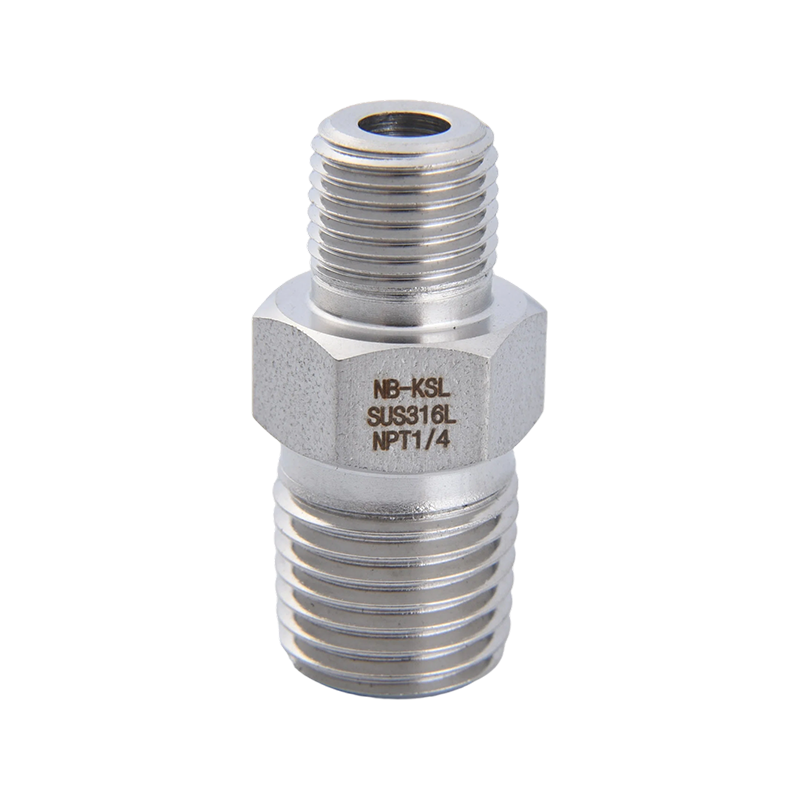
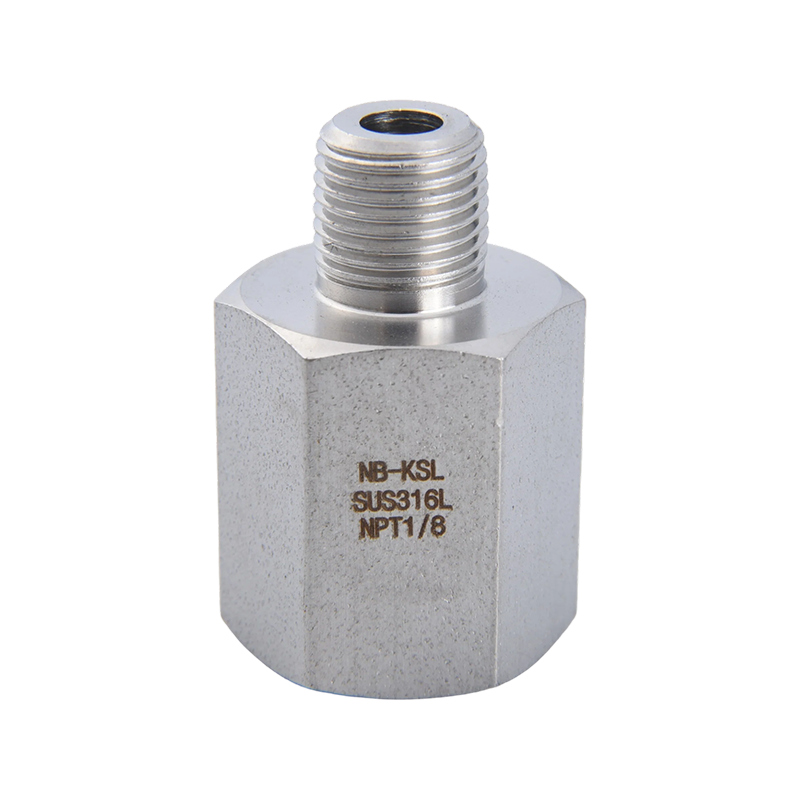
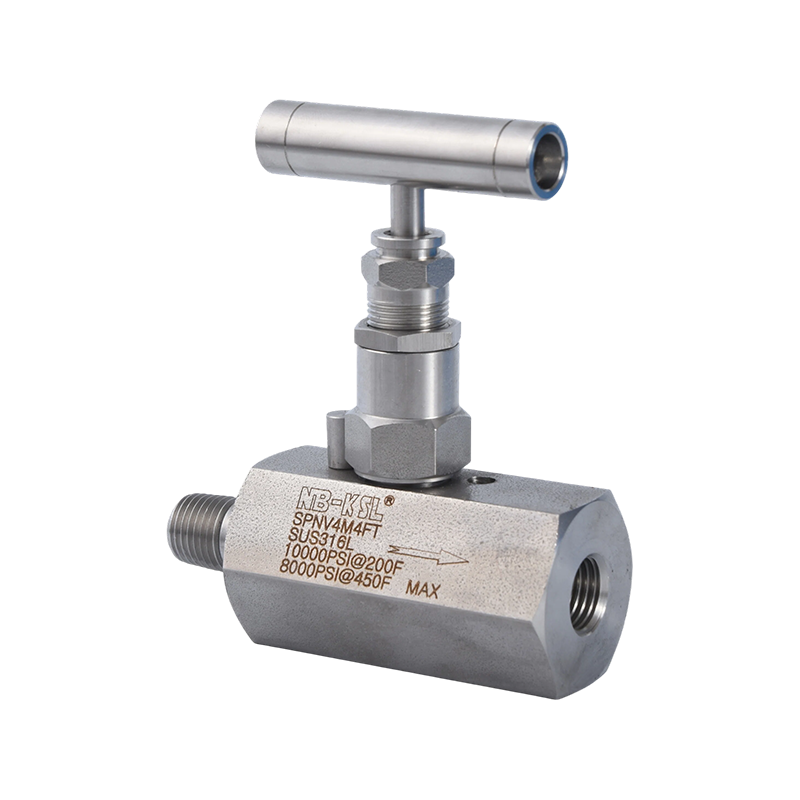
Passivation Process Parameters and Surface Results
| Item | Typical Specification |
|---|---|
| Materials treated | 304, 304L, 316, 316L, CF8, CF8M, CF3M, 2205 duplex, 2507 super duplex |
| Pre-cleaning | Alkaline degreasing and rinse to remove oil, cutting fluid and polishing compound |
| Nitric acid passivation | Approx. 20 to 25% by volume, 50 to 60 °C, 20 to 30 minutes (ASTM A967 nitric methods) |
| Citric acid passivation | Approx. 4 to 10% by weight, 50 to 70 °C, 20 to 30 minutes (ASTM A967 citric methods) |
| Post-treatment | Deionised water rinse and drying, no residual acid |
| Surface check | Water immersion, high humidity or copper sulfate test, as agreed |
| Pickling for weld zones | Acid paste or bath to remove heat tint on welded parts |
| Optional finishing | Electropolishing, Ra 0.4 to 0.8 µm |
| Appearance | Uniform, clean, matte to bright surface with no rust spots or staining |
Nitric or citric? Nitric acid is the traditional method and works across many grades. Citric acid is milder, safer to handle and easier to dispose of, and is popular in food and pharmaceutical plants. For some free-machining or high-sulphur grades, nitric methods with sodium dichromate are not appropriate, and we select a suitable method after reviewing your material.
Values above are typical process windows. The actual procedure depends on the grade and on your specification, and we document the method used on each batch record.
Passivation vs pickling vs electropolishing: pickling removes heat tint and scale, passivation removes free iron and restores the passive film, and electropolishing removes a thin layer of metal to leave a very smooth, clean surface. Each step serves a different purpose, and they can be combined for the most demanding duties.
Passivated Valve Range and Matching Components
Surface treatment is most useful when it is applied to every wetted part, including fittings and small components. A single unpassivated bolt, union or fitting can introduce rust into a clean system. We therefore passivate valves and matching components in the same batch and under the same procedure.
| Product | Typical Surface Requirement | Typical Industry |
|---|---|---|
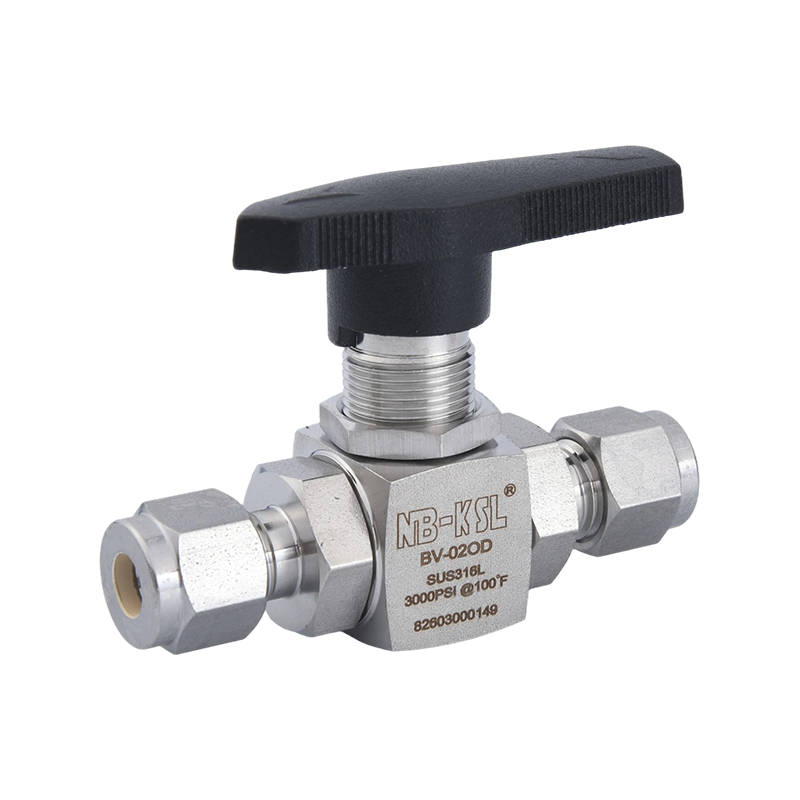
| Ball valves, 2-piece and 3-piece | Passivated, polished on request | Food, water, chemical |
| Sanitary tri-clamp valves | Passivated and electropolished | Pharmaceutical, beverage |
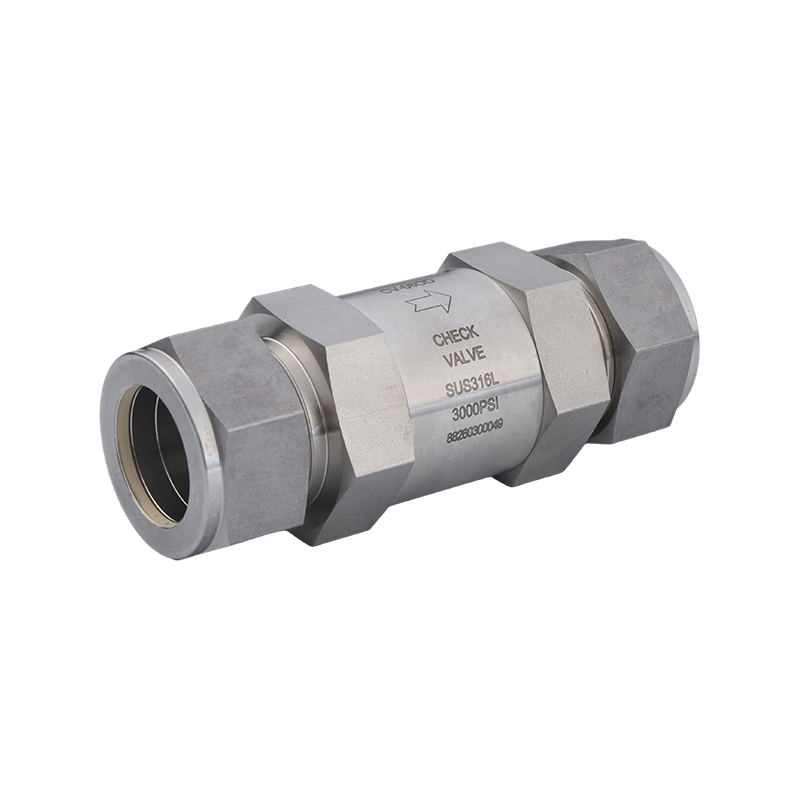
| Check valves | Passivated | Water treatment, process lines |
| Butterfly valves | Passivated body and disc | Cooling water, HVAC |
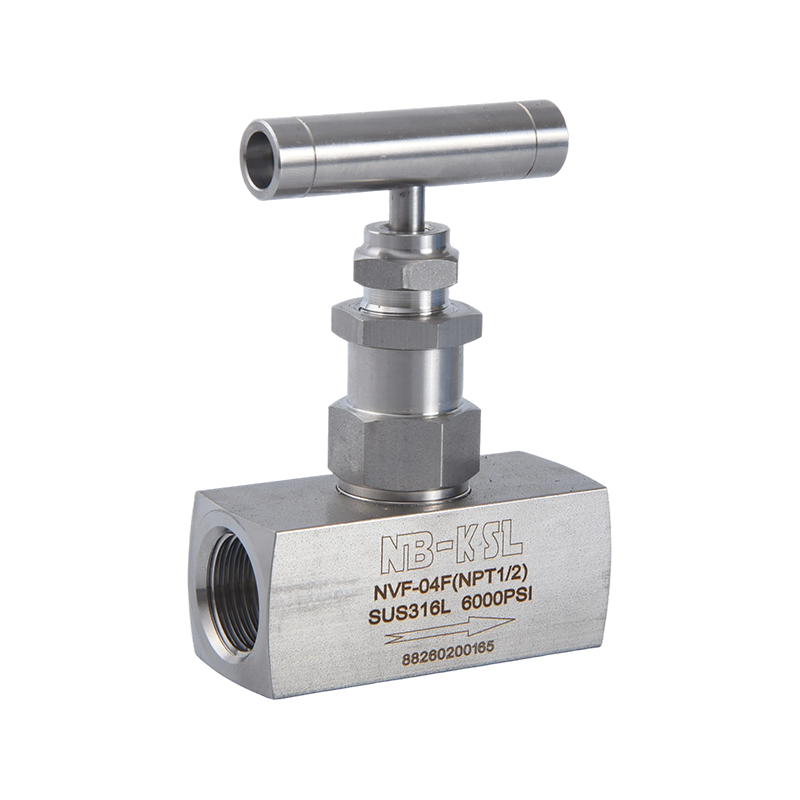
| Needle and instrument valves | Passivated, cleaned for instrument use | Analytical and sampling lines |
| Strainers and sight glasses | Passivated | Food and process lines |
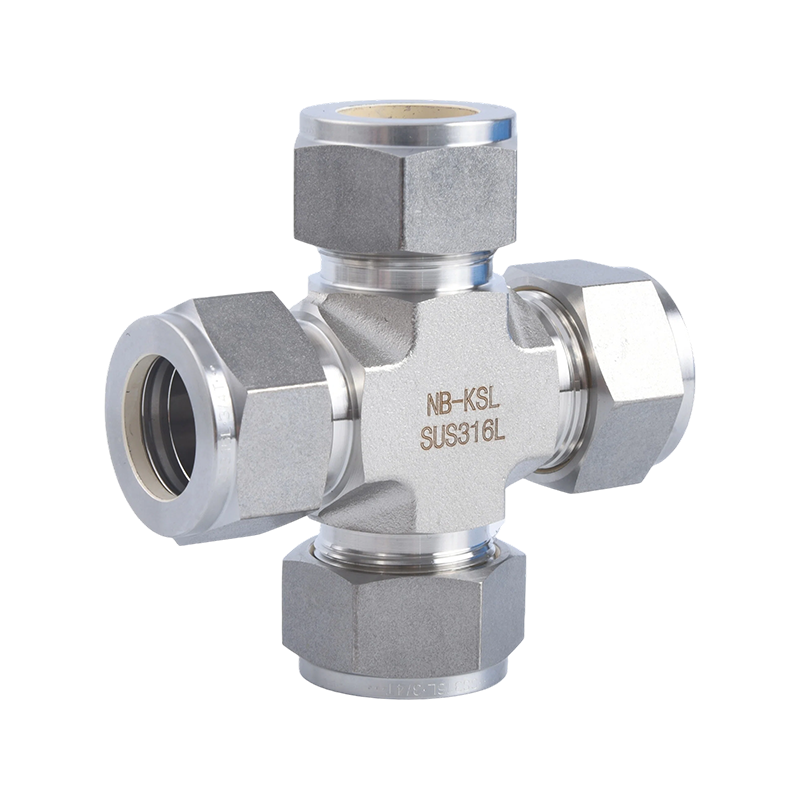
| Fittings and unions | Passivated | All industries |
| Welded assemblies and spools | Pickled and passivated after welding | Skid and tank manufacturing |
Why buyers ask for passivation
- Prevent flash rust: new valves arrive clean and free of rust marks.
- Meet audit requirements: many food and pharma specifications call for passivation records.
- Extend service life: a healthy passive layer resists pitting for longer.
- Protect your reputation: rust stains on installed equipment lead to complaints, even when the valve still works.
We can also treat customer-supplied parts when they are made from compatible stainless grades.
Single-batch advantage: when valves, fittings, clamps and strainers are passivated together, colour and surface appearance match, and documents refer to one treatment lot. This simplifies your incoming inspection and avoids questions about why some parts look different from others on the same skid.
Passivation Standards and Acceptance Criteria
Passivation is governed by well-known practice standards. They explain how to prepare the surface, which acid method to use, how to rinse and how to confirm the result. Referencing a standard in your purchase order is the simplest way to avoid disagreements about what "passivated" means.
| Area | Standard Reference |
|---|---|
| Passivation of stainless steel parts | ASTM A967 (nitric and citric methods) |
| Cleaning and descaling practice | ASTM A380 |
| Electropolishing | ASTM B912 for passivation by electropolishing |
| Pharmaceutical and hygienic reference | ASME BPE surface finish and passivation guidance |
| Stainless steel material | ASTM A351, ASTM A182, ASTM A276 |
| Surface roughness | ISO 4287, ISO 4288 |
| Free iron detection | Copper sulfate test, ferroxyl test, water immersion and high humidity tests under A967 practice |
| Valve testing | API 598, EN 12266-1, ISO 5208 |
Define the test in the order. ASTM A967 allows several acceptance tests, and each has a different sensitivity. If your specification requires a particular test, such as a high humidity test, tell us in advance, so we run the method you expect and record the result on the certificate.
When no standard is stated, we follow A967 practice with a standard nitric or citric method, and we mention the method on the documents, so there is no doubt about what was done.
Method selection: some sectors, such as aerospace and medical, specify an exact A967 method and bath condition. Please state the method letter and the acceptance test in your inquiry. If you are not sure, tell us the industry and we will propose a method commonly accepted by auditors in that field.
Passivation Certificates and Quality Records
Many buyers need to prove that passivation was done, not just claim it. A passivation certificate should identify the lot, the method, the acid, the temperature, the time and the test result. Ours includes these items so your quality department can file it directly.
- Passivation certificate: lot number, material grade, method (nitric or citric), treatment time and temperature, and test result.
- Process control record: acid concentration checks, bath temperature and rinse water quality.
- Material certificate: EN 10204 3.1 for stainless steel parts, linked to heat numbers.
- Surface test record: water immersion or humidity test result, with photos on request.
- Roughness report: for polished or electropolished valves, listing measured Ra values.
- Pressure test report: shell and seat test per batch.
- Quality management: ISO 9001 style system, with documented treatment procedures.
- Environmental compliance: treatment wastewater handled through a qualified facility, with records on request.
Important point: passivation cannot correct the wrong alloy. It removes surface contamination, but a 304 valve passivated is still a 304 valve. That is why the certificate package also includes material traceability, so your buyer can verify both the grade and the treatment.
We can send sample certificates before order confirmation for your approval.
Audit tip: keep the passivation certificate together with the material certificate for each lot. Auditors in food and pharmaceutical plants often ask for both at the same time, and having a matched pair ready shows control of your supply chain and shortens audit discussions considerably. We can also number each certificate to match your purchase order lines.
Traceability of the Surface Treatment Process
Surface treatment is a process, and processes can drift. Acid strength decreases as parts are treated, rinse water becomes contaminated, and temperature falls without anyone noticing. Traceability lets us show that each batch was treated under controlled conditions, and not simply passed through a tank.
- Batch identification: each treatment lot receives a number linked to the heat numbers of the parts.
- Pre-treatment check: parts are inspected for oil, scale, weld colour and embedded iron before treatment.
- Bath control: acid concentration, temperature and time are measured and recorded for each batch.
- Rinse control: rinse water conductivity or pH is checked so residual acid is removed.
- Post-treatment test: sample parts are tested for free iron and the result is recorded.
- Packing: treated parts are dried and packed promptly in clean bags to avoid recontamination.
| Control Point | What Is Recorded | Why It Matters |
|---|---|---|
| Incoming parts | Heat number and surface condition | Links treatment to material |
| Acid bath | Concentration, temperature, time | Ensures effective passivation |
| Rinsing | Water quality and number of rinses | Prevents acid residue and staining |
| Testing | Method and result | Proof of free iron removal |
| Packing | Date and operator | Shows controlled handling |
If a customer reports rust spots, these records let us check whether the cause was the process, the storage, or later contamination during transport or installation.
Process ownership: our treatment line is operated by trained staff, with a written procedure and regular bath analysis. When a specification requires, we can invite your inspector to review the process, take photos and witness a test lot before the full order is released into treatment. Photos of the process line can also be sent on request.
Testing Capability to Verify Passivation
A treated surface can look perfect and still carry hidden iron particles. Verification tests are therefore used to confirm that the process worked. We can run simple production tests in-house and arrange more advanced laboratory tests when specifications call for them.
| Test | How It Works | Typical Use |
|---|---|---|
| Water immersion test | Parts immersed in clean water for 24 hours, then checked for rust | Production batch check |
| High humidity test | Parts kept at high humidity and temperature for 24 hours | Strict specification requirement |
| Copper sulfate test | Solution applied to surface; copper plating indicates free iron | Quick check on small parts |
| Ferroxyl test | Blue spots indicate free iron on the surface | Detailed inspection |
| Salt spray test | Neutral salt spray per ISO 9227 or ASTM B117 | Comparison and customer request |
| Roughness measurement | Portable profilometer on wetted surfaces | Polished and electropolished valves |
| Visual inspection | Examination under good light for stains, burn marks and residues | 100% of valves |
| PMI | XRF analysis of material | Confirm grade before treatment |
Sampling and reporting: tests are normally carried out on sample pieces from each lot, and results are recorded on the lot certificate. For high-value or critical orders, 100% visual inspection and individual marking of tested parts can be agreed.
Test limitations: some tests, such as the copper sulfate test, can leave marks on the surface, and should be used only on parts that will be cleaned afterwards. We select the least damaging test that meets your acceptance requirement.
Environmental care: used acid and rinse water are collected and handled according to local environmental rules. Citric acid options reduce the burden, since the solution is easier to neutralise. If your customer asks for environmental compliance evidence, we can provide waste handling records on request.
Frequently Asked Questions about Passivated Stainless Valves
Q: What does passivation actually do?
It removes free iron and other contaminants from the surface and promotes the formation of a uniform chromium oxide film, which is the layer that protects stainless steel from corrosion.
Q: Is passivation the same as pickling?
No. Pickling removes scale and heat tint, usually after welding, and removes some metal from the surface. Passivation is a gentler treatment that cleans and restores the surface film.
Q: Is passivation the same as electropolishing?
No. Electropolishing removes a thin layer of metal and leaves a very smooth surface, while also improving the chromium to iron ratio. It is a higher-grade treatment used for pharmaceutical and ultra-clean work.
Q: Does passivation change the dimensions of the valve?
The change is negligible. Passivation does not remove significant material, so threads, sealing faces and tolerances remain unaffected.
Q: Can a valve be passivated twice?
Yes. If a valve is re-machined, welded or contaminated, it can be treated again. Repeated treatment does not harm properly made stainless steel.
Q: How can I check that valves are passivated?
Ask for the passivation certificate and the test result. You can also perform a simple water immersion test on a sample valve, and any rust spots will show up after a day.
Q: Is citric acid passivation as good as nitric?
For most 300-series grades, yes, when done under controlled conditions. Citric acid is also safer to handle and environmentally friendlier, and it is widely accepted under ASTM A967.
MOQ and Pricing for Passivated Valves
Passivation is included in our standard production cost for stainless valves, so you do not pay a separate fee for the basic treatment. Optional steps such as electropolishing or extra testing are priced separately and clearly.
| Item | Typical Terms |
|---|---|
| Standard passivation | Included in standard price for stainless steel valves |
| Sample order | 1 to 5 pieces per model |
| Standard MOQ | 50 to 100 pieces per size |
| Customer-supplied parts | Treatment service quoted by weight or piece; minimum batch fee may apply |
| Pricing basis | EXW, FOB Ningbo, CFR or CIF in USD |
| Payment | 30% T/T deposit, 70% before shipment; L/C at sight for approved accounts |
Cost factors for optional treatments
- Electropolishing: an extra cost that rises with part size and surface area.
- Special acceptance tests: humidity test, ferroxyl test and laboratory salt spray are charged per lot.
- Individual certificates: per-valve certificates cost more than batch certificates.
- Special packing: clean room or vacuum packing adds packaging cost.
Value for money: basic passivation costs little compared with the price of the valve, yet it greatly reduces the chance of rust complaints. We therefore recommend specifying it for all stainless orders, and electropolishing only for the lines where the cleanliness benefit is real.
Specification advice: write "passivated per ASTM A967" on your order, together with the required test. That short line prevents most misunderstandings, because suppliers know exactly which method and acceptance criterion to apply, and prices can be compared between suppliers on the same basis. Please add the test method and the number of samples if you need a fixed inspection plan.
Lead Time, Customisation, Clean Packaging and Trade Terms
Lead time and stock
Passivation is integrated into normal production, so it does not extend lead time for standard orders, which ship in 10 to 25 days. Electropolishing or special testing adds around 5 to 10 days. Customer-supplied parts are usually treated within one week of arrival, depending on volume.
Customisation
You can specify acid type, test method, surface roughness, marking, certificate format, individual valve numbering and clean packing. If your quality manual has a standard passivation instruction, send it to us and we will compare it with our procedure.
Packaging to protect the treated surface
- Drying immediately after rinsing, to avoid water spots
- Individual plastic bags with desiccant, sealed to prevent contamination
- Foam or carton dividers, with no contact with carbon steel or paper that contains chlorides
- End caps in plastic, and not in metal
- Labels showing batch number, treatment method and test result
Shipping and trade terms
| Term | Details |
|---|---|
| Incoterms | EXW, FOB Ningbo, CFR, CIF, DAP |
| Port | Ningbo-Zhoushan; Shanghai as an alternative |
| Transport | Sea freight, air freight for urgent items, express courier for samples |
| Documents | Invoice, packing list, bill of lading, origin certificate, material and passivation certificates |
During sea freight, moisture-proof wrapping is especially useful. If your site has a long storage time before installation, tell us and we will increase the protection level.
Storage advice: after arrival, keep passivated valves in their original bags until installation, and avoid contact with carbon steel tools, grinding dust and chloride-containing cleaners. Good storage keeps the surface in the same condition as when it left our factory, and prevents avoidable rust complaints. Please tell us your expected storage time.