


 English
 中文简体


Technical Parameters of High Pressure Valves
| ASME Class | Approx. Max Pressure at 38 °C (Stainless) | Typical Use |
|---|---|---|
| Class 600 | About 99 bar (1440 psi) | Process and steam lines |
| Class 900 | About 149 bar (2160 psi) | High-pressure process, steam, gas |
| Class 1500 | About 248 bar (3600 psi) | Injection, high-pressure gas and test lines |
| Class 2500 | About 413 bar (6000 psi) | Specialised high-pressure service |
| Small-bore instrument valves | 3000 to 10000 psi (about 207 to 690 bar) | Instrumentation, sampling, test benches |
Values above are approximate for austenitic stainless steel at ambient temperature, according to ASME B16.34 practice. The allowable pressure decreases as temperature rises, and the final rating depends on the exact material and design.
| Parameter | Typical Specification |
|---|---|
| Body material | Forged F316L, F304, F51 duplex, F53 super duplex; cast CF8M for lower ratings |
| Trim and stem | 316, 17-4PH or duplex, with polished or hard-faced surface |
| Seat | PEEK, PCTFE, RPTFE or metal seat, with seat support for high pressure |
| Stem design | Blow-out proof, anti-static, with double stem seals on request |
| Packing | Graphite or PTFE chevron, live-loaded option |
| Size range | 1/8 inch to 2 inch for small-bore; 2 inch to 12 inch for Class 900 to 2500 |
| End connection | NPT, BSP, socket weld, butt weld, flanged RF or RTJ, autoclave-type on request |
| Working temperature | -29 °C to +200 °C soft seat; up to 450 °C with metal seat |
| Testing | Shell 1.5 x rating; seat 1.1 x rating; gas test on request |
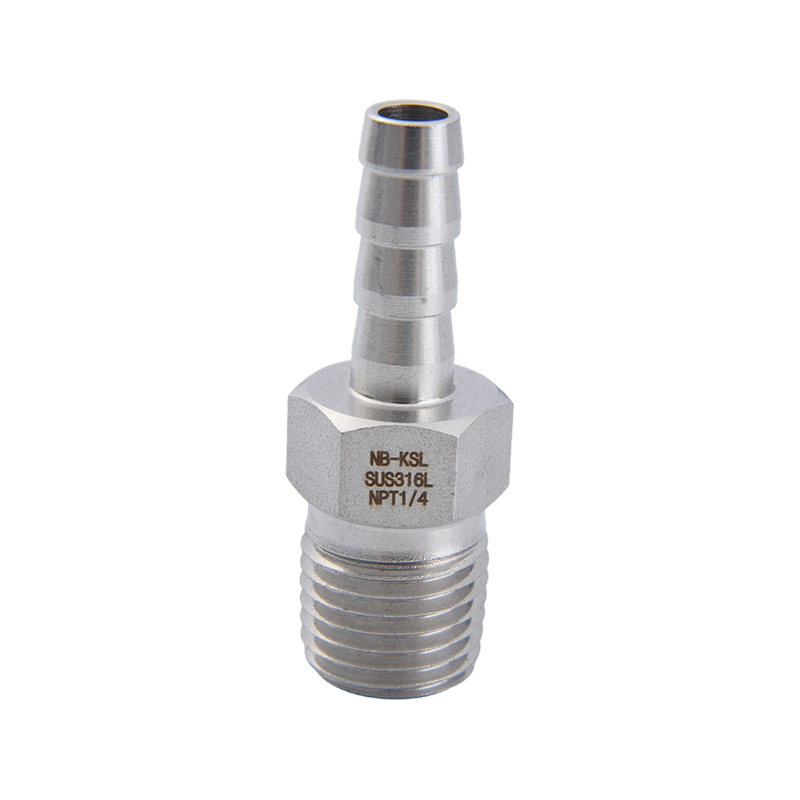
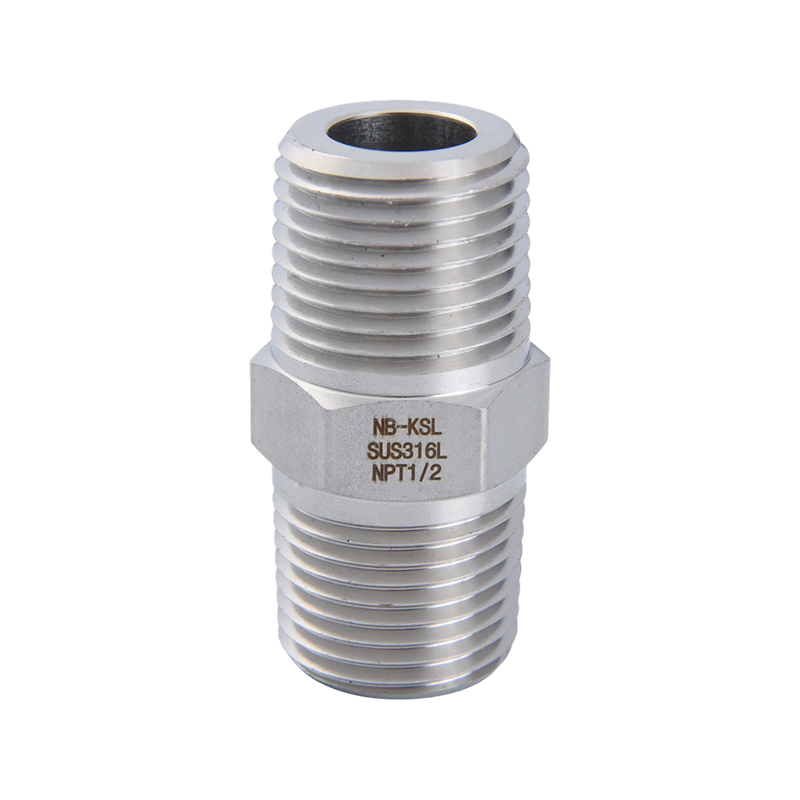
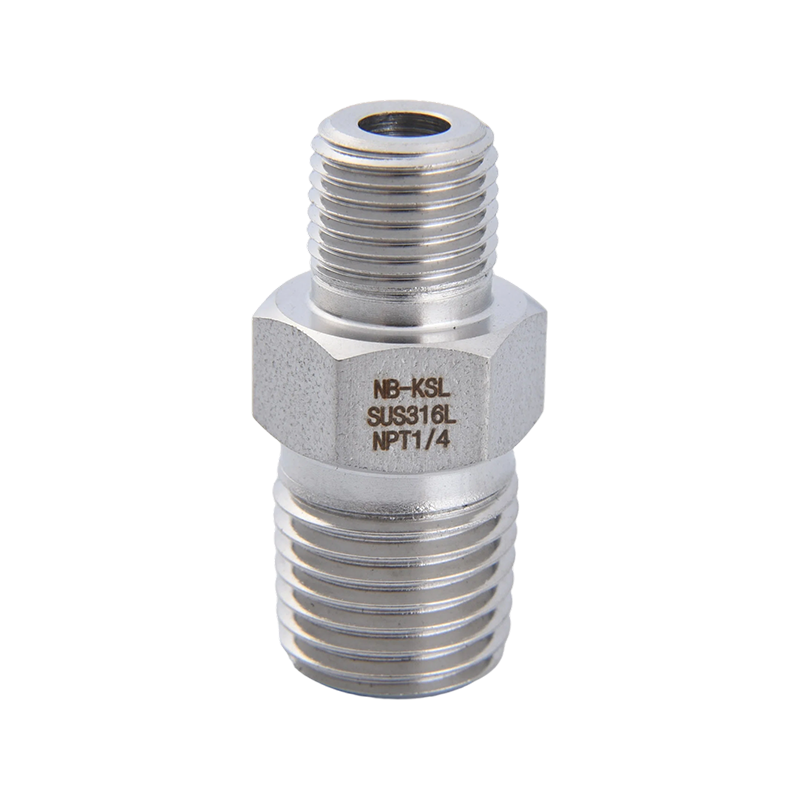
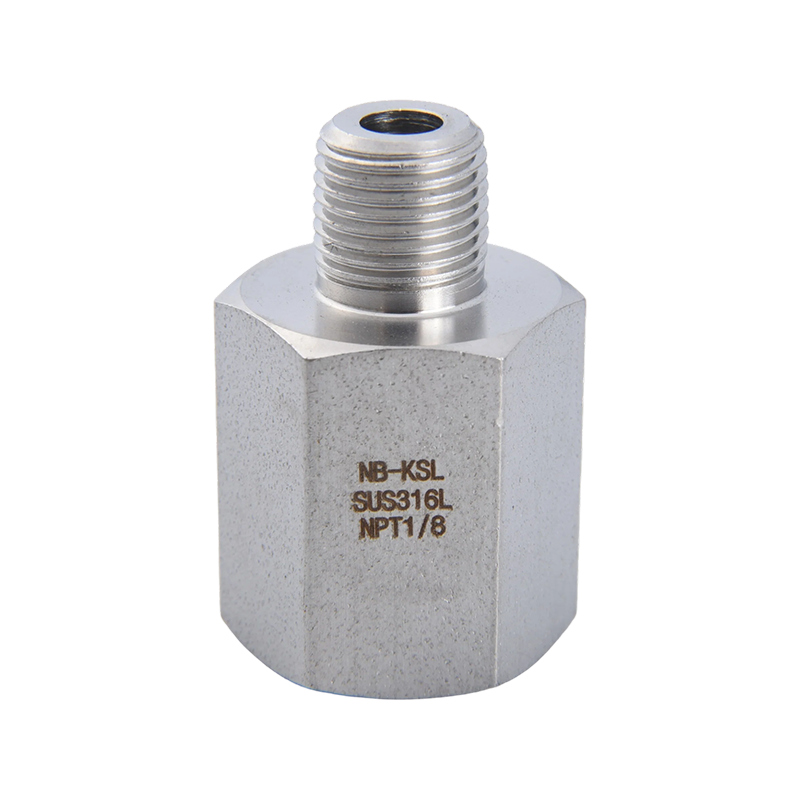
Threaded ends have limits. NPT and BSP threads can seal at high pressure in small sizes, but they are not suitable for all media and all pressures. For gas, vibration or cyclic service, we recommend socket weld, butt weld, or specially designed high-pressure connections.
High Pressure Valve Range and Matching Components
A high-pressure line is only as strong as its weakest component. A rated valve joined to an under-rated fitting is not a high-pressure system. We supply valves with matching fittings, flanges, tube adaptors and instrument accessories, all designed for the same pressure level.
| Product | Size Range | Rating |
|---|---|---|
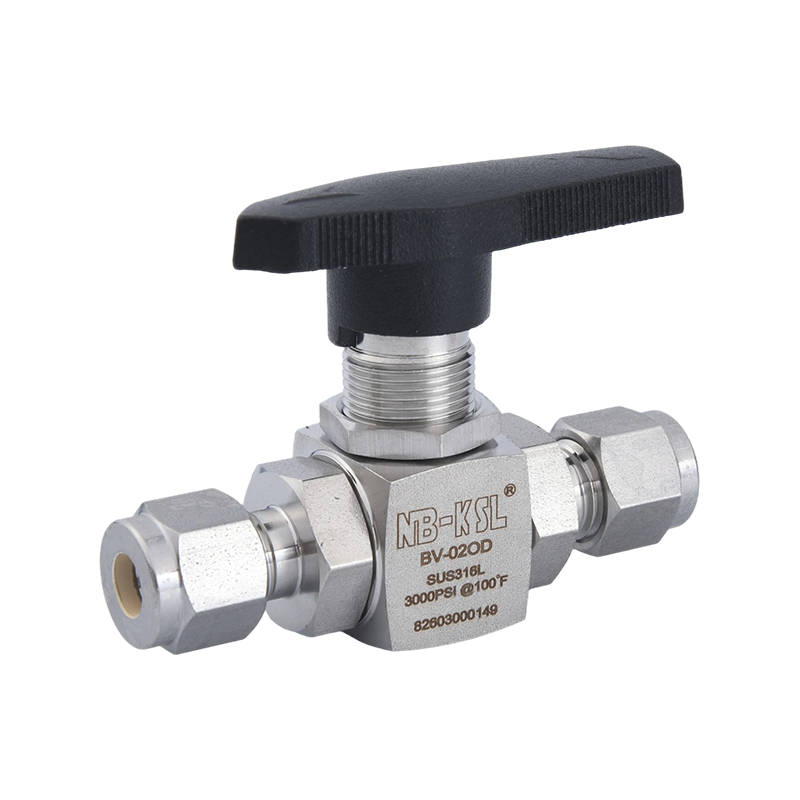
| High-pressure ball valve, 2-piece or 3-piece | 1/4 inch to 2 inch | 3000 to 6000 psi |
| Class 900 to 2500 flanged ball valve | 2 inch to 12 inch | Class 900, 1500, 2500 |
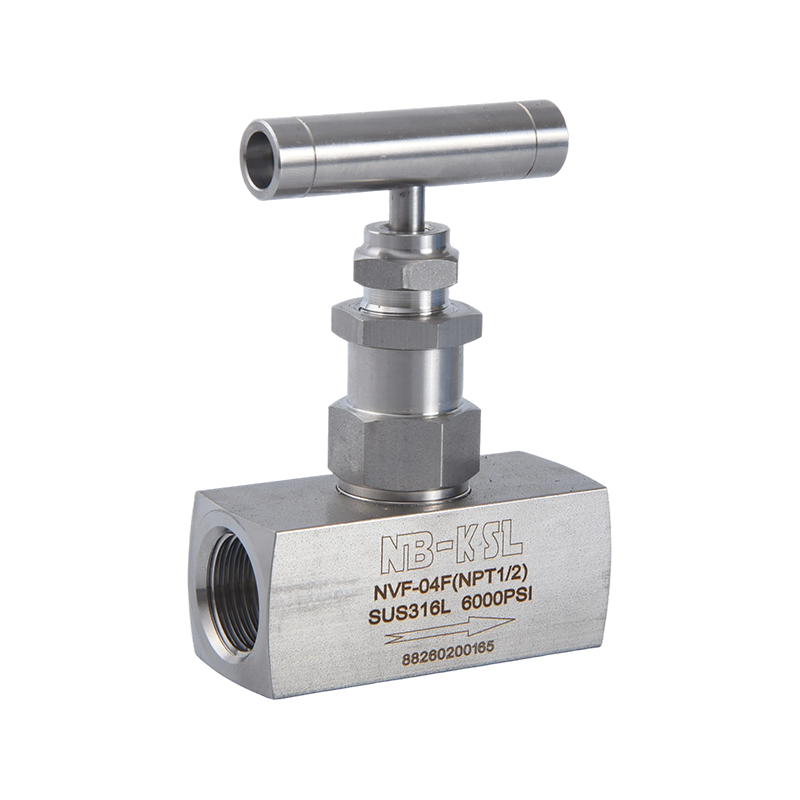
| High-pressure needle valve | 1/8 inch to 1 inch | 6000 to 10000 psi |
| Forged gate and globe valve | 1/2 inch to 2 inch | Class 800, 1500 |
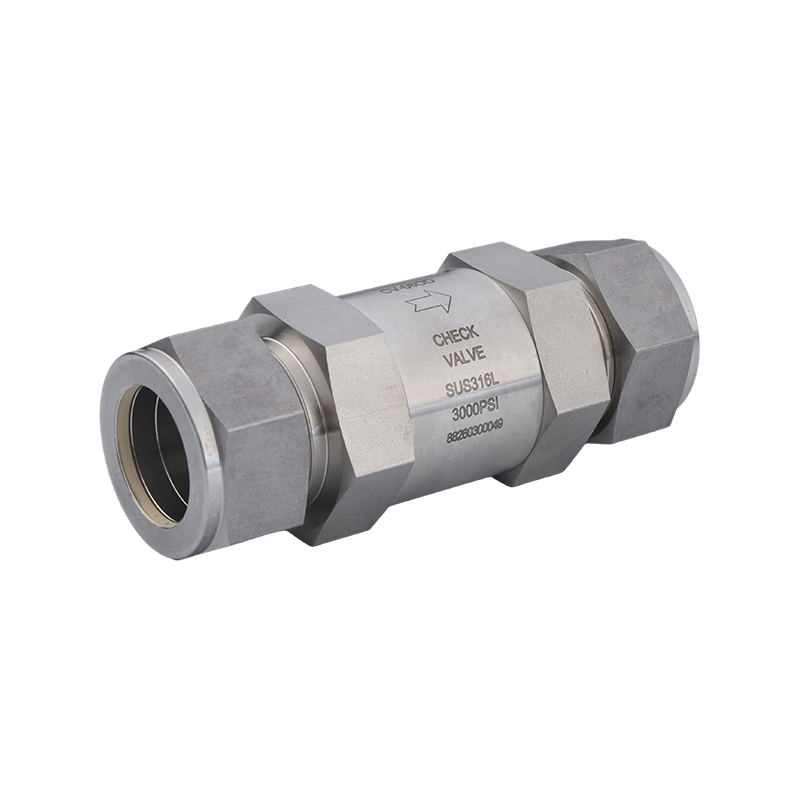
| High-pressure check valve | 1/4 inch to 2 inch | 3000 to 6000 psi |
| Double block and bleed valve | 1/4 inch to 2 inch | Up to 6000 psi |
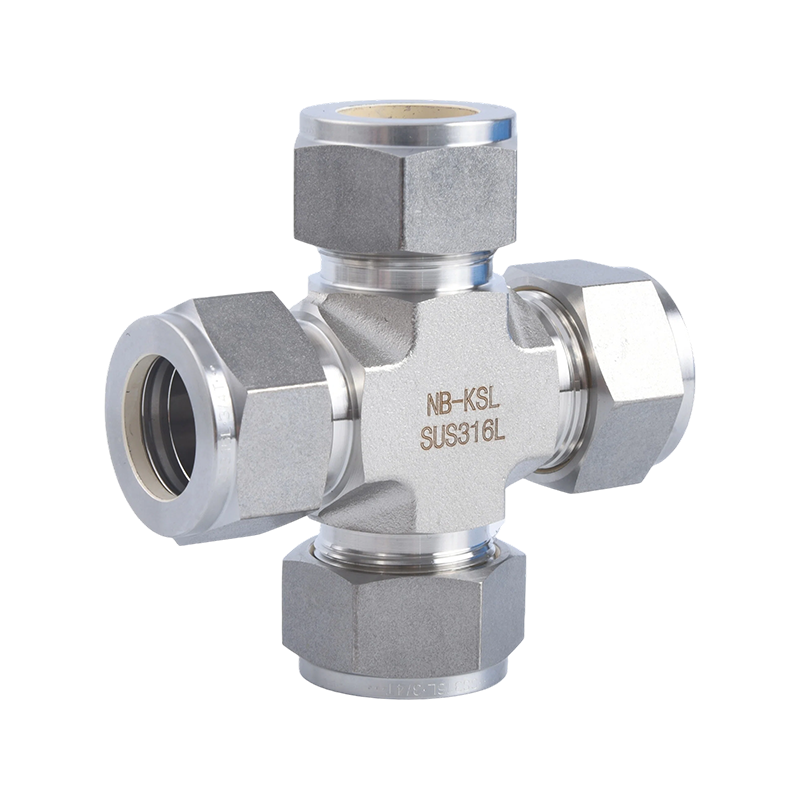
| High-pressure fittings and adaptors | 1/8 inch to 2 inch | 3000 lb, 6000 lb, 9000 lb |
| Manifolds and valve assemblies | Custom | Per drawing |
Typical applications
- Hydraulic and water jet systems: test benches, cutting machines, descaling.
- Gas systems: CO2 extraction, nitrogen and hydrogen supply lines, compressed gas panels.
- Chemical injection: dosing of inhibitors and additives into pipelines and wells.
- Instrumentation: sampling, calibration and isolation of pressure sensors.
- Research and pilot plants: autoclaves and reactors.
We can build custom manifolds and valve assemblies according to your drawing, with pressure test reports for each assembly.
Buyer tip: list for each valve the working pressure, the test pressure, the medium, the temperature range and whether the load is steady or cyclic. Cyclic loading can reduce the usable life of a valve at high pressure, and with these details we can select a design with suitable fatigue margin.
Standards for High Pressure Valves
High-pressure valves depend on strong, well-defined standards, because there is little margin for improvisation. We design and test according to the references below, and we welcome end-user specifications that add more demanding clauses.
| Area | Standard Reference |
|---|---|
| Pressure-temperature ratings | ASME B16.34 (Class 600 to 4500) |
| Flanges | ASME B16.5, ASME B16.47, ring type joint flanges |
| Small forged valves | API 602 (Class 800, 1500), ISO 15761 |
| Pipeline ball valves | API 6D (selected models) |
| High-pressure piping code | ASME B31.3 Chapter IX |
| Instrument valves | ASME B16.34 and manufacturer specification |
| Forged material | ASTM A182 F316L, F304, F51, F53 |
| Bar material | ASTM A479, A276 |
| Fire safe and emissions | API 607, ISO 15848-1, API 624 |
| Sour service | NACE MR0175 / ISO 15156 |
| Testing | API 598, API 6D, ISO 5208 |
Project rules decide. At high pressure, owner or operator standards frequently apply on top of public standards, covering NDE, impact test, hardness, test pressure and hold time. Please give us the project specification at the inquiry stage, so that our quotation covers every clause, and no surprises appear after production begins.
We are also able to discuss testing at higher pressure than the minimum standard, such as a 2 times rating shell test, when required by your safety case.
Reference note: ASME B16.34 sets ratings for valves but not every design detail. Owners often add specifications on stem design, hardness, NDE and testing, so please send the complete valve specification at the inquiry stage. We will mark each clause as compliant, compliant with extra work, or not possible.
Certificates and Quality Documentation for High Pressure Valves
For high-pressure service, certificates and records are part of the safety case. They show that the material is correct, that the body was made and tested as required, and that nothing was changed along the way. Our documentation package is therefore more detailed than for standard items.
- EN 10204 3.1 material certificates: for body, bonnet, stem, ball, seat retainers and bolting, with chemistry, yield, tensile and elongation.
- Forging records: heat treatment charts and forging ratio when specified.
- PMI report: alloy verification on all pressure-containing parts.
- NDE reports: dye penetrant, magnetic particle (where applicable) or radiographic reports for bodies and welds, when specified.
- Hydrostatic test report: shell and seat test values, with hold time and pressure gauge calibration data.
- Gas leak test report: helium or nitrogen test results where required.
- Hardness report: for sour or hydrogen service, according to NACE or project limits.
- Quality management: ISO 9001 style system, with API Q1 or PED procedures on request.
- Third-party inspection: SGS, BV, TUV, DNV or the owner's inspector can witness tests.
Calibration records. A pressure test is only as reliable as the gauge. Our test report lists the gauge serial number and calibration date, so your inspector can verify that the instrument was in calibration at the time of testing.
Not every report applies to every valve, so please tell us the required documents at the inquiry stage.
Audit tip: bind the material certificates, NDE reports, hardness report and pressure test report into one dossier per valve serial number. Inspectors for high-pressure systems usually ask to see all of these at once, and a single organised file speeds up approval and shortens the time before the line can be commissioned.
Full Traceability for Pressure Retaining Parts
In high-pressure systems, traceability is not optional. If a failure occurs, investigators will want to know exactly which material and which heat of steel was used in every pressure-retaining part. Our system therefore marks, records and documents each part in detail, and keeps the records for many years.
- Material receiving: forging and bar are checked against certificates, heat numbers are recorded, and PMI confirms grade.
- Hard marking: body, bonnet and end connections carry heat number, grade, size and class using low-stress stamping or laser marking.
- Part tracking: a traveller sheet follows each valve through machining, with heat numbers of all pressure-containing parts.
- Heat treatment records: furnace charts are linked to heat numbers and lots.
- NDE records: test results are linked to part numbers.
- Final dossier: certificates, test reports and inspection records are compiled by valve serial number.
| Part | Marking | Records |
|---|---|---|
| Body | Heat number, grade, class | Mill certificate, heat treatment, NDE |
| Bonnet and end connections | Heat number | Mill certificate, PMI |
| Stem and ball | Lot number | Mill certificate, hardness |
| Seat and seal | Supplier lot | Compound or material certificate |
| Bolting | Grade stamp | Supplier certificate |
| Finished valve | Serial number and nameplate | Pressure test report |
Records are retained for many years, and we can supply a complete dossier on request, even for valves delivered some time ago.
Why hard marking matters: paint and labels can wear away, but a stamped or laser marked heat number stays readable for decades. At high pressure, this permanent identification is important for maintenance and investigation, and we choose a marking method that does not create stress raisers in critical areas.
Testing Capability for High Pressure Valves
High-pressure testing needs more than a hand pump. It needs rated equipment, a safe test area, calibrated gauges and trained operators. We have test benches with pressure ranges adequate for our product range, and we use outside laboratories for pressures beyond our own capacity.
| Test | Typical Value or Method | Frequency |
|---|---|---|
| Hydrostatic shell test | 1.5 x rating, held for the time specified in the standard | 100% of valves |
| Hydrostatic seat test | 1.1 x rating, with allowable leakage per API 598 or customer specification | 100% of valves |
| Gas leak test | Helium or nitrogen at specified pressure, under water or with detector | On request |
| Back seat test | Stem fully open, for gate and globe valves | 100% of valves |
| PMI | XRF analyser on all pressure parts | Incoming and 100% finished valves on request |
| NDE | Dye penetrant, magnetic particle or radiography | On request |
| Hardness test | Brinell or Rockwell on pressure parts | On request |
| Cycle test | Repeated opening and closing under pressure | Type test |
| Burst or proof test | At multiple of rating on prototype samples | Type test on request |
Safety first. High-pressure tests are done in protected test cells, with barriers and remote operation. Valves are vented carefully and checked for trapped pressure after testing, and we do not allow staff near a pressurised test piece.
Customers are welcome to witness testing, and we can discuss the safety rules for visitors before the date is set.
Gauge calibration: a pressure gauge can drift over time, so we calibrate our test gauges on a regular schedule and record the dates. If your inspector wants to see calibration certificates before the test starts, tell us the date in advance and we will prepare copies for review.
Frequently Asked Questions about High Pressure Valves
Q: At what pressure is a valve considered high pressure?
There is no single limit, but many engineers regard lines above about 100 bar as high pressure, and above about 400 bar as very high pressure. Special design rules apply, such as ASME B31.3 Chapter IX.
Q: What is the difference between Class 900 and Class 1500?
They are pressure classes, with Class 1500 holding roughly 248 bar and Class 900 about 149 bar for stainless steel at ambient temperature. Class 1500 valves have thicker bodies and larger flanges.
Q: Why forged bodies for high pressure?
Forging gives dense grain structure and removes casting defects like porosity. This improves strength and reliability, especially in small and critical valves.
Q: What does blow-out proof stem mean?
The stem is retained inside the body from the inside, so pressure cannot push it out if the gland fails. It is an important safety feature for high-pressure service.
Q: Can high-pressure valves be used for gas?
Yes, with suitable seat, seal and design. Gas service demands tighter sealing and sometimes gas leak testing, and hydrogen requires special attention to material and hardness.
Q: What seat is best for high pressure?
PEEK and PCTFE seats hold shape better than PTFE at high pressure. Metal seats are used for high temperature or erosive service.
Q: Do you supply valves with test certificates at each pressure?
Yes. A test report lists test pressure, hold time, gauge and result for each valve serial number, and gas test reports are available on request.
MOQ and Pricing for High Pressure Valves
High-pressure valves are usually bought for specific projects, so quantities are often small. We therefore keep minimum order quantities low, and price each item based on material, testing and documentation.
| Item | Typical Terms |
|---|---|
| Sample order | 1 to 3 pieces, subject to design and material availability |
| Standard MOQ | 10 to 50 pieces per size for stocked designs |
| Project orders | From 1 piece for Class 900 to 2500 valves and special assemblies |
| Custom manifolds | Quoted per drawing, tooling and test costs included |
| Pricing basis | EXW, FOB Ningbo, CFR or CIF in USD |
| Quote validity | 15 to 30 days, because forged material prices change |
| Payment | 30% T/T deposit, 70% before shipment; L/C at sight for approved accounts |
What drives the price
- Pressure class: Class 2500 bodies cost much more than Class 600 bodies, as wall thickness and forging weight increase.
- Forging and machining: forged bodies need more machining than cast ones.
- Material: duplex and super duplex cost more than 316L.
- Testing and NDE: radiography, gas tests and witness inspection are charged separately.
- Documentation: extended dossiers and third-party reports add cost.
Plan the test scope early. The price difference between a valve with a standard test and one with full NDE, gas test and witness inspection can be large. Please send the project specification before asking for the final price, so we can quote the complete scope.
Cost control tip: use the highest class only where the real pressure requires it, and lower-class valves elsewhere. Splitting the system by pressure zone often reduces the total cost noticeably, and we can help review your line list to propose a suitable split with the safety margin you need.
Lead Time, Customisation, Packaging and Trade Terms
Lead time and stock
Standard small-bore high-pressure ball valves and needle valves typically ship in 25 to 40 days. Class 900 to 2500 flanged valves, forged duplex designs and valves with extended testing usually need 50 to 90 days, mainly because forging material and testing slots must be arranged. Tell us your delivery date early.
Customisation
We can customise pressure class, material, seat and seal, end connection, stem extension, locking device, actuator interface, manifold layout, marking and test scope. Special designs, such as block-and-bleed assemblies and valves for hydrogen service, can be developed with your engineers.
Packaging
- Individual wrapping with protective end caps on all connections
- Foam-lined cartons or wooden cases for high-value valves
- Heavy valves on pallets with lifting points marked
- Moisture protection for sea freight
- Marking with tag number, pressure rating and heat number on request
Shipping and trade terms
| Term | Details |
|---|---|
| Incoterms | EXW, FOB Ningbo, CFR, CIF, DAP |
| Port | Ningbo-Zhoushan; Shanghai as an alternative |
| Transport | Sea freight, air freight for urgent items, express courier for samples |
| Documents | Invoice, packing list, bill of lading, origin certificate, material and test certificates |
High-pressure valves are heavy for their size, so we plan container loading by weight, and combine them with lighter products to make shipping efficient.
Handling advice: keep protective caps on all connections until the moment of installation, never lift a valve by its handle or stem, and store high-pressure items in their original packing. Clean threads and sealing faces are essential for leak-free joints at high pressure, so avoid contact with dirt.