Content
If you need tube fittings that resist corrosion, handle high pressure, and last decades with minimal maintenance, stainless steel tube fittings are the right choice for the vast majority of industrial, chemical, and food-grade applications. This guide covers every key decision point — from choosing the right grade (304 vs. 316) to selecting the correct fitting type for your system — so you can buy with confidence.
Stainless steel tube fittings are mechanical connectors used to join, redirect, branch, or terminate tubing in fluid and gas systems. Unlike pipe fittings — which thread onto the outside of a pipe — tube fittings grip the outer diameter (OD) of the tube itself, creating a leak-tight seal without welding.
They are widely used across industries because stainless steel provides excellent corrosion resistance, high tensile strength (typically 515–620 MPa), and the ability to operate across a wide temperature range (−200°C to +800°C depending on grade). Standard tube OD sizes range from 1/16 inch to 2 inches (or 2 mm to 50 mm in metric).
The grade of stainless steel is the single most important material decision you'll make. The wrong grade can lead to premature corrosion failure — even if the fitting looks fine on the surface.
| Grade | Chromium / Nickel / Mo | Corrosion Resistance | Best For | Typical Cost Premium |
|---|---|---|---|---|
| 304 | 18% Cr / 8% Ni | Good — resists most oxidizing acids | Water, food, general industrial | Baseline |
| 316 | 16% Cr / 10% Ni / 2% Mo | Superior — resists chlorides & salt | Marine, chemical, pharmaceutical | ~20–30% more than 304 |
| 316L | 16% Cr / 10% Ni / 2% Mo (low carbon) | Superior + weld-safe | Welded assemblies, sanitary systems | ~25–35% more than 304 |
Choose 316 (or 316L) whenever your system is exposed to chlorides — including seawater, deicing salts, or chlorinated cleaning agents. In lab tests, 304 fittings can begin showing pitting corrosion after just 500 hours of exposure to 5% sodium chloride solution, while 316 survives the same test with minimal degradation. For anything in a marine or offshore environment, 316 is the minimum acceptable grade.
Not all tube fittings work the same way. The connection method determines pressure rating, reusability, and ease of installation. Here are the main types:
The most common type for instrument and process tubing. A ferrule (or two-ferrule system) compresses against the tube OD when the nut is tightened, creating a metal-to-metal seal. Leading brands like Swagelok and Parker A-Lok are rated to 10,000 psi (689 bar) in small tubing sizes. No soldering or welding needed, and most can be disassembled and reassembled multiple times.
Designed for quick assembly — simply push the tube into the fitting body until it clicks. Best suited for low-to-medium pressure pneumatic systems (typically up to 150 psi / 10 bar). Common in instrumentation panels and air lines where fast connection and disconnection is a priority.
The end of the tube is flared outward using a flaring tool, then clamped between the fitting body and nut. The 37° flare (JIC standard) is the most common in hydraulic systems and handles high-pressure applications up to 5,000 psi. The 45° flare is standard in refrigeration and automotive fuel lines.
Common in European-designed systems. Similar in principle to compression fittings but manufactured to DIN 2353 standards. The cutting ring bites into the tube wall on first tightening. Widely used in hydraulic machinery and mobile equipment across Europe and Asia.
For permanent, ultra-high-integrity connections — especially in sanitary, pharmaceutical, or ultra-high-purity (UHP) semiconductor applications. Orbital welding with 316L tubing produces joints that meet ASME BPE (Bioprocessing Equipment) standards and can handle full vacuum to several hundred psi.
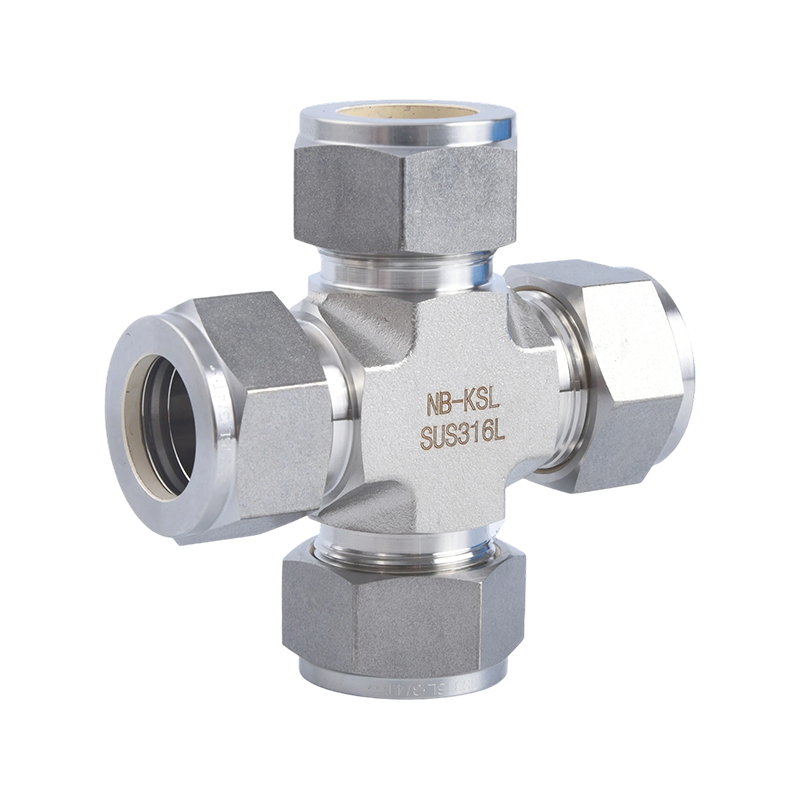
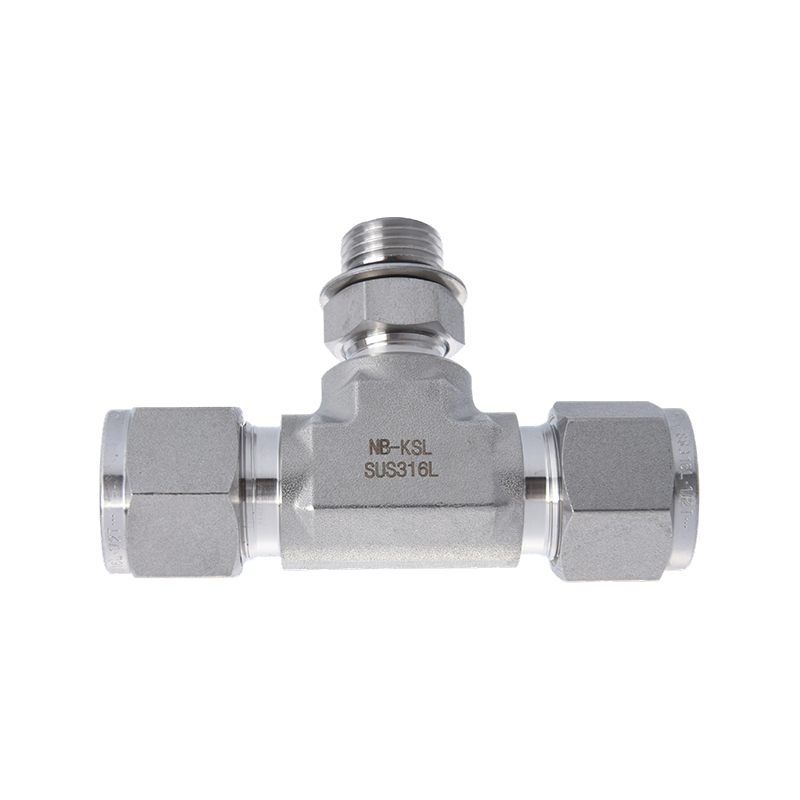
Beyond the connection mechanism, fittings come in standard configurations that control flow direction and branching:
Stainless steel tube fittings are the industry standard across multiple sectors because no other material combines corrosion resistance, strength, and hygiene at a comparable cost.
| Industry | Typical Application | Recommended Grade | Fitting Type |
|---|---|---|---|
| Oil & Gas | Instrument tubing, sample lines | 316 / 316L | Compression (2-ferrule) |
| Chemical Processing | Acid transfer, reactor feed lines | 316L or duplex | Compression or butt weld |
| Pharmaceutical / Biotech | WFI (water for injection), CIP systems | 316L (ASME BPE) | Sanitary / orbital weld |
| Food & Beverage | Dairy lines, brewing, CO₂ systems | 304 / 316 | Sanitary tri-clamp or compression |
| Semiconductor | Ultra-high-purity gas delivery | 316L (electropolished) | VCR / face seal |
| Marine / Offshore | Hydraulic systems, deck fittings | 316 | Compression or flared |
Pressure ratings are not fixed — they depend on the combination of fitting type, tube OD, wall thickness, and temperature. Here are key reference points for compression fittings in 316 SS:
Always consult the manufacturer's pressure-temperature (P-T) chart for the specific fitting and tube combination you're using. Never assume a fitting rated for a given pressure at 70°F will hold the same at 400°F.
For cryogenic service (liquid nitrogen at −196°C, liquid helium at −269°C), 316L stainless maintains ductility and seal integrity where carbon steel becomes brittle. At the high end, above 800°C, standard austenitic grades start to lose mechanical strength and you'll need to move to higher-alloy or refractory materials.
When sourcing tube fittings, look for compliance with recognized standards that verify dimensional accuracy, material quality, and performance. Common certifications include:
Always request a material test report (MTR / mill certificate) from your supplier confirming the actual chemical composition and mechanical properties of the heat used — especially for 316L where the carbon content must be ≤0.03%.
Most leaks from stainless steel tube fittings are caused by incorrect installation, not a defective product. Follow these steps for a leak-free connection:
Over-tightening is as harmful as under-tightening. Excessive torque can crack the ferrule or deform the tube, making the fitting impossible to reuse and potentially creating a stress concentration point that fails under vibration.
The stainless steel tube fitting market includes both premium brands and a range of lower-cost alternatives. Here's how to evaluate your options:
Compression fitting bodies and nuts from different manufacturers are not always dimensionally compatible, even if they appear similar. Mixing brands can result in improper ferrule seating and leak paths. Use the same brand throughout a single fitting assembly.
Counterfeit or mismarked fittings are a known issue in some supply chains. For critical applications, use an XRF (X-ray fluorescence) analyzer to spot-check incoming material, or source exclusively from distributors who provide traceable MTRs with each order.
A Swagelok compression fitting may cost 3–5× more than an equivalent no-name fitting, but it is designed for multiple remakes, ships with documented quality, and has a global service network. In a process plant where a single fitting leak can trigger an unplanned shutdown costing tens of thousands of dollars per hour, the premium is easily justified.
The fitting alone doesn't determine the system pressure rating — the tube wall thickness is equally critical. For example, a 1/2" OD fitting with a 0.049" wall tube is rated significantly lower than the same fitting with a 0.083" wall tube. Always calculate the system's maximum allowable working pressure (MAWP) based on the weakest component.
One of the most common mistakes buyers make is ordering pipe fittings when they need tube fittings, or vice versa. The key differences:
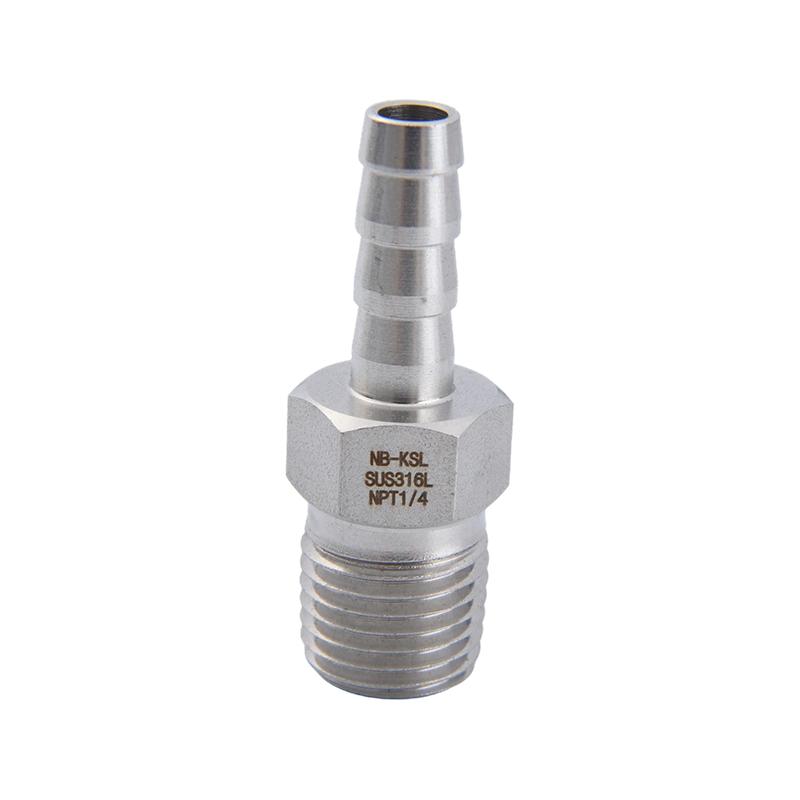
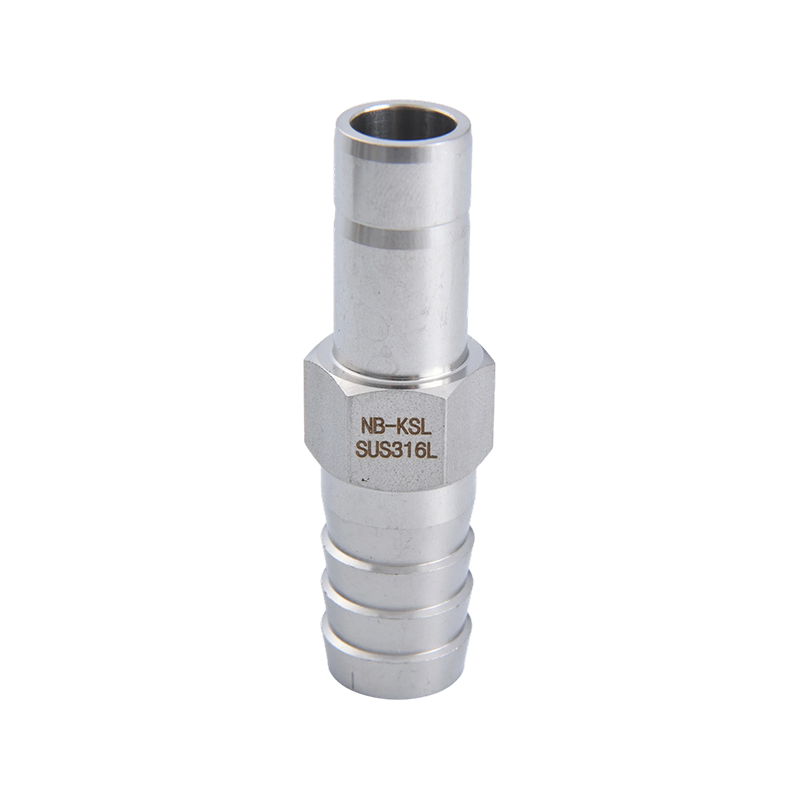
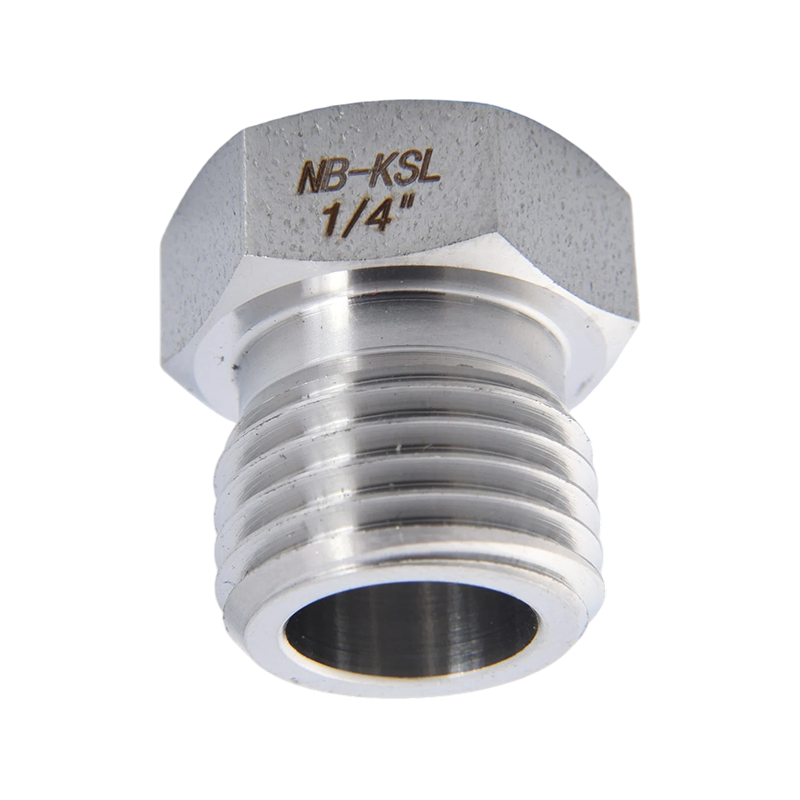
Many fittings bridge both worlds — a male connector has a tube-end on one side and an NPT or BSP thread on the other, allowing transition between tube and pipe sections of the same system.
The right stainless steel tube fitting is determined by five factors, in order of priority: material grade (304 vs. 316), connection type (compression, flared, or welded), working pressure and temperature rating, tube outer diameter and wa...
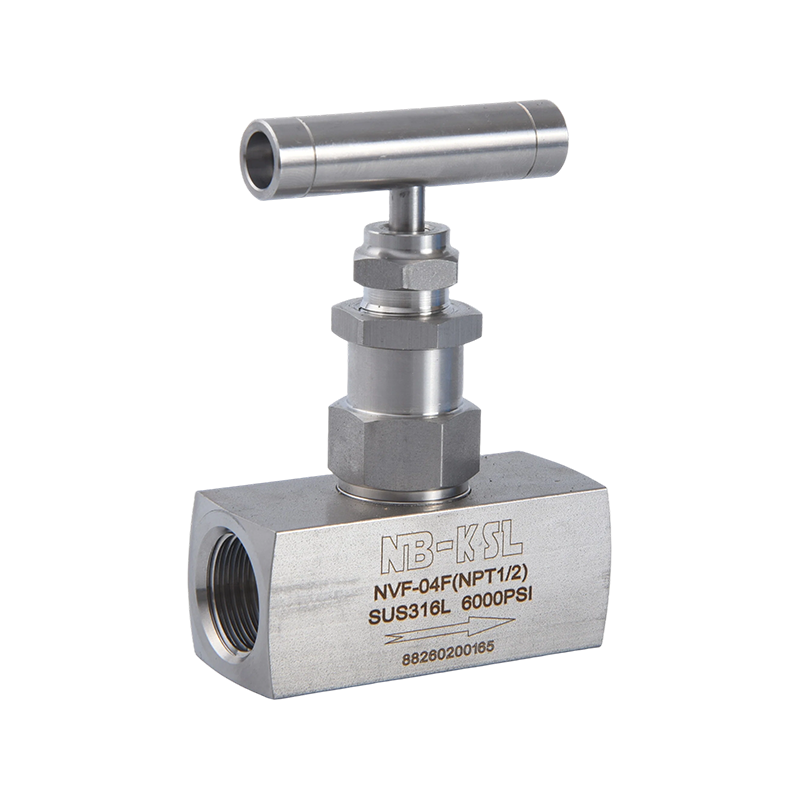
What Stainless Steel Needle Valves Are and How They Work A needle valve controls flow through a small-bore orifice by advancing or retracting a tapered needle-shaped stem into and out of a precision-machined seat. As the handwheel or actua...
If you need a quick answer: for most industrial piping systems handling water, steam, air, oil, or mild chemicals below 1000 psi, a 316 stainless steel 2-piece or 3-piece full-port ball valve with PTFE seats is the right default choice. Onl...
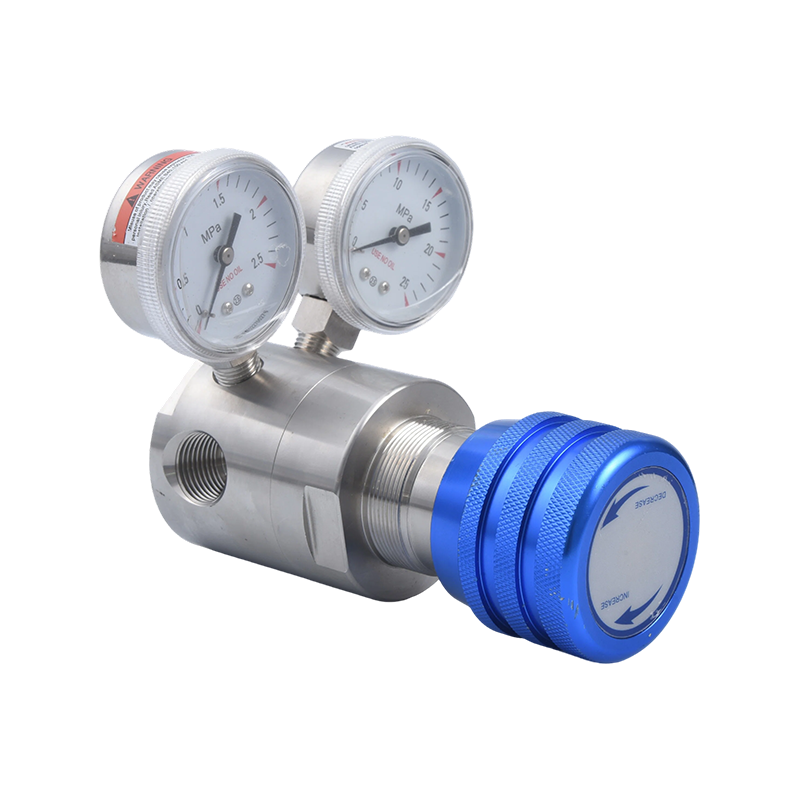
Stainless Steel Pressure Regulators Deliver Superior Safety and Precision in Gas Control Stainless steel pressure regulators are the industry standard for controlling gas flow safely and accurately across critical applications, from semico...
 1 Zhongxin Yungu Zone D Building 1, Jiangkou Street, Fenghua District, Ningbo City, Zhejiang Province, China
 +86-574-88561893 / +86-15057497901
 Copyright © Ningbo Keshengli Stainless Steel Valve Co., Ltd. Rights Reserved.
Wholesale Stainless Steel Fittings & Valves Manufacturers
Copyright © Ningbo Keshengli Stainless Steel Valve Co., Ltd. Rights Reserved.
Wholesale Stainless Steel Fittings & Valves Manufacturers



 English
 中文简体
中文简体