
Content
The right stainless steel tube fitting is determined by five factors, in order of priority: material grade (304 vs. 316), connection type (compression, flared, or welded), working pressure and temperature rating, tube outer diameter and wall thickness, and compliance with the relevant industry standard (ASME B16.11, ASTM A182, or DIN 2353). For most industrial fluid and gas systems handling pressures under 6,000 psi, 316/316L compression fittings offer the best balance of corrosion resistance, ease of installation, and reusability. Below is a practical breakdown of how to match fittings to your specific project requirements.
Stainless steel tube fittings are typically manufactured in two grades, and choosing the wrong one is the most common — and costly — mistake in system design.
| Grade | Key Additive | Best For | Avoid For |
|---|---|---|---|
| 304/304L | 18% Cr, 8% Ni | General water, air, food-grade lines | Chloride/marine or high-salt environments |
| 316/316L | Adds 2-3% Molybdenum | Chemical processing, offshore, pharmaceutical | Budget-limited, non-corrosive indoor use |
The molybdenum in 316 grade increases pitting resistance by roughly 30-40% compared to 304 in chloride-rich environments, which is why it is the default choice for coastal facilities, semiconductor plants, and marine equipment, even though it typically costs 15-25% more per fitting.
Connection type affects installation speed, leak risk, and whether the fitting can be reused after disassembly.
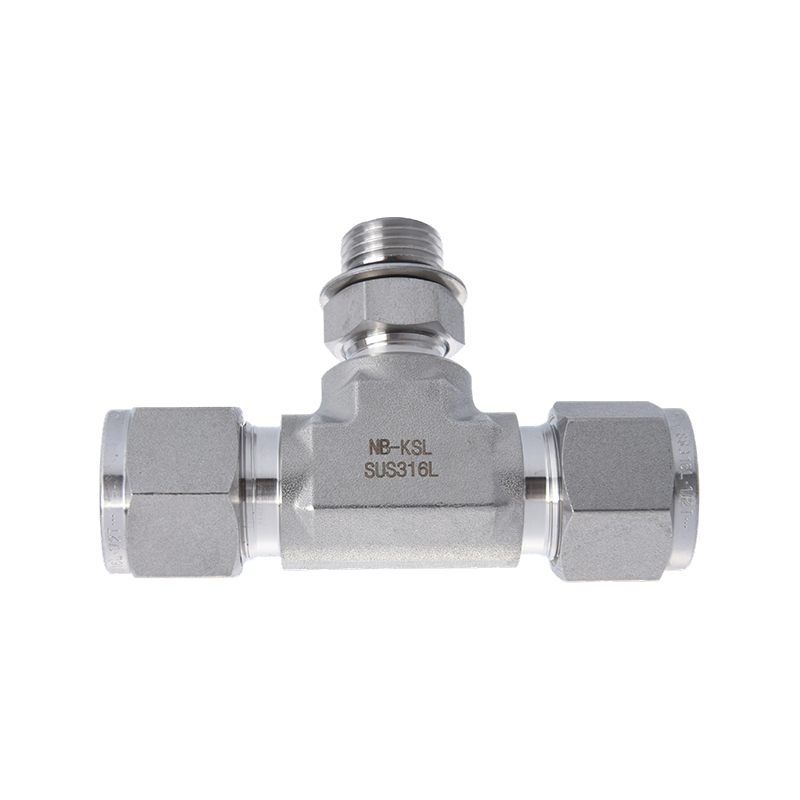
Best for instrumentation and process lines up to 1 inch OD. No welding or special tools required; a ferrule compresses onto the tube when the nut is tightened. Reusable and rated for pressures up to 6,000 psi depending on tube wall thickness.
Flared fittings (37° JIC) suit hydraulic systems with vibration, offering strong resistance to loosening. Flareless types are faster to install but generally rated for lower vibration tolerance.
Used for permanent, high-pressure, or high-temperature installations, such as steam or chemical transfer lines above 150°C. Requires certified welders but eliminates gasket failure points entirely.
Undersized or mismatched fittings are the leading cause of field leaks. Always confirm three specifications against your system design sheet before ordering.
As a working example, a 1/2-inch OD, 0.035-inch wall 316 tube with a compression fitting is commonly rated near 5,300 psi at room temperature, but that figure can fall by roughly 30% once the operating temperature reaches 300°C — so temperature-adjusted specs matter more than the room-temperature number printed on the box.
Fittings should carry documentation matching your project's regulatory requirements, especially for pharmaceutical, food, oil & gas, or pressure-vessel-connected systems.
Request a mill test certificate (MTC) from the supplier for any project involving pressure vessels or regulated industries — this document verifies the actual chemical composition and mechanical properties of the batch, not just the nominal grade.
The cheapest fitting is rarely the most economical choice once downtime and leak-related maintenance are factored in.
| Fitting Type | Relative Unit Cost | Reusable | Typical Service Life |
|---|---|---|---|
| Compression | Low-Medium | Yes | 10-15 years |
| Flared | Medium | Yes | 10-15 years |
| Welded | Medium-High (incl. labor) | No | 20+ years |
For systems requiring frequent maintenance access, compression fittings reduce long-term labor costs despite a higher per-unit price than basic threaded fittings, since they avoid repeated cutting and re-welding during service.
Use this checklist before finalizing a purchase order:


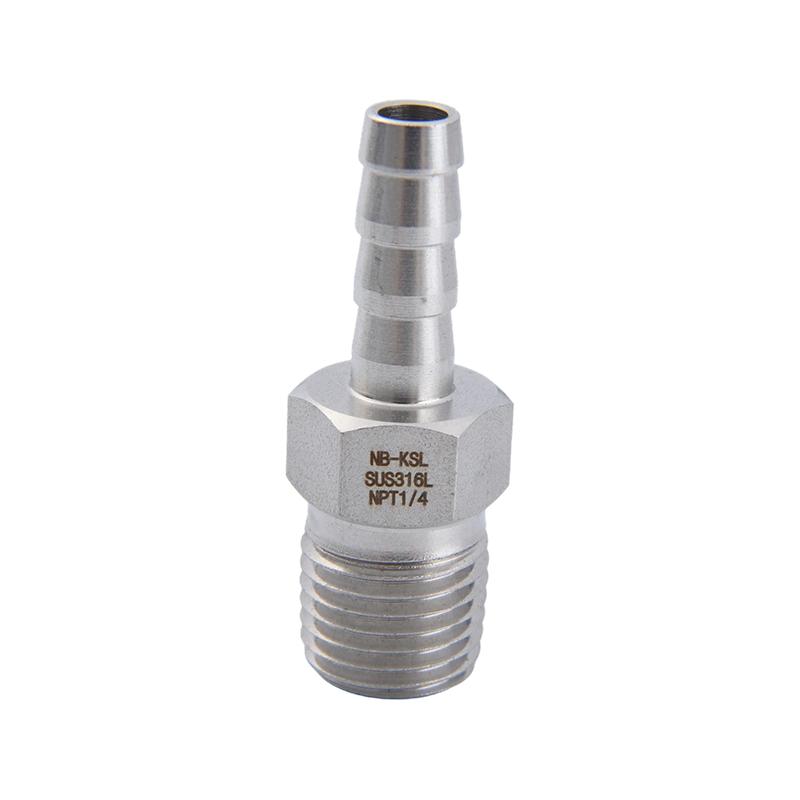
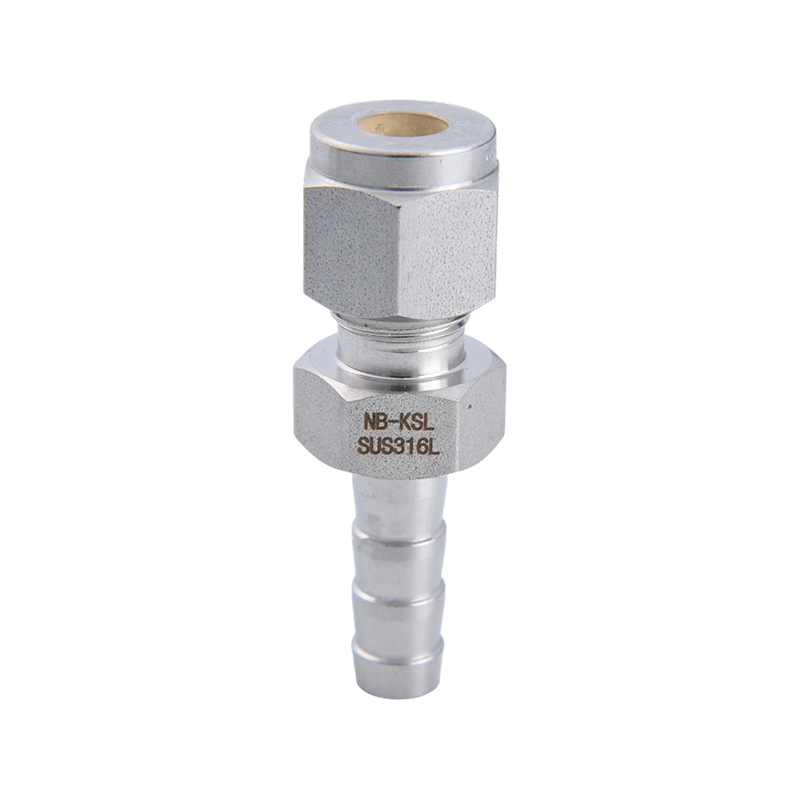
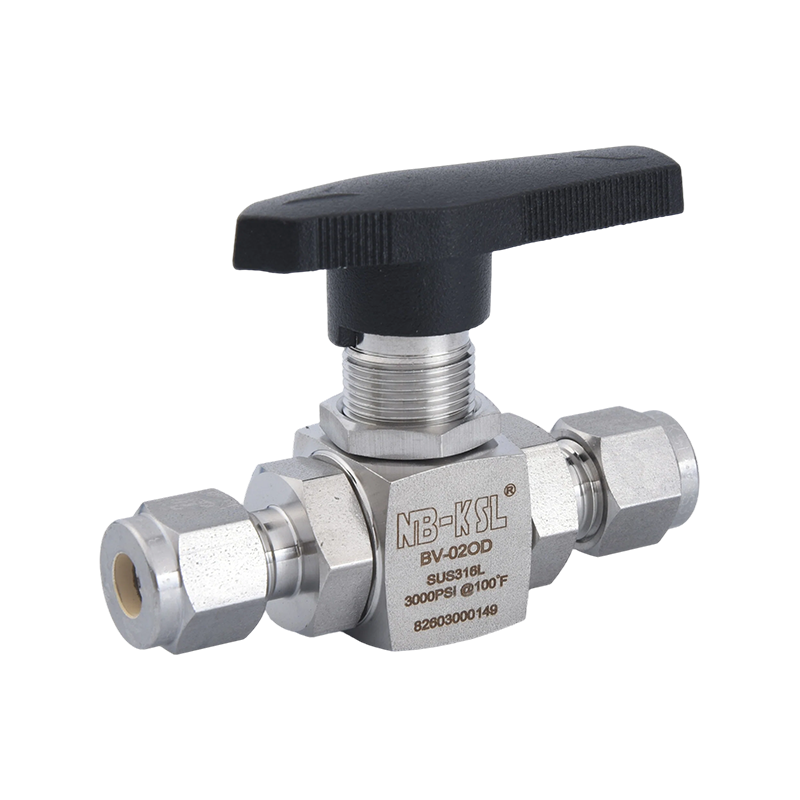
If you need a quick answer: for most industrial piping systems handling water, steam, air, oil, or mild chemicals below 1000 psi, a 316 stainless steel 2-piece or 3-piece full-port ball valve with PTFE seats is the right default choice. Onl...
What Stainless Steel Needle Valves Are and How They Work A needle valve controls flow through a small-bore orifice by advancing or retracting a tapered needle-shaped stem into and out of a precision-machined seat. As the handwheel or actua...
If you need tube fittings that resist corrosion, handle high pressure, and last decades with minimal maintenance, stainless steel tube fittings are the right choice for the vast majority of industrial, chemical, and food-grade applications....
If you only remember one thing from this guide, remember this: for most hydrogen systems operating between 350 and 700 bar, 316/316L stainless steel fittings with metal-to-metal or PTFE-based seals are the safest and most cost-effective cho...
 1 Zhongxin Yungu Zone D Building 1, Jiangkou Street, Fenghua District, Ningbo City, Zhejiang Province, China
 +86-574-88561893 / +86-15057497901
 Copyright © Ningbo Keshengli Stainless Steel Valve Co., Ltd. Rights Reserved.
Wholesale Stainless Steel Fittings & Valves Manufacturers
Copyright © Ningbo Keshengli Stainless Steel Valve Co., Ltd. Rights Reserved.
Wholesale Stainless Steel Fittings & Valves Manufacturers

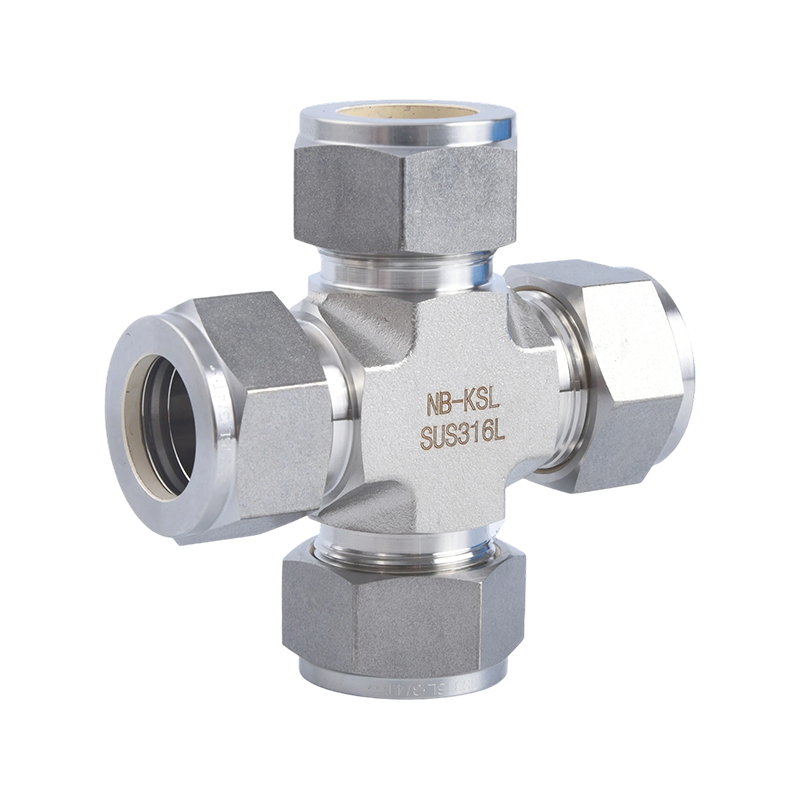
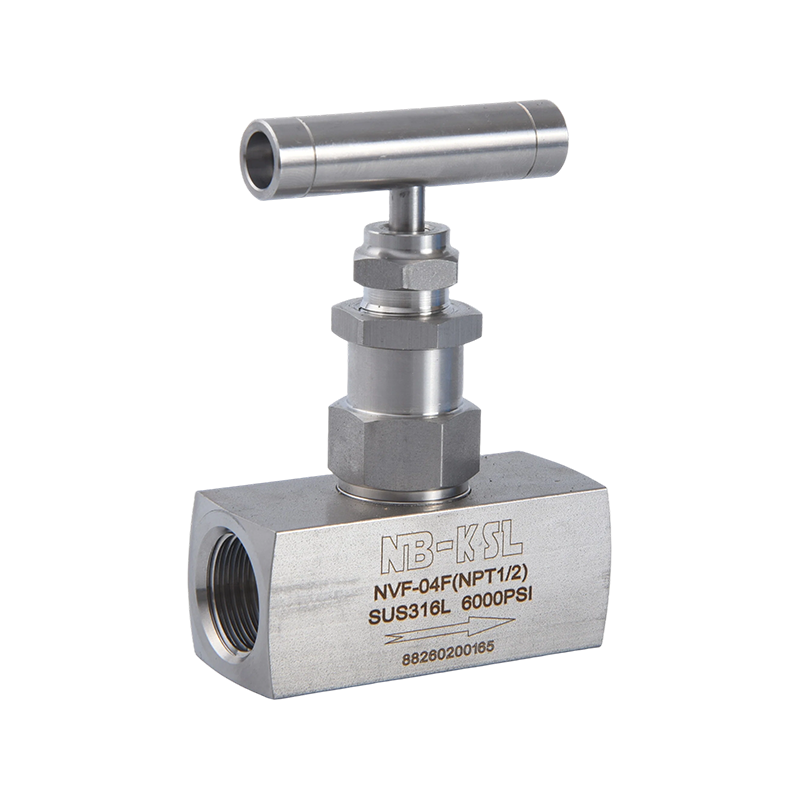


 English
 中文简体
中文简体