
Content
If you need a quick answer: for most industrial piping systems handling water, steam, air, oil, or mild chemicals below 1000 psi, a 316 stainless steel 2-piece or 3-piece full-port ball valve with PTFE seats is the right default choice. Only move away from this baseline if you have extreme temperatures, highly corrosive media, or very high-cycle automation requirements — cases covered in detail below.
Choosing the correct stainless steel ball valve comes down to three decisions, in this order:
Getting the grade wrong is the single most common and most expensive mistake — a valve that fails from chloride pitting corrosion within 2–3 years often costs far more in downtime than the price difference between 304 and 316 stainless steel ever would have.
Not all "stainless steel" valves are equal. The two grades used in more than 90% of industrial ball valves are 304 and 316/316L, and the difference matters far more than most buyers assume.
| Grade | Key Composition | Corrosion Resistance | Best For |
|---|---|---|---|
| 304 Stainless Steel | 18% Chromium, 8% Nickel | Good, but vulnerable to chlorides | Water, air, food processing, indoor use |
| 316/316L Stainless Steel | 16-18% Chromium, 10-14% Nickel, 2-3% Molybdenum | Excellent, resists chlorides and acids | Marine, chemical, coastal, oil and gas |
| Duplex Stainless Steel | High Chromium/Nickel, added Nitrogen | Superior, high strength | Offshore, high-pressure chemical service |
The molybdenum content in 316 stainless steel is what gives it significantly better resistance to pitting and crevice corrosion in chloride-rich environments, which is why it is the standard choice for coastal facilities, marine piping, and most chemical processing lines. As a rule of thumb, if your system ever contacts seawater, de-icing salts, or chlorinated cleaning agents, specify 316 or 316L rather than 304.
The most economical option, with a body cast or forged as a single unit. These are compact and leak-resistant but cannot be disassembled for maintenance — when they fail, the entire valve is typically replaced.
The body splits into two sections, allowing the valve to be removed from the line for internal inspection or seat replacement without disturbing the ball itself. This design balances cost and serviceability, making it the most commonly specified option for general industrial use.
The center section can be removed for full maintenance — including seat and seal replacement — while the two end pieces remain welded or bolted into the pipeline. This significantly reduces installation downtime during repairs, which is why 3-piece valves are standard in food processing, pharmaceutical, and other high-maintenance-frequency systems where the piping cannot be easily disturbed.
Port size affects both flow rate and how easily the valve can be maintained or pigged for cleaning.
The valve body material resists corrosion, but the seat and seal materials determine leak-tightness, wear life, and temperature range. This is where many buyers focus too little attention.
| Seat/Seal Material | Temperature Range | Notes |
|---|---|---|
| PTFE | -20°C to 180°C | Excellent chemical resistance, low friction, most common choice |
| RPTFE (Reinforced PTFE) | -20°C to 200°C | Better wear resistance for higher-cycle applications |
| PEEK | Up to 260°C | High-temperature steam and thermal oil service |
| Metal Seated | Up to 550°C+ | Abrasive slurries, high-temperature process lines |
As a practical guideline, standard PTFE seats cover roughly 80% of general industrial applications, and it is only worth paying for PEEK or metal seats when your process genuinely exceeds 180-200°C or involves abrasive particulates.
Stainless steel ball valves are commonly rated using ANSI Class designations (150, 300, 600, 900) or a straightforward psi/bar working pressure rating. Selecting the correct class avoids both unsafe under-sizing and unnecessary over-spending.
| Application | Typical Pressure | Recommended Valve Class |
|---|---|---|
| Potable Water/HVAC | Under 150 psi | Class 150 |
| Compressed Air/Steam | 150-300 psi | Class 300 |
| Oil and Gas Pipelines | Up to 1500 psi | Class 600-900 |
| High-Pressure Chemical Processing | Above 2000 psi | Class 1500+ |
Always confirm the class rating at your actual operating temperature, not just at room temperature — pressure ratings decrease as temperature rises, and a valve rated for 1500 psi at 38°C may only be rated for a fraction of that at 300°C.
Manual lever-operated valves are sufficient for infrequent shutoff applications. However, if the valve will be cycled frequently, remotely controlled, or integrated into an automated process, an actuated version is worth the added cost.
Before finalizing your purchase, confirm the following:
A well-specified stainless steel ball valve, correctly matched to your grade, seat, and pressure requirements, will typically provide 10-15 years of reliable service with minimal maintenance — making the upfront selection process well worth the extra attention.
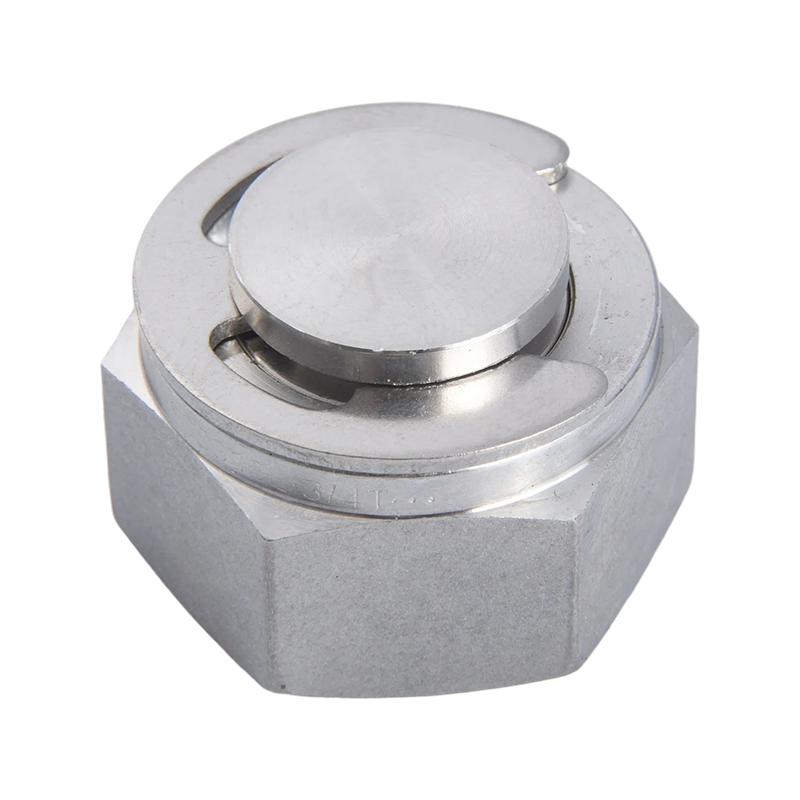


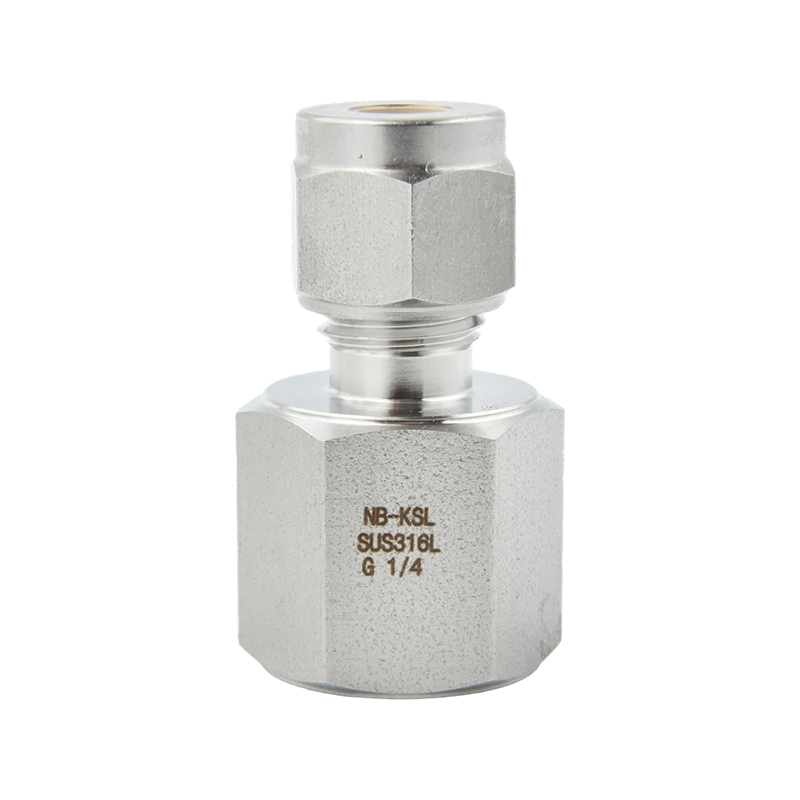
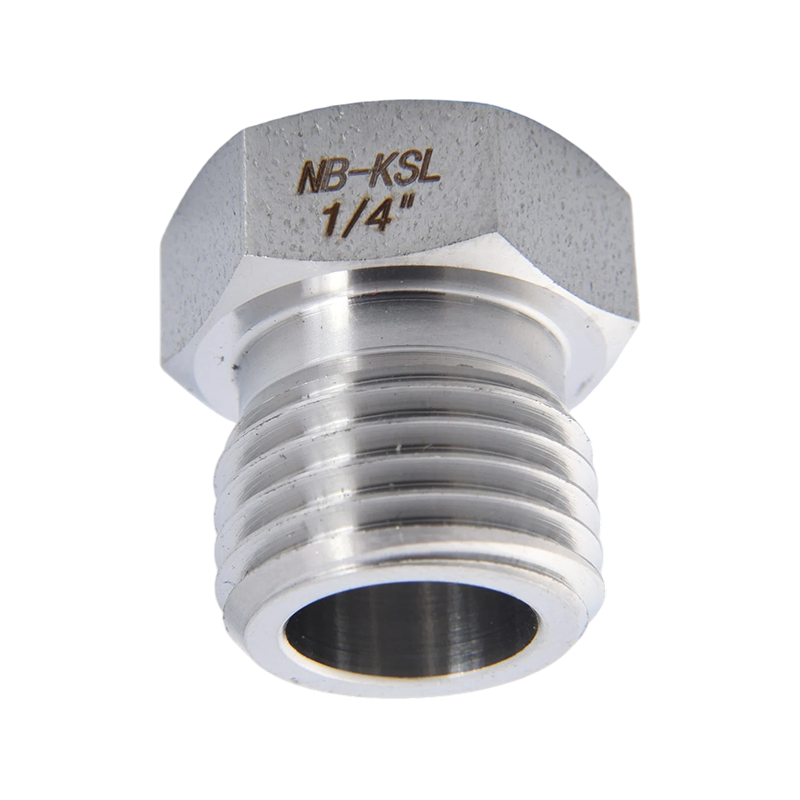
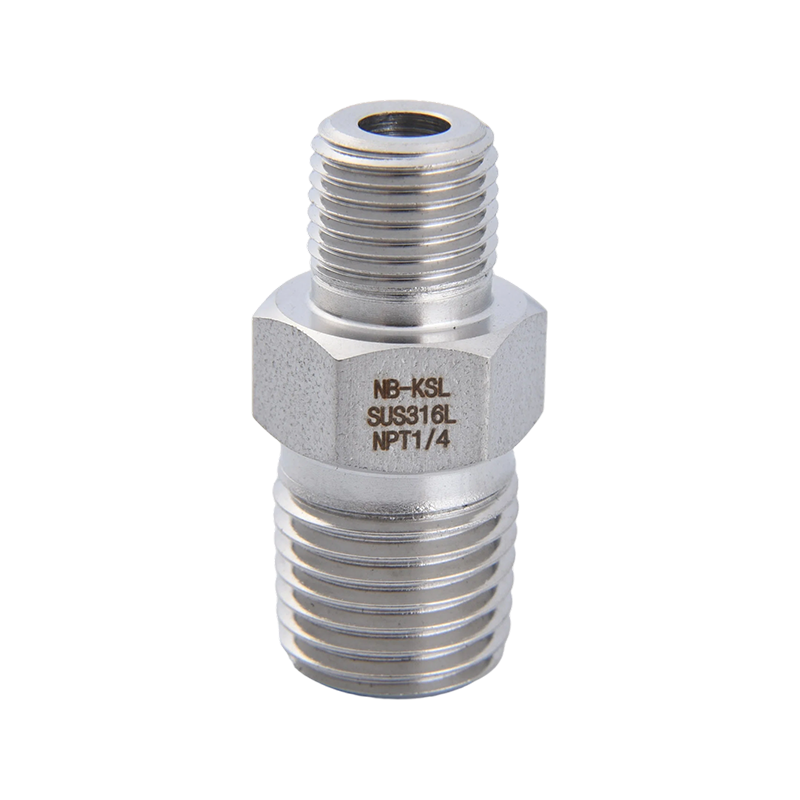
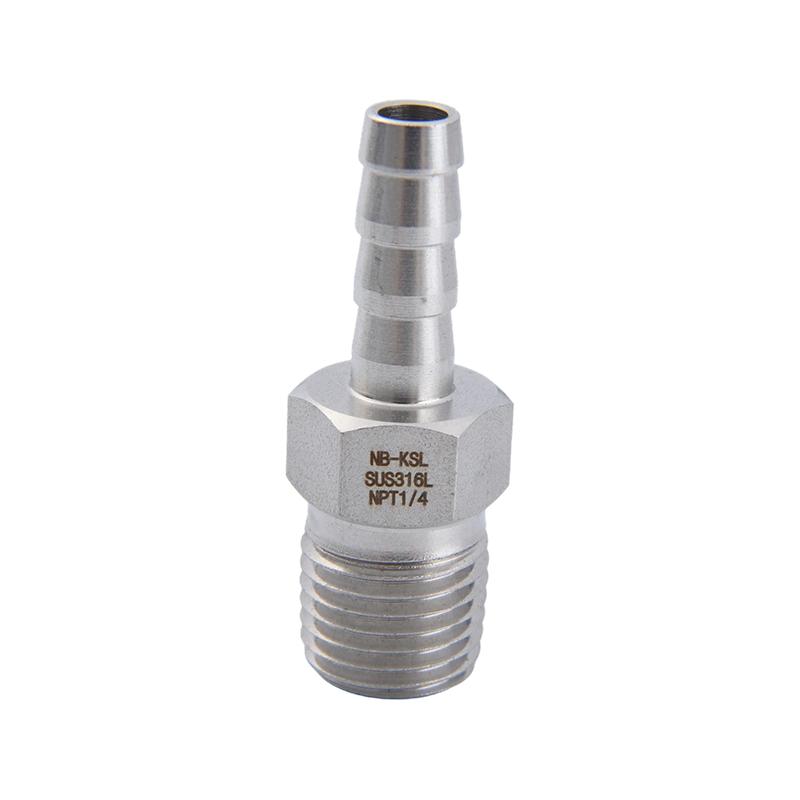
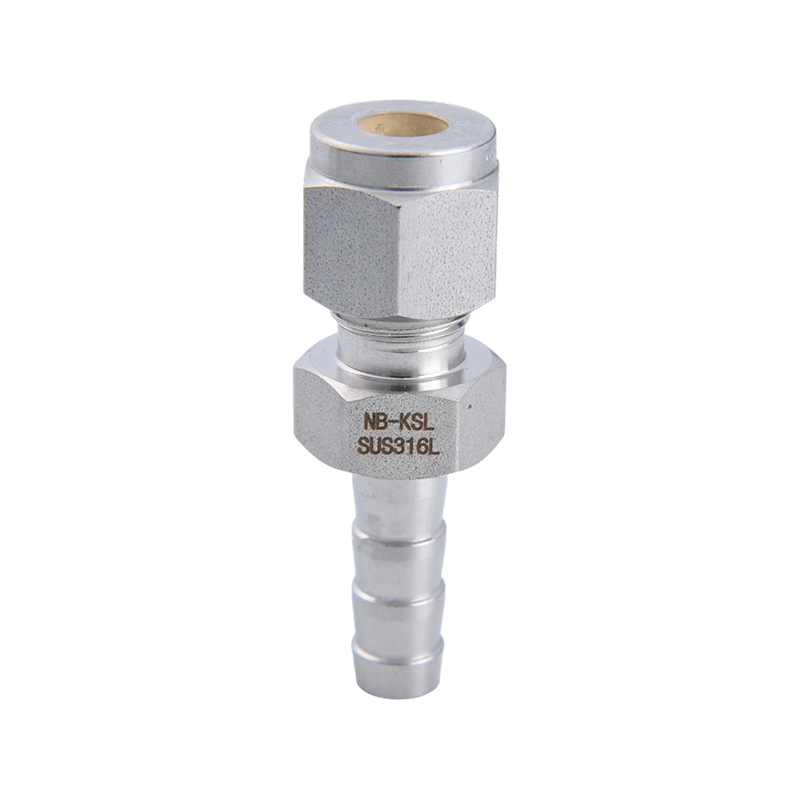
The right stainless steel tube fitting is determined by five factors, in order of priority: material grade (304 vs. 316), connection type (compression, flared, or welded), working pressure and temperature rating, tube outer diameter and wa...
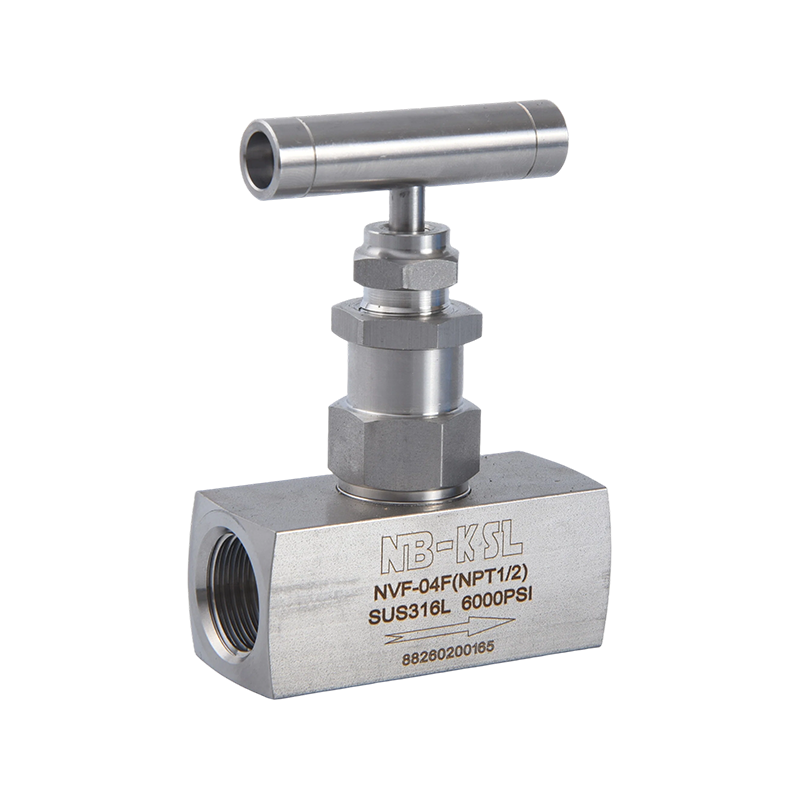
What Stainless Steel Needle Valves Are and How They Work A needle valve controls flow through a small-bore orifice by advancing or retracting a tapered needle-shaped stem into and out of a precision-machined seat. As the handwheel or actua...
A process engineer once asked me why a new 3/8-inch needle valve could not hold downstream pressure. The valve was not defective; it was oversized. Every small turn of the stem moved more flow than the process needed, and the Cv formula wo...
Quick Answer: Which Valve Should You Choose Choose a stainless steel ball check valve for small pipe sizes (typically under 3 in.), vertical installations, or systems needing fast response and tight sealing. Choose a swing check valve for ...
 1 Zhongxin Yungu Zone D Building 1, Jiangkou Street, Fenghua District, Ningbo City, Zhejiang Province, China
 +86-574-88561893 / +86-15057497901
 Copyright © Ningbo Keshengli Stainless Steel Valve Co., Ltd. Rights Reserved.
Wholesale Stainless Steel Fittings & Valves Manufacturers
Copyright © Ningbo Keshengli Stainless Steel Valve Co., Ltd. Rights Reserved.
Wholesale Stainless Steel Fittings & Valves Manufacturers



 English
 中文简体
中文简体