Content
A fixed-roof tank stores a flammable aromatic solvent. Its vent line runs to a vapor collection manifold. An electrical spark from a nearby pump can ignite the vapor-air mixture. The flame front travels along the vent pipe. In a long, turbulent pipe, the flame accelerates. At a critical length, it transitions from a subsonic deflagration to a supersonic detonation. The resulting shock wave can exceed the burst pressure of most standard piping. This is why choosing a flame arrester alone is not enough. For lines where detonation is possible, the device must be certified as a detonation flame arrester.
A detonation flame arrester is a passive safety device that stops both deflagration and detonation from propagating through pipework or vents. It is constructed with a quenching element and a housing robust enough to withstand the peak pressure of a detonation event.
A detonation flame arrester is a device fitted to the opening of an enclosure or to the connecting pipework of a system of enclosures. It allows gas to pass through but prevents flame propagation. The device has no moving parts and requires no external power. It operates purely on physical principles of heat transfer and flow resistance, which makes it inherently reliable in operation.
The core element is usually an assembly of crimped metal ribbons or a sintered metal mesh. These create narrow parallel passages with a hydraulic diameter below the quenching distance for the gas mixture. When a flame enters the element, it loses heat to the metal walls. Once the gas temperature drops below its autoignition point, the flame is extinguished before it can reach the opposite side.
A detonation flame arrester differs from a conventional flame arrester in one fundamental way. It is designed and tested to withstand the shock wave of a detonation, which requires a thicker housing, a more robust element, and special attention to the transition zones where a deflagration becomes a detonation.
To specify the right device, you need to understand the difference between a deflagration and a detonation. This is the most important factor in your selection.
Deflagration is a subsonic combustion wave that propagates at speeds from a few meters per second up to roughly 100 m/s. The pressure rise is moderate and gradual. Most pipeline fires and vent stack flame fronts are deflagrations.
Detonation is a supersonic combustion wave coupled with a shock wave. It propagates at speeds of 1,000 to 2,000 m/s or higher. In a confined pipe, the peak pressure can reach 20 bar, 30 bar, or more. The shock wave is the destructive part that can buckle pipework and separate flanged joints.
| Parameter | Deflagration | Detonation |
|---|---|---|
| Flame speed | Subsonic, 1 to 100 m/s | Supersonic, 1,000 to 2,000 m/s |
| Pressure rise | Moderate, gradual | Severe, rapid, up to 20 bar or more |
| Wave structure | Heat and mass transport | Shock wave coupled with combustion |
| Required protection | Flame arrester | Detonation flame arrester |
A detonation flame arrester works on three principles: thermal quenching, shock wave damping, and flow restriction.
When the flame reaches the element, it enters a series of narrow gaps with a hydraulic diameter below the quenching distance for the gas mixture. The metal walls absorb heat from the flame faster than the combustion can sustain itself. The gas temperature drops below the autoignition point, and the flame is extinguished.
For detonation arresters, the element also damps the shock wave. The narrow passages break up the pressure front and slow the flame before quenching it. The housing is designed with sufficient burst pressure to contain the detonation peak pressure without permanent deformation.
The quenching efficiency depends on the quench gap, the element free area, the thermal conductivity of the material, and the length of the quenching path. A smaller gap quenches more effectively but increases pressure drop. A larger free area reduces pressure drop but may reduce quenching efficiency if the gap exceeds the safe value.
Detonation flame arresters are classified by their mounting position and the detonation condition they are designed to handle.
Applications include fixed roof tank vents, vapor recovery systems, flare stacks, fuel gas lines, hydrogen storage and dispensing systems, chemical reactor vent lines, and marine vapor control systems.
Detonation flame arresters must be type-tested and certified to recognized standards. The two most important are EN 12874 / ISO 16852 and the ATEX Directive 2014/34/EU.
EN 12874 / ISO 16852 specifies performance requirements and test methods for flame arresters. Testing involves passing a representative gas mixture through the arrester and igniting it under conditions that reproduce a deflagration or detonation. For detonation testing, the test rig requires a run-up pipe of sufficient length to allow the flame front to accelerate into a detonation.
The arrester must stop the flame without allowing any flame passage. The housing must remain externally intact at peak pressure. When specifying, request test reports showing that the device was tested under conditions representative of your actual service, including gas type, temperature, and pressure.
The choice of material is critical, especially for service in offshore, marine, or highly corrosive chemical environments. 316L stainless steel is the most common material for detonation flame arrester elements and housings because it offers excellent corrosion resistance and mechanical stability.
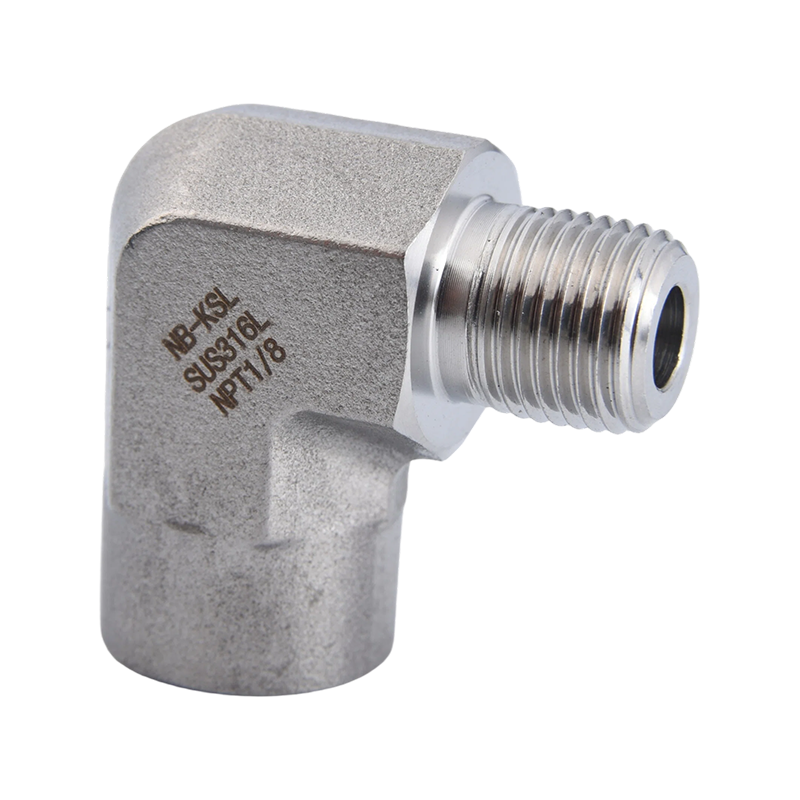
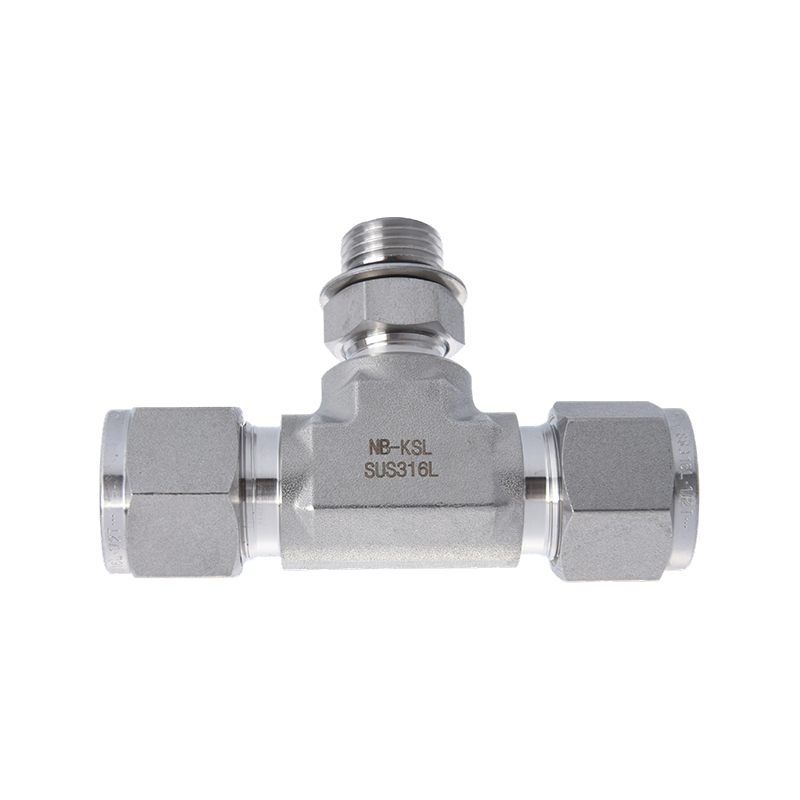
NB-KSL manufactures stainless steel components for industrial gas and fluid systems. Its VCR fitting line includes a stainless steel pipe fittings flame arrester designed for high-purity and corrosive service. The component uses the same crimped element geometry required for effective quenching.
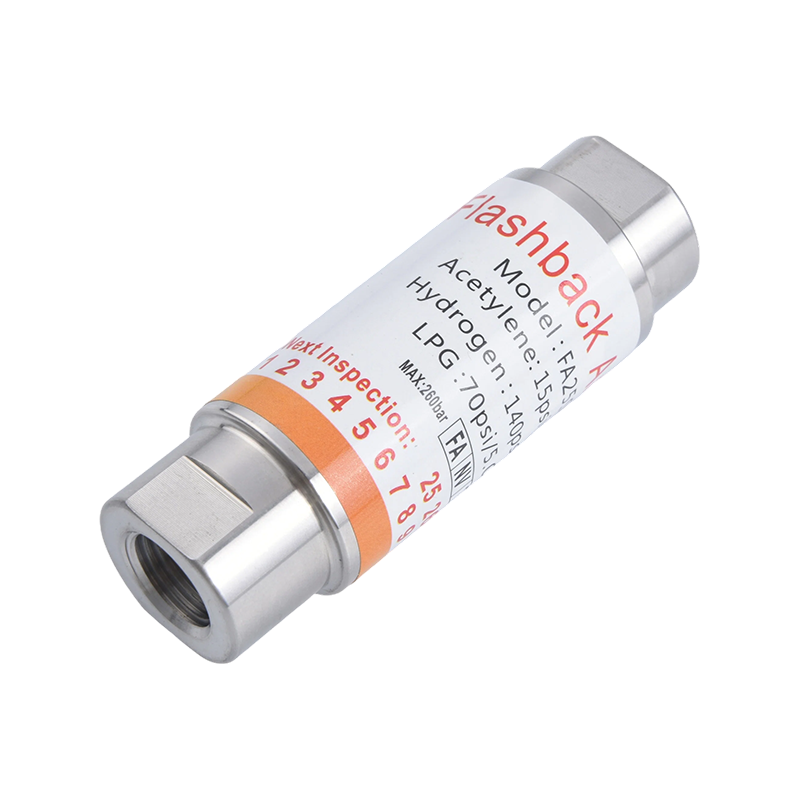 Stainless Steel Pipe Fittings Flame Arrester for High-Purity ServiceThis flame arrester from NB-KSL features a crimped element geometry for effective quenching, suitable for high-purity and corrosive gas systems. Its VCR connections ensure a reliable metal-to-metal seal in demanding applications.View Product →
Connection type matters as much as material. VCR connections provide a metal-to-metal seal that resists leakage in elevated-temperature and high-purity applications. For a broader view of connection options, the complete guide to stainless steel tube fittings covers the types, applications, and selection criteria for different connection systems.
Proper installation is essential for the arrester to perform as certified. The arrester must be installed at the correct distance from the potential ignition source and in the correct orientation relative to the flow. For end-of-line arresters, the vent outlet must be protected from rain and debris to prevent element clogging.
Maintenance requirements include inspecting the element periodically for fouling, dirt, or debris, monitoring differential pressure across the arrester, cleaning the element in accordance with manufacturer instructions, and checking the gasket and connection integrity for leaks.
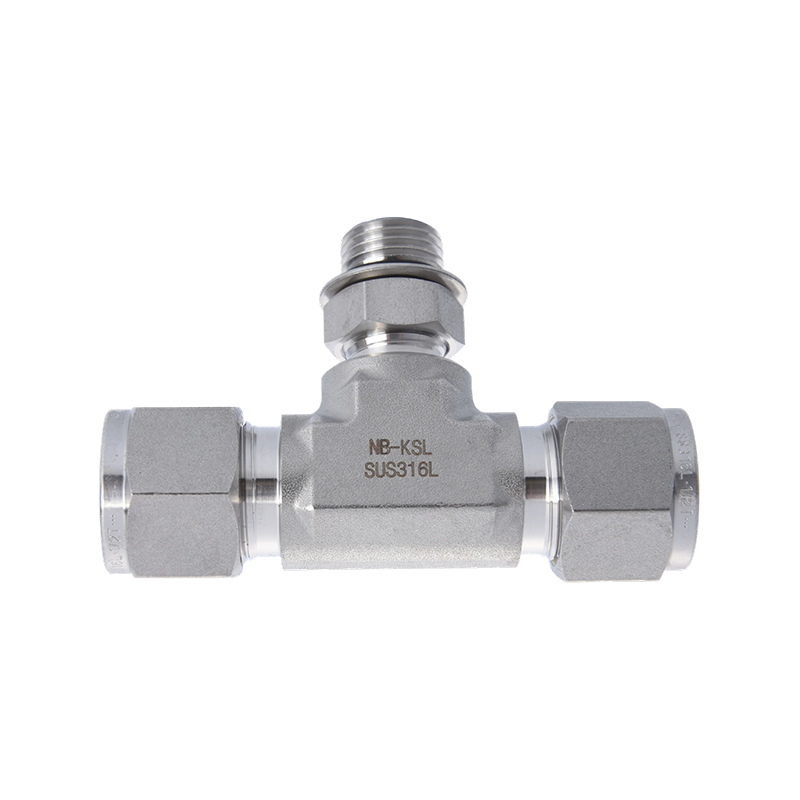
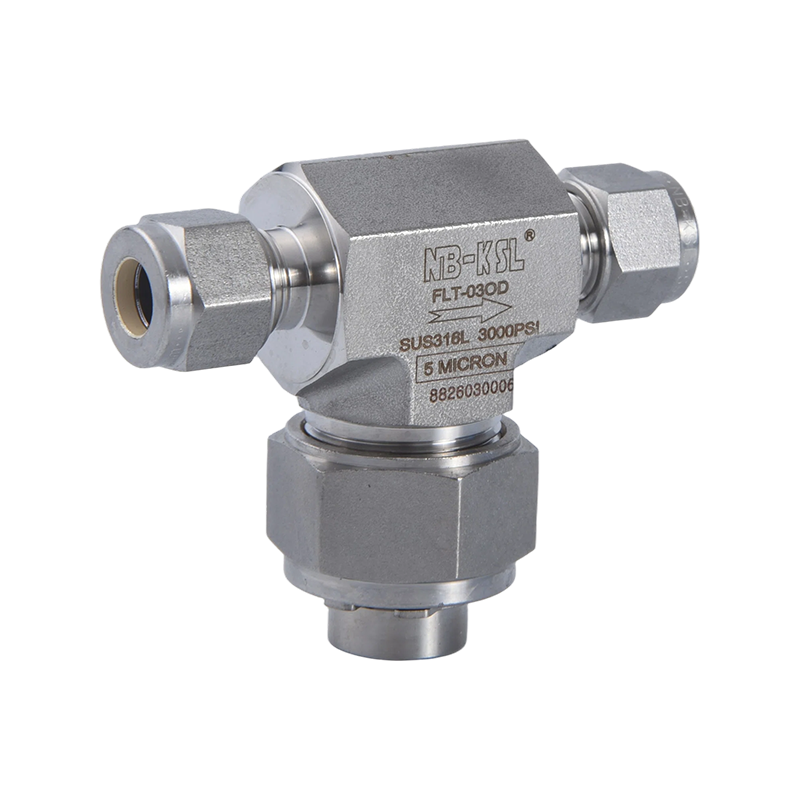
In systems where the vent gas carries particulates or condensing vapors, installing a gas filter upstream can prevent contamination of the arrester element. NB-KSL offers 316L stainless steel gas filters in straight-through and T-type configurations for this purpose.
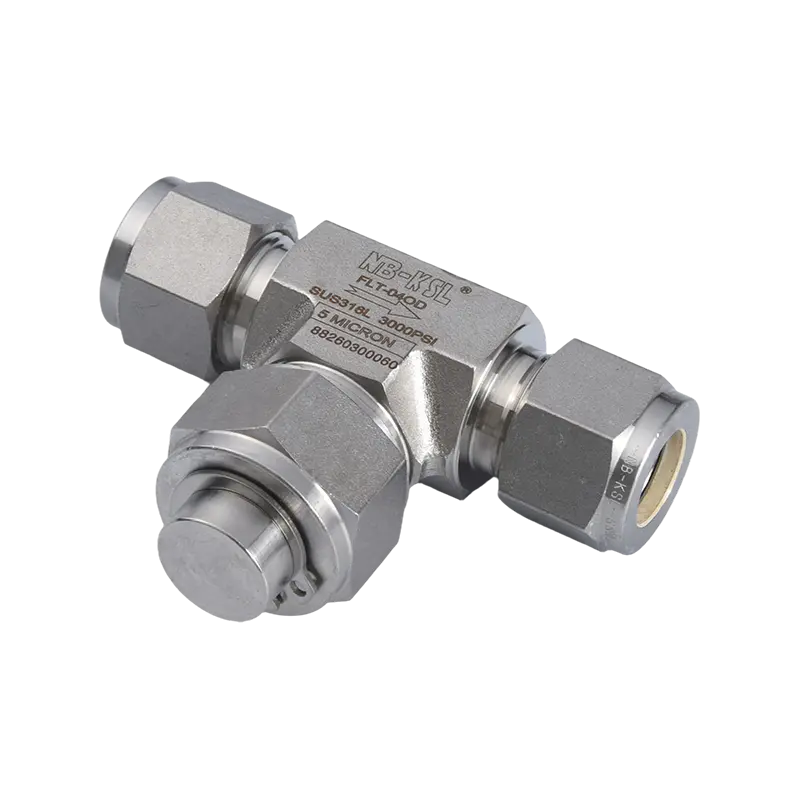 316L Stainless Steel T-Type Gas Filter with Removable ElementThis T-type gas filter offers low pressure drop and high filtration efficiency, with a washable and reusable element. It is designed to trap particulates and prevent contamination of downstream equipment, reducing maintenance costs.View Product →
When specifying a detonation flame arrester, provide the following information to your supplier:
The supplier should verify that the selection is suitable for your service conditions. A unit that is too small will have excessive pressure drop. One that is too large may not meet the detonation test requirements for your specific gas. Always review the test certificate and verify that the tested gas, pressure, and temperature match your application.
A detonation flame arrester is not a generic accessory. It is a safety critical component that must be specified with full knowledge of the media, operating conditions, and potential detonation scenario. The difference between a flame arrester and a detonation flame arrester is the difference between a device that may fail under a supersonic flame front and one that is engineered to contain it.
By understanding the operating principle, the deflagration versus detonation distinction, the applicable standards, and the material requirements, you can make a more confident selection. For stainless steel flame arresters and related safety components built to high precision standards, NB-KSL provides a practical manufacturing option.
A gas line backfire is not a slow-moving event. In a fraction of a second, a flame passes back through the intake or vent line, and if it reaches fuel vapor or accumulated gas, the system can be damaged or destroyed. A backfire flame arres...
If you only remember one thing from this guide, remember this: for most hydrogen systems operating between 350 and 700 bar, 316/316L stainless steel fittings with metal-to-metal or PTFE-based seals are the safest and most cost-effective cho...
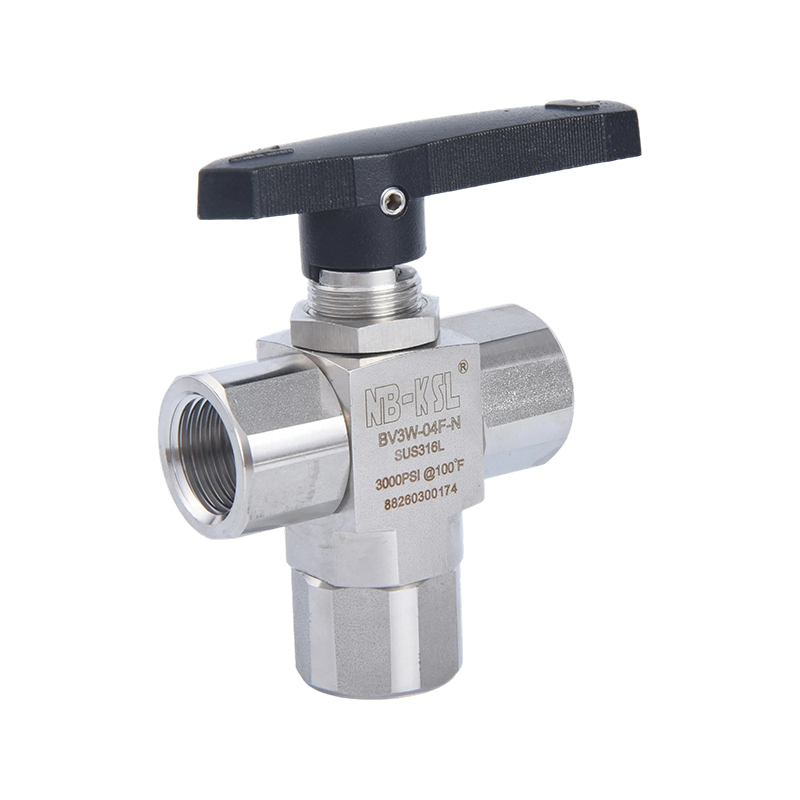
What Stainless Steel Needle Valves Are and How They Work A needle valve controls flow through a small-bore orifice by advancing or retracting a tapered needle-shaped stem into and out of a precision-machined seat. As the handwheel or actua...
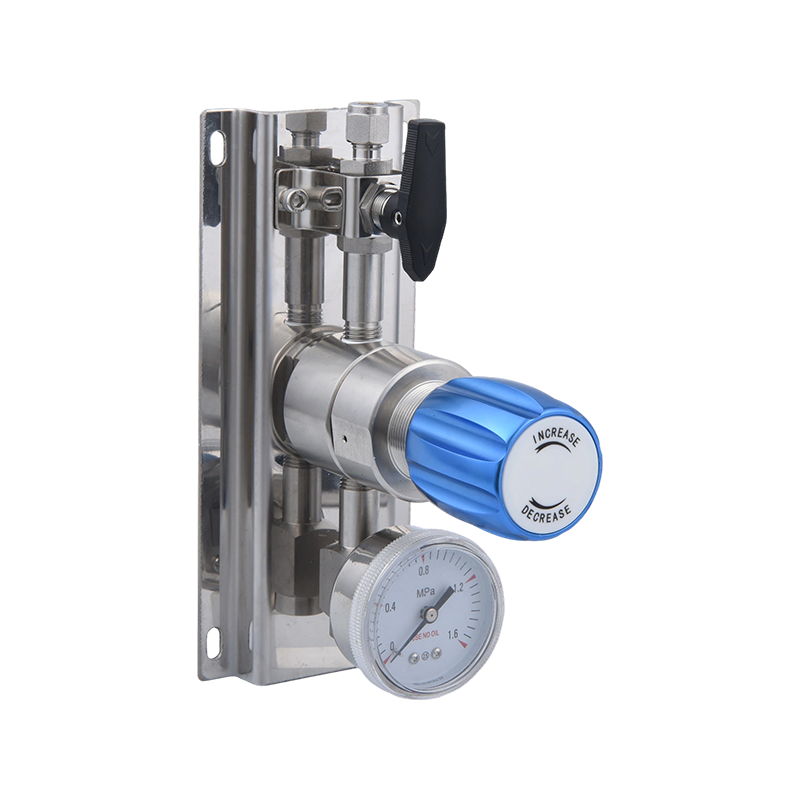
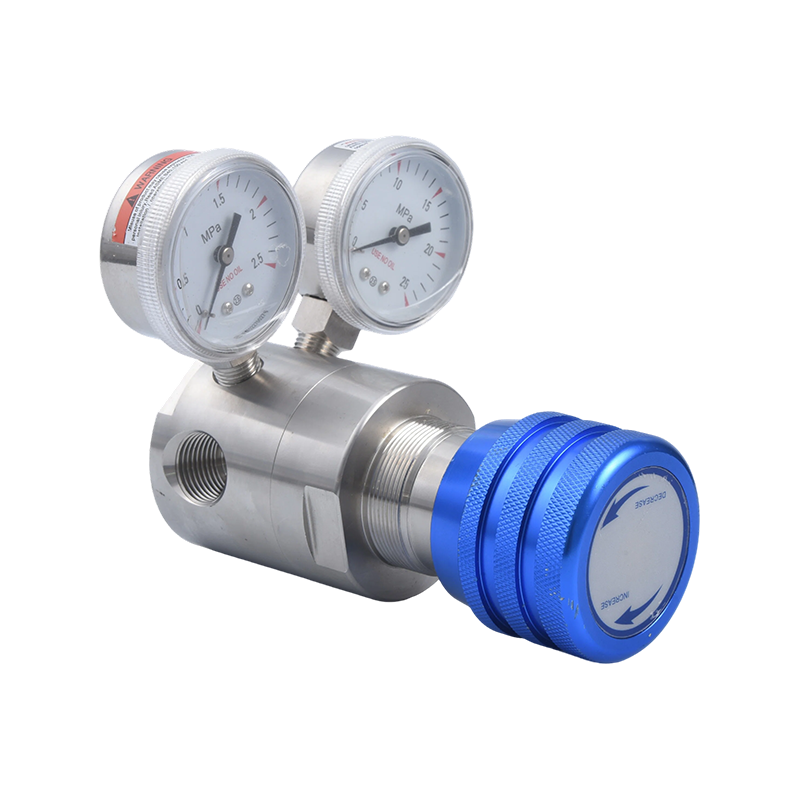
Stainless Steel Pressure Regulators Deliver Superior Safety and Precision in Gas Control Stainless steel pressure regulators are the industry standard for controlling gas flow safely and accurately across critical applications, from semico...
 1 Zhongxin Yungu Zone D Building 1, Jiangkou Street, Fenghua District, Ningbo City, Zhejiang Province, China
 +86-574-88561893 / +86-15057497901
 Copyright © Ningbo Keshengli Stainless Steel Valve Co., Ltd. Rights Reserved.
Wholesale Stainless Steel Fittings & Valves Manufacturers
Copyright © Ningbo Keshengli Stainless Steel Valve Co., Ltd. Rights Reserved.
Wholesale Stainless Steel Fittings & Valves Manufacturers



 English
 中文简体
中文简体