Content
Consider a gas line that has just been purged and refilled with a flammable mixture. A maintenance welder sparks, and a small flame front starts moving down the pipe. The question is not whether it will burn—it is whether the flame stays subsonic or transitions into a supersonic shock front. The difference between these two outcomes can mean a negligible pressure bump or a catastrophic rupture. In practical terms, deflagration and detonation are two distinct flame propagation modes, and their difference drives how we design and specify piping components, flame arresters, valves, and even material selection. The key rule: deflagration is subsonic, detonation is supersonic, and the transition between them is the most dangerous part. Even well-built stainless steel tube fittings and valves can fail if the system is not designed for the pressure wave.
A fabrication supervisor or process safety engineer may have to choose between a deflagration-rated and a detonation-rated device. Choosing the wrong rating is not a matter of extra cost alone; it can be the difference between a contained event and a failed protection layer.
Deflagration is a flame propagation process that moves through the unburned mixture at a speed well below the local speed of sound. The flame does not generate a strong coherent shock wave; instead, it produces a pressure rise that travels ahead of the flame at acoustic speed. A typical deflagration in a pipe may produce peak pressures of a few bar above atmospheric, depending on fuel type, concentration, and turbulence. Under normal process conditions, deflagrations are much more common than detonations. A leak from a gas regulator, an ignition around a vent, or a small static discharge can initiate a subsonic flame. The reaction zone can be laminar or turbulent, but it always moves forward slower than sound.
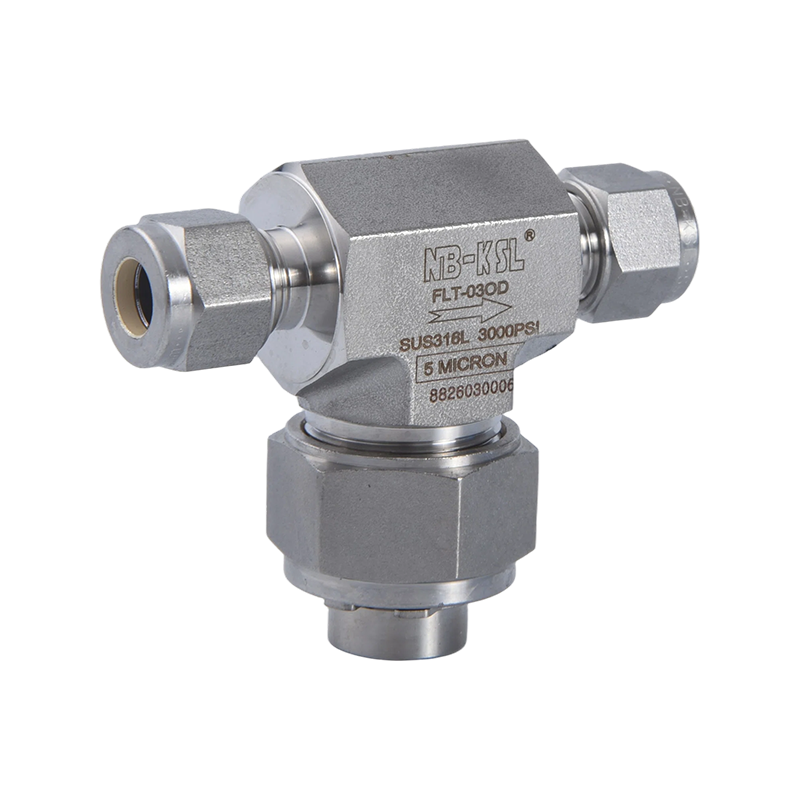
From a safety standpoint, equipment must be able to stop a deflagration flame before it travels through the whole system. That is exactly what a flame arrester does. A properly selected flame arrester quenches the flame at the media boundary, and it must be matched to the expected flame speed, pressure, and fuel type. If the arrester is undersized for a deflagration, the flame can propagate past it.
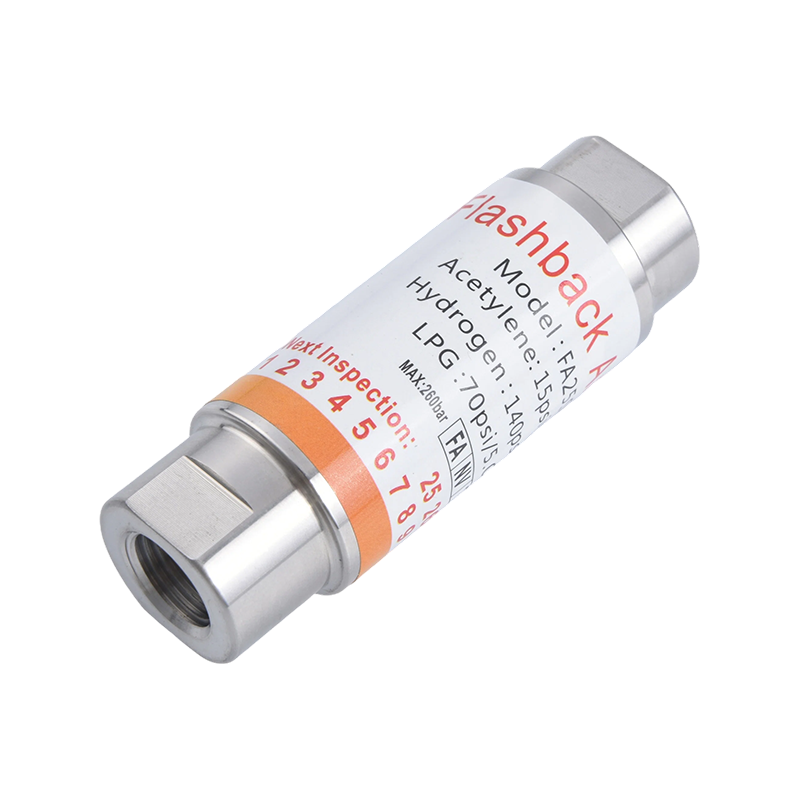 Stainless Steel Pipe Fittings Flame Arrester for DeflagrationThis flame arrester is designed to stop deflagration flames in piping systems, providing a critical safety barrier. It matches the need for equipment that can quench flame fronts before they travel through the entire system.View Product →
Detonation is fundamentally different. The flame front moves faster than the local speed of sound—often between 1,500 and 3,000 m/s in fuel-air mixtures—and is coupled to a strong shock wave. The pressure behind the detonation front can exceed 20 bar in many practical cases and can be significantly higher in confined systems. Unlike a deflagration, a detonation does not need an external ignition source once it is established. The shock wave compresses the unburned mixture, raising its temperature and causing autoignition. This self-sustaining cycle produces a violent, localized pressure spike.
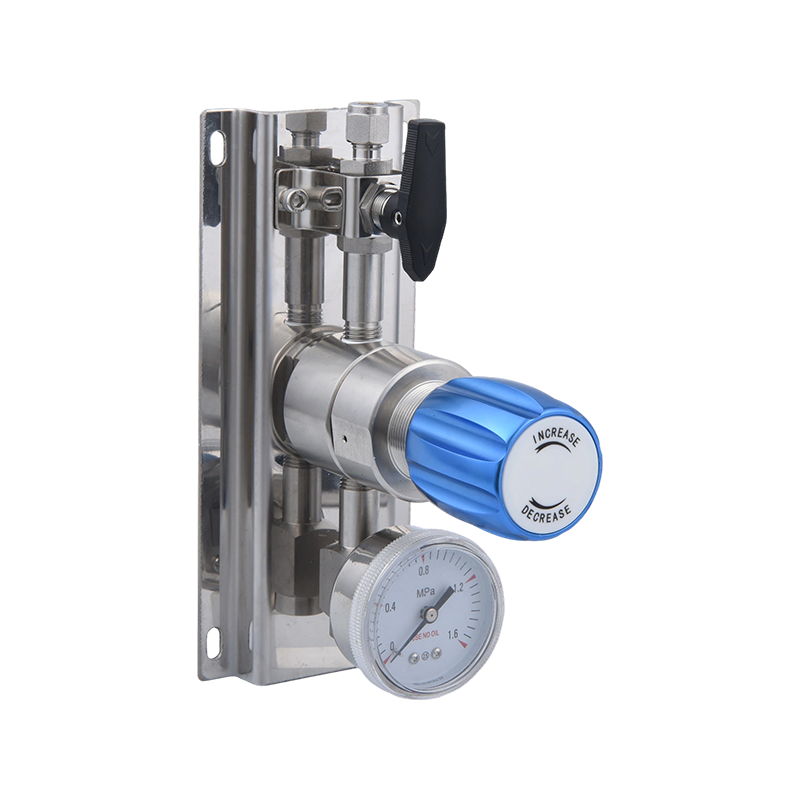
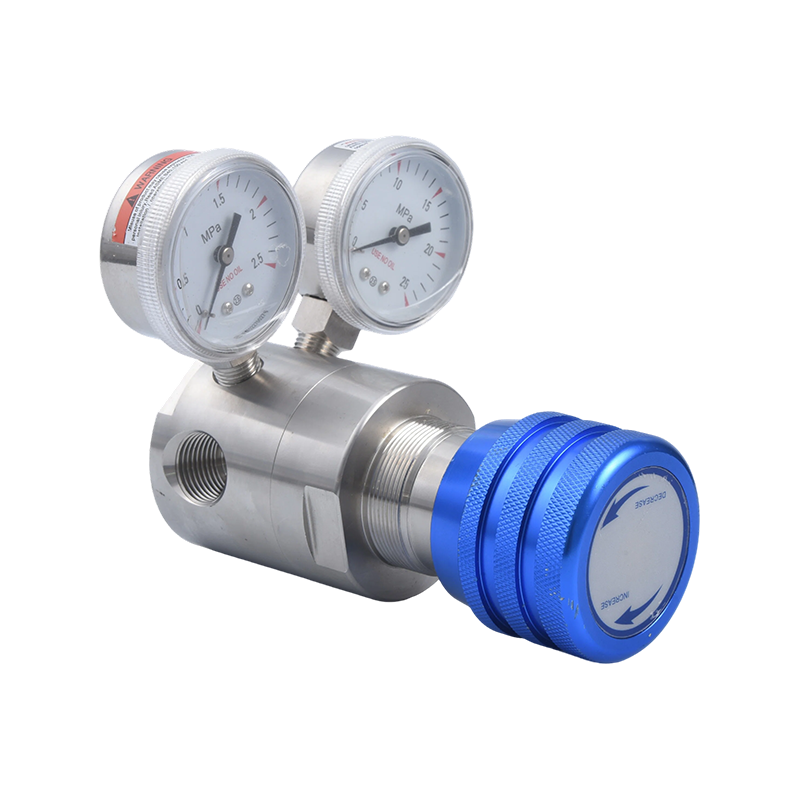
Detonations typically occur in long pipelines, large blocked volumes, or systems with high-energy gases such as acetylene, hydrogen, or ethylene. Preventing a detonation requires more than a standard flame arrester. A detonation flame arrester must withstand both the shock wave and the high temperature that follows it. It also helps to control upstream pressure and avoid conditions that make the gas mixture more reactive. In a high-pressure gas cylinder collection system, a stainless steel regulator reduces the supply pressure before the gas enters the distribution line, which lowers the initial flame acceleration potential.
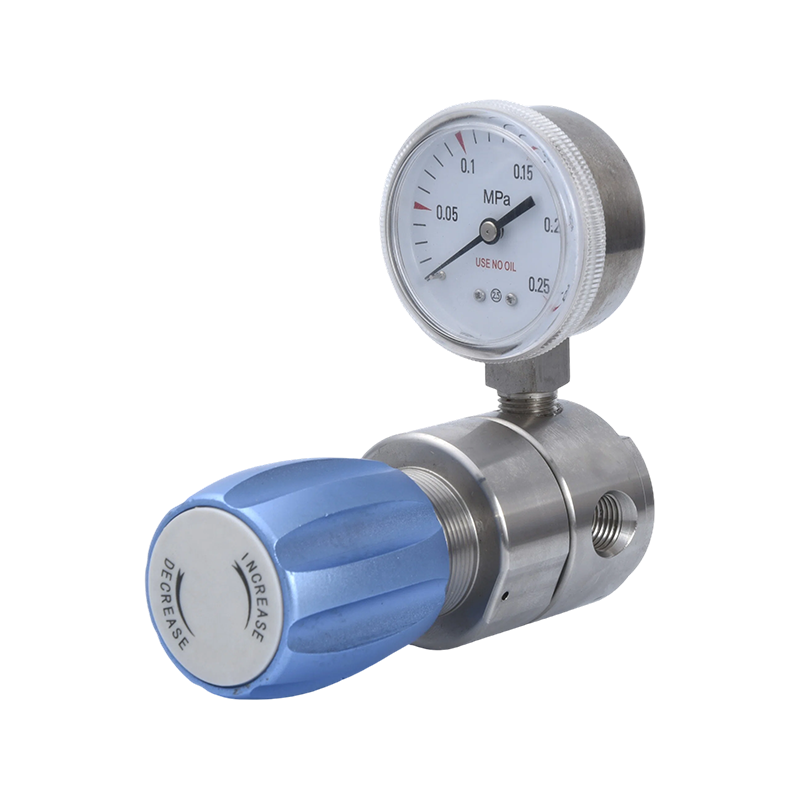 R85 Series Pressure Regulator for Gas Cylinder ManifoldsThis regulator reduces supply pressure from gas cylinder banks, lowering initial flame acceleration potential. It features a large diaphragm and robust construction for stable output in high-flow systems.View Product →
The most dangerous scenario is a deflagration that transitions to detonation. This happens when the flame accelerates through an obstructed path. Every elbow, valve, tee, or reducer creates turbulence and increases the flame speed. As the flame speeds up, a shock front forms ahead of it. When the shock reaches a certain strength, it triggers autoignition in the unburned gas, and the two waves become coupled as a detonation. DDT is the reason a seemingly small incident in a long gas line can escalate into a destructive event.
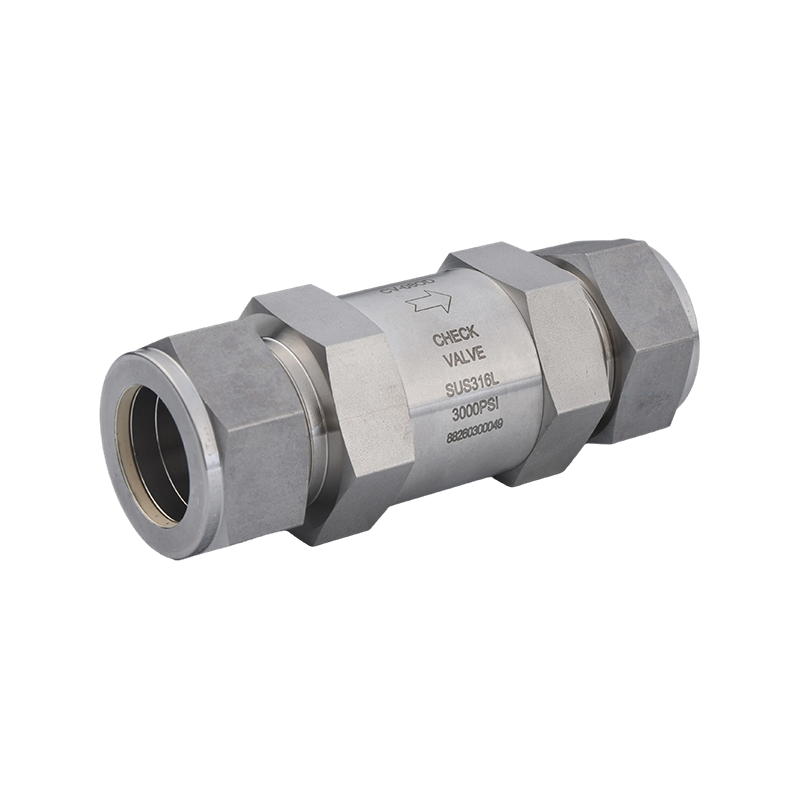
Operators sometimes assume that removing obstacles will slow the flame. In practice, obstacles such as brackets, gaskets, and partial obstructions can all promote turbulence. Even a small pipeline fitting can create enough turbulence to push a deflagration toward transition. Engineering measures that reduce DDT risk include minimizing unnecessary obstacles, maintaining short pipe runs, using appropriate check valves to prevent backflow, and fitting pressure relief devices. A check valve can help stop reverse flow, but on its own it will not stop a detonation wave. Still, in many gas systems a high-quality check valve is a key layer of protection against backfeeding and flame propagation through the wrong path.
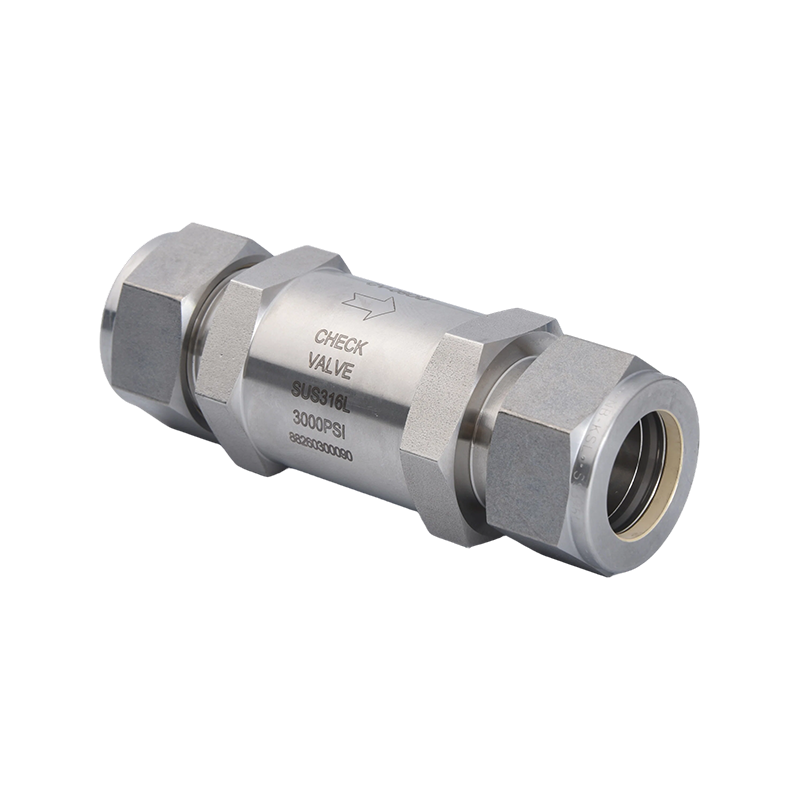 316L Stainless Steel Mini In-Line Check ValveThis mini check valve prevents reverse flow in gas systems, serving as a key layer of protection against backfeeding and flame propagation. Its 316L stainless steel construction ensures corrosion resistance.View Product →
| Feature | Deflagration | Detonation |
|---|---|---|
| Flame speed | Subsonic, below the local sound speed | Supersonic, often 1,500–3,000 m/s in fuel-air mixtures |
| Pressure effect | Moderate rise, often vented through relief devices | Strong shock wave with high peak pressure |
| Typical occurrence | Small leaks, open vents, low-turbulence ignition | Long pipelines, obstacle-rich paths, high-energy gases |
| Protection device | Deflagration flame arrester | Detonation flame arrester |
| DDT relationship | Starting point | Potential end state of DDT |
Selecting hardware for a gas system should start from the worst credible case, not from normal operation. If the process can produce a detonation, the design must assume it. That means choosing flame arresters certified for detonation conditions, using 316L stainless steel for corrosion resistance at high temperatures, and relying on components that can withstand repeated thermal and mechanical loads. CNC machining and heat treatment are important because they affect the consistency of the metal structure and the final pressure rating.
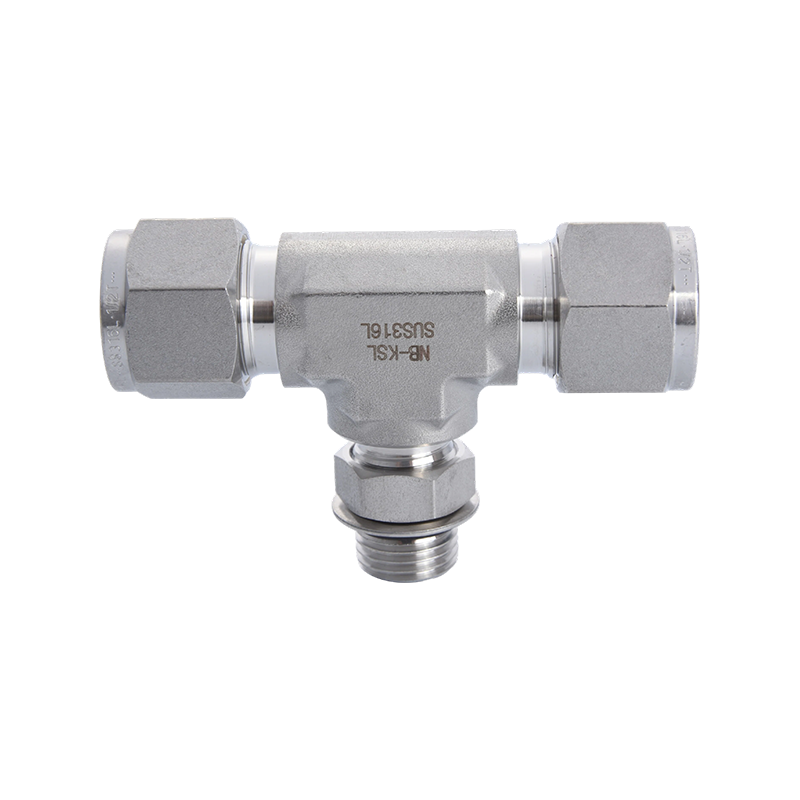
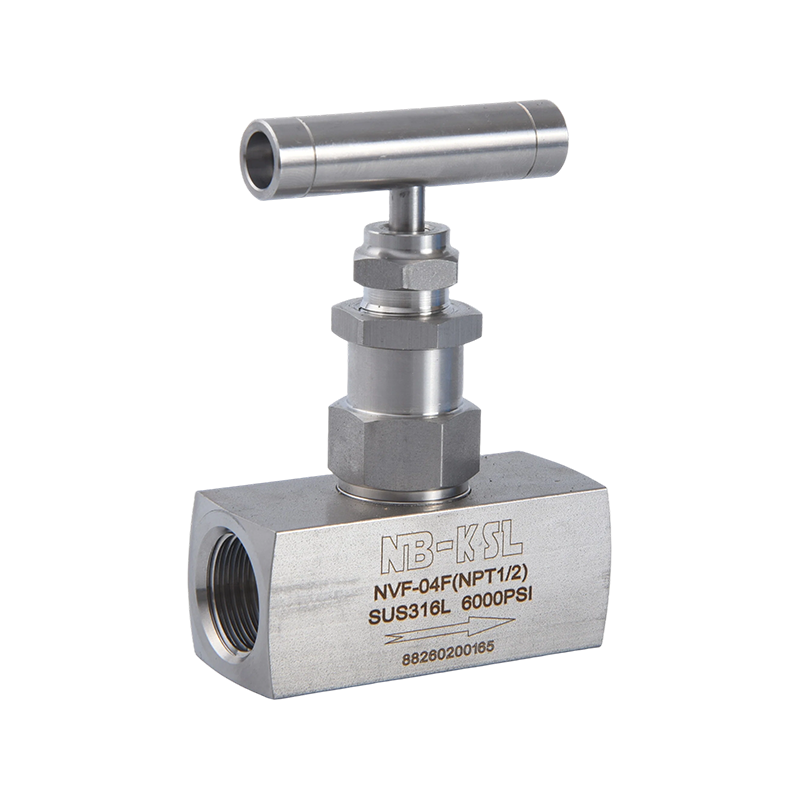
In our manufacturing process, every stainless steel tube fitting and valve is machined, heat-treated, and fully tested. For example, a high-pressure needle valve with a screwed bonnet can keep leaks tight under cyclic pressure, and VCR fittings can reduce dead volume and improve cleanliness in high-purity gas lines. The guiding question is always: if a deflagration turns into a detonation, can the system contain it? The answer depends on the pressure rating of the piping, the type of flame arrester, and the quality of every connection. When you combine the right fittings, a correctly rated flame arrester, and a robust pressure control strategy, you create a system that is neither over-engineered nor dangerously under-designed.
A fixed-roof tank stores a flammable aromatic solvent. Its vent line runs to a vapor collection manifold. An electrical spark from a nearby pump can ignite the vapor-air mixture. The flame front travels along the vent pipe. In a long, turb...
If you need a quick answer: for most industrial piping systems handling water, steam, air, oil, or mild chemicals below 1000 psi, a 316 stainless steel 2-piece or 3-piece full-port ball valve with PTFE seats is the right default choice. Onl...
The right stainless steel tube fitting is determined by five factors, in order of priority: material grade (304 vs. 316), connection type (compression, flared, or welded), working pressure and temperature rating, tube outer diameter and wa...
Quick Answer: Which Valve Should You Choose Choose a stainless steel ball check valve for small pipe sizes (typically under 3 in.), vertical installations, or systems needing fast response and tight sealing. Choose a swing check valve for ...
 1 Zhongxin Yungu Zone D Building 1, Jiangkou Street, Fenghua District, Ningbo City, Zhejiang Province, China
 +86-574-88561893 / +86-15057497901
 Copyright © Ningbo Keshengli Stainless Steel Valve Co., Ltd. Rights Reserved.
Wholesale Stainless Steel Fittings & Valves Manufacturers
Copyright © Ningbo Keshengli Stainless Steel Valve Co., Ltd. Rights Reserved.
Wholesale Stainless Steel Fittings & Valves Manufacturers



 English
 中文简体
中文简体