

 English
 中文简体


Low Emission Design Features and Leakage Classes
| Feature | Standard Valve | Low Emission Design |
|---|---|---|
| Stem packing | PTFE or soft graphite, adjustable gland | Live-loaded graphite or PTFE chevron packing with spring washers (Belleville), anti-extrusion rings |
| Stem surface | Normal machined finish | Ground and polished, roughness typically Ra 0.2 to 0.4 µm |
| Stem bore | Standard tolerance | Tight tolerance and good concentricity, to reduce extrusion gap |
| Gland | Simple nut or flange | Guided gland with controlled load, and torque marked |
| Body gasket | Standard gasket | Spiral wound with graphite or PTFE-enveloped gasket, controlled bolt load |
| Stem seal type | Packing only | Packing plus secondary seal or bellows seal on request |
| Testing | Pressure test only | Helium or methane test, with leakage measured at stem |
ISO 15848-1 classification (overview)
| Item | Classes | Meaning |
|---|---|---|
| Tightness class | A, B, C (methane) or AH, BH, CH (helium) | A is the tightest, C the least tight |
| Endurance class | CO1, CO2, CO3 (isolating valves) | Number of mechanical cycles with thermal cycles: about 205, 1500 and 2500 cycles |
| Test temperatures | Room temperature, low and high temperatures as chosen | Temperature classes defined by the standard |
| Test pressure | Typically rated pressure at room temperature | Set by standard and customer |
A valve is classified by a combination, for example "BH-CO2", which tells the buyer how tight the stem seal was and how many cycles it survived under test. The exact leakage limits are given in the standard, and depend on stem diameter.
What TA-Luft asks. Earlier editions of TA-Luft focused on a technical leakage rate for the stem seal measured with helium, in line with VDI 2440. Recent revisions rely more on ISO 15848 classes and endurance. Because the details differ by edition, we ask you to state the version and to confirm with your authority or consultant.
Low Emission Valve Range and Upgrade Options
Many existing valves can be upgraded with low-emission packing and gaskets, and new valves can be ordered with these features from the start. We offer both options, so that you can decide according to your budget and your compliance timetable.
| Product | Size Range | Low Emission Features |
|---|---|---|
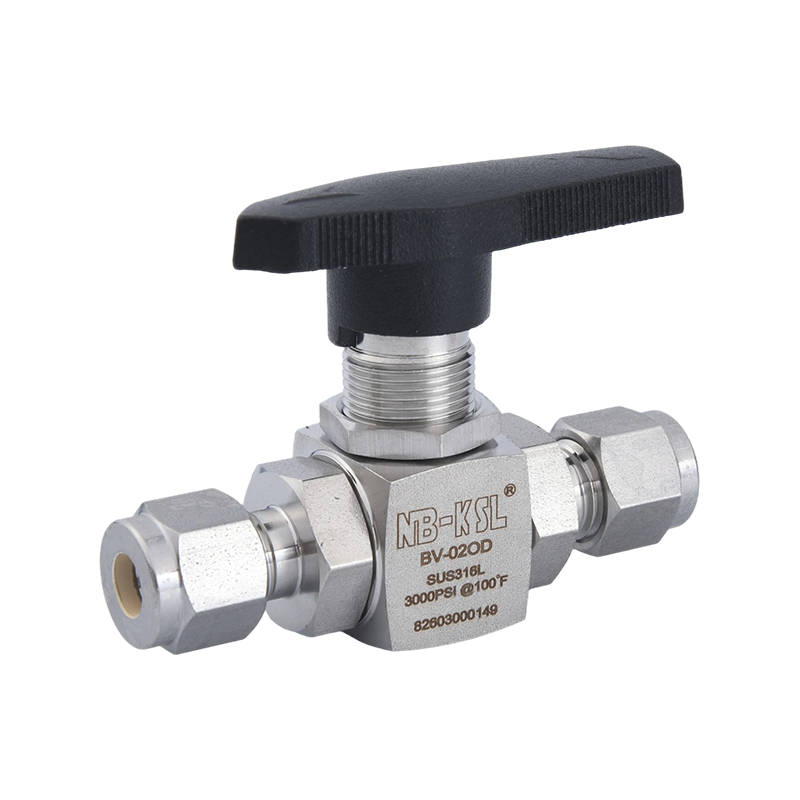
| Floating and trunnion ball valves | 1/2 inch to 12 inch | Live-loaded packing, polished stem, graphite gaskets, anti-static device |
| Gate valves, bolted bonnet | 1/2 inch to 24 inch | Graphite packing, live loading, spiral wound bonnet gasket |
| Globe valves | 1/2 inch to 12 inch | Graphite packing, live loading, bellows seal on request |
| Bellows sealed globe and gate valves | 1/2 inch to 12 inch | Metal bellows plus safety packing, near-zero stem emission |
| Check valves | 1/2 inch to 12 inch | Spiral wound or graphite bonnet gaskets |
| Butterfly valves, double offset | 2 inch to 24 inch | Packing with live loading, graphite seals |
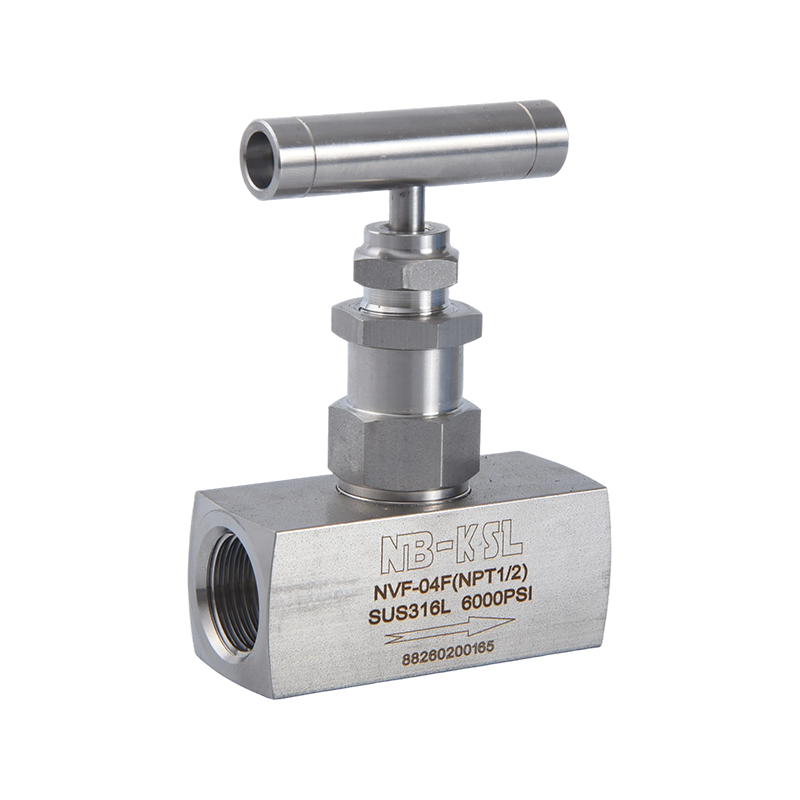
| Needle and instrument valves | 1/4 inch to 1/2 inch | Low emission packing, helium tested |
| Packing and gasket kits | Matched to valve | Retrofit kits for existing valves |
Choosing the right level of protection
- Standard live-loaded packing: good for many non-toxic organic fluids and utility lines, with a favourable cost.
- Graphite packing with anti-extrusion rings: for hot service and long life, with controlled loads.
- Bellows seal plus safety packing: for very toxic, carcinogenic or expensive fluids, where near-zero emission is needed.
- Welded bonnet or sealed design: for specialised applications.
Tell us the fluid, temperature, pressure and required leakage class, and we will recommend the simplest design that meets your requirement, avoiding over-specification.
Regulations and Test Standards for Fugitive Emissions
Fugitive emission rules combine environmental regulations with test standards. A regulation, such as TA-Luft, says how much leakage is acceptable. A test standard, such as ISO 15848, explains how to measure it. Our valves are designed with both in mind.
| Area | Standard or Regulation |
|---|---|
| German air quality regulation | TA-Luft (Technical Instructions on Air Quality Control), 2002 edition and later revisions |
| Guideline for fugitive emission measurement | VDI 2440, VDI 3479 |
| Type test for fugitive emission | ISO 15848-1 (classification and qualification) |
| Production acceptance test | ISO 15848-2 |
| Packing type test | API 622 (process valve packing) |
| Rising stem valve type test | API 624 (graphite packing) |
| Quarter-turn valve type test | API 641 |
| US regulation for leak detection | EPA Method 21 (US leak detection and repair) |
| European industrial emissions | Directive 2010/75/EU, BAT conclusions, EN 15446 (fugitive emission measurement) |
| Valve design | API 600, API 602, API 608, API 609, ISO 17292 |
Same goal, different tests. A valve tested to ISO 15848-1 does not automatically satisfy API 624 or TA-Luft, because test conditions, limits and units differ. A good supplier explains the relationship, and does not claim more than the test reports show. We can map the available reports to your specification, and say which parts are covered.
If your plant has a leak detection and repair program, we can discuss valve designs that reduce the need for retightening.
Reference note: environmental regulations and test standards are revised from time to time, and permits may name a specific edition or fix the requirements at the date of approval. Tell us the permit or specification clause that applies to your plant, and we will review it and tell you which part we can support by tests and which part must be confirmed by your authority.
Test Reports and Documents for Low Emission Valves
Low emission performance must be proven, not just stated. The most useful documents are the type test report showing how the valve design performed, and the production test report showing that the delivered valves match the tested design. We organise both in a way that an environmental engineer or inspector can follow.
- ISO 15848-1 type test report: tightness class, endurance class, test medium, pressure, temperatures, number of cycles and measured leakage, for the tested design.
- API 622 or API 624 report: for the packing set or the valve, where available.
- Production helium test report: per ISO 15848-2 or the customer's procedure, listing measured leakage for sampled or all valves.
- Design drawing: showing the packing arrangement, spring loading, gland torque and stem finish, with part numbers.
- Packing and gasket certificates: supplier data for graphite, PTFE and spiral wound gaskets, with batch numbers.
- Material certificate: EN 10204 3.1 for body, stem, ball and bolting.
- Pressure test report: shell and seat tests per API 598 or ISO 5208.
- Quality management: ISO 9001 style system with design freeze and change control for sealing parts.
Valid for the tested design only. Like fire safe reports, emission reports belong to a specific design. If the packing, gland or stem finish changes, the report may lose its validity. We keep the design frozen and tell customers if a change is proposed.
Ask for the report summary and the range of sizes it covers before ordering. We will send it with the quotation.
Control of Sealing Parts and Assembly Loads
Low emission performance depends on small details: the stem finish, the packing density, the spring load and the tightening torque. If any of these varies from valve to valve, the emission performance varies too. Our traceability and process control therefore focus on these items.
- Stem control: stem material heat number, ground diameter and surface roughness are recorded for each lot.
- Stem bore inspection: stuffing box dimensions and surface finish are checked with gauges.
- Packing control: packing type, supplier, batch and density are recorded, and rings are cut and fitted according to a written procedure.
- Spring load control: spring washers are counted, stacked in the correct direction and compressed to a specified height or torque.
- Gasket control: body gasket type and batch are recorded, and bolt tightening follows a cross pattern with torque values.
- Final records: assembly sheets list part numbers, batches, torque values and operator, linked to the valve serial number.
| Control Item | Why It Matters |
|---|---|
| Stem roughness | A rough stem wears packing and increases leakage |
| Packing density and fit | Controls sealing force and extrusion |
| Spring load | Maintains sealing force as packing relaxes over time |
| Gland torque | Prevents under-tightening or over-compression |
| Gasket and bolt load | Prevents body joint leakage |
These records also help maintenance teams later, because they show the original assembly settings and make re-tightening faster and more reliable.
Why torque marks help: after assembly, we mark the gland nuts so that any movement can be seen at a glance. During maintenance, a technician can check the marks and the spring height instead of guessing. This simple habit keeps the original sealing load and reduces the number of leaks that are caused by well-meant but wrong re-tightening.
Helium and Methane Testing for Stem Leakage
Standard pressure tests cannot see fugitive emissions, since they look for visible leaks and not for tiny quantities of escaping gas. Emission testing uses a sensitive gas, normally helium or methane, and a detector that can measure very small flows. We use this approach for type tests and production samples.
| Test | Method | Frequency |
|---|---|---|
| ISO 15848-1 type test | Helium or methane at pressure, with mechanical and thermal cycles, leakage measured at the stem | Once per design, at an accredited laboratory |
| ISO 15848-2 production test | Helium test at room temperature, stem leakage measured with a sniffer or vacuum method | Sampling or 100%, as specified |
| Helium body test | Check of body joints and gaskets | On request |
| Shell and seat test | Hydrostatic and air tests per API 598 | 100% of valves |
| Stem surface check | Roughness measurement of stem | Sampling |
| Packing inspection | Visual and dimensional check at assembly | 100% at assembly |
| Torque check | Operating torque and gland torque | Sampling |
| Cycle test | Mechanical cycles under pressure, on type samples | Type test |
Sniffer versus vacuum method. In the sniffer method, a probe is passed around the stem while the valve is filled with helium, and the leak is read from a detector. In the vacuum method, the stem area is enclosed in a chamber and leakage is measured accurately. The vacuum method is more precise, while the sniffer is quicker and fits production use. We pick the one that suits the leakage class.
Test equipment is calibrated, and calibration records are kept. Customers may witness production tests, and attendance at type tests depends on the laboratory schedule.
Frequently Asked Questions about TA-Luft Low Emission Valves
Q: What is TA-Luft?
It is the German Technical Instructions on Air Quality Control, which set limits for emissions from industrial plants, including fugitive emissions from flanges, pumps and valves. It has been revised several times.
Q: Is TA-Luft a certificate?
No. TA-Luft is a regulation. A valve is shown to meet it through test reports, typically type tests to ISO 15848-1 or VDI 2440, together with design features and production tests.
Q: What does ISO 15848-1 class BH-CO2 mean?
It means a tightness class B tested with helium, and an endurance class CO2, which involves about 1500 mechanical cycles under the standard's conditions. The class tells how tight and how durable the stem seal was in the test.
Q: What is live loading?
It is a set of springs, usually Belleville washers, that keep a constant force on the packing. As packing relaxes or wears, the springs keep it tight, which reduces leakage over time.
Q: When do I need a bellows seal?
For very toxic, carcinogenic or valuable fluids, where even tiny leakage is unacceptable. A metal bellows seals the stem completely, and a safety packing backs it up.
Q: Can I upgrade existing valves?
Often yes, with low emission packing sets, new glands and gaskets. The result depends on the condition of the stem and the stuffing box, so a check is needed. We can supply retrofit kits for our own valves.
Q: Is a low emission valve also fire safe?
Not automatically. The two requirements can be combined, as graphite packing helps both, but each needs its own type test. Tell us if you need both.
MOQ and Pricing for Low Emission Valves
Low emission valves are usually bought for specific projects or plant upgrades. Our minimum quantities are modest, but unit prices are higher than for standard valves because of the additional parts, tighter machining and testing.
| Item | Typical Terms |
|---|---|
| Sample order | 1 to 3 pieces per model |
| Standard MOQ | 10 to 30 pieces per size; project orders from 1 piece |
| Retrofit kits | Quantity per valve size, small orders accepted |
| New type test for a design | Quoted separately; includes laboratory fee, test valves and report |
| Pricing basis | EXW, FOB Ningbo, CFR or CIF in USD |
| Quote validity | 30 days, adjusted for stainless steel and nickel price changes |
| Payment | 30% T/T deposit, 70% before shipment; L/C at sight for approved accounts |
What affects the price
- Sealing design: live-loaded packing costs more than standard packing; bellows seals cost much more.
- Stem finish and machining: ground and polished stems need extra operations.
- Gaskets and bolting: spiral wound and graphite gaskets cost more than plain ones.
- Testing: helium tests on each valve add time and cost; type tests are separate.
- Documents: extended reports and third-party witness are charged separately.
A practical way to control cost. Low emission valves are most valuable on lines that carry harmful or regulated fluids. For utility lines, standard valves may be enough, so we help you divide the system and apply low emission valves where they really matter.
Ordering advice: put the most critical lines first, such as toxic, carcinogenic or high-vapour-pressure fluids, and plan the upgrade of other lines over several budget periods. A step-by-step approach spreads cost, and the experience from the first lines helps you refine the specification for the rest of the plant.
Lead Time, Customisation, Packaging and Trade Terms
Lead time and stock
Low emission ball valves of standard designs usually ship in 25 to 40 days. Gate and globe valves, bellows sealed designs and orders with helium production tests need 40 to 70 days. A new type test takes several months, so please tell us early if your project needs one.
Customisation
We can customise packing type, live loading, gland design, stem finish, gasket type, bellows seal, body material, end connections, actuator interface, marking and test scope. If your specification gives a leakage class, we design the valve to that class and plan the tests accordingly.
Packaging
- Stem and gland protected during transport, with gland torque marked
- Individual wrapping and end caps on flanges and threads
- Cartons with dividers, wooden cases or pallets for heavy items
- Labels with size, class, material, emission class and batch
- Documents in a waterproof envelope, with scanned copies by email
Shipping and trade terms
| Term | Details |
|---|---|
| Incoterms | EXW, FOB Ningbo, CFR, CIF, DAP |
| Port | Ningbo-Zhoushan; Shanghai as an alternative |
| Transport | Sea freight, air freight for urgent items, express courier for samples |
| Documents | Invoice, packing list, bill of lading, origin certificate, material and test certificates |
We can ship low emission valves together with spare packing sets and gaskets, so your maintenance team has the right replacement parts from day one.
Maintenance advice: check packing glands at the intervals recommended in the manual, record the spring height rather than only the torque, and replace packing sets as a complete set. Low emission performance depends on the whole assembly, so partial repairs can reduce it, and a short maintenance guide is supplied with each order on request.