


 English
 中文简体
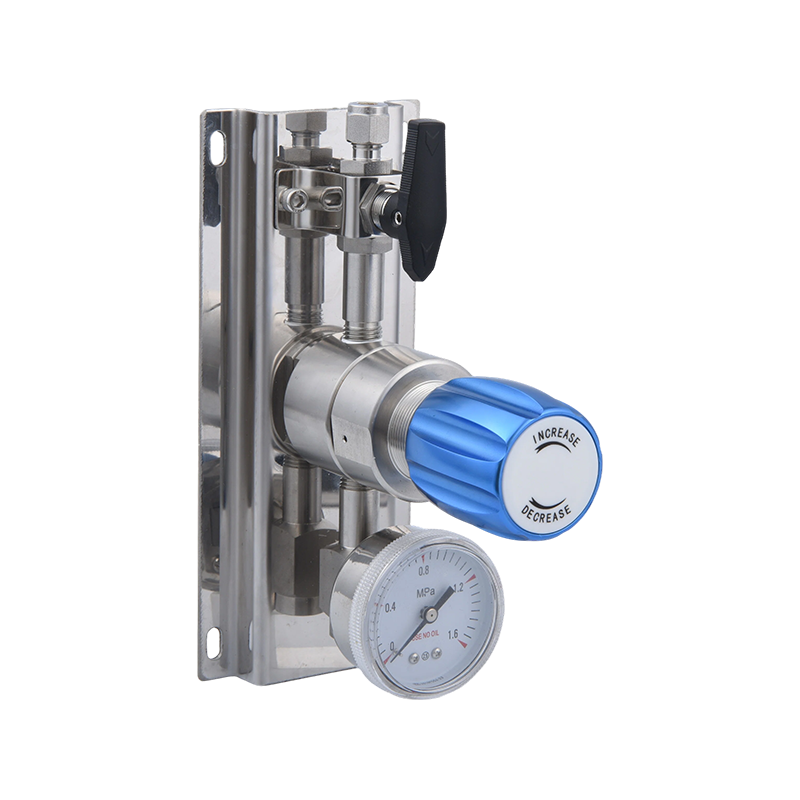


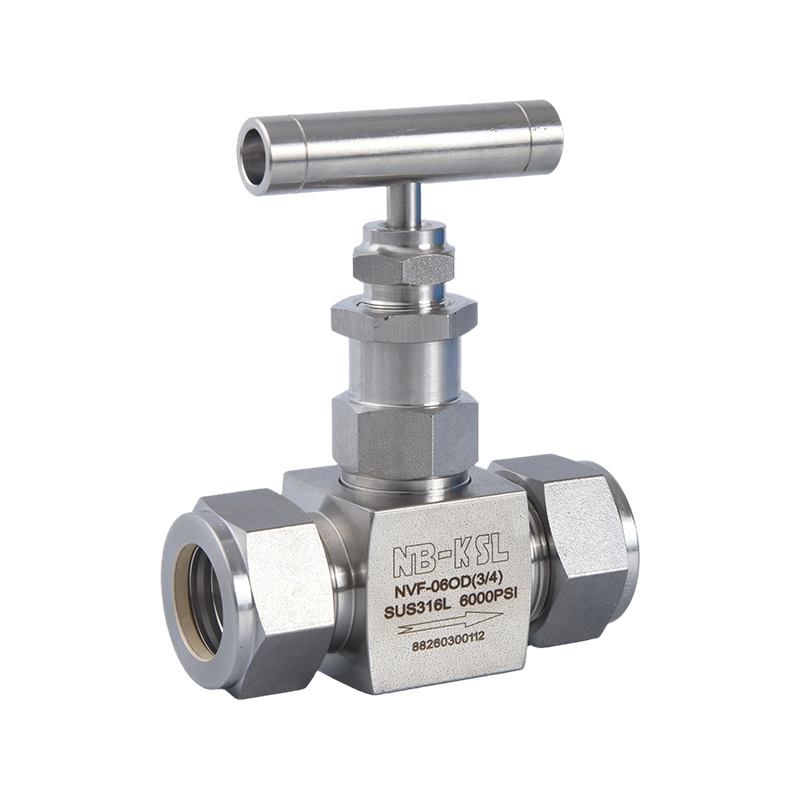


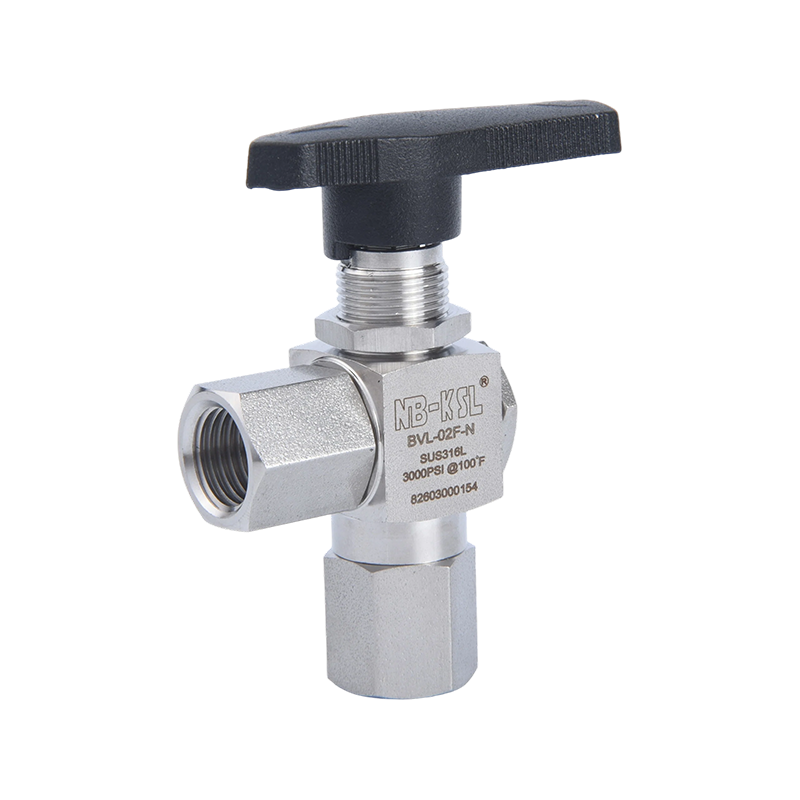

Technical Parameters of Small Bore Mini Valves
| Parameter | Typical Specification |
|---|---|
| Body material | 316L or 304 stainless steel bar stock; forged on request |
| Ball and stem | 316 stainless steel, polished ball, blow-out proof stem |
| Seat and seal | PTFE, RPTFE, PEEK; FKM, EPDM or Kalrez type O-rings on request |
| Size range | 1/8 inch to 1/2 inch (DN6 to DN15) |
| Pressure rating | 1000 to 3000 psi for mini ball valves; 6000 psi for instrument ball valves; up to 10000 psi for needle valves |
| Working temperature | -20 °C to +180 °C with PTFE; up to 230 °C with PEEK; higher with graphite packing |
| End connection | NPT, BSPT, BSPP female or male; tube compression ends 3 mm to 12 mm and 1/8 inch to 1/2 inch |
| Pattern | 2-way, 3-way, L-port, T-port, straight and angle |
| Operation | Lever, knob, quarter-turn or multi-turn needle, pneumatic mini actuator |
| Surface finish | Polished or electropolished for analytical use |
Mini ball valve versus needle valve
| Feature | Mini Ball Valve | Needle Valve |
|---|---|---|
| Operation | Quarter-turn, fast on-off | Multi-turn, fine control |
| Flow control | Poor for throttling | Precise, repeatable regulation |
| Pressure drop | Low in full-port types | Higher because of small orifice |
| Typical use | Isolation, sampling, venting | Metering, calibration, gauge isolation |
| Seat life | Long, with good seats | Long, with hardened needle and seat |
Flow capacity (Cv). Small valves have a small flow coefficient, so choose the bore according to the flow you need. A 1/4 inch valve is not simply a "smaller" 1/2 inch valve, since its orifice is much smaller. Please give us the required flow rate and pressure drop, and we will check suitability and recommend a model.
Small Bore Valve Range and Tube Fitting Compatibility
A small-bore system usually needs more than a valve. It needs tubing, fittings, adaptors, manifolds and mounting hardware, all with matching size and standard. We offer valves with tube-compression ends and thread ends, so your system can be assembled without extra adaptors, and we can supply the complete set.
| Product | Size Range | Typical Use |
|---|---|---|
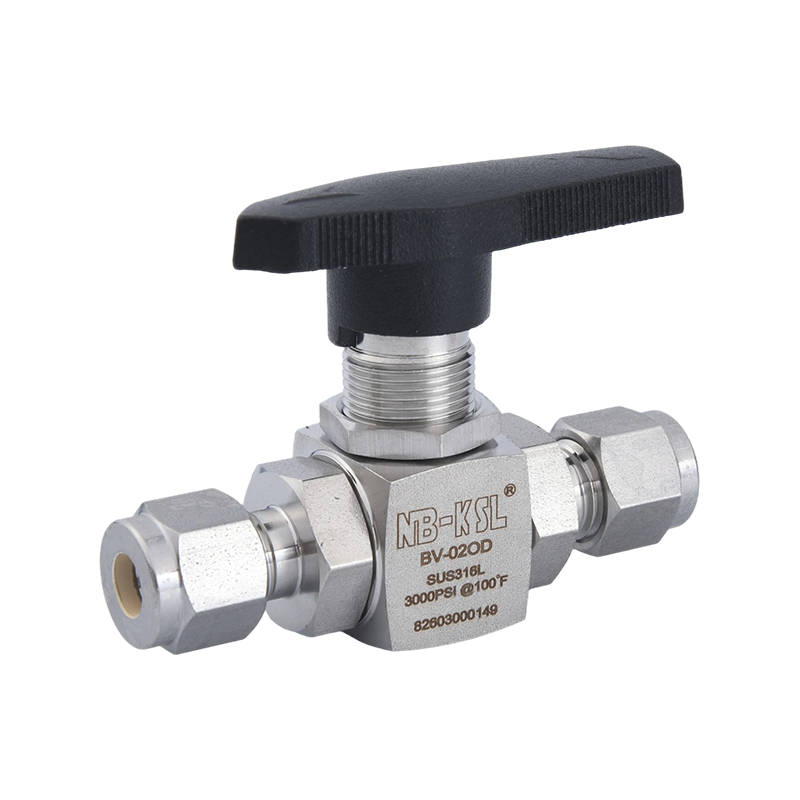
| Mini ball valve, 2-way | 1/8 inch to 1/2 inch | Isolation of small lines |
| Mini ball valve, 3-way L and T | 1/8 inch to 1/2 inch | Diverting and mixing, selection of sample lines |
| Instrument ball valve, 6000 psi | 1/4 inch to 1/2 inch | High-pressure instrument lines |
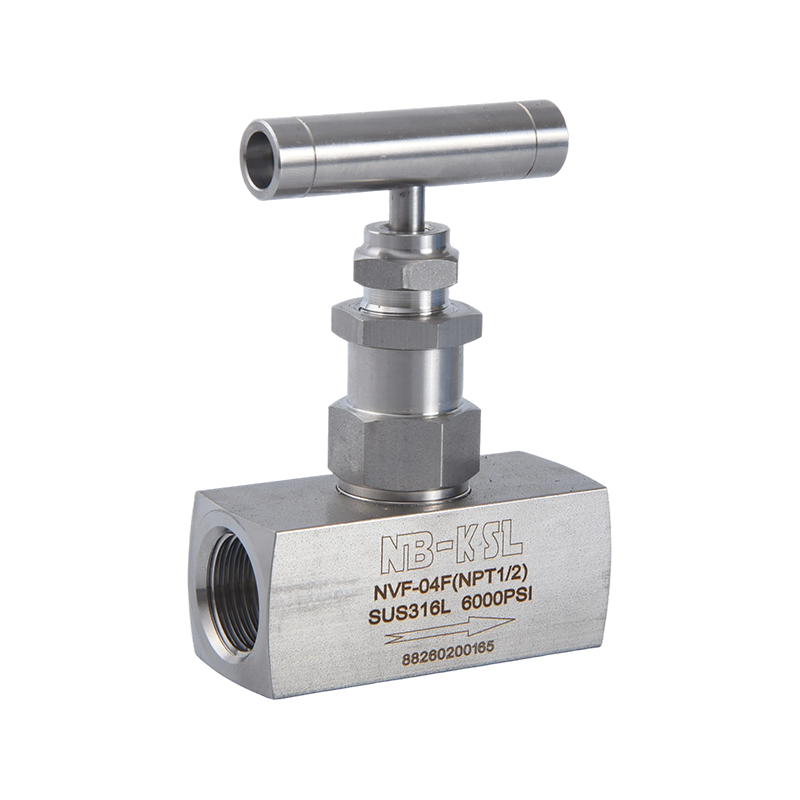
| Needle valve, straight and angle | 1/8 inch to 1/2 inch | Flow control, metering, gauge isolation |
| Needle valve with vent | 1/4 inch to 1/2 inch | Gauge and transmitter isolation |
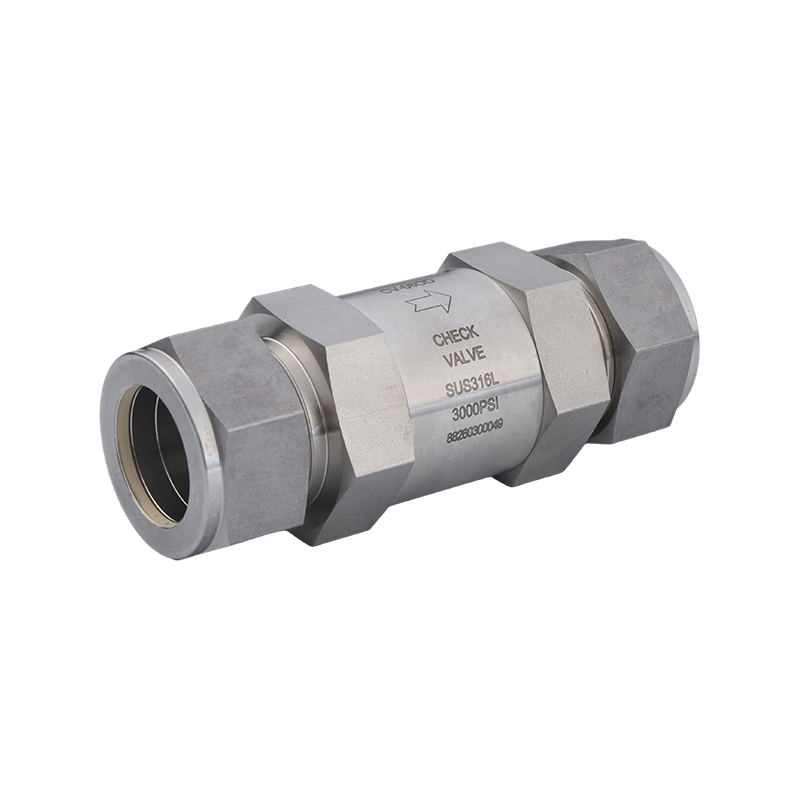
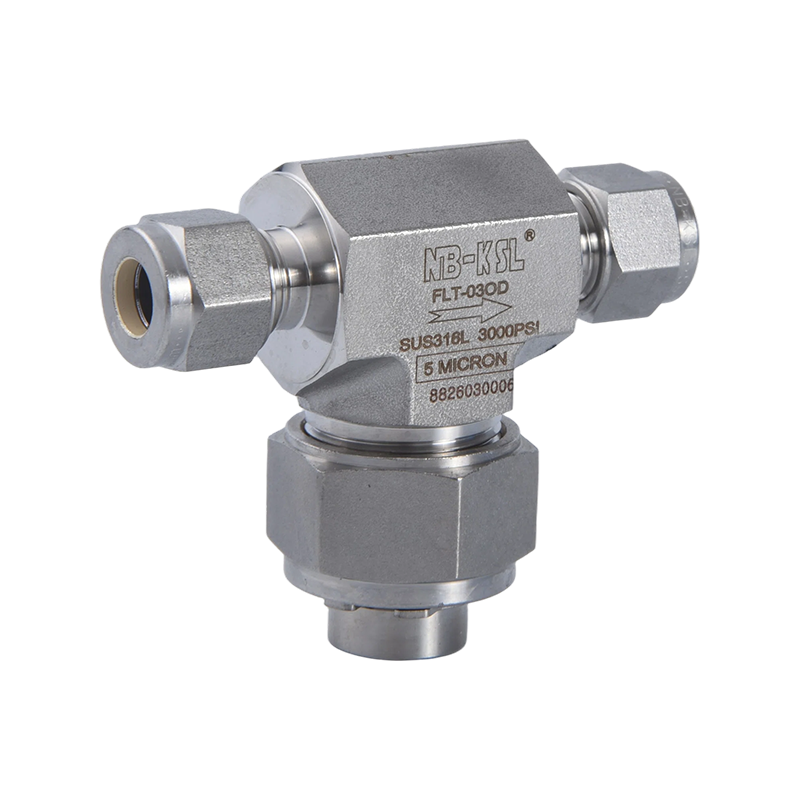
| Check valve, spring type | 1/8 inch to 1/2 inch | Prevention of backflow in small lines |
| Block-and-bleed valve | 1/4 inch to 1/2 inch | Double isolation of instruments |
| Manifolds, 2-valve, 3-valve and 5-valve | 1/4 inch to 1/2 inch | Differential pressure transmitters |
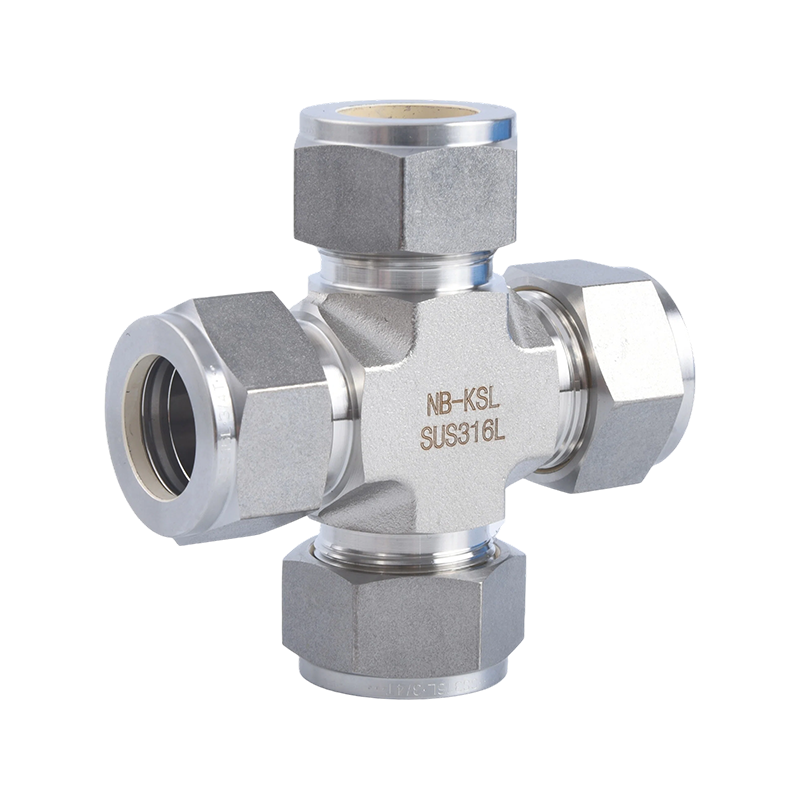
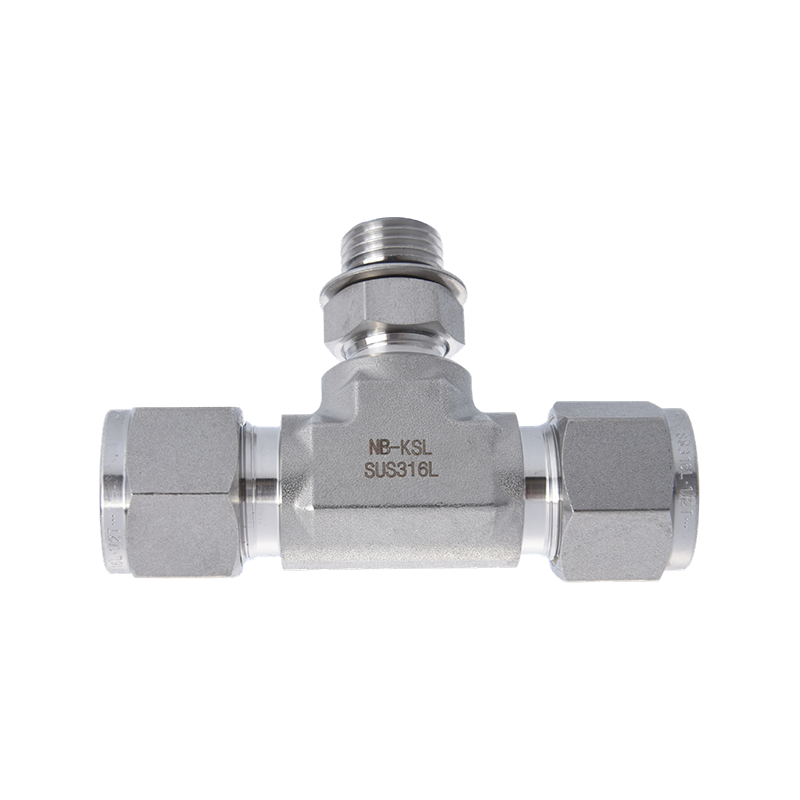
| Tube fittings, unions, adaptors | 3 mm to 12 mm; 1/8 inch to 1/2 inch | Connection of tubing and valves |
Typical applications
- Instrumentation: isolation and venting of pressure, flow and level transmitters.
- Analytical systems: sample conditioning panels, gas chromatographs, online analysers.
- Laboratory and R&D: small reactors, test rigs, calibration benches.
- Machinery: pneumatic and hydraulic control panels, lubrication circuits.
- Marine and offshore: small utility lines, fuel and water sampling.
We can assemble custom panels and manifolds to your drawing, pressure test them and ship them ready for installation.
Standards for Small Bore and Instrument Valves
Small valves are covered by a mix of valve standards, thread standards and tube fitting standards. Because many of them are made for specialist uses, it is common for customers to add their own requirements, and we are ready to work with them.
| Area | Standard Reference |
|---|---|
| Pipe threads | ASME B1.20.1 (NPT), ISO 228 (BSPP), ISO 7 (BSPT) |
| Tube fittings | ISO 8434-1 (24° cone), DIN 2353, ISO 8434-2 and ASME B16.11 for related fittings |
| Tube dimensions | ASTM A269, ASTM A213, EN 10216-5 |
| Instrument valves | MSS SP-99 (instrument valves), ISO 15761 |
| Needle valves | Manufacturer standard, aligned with ASME B16.34 where applicable |
| Ball valve design | ISO 17292, MSS SP-110 |
| Material | ASTM A479, A276 (bar), A182 (forging), A351 (casting) |
| Fugitive emission | ISO 15848-1 on selected designs |
| Fire safe | API 607 or ISO 10497 on selected designs |
| Testing | MSS SP-110, API 598, ISO 5208 |
Specify the tube standard. A "1/4 inch" tube fitting can mean 1/4 inch outside diameter (common in North America) or a 6 mm tube (common in Europe and Asia). They are close in size but not interchangeable, so please state the tube OD and the fitting type, such as double ferrule compression or 24° cone.
If your project refers to a customer standard for cleanliness, leak rate or marking, please share it at the inquiry stage.
Reference note: tube fitting standards cover thread forms, cone angles and tube wall thickness, and they are not all interchangeable. If your tubing system already uses a particular brand or standard, tell us before ordering, so that we match the end connection and avoid adaptors that add cost and extra leak points to the line.
Certificates and Documents for Small Bore Valves
Small-bore valves often go into analytical equipment, test rigs and instrumentation panels, where traceability and cleanliness are important. Our certificate set can cover the metal, the seals, the cleaning and the leak test, in the format that your customer asks for.
- Material certificate: EN 10204 3.1 for 316L or 304 bar, with chemistry and mechanical data.
- Pressure and leak test report: hydrostatic test and low-pressure air or helium leak test, per valve or per lot.
- Cleaning certificate: for analytical or oxygen service, with method and inspection result.
- Surface finish report: roughness measurement for polished or electropolished valves.
- Seal compliance: FDA, EU and other statements for PTFE and elastomer parts when required.
- Fire safe or low emission reports: on selected designs.
- CE marking: for qualifying models where regulations apply.
- Quality management: ISO 9001 style system and batch records.
Tell us about the cleaning level. General industrial valves are cleaned of oil and chips. Analytical, medical or oxygen valves need a more demanding cleaning and sealed packing. These steps cost extra, so please state the cleaning level in the inquiry, and we will quote correctly and prepare the right paperwork.
A sample document pack can be sent before order confirmation.
Audit tip: for analytical and laboratory customers, keep the cleaning certificate, the material certificate and the leak test report together per lot. Quality auditors commonly ask for these three items, and having them matched to the lot number on the packaging helps you answer quickly and shows control of the supply chain.
Traceability for Small Valves Produced in Batches
Small valves are made in large batches, and each valve is small enough that markings are limited. Traceability therefore relies on controlled lots and on labelled packaging, so a buyer can follow any piece back to the batch from which it came.
- Bar stock lots: bar is received with certificates, with heat numbers recorded and PMI checked.
- Machining lots: bodies, balls, stems and glands are machined in labelled batches, with first article inspection.
- Seat and seal lots: PTFE, PEEK and O-ring batches are recorded with supplier lot numbers.
- Cleaning lots: cleaning batches are recorded with method, date and operator.
- Assembly and test: assembly sheets list lots of body, ball, seat and seal, and test results are recorded by lot.
- Packing: each polybag and carton is labelled with lot, size, ends and material.
| Stage | Record Kept | Benefit |
|---|---|---|
| Bar stock | Heat number and certificate | Proof of grade |
| Machining | Lot and first article report | Dimensional consistency |
| Seat and seal | Supplier lot | Sealing and compatibility |
| Cleaning | Method, date and operator | Analytical and oxygen readiness |
| Testing | Pressure and leak test by lot | Proof of tightness |
| Packing | Bag and carton label | Link to shipment |
For critical analytical or medical applications, we can mark each valve with a serial number and prepare an individual certificate.
Why lot control matters for small valves: a single batch of seats or O-rings can affect many valves at once. When lots are recorded, an unexpected issue can be limited to the affected batch, and you avoid replacing valves that came from other, unaffected production runs, which saves cost and downtime.
Testing and Cleanliness Capability for Small Bore Valves
In small valves, leakage is often measured in tiny amounts, and the media may be expensive or hazardous. We therefore use testing methods that can detect small leaks, and we check the cleanliness and operation of each valve.
| Test | Typical Value or Method | Frequency |
|---|---|---|
| Shell test | Hydrostatic at 1.5 x rating | 100% of valves |
| Seat test | Hydrostatic or air at 1.1 x rating | 100% of valves |
| Low-pressure air test | About 6 bar air under water | 100% of valves |
| Helium leak test | Mass spectrometer or sniffer method to specified leak rate | On request |
| Operating torque and feel | Torque tester and manual check | Sampling and 100% visual and manual |
| Dimension inspection | Micrometers, thread gauges, optical comparator | First article and sampling |
| PMI | XRF analyser on bar stock and finished valves | Incoming and sampling |
| Cleanliness check | Visual inspection, wipe test, UV inspection | 100% for cleaned valves |
| Cycle test | Repeated operation, typically thousands of cycles | Type test or on request |
Why helium? Helium atoms are small enough to find leaks that air cannot, which is useful for analytical equipment and vacuum systems. A bubble test can detect leaks at a level suitable for most industrial uses, while helium testing is suited to demanding leak rate requirements.
You are welcome to witness testing or ask for a video of the process, and we can adapt our test report to the format used by your quality team.
Reading leak test results: a bubble test shows no visible bubbles over a given time, while a helium test gives a measured leak rate. If your specification states a leak rate, tell us in the inquiry, and we will choose the test method that can prove it, and record the result in the report.
Frequently Asked Questions about Small Bore Mini Valves
Q: What is the difference between a mini ball valve and an instrument valve?
An instrument valve is usually built to higher pressure ratings with a finer finish and tighter tolerances, and is used for sampling, gauge and analyser lines. A mini ball valve is a smaller general-purpose valve with lower rating.
Q: How do I choose between ball and needle valves?
Use a ball valve for fast on-off isolation. Use a needle valve when you need fine flow control or precise shut-off at high pressure.
Q: Can small valves be used for gas?
Yes, with seats and seals suited to the gas and pressure. For hydrogen, oxygen or toxic gases, material, cleaning and testing should be specified carefully.
Q: Are they suitable for vacuum?
Many are, with suitable seals and leak test. For high vacuum, special designs and helium leak testing should be agreed.
Q: What does blow-out proof stem mean?
The stem is held inside the body, so pressure cannot push it out when the gland is loosened or damaged. It is a safety feature, especially at higher pressure.
Q: What is Cv and why does it matter?
Cv is a flow coefficient that tells how much water passes through a valve at a given pressure drop. Small valves have small Cv values, so check them against your flow rate.
Q: Can you supply valves with compression tube ends?
Yes. We make valves with double ferrule compression ends or 24° cone ends, in inch and metric tube sizes, and can supply tubing adaptors if needed.
MOQ and Pricing for Small Bore Valves
Small valves are sold in large quantities to distributors and equipment builders, and in small quantities to laboratories and maintenance departments. We adjust our terms to fit both.
| Item | Typical Terms |
|---|---|
| Sample order | 1 to 10 pieces per model |
| Standard MOQ | 100 to 200 pieces per model and size; mixed ends accepted within the same series |
| Special cleaning or marking | 300 pieces or more, depending on requirements |
| Manifolds and assemblies | Quoted per drawing; small quantities accepted |
| Pricing basis | EXW, FOB Ningbo, CFR or CIF in USD |
| Quote validity | 30 days, adjusted for stainless steel price changes |
| Payment | 30% T/T deposit, 70% before shipment; L/C at sight for approved accounts |
Price factors
- Bar stock cost: small valves use relatively little metal, so machining time is the main cost driver.
- Pressure rating: 6000 psi and 10000 psi designs cost more than 1000 psi ones.
- Seat material: PEEK costs more than PTFE.
- Finish and cleaning: electropolishing, oxygen cleaning and sealed packing add cost.
- Testing: helium leak tests and individual certificates are charged separately.
Volume effect. Because machine set-up is a larger share of the cost in small valves, ordering in larger batches reduces unit cost noticeably. If your demand is steady, we suggest an annual agreement with scheduled deliveries.
Ordering advice: standardise on a few tube sizes and a single thread type for your equipment range, so that fewer valve variants are needed. This reduces stock, simplifies purchasing, and makes it easier for service engineers in the field to carry the right spare parts.
Lead Time, Customisation, Packaging and Trade Terms
Lead time and stock
Standard small bore ball valves and needle valves in popular sizes ship in 10 to 20 days from stock or semi-finished stock. Custom ends, special cleaning, marking or assemblies need 25 to 40 days. Urgent samples can be sent by courier within a few days.
Customisation
We can customise thread type, tube ends, handle or knob, port design, seat and seal material, pressure rating, cleaning level, marking and packaging. For OEM customers, we can prepare valves with your logo, item numbers and barcodes, and match special manifold layouts.
Packaging
- Each valve in a small polybag, with thread or end protection
- Inner boxes of 10 to 50 pieces, with dividers to avoid scratches
- Sealed clean bags and labels for cleaned valves
- Export cartons on pallets, strapped and wrapped
- Retail packs, blister packs or neutral cartons on request
Shipping and trade terms
| Term | Details |
|---|---|
| Incoterms | EXW, FOB Ningbo, CFR, CIF, DAP |
| Port | Ningbo-Zhoushan; Shanghai as an alternative |
| Transport | Sea freight, air freight for urgent items, express courier for samples |
| Documents | Invoice, packing list, bill of lading, origin certificate, material and test certificates |
Small valves are light, so air freight is practical for urgent orders, and sea freight can be mixed with other stainless products from our range.
Handling advice: keep sealed bags closed until installation for cleaned valves, wear clean gloves, and avoid contact with oils and greases. Use tube cutters and deburring tools suited to stainless steel, and tighten compression fittings by the recommended number of turns, which protects both the valve and the tubing.