

 English
 中文简体
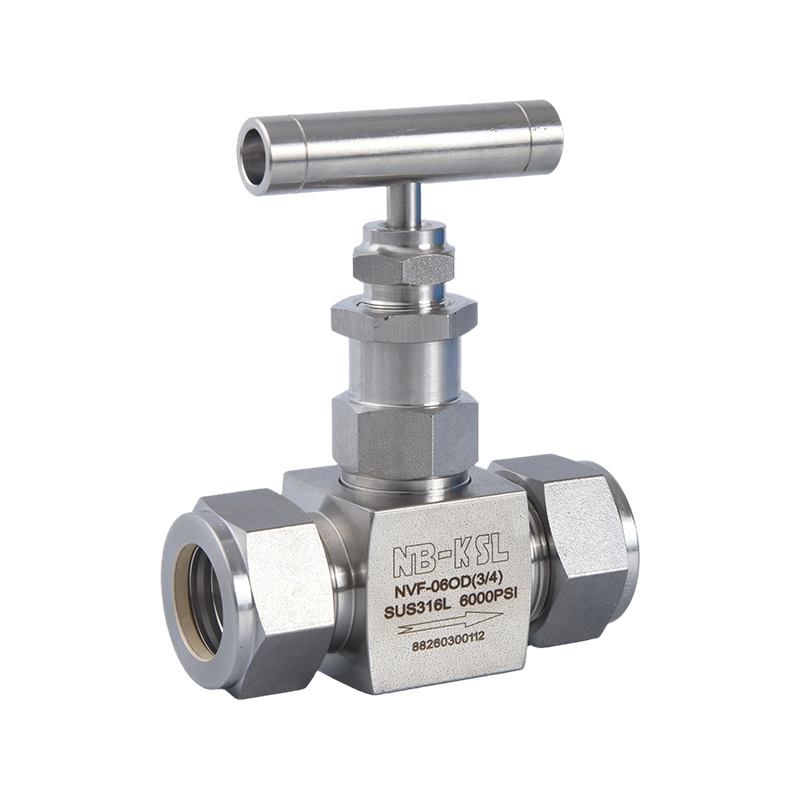


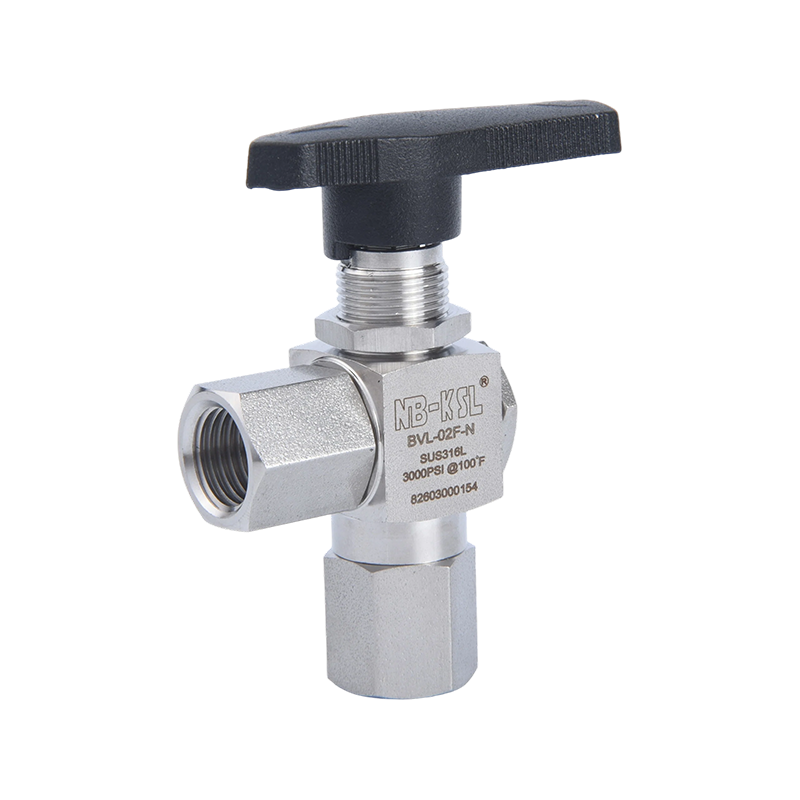
Pharmaceutical Valve Parameters and Surface Specifications
| Parameter | Typical Specification |
|---|---|
| Body material | 316L (CF3M, F316L, bar), with sulphur controlled for weldability (about 0.005 to 0.017%) |
| Product-contact surface | Mechanically polished Ra 0.5 µm (20 µin) or better; electropolished Ra 0.38 to 0.4 µm (15 µin) |
| Non-contact surface | Satin finish or polished, as specified |
| Passivation | Citric or nitric acid per ASTM A967, with test result |
| Connections | Tri-clamp (ISO 2852, ASME BPE ferrules), butt weld tube ends for orbital welding |
| Size range | 1/2 inch to 4 inch tube sizes (DN15 to DN100); larger on request |
| Seat and seal | PTFE, TFM, PFA, EPDM, platinum-cured silicone; compliance documents on request |
| Working temperature | -10 °C to +150 °C depending on seal; clean steam at about 121 to 135 °C with suitable seals |
| Pressure rating | Typically 10 to 16 bar; higher on request |
| Cleaning | Degreased, rinsed, dried, bagged and sealed; oil-free assembly |
Design principles that matter in pharma
| Principle | Meaning in Practice |
|---|---|
| Drainability | The valve and line must drain completely, so that no liquid stays after cleaning |
| Dead legs | Branches should be short, with length not more than about two times the diameter (L/D of 2 or less) according to common BPE practice |
| Crevice-free design | Seals and joints without gaps where product or cleaning agent can hide |
| Smooth surfaces | Low roughness, free of scratches, pits and polishing lines across the flow direction |
| Material traceability | Heat number, certificate and ferrite, sulphur and surface records for each part |
| Compatible seals | Seals that withstand CIP, SIP and do not shed particles or extractables |
Electropolishing improves more than appearance. The process removes a thin layer of metal, smooths micro-peaks, reduces surface iron and increases the chromium to iron ratio. The result is a surface that resists corrosion and fouling and is easier to clean. We offer it for valves in water for injection systems, high-purity services and wherever the specification calls for it.
Valve and Fitting Range for Pharmaceutical Systems
A pharmaceutical line includes valves, fittings, tubes, clamps, gaskets and instruments, all made to the same standard. We supply the valves and fittings with matching surface finish and documentation, so engineers can assemble a system without mixing parts from different suppliers.
| Product | Size Range | Typical Use |
|---|---|---|
| Sanitary ball valves, 2-piece and 3-piece | 1/2 inch to 4 inch | Utility isolation, process transfer, CIP circuits |
| Sanitary butterfly valves | DN25 to DN150 | Larger lines, tank outlets, buffer prep |
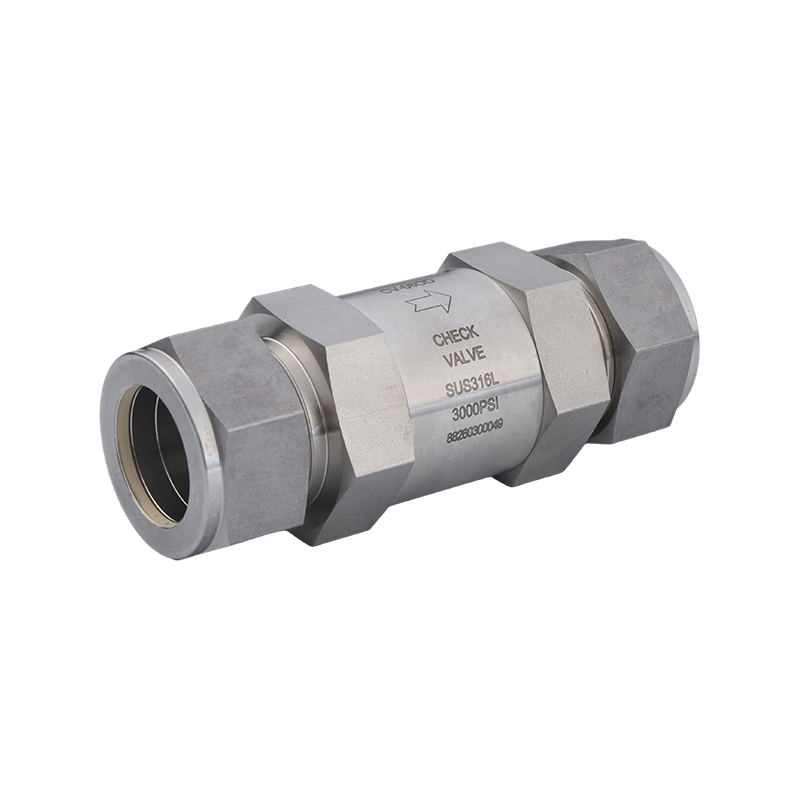
| Sanitary check valves | 1/2 inch to 4 inch | Pump discharge, prevention of backflow |
| Sampling valves | 1/2 inch to 1 inch | Water and process sampling points |
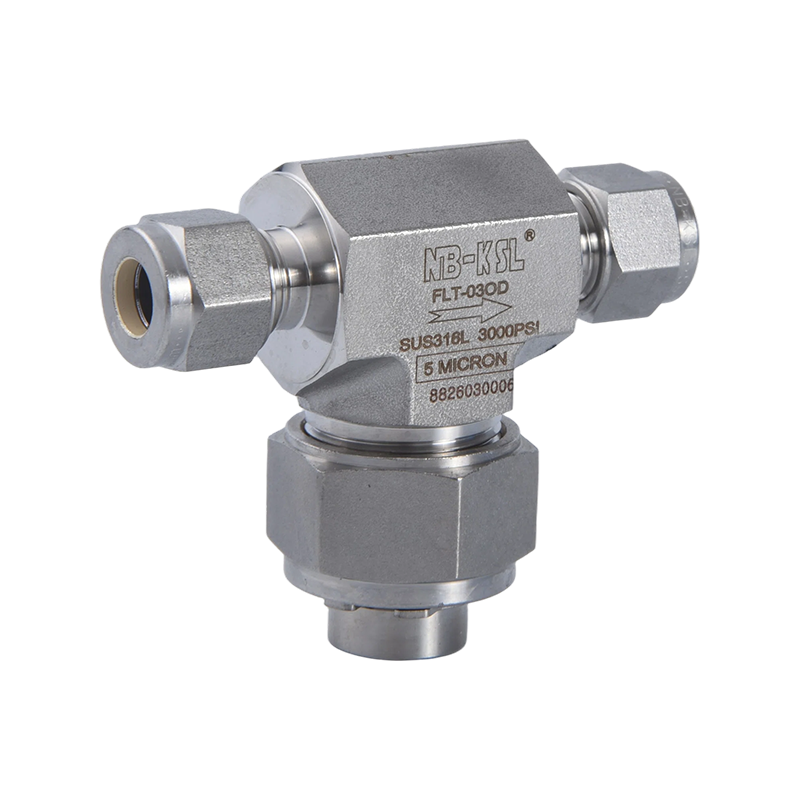
| Sanitary strainers and filters | 1/2 inch to 4 inch | Protection of pumps and filling equipment |
| Sight glasses | 1 inch to 4 inch | Visual flow inspection |
| Three-way valves and diverters | 1/2 inch to 3 inch | Routing and CIP changeover |
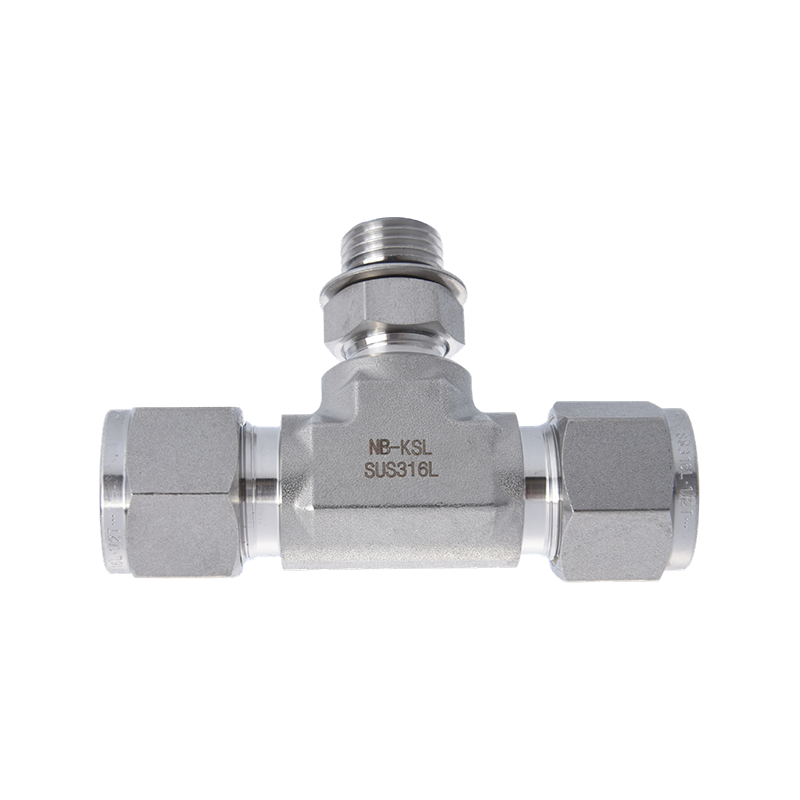
| Fittings: elbows, tees, reducers, ferrules, caps | 1/2 inch to 4 inch | All connections, with weld and clamp ends |
| Clamps and gaskets | 1/2 inch to 4 inch | Joint completion, with compliant gaskets |
Typical pharmaceutical applications
- Water systems: purified water, water for injection, distribution loops, with hot sanitisation.
- Clean steam and pure steam: distribution, SIP of tanks and filters.
- Bioreactors and fermenters: media, feed, harvest, sampling lines.
- Formulation and mixing: buffer, solvent and product transfer.
- Filling and finishing: product supply to fillers, return lines, CIP.
Where a point needs a diaphragm valve, a single-use assembly or a special aseptic design, tell us. We will say whether our valves fit, or recommend using another specialised component alongside ours.
Standards and Regulatory References for Pharmaceutical Valves
Pharmaceutical equipment is not approved by a single certificate. It follows industry standards, guidelines and regulations, and the plant proves compliance through qualification and documentation. The references below are those most often cited when valves are specified.
| Area | Standard or Guideline |
|---|---|
| Bioprocessing equipment | ASME BPE (design, materials, surface finish, fabrication) |
| Hygienic design | EHEDG guidelines, ISO 14159, EN 1672-2 |
| Good manufacturing practice | FDA 21 CFR Parts 210 and 211, EU GMP including Annex 1 for sterile products, ISPE guides |
| Clamp connections | ISO 2852, DIN 32676 |
| Tube dimensions | ASME BPE, DIN 11850, DIN 11866, ISO 1127 |
| Elastomers and plastics biocompatibility | USP Class VI (USP <88>), USP <87>, FDA 21 CFR 177 |
| Animal-derived ingredients | Statement of compliance with TSE/BSE guidance (EMA/410/01) |
| Extractables and leachables | USP <1663>, <1664> practice, supplier studies |
| Stainless steel | ASTM A351 CF3M, ASTM A182 F316L, ASTM A270 tube, EN 10088 |
| Passivation and cleaning | ASTM A967, ASTM A380 |
| Surface roughness | ISO 4287, ASME B46.1 |
| Pressure testing | API 598, EN 12266-1, ISO 5208 |
BPE is a toolbox, not a certificate. A valve manufacturer cannot be "BPE certified" in the way that a plant can be audited. Instead, valves are made in line with BPE requirements for materials, surface finish and documentation, and the user checks this against the specification. Please state the BPE edition and the surface finish designation you require.
Qualification of a pharmaceutical system, including installation and operational qualification, is the plant's responsibility. We support it by providing the supplier documents and answering technical questions.
Documentation Package for Qualification Teams
A pharmaceutical customer opens the document pack before opening the carton. The pack tells the validation engineer whether the valve is what it should be, and whether it can enter the qualified system. We prepare packs that are complete, organised and easy to file.
- Material certificate: EN 10204 3.1 for 316L body and trim, with heat numbers and chemical composition, including sulphur content.
- Surface finish report: measured Ra values on sampled valves and ferrules, with measuring method and date.
- Electropolishing certificate: where specified, with process batch and check results.
- Passivation certificate: treatment method, batch and test result, according to ASTM A967.
- Ferrite measurement: where specified, for welded parts or castings.
- Seal compliance documents: USP Class VI, FDA 21 CFR 177 and TSE/BSE statements from the compound supplier, with lot numbers.
- Certificate of conformance: issued by us, confirming that the valves comply with the purchase order and the stated standards.
- Pressure test report: shell and seat tests, with clean water.
- Cleaning and packing record: method, date and operator.
- Quality management: ISO 9001 style system, with audit access for qualified customers.
Supplier audits are welcome. Pharmaceutical companies often audit critical suppliers. We accept customer audits with advance notice, and we answer supplier questionnaires in detail. If a document is not available for a specific model, we tell you at the quotation stage.
A sample documentation pack can be sent before an order is placed.
Audit tip: keep the material certificate, surface report, passivation record and seal documents in one file for each valve lot, listed by lot number. Regulatory inspectors often ask for these items together, and a tidy file shows that critical components are under control, which supports the overall qualification of the system.
Traceability Down to Heat, Lot and Surface Treatment
Pharmaceutical traceability goes further than in most industries. The customer wants to link each valve to a heat of steel, a surface treatment batch, a seal compound lot and a packing record. If a deviation arises, such as a roughness result that is out of tolerance, the supplier must be able to say which valves are affected.
- Raw material: bar, castings and forgings are received with mill certificates, heat numbers recorded, PMI and chemistry checked, including sulphur.
- Marking: body carries grade and heat number in a non-contact area, in a way that does not harm the surface.
- Polishing and electropolishing: batch records link each valve lot to its treatment, with roughness measurements.
- Passivation: batch records with acid, temperature, time and test result.
- Seals: compound name, supplier lot, cure date and compliance documents recorded for each lot.
- Cleaning and packing: cleaning method and date, bag lot and operator recorded; carton label links to the record.
| Component | Record Kept | Purpose |
|---|---|---|
| Body and ferrule | Heat number, mill certificate, chemistry | Proof of 316L and weldability |
| Surface | Roughness measurements, EP and passivation records | Proof of cleanability |
| Seals | Supplier lot, USP Class VI and FDA documents | Proof of biocompatibility |
| Cleaning | Method, date, operator | Proof of cleanliness |
| Carton | Lot number and bag label | Link to shipment and documents |
These records can be adapted to the numbering system of your quality department, so that each valve enters your asset database with full history from day one.
Why chemistry records matter: sulphur content affects weld quality, and a heat outside the controlled range can produce weld defects that are hard to see. Because we record chemistry by heat number, the question of whether a weld problem started with the metal can be answered with data, and not with opinion.
Inspection and Testing for Pharmaceutical Valves
In pharma, inspection means looking at the inside of the valve, not only the outside. Roughness, weld quality, cleanliness and seal condition are checked with instruments, borescopes and visual standards, in addition to pressure tests.
| Test | Method | Frequency |
|---|---|---|
| Shell and seat test | Clean water or air per API 598 / EN 12266-1 | 100% of valves |
| Surface roughness | Portable profilometer on bore, ferrule faces and sealing grooves | Sampling, 100% on request |
| Internal visual inspection | Borescope or direct view with light for scratches, pits, weld defects and polishing lines | 100% of valves |
| Weld inspection | Visual inspection of tube-end welds, dye penetrant on request | Sampling |
| PMI and chemistry | XRF analyser; laboratory analysis for sulphur on request | Incoming and sampling |
| Ferrite measurement | Ferrite scope on castings or welded parts | On request |
| Passivation check | Copper sulfate, ferroxyl or water test | Per batch |
| Cleanliness check | Wipe test, UV light inspection for oil, residues | 100% visual, sampling wipe test |
| Helium leak test | Detector with specified leak rate for aseptic or vacuum duties | On request |
| Cycle test | Repeated operation, then leakage check | Type test |
Why the inside matters. A scratch across the flow direction, a pit left by polishing, or a weld bead with a crevice can retain product and cleaning agent, and may later release particles or support bacterial growth. By looking inside every valve, we catch problems before they reach your system.
Customers or their auditors can inspect our process and testing, and we can share photos or video of internal inspection results.
Frequently Asked Questions about Pharmaceutical Grade Valves
Q: Why is 316L used instead of 304 in pharma?
316L resists chlorides and cleaning agents better, and its low carbon content helps weldability. It is the standard material for water for injection, clean steam and process lines.
Q: What does Ra 0.5 µm mean?
Ra is the average roughness of a surface. 0.5 micrometres (about 20 microinches) is a smooth finish commonly specified for product-contact surfaces, and electropolishing reaches lower values.
Q: What is USP Class VI?
It is a biological reactivity test of plastics and elastomers, based on USP chapters. A material that passes is considered suitable for contact with pharmaceutical products, as part of a wider assessment.
Q: Do you supply diaphragm valves?
Diaphragm valves are a separate valve family. Please ask about your specific requirement. If we do not supply it, we will say so, and we can recommend how our ball or butterfly valves can complement it.
Q: What is a dead leg?
It is a branch or pocket in which liquid can stagnate. In pharma systems, dead legs are kept short, normally not more than two pipe diameters, so that cleaning and sterilisation reach every part.
Q: Can valves be sterilised with steam?
Yes, with suitable seals, up to about 121 to 135 °C. Seat and gasket materials are the limiting factor, so tell us the steam conditions and the number of cycles.
Q: Do you provide IQ and OQ documents?
Installation and operational qualification are carried out by the plant or its contractor. We supply the supplier documents that support them, such as certificates, surface reports and drawings.
MOQ and Pricing for Pharmaceutical Valves
Pharmaceutical projects are often small in number but high in documentation demands. We accept small quantities, and we price the documents and special surface treatments clearly, so you can see what each requirement adds.
| Item | Typical Terms |
|---|---|
| Sample order | 1 to 5 pieces per model, for evaluation and approval |
| Standard MOQ | 20 to 50 pieces per size; project orders from small quantities |
| Electropolished valves | MOQ 20 to 50 pieces per size, depending on batch size |
| Special documentation | Quoted per project, with extended certificates and audit support |
| Pricing basis | EXW, FOB Ningbo, CFR or CIF in USD or EUR |
| Quote validity | 30 days, adjusted for stainless steel price changes |
| Payment | 30% T/T deposit, 70% before shipment; L/C at sight for approved accounts |
What affects the price
- Material and chemistry control: 316L with controlled sulphur and full certificates costs more than general grade.
- Surface finish: electropolishing and tight roughness limits add cost.
- Seals: pharmaceutical grade compounds with documents cost more than standard ones.
- Documentation: extended certificates, individual records and audits add cost.
- Cleaning and packing: clean-room-style packing and additional inspection add cost.
Specify what you need, not everything. A utility line may not need the same finish as a product-contact line. We can propose different levels for different lines, so that the budget goes where it protects the product most.
Ordering advice: state surface finish, tube standard, seal compound and document level in your inquiry for each line type, such as WFI, clean steam and utility. Different lines can accept different levels, and a clear table helps us quote accurately and helps you avoid paying for features that your risk assessment does not require.
Lead Time, Customisation, Clean Packing and Trade Terms
Lead time
Standard sanitary valves and fittings from stock ship in 15 to 25 days. Electropolished valves, special seals, extended documentation or custom weld ends need 30 to 60 days. We plan documentation in parallel with production so that papers arrive with the goods.
Customisation
We can customise tube size and wall thickness, end connections, surface finish, seal compound, handle, marking, document format, individual serial numbers and cleaning level. For equipment makers, we can supply valves for skids, bioreactors and filling lines according to your drawings.
Clean packing
- Each valve cleaned, rinsed, dried and sealed in a clean bag, with protective covers on ends
- Double bagging on request for clean-room entry
- Cartons with dividers, labelled with lot number and cleaning date
- Documents in a separate envelope, with scanned copies by email
- Neutral or customer-branded packing
Shipping and trade terms
| Term | Details |
|---|---|
| Incoterms | EXW, FOB Ningbo, CFR, CIF, DAP |
| Port | Ningbo-Zhoushan; Shanghai as an alternative |
| Transport | Sea freight, air freight for urgent items, express courier for samples |
| Documents | Invoice, packing list, bill of lading, origin certificate, material and test certificates |
We recommend storing pharmaceutical valves in their sealed bags in a clean, dry place, and opening them only at the point of installation, so that the cleanliness achieved at the factory is preserved.
Handling advice: open the sealed bag only at the point of installation, wear clean gloves, avoid touching sealing faces, and fit gaskets that match the ferrule standard. After installation, flush and sanitise the line according to your procedure, and record the lot numbers of valves and gaskets for your installation records.