

 English
 中文简体


Valve Selection by Water Treatment Stage
| Stage | Conditions | Recommended Valve Features |
|---|---|---|
| Intake and screening | Raw water, solids, seawater or river water | Wafer or lug butterfly valves, duplex or 316L for seawater, actuated |
| Coagulation and flocculation | Chemical dosing, low pressure | 316L ball and diaphragm-type isolation, PTFE seats, dosing check valves |
| Filtration and backwash | Frequent cycling, large sizes | Actuated butterfly valves with position feedback, EPDM seats |
| Reverse osmosis and desalination | High chloride, pressure up to 60 to 80 bar for seawater RO | Duplex or super duplex valves, high-pressure ratings, corrosion test records |
| Disinfection (chlorine, UV, ozone) | Oxidising chemicals | 316L, PTFE or FKM seats for ozone; EPDM peroxide-cured for chlorine and chloramine |
| Chemical dosing | Acids, caustic, hypochlorite, polymers | 316L or lined valves, PTFE seats, tight shutoff |
| Cooling towers and chilled water | Treated water, biocides | 304 or 316L, EPDM seats, wafer butterfly valves |
| Boiler feedwater and condensate | Hot, treated water | 316L or 304, graphite packing, metal or PTFE seats by temperature |
| Sludge and wastewater | Solids, fibres, abrasion | Full bore, knife gate or plug valves, wear-resistant seats |
| Swimming pools and spas | Chlorinated water, chloride | 316L, EPDM seats, check valves |
Typical valve parameters
| Parameter | Typical Specification |
|---|---|
| Body material | CF8, CF8M, CF3M, F304, F316L, 2205 duplex, 2507 super duplex |
| Disc and ball | 316L, duplex, coated disc on request |
| Seat | EPDM, PTFE, FKM, NBR; metal seat for high temperature |
| Pressure rating | PN10, PN16, PN25, PN40, up to 80 bar for RO high-pressure valves |
| Size range | 1/2 inch to 24 inch; larger on request |
| End connections | Wafer, lug, flanged, grooved, threaded, tri-clamp |
| Operation | Lever, gear, pneumatic or electric actuator, with position feedback |
| Working temperature | 0 °C to +80 °C typical; higher for boiler and hot water |
Chloramine and ozone attack EPDM. Standard EPDM seats can harden and crack in water treated with chloramine or ozone. Peroxide-cured EPDM resists them better, and PTFE or FKM seats are alternatives. Tell us the disinfectant and dosage, and we will recommend a seat that lasts.
Water Treatment Valve Range and Skid Supply
Water treatment skids and plants are built from many standard components. We supply the main valve types in stainless steel, together with strainers, fittings and actuators, so that a skid builder can order a complete valve package and avoid mixing parts from several suppliers.
| Product | Size Range | Typical Use |
|---|---|---|
| Wafer and lug butterfly valves | DN40 to DN600 | Filter inlets and outlets, backwash, cooling water |
| Actuated butterfly valves with feedback | DN40 to DN600 | Automated filtration and process control |
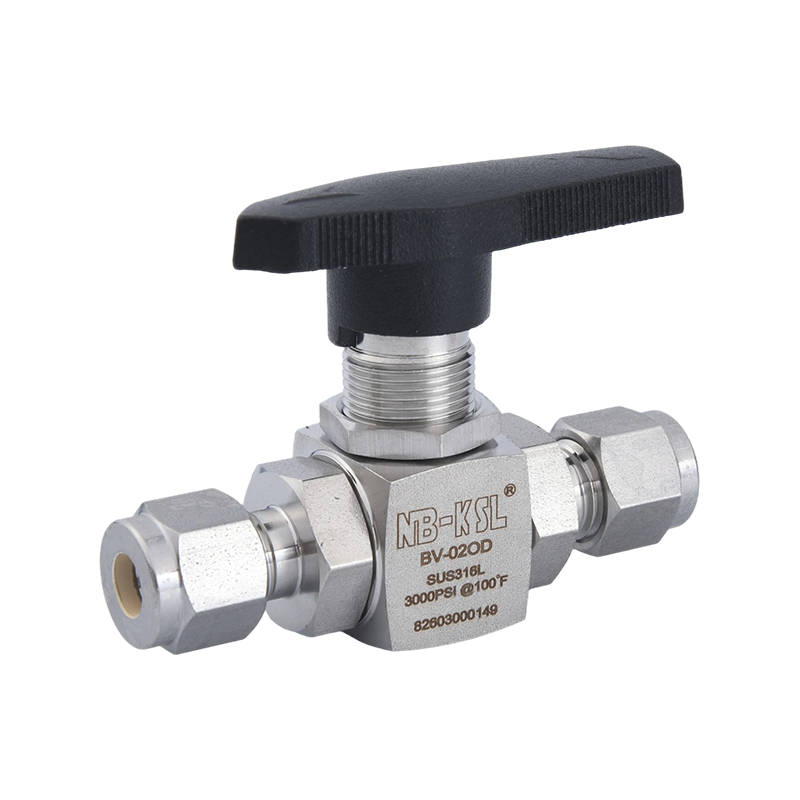
| Stainless steel ball valves | 1/4 inch to 6 inch | Chemical dosing, sampling, small water lines |
| High-pressure ball and butterfly valves | 1 inch to 12 inch | RO feed and concentrate lines |
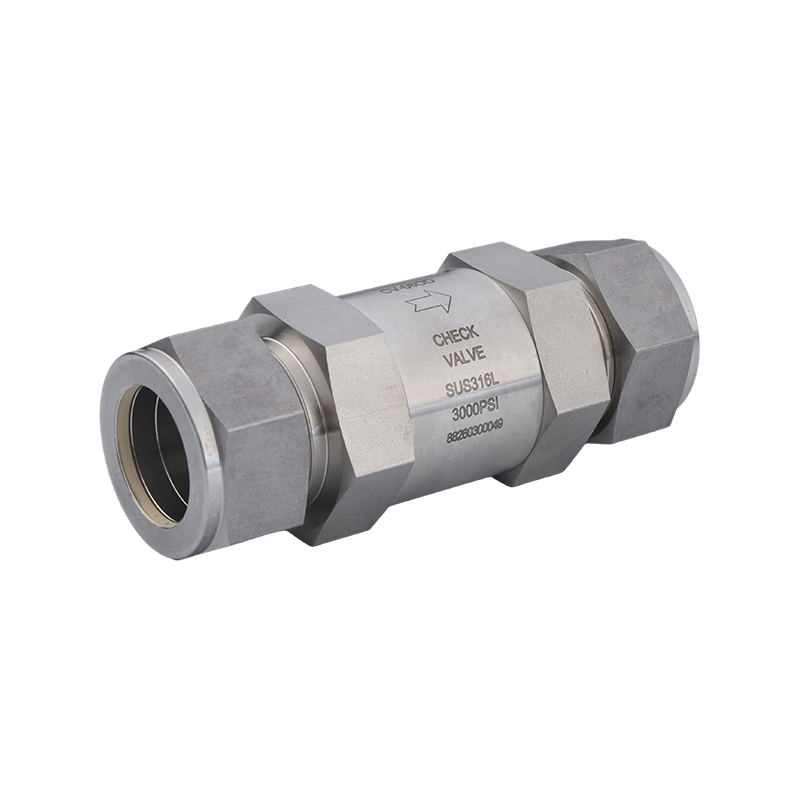
| Check valves, dual plate, swing and lift | DN15 to DN600 | Pump discharge, dosing lines |
| Gate valves, flanged | DN50 to DN600 | Isolation in plant lines |
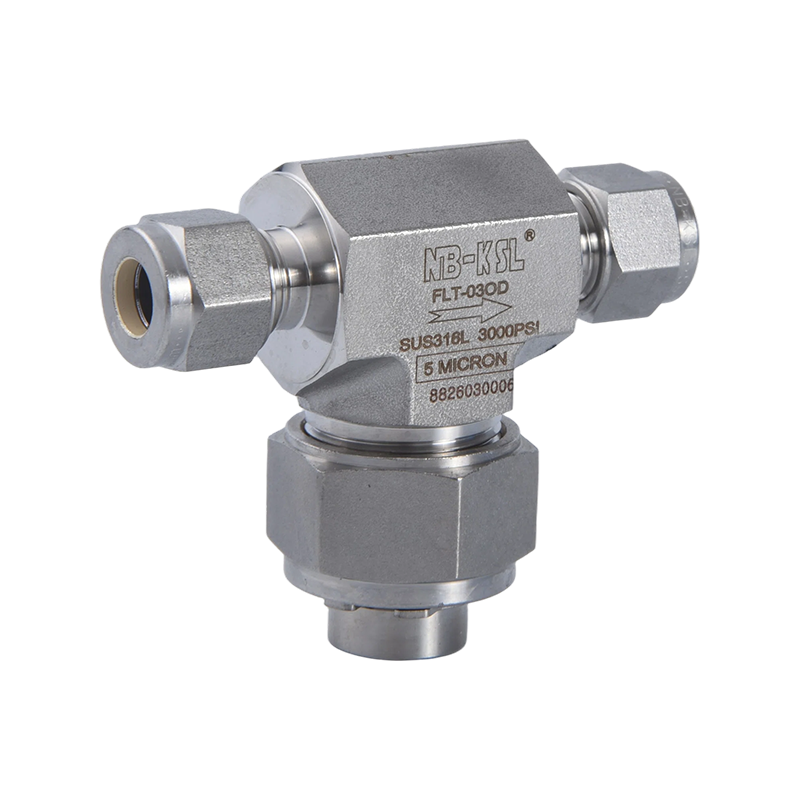
| Y-strainers and basket strainers | 1/2 inch to 12 inch | Protection of pumps, meters and membranes |
| Sampling valves and instrument valves | 1/4 inch to 1 inch | Water quality sampling and gauges |
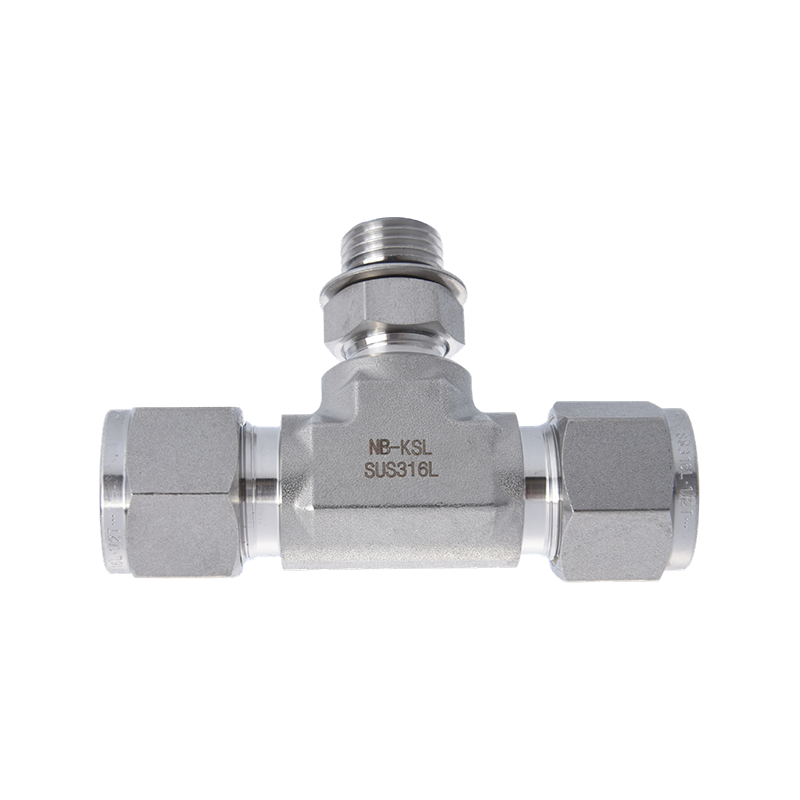
| Fittings, flanges, gaskets and bolting | 1/2 inch to 24 inch | Piping completion, with matching materials |
Typical customers
- Water treatment equipment makers: filter skids, RO systems, softeners, dosing units.
- EPC contractors: municipal and industrial water and wastewater plants.
- Desalination projects: seawater and brackish water plants, with duplex and super duplex piping.
- Plant maintenance departments: replacement valves for existing plants.
- Distributors: serving local water treatment contractors with stainless steel valves.
Send us the process flow diagram or valve list, with sizes, pressures, media and operation (manual or actuated). We will propose a valve package, including accessories.
Waterworks, Process and Safety Standards
Water treatment valves follow a mix of waterworks standards, process valve standards and drinking water approval rules. Which one applies depends on the project, the country and whether the water is for drinking, industry or discharge.
| Area | Standard Reference |
|---|---|
| Butterfly valves, waterworks | AWWA C504 (rubber-seated), AWWA C516 (large diameter) |
| Gate valves, waterworks | AWWA C509, C515; EN 1074-2 |
| Valves for water supply, fitness for purpose | EN 1074-1, 1074-2, 1074-3 |
| Butterfly valve design, industrial | EN 593, API 609, ISO 5752 |
| Check valve design | EN 12334, API 594, AWWA practice |
| Flanges | EN 1092-1, ASME B16.5, AWWA C207, JIS B2220 |
| Pressure testing | EN 12266-1, ISO 5208, API 598 |
| Drinking water approval | NSF/ANSI 61, WRAS, KTW / DVGW, ACS, AS/NZS 4020 (where applicable) |
| Stainless steel material | EN 10088, ASTM A351, A182, A890 / A995 |
| Coating of carbon steel parts | EN 14901, AWWA C550, project specification |
| Corrosion testing for duplex | ASTM G48, A923 |
Match the standard to the use. Waterworks standards such as AWWA and EN 1074 focus on water supply networks and have requirements for torque, endurance and coating. Industrial standards such as API and EN 593 focus on process plants. A valve that fits one set may not fit the other, so tell us which one your project follows.
If water is for drinking, the seat and gasket compounds also need drinking water approvals. See our drinking water valves for details of the schemes and documents.
Reference note: some public tenders name AWWA, others name EN 1074, and some name both. The requirements overlap but are not identical, particularly for torque, coating and endurance. Tell us which standard governs, so that we can state clearly which tests and documents are provided, and which clauses need clarification.
Documents for Water Treatment Projects
Water treatment plants are often public works with strict documentation requirements, or industrial plants managed by contractors who need to assemble handover documents. We prepare packages that include the items most often required.
- Material certificates: EN 10204 3.1 for body, disc, ball, stem and bolting.
- Pressure test report: shell and seat tests per EN 12266-1 or API 598, with leakage rate.
- Torque report: operating torque, for sizing of gearboxes and actuators.
- Seat material documents: certificates for EPDM, PTFE, FKM and NBR, with drinking water statements where applicable.
- Corrosion test reports: ASTM G48 or A923 for duplex and super duplex valves in RO service, on request.
- Dimensional drawings: with flange standard and face-to-face length.
- Actuator documents: data sheet, wiring diagram and function test report for actuated valves.
- Quality management: ISO 9001 style system and batch records.
- Third-party inspection: SGS, BV, TUV or the owner's inspector can witness tests.
Operation and maintenance manuals. Public water utilities usually require manuals for each valve type. We can supply installation, operation and maintenance instructions in English, and in other languages on request, together with spare parts lists and recommended maintenance intervals.
Sample document sets can be sent before order confirmation.
Audit tip: keep the pressure test report, the torque report and the seat material certificate together for each delivery. Water utility inspectors often ask for these three at acceptance, and a matched set speeds up approval and gives your maintenance team the data for later actuator replacement. We can number each document to match your purchase order lines.
Traceability for Treatment Plant Assets
A water treatment plant operates for decades, and valves are replaced over time. The operator needs to identify each valve, order matching spares, and prove that materials meet specification. Traceability from our factory to the plant asset register supports that work.
- Marking: body carries heat number, material grade, size, PN and manufacturer mark.
- Material receiving: mill certificates, PMI checks, with extra verification of duplex and super duplex alloys.
- Seat and seal batches: compound, supplier lot and cure date recorded for each valve lot.
- Test records: pressure and torque test results linked to the valve serial number.
- Tag and labelling: valve tags or labels with plant tag numbers, as agreed with the contractor.
- Document archive: records kept for many years and reissued on request.
| Item | Record | Purpose |
|---|---|---|
| Body, disc and stem | Heat number, certificate, PMI | Proof of grade, especially in high chloride |
| Seat | Compound, supplier lot, cure date | Chemical resistance and sealing |
| Torque | Measured values | Actuator selection and later checks |
| Valve | Serial number and test report | Evidence for acceptance |
| Plant tag | Tag number and location | Asset register |
If a contractor needs an asset list with tag, size, material and serial number, we can prepare it in spreadsheet form, so it can be loaded directly into the maintenance system of the plant.
Why tags and registers help: a treatment plant may contain thousands of valves, and operators need to find the right one quickly. Factory-applied tags, and a spreadsheet that links tag, size, material and serial number, make the first plant register accurate from the day the plant is handed over. We can follow your tag format on request.
Testing for Water Treatment Duty
Valves for water treatment are tested for pressure, tightness and torque, and for the corrosion resistance of the materials in high chloride or oxidising environments. Seat compatibility with disinfectants is also an important check.
| Test | Method | Frequency |
|---|---|---|
| Shell test | Hydrostatic at 1.5 x rating | 100% of valves |
| Seat test | Hydrostatic at 1.1 x rating, in both directions for bi-directional valves | 100% of valves |
| Low-pressure air test | Air at about 6 bar under water for resilient seats | 100% of soft-seated valves |
| Operating torque | Torque tester at stem or actuator pad | Sampling, 100% for actuated valves |
| PMI | XRF analyser | Incoming and sampling |
| Pitting and crevice corrosion test | ASTM G48 for duplex and super duplex | On request, third party |
| Salt spray test | ISO 9227 or ASTM B117 | On request |
| Seat compatibility test | Immersion in chlorine, chloramine or ozone solution, hardness and dimension change | On request |
| Function test with actuator | Open and close cycles, timing and feedback | 100% of actuated valves |
| Cycle test | Repeated operation, then leakage check | Type test |
Idle valves stick. In treatment plants, some valves stay in one position for months, such as emergency bypasses and backwash lines. After long periods, break-away torque can be much higher than normal. We measure it, and add a safety factor when sizing actuators, so that valves can be operated when they are needed.
Customers can attend testing, and we can provide photos and video of the pressure and function tests.
Reading the seat compatibility test: a sample seat soaked in the actual disinfectant at the actual temperature shows how the rubber ages. A seat that keeps its hardness and shape over several weeks is likely to last in service, and one that hardens or cracks should be replaced with a better grade before installation.
Frequently Asked Questions about Water Treatment Valves
Q: Which stainless steel is suitable for reverse osmosis?
For brackish water, 316L may be enough. For seawater RO, duplex or super duplex is usually needed, because of high chloride and pressure, and corrosion test records are often required.
Q: Why do EPDM seats fail in some treated water?
Chloramine and ozone can attack standard EPDM, making it hard and brittle. Peroxide-cured EPDM, PTFE or FKM resist these better.
Q: Which valve is best for filter backwash?
Actuated wafer butterfly valves are common, since they are compact, economical and fast. Position feedback helps the control system confirm the cycle.
Q: Can I use stainless steel in swimming pool water?
316L is the common choice, because pool water contains chlorides and disinfectants. 304 can pit in poorly managed pools.
Q: What is the difference between AWWA and EN 1074?
AWWA standards are American standards for waterworks valves, and EN 1074 is the European standard for valves in water supply. They set requirements for design, testing and endurance in each region.
Q: Do I need drinking water approval for process water valves?
Only if the water is for human consumption or food contact. For industrial process water, approval is normally not required, but a clean and compatible design is still recommended.
Q: How do I size an actuator for a butterfly valve?
Use the maximum torque of the valve at the highest differential pressure, multiply by a safety factor of about 1.3 to 1.5, and select an actuator that delivers more than this at the lowest supply pressure or voltage.
MOQ and Pricing for Water Treatment Valves
Water treatment orders cover a wide range, from a few valves for a skid to hundreds for a plant. Our terms allow mixed sizes and types in one order, so contractors can order a complete valve package.
| Item | Typical Terms |
|---|---|
| Sample order | 1 to 3 pieces per model |
| Standard MOQ | 20 to 50 pieces per size; mixed sizes and types accepted |
| Large sizes and duplex valves | From 1 piece for projects |
| Actuated packages | Small quantities accepted |
| Pricing basis | EXW, FOB Ningbo, CFR or CIF in USD |
| Quote validity | 30 days, adjusted for stainless steel and nickel price changes |
| Payment | 30% T/T deposit, 70% before shipment; L/C at sight for approved accounts |
What affects the price
- Material: duplex and super duplex cost more than 316L, which costs more than 304.
- Valve type and size: weight and complexity increase with size.
- Seat material: PTFE and FKM cost more than EPDM and NBR.
- Actuation: actuators, feedback and accessories add major cost.
- Documentation: corrosion tests and witness inspection are extra.
Use the right grade for each stage. A plant often needs duplex only in the high-chloride sections. Using 316L or 304 in the rest reduces cost. Send us the process flow diagram, and we can suggest a mix that protects the plant without over-specifying.
Ordering advice: list valves by process stage, with media, pressure and operation mode, and mark the stages with high chloride or strong oxidisers. We can then propose the economical mix of 304, 316L and duplex, and the seat for each stage, rather than quoting the highest grade for the whole plant.
Lead Time, Customisation, Packaging and Trade Terms
Lead time and stock
Standard stainless steel butterfly and ball valves in popular sizes ship in 15 to 30 days. Duplex valves, large sizes and actuated packages usually need 35 to 70 days. If a plant shutdown is planned, tell us the date, and we will plan production accordingly.
Customisation
We can customise body material, disc material, seat material, flange drilling, face-to-face length, operator, actuator, position feedback, coating and marking. We can supply valve packages by skid or by plant area, with labels matching your drawings.
Packaging
- Butterfly valves packed with the disc slightly open, to protect seats
- Flange faces and seats protected with covers
- Cartons with dividers, wooden cases or pallets for large valves
- Labels with tag number, size, material and seat, or skid number if requested
- Moisture protection for sea freight
Shipping and trade terms
| Term | Details |
|---|---|
| Incoterms | EXW, FOB Ningbo, CFR, CIF, DAP |
| Port | Ningbo-Zhoushan; Shanghai as an alternative |
| Transport | Sea freight, air freight for urgent items, express courier for samples |
| Documents | Invoice, packing list, bill of lading, origin certificate, material and test certificates |
We can ship water treatment valves together with strainers, fittings and spare seat kits, and deliver to the skid builder or directly to the site on DAP terms.
Operating advice: exercise rarely used valves several times a year, flush lines before starting, and check that actuator limit switches still match the valve position. Regular operation prevents sticking, and a short maintenance note is included with each shipment on request, with suggested intervals for typical treatment systems.