

 English
 中文简体


Materials and Parameters for Drinking Water Service
| Component | Typical Material | Note for Drinking Water |
|---|---|---|
| Body | CF8, CF8M, CF3M, F304, F316L | No lead, no dezincification; passivated surface |
| Ball or disc | 304 or 316L | 316L preferred where chloride or chlorine levels are higher |
| Seat | EPDM (water grade), PTFE, RPTFE | Compound must be listed or approved for drinking water |
| Stem seal | PTFE or EPDM O-rings | Water-approved compound |
| Gasket | EPDM or PTFE | Water-approved |
| Lubricant | Food-grade, NSF H1 type or water-approved silicone | Used in small amounts, and approved for the scheme |
| Coating | Epoxy approved for drinking water, where used on external or internal parts | Check scheme for the specific coating |
Typical operating limits
| Parameter | Typical Specification |
|---|---|
| Pressure rating | PN10, PN16, PN25, Class 150, 1000 WOG, depending on type |
| Water temperature | Cold up to about 23 °C and hot up to about 80 to 85 °C, according to scheme category and seat compound |
| Disinfectants | Chlorine, chloramine and chlorine dioxide at typical dosing levels, within seat compound limits |
| Size range | 1/2 inch to 24 inch, depending on valve type |
| End connections | Flanged, threaded, wafer, lug, grooved, tri-clamp |
| Surface | Pickled and passivated; polished on request |
Choose the grade by water chemistry. 304 stainless steel is normally suitable for treated drinking water with low chloride, while 316L is a safer choice with higher chloride, regular chlorination, coastal or brackish sources. If you can send a water analysis, we will recommend a grade that suits your case.
A drinking water approval usually covers the whole valve as a product, or each wetted non-metallic material, depending on the scheme. We state which scheme and which scope apply to each model.
Drinking Water Valve Range and Matching Components
Water systems need complete sets of components, and mixing approved and non-approved parts defeats the purpose. We supply valves, strainers, fittings and accessories with matching compliance documents, so the installer can build the system without worrying about the weakest link.
| Product | Size Range | Typical Use |
|---|---|---|
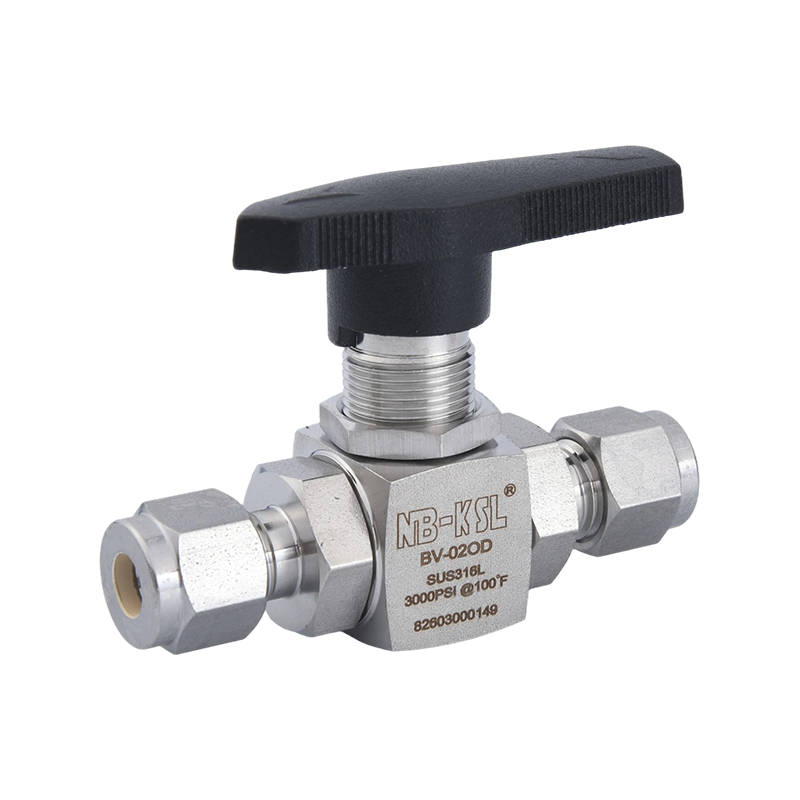
| Stainless steel ball valve, EPDM or PTFE seat | 1/2 inch to 4 inch | Building services, sampling and isolation |
| Wafer and lug butterfly valve, EPDM seat | DN40 to DN600 | Treatment plants and distribution |
| Flanged gate valve, resilient or metal seat | DN50 to DN600 | Isolation on mains |
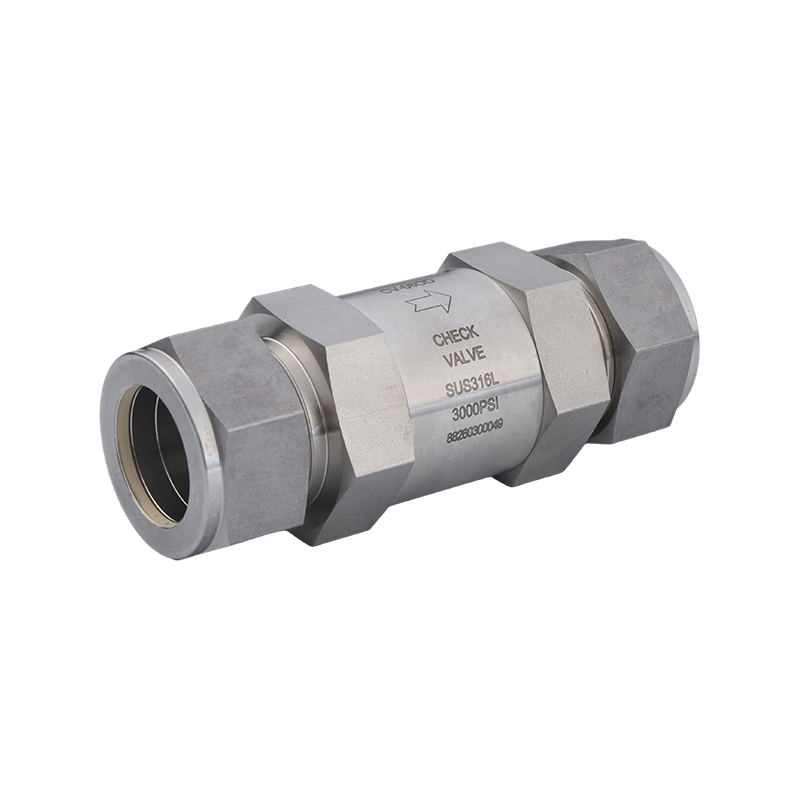
| Check valve, dual plate or swing | DN40 to DN600 | Pump discharge, backflow prevention |
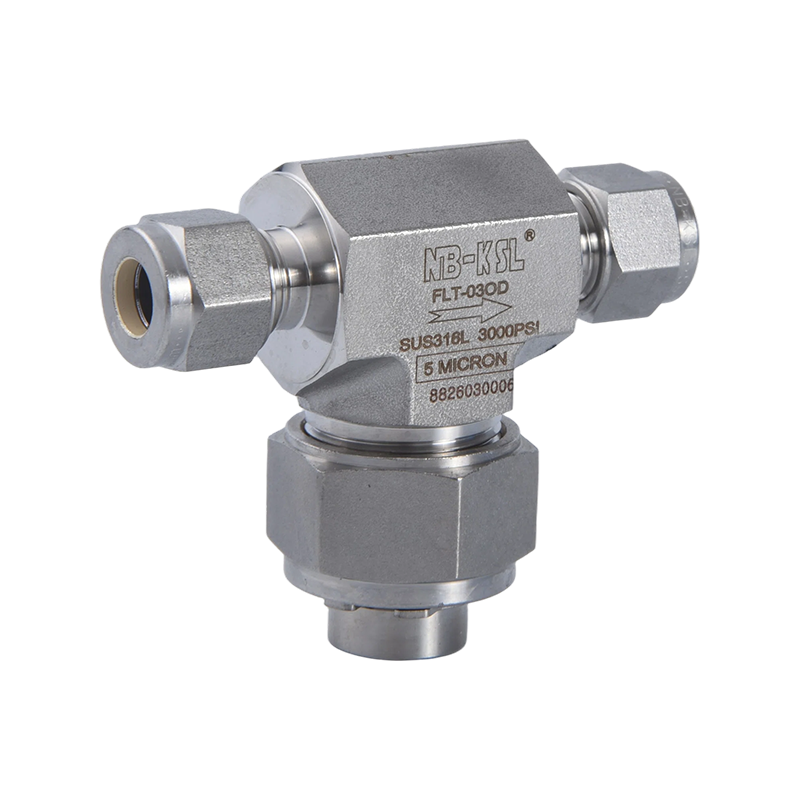
| Y-strainer | 1/2 inch to 12 inch | Protection of meters and pumps |
| Sampling valve | 1/4 inch to 1/2 inch | Water quality sampling points |
| Sanitary tri-clamp valves and fittings | 1/2 inch to 4 inch | Bottling, food and beverage water lines |
| Flanges, gaskets, bolts | DN15 to DN600 | EPDM gaskets, stainless bolting |
Typical applications
- Water treatment plants: filtration, dosing, disinfection and storage.
- Buildings and hospitals: cold and hot water systems, legionella control.
- Food and beverage plants: process water, rinse water and bottling lines.
- Municipal networks: pump stations, reservoirs and bulk meters.
- Pools, spas and desalination post-treatment: lines with higher chloride levels.
When both potable water and non-potable service are present in the same project, tell us which lines are drinking water, and we will supply approved parts for those lines and standard parts for others, which keeps cost under control.
Buyer tip: when you ask for a quotation, state the country of installation, the approval scheme required, the maximum water temperature, the disinfectant used and the water chloride level. With these five items, we can propose the right grade, the right seal compound and the documents that your authority will expect to see on delivery.
Drinking Water Approval Schemes and Standards
Each country or region has its own scheme for materials in contact with drinking water. They look at similar issues, such as migration of substances, taste, odour, appearance and microbial growth, but they use different tests and different listings. Knowing which one applies to your project is the first step.
| Region | Scheme or Standard | Note |
|---|---|---|
| USA and Canada | NSF/ANSI 61, NSF/ANSI 372 | Health effects of components and lead content limit |
| United Kingdom | WRAS Approval, BS 6920 | Effect of non-metallic materials on water quality |
| Germany | KTW guideline, DVGW worksheets | Organic materials and product requirements |
| France | ACS | Conformity of materials in contact with drinking water |
| Netherlands | KIWA | Product certification for water |
| Australia and New Zealand | AS/NZS 4020 | Products for contact with drinking water |
| European Union | Drinking Water Directive (EU) 2020/2184 and the 4MS common approach | Framework for materials, with national implementation |
| Waterworks valves | AWWA C504, C509, C515, C507 | Design standards for waterworks valves |
| Stainless steel material | EN 10088, ASTM A351, A182 | Metallic material standards |
Metal parts and seal parts are assessed differently. Stainless steel is usually accepted under national lists of approved metals, while rubber, plastic and lubricants need compound-specific tests. This is why the seat and gasket compounds receive most of the attention in approvals.
Product approval versus material compliance. A full product listing, such as NSF 61 for a complete valve, requires testing and factory audits for that product. Some projects accept compliance of each wetted material instead. Tell us which route your authority requires, and we will confirm what we can provide.
Compliance Documents for Drinking Water Projects
Water authorities, consultants and installers need to see proof that every wetted material is acceptable. The correct paperwork depends on the country, and we prepare documents with local needs in mind. We also tell clearly which documents are product approvals and which are statements of material compliance.
- Material certificate: EN 10204 3.1 for stainless steel parts, showing chemistry, including very low lead content.
- Seal compound approval: NSF/ANSI 61, WRAS, KTW, ACS or other approval certificates for EPDM, PTFE and other non-metallic parts, from the compound maker.
- Lubricant data sheet: showing suitability for drinking water, and the scheme under which it is approved.
- Declaration of conformity for drinking water contact: issued by us, listing wetted materials and the approvals that apply.
- Lead content statement: confirming compliance with applicable lead limits, such as 0.25% weighted average for "lead free" under US law.
- Pressure test report: shell and seat tests, with potable water or clean water for testing.
- Cleanliness statement: confirming that valves were degreased and cleaned before packing.
- Quality management: ISO 9001 style system and batch records.
Full product listings. Where a complete NSF 61 or WRAS product approval is required, it must be held for the exact model and factory. We will tell you whether such an approval exists for the valve you want, or whether we can supply material compliance documents only, so that you can judge what your authority will accept.
Sample documents can be sent for your review before the order.
Audit tip: keep the seal compound approval certificates together with the valve batch numbers in one folder. Water authorities and consultants often ask to see the approval for the exact compound used, and a file that links batch, compound and certificate can save weeks when a project is inspected or when a certificate is about to expire.
Traceability of Wetted Materials
For drinking water valves, traceability must cover everything that touches water, including parts that seem insignificant, such as O-rings, lubricants and thread sealants. A single unapproved rubber ring can invalidate a whole system's compliance. Our records are built to prevent that.
- Metal parts: heat numbers and mill certificates for bodies, balls, discs and stems, with PMI checks confirming grade.
- Seat and seal batches: compound name, supplier, batch number and approval certificate recorded for each lot.
- Lubricants: product names and batch numbers recorded, and only approved types are allowed on the assembly line.
- Separation of approved and standard parts: storage bins and assembly stations are labelled to avoid mixing with non-approved parts.
- Cleaning: cleaning method and date recorded, before valves are bagged.
- Carton labelling: cartons show "drinking water" marking where relevant, with batch number linking to the records.
| Wetted Part | Record | Purpose |
|---|---|---|
| Body and trim | Heat number, mill certificate | Proof of grade and lead-free composition |
| Seat and O-rings | Compound name, approval, batch | Proof of approved material |
| Lubricant | Product and batch | Proof of approved lubricant |
| Cleaning | Method and date | Proof of cleanliness |
| Carton | Batch and marking | Link to shipment |
If an authority or a customer asks for proof that a given valve was made with approved materials, we can trace it back to the batch records and supply the relevant certificates.
Why small parts matter: an O-ring or a smear of the wrong lubricant is easy to overlook, yet it can fail a water quality test. Our assembly stations use only approved lubricants, and the lubricant type and batch are written in the assembly record, so that nobody has to guess later what touched the water.
Testing and Hygiene Controls for Potable Water Valves
Testing for drinking water valves covers the usual mechanical and pressure tests, plus checks that relate to hygiene and cleanliness. Chemical migration testing of materials is performed by approved laboratories, and not in our own workshop, so we focus on what we can do reliably and honestly.
| Test or Control | Method | Frequency |
|---|---|---|
| Shell test | Hydrostatic at 1.5 x rating with clean water | 100% of valves |
| Seat test | Hydrostatic at 1.1 x rating, and low-pressure air test for resilient seats | 100% of valves |
| PMI | XRF analyser on stainless steel parts | Incoming and sampling |
| Passivation check | Copper sulfate or ferroxyl test for free iron | Per batch |
| Cleanliness check | Visual inspection, wipe test for oil and particles | 100% visual, sampling wipe test |
| Seal compound verification | Check of supplier certificate and batch against approved list | Each batch |
| Migration and organoleptic tests | Third-party laboratory tests per NSF 61, WRAS or other scheme | Compound approval or on request |
| Torque and operation | Torque measurement and operation check | Sampling |
Test water quality. For drinking water valves, pressure tests are done with clean water, and valves are drained and dried after testing to avoid stagnant water in the body. After testing, valves are capped and packed in clean bags.
Lead and heavy metals. Stainless steel contains no intentional lead. We can supply chemical analysis and, where requested, send samples to a laboratory for heavy metal analysis. A migration test of a complete valve is a different matter and belongs to the product approval.
Frequently Asked Questions about Drinking Water Valves
Q: Is stainless steel safe for drinking water?
Yes. Stainless steel is widely used for drinking water systems, as it contains no lead, resists corrosion in treated water and has a smooth surface that is easy to clean and disinfect.
Q: Is 304 enough, or do I need 316L?
304 suits most treated drinking water with low chloride. 316L is advised for higher chloride, brackish or coastal water, frequent chlorination or hot water systems.
Q: What does NSF 61 cover?
NSF/ANSI 61 covers the health effects of materials and products in contact with drinking water, based on migration of substances. A listing is held for a specific product and factory.
Q: What does WRAS approval mean?
WRAS approval confirms that a product or material meets UK requirements for water quality. It is based on BS 6920 for non-metallic materials, and is listed in the WRAS directory.
Q: Why are seals more important than the body?
Stainless steel is stable in water, but rubber and plastic compounds can release substances or support bacterial growth if they are not suitable. Seals therefore need approved compounds.
Q: Can all your stainless valves be used for drinking water?
Not automatically. Seat, gasket and lubricant must be approved, and cleaning must be suitable. Please tell us the application, and we will supply a drinking water version.
Q: Is brass acceptable for drinking water?
Brass is used widely but can release lead and zinc, and in some waters dezincifies. Many regions limit lead content. Stainless steel avoids these issues.
MOQ and Pricing for Drinking Water Valves
Drinking water valves are produced from the same stainless steel bodies as other valves, with approved seals and cleaning added. The price difference comes from the approved compounds, the segregation of parts and the extra documents.
| Item | Typical Terms |
|---|---|
| Sample order | 1 to 5 pieces per model |
| Standard MOQ | 50 to 100 pieces per size for small valves; 20 to 50 for larger valves |
| Approved seal compounds | Available on standard models; special compounds quoted separately |
| Product approval for a new model | Subject to scheme requirements, fees and time |
| Pricing basis | EXW, FOB Ningbo, CFR or CIF in USD |
| Quote validity | 30 days, adjusted for stainless steel and rubber compound price changes |
| Payment | 30% T/T deposit, 70% before shipment; L/C at sight for approved accounts |
What affects the price
- Seal compound: approved EPDM and PTFE cost more than general grades.
- Grade: 316L costs more than 304.
- Documents: compliance statements and third-party tests add cost.
- Cleaning and packing: clean bagging and segregation add small costs.
- Size and type: weight and complexity drive base cost.
Plan approvals early. If your project needs a full product listing for a model that does not yet have one, the process takes months, and the cost depends on the scheme. Ask us early whether an existing approved model can meet your needs, which is much faster and cheaper.
Ordering advice: standardise on a few valve types and sizes for your drinking water lines, and use the same approved seat compound everywhere. This limits the number of approval documents you must manage, makes spare parts easier to stock, and lowers the risk of an unapproved part reaching a potable line.
Lead Time, Customisation, Packaging and Trade Terms
Lead time and stock
Drinking water versions of standard stainless valves usually ship in 20 to 35 days, because approved seat compounds must be reserved and parts cleaned and bagged separately. Larger sizes and special documents may need 35 to 60 days. Tell us the destination country early so that compounds and documents can be prepared.
Customisation
We can customise seat and seal compound, grade, size, end connection, lubricant, marking, packing and documents. For OEM projects, we can mark valves with "drinking water" or a project-specific note.
Clean packaging
- Each valve degreased, dried and sealed in a clean plastic bag
- End caps or covers in plastic, to keep the bore clean
- Cartons marked for drinking water, with batch numbers
- Separate packing from non-approved items, to avoid mix-ups
- Documents in a waterproof envelope, with scanned copies by email
Shipping and trade terms
| Term | Details |
|---|---|
| Incoterms | EXW, FOB Ningbo, CFR, CIF, DAP |
| Port | Ningbo-Zhoushan; Shanghai as an alternative |
| Transport | Sea freight, air freight for urgent items, express courier for samples |
| Documents | Invoice, packing list, bill of lading, origin certificate, material and test certificates |
We can ship drinking water valves with matching approved gaskets and spare seal kits in one consolidated order, so the contractor receives a complete and compliant package.
Handling advice: keep valves in their clean bags until installation, wear clean gloves, avoid contact with oils and greases, and flush and disinfect the line after installation according to local practice. Following these steps protects the work done at the factory, and helps the system pass water quality tests at commissioning.