

 English
 中文简体
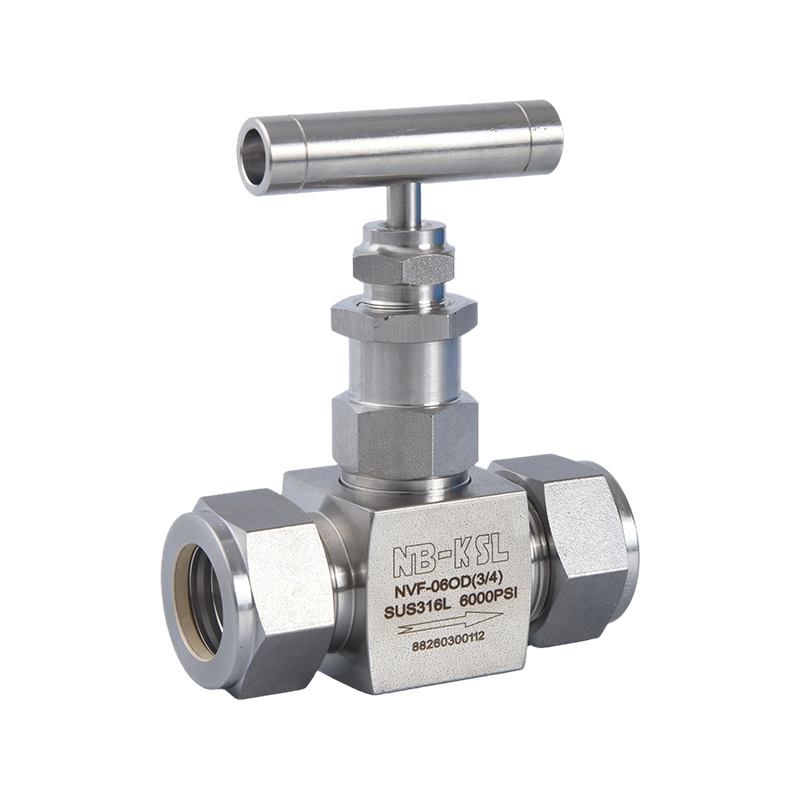


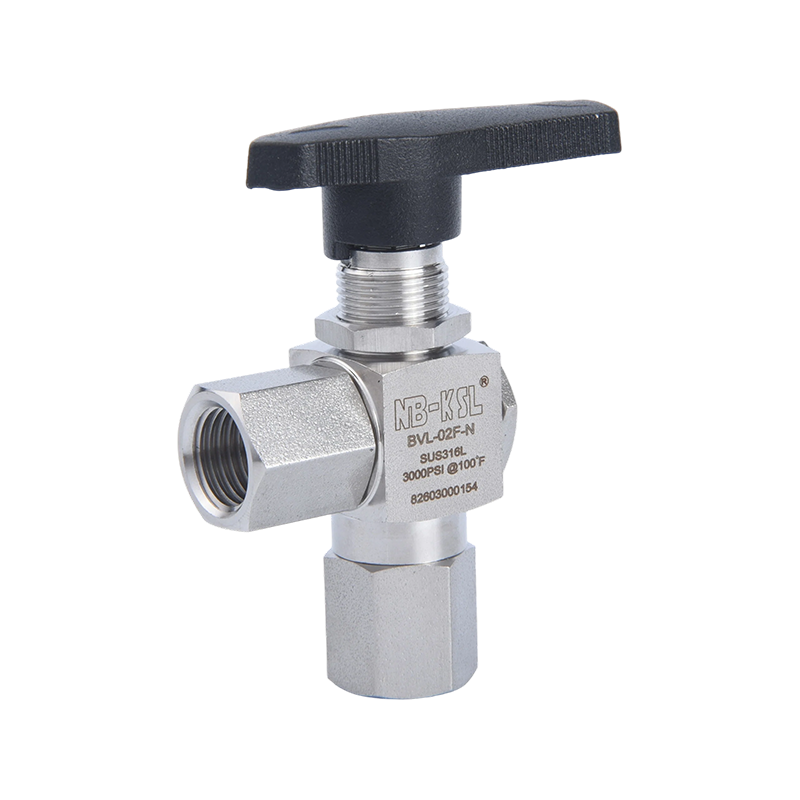
Ultrapure Valve Parameters and Surface Specifications
| Parameter | Typical Specification |
|---|---|
| Body material | 316L (F316L, CF3M, or bar), with controlled chemistry; vacuum remelted material on request |
| Wetted surface finish | Electropolished, Ra 0.25 µm (10 µin) maximum or better, per project specification |
| Passivation | After electropolishing, to ASTM A967 or SEMI-related practice |
| Seat and seal | PFA, PTFE, TFM, PCTFE; metal seat or metal seal on request |
| Size range | 1/8 inch to 1 inch for gas panels; 1/2 inch to 4 inch for utility lines |
| Pressure rating | Typically 1000 psi for small ball valves; up to 3000 psi for needle valves |
| Working temperature | -20 °C to +150 °C typical; bake-out to higher temperatures on request |
| End connections | Tube butt weld, tri-clamp, threaded; face-seal compatible ends on request |
| Leak integrity | Helium leak tested to a specified limit, typically 1 x 10^-9 mbar·l/s class for gas systems |
| Cleanliness | Cleaned and packed in ISO Class 5 or better cleanroom conditions on request |
Which valve for which service
| Service | Typical Valve Choice | Our Role |
|---|---|---|
| Ultrapure water (UPW) | PVDF, PFA or PP valves; stainless only in specific cases | Advise; supply stainless valves for support utilities |
| UHP gas panels (N2, Ar, H2, O2) | Metal diaphragm valves, electropolished 316L | Supply electropolished ball and needle valves for secondary points; advise on diaphragm valves |
| Process chemical delivery | PFA lined or fluoropolymer valves, electropolished 316L for solvents | Supply stainless valves for solvent and utility lines |
| Vacuum and exhaust | Ball and butterfly valves, bellows sealed valves | Supply stainless ball valves and fittings |
| Clean dry air and nitrogen utilities | 316L ball valves, tri-clamp | Supply |
| Clean steam, chilled water, cooling water | 316L or 304 valves | Supply |
Electropolishing is essential, but not sufficient. It removes surface peaks and metal debris, but the interior must also be free of oil, moisture and particles, and must be protected by clean packing. Our process includes all of these steps, and we test the results.
Valve Range for Semiconductor and High-Purity Systems
A semiconductor plant has several types of systems with different purity needs. We list below the stainless steel valves and fittings that we supply for them, and we say clearly where specialised fluoropolymer or diaphragm products are the normal choice.
| Product | Size Range | Typical Use |
|---|---|---|
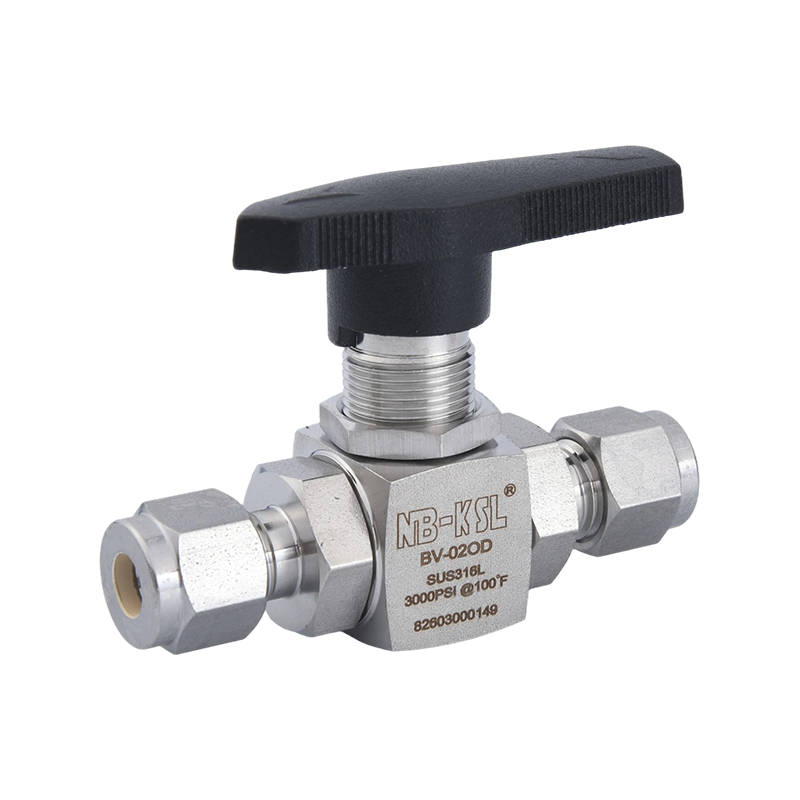
| Electropolished 316L ball valves, 2-piece and 3-piece | 1/4 inch to 2 inch | UHP utility lines, solvent delivery, vacuum |
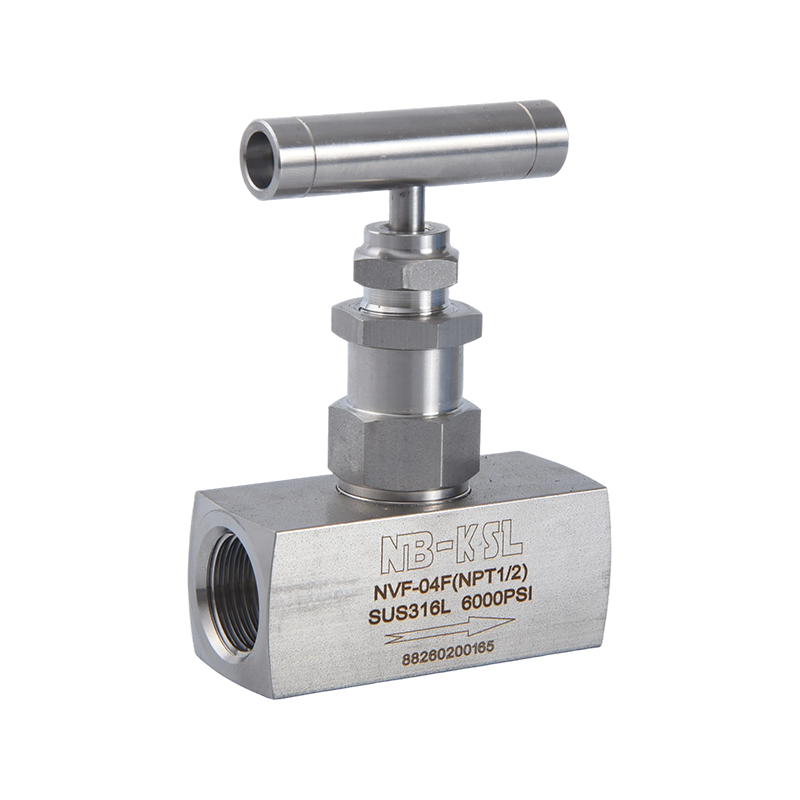
| Electropolished needle valves | 1/8 inch to 1/2 inch | Gas panels, sampling, calibration |
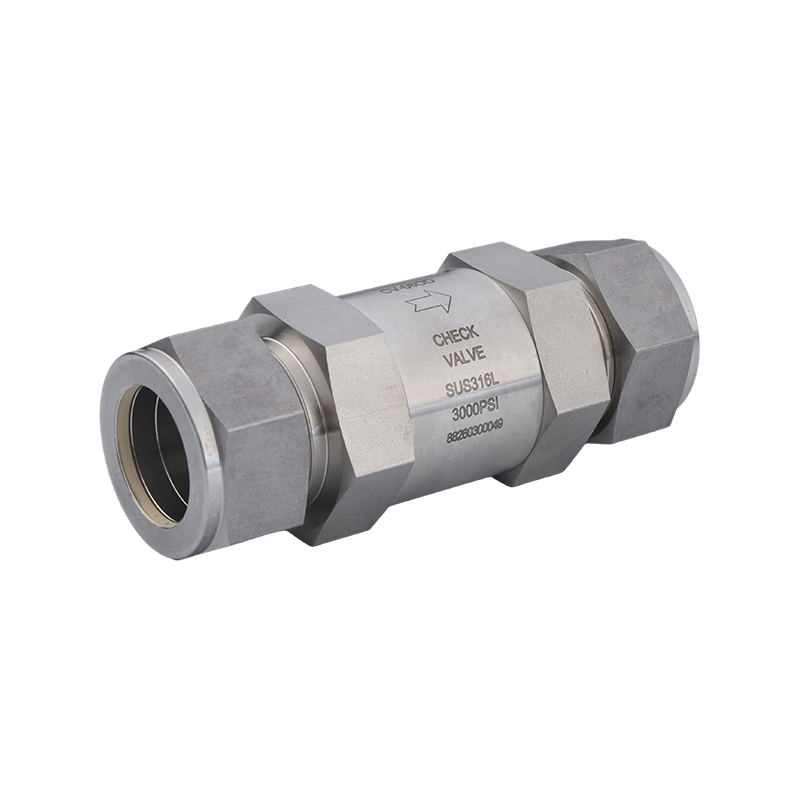
| Electropolished check valves | 1/4 inch to 1 inch | Prevention of backflow in gas and chemical lines |
| Tri-clamp ball and butterfly valves, electropolished | 1/2 inch to 4 inch | Clean utilities, chemical supply, water systems |
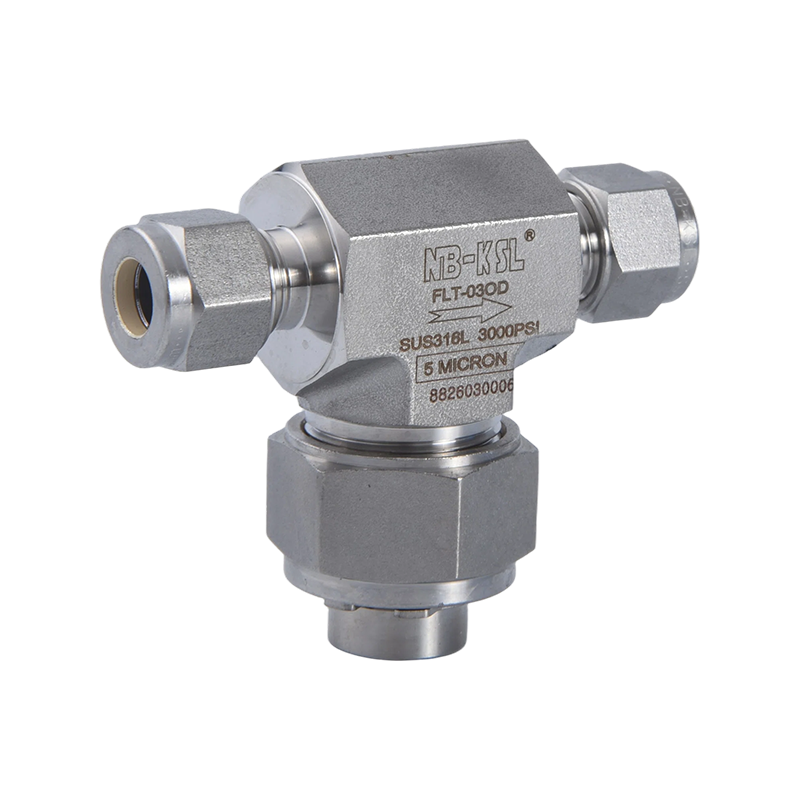
| Sanitary strainers and filters housings | 1/2 inch to 4 inch | Protection of equipment |
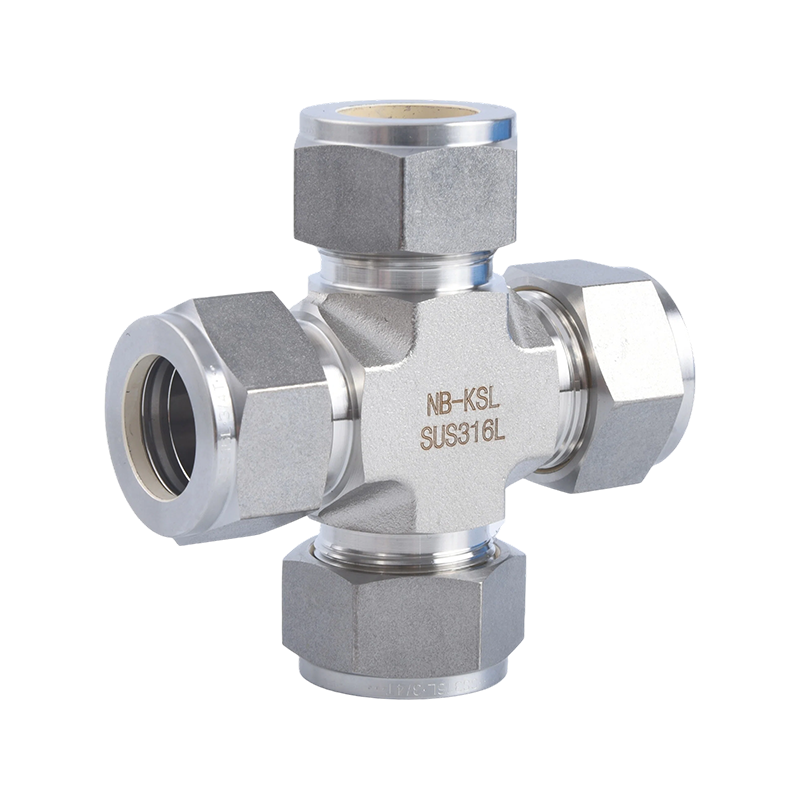
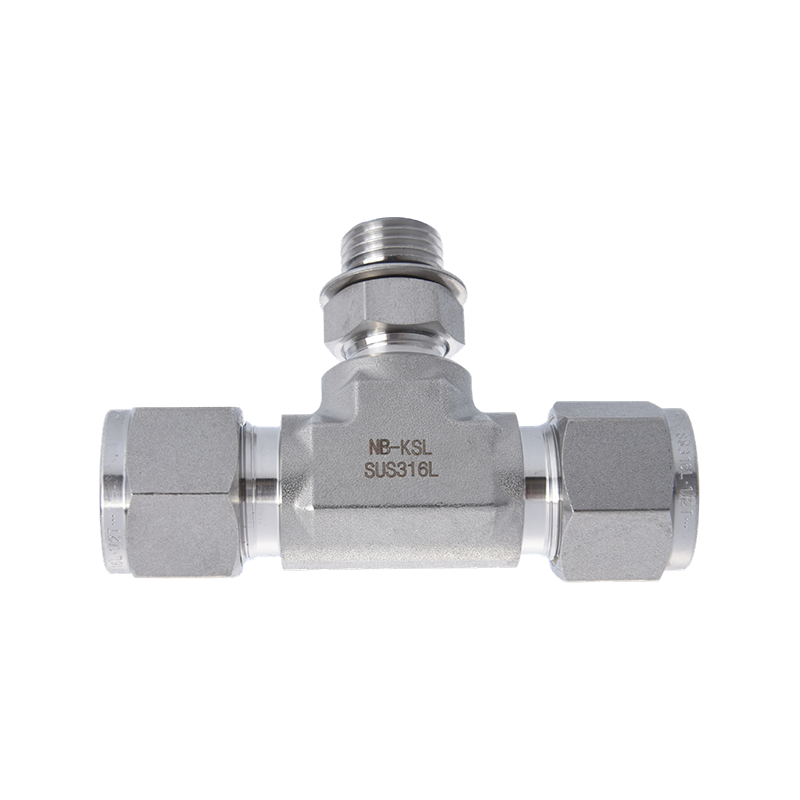
| Tube fittings, weld fittings and ferrules, electropolished | 1/8 inch to 4 inch | Tube systems, panels, manifolds |
| Manifolds and valve assemblies | Custom | Gas panels, chemical cabinets |
| Vacuum valves | 1/2 inch to 4 inch | Roughing and exhaust lines |
Typical customers
- Equipment manufacturers: makers of process tools, gas cabinets, valve manifold boxes and chemical delivery units.
- Cleanroom contractors: installers of gas, chemical, vacuum and utility piping.
- Fab owners and maintenance teams: replacement and expansion of utility systems.
- Laboratories and research institutes: gas and liquid supply for research tools.
- Electronics and display makers: related industries with high-purity needs, such as LED, solar and display panels.
Please tell us the fluid, purity level, pressure, connection standard and cleaning level. We will confirm whether our valves fit, or propose another route.
Industry Standards for High-Purity Systems
Semiconductor facilities follow industry standards written by SEMI, the association for the electronics supply chain, together with customer-specific rules that are often stricter. We work with the references below and with customer specifications.
| Area | Standard Reference |
|---|---|
| Surface condition of wetted surfaces of stainless steel components for UHP gas | SEMI F19 |
| 316L stainless steel tubing for high-purity gas | SEMI F20 |
| Leak integrity of high-purity gas piping systems | SEMI F1 |
| Bioprocessing equipment, also used as reference for surface finish | ASME BPE |
| Cleanroom classification | ISO 14644-1 (air cleanliness classes) |
| Surface roughness measurement | ISO 4287, ASME B46.1 |
| Passivation and cleaning | ASTM A967, ASTM A380 |
| Stainless steel material | ASTM A182 F316L, ASTM A479, A270 tube, EN 10088 |
| Helium leak testing | ASTM E498, ISO 20485 |
| Pressure testing | API 598, EN 12266-1, ISO 5208 |
| Hygienic connections | ISO 2852 (clamp), ASME BPE tube ends |
SEMI standards are references, not certificates. A component is not "SEMI certified", but it can be made to satisfy the requirements of SEMI standards, and the user checks this by documents and tests. Please state which standards and which edition apply to your project.
Customers often add proprietary specifications for particle counts, outgassing and ion content. We review them carefully and tell you which items we can test, and which need an external laboratory.
Reference note: SEMI standards are revised periodically, and customers may specify an edition or add their own limits for roughness, leak rate and cleanliness. Please send the specification with your inquiry. We will list each requirement as met, met with outside testing, or not met, so that you know where you stand before placing an order.
Documents for Semiconductor Customers
Semiconductor buyers audit suppliers in depth. They ask for process descriptions, cleanroom classifications, test methods and evidence of control. We prepare a document package that answers these questions, and we are ready to host customer audits.
- Material certificate: EN 10204 3.1 for 316L parts, with heat numbers and chemical composition, including sulphur content.
- Surface finish report: roughness measurements on sampled parts, with measuring instrument and method.
- Electropolishing and passivation certificate: process batch and result.
- Helium leak test report: test method, leak rate achieved and limit, for each valve or lot as specified.
- Cleaning and packing record: cleaning method, drying method, cleanroom class used for packing, bag type and lot.
- Particle and residue test: wipe or rinse tests with third-party laboratory analysis, on request.
- Seal material documents: PFA, PTFE and PCTFE resin certificates and compliance statements.
- Certificate of conformance: issued by us, to the purchase order and standards.
- Quality management: ISO 9001 style system, with audit access for qualified customers.
Be realistic about what is possible. Some semiconductor specifications demand surface analysis, such as the chromium to iron ratio by XPS, or particle counts in liquid extraction. We can arrange them through external laboratories at your cost. We will tell you before quoting which tests we run in-house and which are outsourced.
Sample document packs can be sent for review before an order.
Audit tip: keep the cleaning record, leak test report and packing record together for each lot, with the lot number printed on the bag label. Semiconductor auditors often follow the chain from the bag back to the process steps, and a matched set of records makes that chain easy to verify and strengthens confidence in your supplier.
Traceability for High-Purity Components
In a fab, a contamination event can cost millions of dollars, and root cause analysis requires full traceability. The customer wants to link a valve in the system to a heat of steel, a polishing and electropolishing batch, a cleaning run and a packing lot. Our records are structured accordingly.
- Material: bar, forging or casting with mill certificate, heat number, and chemistry including sulphur; PMI check on receipt.
- Machining: machining lots with first article inspection, and records of coolant and cleaning agents used.
- Polishing and electropolishing: batch records, with roughness measurements.
- Passivation: batch records and test results.
- Final cleaning and leak test: method, date, operator and result recorded for each lot or valve.
- Packing: cleanroom class, bag lot, double bagging and label recorded, with link to the shipment.
| Stage | Record | Purpose |
|---|---|---|
| Material | Heat number, certificate, chemistry | Proof of 316L and weldability |
| Surface | Roughness and EP record | Proof of surface quality |
| Passivation | Process batch and test | Corrosion resistance and low ionic release |
| Cleaning and leak test | Method, date, result | Cleanliness and integrity |
| Packing | Cleanroom class, bag lot | Preservation of cleanliness |
If a customer reports contamination, these records allow us to review production steps quickly, and to show where each valve was in our process on each day.
Why cleaning records matter: cleaning agents, drying methods and handling steps can all leave traces. By recording each step for each lot, we can identify the cause quickly if a customer reports a particle or residue issue, and we can limit action to the affected lot instead of replacing everything.
Cleaning, Leak and Surface Testing
Ultrapure valves are tested for pressure and leak tightness, and also for cleanliness and surface condition. The test methods are more sensitive than those used for ordinary valves, and many of them need special equipment.
| Test | Method | Frequency |
|---|---|---|
| Shell and seat test | Clean nitrogen or filtered water per API 598 / EN 12266-1 | 100% of valves |
| Helium leak test | Mass spectrometer, vacuum or sniffer method, to specified leak rate | 100% or per lot, as specified |
| Surface roughness | Profilometer on accessible surfaces | Sampling |
| Internal inspection | Borescope or direct view for scratches, burrs and residues | 100% of valves |
| PMI | XRF analyser | Incoming and sampling |
| Passivation check | Copper sulfate or ferroxyl test | Per batch |
| Particle and residue test | Rinse, wipe or extraction, with analysis | On request, third-party laboratory |
| Moisture and outgassing test | Dew point or residual gas analysis | On request, project-specific |
| Surface analysis (XPS or AES) | Chromium to iron ratio and oxide layer | On request, third-party laboratory |
| Cycle test | Repeated operation, then leak test | Type test |
Helium leak testing in detail. A helium mass spectrometer detects leaks that are many thousand times smaller than a bubble test. In the vacuum method, the valve is connected to the instrument, helium is sprayed around it, and any helium entering is measured. For gas systems, a limit of 1 x 10^-9 mbar·l/s or better is typical, and we match the limit to your specification.
Customers or auditors are welcome to inspect our cleaning and test processes, and we can send photos and reports.
Frequently Asked Questions about Ultrapure Semiconductor Valves
Q: Is stainless steel used for ultrapure water?
UPW systems mostly use PVDF, PFA or polypropylene, because they release very few ions. Stainless steel is used in some systems and for support utilities. Please ask us for advice on your specific system.
Q: What does Ra 0.25 µm mean?
It is the average roughness of the surface, about 10 microinches, a very smooth finish typical for UHP gas components after electropolishing.
Q: Why electropolish stainless steel for UHP gas?
Electropolishing smooths the surface, removes metal debris and improves the chromium-rich oxide layer. This reduces particle generation and moisture retention, and resists corrosion by process gases.
Q: Do you supply diaphragm valves?
Metal diaphragm valves are a specialised product for the most demanding UHP gas systems. We can supply ball and needle valves for related lines. Please ask about your specific need, and we will answer honestly.
Q: What is double bagging?
The valve is sealed in one clean bag in the cleanroom, then placed in a second clean bag, so that the outer bag can be opened outside the cleanroom and the inner bag opened inside, keeping the valve clean.
Q: How tight must the valves be?
For gas systems, helium leak rates in the order of 1 x 10^-9 mbar·l/s or lower are typical. We test to the limit in your specification.
Q: Can valves be baked out?
With suitable seats and materials, yes. Bake-out temperatures and times depend on the seat. Please tell us the bake-out conditions for your system.
MOQ and Pricing for Ultrapure Valves
Ultrapure components are made in small batches, with extensive cleaning and testing. We accept small quantities, but unit prices are higher than for standard stainless valves. We list the cost drivers clearly so that you can plan the budget.
| Item | Typical Terms |
|---|---|
| Sample order | 1 to 5 pieces per model, for qualification |
| Standard MOQ | 20 to 50 pieces per size; panels and assemblies from small quantities |
| Helium leak tested valves | Quoted per valve or per lot |
| Cleanroom packing | Quoted per item or per batch |
| Pricing basis | EXW, FOB Ningbo, CFR or CIF in USD |
| Quote validity | 30 days, adjusted for stainless steel price changes |
| Payment | 30% T/T deposit, 70% before shipment; L/C at sight for approved accounts |
What affects the price
- Material grade and chemistry control: controlled-sulphur or remelted 316L costs more.
- Electropolishing and roughness limit: tighter roughness needs more process steps.
- Seat material: PFA, PCTFE and metal seals cost more than standard PTFE.
- Leak testing and cleanliness testing: helium tests, particle tests and surface analysis add cost.
- Packing: cleanroom and double bagging add cost.
Specify by system tier. Primary UHP gas lines need the highest cleanliness. Utility lines and exhaust may accept a lower level. Dividing the system into tiers lets you put the highest specification where it matters, and use standard hygienic valves elsewhere.
Ordering advice: divide your list into tiers: primary UHP lines, secondary utility lines and exhaust or support lines. Tell us the cleanliness and leak-rate level for each tier. We can then propose the right valves and packing for each, and avoid paying for the highest specification everywhere in the system.
Lead Time, Customisation, Clean Packing and Trade Terms
Lead time
Standard electropolished valves and fittings from semi-finished stock ship in 25 to 40 days. Special connections, helium leak testing with report, and cleanroom packing usually need 35 to 60 days. New designs and assemblies need longer, depending on drawings and tests.
Customisation
We can customise tube size and wall thickness, end connections, surface finish, seat material, handle, marking, serial numbering, leak test limit and cleaning level. For equipment makers, we can build manifolds and valve assemblies to your drawing.
Cleanroom packing
- Valves cleaned, dried and packed in ISO Class 5 or better cleanroom conditions, on request
- Double bagging with clean polyethylene or nylon bags
- End caps in clean plastic, with no particle shedding
- Cartons labelled with lot number, cleaning date and packing class
- Documents in a separate envelope, with scanned copies by email
Shipping and trade terms
| Term | Details |
|---|---|
| Incoterms | EXW, FOB Ningbo, CFR, CIF, DAP |
| Port | Ningbo-Zhoushan; Shanghai as an alternative |
| Transport | Sea freight, air freight for urgent items, express courier for samples |
| Documents | Invoice, packing list, bill of lading, origin certificate, material and test certificates |
Please keep the bags sealed until installation in the cleanroom, and store valves in a clean, dry place. For urgent needs, we can ship by air, in protective packing that preserves cleanliness.
Handling advice: store sealed bags in a clean, dry place, open outer bags at the cleanroom entry and inner bags only at the point of assembly, wear cleanroom gloves, and avoid touching sealing surfaces. After installation, purge and leak test the system according to your procedure, and record valve lot numbers for traceability.