


 English
 中文简体




Where Stainless Valves Fit in Oil and Gas Systems
| Application | Typical Conditions | Valve Considerations |
|---|---|---|
| Chemical injection lines | Methanol, corrosion inhibitors, glycols, up to high pressure | 316L or duplex, small bore, high-pressure ball and needle valves, tight shutoff |
| Offshore topside process | Hydrocarbons, produced water, salt atmosphere | Duplex or 316L, fire safe, API 6D or API 608, NORSOK style specification |
| Produced water and seawater injection | High chloride, CO2 | Duplex or super duplex, corrosion test records |
| Sour gas and amine service | H2S, CO2, MEA, DEA | Material and hardness to NACE MR0175 / ISO 15156 |
| LNG and cryogenic | -162 °C and colder | Extended bonnet, austenitic stainless, low temperature test |
| Instrument and hydraulic lines | High pressure oil, gas | 316L instrument valves, double block and bleed manifolds |
| Process utilities | Steam, cooling water, nitrogen, air | 316L ball and gate valves, fire safe where needed |
| Refinery corrosive services | Acids, caustic, organic chlorides | Stainless or duplex bodies, hard-faced trim, API 600 / 608 |
| Gas processing and compression | High pressure gas, temperature swings | Low emission valves, API 6D ball valves, forged bodies |
Typical valve parameters
| Parameter | Typical Specification |
|---|---|
| Body material | CF8M, CF3M (A351); F316L, F51, F53 (A182); A890 / A995 for cast duplex |
| Pressure class | Class 150, 300, 600, 900; higher for small bore and forged valves |
| Size range | 1/2 inch to 12 inch for ball valves; 1/2 inch to 24 inch for gate, globe and check valves |
| Seat | PTFE, RPTFE, PEEK, metal seat for high temperature and fire safe duty |
| Features | Double block and bleed, anti-static, blow-out proof stem, fire safe design, low emission packing, drain and vent |
| End connections | Flanged RF or RTJ (ASME B16.5), butt weld, threaded, socket weld |
| Operation | Gear, pneumatic, electric or hydraulic actuator with ISO 5211 pad |
| Testing | API 598 / API 6D, fire test API 607, ISO 15848-1 where required |
Be clear about the service. Oil and gas systems vary widely. Dry sweet gas, wet sour gas, crude with CO2, seawater injection and amine solutions behave very differently. The same valve grade is not right for all of them. Please give us the fluid composition, partial pressures of H2S and CO2, chloride content, temperature and pressure, so we can recommend suitable materials.
Valve Range for Oil and Gas Projects
An oil and gas project combines many valve types. A contractor usually wants one supplier for several categories, with consistent documents. We supply the following products in stainless and duplex materials, and we point out where a specialised carbon steel valve is the better choice, so that you can source it elsewhere.
| Product | Size Range | Typical Standard |
|---|---|---|
| Flanged ball valves, floating and trunnion | 1/2 inch to 12 inch | API 608, API 6D (selected models), ISO 17292 |
| Bolted bonnet gate valves | 1/2 inch to 24 inch | API 600 |
| Compact forged gate, globe and check valves | 1/2 inch to 2 inch | API 602 |
| Globe valves | 1/2 inch to 12 inch | BS 1873, API 623 |
| Swing check and dual plate check valves | 1/2 inch to 24 inch | API 594, BS 1868 |
| Double offset butterfly valves | DN50 to DN600 | API 609 |
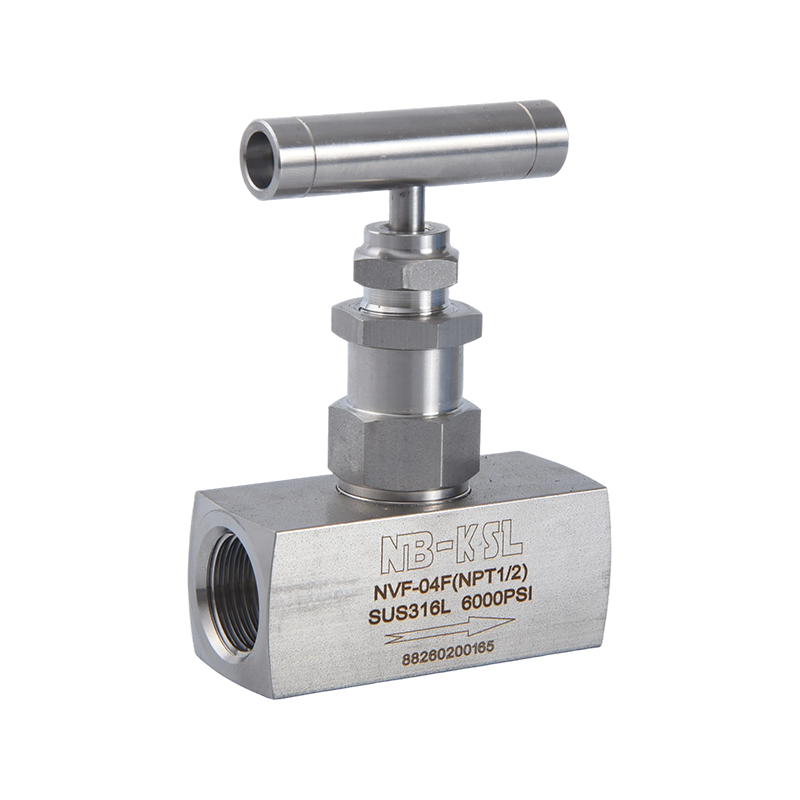
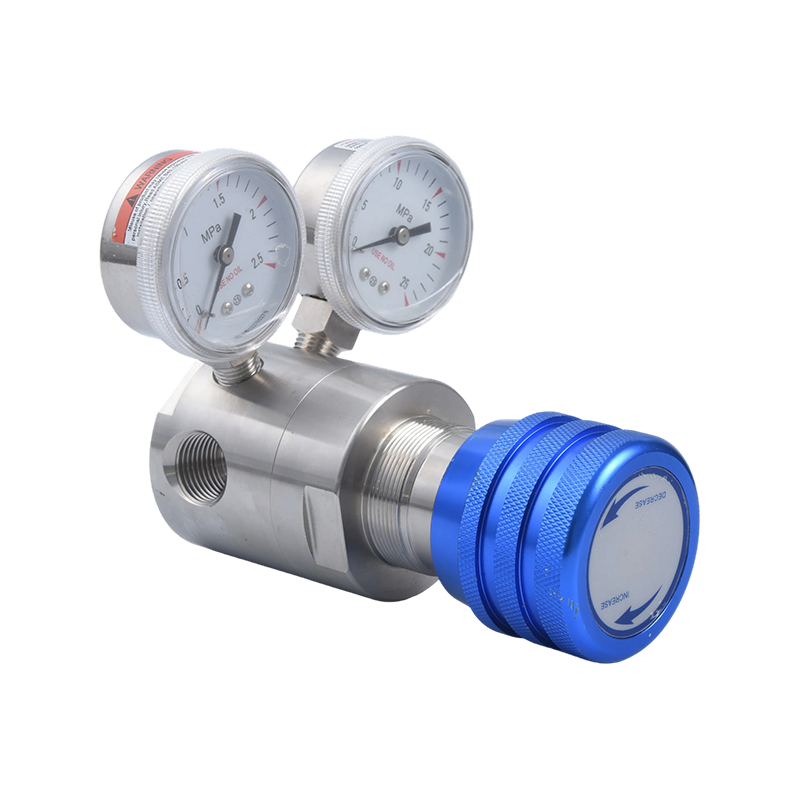
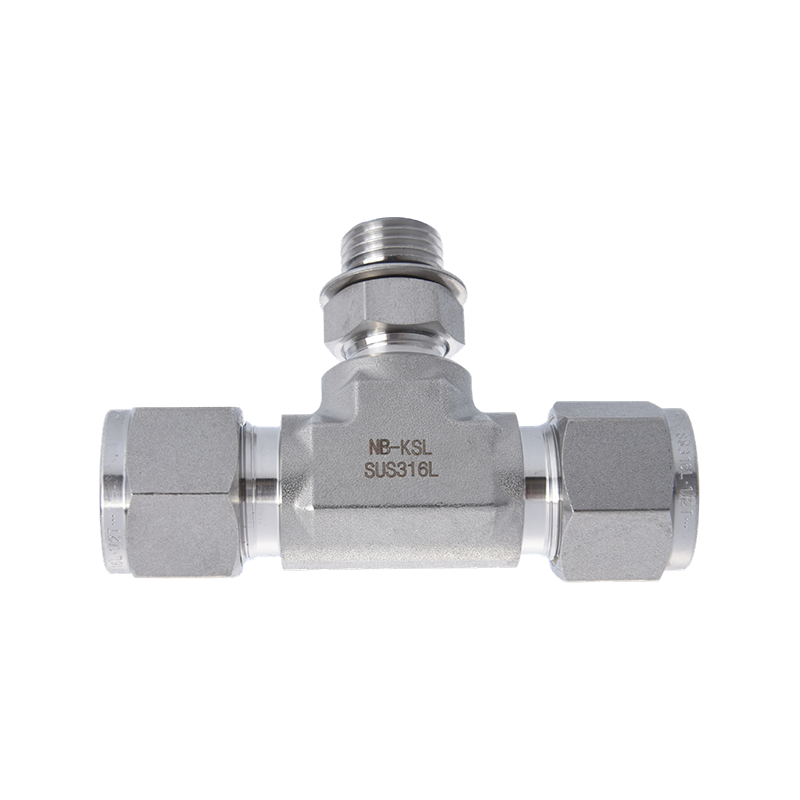
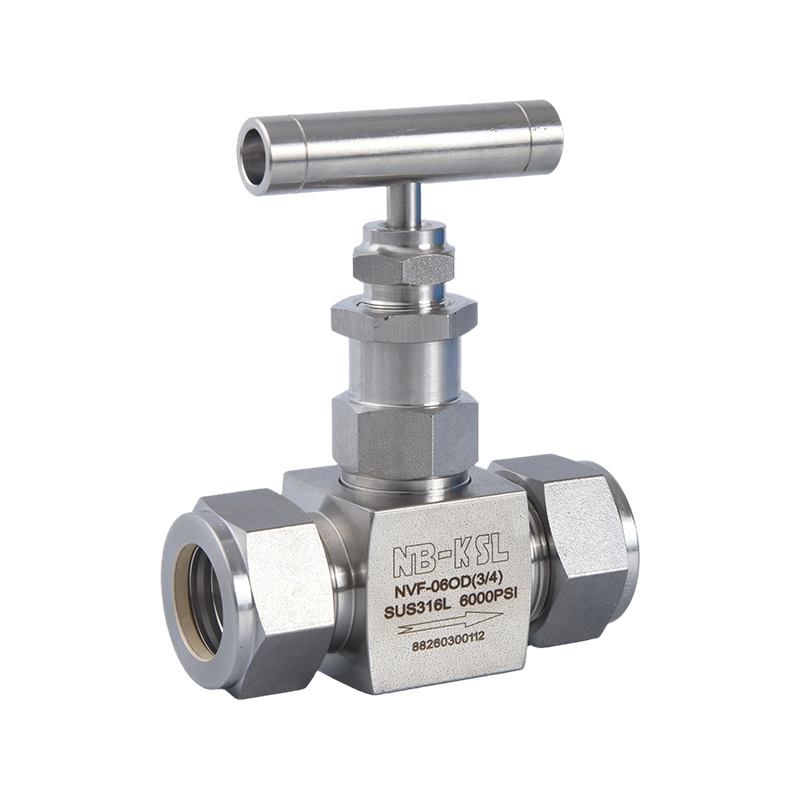
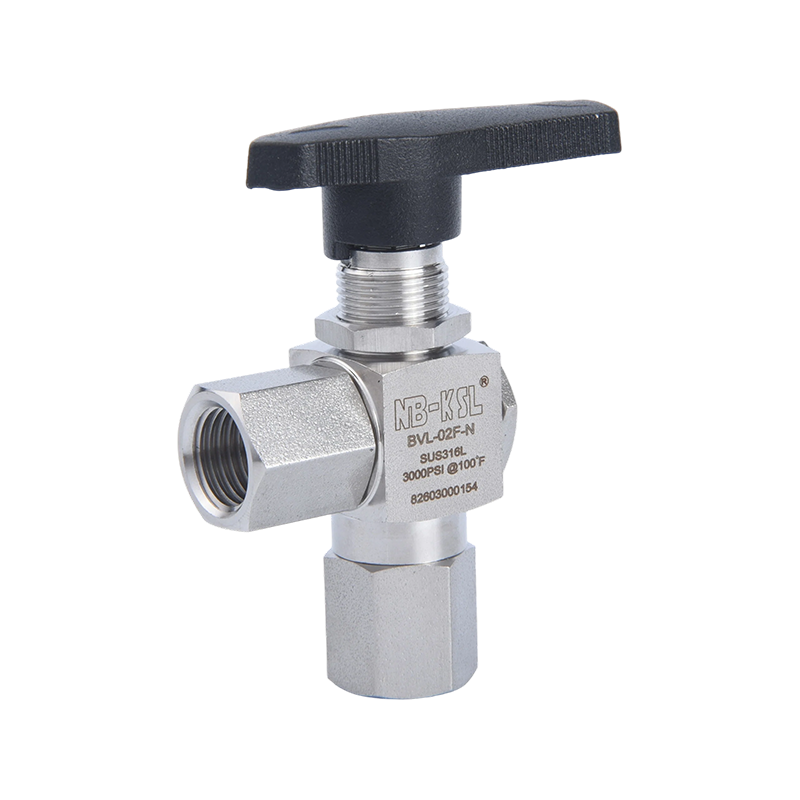
| Instrument valves, needle valves, DBB manifolds | 1/4 inch to 1 inch | Manufacturer standard, ASME B16.34 |
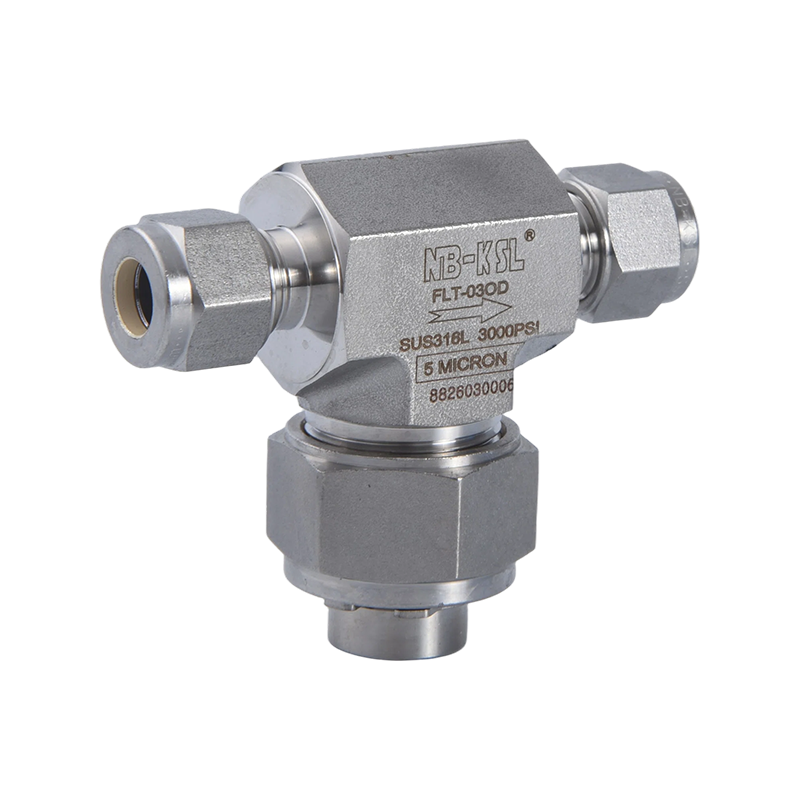
| Strainers and filters | 1/2 inch to 12 inch | Manufacturer standard |
| Flanges, studs, nuts and gaskets | 1/2 inch to 24 inch | ASME B16.5, ASTM A193 / A194 |
Typical projects
- Offshore platform and FPSO piping: topside process, utility, firewater and chemical injection.
- Onshore gas processing: amine units, dehydration, compression.
- Refinery and petrochemical: corrosive units, hot service, tank farm equipment.
- LNG and cryogenic installations: small-scale LNG, bunkering, truck loading.
- Maintenance and spare parts: replacement valves for existing plants, in matching dimensions.
Send us the valve list, with tag numbers, sizes, classes, materials and standards. We will prepare a compliance matrix, showing for each line whether we comply, comply with extra work, or cannot supply.
API, ASME, ISO and NACE Standards for Oil and Gas Valves
Oil and gas specifications are layered. Public standards set the base, and company standards add details. We are used to working with this structure, and we list the main public standards below.
| Area | Standard Reference |
|---|---|
| Pipeline valves | API 6D, ISO 14313 (gate, ball, plug and check valves) |
| Metal ball valves | API 608, ISO 17292 |
| Steel gate valves | API 600 (bolted bonnet), API 602 (compact) |
| Check valves | API 594 (wafer and lug), BS 1868 |
| Butterfly valves | API 609 |
| Valve inspection and testing | API 598, ISO 5208 |
| Pressure-temperature ratings | ASME B16.34 |
| Flanges | ASME B16.5, ASME B16.47 |
| Fire test | API 607, API 6FA, ISO 10497 |
| Fugitive emissions | ISO 15848-1, API 624, API 641 |
| Sour service | NACE MR0175 / ISO 15156 (upstream), NACE MR0103 (refinery) |
| Offshore material practice | NORSOK M-630, M-650, ISO 21457 |
| Piping codes | ASME B31.3 (process), B31.4 (liquids), B31.8 (gas) |
| Materials | ASTM A351, A182, A890 / A995, A193 / A194 |
Sour service needs special attention. Hydrogen sulphide can cause stress cracking in steel. NACE MR0175 and ISO 15156 limit materials, hardness, heat treatment and environment for sour service, and they require records. If your project has H2S, state the partial pressure, pH and chloride, so that we can confirm material suitability and prepare certificates.
API 6D is a specialised standard. Valves built to API 6D have features such as double block and bleed, full bore for pigging, emergency sealant injection and specific testing. We tell you which of our valves meet which clauses, and whether API monogram licensing applies, in plain language.
Certificates, Inspection and Document Packages
Oil and gas buyers expect complete documents, and they check them. Typical orders come with a vendor document list and an inspection and test plan, and every item must be signed off before shipment. We are prepared for that discipline, and we plan documents in parallel with production.
- Material certificates: EN 10204 3.1 for all pressure-containing and wetted parts; 3.2 with third-party endorsement on request.
- NDE reports: radiographic, ultrasonic, dye penetrant or magnetic particle reports for castings and welds, as specified.
- Hardness and sour service records: hardness test, heat treatment records and compliance statement to NACE MR0175 / ISO 15156.
- Pressure test report: shell, back seat and seat tests per API 598 or API 6D, with gauge calibration records.
- Fire test report: API 607 or ISO 10497 for fire safe designs, where available.
- Fugitive emission report: ISO 15848-1 or API 624, for selected designs.
- PMI report: verification of alloy on all pressure parts.
- Data book: compiled by valve tag, with drawings, certificates and test reports.
- Quality management: ISO 9001 style system; API Q1 and API monogram practices only where licences are held.
- Third-party inspection: SGS, BV, TUV, DNV, Lloyd's or the owner's inspector, according to the ITP.
No claims beyond our licences. API monogram, ATEX, PED and other approvals are tied to specific licences and certificates. If a project requires one, tell us at the quotation stage, and we will state whether we hold it, whether a partner can provide it, or whether it is not available.
Sample data books and ITPs can be sent for your review.
Full Material and Process Traceability
For oil and gas, traceability is not only a paper exercise. It supports safety cases, integrity management and incident investigation. A pressure-containing part must be linked to a heat of steel, a heat treatment record, NDE results and a pressure test, and these links must be preserved for the life of the asset.
- Hard marking: body, bonnet and end flanges carry heat number, grade, size and class per MSS SP-25 and the applicable standard.
- Material receiving: mill certificates, PMI and chemistry verification, with additional checks for duplex and sour service materials.
- Heat treatment: furnace charts linked to heat numbers and lots.
- NDE mapping: test locations, methods, results and operator qualifications linked to part numbers.
- Welding records: where welding or overlay is used, welding procedures, welder qualifications, consumables and inspection results.
- Traveller and data book: each valve has a traveller sheet that collects records at every stage, and a final data book.
| Item | Record | Purpose |
|---|---|---|
| Pressure parts | Heat number, certificate, heat treatment | Proof of grade and properties |
| Sour service parts | Hardness, heat treatment, compliance statement | Proof of NACE compliance |
| Welds and overlays | WPS, welder, consumable batch, NDE | Proof of weld quality |
| NDE | Methods, locations, results | Proof of casting and weld soundness |
| Valve | Serial number, test reports, data book | Complete history for audits and integrity management |
Records are kept for many years, and we can reissue a data book on request, for example when an operator audits an installed valve long after delivery.
Why traceability supports integrity management: operators of oil and gas assets keep databases of valves, with material, test and inspection data. If a similar valve fails elsewhere, they can check whether the same heat or lot was used. Full traveller records and data books make that check possible without opening installed valves.
Testing and Inspection for Oil and Gas Valves
Oil and gas orders usually include strict inspection and testing, with hold points witnessed by the buyer or a third party. The tests are defined by the standard and by the purchase specification. We prepare test benches, equipment and procedures with this in mind, and we use external laboratories for tests beyond our own scope.
| Test | Method | Frequency |
|---|---|---|
| Hydrostatic shell test | 1.5 x rating, hold time per API 598 or API 6D | 100% of valves |
| Seat test, liquid | 1.1 x rating, in each direction as required | 100% of valves |
| Low-pressure gas seat test | Air or nitrogen at low pressure, bubble or leak detection | 100% of soft-seated valves |
| Back seat test | Stem fully open, for gate and globe valves | 100% of valves |
| DBB or DIB test | Seats tested with cavity vented, pressure monitoring | 100% of DBB or DIB valves |
| NDE | Radiography, ultrasonic, dye penetrant, magnetic particle | As specified |
| PMI | XRF analyser on all pressure parts | Incoming and 100% finished valves on request |
| Hardness test | Brinell or Rockwell, checked against NACE limits | As specified |
| Fire test | API 607 / ISO 10497 | Type test on selected designs |
| Fugitive emission test | ISO 15848-1, helium or methane, cycles and thermal cycles | Type test on selected designs |
| Cryogenic test | Low temperature test with helium or nitrogen | Type test or on request |
Witness and hold points. A typical inspection and test plan lists items such as material receiving inspection, NDE, pressure test, marking and painting, and final release, each marked as hold, witness or review. We follow the plan, and we give notice before each witness point, so that the inspector can attend.
Tests not available in our workshop, for example full fire tests and some NDE methods, are carried out at accredited laboratories. We coordinate them, and we share the reports.
Frequently Asked Questions about Oil and Gas Valves
Q: Why would an oil and gas project use stainless steel valves?
For corrosion resistance in seawater, produced water, chemicals and humid offshore atmospheres, for low temperature service, and where purity or cleanliness matter. Carbon steel is still the standard for many dry hydrocarbon lines.
Q: What is API 6D?
It is the standard for pipeline valves, covering gate, ball, plug and check valves. It sets requirements for design, materials, testing, marking and documentation, including double block and bleed features.
Q: What does NACE MR0175 / ISO 15156 require?
It sets requirements for materials in H2S-containing environments, to avoid sulphide stress cracking. It limits hardness, heat treatment and, for some alloys, temperature and chloride levels.
Q: What is the difference between 3.1 and 3.2 certificates?
A 3.1 certificate is issued by the manufacturer's authorised representative, independent of production. A 3.2 certificate is validated by an additional independent party, such as the purchaser's inspector or a third-party agency.
Q: Do you hold an API monogram?
Please check with us at the quotation stage. The monogram is a licence for specific products and facilities. We will tell you clearly whether it applies to the valves you need.
Q: Can your valves be used in LNG service?
Austenitic stainless steel valves with extended bonnets and suitable seats are used in LNG and cryogenic service, with low temperature type testing. We can discuss your specific requirement.
Q: Can you supply valves with NORSOK requirements?
We can review NORSOK-based specifications and tell you which parts we can meet, and which require additional testing or documentation. Some clauses may need special arrangements.
MOQ and Pricing for Oil and Gas Valves
Oil and gas orders are driven by project lists, so quantities range from single valves to long lists of mixed items. We accept small quantities, and we quote the extra requirements, such as NDE and witness, as separate lines.
| Item | Typical Terms |
|---|---|
| Sample order | 1 to 3 pieces per model |
| Standard MOQ | 10 to 30 pieces per size; project orders from 1 piece |
| Duplex and special alloys | From 1 piece, subject to material availability |
| NDE, 3.2 certificates and witness | Quoted separately, per specification |
| Pricing basis | EXW, FOB Ningbo, CFR or CIF in USD |
| Quote validity | 15 to 30 days, since nickel and molybdenum prices change |
| Payment | 30% T/T deposit, 70% before shipment; milestone payments for large projects; L/C at sight for approved accounts |
What affects the price
- Material: duplex and super duplex cost much more than 316L.
- Class and size: weight is the main driver for larger and higher-class valves.
- Design features: DBB, fire safe, low emission and extended bonnet designs add cost.
- NDE and testing scope: radiography, hardness and corrosion tests are priced per item.
- Documentation: data books, 3.2 certificates and third-party inspection add cost and time.
Send the full specification. The largest differences between quotations in oil and gas come from different understanding of the scope. Sending the valve list, data sheets and specification documents at the start lets us quote for the full scope and avoid later variations.
Ordering advice: provide the complete valve data sheets and the project specification with the request, and ask for a compliance matrix. A line-by-line answer exposes early any clause that cannot be met, which allows you to adjust the specification or choose another supplier before time is lost, and before a purchase order is placed.
Lead Time, Customisation, Packaging and Trade Terms
Lead time and stock
Standard stainless steel valves for oil and gas, in popular sizes and Class 150, typically ship in 30 to 50 days. Higher classes, duplex materials, DBB and fire safe designs, and orders with NDE and witness need 50 to 100 days. We provide a schedule with hold points at order confirmation.
Customisation
We can customise class, material, end connections, face-to-face length, trim, seat, packing, stem extension, operator, drain and vent ports, marking, tag plate and documents. We can work from company specifications and data sheets, and we prepare a compliance matrix.
Packaging and preservation
- Flange faces and weld ends protected with covers
- Valves drained, dried and preserved as specified
- Wooden cases or pallets for heavy valves, with lifting points marked
- Moisture protection and desiccant for sea transport
- Marking with PO number, item number, tag number and weight, as specified
Shipping and trade terms
| Term | Details |
|---|---|
| Incoterms | EXW, FOB Ningbo, CFR, CIF, DAP |
| Port | Ningbo-Zhoushan; Shanghai as an alternative |
| Transport | Sea freight, air freight for urgent items, express courier for samples |
| Documents | Invoice, packing list, bill of lading, origin certificate, material and test certificates |
We can coordinate with freight forwarders, and provide packing lists, weights and dimensions for lifting and logistics planning, including documents for offshore supply bases.
Handling advice: keep protective covers on until installation, use lifting points shown on the valve and drawing, avoid contact with carbon steel tools on stainless parts, and store valves off the ground in a dry place. Following the preservation instructions in the data book keeps the valve in the condition in which it was tested.