

 English
 中文简体


Seat Materials and Hard Facing Options
| Seat Surface | Typical Hardness | Typical Temperature | Best For |
|---|---|---|---|
| 316 stainless steel (unhardened) | About 150 to 200 HB | To about 450 °C | Light duty, clean media |
| 17-4PH or hardened stainless | About 30 to 40 HRC | To about 400 °C | General steam and oil |
| Stellite 6 overlay | About 38 to 44 HRC | To about 800 °C | Steam, hot oil, erosive liquids |
| Stellite 21 overlay | About 27 to 35 HRC | To about 800 °C | Thermal shock, cavitation, galling resistance |
| Nickel-based hardfacing (Colmonoy type) | About 45 to 60 HRC | To about 650 °C | Abrasive and corrosive media |
| Tungsten carbide HVOF coating | About 1000 to 1300 HV | To about 450 to 500 °C | Slurries, catalysts, abrasive powders |
| Chrome carbide HVOF coating | About 800 to 1000 HV | To about 800 °C | High temperature erosion |
| Ceramic (alumina, zirconia) parts | Above 1200 HV | Depends on design | Extremely abrasive or corrosive duty |
Typical valve parameters
| Parameter | Typical Specification |
|---|---|
| Body material | CF8M, CF3M, F316L, duplex; high-temperature grades on request |
| Ball, wedge or disc | 316 or 17-4PH with hard coating or overlay |
| Seat | Hard-faced or coated, lapped to the ball or disc |
| Size range | 1/2 inch to 24 inch, depending on valve type |
| Pressure rating | Class 150, 300, 600, 900; PN16 to PN100 |
| Working temperature | -196 °C to +600 °C; higher for special designs |
| Leakage class | ISO 5208 Rate B to D, FCI 70-2 Class IV to V, depending on design and size |
| Operation | Gear, lever, pneumatic, electric or hydraulic actuator; higher torque than soft seated |
Hardness difference prevents galling. If ball and seat are made from the same hardness, stainless steel parts can gall, or weld themselves together at the contact surface. A hardness difference of 50 HB or more, or use of a different hard-facing material on each part, is a common way to avoid this.
Metal Seated Valve Range and Typical Duties
Metal seats are found in several valve types. Each has its own strengths, and the best choice depends on temperature, pressure, medium and how often the valve is used. The table below gives a summary of our range.
| Product | Size Range | Typical Duty |
|---|---|---|
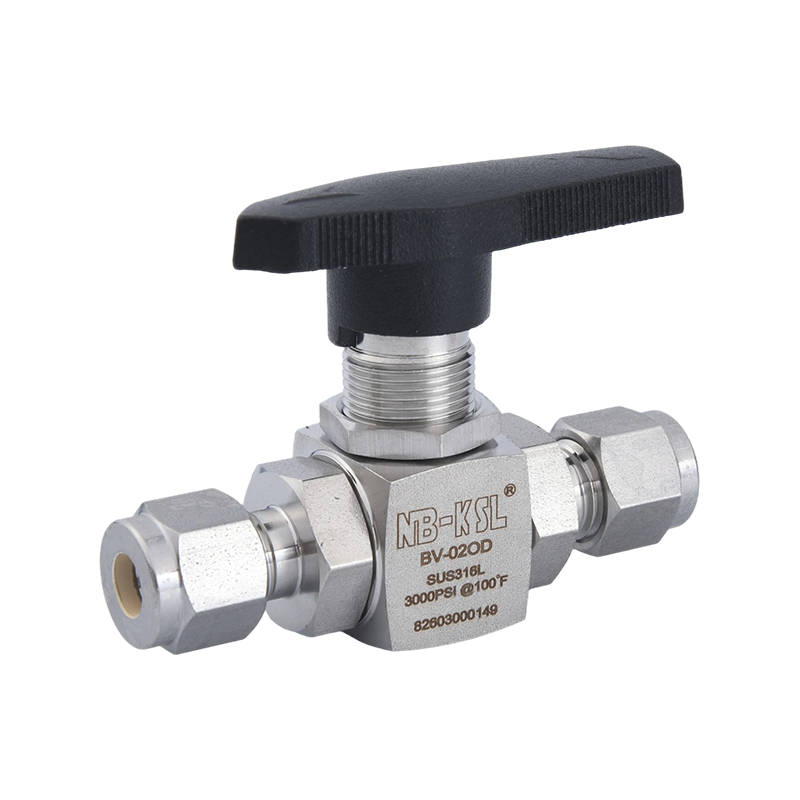
| Metal seated floating ball valve | 1/2 inch to 6 inch | Hot oil, steam, high temperature gas |
| Metal seated trunnion ball valve | 2 inch to 12 inch | Slurry, catalyst, higher pressure |
| Gate valve, hard-faced wedge and seats | 1/2 inch to 24 inch | Steam, hot oil, high temperature isolation |
| Globe valve, hard-faced plug and seat | 1/2 inch to 12 inch | Throttling steam and hot liquids |
| Double and triple offset butterfly valve | DN50 to DN1200 | Hot water, steam, fire safe lines |
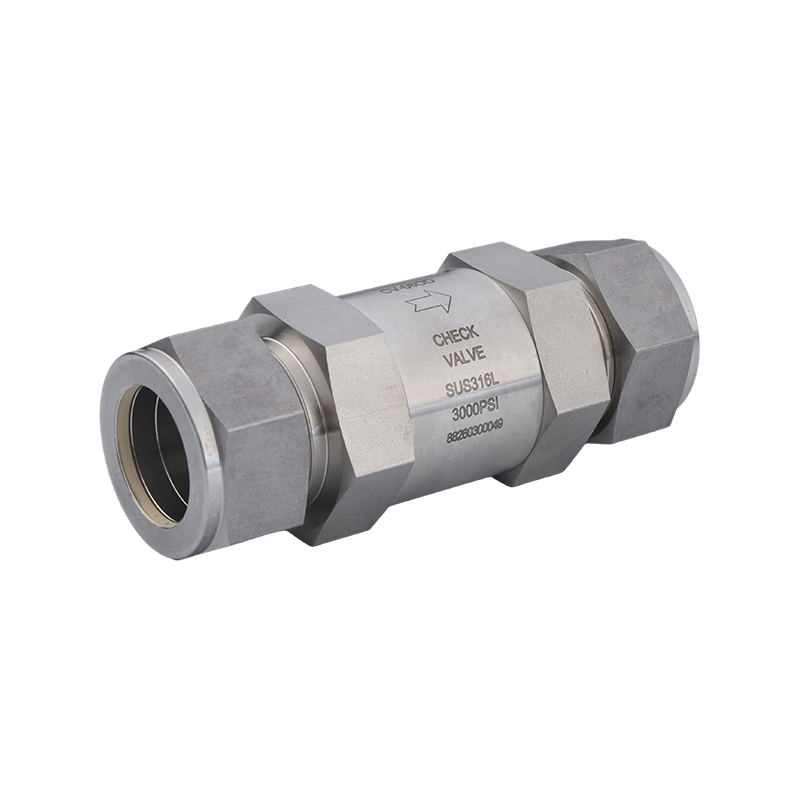
| Swing and lift check valve, metal seats | 1/2 inch to 24 inch | Hot lines and abrasive media |
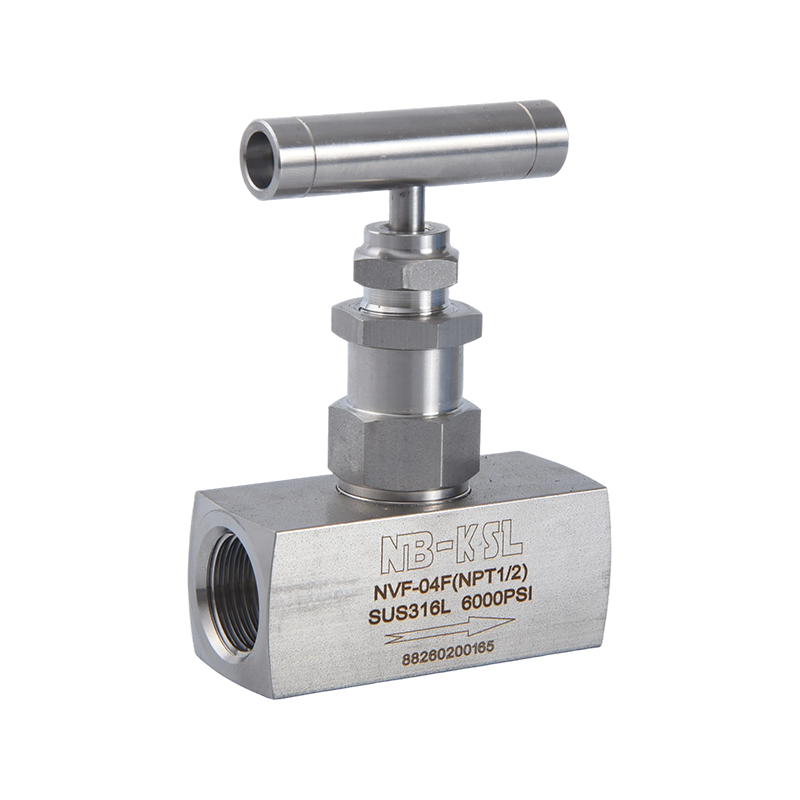
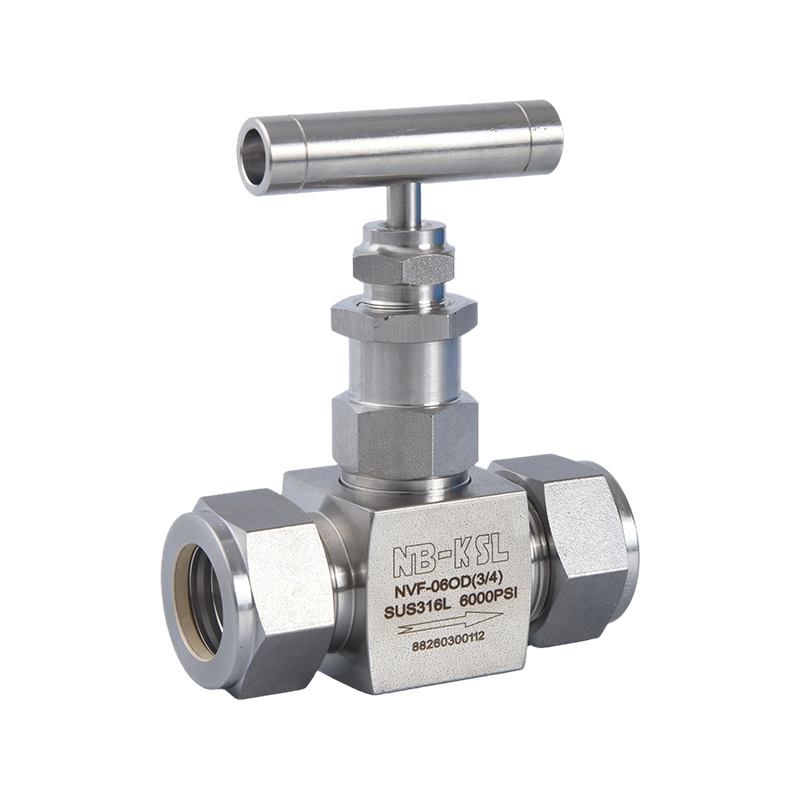
| Needle valve with hardened seat | 1/8 inch to 1 inch | High pressure, hot instrument lines |
| Sampling and blowdown valves | 1/2 inch to 2 inch | Boiler blowdown and sampling |
When to choose metal seats
- Temperature above about 200 °C: soft seats lose strength and shape.
- Abrasive or erosive media: slurries, catalyst, ash and sand quickly cut soft seats.
- Fire safe requirement: metal seats keep sealing after soft parts burn.
- Chemical attack on elastomers: some solvents and gases swell or attack soft seat materials.
- Long intervals between maintenance: remote or critical valves benefit from the long life of metal seats.
When service is clean and cool, soft seats are cheaper and tighter. We often recommend a soft-seated valve if conditions allow, and we will say so.
Standards for Metal Seated Valves and Hard Facing
Metal seated valves rely on valve design standards, leakage test standards and material standards for hard-facing alloys. The most useful references are listed below.
| Area | Standard Reference |
|---|---|
| Ball valve design | ISO 17292, API 608, API 6D |
| Gate valve design | API 600, API 602, BS 1414 |
| Globe valve design | BS 1873, API 623 |
| Butterfly valve design | API 609 (Category B, double offset), EN 593 |
| Check valve design | API 594, BS 1868 |
| Pressure-temperature ratings | ASME B16.34 |
| Leakage testing | API 598, ISO 5208, EN 12266-1 |
| Control valve seat leakage | ANSI/FCI 70-2, IEC 60534-4 |
| Hard-facing welding consumables | AWS A5.13 (surfacing electrodes), AWS A5.21 (bare rods and wire) |
| Fire safe design | API 607, ISO 10497 |
| Material | ASTM A351 CF8M, CF3M; ASTM A182 F316L, F51 |
Allowed leakage is not zero. Standards recognise that metal-to-metal seats cannot match soft seats. API 598 allows a small leakage rate for metal-seated valves, by size, and ISO 5208 gives rates B to G. Some applications need very tight metal seats, such as Class V, which needs careful lapping and inspection. State the required rate in your inquiry, so we can design and test to it.
If you need a specific alloy or coating process, such as a particular Stellite grade or a coating thickness, include it in the specification, and we will confirm that it can be applied to your valve.
Reference note: hard-facing alloys, coating processes and leakage classes appear in many project specifications under different names. If your document uses a trade name or an old standard, send it to us. We will compare it with our own alloy and process list, and confirm in writing what we can match and what we can only offer as an equivalent.
Certificates and Documents for Metal Seated Valves
For metal seated valves, the quality of the hard facing and the lapping are what make or break the valve. Documents should therefore show the alloy, the process, the thickness and the leakage result. We prepare them so that a buyer can judge these points without opening the valve.
- Material certificate: EN 10204 3.1 for body, ball or wedge, stem and seat.
- Hard-facing record: alloy and consumable batch, welding or coating process, thickness, and heat treatment where applicable.
- Hardness report: hardness of ball, seat and wedge surfaces, measured after facing and machining.
- Coating report: for HVOF coatings, thickness and adhesion test, with coating supplier certificate.
- Lapping and contact check: contact pattern verification of seat and ball or disc.
- Pressure test report: shell and seat tests, with measured leakage compared to the specified rate.
- Fire safe and high-temperature reports: for selected designs.
- Quality management: ISO 9001 style system and batch records.
- Third-party inspection: SGS, BV, TUV or the buyer's inspector can witness tests.
Ask about thickness. A hard coating that is too thin wears through quickly, while one that is too thick can crack. We record the thickness and compare it to the design range. Typical overlay and coating thicknesses are in the order of 0.1 to 3 mm, depending on the process.
Sample documents can be sent before the order is confirmed.
Audit tip: keep the hardness report and the coating or overlay record with the valve data sheet. Maintenance engineers later use these values to decide whether a worn seat can be re-lapped or must be replaced, and the original data helps them decide quickly, without sending the valve away for analysis.
Traceability of Seat Alloys and Coatings
With metal seats, the history of each sealing surface matters. A seat overlay made with the wrong consumable, a coating applied outside its temperature window, or a lapping step skipped can result in a valve that leaks or galls in service. We therefore keep records of each stage in the making of the sealing surfaces.
- Base material: body, ball, wedge and seat ring heat numbers and mill certificates, with PMI checks.
- Consumable control: hard-facing rods, wire or powder, with brand, batch number and certificate.
- Process record: welding or spraying parameters, operator and date, linked to part numbers.
- Post-process: heat treatment, grinding and lapping records, with hardness and roughness measurements.
- Matching sets: in ball valves and butterfly valves, ball and seat or disc and seat are lapped as a pair and marked as a matched set.
- Final record: serial numbers link to test reports and shipping documents.
| Item | Record | Purpose |
|---|---|---|
| Base metal | Heat number and certificate | Proof of grade |
| Hard-facing consumable | Brand, batch, certificate | Proof of alloy |
| Facing or coating process | Parameters, operator, date | Repeatable quality |
| Lapping | Matched set marking and contact check | Leak tightness |
| Valve | Serial number and test report | Link to final result |
Because matched sets are not interchangeable, we mark them clearly. If a customer replaces only a ball or a seat, tightness may suffer. We therefore supply matched sets as spare parts.
Why matched sets are marked: a ball and seat that were lapped together form a unique pair. If they are mixed with other parts during an overhaul, tightness can be lost. We mark each pair, record it in the traveller, and pack spare sets together, so that service teams always know which parts belong together.
Testing of Hard-Faced Seats and Metal Seated Valves
Metal seated valves are tested for pressure integrity and leakage, and also for the condition of the hard facing. We use both laboratory-type tests, such as hardness and thickness, and practical tests, such as contact pattern and leakage measurement.
| Test | Method | Frequency |
|---|---|---|
| Shell test | Hydrostatic at 1.5 x rating | 100% of valves |
| Seat test, liquid | Hydrostatic at 1.1 x rating, with leakage measured against the specified rate | 100% of valves |
| Seat test, gas or air | Air or nitrogen test with leakage measured, where specified | On request or 100% for tight shutoff duty |
| Hardness test | Rockwell or Vickers on seat and ball or wedge surfaces | Sampling, 100% for critical valves |
| Coating thickness | Eddy current, magnetic or microscopic measurement | Per batch |
| Coating adhesion check | Bend, bond or metallographic section on test coupons | Per batch or on request |
| Contact pattern check | Blue marking or similar to check line of contact | 100% of lapped sets |
| Torque test | Operating torque at rated pressure | Sampling, 100% for actuated valves |
| Thermal cycle test | Heating to design temperature and cooling, then leak check | Type test on request |
| Fire safe test | API 607 or ISO 10497 | Type test on selected designs |
Torque is higher with metal seats. Metal-to-metal contact has higher friction and, in ball valves, a tight seat fit adds to the torque. When we size an actuator, we use measured torque, not a generic number, and add a safety factor. Break-away torque after long periods in one position can be higher than normal, and we include it.
Customers can attend testing or request a video of the leakage test and the hardness measurement.
Frequently Asked Questions about Metal Seated Valves
Q: When do I need a metal seated valve?
When the temperature is above the limit of soft seats, when the medium is abrasive or erosive, when a fire safe design is needed, or when soft seat materials are attacked by the medium.
Q: Can a metal seated valve be bubble tight?
Some can approach it with careful lapping, but most allow a small leakage. If your application needs bubble tight shutoff and has no heat or abrasion issues, a soft-seated valve is usually the better choice.
Q: What is Stellite?
Stellite is a family of cobalt-chromium alloys known for hardness, wear resistance and good performance at high temperature. It is welded as an overlay on the seat and the ball or wedge, in valves for steam and hot oil.
Q: What is HVOF coating?
High-velocity oxy-fuel spraying deposits a very hard layer, such as tungsten carbide, on the surface. It gives extremely high hardness for abrasive service, but the coating is thin and must be applied carefully.
Q: Why does a metal seated ball valve need more torque?
Metal seats press against the ball with high contact force, and have higher friction than soft seats. Actuators for metal seated valves are therefore larger.
Q: Can I use a metal seated valve for throttling?
Gate valves and ball valves are not designed for throttling, since the seat can erode. Globe valves and triple offset butterfly valves with suitable trim are better for throttling duties.
Q: How long does a metal seat last?
It depends on service. In clean steam, a good valve can last many years. In abrasive slurries, life depends on particle size and velocity. We can recommend seat materials and maintenance intervals for your application.
MOQ and Pricing for Metal Seated Valves
Metal seated valves are made in smaller batches than soft-seated ones, and many are bought for projects. We keep minimum quantities low and price each design according to materials, hard facing and testing.
| Item | Typical Terms |
|---|---|
| Sample order | 1 to 3 pieces per model, subject to design availability |
| Standard MOQ | 10 to 30 pieces per size; large valves from 1 piece |
| Special coating or hard facing | Quoted per design; coating batch charge may apply for small quantities |
| Matched seat sets and spares | Available separately, small quantities accepted |
| Pricing basis | EXW, FOB Ningbo, CFR or CIF in USD |
| Quote validity | 15 to 30 days, because alloy and cobalt prices vary |
| Payment | 30% T/T deposit, 70% before shipment; L/C at sight for approved accounts |
What affects the price
- Seat alloy or coating: Stellite and tungsten carbide cost more than plain stainless, and prices of cobalt and tungsten change with the market.
- Machining and lapping: metal seats need grinding and lapping, which takes time.
- Valve type: triple offset butterfly and trunnion metal seated valves cost more than simple gate valves.
- Size and class: weight and material cost increase quickly.
- Testing: hardness, thickness, thermal cycle and fire safe tests add cost.
Total cost view. In severe service, a soft-seated valve may fail in weeks, while a metal seated valve lasts years. When you include downtime, labour and lost product, a higher purchase price can be the cheaper choice over the life of the plant.
Ordering advice: for hot service, order the valve together with a matched spare set and a gasket and packing kit. The first overhaul is usually planned, and having spares on site shortens the shutdown. We can recommend a spare list based on temperature, medium and the number of cycles expected per year.
Lead Time, Customisation, Packaging and Trade Terms
Lead time and stock
Metal seated valves usually need 35 to 60 days, because hard facing, machining, lapping and testing are more time-consuming. Large sizes, special alloys or coating processes may need 60 to 90 days. Please confirm the leakage rate and seat alloy requirements early.
Customisation
We can customise seat alloy, coating process and thickness, hardness, leakage class, body material, bonnet design, packing, stem extension, actuator interface, marking and documents. For special media, we can recommend a combination of hard facing and base material, and provide samples for evaluation.
Packaging
- Sealing surfaces protected with covers or wrapping
- Valves packed in the open or slightly open position, to avoid damage to lapped surfaces
- Matched ball and seat sets packed together and labelled
- Cartons with dividers, wooden cases for heavy valves
- Labels with size, class, seat alloy and lot number
Shipping and trade terms
| Term | Details |
|---|---|
| Incoterms | EXW, FOB Ningbo, CFR, CIF, DAP |
| Port | Ningbo-Zhoushan; Shanghai as an alternative |
| Transport | Sea freight, air freight for urgent items, express courier for samples |
| Documents | Invoice, packing list, bill of lading, origin certificate, material and test certificates |
Spare matched sets and hard-faced seat rings can be shipped with the order, which gives your maintenance team the parts they need when the first overhaul comes.
Operating advice: warm the line slowly before opening a metal seated valve, avoid throttling with gate or ball valves, and open and close fully. If the valve is used in slurry, flush it periodically. These simple habits extend seat life, and reduce the chance of galling or erosion damage on the sealing surfaces.