


 English
 中文简体


Valve Selection by Shipboard and Offshore System
| System | Medium and Conditions | Recommended Valve Features |
|---|---|---|
| Seawater cooling | Seawater, 0 to 35 °C, flow, chlorination | 316L or duplex body, EPDM or PTFE seats, wafer or lug butterfly valves, ball valves for small lines |
| Ballast water | Seawater, intermittent use, large sizes | Butterfly valves with duplex or 316L disc, actuated, position feedback |
| Bilge and drain | Dirty water, oil traces, debris | Full bore valves, strainers, check valves with positive closing |
| Fire main and deluge | Seawater, long standby periods, sudden use | Duplex or 316L, fire safe design, reliable opening after long idle |
| Fuel and lubricating oil | Diesel, heavy fuel, lube oil, up to 100 to 150 °C | Fire safe ball valves with graphite packing, anti-static, FKM or PTFE seats |
| Hydraulic and control lines | Hydraulic oil, high pressure | Instrument ball and needle valves, 316L, high-pressure ratings |
| Compressed air and nitrogen | Dry or oily air, pressure up to 30 bar or more | Ball valves, check valves, low emission stem seals |
| Fresh water and sanitary | Potable and grey water | 304 or 316L, drinking water approved seals |
| Topside process piping | Hydrocarbons, produced water, chemicals | Duplex or 316L, fire safe, API 6D or API 608 design |
Typical valve parameters
| Parameter | Typical Specification |
|---|---|
| Body material | CF8M, CF3M, F316L, 2205 duplex, 2507 super duplex |
| Trim material | 316L, duplex, 17-4PH stem; titanium or special alloys on request |
| Seat and seal | PTFE, RPTFE, EPDM, FKM, NBR; metal seat for fire safe duties |
| Pressure rating | PN10, PN16, PN25, PN40, Class 150, Class 300, 1000 WOG |
| Size range | 1/4 inch to 24 inch depending on type |
| End connections | Flanged, wafer, lug, threaded, grooved, butt weld |
| Ambient design | Marine atmosphere, vibration and inclination as required by the classification society |
| Operation | Lever, gear, pneumatic or electric actuator, remote position indication |
| Bolting | A4-70 or A4-80 stainless, duplex or super duplex for splash zone |
Galvanic corrosion is a real concern. Marine piping often includes copper-nickel, bronze and aluminium parts. Contact between dissimilar metals in seawater creates galvanic currents, and the less noble metal corrodes. Stainless steel is noble, so the other metal suffers. Insulating gaskets, sleeves and correct area ratios reduce the risk. We can advise on isolation kits for flange joints.
Marine and Offshore Valve Range and Accessories
A ship or platform needs thousands of valves in many sizes and duties. We supply stainless steel valves for the systems below, together with strainers, fittings, flanges and bolting, so that a shipyard or fabricator can order large parts of the piping package from one source.
| Product | Size Range | Typical Marine Use |
|---|---|---|
| Wafer and lug butterfly valves, lever, gear or actuated | DN40 to DN600 | Seawater, ballast, cooling, fire main |
| Flanged ball valves, fire safe | 1/2 inch to 12 inch | Fuel, oil, hydraulic and process lines |
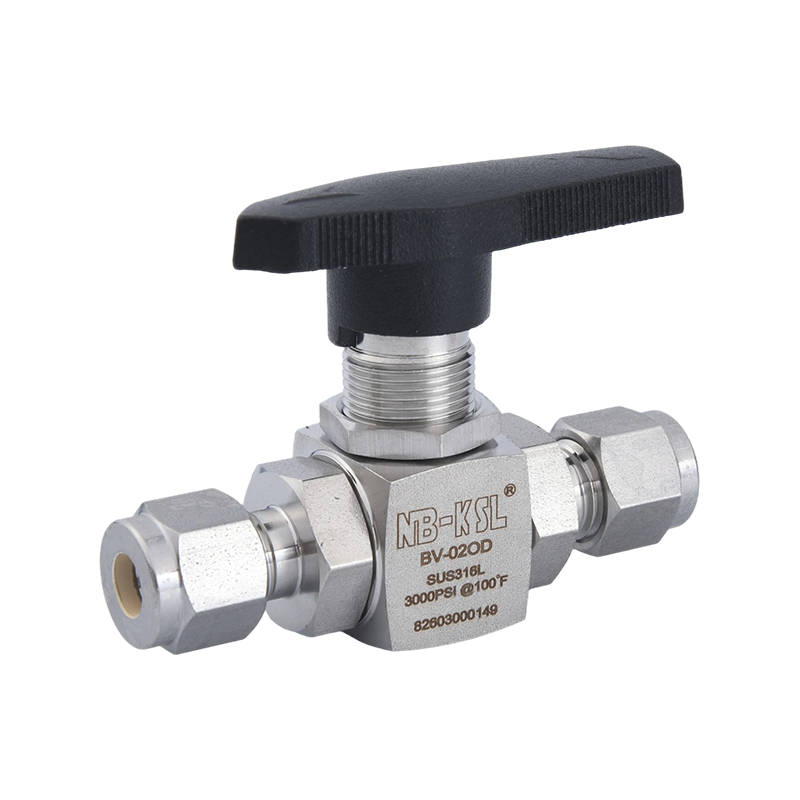
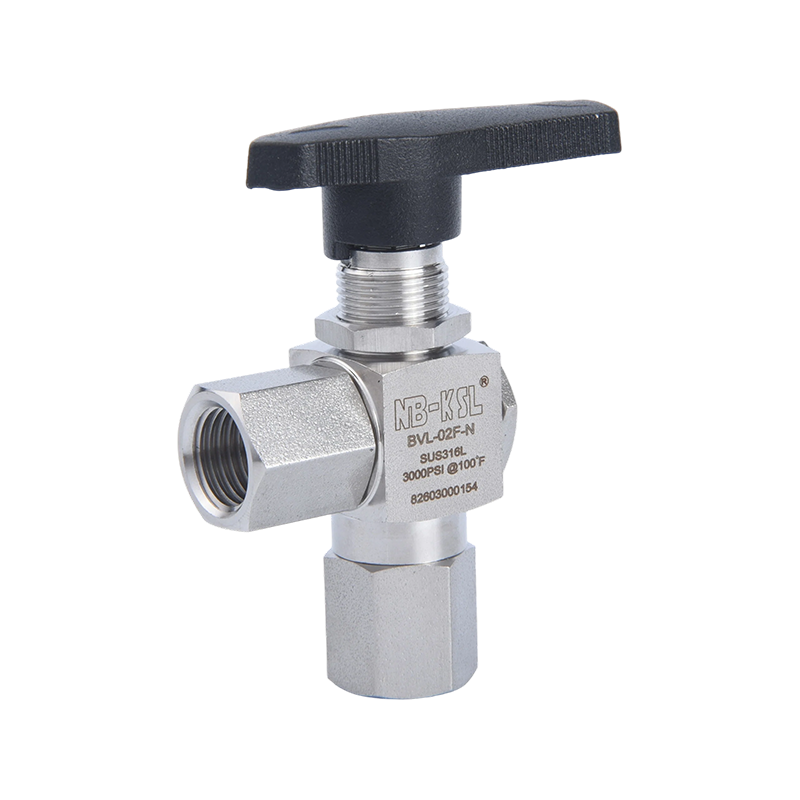
| Threaded and socket weld ball valves | 1/4 inch to 4 inch | Instrument, air, water and sampling |
| Gate and globe valves, flanged | DN15 to DN400 | Steam, hot water, fuel oil isolation |
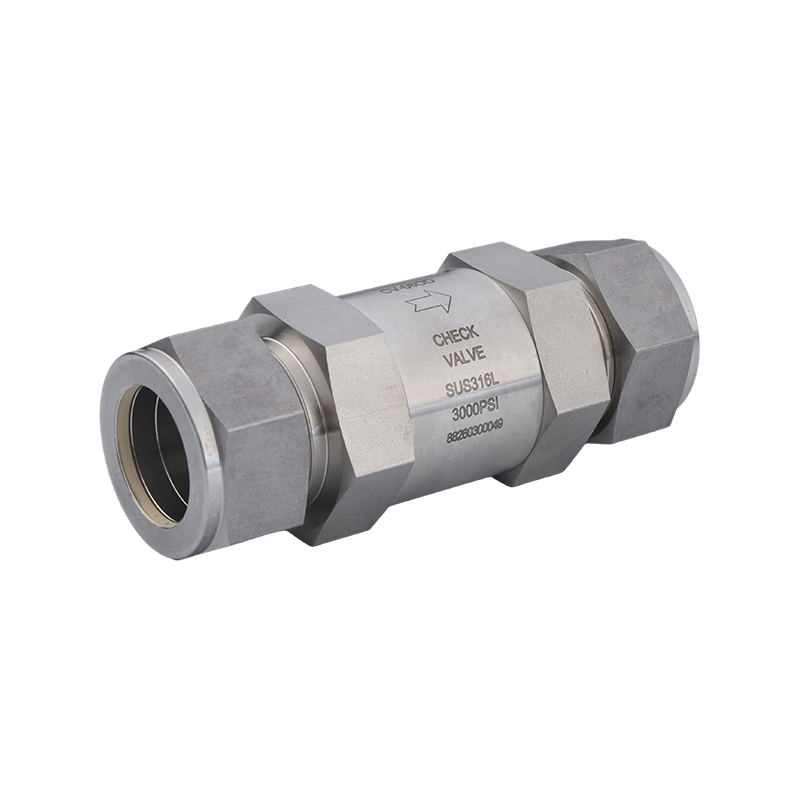
| Check valves, wafer, swing and lift | DN15 to DN600 | Pump discharge, overboard discharge |
| Y-strainers and sea water strainers | 1/2 inch to 12 inch | Pump and heat exchanger protection |
| Sea chest and shell valves | DN50 to DN300 | Hull penetrations, with position indication |
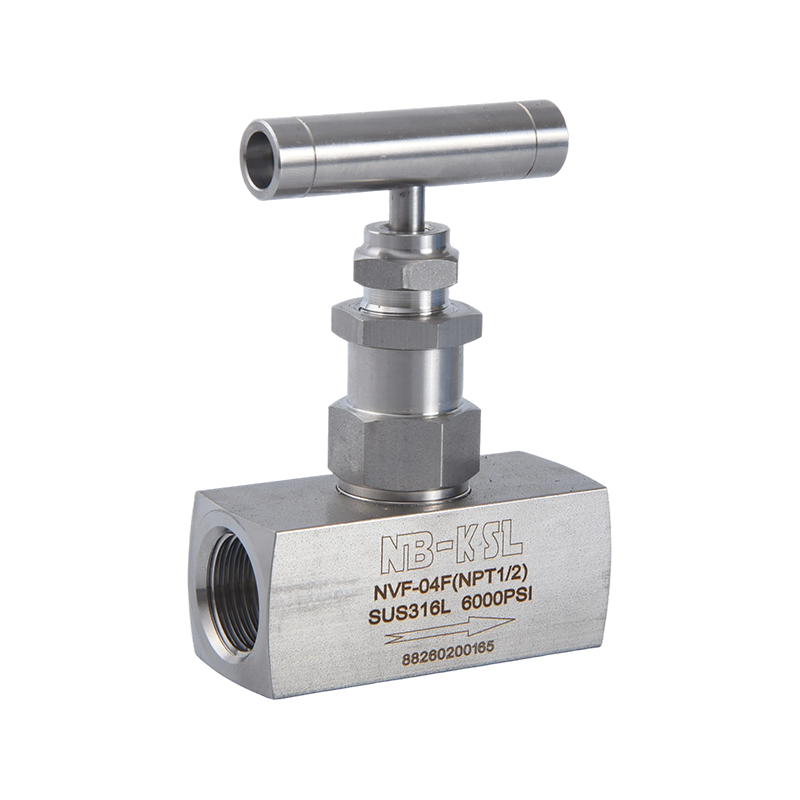
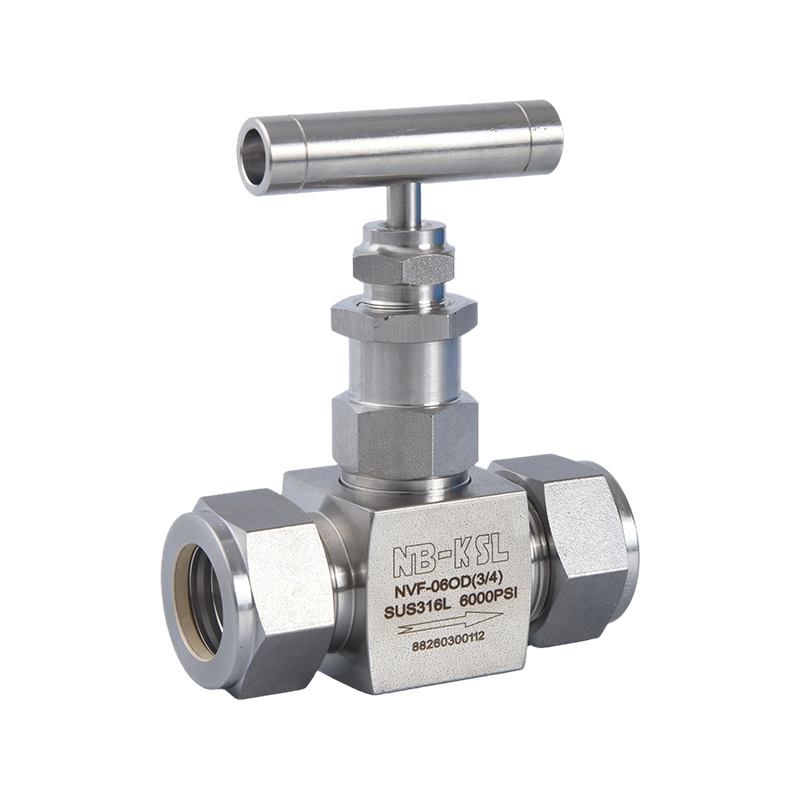
| Needle and instrument valves | 1/8 inch to 1 inch | Gauge isolation, sampling, hydraulic panels |
| Flanges, studs, nuts, gaskets and insulation kits | DN15 to DN600 | Joint completion and galvanic isolation |
Typical customers and projects
- Shipbuilding: tankers, bulk carriers, container ships, offshore support vessels, yachts.
- Offshore platforms and FPSOs: topside piping, utility systems, firewater and deluge.
- Ship repair and retrofit: replacement of corroded valves, ballast water treatment installations.
- Marine equipment makers: pumps, heat exchangers, engines, scrubbers and skid packages.
- Port and coastal facilities: loading arms, bunkering stations, desalination plants.
Send us the system list, with medium, size, pressure, class society and operator preferences. We will propose valves, tell you which documents can be supplied and highlight where surveyor witness may be needed.
Classification Society Rules, IMO Requirements and Marine Standards
Ships are built to the rules of classification societies, in addition to international regulations such as SOLAS. Offshore units follow additional operator and industry standards. A valve for these markets must be accepted by the surveyor and fit the standards named in the specification.
| Area | Standard or Rule |
|---|---|
| Classification societies | DNV, ABS, Lloyd's Register, Bureau Veritas, ClassNK, CCS, RINA, KR and others, each with their own rules |
| Common requirements across societies | IACS Unified Requirements, for example UR P2 on piping |
| Fire protection | SOLAS Chapter II-2, requiring valves in fuel and fire systems to survive fire |
| Fire test of valves | ISO 10497, API 607, API 6FA |
| Marine valve design standards | ISO 15761 (small steel valves), ISO 9093-1 (seacocks and through-hull fittings for small craft) |
| General valve design | ISO 17292, API 608, API 609, EN 593, ISO 5752 |
| Pressure testing | API 598, ISO 5208, EN 12266-1 |
| Offshore materials | NORSOK M-630, M-650 (project dependent), ISO 21457 |
| Sour service | NACE MR0175 / ISO 15156 |
| Stainless steel | ASTM A351, A182, A890 / A995 for duplex, EN 10088 |
| Bolting | ASTM A193 B8M, A320 L7, A453 or duplex bolting as specified |
Type approval is per product. Many classification societies issue type approval certificates for specific valve models, valid for the manufacturer and the product. Where a project needs type approved valves, we tell you whether the model has such a certificate. If not, valves may be accepted with surveyor witness testing and a material review for the specific order.
Because rules differ among societies and change over time, always give us the society, the rule edition and the notation of the vessel at the inquiry stage.
Documents for Class Surveyors and Offshore Operators
On a ship or platform, the surveyor reviews what goes onboard. A good document package lets the shipyard's quality team and the surveyor check materials, tests and compliance without chasing missing papers. We build our packages around that need, and we say clearly which parts depend on the society and the model.
- Material certificates: EN 10204 3.1 for body, disc, ball, stem and bolting; 3.2 certificates witnessed by a surveyor on request.
- Pressure test reports: shell and seat tests per API 598 or EN 12266-1, with class surveyor witness when required.
- Type approval or product certificate: for models that hold one, issued by a classification society; otherwise a statement that individual survey will be arranged.
- Fire test report: API 607 or ISO 10497 for fire safe designs, where a type test exists.
- PMI report: verifying 316L, duplex and super duplex alloys.
- Corrosion test reports: ASTM A923 or G48 for duplex materials on request.
- Dimensional drawings: with flange standard, face-to-face length, and weight for each valve.
- Quality management: ISO 9001 style system with inspection and test plan.
- Third-party inspection: class surveyors, SGS, BV, TUV or the owner's inspector can attend.
Inspection and test plan. For ship and offshore orders, we recommend agreeing an ITP at the start. It defines hold and witness points, such as material verification, pressure test and final inspection, so that the surveyor can plan visits, and delivery is not delayed.
Sample documents and ITP examples can be sent before order confirmation.
Traceability for Marine and Offshore Materials
A ship may sail for twenty years or more, and an offshore platform for longer. Traceability must therefore be durable, so that a valve installed today can be identified decades later. This also helps shipyards, since corrosion failures in service lead to claims, and good records show whether a failure was caused by the material or by the environment.
- Hard marking: heat number, material grade, size, rating and manufacturer mark are cast or stamped on every body.
- Material receiving: mill certificates are checked, and PMI verifies 316L, duplex and super duplex material.
- Duplex control: heat treatment records, ferrite measurement and corrosion tests where specified, kept with heat numbers.
- Bolting identification: studs and nuts carry grade marks, and certificates are linked to the order.
- Test records: pressure test reports are linked to valve serial numbers.
- Document archive: records are kept for many years and can be reissued on request.
| Item | Record | Purpose |
|---|---|---|
| Body and disc | Heat number, certificate, PMI | Proof of grade and corrosion resistance |
| Duplex parts | Heat treatment and ferrite records | Proof of correct structure |
| Bolting | Grade mark and certificate | Joint integrity in splash zone |
| Valve | Serial number, pressure test report | Link to final test |
| Order | ITP and surveyor release note | Class compliance |
Where the class society or owner requires, we can prepare a data book per vessel or per system, with tabs for each valve tag and all related certificates.
Why durable records matter: ships change owners, and a valve may need replacement in a distant port years later. A clear hard marking on the body, plus an archived certificate, lets a ship manager order the correct replacement quickly, and shows the surveyor that the new valve matches the original material and rating.
Testing Capability for Marine and Offshore Valves
Marine valves are tested for pressure, tightness, strength and, where required, fire resistance. Many tests are done at our factory, and some, such as fire tests and corrosion tests, are done at independent laboratories. Class surveyors can witness the tests at our factory.
| Test | Method | Frequency |
|---|---|---|
| Shell test | Hydrostatic at 1.5 x rating | 100% of valves |
| Seat test | Hydrostatic at 1.1 x rating, plus low-pressure air test for resilient seats | 100% of valves |
| Operating torque test | Torque tester at stem or actuator pad | Sampling, 100% for actuated valves |
| PMI | XRF analyser for body, disc, stem and bolting | Incoming and sampling |
| Salt spray test | ISO 9227 or ASTM B117 on finished surfaces | Type test or on request |
| Pitting corrosion test | ASTM G48 for duplex and super duplex | On request, third party |
| Fire test | API 607 / ISO 10497 | Type test on selected designs |
| Vibration and shock test | Per class society rules or customer specification | Type test, on request |
| Actuated valve function test | Open and close cycles with actuator, time and signal check | 100% of actuated valves |
| Surveyor witness | Class surveyor attendance at pressure test and final inspection | When specified |
Position indication matters. On a ship, an operator may need to confirm whether a valve is open or closed from a distance, or in poor light. We fit clear position indicators and, on request, limit switches for remote monitoring, and we check them as part of the function test.
Class surveyors, owners and shipyard inspectors are welcome at our factory. We can also provide photos and videos of tests when travel is not possible.
Frequently Asked Questions about Marine and Offshore Valves
Q: Which stainless steel is best for seawater?
316L is widely used for seawater with intermittent contact. For continuous flow, warm water or stagnant lines, duplex or super duplex is safer, since it resists pitting and crevice corrosion better.
Q: Do ship valves need class approval?
It depends on the system and the class society rules. Critical systems often require type approved valves or individual survey. Tell us the society and the system, and we will advise what is needed.
Q: What does SOLAS require for fuel valves?
SOLAS requires that valves in fuel and fire systems keep their function in a fire. This is generally shown by fire testing, such as ISO 10497 or API 607, or by using metal-seated or fire safe designs.
Q: Can stainless steel valves be used with copper-nickel pipes?
Yes, with care. Galvanic corrosion can attack the copper-nickel. Use insulating gaskets and sleeves, and keep area ratios in mind.
Q: Why do offshore projects use duplex?
Duplex steel has higher strength and better resistance to chloride pitting and cracking than 316L. It allows thinner walls and longer life in seawater and produced water.
Q: Do valves need special packing for vibration?
Live-loaded packing and good stem guidance help keep seals tight under vibration. We recommend them for engine rooms and offshore decks.
Q: Can you provide valves with surveyor witness?
Yes, if arranged in advance. The surveyor attends the pressure test and final inspection, and signs the test report or issues a certificate.
MOQ and Pricing for Marine and Offshore Valves
Marine orders vary from a few valves for a repair job to hundreds of valves for a new building. We keep our minimums flexible, and we price documents and witness clearly so that shipyards can compare offers.
| Item | Typical Terms |
|---|---|
| Sample order | 1 to 3 pieces per model |
| Standard MOQ | 20 to 50 pieces per size; repair and project orders from 1 piece |
| Duplex and super duplex valves | From 1 piece, subject to material availability |
| Surveyor witness and 3.2 certificates | Charged at cost, plus preparation time |
| Pricing basis | EXW, FOB Ningbo, CFR or CIF in USD |
| Quote validity | 15 to 30 days, since nickel and molybdenum prices change |
| Payment | 30% T/T deposit, 70% before shipment; L/C at sight for approved accounts |
What affects the price
- Material: duplex and super duplex cost much more than 316L.
- Valve type and size: large butterfly valves and heavy gate valves are driven by weight.
- Actuation: pneumatic and electric actuators, with accessories, add major cost.
- Fire safe and special design: add parts and testing.
- Documents and witness: 3.2 certificates, class approval and surveyor visits are extra.
Plan for the whole life. A cheaper valve in the wrong material may be replaced within a few years, at the cost of dry-docking or platform shutdown. We suggest comparing life-cycle cost, and we can prepare a simple comparison of 316L and duplex options for your project.
Ordering advice: send the piping system list early, with the class society, the system name and the standards applied. We can then group valves by system, propose standard designs, and plan surveyor visits efficiently, which usually shortens the total lead time compared with sending separate requests for each valve type.
Lead Time, Customisation, Packaging and Trade Terms
Lead time and stock
Standard 316L valves in popular sizes ship in 15 to 30 days. Duplex valves, fire safe designs and actuated assemblies usually need 40 to 75 days. Orders with surveyor witness require scheduling, so please tell us the delivery date and the survey requirement early.
Customisation
We can customise material grade, flange standard and drilling, face-to-face length, seat and seal, bolting, position indicator, limit switches, actuator, marking, coating and documents. For ship repair, we can match the dimensions of existing valves and supply them in stainless steel to replace corroded parts.
Packaging for sea transport
- Individual protection with end covers and moisture barrier
- Stainless steel valves kept apart from carbon steel items to avoid contamination
- Wooden cases or pallets for heavy valves, with lifting points marked
- Desiccant and sealed wrapping for long voyages
- Labels with hull number, system, tag number and weight
Shipping and trade terms
| Term | Details |
|---|---|
| Incoterms | EXW, FOB Ningbo, CFR, CIF, DAP |
| Port | Ningbo-Zhoushan; Shanghai as an alternative |
| Transport | Sea freight, air freight for urgent items, express courier for samples |
| Documents | Invoice, packing list, bill of lading, origin certificate, material and test certificates |
We can ship to a shipyard in China or to a port abroad, and we can pack and label by hull number, system or work package, which helps the yard issue valves to the right crew.
Installation advice: use insulating gaskets and sleeves at joints with copper alloys, keep stainless valves clear of carbon steel dust during hull work, and flush the system before commissioning. Operate seawater valves regularly, since long idle periods can cause sticking, and record the operation in the ship maintenance system.