

 English
 中文简体




Gas Service Conditions and Valve Requirements
| Service | Typical Conditions | Valve Considerations |
|---|---|---|
| LNG storage and transfer | -162 °C, 1 to 20 bar, liquid and cold vapour | Extended bonnet, austenitic stainless, cryogenic seats, cavity relief, fire safe |
| LNG truck loading and bunkering | -162 °C, ESD requirement, hose connections | ESD valves with fast closing, fire safe, low temperature tested |
| Gas-fuelled ship fuel systems | Cold LNG and warm gas, double-walled piping | Valves following marine rules, fire safe, remote operation |
| Regasification and boil-off gas | Cold to ambient gas, temperature swings | Stainless steel, thermal cycle capable, low emission packing |
| Natural gas distribution | Ambient, up to 16 bar for networks | Valves following gas network standards, tight sealing, lockable |
| Industrial fuel gas | Ambient, 0.5 to 10 bar | Ball valves with fire safe and anti-static features, lockable handles |
| CNG fuelling | 200 to 250 bar, ambient | High-pressure ball and needle valves, forged bodies, low emission |
| LPG storage and handling | Propane about -42 °C boiling point, 8 to 20 bar at ambient | Stainless or carbon steel valves with suitable seats, fire safe |
| Biogas | Wet, contains H2S and CO2, low pressure | 316L or duplex, corrosion resistance, anti-static |
Typical valve parameters
| Parameter | Typical Specification |
|---|---|
| Body material | CF8M, CF3M (A351); F316L (A182); low temperature bolting (A320 L7, A193 B8 Class 2) |
| Seat | PCTFE, RPTFE, PEEK for cold; metal seat for fire safe and high temperature |
| Stem seal | Graphite or PTFE with live loading; extended bonnet for cold service |
| Pressure rating | Class 150, 300, 600; PN16, PN40; CNG up to 250 bar for small bore |
| Size range | 1/4 inch to 12 inch; larger on request |
| Temperature range | -196 °C to +200 °C, depending on design |
| Safety features | Fire safe design, anti-static device, blow-out proof stem, cavity relief where applicable |
| Operation | Lever, gear, pneumatic or electric actuator, with fail-safe option |
Cold cavity pressure. When a ball valve is closed with LNG inside the body cavity, the liquid warms and expands, which can raise pressure to dangerous levels. Cryogenic ball valves therefore have a vent hole or other relief arrangement, and carry a flow arrow showing the correct direction of installation. Installing the valve backwards defeats the relief.
Gas Service Valve Range and System Components
Gas systems include many valve positions, from large isolation valves at storage tanks to small instrument valves on gas panels. We offer products for the main positions below, together with matching fittings, flanges and bolting, and we can coordinate special items such as relief valves with partners.
| Product | Size Range | Typical Position |
|---|---|---|
| Extended bonnet cryogenic ball valves | 1/2 inch to 12 inch | LNG storage, transfer lines, truck loading |
| Cryogenic globe and gate valves | 1/2 inch to 24 inch | Throttling and isolation in cold lines |
| Cryogenic check valves | 1/2 inch to 12 inch | Pump discharge, backflow prevention |
| ESD ball valves, actuated, fail-safe | 1 inch to 12 inch | Emergency shutdown at loading and fuel systems |
| Fire safe flanged ball valves | 1/2 inch to 12 inch | Fuel gas, LPG and biogas lines |
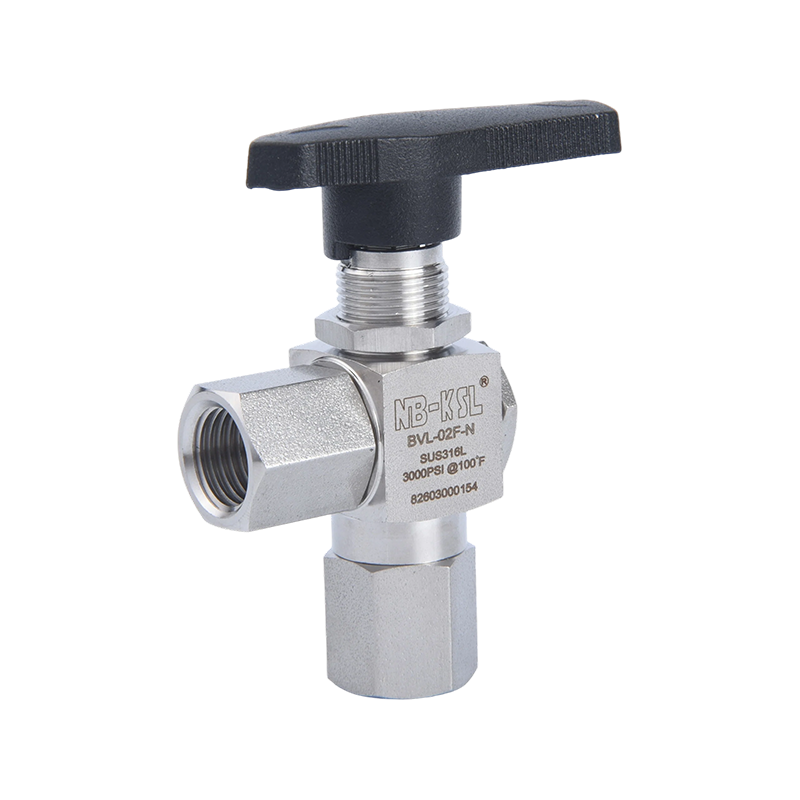
| Threaded and socket weld ball valves | 1/4 inch to 4 inch | Industrial gas and fuel gas branches |
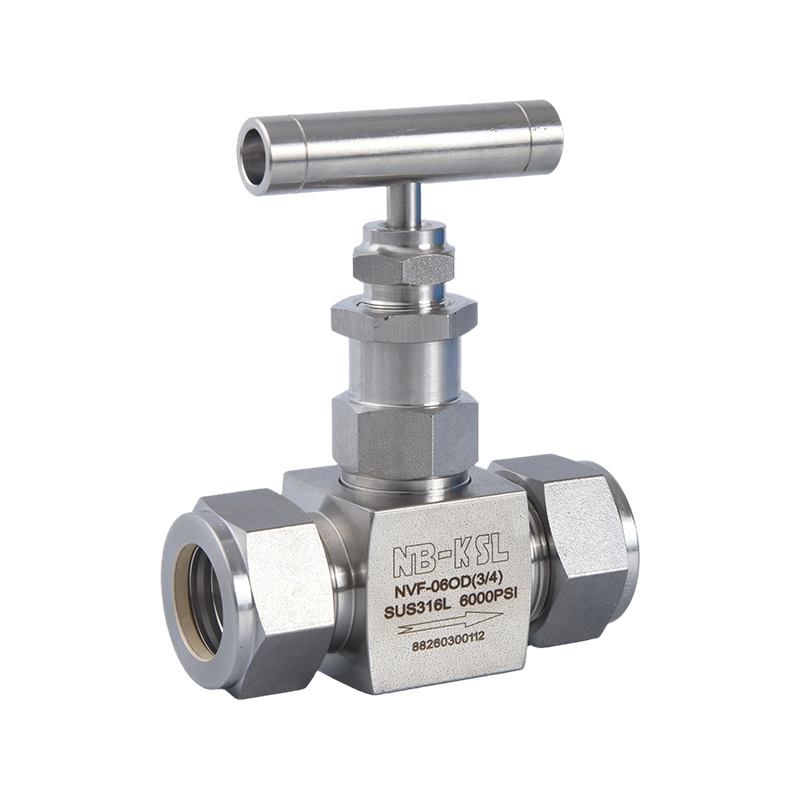
| High-pressure ball and needle valves | 1/4 inch to 1 inch | CNG fuelling and gas panels |
| Strainers and filters | 1/2 inch to 12 inch | Protection of regulators and compressors |
| Flanges, studs, nuts and spiral wound gaskets | 1/2 inch to 24 inch | Low temperature joint completion |
Typical customers and projects
- Small-scale LNG: liquefaction units, storage tanks, truck and ISO container loading.
- LNG bunkering and gas-fuelled ships: shore facilities, bunker vessels, ship fuel gas systems.
- Regasification and satellite stations: vaporisers, pressure reduction, odorisation skids.
- Industrial gas users: factories using LNG, LPG or natural gas as fuel.
- Biogas and biomethane plants: digesters, upgrading units and injection stations.
Send us the service data: medium, temperature range, pressure, size, function (isolation or ESD) and applicable codes. We will propose valves and test evidence, and say what is outside our scope.
Standards for LNG, Cryogenic and Gas Valves
The gas industry relies on several families of standards: cryogenic valve standards for LNG, gas installation standards for buildings and networks, and general industrial standards for fire safe and low emission design. Matching the correct set to the application is crucial.
| Area | Standard Reference |
|---|---|
| Cryogenic valves | BS 6364, ISO 28921-1, -2 and -3 (isolating valves for low temperature) |
| LNG installations, design | EN 1473 (onshore installations), EN 13645 (small installations), NFPA 59A |
| LNG bunkering | ISO 20519, ISO 28460 (ship to shore interface) |
| Gas-fuelled ships | IGF Code (IMO), classification society rules |
| Natural gas valves in buildings | EN 331 (ball valves for gas installations), ASME B16.33, regional approvals |
| Gas distribution valves | EN 13774 (valves for gas distribution up to 16 bar), ISO 14313 for pipelines |
| Valve design | ISO 17292, API 608, API 600, API 602, API 6D (selected models) |
| Fire test | API 607, ISO 10497 |
| Anti-static | API 608, ISO 7121 |
| Fugitive emissions | ISO 15848-1 (including low temperature), API 624, API 641 |
| Pressure-temperature ratings | ASME B16.34, EN 12516 |
| Testing | API 598, ISO 5208, EN 12266-1 |
| Materials | ASTM A351 CF8M, CF3M; ASTM A182 F316L; ASTM A320 bolting |
Gas approvals are product- and country-specific. Valves for gas appliances and gas distribution networks often need approvals from national bodies, such as DVGW in Germany, or listings under CSA or similar systems in North America. Industrial gas systems normally follow general valve standards. We tell you honestly whether a model holds a specific gas approval, or whether it is suitable for industrial systems only.
Because LNG and gas codes are updated often, please give us the code edition and the authority having jurisdiction for your project.
Safety Documents and Certificates for Gas Service
Gas projects are subject to safety cases, hazard studies and inspections. A valve supplier is asked to provide evidence that supports those studies: fire test results, low temperature tests, leak test results and material records. We prepare documents with that purpose.
- Material certificates: EN 10204 3.1 for body, bonnet, stem, ball and bolting, with low temperature bolting certificates where relevant.
- Cryogenic type test report: test at -196 °C with helium or nitrogen per BS 6364 or ISO 28921, where available.
- Fire test report: API 607 or ISO 10497 for fire safe designs.
- Fugitive emission report: ISO 15848-1 or API 624, for selected designs.
- Anti-static test report: electrical continuity measurement per API 608 or ISO 7121.
- Pressure test report: shell and seat tests per API 598 or EN 12266-1, with leakage rate stated.
- ESD valve documents: closing time test, fail-safe action test and, where required, SIL-related data from the actuator maker.
- Cleaning certificate: for oxygen-free or hydrocarbon-free service where specified.
- Quality management: ISO 9001 style system and batch records.
- Third-party inspection: SGS, BV, TUV, DNV, Lloyd's or the owner's inspector.
SIL data belongs to the whole loop. Safety integrity level is a property of a safety function, including sensor, logic solver and final element. A valve and actuator provide failure rate data, and the system designer calculates the SIL. We provide the data that the actuator and valve makers publish, and we do not claim a SIL level for a valve alone.
Sample document packs can be sent for review before order confirmation.
Traceability for Safety-Critical Gas Valves
Valves in LNG and gas service are safety-critical. If an incident occurs, investigators will want to know exactly what was installed. Our traceability system links each valve to its material heats, fire-critical parts, cryogenic or low temperature records and test results.
- Hard marking: heat number, grade, size, class and flow arrow, where required, on the body.
- Material receiving: mill certificates and PMI checks, with attention to bolting material for low temperature.
- Fire-critical parts: secondary seat, graphite packing and gaskets, anti-static device, with batch numbers.
- Cryogenic records: extension length, cavity relief hole position, cleaning method and date.
- Test records: pressure tests, anti-static continuity, ESD closing times, linked to serial numbers.
- Data book: compiled by valve tag for each project, with drawings, certificates and test reports.
| Item | Record | Purpose |
|---|---|---|
| Pressure parts | Heat number and certificate | Proof of grade and low temperature suitability |
| Fire-critical parts | Batch and drawing control | Link to fire test report |
| Cavity relief | Hole position and flow arrow | Safe handling of trapped liquid |
| ESD function | Closing time and fail-safe test | Evidence for safety function |
| Valve | Serial number and data book | Complete history for audits |
Records are kept for many years, and can be reissued on request, which helps operators keep their asset integrity files complete over the life of the facility.
Why ESD records matter: in an emergency, a valve that closes too slowly can allow fuel to flow for seconds that matter. We record the closing time of each ESD valve under specified conditions, so that the safety study can use measured data, and so that later tests can show whether performance has changed.
Testing Capability for LNG and Gas Valves
Gas valves are tested for tightness, fire resistance, low temperature behaviour and, for emergency shutdown valves, closing time. Production tests are done at our factory, while type tests such as fire and cryogenic tests are carried out at accredited laboratories on representative samples.
| Test | Method | Frequency |
|---|---|---|
| Shell and seat test | Hydrostatic and gas tests per API 598 or EN 12266-1 | 100% of valves |
| Low-pressure gas seat test | Air or nitrogen at low pressure with bubble detection or leak detector | 100% of soft-seated valves |
| Anti-static test | Electrical continuity measurement | 100% of valves with anti-static device |
| Cryogenic test | Immersion in liquid nitrogen, helium or nitrogen leak test per BS 6364 or ISO 28921 | Type test, cold test of production valves on request |
| Fire test | API 607 / ISO 10497 | Type test on selected designs |
| Fugitive emission test | ISO 15848-1 including low temperature, helium or methane | Type test on selected designs |
| Helium leak test | Mass spectrometer for stem and body leak rate | On request |
| ESD closing time test | Actuated valve closing under specified conditions, time recorded | 100% of ESD valves |
| Fail-safe test | Loss of air or power, valve moves to safe position | 100% of fail-safe valves |
| PMI | XRF analyser for body, stem and bolting | Incoming and sampling |
Cold test versus type test. A cold type test proves the design works at low temperature, and it is done once per design. A cold production test, applied to each valve, takes extra time and liquid nitrogen, so it is done only if specified. Many projects accept type test evidence plus ambient production tests. Tell us which one you need.
Customers or inspectors can witness production tests, and we can share photos and videos of ESD closing time and other function tests.
Frequently Asked Questions about LNG and Gas Service Valves
Q: Can stainless steel valves be used for LNG?
Yes. Austenitic stainless steels such as 304 and 316 retain toughness at -162 °C, so they are standard for LNG valves. Valves also need extended bonnets, cryogenic seats and cavity relief.
Q: What is an ESD valve?
An emergency shutdown valve is a valve that closes quickly on a safety signal, to isolate a hazard. It is usually an actuated ball or butterfly valve with a fail-safe action, and with documented closing time.
Q: What is the difference between fire safe and low emission?
Fire safe means the valve limits leakage and stays operable after soft parts burn in a fire. Low emission means the valve controls leakage along the stem in normal service. Some projects need both.
Q: Do I need special valves for natural gas in buildings?
Many countries require valves that carry national approvals for gas installations. Industrial gas systems may use general valves that follow API or ISO standards. Check which rules apply before buying.
Q: What is boil-off gas?
It is gas that evaporates from LNG as it absorbs heat. It must be collected, compressed or reliquefied, and valves in these lines see temperature swings from cold to ambient.
Q: Why is bolting material important at low temperature?
Standard bolts can become brittle when cold. Low temperature bolting such as A320 L7 or austenitic stainless steel keeps its toughness, and is specified for cryogenic flanges.
Q: Can you supply valves for CNG fuelling?
High-pressure small bore ball and needle valves rated for 200 to 250 bar can be supplied, subject to design review. Please send the pressure, medium and temperature range.
MOQ and Pricing for LNG and Gas Valves
Gas projects are driven by safety and documents, so many orders are small in quantity and heavy in requirements. We accept small orders, and we quote tests and documents as separate lines so that cost is transparent.
| Item | Typical Terms |
|---|---|
| Sample order | 1 to 3 pieces per model |
| Standard MOQ | 10 to 30 pieces per size; project orders from 1 piece |
| Cryogenic and ESD valves | From 1 piece, subject to design availability |
| Type test for a new design | Quoted separately, with laboratory fees |
| Pricing basis | EXW, FOB Ningbo, CFR or CIF in USD |
| Quote validity | 30 days, adjusted for stainless steel and nickel price changes |
| Payment | 30% T/T deposit, 70% before shipment; L/C at sight for approved accounts |
What affects the price
- Service temperature: cryogenic valves with extended bonnets cost much more than ambient valves.
- Safety features: fire safe, anti-static and low emission designs add parts and testing.
- Actuation: ESD actuators with fail-safe action and accessories are a major cost.
- Size and class: weight increases rapidly with both.
- Documentation and testing: cold tests, type tests and third-party witness are charged separately.
Safety is not a place to cut corners. The price difference between a properly tested gas valve and an untested one is small compared with the cost of an incident. When comparing offers, compare the tests and documents offered, not only the price.
Ordering advice: send the line list with medium, temperature, pressure, valve function and applicable code. We will group valves into cold service, ambient gas and ESD categories, propose standard designs for each, and list which tests and documents are included, so you can compare offers on a clear basis.
Lead Time, Customisation, Packaging and Trade Terms
Lead time and stock
Standard fire safe ball valves for fuel gas ship in 25 to 40 days. Cryogenic extended bonnet valves usually need 35 to 70 days, and ESD actuated valves with documents 45 to 80 days. Type tests for new designs take several months.
Customisation
We can customise bonnet extension length, seat, packing, end connections, flange class, bolting, actuator and fail-safe action, closing time, marking, cleaning level and documents. We can work from project specifications, and prepare a compliance matrix.
Packaging
- Extended bonnet valves in wooden cases, supported to avoid bending
- Flange faces and weld ends protected with covers
- Valves cleaned and sealed in bags where required
- Moisture protection and desiccant for sea freight
- Labels with tag number, flow arrow note, class and weight
Shipping and trade terms
| Term | Details |
|---|---|
| Incoterms | EXW, FOB Ningbo, CFR, CIF, DAP |
| Port | Ningbo-Zhoushan; Shanghai as an alternative |
| Transport | Sea freight, air freight for urgent items, express courier for samples |
| Documents | Invoice, packing list, bill of lading, origin certificate, material and test certificates |
Because extended bonnet valves are long and delicate in transport, we advise keeping them in their cases until installation, and we send handling instructions with each shipment.
Installation advice: install cryogenic valves with the flow arrow in the correct direction, keep extended bonnets vertical or within the allowed angle, avoid insulation inside the warm zone of the bonnet, and purge lines before first cooldown. A short installation guide is included with every shipment on request.