

 English
 中文简体


HVAC Water Systems and Valve Requirements
| System | Typical Conditions | Valve Considerations |
|---|---|---|
| Chilled water | 6 to 12 °C, 6 to 16 bar, often with glycol | Insulated lines, extended neck, EPDM seats, vapour barrier sealing |
| Hot water heating | 60 to 90 °C, up to 10 or 16 bar | EPDM seats, thermal expansion, temperature rating of seats |
| Condenser water | 25 to 40 °C, open cooling tower, chlorides, biocides | 316L or CF8M, EPDM peroxide-cured for biocides, strainers |
| Glycol loops | Propylene or ethylene glycol 20 to 40%, inhibitors | EPDM seats, compatibility with inhibitors, tight shutoff |
| District cooling and heating | Large diameters, long lines, PN16 to PN25 | Large butterfly valves, gear or electric actuators, welded or flanged ends |
| Data centre liquid cooling | Clean closed loops, particle-sensitive | Stainless steel, clean packing, no rust particles |
| Hospital and laboratory services | Hygiene, reliability | Stainless steel, dead leg control, drinking water approved seals where needed |
| Steam to heat exchangers | Low-pressure steam up to 10 bar | Metal or graphite seats, condensate handling |
Typical valve parameters
| Parameter | Typical Specification |
|---|---|
| Body material | CF8, CF8M, CF3M (A351); 304 or 316L plate or bar for special types |
| Disc and stem | 304, 316L, 17-4PH stem; polished disc |
| Seat | EPDM (standard), peroxide-cured EPDM for biocides, PTFE for aggressive media, NBR for oil-contaminated systems |
| Pressure rating | PN10, PN16, PN25, Class 150; 1000 WOG for ball valves |
| Size range | 1/2 inch to 24 inch; larger on request |
| Working temperature | -20 °C to +120 °C with EPDM; higher with PTFE or metal seats |
| Connections | Wafer, lug, flanged (EN 1092-1, ASME B16.5), grooved, threaded |
| Operation | Lever, locking lever, gear, actuator 24 V, 110 V, 220 V, with 0 to 10 V or 4 to 20 mA signals |
| Insulation clearance | Extended neck 50 to 300 mm on request |
Why stainless in a water loop? Carbon steel and ductile iron valves can release rust particles that clog strainers, fouling heat exchangers, and damage pump seals. In closed loops with inhibitors, corrosion is controlled, but in open condenser water and in systems with oxygen ingress, rust can be serious. Stainless steel stays clean, resists galvanic problems with copper and brass fittings when properly isolated, and allows longer life with less maintenance.
HVAC Valve Range and Building Services Packages
A building services project needs a long list of valves, in many sizes, delivered at the right time to the right floor. We offer the main HVAC valve types as complete packages, with matching strainers, flanges, gaskets, bolting and actuators.
| Product | Size Range | Typical Position |
|---|---|---|
| Wafer butterfly valves, lever or gear | DN40 to DN600 | Isolation at chillers, pumps, AHUs, risers |
| Lug butterfly valves | DN40 to DN600 | End-of-line and maintenance isolation |
| Actuated butterfly valves, 24 V to 220 V | DN40 to DN600 | Modulating and on-off control, diverting |
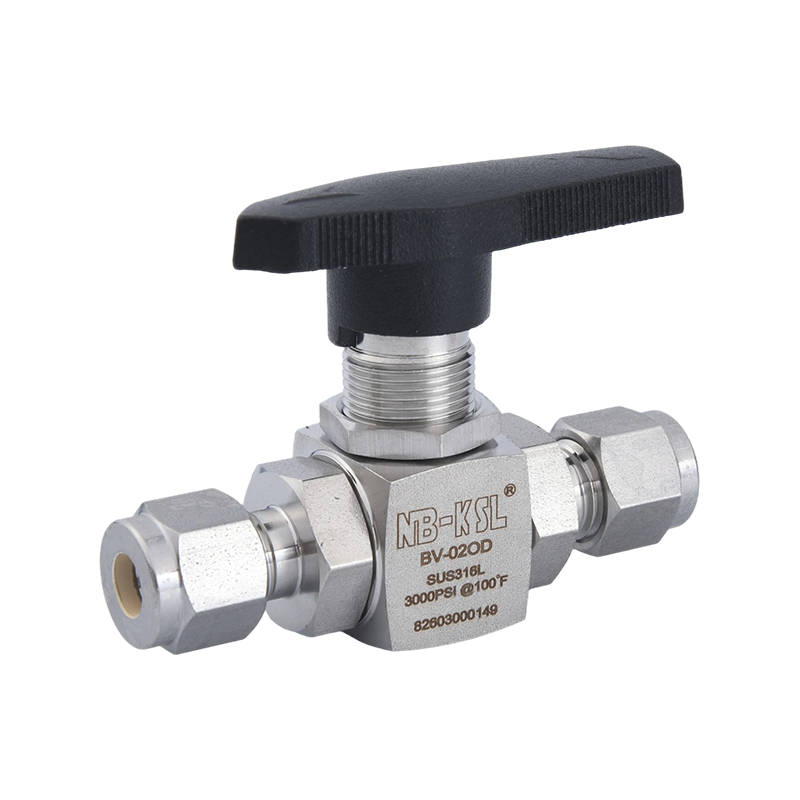
| Stainless steel ball valves | 1/2 inch to 4 inch | Fan coil units, instrument isolation, drains |
| Silent and dual plate check valves | DN40 to DN600 | Pump discharge, prevention of water hammer |
| Y-strainers | 1/2 inch to 12 inch | Protection of pumps, chillers and control valves |
| Grooved end valves | 1 1/2 inch to 8 inch | Fast installation in risers and plant rooms |
| Extended neck valves | DN40 to DN300 | Insulated chilled water pipes |
| Flanges, gaskets, studs and bolting | DN15 to DN600 | Joint completion |
Typical HVAC projects
- Commercial buildings: offices, hotels, shopping centres, airports.
- Healthcare and laboratories: hospitals, clinics, research buildings with strict reliability needs.
- Data centres: chilled water and liquid cooling loops.
- District energy: central cooling plants and distribution networks.
- Industrial cooling: process cooling for factories, with chiller plants and cooling towers.
Send us the valve schedule, with sizes, pressure class, connection type and operation. We will prepare a package list and highlight where stainless steel adds value, and where a lower-cost option would be enough.
Standards for HVAC and Building Services Valves
HVAC valves follow general industrial valve standards, and building regulations and fire protection rules add their own requirements. Standards named in a mechanical specification usually cover valve design, face-to-face length, flanges and testing.
| Area | Standard Reference |
|---|---|
| Butterfly valve design | EN 593, API 609, MSS SP-67, ISO 5752 |
| Check valve design | EN 12334, API 594 |
| Ball valve design | ISO 17292, MSS SP-110 |
| Flanges | EN 1092-1, ASME B16.5, JIS B2220 |
| Face-to-face length | EN 558, ISO 5752 |
| Grooved connections | ANSI/AWWA C606, coupling maker data |
| Pressure testing | EN 12266-1, ISO 5208, API 598 |
| Actuator mounting | ISO 5211 |
| Water in contact with people | Drinking water approvals where hot and cold domestic water is involved |
| Fire protection valves | UL, FM, VdS approvals for sprinkler and fire service lines, model-specific |
| Building services design guidance | ASHRAE handbooks, CIBSE guides, project specifications |
Fire protection is a separate category. Valves that serve sprinkler systems and fire water lines may require listings or approvals from fire testing bodies. A general-purpose valve is not automatically acceptable for these duties. Tell us if your project includes fire service lines, and we will say whether a listed model is available, or advise you to buy from a listed source.
Building owners often add their own specifications for noise, vibration and valve position indicators. Please share them at the inquiry stage.
Reference note: mechanical specifications often combine several standards, such as EN 593 for design, EN 558 for length and EN 1092-1 for flanges. Send the specification section with your inquiry. We will confirm each clause, and tell you where our standard model needs a small change, so the submittal is approved without long correspondence.
Documents for Mechanical Contractors and Building Owners
On a building project, the mechanical contractor assembles submittals, and the consultant reviews them before valves can be ordered. Handover documents are then given to the owner. We prepare documents to support both stages, in an organised form that is easy to review.
- Product data sheets: dimensions, materials, pressure and temperature ratings, weights and torque values, for submittal approval.
- Material certificates: EN 10204 3.1 for body, disc and stem, on request.
- Pressure test report: shell and seat tests per EN 12266-1 or API 598.
- Seat material documents: EPDM compound data, drinking water or biocide compatibility statements where needed.
- Actuator documents: data sheet, wiring diagram, signals and function test report for actuated valves.
- Operation and maintenance manual: installation, operation and maintenance information for the handover file.
- Spare parts list: seats, seals, gaskets and operators.
- Quality management: ISO 9001 style system and batch records.
- Third-party inspection: SGS, BV, TUV or the consultant's inspector can attend tests.
Submittals save time. A complete submittal avoids rounds of comments and delays in ordering. Send us the specification section for valves, and we will prepare a submittal package that responds to each clause, including exceptions we propose.
Sample submittals can be sent for your review.
Audit tip: keep the pressure test report, the seat compound statement and the product data sheet together for each valve type. Consultants and building owners often review these three items first, and having them in one place speeds up handover and reduces questions during commissioning and later facility audits.
Labelling and Traceability for Large Building Projects
A hotel or hospital may have thousands of valves spread over many floors and risers. The contractor needs to deliver the right valve to the right location, and the owner needs to find it again years later. Traceability for HVAC valves therefore combines material records with practical labelling.
- Body marking: size, PN rating, material grade, heat number and manufacturer mark are cast or stamped.
- Material receiving: mill certificates and PMI checks for stainless steel parts.
- Seat records: EPDM compound, supplier lot and cure date recorded for each valve lot.
- Tag labels: valve tags or stickers carrying system name, riser number or floor, as agreed with the contractor.
- Packing by zone: cartons labelled by floor, riser or plant room, with a packing list showing the valve schedule number.
- As-built data: a spreadsheet listing tag, size, type, serial number and location, for the owner's maintenance system.
| Item | Record | Purpose |
|---|---|---|
| Body | Heat number and certificate | Proof of grade |
| Seat | Compound, lot, cure date | Sealing and water compatibility |
| Valve tag | Tag number and system | Matches design schedule |
| Carton | Zone or riser label | Easier site logistics |
| As-built list | Serial number and location | Facility management |
When the mechanical contractor gives us the valve schedule in spreadsheet form, we can print labels directly from it, avoiding transcription errors on site.
Why zone labelling pays off: on a large site, crews lose time looking for the right valve among hundreds of cartons. Labels by floor, riser or plant room, printed at our factory from your schedule, let each crew take the right box immediately, and help the owner build an accurate asset list.
Testing for HVAC Duty
HVAC valves are tested for tightness, strength and operation. Because they are used in large numbers, we test every valve and keep clear records, and we also test selected samples for endurance and for the effect of glycol and biocides on the seats.
| Test | Method | Frequency |
|---|---|---|
| Shell test | Hydrostatic at 1.5 x rating | 100% of valves |
| Seat test, both directions | Hydrostatic at 1.1 x rating, with no visible leakage for resilient seats | 100% of valves |
| Low-pressure air test | Air at about 6 bar under water | 100% of resilient-seated valves |
| Operating torque | Torque tester at stem or actuator pad | Sampling, 100% for actuated valves |
| Dimension check | Face-to-face, flange drilling, disc clearance | First article and sampling |
| Actuator function test | Open and close time, signal and feedback check | 100% of actuated valves |
| PMI | XRF analyser | Incoming and sampling |
| Seat compatibility test | Immersion in glycol, inhibitor or biocide solution | On request |
| Cycle test | Repeated operation, then leakage check | Type test |
Noise and water hammer. Check valves that close slowly or late produce a bang when flow reverses. Silent and spring-assisted check valves close before reverse flow develops and reduce noise and pressure shock. We recommend them on pump discharge lines, and we test closing behaviour on sample valves.
Customers can attend testing, and we can provide photos and video of pressure and function tests.
Reading the glycol test: a sample EPDM seat soaked in your actual glycol and inhibitor mixture shows swelling, hardness change and weight change after several weeks. Small changes mean the compound is compatible, while large changes suggest a different compound or a different inhibitor package should be considered before ordering.
Frequently Asked Questions about HVAC Chilled Water Valves
Q: Why use butterfly valves in HVAC?
They are compact, light, economical and quick to operate, and their pressure drop is acceptable for isolation duties. They are the standard choice for large chilled and condenser water lines.
Q: Which seat is right for glycol?
EPDM works with most water and glycol systems, provided the inhibitors are compatible. Mineral oil contamination can damage EPDM, in which case NBR or PTFE may be better. Share the glycol type and inhibitor package.
Q: Do I need extended neck valves?
Yes, for insulated chilled water lines, so that the handle or actuator sits outside the insulation, and the vapour barrier remains intact.
Q: Can stainless steel valves be used with copper pipes?
Yes. Copper and stainless steel are close in the galvanic series, but brass and bronze fittings and carbon steel pipes may need isolation. We can advise on isolation kits.
Q: What actuator signals are used for HVAC?
Common signals are on-off with 24 V, 110 V or 220 V supply, and modulating with 0 to 10 V or 4 to 20 mA. Many building management systems accept both.
Q: How do I prevent water hammer?
Use silent or spring-assisted check valves, avoid rapid valve closing, and size pumps and lines to limit sudden changes in flow. Actuated valves with adjustable speed help.
Q: Are your valves suitable for hot water at 90 °C?
Yes, with EPDM seats suitable for that temperature. For higher temperatures or steam, use PTFE, graphite or metal seats.
MOQ and Pricing for HVAC Valves
HVAC valves are bought by contractors in volume and by distributors for stock. Our terms allow mixed sizes and types, so a project can order its whole valve package from us.
| Item | Typical Terms |
|---|---|
| Sample order | 1 to 3 pieces per model |
| Standard MOQ | 20 to 50 pieces per size; mixed sizes and types accepted |
| Project orders | Staged deliveries, with price fixed for the project period |
| Actuated valves | Small quantities accepted |
| Pricing basis | EXW, FOB Ningbo, CFR or CIF in USD |
| Quote validity | 30 days, adjusted for stainless steel price changes |
| Payment | 30% T/T deposit, 70% before shipment; L/C at sight for approved accounts |
What affects the price
- Material: stainless steel cost compared with ductile iron or carbon steel valves.
- Size: weight and cost increase quickly above DN200.
- Seat: EPDM, NBR and PTFE differ in price.
- Operation: gear operators and actuators add cost.
- Extras: extended necks, labelling by zone and extended documentation add cost.
Lifecycle view. A stainless valve costs more than a ductile iron valve at purchase, but may avoid rust contamination, coating repair and early replacement, particularly in open condenser water and hot, humid plant rooms. We can prepare a simple lifecycle comparison for your project.
Ordering advice: send the valve schedule in spreadsheet form, with tag, size, type, pressure, connection and operation. We can return a priced package with labels, and mark items where an alternative size or type might lower the cost, so that the contractor and consultant can approve quickly.
Lead Time, Customisation, Packaging and Trade Terms
Lead time and stock
Standard stainless steel butterfly valves and ball valves in popular sizes ship in 15 to 30 days. Actuated valves, extended neck designs and large sizes usually need 30 to 60 days. For projects with phased installation, we can plan deliveries by floor or plant room.
Customisation
We can customise flange drilling, face-to-face length, disc and stem material, seat compound, extension height, operator, actuator voltage and signal, labels and marking. We can print tags directly from your valve schedule.
Packaging
- Butterfly valves packed with the disc slightly open to protect seats
- Flange faces and seats protected with covers
- Cartons with dividers, wooden cases for large valves
- Labels with valve schedule number, system, size, PN and zone
- Moisture protection for sea freight
Shipping and trade terms
| Term | Details |
|---|---|
| Incoterms | EXW, FOB Ningbo, CFR, CIF, DAP |
| Port | Ningbo-Zhoushan; Shanghai as an alternative |
| Transport | Sea freight, air freight for urgent items, express courier for samples |
| Documents | Invoice, packing list, bill of lading, origin certificate, material and test certificates |
We can ship HVAC valves together with strainers, flanges, gaskets and bolting in one consolidated order, so that the site team receives the whole piping package together.
Installation advice: keep the disc slightly open during transport and storage, fit gaskets and bolts correctly between flanges, check that the disc can open fully in the pipe bore, and seal insulation around the neck after pressure testing. These simple steps avoid most callbacks and leaks in the first year of operation.