

 English
 中文简体
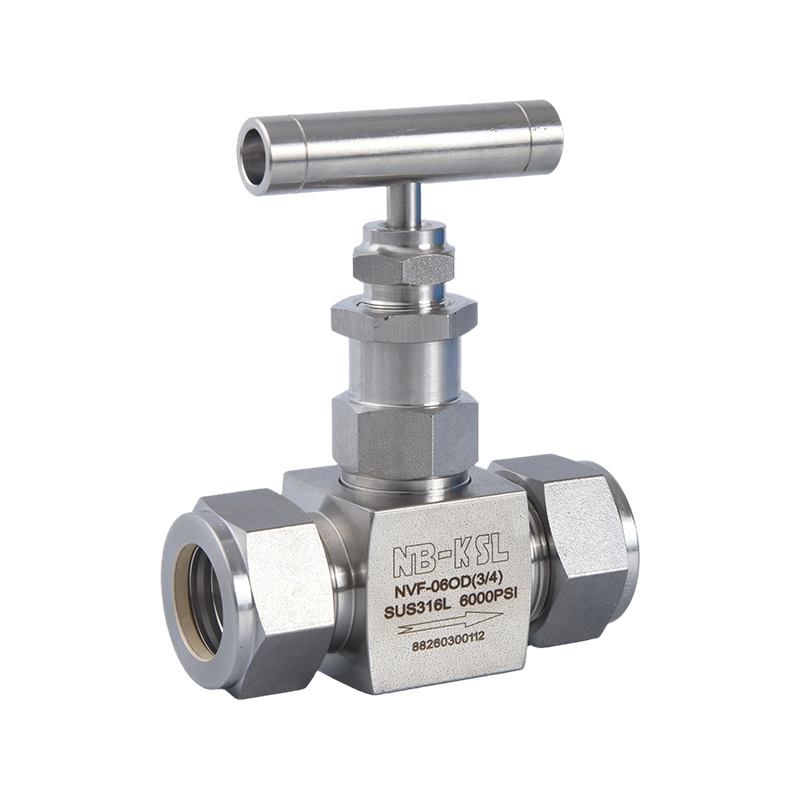


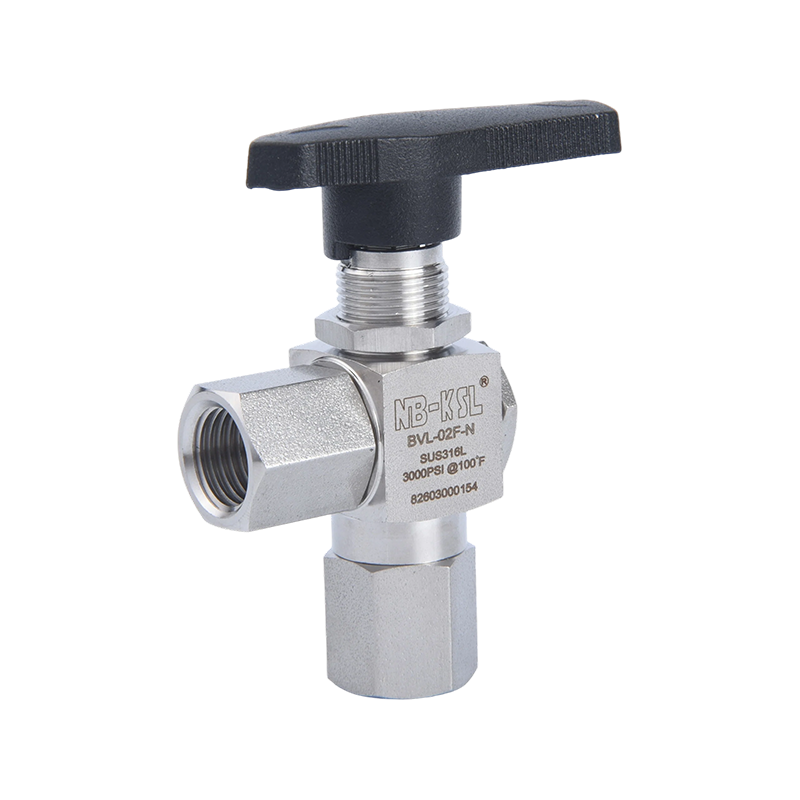
Sealing Directions of Different Valve Designs
| Valve Design | Sealing Direction | How It Works |
|---|---|---|
| Floating ball valve, two soft seats | Bi-directional | Line pressure pushes the ball against the downstream seat; works from either side |
| Floating ball valve with cavity relief hole | Unidirectional (relief side must be upstream) | Hole relieves trapped cavity pressure to one side; flow arrow marked |
| Trunnion ball valve, double piston effect (DPE) | Bi-directional on each seat | Each seat is pushed against the ball by line pressure; cavity pressure cannot self-relieve |
| Trunnion ball valve, single piston effect (SPE) | Upstream seat seals, downstream seat relieves cavity | Cavity pressure lifts the downstream seat, venting to downstream |
| Resilient wafer or lug butterfly valve | Bi-directional | Liner compressed by disc edge seals from either direction |
| Double offset butterfly valve | Bi-directional or preferred direction, by design | Metal or PTFE seat pressed by the disc; check rating by direction |
| Wedge gate valve | Bi-directional | Wedge is pressed between two seats, either side can be upstream |
| Globe valve | Usually unidirectional | Pressure under the disc is preferred; flow arrow marked |
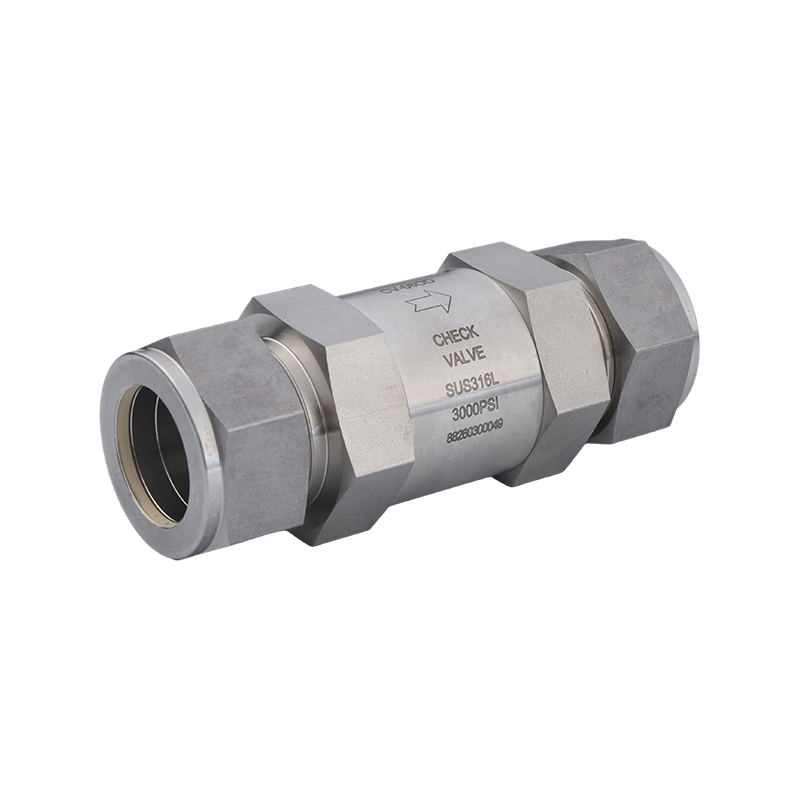
| Check valve | One direction by function | Allows flow in one direction only |
Typical valve parameters
| Parameter | Typical Specification |
|---|---|
| Body material | CF8, CF8M, CF3M (A351); F304, F316L (A182) |
| Seat | PTFE, RPTFE, PEEK, EPDM, FKM, metal seat |
| Size range | 1/4 inch to 24 inch depending on type |
| Pressure rating | 1000 WOG, PN16, PN40, Class 150, Class 300 |
| Test direction | Both directions, as specified |
| Marking | No arrow for bi-directional valves; arrow for unidirectional valves |
| Operation | Lever, gear, pneumatic or electric actuator with ISO 5211 pad |
Marking tells the truth. If a valve body carries a flow arrow, it has been designed for a preferred direction, and it must be installed with the arrow pointing the right way. If there is no arrow, the valve can be installed either way. If you receive a valve with an arrow but you need bi-directional sealing, tell us immediately.
Bi-Directional Valve Range and Related Features
Different valve types achieve bi-directional sealing in different ways, and each has strengths. The table below shows where each is commonly used, so you can match the valve to your application.
| Product | Size Range | Typical Use |
|---|---|---|
| Floating ball valve, two seats | 1/4 inch to 6 inch | Small and medium lines, general isolation |
| Trunnion ball valve, DPE | 2 inch to 12 inch | Larger lines needing independent seat sealing |
| Double block and bleed ball valve | 1/4 inch to 12 inch | Positive isolation with bleed between seats |
| Resilient wafer and lug butterfly valve | DN40 to DN600 | Water, air, mild chemicals, reversible flow |
| Double offset butterfly valve | DN50 to DN600 | Hot water, steam, process lines |
| Wedge gate valve | 1/2 inch to 24 inch | Isolation in either direction, low pressure drop |
| Plug valve with sleeve | 1/2 inch to 8 inch | Chemical lines, sticky media |
| Sanitary ball valve | 1/2 inch to 4 inch | Hygienic lines with reversible flow |
Where bi-directional sealing matters
- Tank lines: filling and emptying through the same pipe.
- Heat exchangers and loops: flow direction changes with operating mode.
- Positive isolation: maintenance on equipment that can be pressurised from either side.
- Vacuum and pressure alternation: lines that see vacuum at times and pressure at others.
- Long pipelines with several feed points: pressure may come from either end.
Tell us how the pressure can reverse, and whether both pressures can be high at the same time. Based on that, we can recommend a design.
Buyer tip: describe your line with a small sketch showing where pressure can come from, the highest pressure on each side, and whether the line may see vacuum. With this information, we can choose between a floating ball, a trunnion, a butterfly or a gate design, and explain the reasoning in our reply.
Standards and Terms for Sealing Direction
Terms such as bi-directional, uni-directional, DBB and DIB are used with slightly different meanings by different people. Standards give formal definitions, and using them in a purchase specification makes sure everyone understands the requirement in the same way.
| Term | Meaning in Common Use |
|---|---|
| Bi-directional valve | Seals against pressure from either side of the closed valve |
| Uni-directional valve | Designed to seal in one direction, marked with a flow arrow |
| DBB (double block and bleed) | Two seating surfaces with a bleed port between them, giving isolation of both sides with the cavity vented |
| DIB-1 (double isolation and bleed type 1) | Each seat provides a seal against pressure from the line side, with pressure relief of the cavity in one direction |
| DIB-2 (double isolation and bleed type 2) | Each seat provides a seal in both directions, from line side and from cavity side |
| SPE seat | Single piston effect: only upstream seat seals; cavity pressure relieved downstream |
| DPE seat | Double piston effect: both seats seal independently by line pressure |
The relevant standards are listed below.
| Area | Standard Reference |
|---|---|
| Pipeline ball valves, DBB and DIB definitions | API 6D, ISO 14313 |
| Ball valve design | ISO 17292, API 608 |
| Butterfly valve design | API 609, EN 593 |
| Gate valve design | API 600, API 602, EN 1984 |
| Pressure testing, seat test in each direction | API 598, ISO 5208, EN 12266-1 |
| Pressure-temperature ratings | ASME B16.34 |
Always state the test direction. For an isolation duty, the specification should say: "seat leakage test, both directions, ISO 5208 Rate A". Without this, a supplier may test only one side, and the valve may leak from the other.
Test Evidence for Two-Way Sealing
For a bi-directional valve, a test report should show that sealing was verified from both sides. A single-direction test cannot prove two-way sealing, however good the valve looks. Our reports list the direction of each test, so the claim is backed by evidence.
- Seat test report, both directions: showing test standard, medium, pressure, duration and result for each direction.
- DBB test report: for double block and bleed valves, showing sealing of each seat with the cavity vented, and the behaviour of cavity pressure.
- Cavity relief documentation: for unidirectional valves, showing the relief direction and the arrow marking.
- Material certificate: EN 10204 3.1 for body, ball, disc, stem and seat retainers.
- Seat material certificate: PTFE, RPTFE, PEEK or elastomer type and batch.
- Type test report: cycle tests with leakage checks in both directions, for qualified designs.
- Quality management: ISO 9001 style system and batch records.
- Third-party inspection: SGS, BV, TUV or the buyer's inspector can witness testing in both directions.
Ask about the low-pressure case. Some designs seal very well at high pressure, but leak slightly at low pressure from one side, because they depend on pressure to energise the seat. If your application includes low-pressure or vacuum sealing, ask for a low-pressure test in both directions.
Sample test reports can be sent before the order is confirmed.
Audit tip: keep the both-direction test reports with the design drawing for each valve type. An auditor who asks how two-way sealing was verified will want to see the direction of each test, and a matched set of documents answers the question clearly and shows that the claim has been checked.
Marking, Direction and Seat Control
For bi-directional valves, traceability has a special job: it must prevent a unidirectional valve from being mistaken for a bi-directional one, and the reverse. Marking and records are therefore part of the safety design.
- Design identification: each valve type is registered as bi-directional, unidirectional, DPE, SPE or DBB, with a drawing number.
- Body marking: unidirectional valves carry a cast or stamped flow arrow; bi-directional valves carry no arrow.
- Cavity relief hole: where fitted, the hole position is recorded and checked, and the valve is marked with the relief side.
- Seat records: seat material, batch and spring set (where used) are recorded for each lot.
- Test record: test direction and results are recorded by serial number.
- Carton label: label showing "BI-DIRECTIONAL" or "UNIDIRECTIONAL, FLOW ARROW", with the lot number.
| Item | Record | Purpose |
|---|---|---|
| Design type | Drawing and registration | Correct design for the application |
| Flow arrow | Present or absent on body | Prevents wrong installation |
| Cavity relief hole | Position and direction | Safe cavity pressure behaviour |
| Seats and springs | Batch and dimensions | Sealing performance |
| Test | Direction and result by serial number | Evidence of two-way sealing |
When a valve is installed in the wrong direction, an arrow on the body and a sticker on the carton gives the installer a chance to catch the error. We design our markings to be hard to miss.
Why arrows are checked: before packing, an inspector confirms that every valve with a cavity relief hole carries a flow arrow, and every bi-directional valve does not. This simple check, recorded on the packing sheet, prevents a mix of designs in one carton, and gives installers a clear message about how each valve must be fitted.
Testing in Both Directions
Testing bi-directional sealing is not complicated, but it needs discipline. The valve is closed, pressure is applied on one side and the other side is checked for leakage. Then the valve is turned around on the test bench, or the test fixture is reversed, and the test is repeated. Each direction is recorded separately.
| Test | Method | Frequency |
|---|---|---|
| Shell test | Hydrostatic at 1.5 x rating | 100% of valves |
| Seat test, direction 1 | Hydrostatic at 1.1 x rating, pressure on side A | 100% of valves |
| Seat test, direction 2 | Hydrostatic at 1.1 x rating, pressure on side B | 100% of bi-directional valves |
| Low-pressure air test, both directions | Air at about 6 bar under water, each side in turn | 100% of soft-seated bi-directional valves |
| Cavity relief test | Check of relief function and direction for unidirectional valves | 100% of valves with relief |
| DBB test | Each seat tested with cavity vented; cavity pressure monitored | 100% of DBB valves |
| Cycle test | Repeated operation with leakage checks in both directions | Type test |
| Torque test | Operating torque with pressure on each side | Sampling |
Torque can differ by direction. In many designs, the pressure acting on the ball or disc increases torque when it comes from one side, and decreases it from the other. When sizing an actuator for a bi-directional valve, the higher torque direction counts. We measure and report both values.
Customers may attend testing, and we can provide video of both directions of the test, with pressure gauge readings.
Reading the direction on a drawing: on a piping and instrument diagram, a valve drawn without an arrow is assumed to seal both ways. If your drawing shows a preferred direction, tell us, because it may change the valve type we recommend, and it will influence how our test report is written.
Frequently Asked Questions about Bi-Directional Sealing Valves
Q: What does bi-directional mean on a valve?
It means that the closed valve seals against pressure from either side. It can be installed in either direction, unless a flow arrow tells otherwise.
Q: Why do some ball valves have a flow arrow?
Some have a cavity relief hole that must be on the upstream side, to prevent pressure build-up in the body. The arrow shows the correct installation direction.
Q: What is double piston effect?
In trunnion ball valves, DPE seats are pushed against the ball by line pressure on either side, so each seat seals independently. It gives tight sealing, but the cavity cannot relieve itself.
Q: What is double block and bleed?
It is a valve arrangement with two sealing surfaces and a vent between them. You can close both seats, open the vent and check that no fluid passes, which gives a visible proof of isolation.
Q: Are all butterfly valves bi-directional?
Resilient seated wafer and lug valves are generally bi-directional. Double and triple offset valves may have a preferred direction, so check the data sheet.
Q: Can I turn a unidirectional valve around if I need to?
Not safely if the valve has a relief function or preferred direction. You may lose the cavity relief or sealing performance. Ask for a bi-directional design instead.
Q: Does bi-directional sealing cost more?
The base price is similar for many designs. Trunnion, DBB and special seat designs cost more, and extra testing in both directions adds a little cost.
MOQ and Pricing for Bi-Directional Valves
Many standard soft-seated valves are already bi-directional, so no extra cost is involved. For trunnion, DBB or metal-seated designs, we quote based on construction and testing.
| Item | Typical Terms |
|---|---|
| Floating ball and butterfly valves | Standard MOQ 50 to 100 pieces per size |
| Trunnion and DBB ball valves | MOQ 5 to 20 pieces per size; single pieces for large valves |
| Sample order | 1 to 3 pieces per model |
| Both-direction test reports | Included for project orders; small charge for large quantities of small valves |
| Pricing basis | EXW, FOB Ningbo, CFR or CIF in USD |
| Quote validity | 30 days, adjusted for stainless steel price changes |
| Payment | 30% T/T deposit, 70% before shipment; L/C at sight for approved accounts |
What affects the price
- Valve design: trunnion and DBB designs cost more than floating ball valves.
- Seat material: PEEK, metal and special elastomers cost more than PTFE.
- Size and class: weight is the main driver for larger valves.
- Testing: tests in both directions and DBB tests add time and cost.
- Documents: individual reports and third-party witness are extra.
Avoid paying for more than you need. If your line has pressure from only one side, a unidirectional design may be enough and cost less. If you are unsure, we can explain the choices and suggest a design that fits the process safely.
Ordering advice: if some positions in your plant have reversible flow and others do not, buy bi-directional valves for all critical isolation points and unidirectional valves only where the direction is fixed. A simple rule like this prevents installation errors, and makes spare parts handling easier for the maintenance team.
Lead Time, Customisation, Packaging and Trade Terms
Lead time and stock
Standard floating ball valves and butterfly valves in popular sizes ship in 10 to 25 days. Trunnion, DBB and metal-seated designs usually need 30 to 60 days. Please tell us the sealing direction requirement at inquiry, since it influences design and testing.
Customisation
We can customise seat material, seat design, cavity relief arrangement, test direction, test pressure, end connections, actuator interface, marking and documents. For special isolation duties, we can discuss DBB or DIB designs with vent and drain ports.
Packaging
- Valves packed with the ball or disc in the open or half-open position
- Flow arrow valves labelled on the carton as UNIDIRECTIONAL
- Bi-directional valves labelled as BI-DIRECTIONAL, with no arrow on the body
- Protective covers on flange faces and ends
- Cartons with dividers, and wooden cases for heavy valves
Shipping and trade terms
| Term | Details |
|---|---|
| Incoterms | EXW, FOB Ningbo, CFR, CIF, DAP |
| Port | Ningbo-Zhoushan; Shanghai as an alternative |
| Transport | Sea freight, air freight for urgent items, express courier for samples |
| Documents | Invoice, packing list, bill of lading, origin certificate, material and test certificates |
We send a short installation note with each shipment, explaining the direction of installation, and the correct handling of vent and drain ports for DBB valves.
Installation advice: before fitting a valve, read the carton label and the body marking, confirm the direction against the drawing, and keep the vent and drain ports of DBB valves accessible. After installation, operate the valve slowly several times and check that it closes fully, which also helps to seat soft seats correctly.