

 English
 中文简体
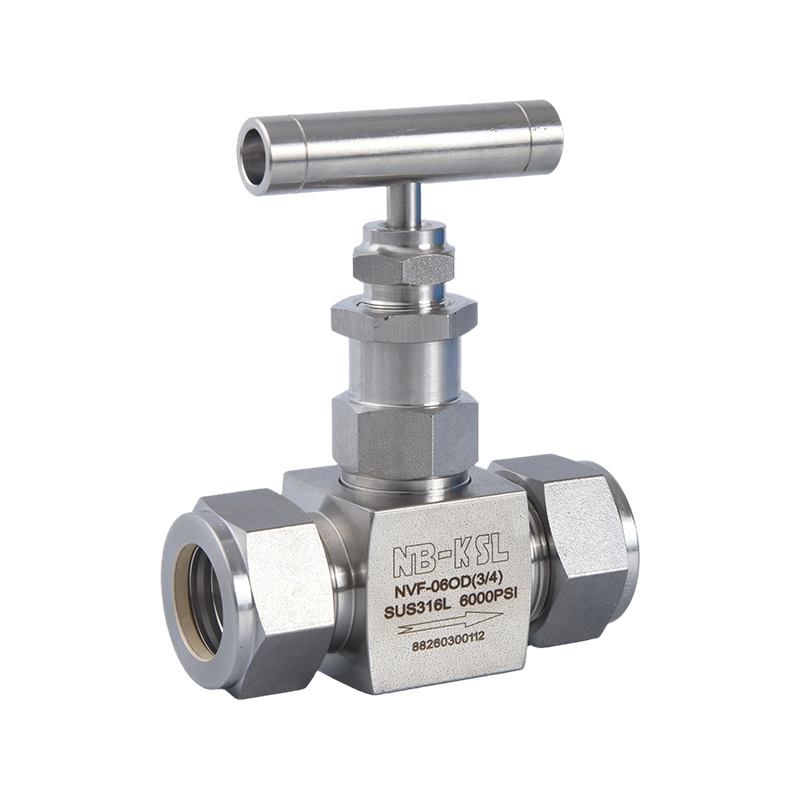


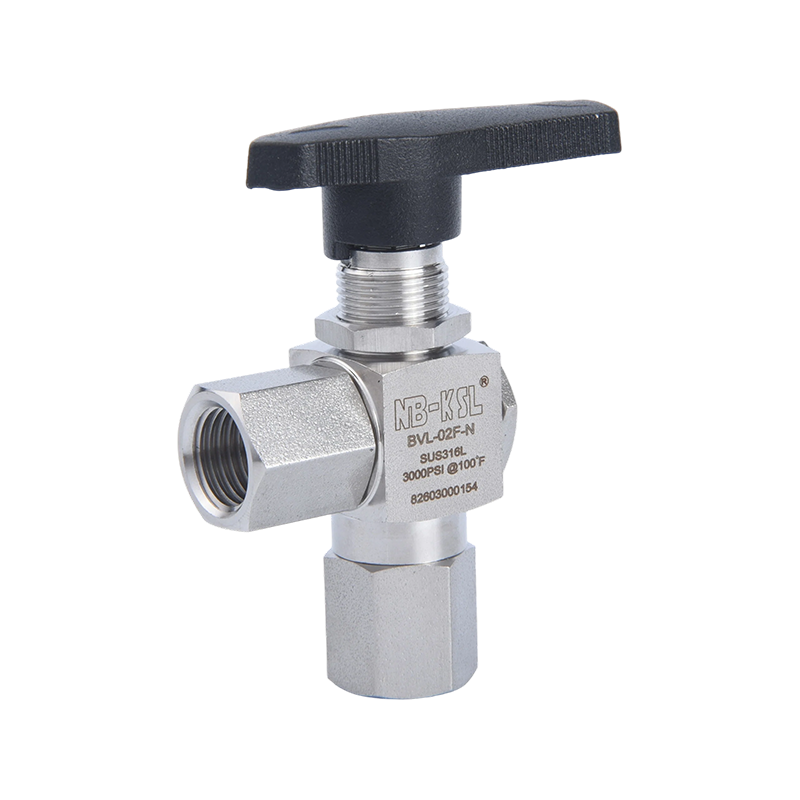
Technical Parameters of Raised Face Flanged Valves
| Parameter | Typical Specification |
|---|---|
| Body material | CF8, CF8M, CF3M (A351); F304, F316L (A182); duplex on request |
| Flange standard | ASME B16.5, EN 1092-1, JIS B2220, DIN 2501, GOST on request |
| Pressure class | Class 150, 300, 600; PN10, PN16, PN25, PN40; JIS 10K, 20K |
| Flange facing | Raised face (RF), flat face (FF), ring type joint (RTJ) on request |
| Facing finish | Serrated, approx. Ra 3.2 to 6.3 µm per MSS SP-6, smooth finish for soft gaskets on request |
| Face-to-face length | ASME B16.10, EN 558, or customer drawing |
| Size range | DN15 to DN300 for ball valves; DN15 to DN600 for gate, globe, check and butterfly |
| Working temperature | -29 °C to +180 °C with PTFE seats; higher with graphite or metal seats |
| Operation | Lever, gear, pneumatic or electric actuator with ISO 5211 pad |
Approximate pressure ratings at ambient temperature
| Flange Class | Approx. Max Pressure at 38 °C (CF8 / CF8M) |
|---|---|
| Class 150 | About 19 bar |
| Class 300 | About 50 bar |
| Class 600 | About 99 bar |
| PN16 / PN40 | 16 bar / 40 bar, reduced at higher temperature |
Temperature reduces pressure. Flange ratings drop as the medium heats up. A Class 150 stainless valve that holds about 19 bar at room temperature will hold noticeably less at 200 °C. We supply the pressure-temperature chart with every quotation, and the seat material may limit the working range even more than the body does.
Selection advice: choose the pressure class according to the highest temperature and pressure the line will see, including upset conditions such as pump start-up and steam cleaning. If you are between two classes, tell us the real operating cycle, and we will suggest the economical class that still leaves a safe margin for your service.
Flanged Valve Range and Matching Accessories
A flanged joint needs more than a valve. It needs a matching flange, a gasket, bolts and nuts, all of the right class, material and facing. We supply flanged valves together with these accessories, which helps contractors avoid missing parts on site and reduces the time spent on correcting mismatches.
| Product | Size Range | Typical Use |
|---|---|---|
| Flanged ball valves, 2-piece and 3-piece | DN15 to DN300 | Process lines, chemical and water systems |
| Flanged gate valves | DN15 to DN600 | On-off isolation of liquids, steam and condensate |
| Flanged globe valves | DN15 to DN300 | Flow control and throttling |
| Flanged check valves, swing and dual plate | DN15 to DN600 | Pump discharge and backflow prevention |
| Wafer and lug butterfly valves | DN40 to DN600 | Cooling water, HVAC, general fluids |
| Flanged Y-strainers | DN15 to DN300 | Protection of pumps and instruments |
| Stainless flanges, blind and slip-on | DN15 to DN600 | Matching pipework |
| Gaskets and stud bolts | To match flange class | Spiral wound, PTFE envelope, B8M bolting |
What we help you check before ordering
- Flange standard and class: ASME and EN flanges of similar size often have different bolt circles.
- Facing type: RF should connect to RF, and FF to FF, unless the design has been checked.
- Face-to-face length: a replacement valve must fit the existing gap in the pipe.
- Bolting and gasket: these should suit the medium, temperature and flange facing.
Complete packages with valves, flanges, gaskets and bolts can ship in a single consolidated order, with clear labels for each line item.
Replacement projects: when a valve is replaced in an existing line, the face-to-face length is the first dimension to check, followed by drilling and flange facing. Send us a drawing or the old valve data, and we will check the match and report any difference before production starts, so installation does not stop on site.
Flange and Valve Standards for Raised Face Products
Flanged valves involve flange standards, valve design standards and face-to-face standards. All three must agree for a valve to fit and perform in an existing pipeline. The references below are those we apply most often in flanged production.
| Area | Standard Reference |
|---|---|
| Steel flanges (inch) | ASME B16.5 for NPS 1/2 to 24; ASME B16.47 for larger sizes |
| Steel flanges (metric) | EN 1092-1, DIN 2501 |
| Japanese flanges | JIS B2220, JIS B2239 |
| Pressure-temperature ratings | ASME B16.34, EN 12516 |
| Face-to-face dimensions | ASME B16.10, EN 558 |
| Flange face finish | MSS SP-6 for serrated finishes |
| Ball valve design | ISO 17292, API 6D (selected models), BS 5351 |
| Gate, globe and check design | API 600, API 602, BS 1873, BS 1868, EN 12334 |
| Butterfly valve design | API 609, EN 593 |
| Testing | API 598, EN 12266-1, ISO 5208 |
ASME or EN? A DN50 PN16 flange and a 2 inch Class 150 flange have different outside diameters, bolt circles and even bolt counts. They cannot be bolted together. When you describe a flanged valve, please give the standard, the class or PN, and the facing, for example "2 inch Class 150 RF, ASME B16.5".
For replacement valves in old plants, send us the flange dimensions or a photo with a ruler, and we will identify the standard and confirm before production.
Gasket seating stress: flange standards define the shape of the connection, but the leak-free result also depends on gasket type, bolt material and tightening sequence. We include a short guide with each order that lists recommended bolt torque and the cross-pattern tightening method, which helps contractors achieve even gasket loading and a reliable seal.
Certificates and Quality Records for Flanged Valves
Flanged valves are often used in projects with formal inspection plans, so documentation is part of the delivery. We prepare the following documents based on what your project requires, and we confirm the list before production starts.
- Material certificate: EN 10204 3.1 for body, bonnet, flanges, stem, ball and bolting, with chemical and mechanical data.
- Dimensional inspection report: flange outside diameter, bolt circle, bolt hole size, raised face height and face-to-face length.
- Face finish inspection: roughness check of the serrated flange face.
- Pressure test report: shell and seat test according to API 598 or EN 12266-1.
- Fire safe and low emission reports: available for selected models.
- CE and PED: available for qualifying models.
- Quality management: production under an ISO 9001 style system with batch records.
- Third-party inspection: SGS, BV, TUV or the buyer's appointed inspector may witness testing.
Project tip: if your project uses a vendor document register, send it to us at the start. We will fill in the document names, numbers and dates so that your engineering team receives data in the format it expects, instead of spending time on conversion after delivery.
Not every certificate applies to every model, and we only include approvals that are valid for the specific product supplied.
Document timing: certificates for large flanged valves depend on casting, machining and test dates. Please send the required document list when you place the order, and ask for the inspection and release schedule. We will confirm which documents are issued with the shipment, and which can be sent by email ahead of the cargo.
Traceability for Flanged Valve Components
A flanged valve contains several pressure-containing parts: the body, the end connections or flanges, the bonnet and the bolting. Each may come from a different lot, so a good traceability system must follow all of them. This is particularly important when flanges are welded or bolted to the body, because the joint should not become a weak spot in the record.
- Receiving inspection: castings, forgings and bar arrive with mill certificates, and heat numbers are checked against the paperwork.
- PMI check: chromium, nickel and molybdenum are verified on incoming parts, and on finished valves by sampling.
- Marking: body, flange and bonnet carry the heat number, material grade, size and pressure class.
- Bolting control: bolts and nuts are marked with grade, such as B8M or A4-70, and recorded against the order.
- Assembly record: the heat numbers of body, bonnet and critical parts are written on the assembly sheet.
- Final documentation: each certificate is linked to the valve serial number and shipping documents.
| Component | Marked With | Record Kept |
|---|---|---|
| Body / flange | Heat number, grade, size, class | Mill certificate, dimensional report |
| Bonnet | Heat number, grade | Mill certificate |
| Ball and stem | Lot number | PMI report |
| Bolting | Grade mark | Supplier certificate |
| Valve assembly | Serial number | Pressure test report |
If a flange fails inspection on site, the heat number lets us identify the lot, check the original records and replace only the affected parts rather than the whole shipment.
Why traceability helps maintenance: years after installation, a plant engineer may need to know which valve was installed on a given line. A clear heat number and serial number on the valve, linked to the original certificate, makes that answer easy, and it supports insurance, audit and replacement planning without extra detective work.
Flange Inspection and Valve Testing Capability
For flanged valves, we test the pressure boundary and also inspect the flange itself. A valve that passes the pressure test but has flange faces that are out of flat, or drilling that is out of position, still causes problems during installation.
| Test | Method | Frequency |
|---|---|---|
| Shell test | Hydrostatic at 1.5 times rated pressure per API 598 | 100% of valves |
| Seat test | Hydrostatic at 1.1 times rated pressure plus low-pressure air test | 100% of valves |
| Flange dimension inspection | Calipers, drilling gauges, flange templates | Sampling plus first article |
| Flange face inspection | Visual check of serration, flatness and raised face height | 100% of valves |
| Face finish measurement | Portable roughness tester on the gasket seating area | Sampling |
| PMI | XRF analyser on body and flanges | Incoming and sampling |
| Torque test | Torque tester at the stem or actuator interface | Sampling, 100% for actuated valves |
| Special tests | Fire safe, fugitive emission, cryogenic | Type test reports on request |
Why face condition matters: radial scratches across the gasket seating area create leak paths that the gasket cannot always fill. For this reason, flange faces are protected during machining, handling and packing, and inspected visually before shipment.
We welcome witnessed testing and can photograph the test setup and pressure gauge during the hold time for your records.
Witness testing: if you attend the test in person, you will see the valve pressurised, held for the required time and inspected for any leakage. We agree the test date in advance and can arrange a quiet area so inspectors can review drawings, certificates and the valve itself in one visit, saving travel time.
Frequently Asked Questions about Raised Face Flanged Valves
Q: What is the difference between raised face and flat face flanges?
A raised face flange has a ring around the bore that is higher than the bolting area, so gasket pressure is concentrated at the sealing zone. A flat face flange has the sealing surface level with the bolt area, and is mostly used with cast iron or soft equipment flanges.
Q: Can I connect a raised face valve to a flat face flange?
It is not recommended. Bolting an RF flange to an FF flange can bend the flat face flange, especially if it is cast iron. If it cannot be avoided, use a full-face gasket and a controlled torque procedure, and consult the equipment maker.
Q: What is the difference between Class 150 and PN16?
Class 150 belongs to the ASME system and PN16 to the EN system. Their pressure ratings are similar at room temperature but flange dimensions and bolting are different, so the two cannot be interchanged.
Q: What gasket should I use with stainless steel flanges?
Spiral wound gaskets with stainless windings and graphite or PTFE filler are common for process lines. PTFE envelope or sheet gaskets are common for chemical and food duty. The gasket must suit the medium and temperature.
Q: Do you supply bolts and nuts?
Yes. We supply stainless steel stud bolts and nuts, such as A193 B8M or A4-70, together with flange gaskets, so the joint package arrives complete.
Q: Can you make flanges to a customer drawing?
Yes. Non-standard drilling, special facings and special face-to-face lengths are possible for OEM and replacement projects.
Q: How do I measure an existing flange?
Measure the outside diameter, the bolt circle diameter, the number and size of bolt holes, and the thickness. With these values, we can identify the standard and class.
MOQ and Pricing for Flanged Valves
Flanged valves are heavier and more material-intensive than threaded ones, so prices depend strongly on size and pressure class. We keep minimum quantities modest, because flanged items are often ordered for projects and not for stock.
| Item | Typical Terms |
|---|---|
| Sample order | 1 to 3 pieces per model |
| Standard MOQ | 20 to 50 pieces per size for standard flanged valves |
| Large sizes | Small quantities accepted, even single pieces, for project and replacement needs |
| Custom flange drilling | Possible, with a modest tooling or setup charge |
| Pricing basis | EXW, FOB Ningbo, CFR or CIF in USD |
| Quote validity | 30 days, adjusted for stainless steel and nickel price changes |
| Payment | 30% T/T deposit, 70% before shipment; L/C at sight for approved accounts |
What drives the price
- Size and weight: material cost rises quickly with diameter and pressure class.
- Class: Class 300 and Class 600 bodies are heavier than Class 150.
- Casting or forging: forged bodies cost more than cast ones in the same size.
- Seat and trim: RPTFE, PEEK and metal seats are priced differently.
- Accessories: gaskets, bolts and counter flanges can be quoted separately or as a package.
- Documentation: witness testing and special reports are extra.
Saving tip: use reduced-bore designs where flow capacity allows, and standard face-to-face lengths. A custom length can require a new pattern or special machining, which adds cost.
Project planning: if your project needs several valve sizes and classes, ask for a combined quotation and a staged delivery plan. Items that are on the critical path can be produced and shipped first, while the remaining lines follow, so your site team can continue installation without waiting for the entire order.
Lead Time, Customisation, Packaging and Trade Terms
Lead time and stock
Standard flanged ball valves and check valves in common sizes can ship in 20 to 30 days. Large flanged gate, globe or butterfly valves, and orders with special drilling or testing, usually need 35 to 55 days. We provide a production schedule when the order is confirmed.
Customisation
You can customise flange standard, drilling, facing type, face-to-face length, body material, seat material, stem extension, gear operator and actuator interface. For replacement projects, we can copy the dimensions of an existing valve and suggest improvements if a better design is available.
Packaging for flanged valves
- Plastic or plywood covers on both flange faces to protect the sealing surface
- Valve in the open or half-open position for ball valves, to avoid seat damage during transport
- Individual cartons for small sizes and wooden cases or pallets for large valves
- Lifting points or marked handling instructions for heavy valves
- Neutral packing or customer labelling with project and tag numbers
Shipping and trade terms
| Term | Details |
|---|---|
| Incoterms | EXW, FOB Ningbo, CFR, CIF, DAP |
| Port | Ningbo-Zhoushan; Shanghai as an alternative |
| Transport | Sea freight, air freight for urgent items, express courier for samples |
| Documents | Invoice, packing list, bill of lading, origin certificate, material and test certificates |
Because flanged valves are heavy, we help plan container loading by weight and volume, which reduces freight cost per valve.
Handling on site: keep the flange face covers on until the moment of installation, lift heavy valves with slings rather than the actuator, and store them off the ground in a dry area. These simple habits protect the sealing faces and the surface finish, which are the parts most often damaged between delivery and installation.