

 English
 中文简体


Technical Parameters of Duplex and Super Duplex Valves
| Parameter | 2205 Duplex | 2507 Super Duplex |
|---|---|---|
| UNS designation | S31803 / S32205 | S32750 |
| Forged / bar standard | ASTM A182 F51, A276 S32205 | ASTM A182 F53, A276 S32750 |
| Cast equivalent | A890 Gr. 4A (CD3MN) | A890 Gr. 5A (CE3MN) / 6A (CD3MWCuN) |
| Typical PREN | Approx. 34 to 36 | Approx. 40 to 43 |
| Typical yield strength (wrought) | Approx. 450 MPa min. | Approx. 550 MPa min. |
| Ferrite content | Typically 35 to 55% | Typically 35 to 55% |
| Working temperature | -50 °C to +250 °C | -50 °C to +250 °C |
| Pressure rating | PN16 to PN100, Class 150 to Class 600, selected models higher | PN16 to PN100, Class 150 to Class 600, selected models higher |
| Seat and seal | RPTFE, PEEK, metal seat, graphite packing | RPTFE, PEEK, metal seat, graphite packing |
| End connection | Flanged, butt weld, socket weld, NPT, BSP | Flanged, butt weld, socket weld, NPT, BSP |
Why the 250 °C limit? Duplex steels can become brittle after prolonged exposure above roughly 300 °C, because of a phenomenon called 475 °C embrittlement. For this reason, duplex is not recommended for sustained high-temperature service, and we advise austenitic or nickel alloys for that case.
Values shown are typical figures for standard production. Exact limits depend on valve design and seat material, and we confirm them on the quotation together with a pressure-temperature chart. For sour service, please specify the required NACE MR0175 / ISO 15156 conditions so hardness limits can be checked before production.
Selection hint: if the chloride content is below a few hundred ppm and the temperature is moderate, 2205 is normally enough. For seawater above about 30 °C, or where crevices cannot be avoided, we suggest 2507. Providing the water analysis along with the inquiry helps us choose correctly and avoid spending more than needed.
Duplex Valve Range and Matching Components
Mixing duplex valves with other grades in the same system can create corrosion and procurement problems. For that reason, we supply duplex and super duplex valves together with the matching components a complete line needs, so your piping package can be built from one material family and one set of documents.
| Product Group | Size Range | Typical Duty |
|---|---|---|
| Trunnion and floating ball valves | 1/2 inch to 12 inch | Seawater, injection, chemical lines |
| Gate and globe valves | 1/2 inch to 16 inch | Isolation and throttling in aggressive media |
| Check valves (swing, dual plate, piston) | 1/2 inch to 16 inch | Pump discharge and backflow protection |
| Butterfly valves, double offset | DN50 to DN600 | Cooling water, desalination, firewater |
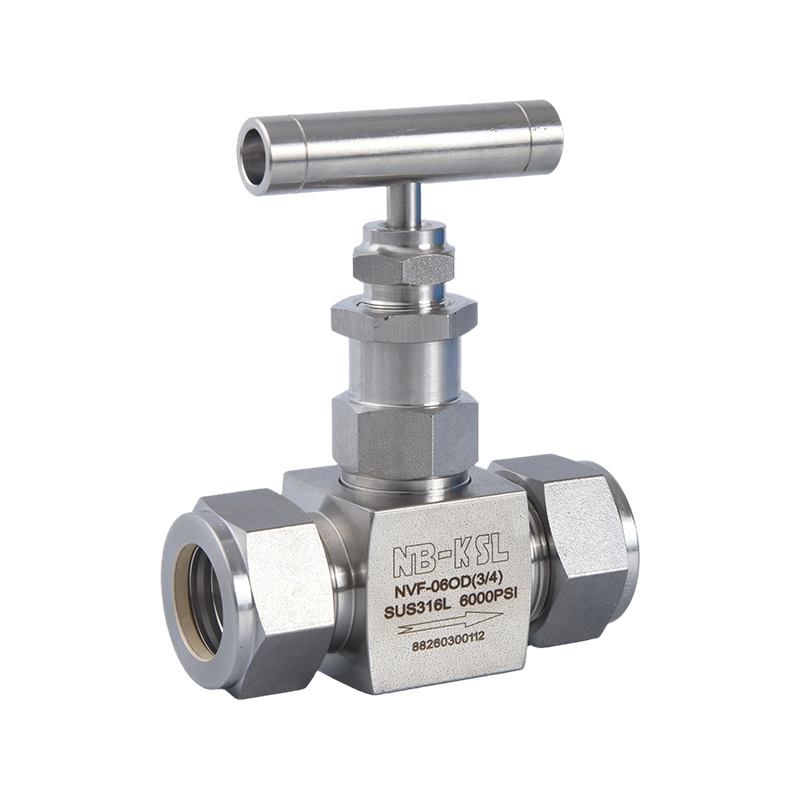
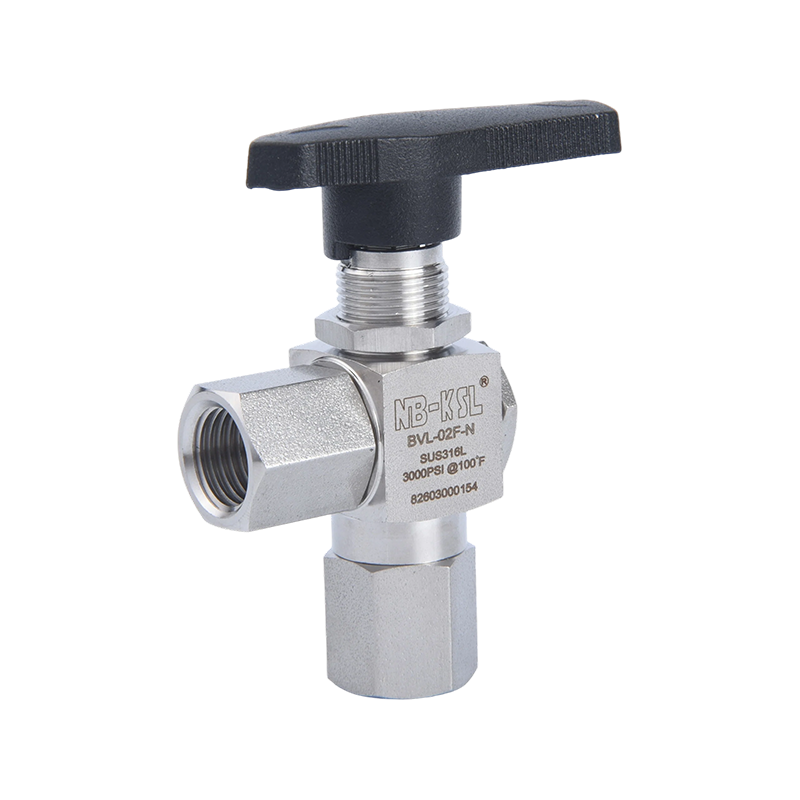
| Needle and instrument valves | 1/4 inch to 1 inch | Sampling, instrumentation, gauges |
| Strainers | 1/2 inch to 12 inch | Pump and equipment protection |
| Fittings and flanges | 1/2 inch to 12 inch | Matching pipework connections |
| Actuated packages | Matched to valve | Remote operation, pneumatic or electric |
Where duplex pays back: projects that previously used 316L and suffered repeated replacements often find that duplex lasts several times longer, which lowers lifetime cost even though the purchase price is higher. Because duplex is stronger, smaller wall thickness can sometimes be used, reducing weight on platforms and skids.
We can also supply duplex valves with spare parts kits and recommended spare lists, which helps offshore and remote sites plan inventory.
Single-source advantage: duplex projects often include several hundred line items, from small needle valves to large butterfly valves. Handling them with one factory means one material standard, one inspection plan and one shipment schedule, which simplifies commissioning and later spare part orders for your maintenance team.
Standards and Specifications for Duplex Valves
Duplex alloys are sensitive to composition, heat treatment and welding. Because of this, buyers and end users usually specify more than the basic valve standard. We follow the references below and can work with additional requirements when they are stated in the inquiry.
| Area | Standard Reference |
|---|---|
| Forged material | ASTM A182 F51, F53, F55, F60 |
| Bar and plate | ASTM A276, A479, A240 |
| Cast material | ASTM A890, ASTM A995 |
| Valve design | API 6D, API 600, API 602, ISO 17292, API 609, EN 593 (by model) |
| Pressure ratings | ASME B16.34, EN 12516 |
| Flange dimensions | ASME B16.5, ASME B16.47, EN 1092-1 |
| Sour service | NACE MR0175 / ISO 15156 on request |
| Offshore practice | NORSOK M-630 / M-650 requirements reviewed per project |
| Testing | API 598, API 6D, ISO 5208, EN 12266-1 |
Project specifications: major operators often issue their own valve specifications with stricter limits on ferrite, impact energy, hardness and corrosion testing. Please send the specification at the inquiry stage. We review it line by line, identify any deviation, and tell you plainly what we can comply with and what would need additional testing or a change in material source.
Third-party qualification, such as ASTM A923 corrosion testing for intermetallic phases, can be arranged and reported with the order.
Edition control: standards are revised from time to time, and project specifications often freeze a particular edition. Please state the edition required, for example the year of ASME B16.34 or API 6D, so that we can confirm design, marking and test procedures against the correct version before production begins.
Certificates and Quality Documentation
For duplex valves, documentation carries more weight than usual, because the grade can be confirmed only by chemistry and by metallurgical checks. Our documentation pack is therefore more detailed than the one for standard stainless valves.
- EN 10204 3.1 certificate for body, bonnet, ball, stem and bolting, showing chemistry, yield, tensile and elongation.
- Impact test results (Charpy at low temperature, for example -46 °C) where required by the specification.
- Ferrite content report measured with a ferrite scope or by metallographic method.
- Heat treatment record with solution annealing temperature and quench method.
- Corrosion test report per ASTM A923 or G48 on request, carried out by a third-party laboratory.
- PMI report confirming chromium, nickel, molybdenum and, for super duplex, tungsten or copper where applicable.
- Pressure test report with shell, seat and, if required, back-seat results.
- Quality system: production under an ISO 9001 style system, with CE/PED arrangements for qualifying models.
- Witness and inspection: SGS, BV, TUV, DNV or the owner's inspector may attend tests.
Certificates beyond the 3.1 level add cost and time, so we include them only when specified. Please list required documents at the inquiry stage so that mill orders, testing slots and delivery dates can be planned correctly.
We are glad to share a sample documentation pack before you place an order.
Early planning: duplex certificates depend on mill and laboratory schedules. If you need impact testing or corrosion testing, confirm it when placing the order. Late requests may force a new test lot and add weeks, while early requests can be built into the material purchase at little additional cost.
Traceability and Metallurgical Control
With duplex steels, the wrong heat treatment can ruin a correct chemistry. Sigma phase and other intermetallic phases form when the metal cools too slowly or is held in a critical temperature range, and these phases reduce toughness and corrosion resistance. Traceability therefore covers not only the heat number but also the thermal history of each part.
- Mill source control: bar, forgings and castings are bought from qualified suppliers who provide full heat and lot certificates.
- Identification: grade, heat number and size are marked on each body, bonnet and critical internal part.
- PMI at receipt: chromium, nickel and molybdenum are verified for each lot before release to machining.
- Heat treatment tracking: furnace charts and lot numbers are kept, showing solution annealing temperature and quench.
- Welding control: if welding or overlay is involved, procedure qualification records and welder qualifications are applied.
- Final documentation: each valve serial number links to heat numbers, test records and inspection reports.
| Element | 2205 Typical (%) | 2507 Typical (%) |
|---|---|---|
| Chromium (Cr) | 21.0 to 23.0 | 24.0 to 26.0 |
| Nickel (Ni) | 4.5 to 6.5 | 6.0 to 8.0 |
| Molybdenum (Mo) | 2.5 to 3.5 | 3.0 to 5.0 |
| Nitrogen (N) | 0.08 to 0.20 | 0.24 to 0.32 |
Because nitrogen contributes to both strength and pitting resistance, we verify it through laboratory analysis on the mill certificate, since a handheld XRF cannot measure it. This is one reason we insist on traceable mill documents for every duplex order.
Welding note: if valves will be welded into pipework, tell us the intended welding procedure. We can supply weld ends with suitable preparation and recommend filler metals that help maintain the ferrite and austenite balance, preventing loss of corrosion resistance in the heat-affected zone after installation.
Testing Capability for Duplex and Super Duplex Valves
Our test plan for duplex valves goes beyond a standard pressure check. It also looks at the properties that decide whether duplex will survive in a corrosive environment. Some tests are done in our own factory, and others through accredited third-party laboratories.
| Test | Method | Where Performed |
|---|---|---|
| Shell and seat pressure test | Hydrostatic per API 598 / API 6D, with air seat test | In-house, 100% of valves |
| PMI | XRF analyser for Cr, Ni, Mo and other elements | In-house, incoming and finished parts |
| Ferrite measurement | Ferrite scope or point count | In-house or third party |
| Charpy impact test | At specified temperature, such as -46 °C | Third-party laboratory |
| Hardness test | Brinell or Rockwell, checked against NACE limits | In-house or third party |
| Corrosion test | ASTM A923 or ASTM G48 for pitting resistance | Third-party laboratory |
| Fire safe test | API 607 / ISO 10497 on selected designs | Type test report |
| Fugitive emission test | ISO 15848-1 on selected designs | Type test report |
| High-pressure gas test | Helium or nitrogen test where required | On request |
What the corrosion test tells you: ASTM A923 checks whether harmful intermetallic phases are present, and ASTM G48 measures pitting resistance in a ferric chloride solution. A duplex valve that passes these tests is far more likely to behave correctly in service than one verified by chemistry alone.
You are welcome to witness any in-house test, and we can provide video or photo evidence if you cannot attend.
Reading the report: a passed test is meaningful only when it is linked to the exact heat and lot of the valve you receive. That is why every report in our pack carries the heat number and valve serial number, so that your inspector can match paper to product in a few minutes at the warehouse.
Frequently Asked Questions about Duplex and Super Duplex Valves
Q: When should I use duplex instead of 316L?
Use duplex when chlorides, higher pressure or stress corrosion cracking are concerns. Typical cases are warm seawater, produced water, brine and high-pressure injection lines, where 316L may pit or crack.
Q: What is the difference between duplex and super duplex?
Super duplex has more chromium, molybdenum and nitrogen, giving a PREN above 40 and higher strength. It is chosen for seawater at higher temperatures and more severe chloride environments, at a higher price.
Q: Can duplex valves be used at high temperature?
Not for sustained service above about 250 to 300 °C, because the material can embrittle. For high-temperature lines, austenitic stainless steels or nickel alloys are a better choice.
Q: Are duplex valves magnetic?
Yes, they are slightly magnetic because of the ferrite phase. This is expected and is not a defect.
Q: Is welding duplex valves into pipework difficult?
It needs an approved procedure, controlled heat input and suitable filler metal to keep the ferrite and austenite balance. We can provide welding recommendations and, if needed, weld-end valves prepared to your spec.
Q: Do you supply cast and forged duplex valves?
Yes. Cast bodies suit larger and more complex shapes, and forged or bar-machined bodies suit small, high-pressure valves. We recommend one depending on pressure class and size.
Q: How long does it take to get duplex valves?
Because material sourcing takes longer, lead time is typically 40 to 70 days, depending on grade, size and test requirements. Tell us your delivery date early.
Still unsure? Send us the medium, chloride level, temperature and pressure, and our engineers will recommend the most economical grade that still gives the service life you need.
MOQ and Pricing for Duplex Valves
Duplex valves are often bought for projects rather than stock, so our terms are built around project quantities, with flexibility for small trial orders.
| Item | Typical Terms |
|---|---|
| Sample or trial order | 1 to 3 pieces, subject to material availability |
| Standard MOQ | 20 to 50 pieces per size for standard models; project orders from 1 piece for large valves |
| Custom designs | Quantity and tooling agreed case by case |
| Pricing basis | EXW, FOB Ningbo, CFR or CIF in USD |
| Quote validity | 15 days, because nickel, molybdenum and chromium prices change |
| Payment | 30% T/T deposit, 70% before shipment; L/C at sight for approved accounts |
Main cost drivers
- Alloy content: super duplex is substantially more costly than 2205, and 2205 costs more than 316L.
- Casting or forging route: forged super duplex bodies are the most expensive option.
- Testing scope: impact, corrosion and radiographic tests are charged separately.
- Seat design: metal seats and PEEK are priced above RPTFE.
- Documentation: witness inspection and extended certificates add cost.
Lifecycle view: a duplex valve may cost two or three times as much as a 316L valve, yet last several times longer in a chloride environment. If you can share your replacement history, we can help build a simple cost comparison for your project approval.
Ways to control cost: use duplex only in the sections that truly need it, such as seawater intake and discharge, and keep 316L or carbon steel in benign lines. We are happy to review your piping list and suggest a split that protects performance while limiting the total alloy cost of the project.
Lead Time, Customisation, Packaging and Trade Terms
Lead time and stock
Duplex material is usually bought against orders, so standard production takes 40 to 60 days and special sizes or heavy castings can take 60 to 80 days. For small sizes in 2205, we sometimes hold bar stock and can shorten the time to about 30 days. Provide your target date early so material can be reserved.
Customisation
We can adapt bore size, end connection, face-to-face length, stem extension, seat design, hardness limits, marking and coating to project needs. Special tests and extended documentation can be added to the order.
Packaging
- Protective end caps on all flanged and weld ends
- Individual wrapping and foam cushioning to prevent contact scratches
- Strong plywood cases for heavy or high-value valves
- Moisture protection and desiccant for long sea freight
- Marking with project number, tag number and heat number on request
Shipping and trade terms
| Term | Details |
|---|---|
| Incoterms | EXW, FOB Ningbo, CFR, CIF, DAP |
| Port | Ningbo-Zhoushan Port; Shanghai as an alternative |
| Transport | Sea freight; air freight for urgent items |
| Documents | Invoice, packing list, bill of lading, origin certificate, material and test certificates |
We can consolidate duplex valves with other grades from our factory in one shipment, which keeps freight efficient.
Project support: for large duplex orders, we can prepare a detailed production schedule with milestones for material arrival, heat treatment, testing, inspection and shipment. Weekly photo updates are available, so your project manager can report progress without chasing information from several departments.
Where spares are critical, we also recommend keeping a spare ball, stem and seat set in the same duplex grade on site.