

 English
 中文简体


Material Selection Guide for Corrosion Resistant Valves
| Material | Typical PREN | Strengths | Typical Limits |
|---|---|---|---|
| 304 / CF8 | Approx. 18 to 19 | Fresh water, steam, air, food, mild chemicals | Not for chlorides or seawater |
| 316L / CF3M / CF8M | Approx. 24 to 26 | Chlorides, brackish water, dilute acids, cleaning agents | Warm stagnant seawater, strong acids |
| 2205 duplex | Approx. 34 to 36 | High strength, chloride pitting and stress corrosion resistance | Sustained use above about 250 °C |
| 2507 super duplex | Approx. 40 to 43 | Seawater, brine, severe chloride service | Higher price, longer lead time |
| Alloy 20 (CN7M) | Not applicable | Sulphuric acid and many process chemicals | Limited availability, price |
| Nickel alloys (Hastelloy type) | Not applicable | Hot mineral acids, mixed oxidising and reducing media | Highest cost, project orders only |
How to use this guide: the table is a first filter and not a guarantee. Corrosion depends on concentration, temperature, impurities and flow. A medium that is harmless at 20 °C can be aggressive at 80 °C, and a small amount of chloride in a hot acid can change the result completely. For this reason, we confirm every selection against your actual conditions.
Typical valve configuration
- Body and trim: same alloy family to avoid galvanic effects
- Seat: RPTFE for most chemicals, PEEK or metal for higher temperature or abrasion
- Stem seal: PTFE or graphite packing with live loading options
- Bolting: A4 (316) or duplex bolting for outdoor and marine use
Send us your media list with concentration and temperature, and we will mark a recommended material beside each line.
Corrosion Resistant Valve Range and One-Stop Supply
Corrosion control works best when the entire flow path is made from compatible materials. Mixing a stainless valve with carbon steel fittings, or a duplex valve with unprotected bolts, can create a weak link that fails first. We therefore supply the valve, the strainer, the fittings and the fasteners together, with documents that match.
| Product Group | Materials Available | Typical Media |
|---|---|---|
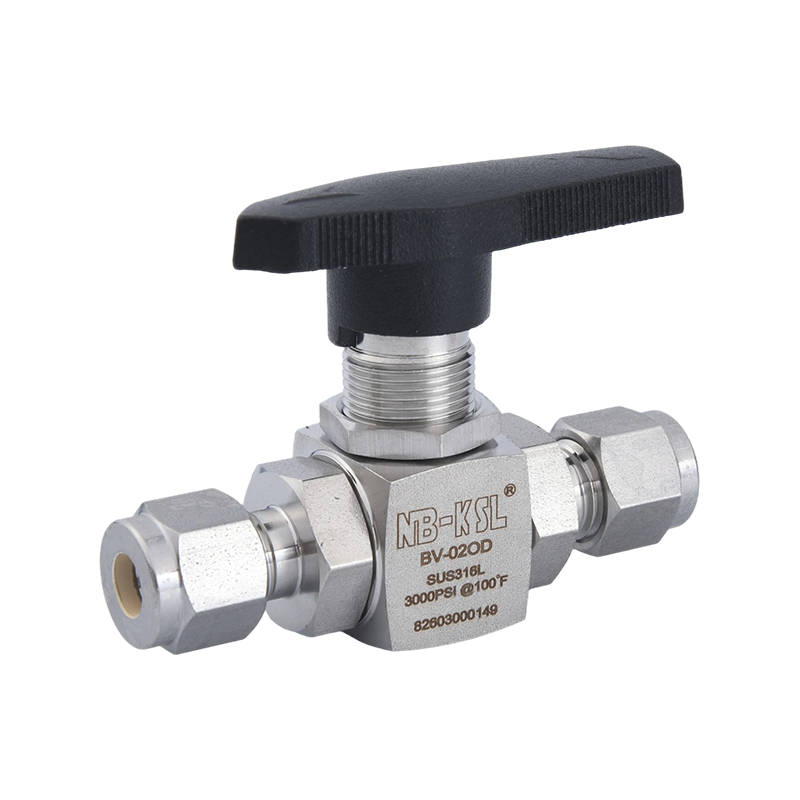
| Ball valves | 304, 316L, CF8M, duplex | Water, chemicals, cleaning agents, brine |
| Gate and globe valves | CF8, CF8M, duplex | Process isolation, steam and condensate |
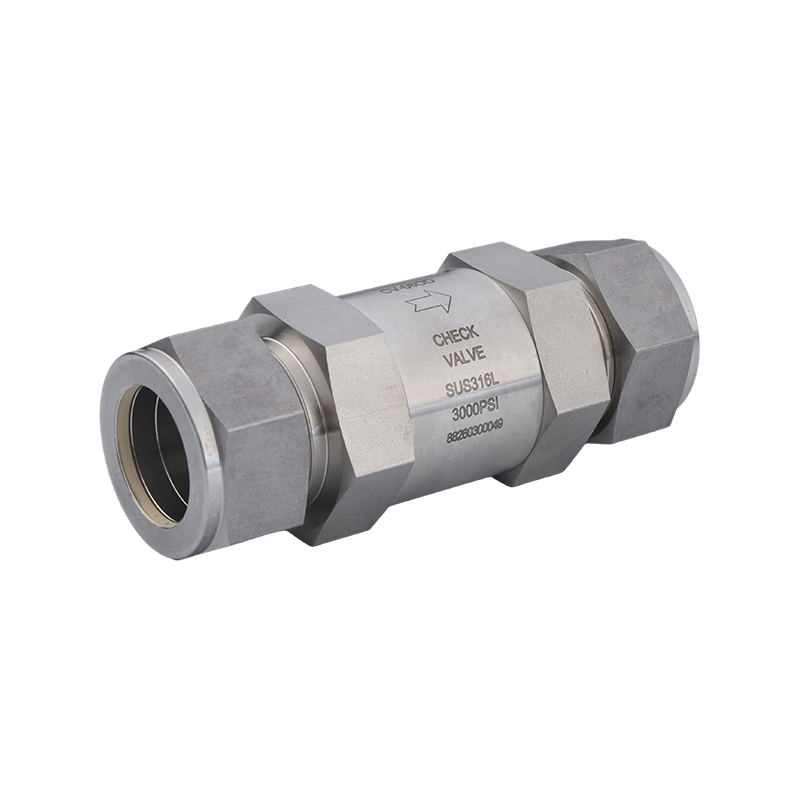
| Check valves | CF8, CF8M, duplex | Pump discharge, dosing lines |
| Butterfly valves | CF8M, duplex, PTFE-lined options | Cooling water, wastewater, mild acids |
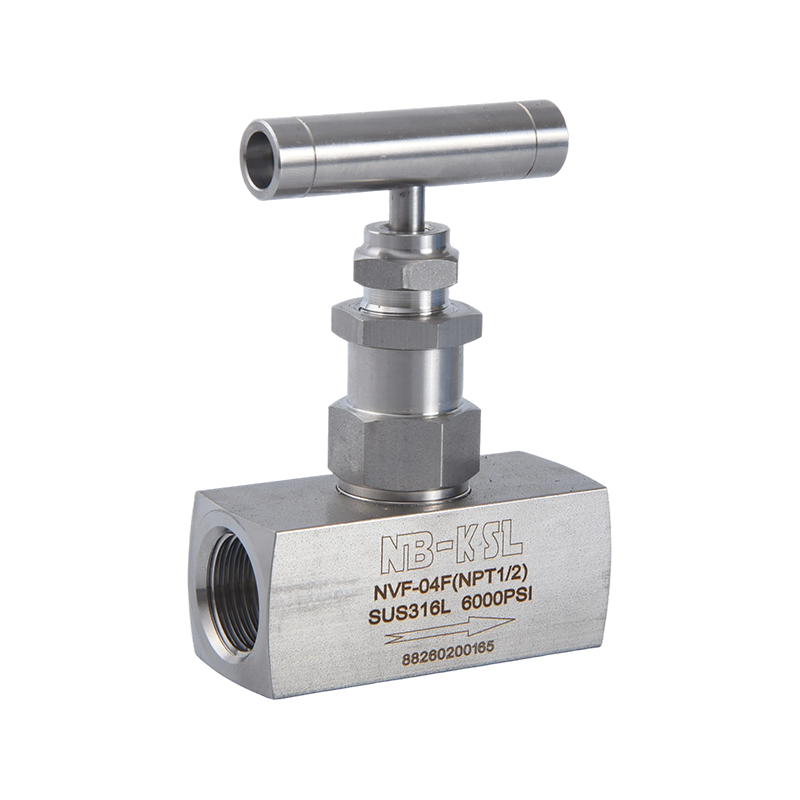
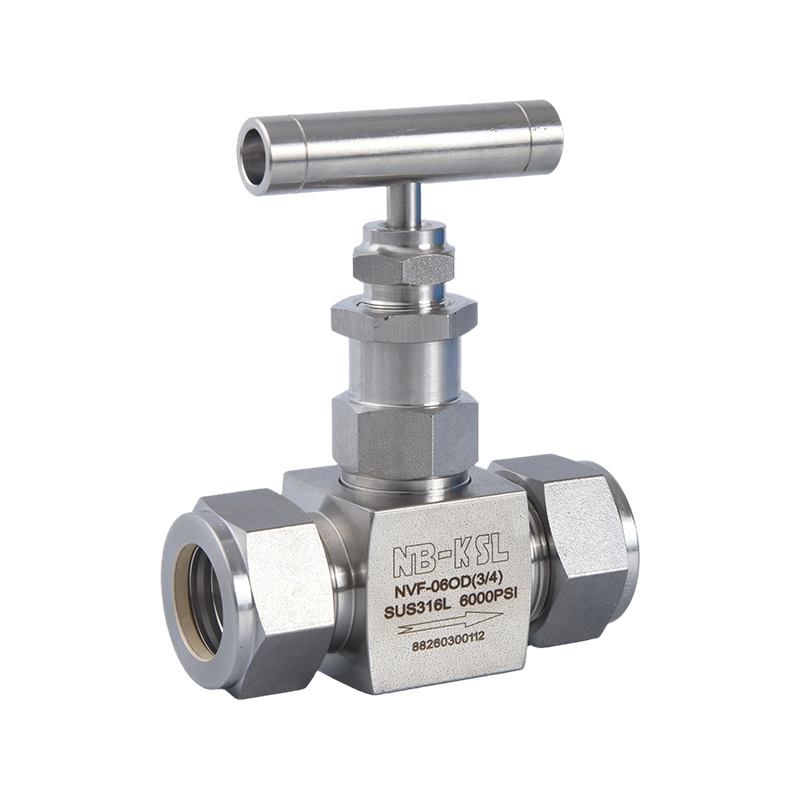
| Needle and instrument valves | 316L, duplex | Sampling and instrumentation lines |
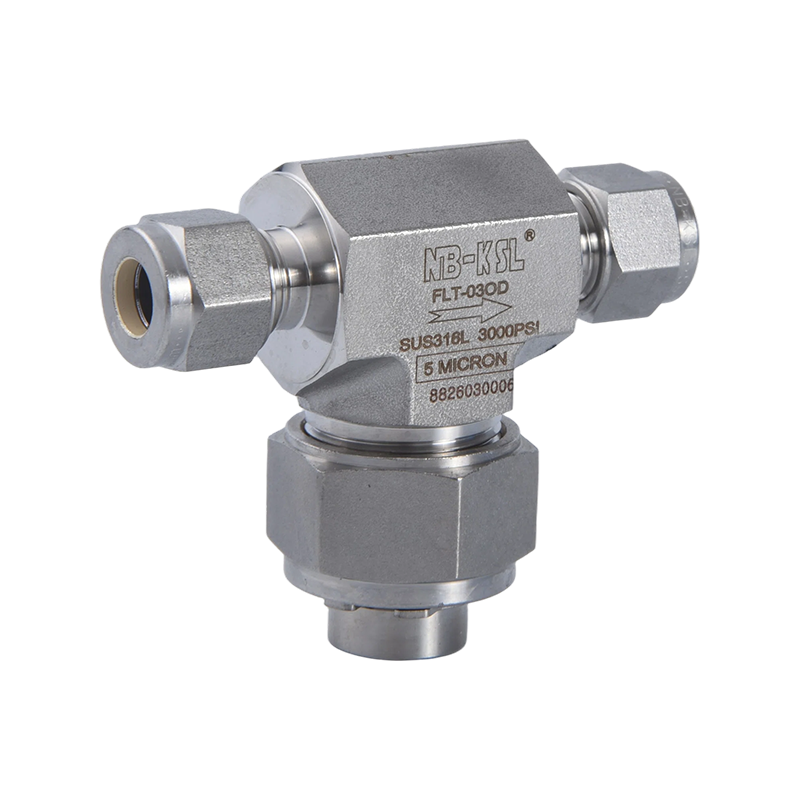
| Strainers | 304, 316L, duplex | Pump and equipment protection |
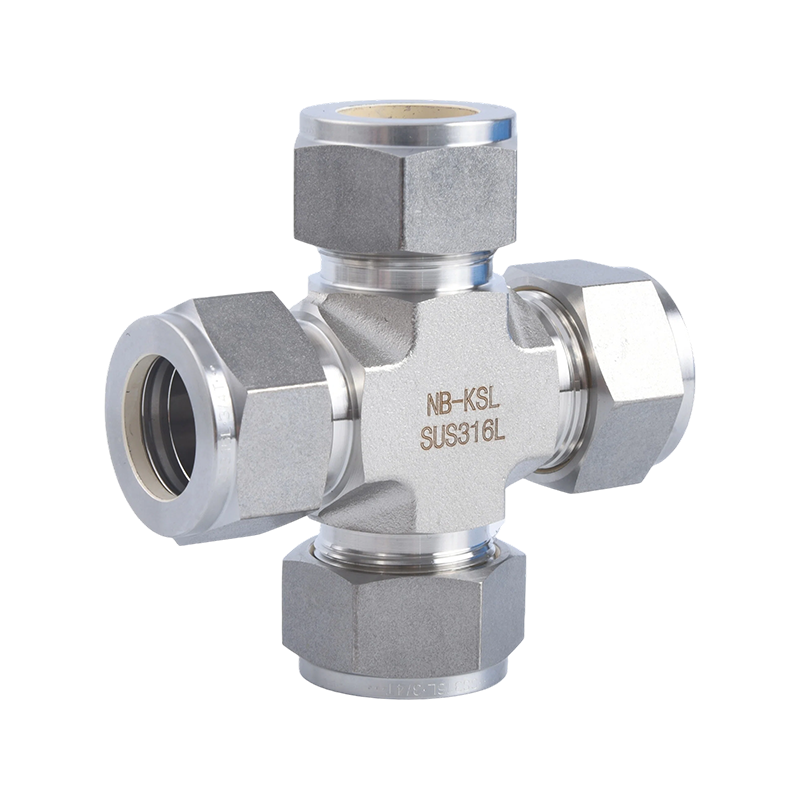
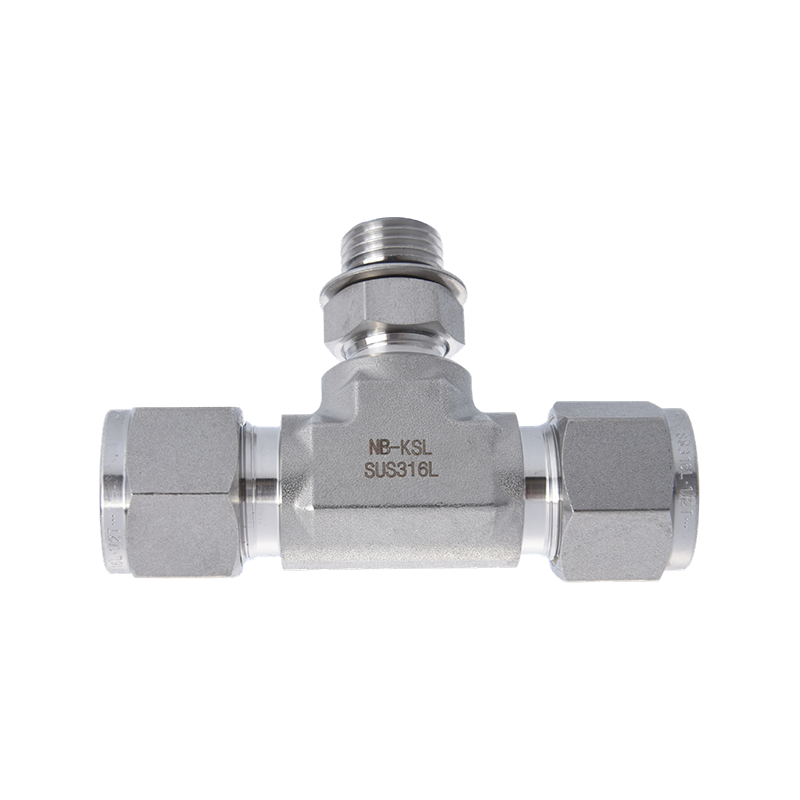
| Fittings and unions | 304, 316L | Threaded and welded pipework |
| Actuated valves | 316L and duplex with sealed actuators | Remote dosing, chemical transfer |
Why a matched supply reduces risk
- Consistent grade: one supplier, one specification, one set of certificates
- Galvanic control: matching trim and body reduces electrochemical attack
- Easier audits: documents and markings follow the same format
- Faster delivery: one consolidated shipment instead of several partial ones
If your drawing lists special items such as lined valves or high-nickel alloys, we will review them with our partner suppliers and give you a clear answer on feasibility, price and lead time.
Buyer tip: when you send a bill of materials, add a column for the medium and temperature of each line. It takes a few minutes, and it lets us propose different grades for different lines, so the budget goes where corrosion risk is highest and not into every line equally.
Standards Behind Corrosion Resistant Valve Selection
Corrosion performance is judged by material standards and by recognised test methods, in addition to normal valve design standards. The references below are those most commonly requested in inquiries for corrosion resistant service.
| Area | Standard Reference |
|---|---|
| Stainless steel castings | ASTM A351 (CF8, CF8M, CF3M), ASTM A890 / A995 (duplex) |
| Forged and bar material | ASTM A182, ASTM A276, ASTM A479 |
| Intergranular corrosion test | ASTM A262 Practices A, B, C and E |
| Pitting and crevice test | ASTM G48 Methods A and B |
| Duplex phase balance test | ASTM A923 |
| Sour service materials | NACE MR0175 / ISO 15156 |
| Salt spray test | ISO 9227, ASTM B117 |
| Passivation | ASTM A967, ASTM A380 |
| Valve design and testing | ASME B16.34, ISO 17292, API 598, ISO 5208 |
Specification warning: some project documents ask for "corrosion resistant material" without naming a grade. That wording leaves too much open. We suggest naming the grade, the product form and the standard, for example A351 CF8M or A182 F316L, so that suppliers quote on the same basis and no one can substitute a cheaper alloy.
When your specification includes corrosion tests, tell us before production. Tests on finished parts must be planned with the laboratory, and results should be linked to the heat number of the valve supplied.
Reference note: test standards are revised periodically, and different laboratories may use different practices within the same standard. If your project has a corrosion acceptance limit, such as a maximum corrosion rate or no visible pitting, state the practice, the exposure time and the pass criterion in the inquiry, so results are comparable.
Certificates and Quality Records for Corrosion Service
For corrosion resistant valves, the key question for an inspector is simple: is this really the alloy it claims to be, and was it processed correctly? Our certificate pack is built to answer that question with evidence, not with general statements.
- Mill test certificate: EN 10204 3.1 for body, stem, ball and bolting, with chemical composition and mechanical properties.
- PMI report: alloy verification for chromium, nickel and molybdenum on incoming and finished parts.
- Heat treatment record: solution annealing temperature and quench method for castings and forgings.
- Intergranular corrosion test report: ASTM A262 test on sample material, when specified.
- Pitting test report: ASTM G48 test on sample material, for duplex and super duplex.
- Passivation certificate: acid treatment per ASTM A967 and the result of the follow-up check.
- Pressure test report: shell and seat test results for each batch.
- Quality management: production under an ISO 9001 style system.
- Third-party inspection: SGS, BV, TUV or the buyer's inspector can witness tests.
What is not automatic: corrosion tests are destructive and are performed on sample pieces, not on every valve. They cost time and money, so we run them only when the specification requires them, or when the application is critical. Please ask early so they can be built into the production plan.
We are glad to send a sample certificate set before order confirmation so your engineer can approve the format.
Practical advice: keep the certificate, the PMI report and a photo of the heat number marking together for each delivery. If a corrosion question appears two or three years later, these three items usually show immediately whether the cause was the material, the medium or the operating conditions.
Material Traceability for Corrosion Critical Parts
A wrong-grade part is the most dangerous kind of corrosion problem, because it is invisible until it fails. A 304 stem inside a 316L valve may look the same, pass a pressure test and then pit within months in a chloride medium. We therefore apply traceability not only to the body but also to the stem, ball, seat retainer and bolting.
- Source control: bar, forgings and castings are bought from approved suppliers with full mill certificates.
- Receiving inspection: each lot is checked by PMI before it enters the machining area.
- Part marking: body and bonnet carry grade and heat number; small internal parts are kept in labelled lots.
- Segregation: different grades are stored and machined in separate areas, using marked containers and tooling.
- Assembly control: the assembly sheet lists the heat number or lot of every critical part used.
- Final record: certificates are issued with reference to heat numbers on the finished valve.
| Part | Typical Risk If Wrong | Control Applied |
|---|---|---|
| Body | Overall corrosion and pressure integrity | Heat number marking and certificate |
| Ball and stem | Pitting and stress corrosion cracking | PMI of each lot |
| Seat and seal | Chemical attack, swelling | Supplier batch record |
| Bolting | Crevice corrosion at flange joints | Grade marking and certificate |
Because corrosion failures often appear after the warranty period, a traceable record is also your protection when you must investigate and defend a decision years later.
Mixed-grade warning: avoid replacing a single part with a different grade during maintenance. A 304 bolt on a 316L flange, or a carbon steel clamp on a stainless valve, can become the starting point of corrosion. We supply complete spare kits in the original grade, so replacements stay consistent.
Corrosion Testing and Verification Capability
Our test program combines routine production checks with optional corrosion tests carried out by accredited laboratories. This lets us offer corrosion data when a project demands it, while keeping routine orders efficient.
| Test | Purpose | Performed By |
|---|---|---|
| Positive material identification | Verify alloy grade of incoming and finished parts | In-house |
| Shell and seat pressure test | Verify leak tightness at 1.5 and 1.1 times rated pressure | In-house, 100% of valves |
| Passivation check | Detect free iron on the surface | In-house, per batch |
| Salt spray test | Compare surface resistance, ISO 9227 or ASTM B117 | Third-party laboratory |
| Intergranular corrosion test | ASTM A262 for sensitisation | Third-party laboratory |
| Ferric chloride pitting test | ASTM G48 for pitting and crevice resistance | Third-party laboratory |
| Hardness test | Check against NACE limits for sour service | In-house or third party |
| Seat compatibility check | Immersion test of seat and seal in your medium | On request, sample based |
An honest note on laboratory tests: accelerated tests rank materials and verify processing, but they are not exact predictions of service life. A valve that passes a salt spray test still needs the correct material for its real medium. We therefore use tests as evidence of quality, and not as a replacement for good material selection.
If you can send a small sample of your medium, we can run a simple immersion test on seat and stem materials and share photos of the results with you before you commit to a larger order.
Reading results correctly: a laboratory result applies to the sample tested, so it is important that samples come from the same heat as your valves. We label test coupons with the heat number and keep a retained piece, so that any later dispute can be checked against the original material.
Frequently Asked Questions about Corrosion Resistant Valves
Q: Does stainless steel never rust?
Stainless steel is corrosion resistant, not corrosion proof. It forms a thin protective oxide layer that can be damaged by chlorides, strong acids, iron contamination or poor cleaning. Correct grade selection and passivation keep that layer healthy.
Q: Which grade should I choose for chlorides?
316L is a common minimum for chloride exposure. For warm or stagnant seawater, higher chloride levels or crevices, duplex or super duplex is safer.
Q: What causes pitting in stainless valves?
Pitting starts at small weak points in the passive film, usually where chlorides concentrate. Low flow, deposits and crevices make it worse. A higher PREN grade and a smooth, clean surface reduce the risk.
Q: Can the seat material also corrode or fail?
Yes. PTFE resists most chemicals, but some seals swell or harden in certain media. We check the seat and seal against your medium, and not only the metal body.
Q: Do I need a special valve for acids?
It depends on type, concentration and temperature. Dilute nitric acid suits 304 and 316L, while hydrochloric acid attacks them quickly. Send us the details and we will say whether stainless is suitable or whether a higher alloy is needed.
Q: Will painting or coating a valve improve corrosion resistance?
External coatings protect against atmospheric corrosion and splash, and are common in marine use. They do not protect the internal wetted parts, which depend on the alloy.
Q: How do I know the valve material is correct?
Ask for the EN 10204 3.1 certificate and a PMI report. We provide both, and the heat number on the valve links to the certificate.
MOQ and Pricing for Corrosion Resistant Valves
Price differences between grades are significant, so we show the structure openly and help you choose the economical option that still protects your system.
| Item | Typical Terms |
|---|---|
| Sample order | 1 to 5 pieces per model for trial |
| Standard MOQ | 50 to 100 pieces per size for 304 and 316L; 20 to 50 pieces for duplex |
| Special alloys | Project basis, from 1 piece, subject to material availability |
| Pricing basis | EXW, FOB Ningbo, CFR or CIF in USD |
| Quote validity | 15 to 30 days, because nickel and molybdenum prices change |
| Payment | 30% T/T deposit, 70% before shipment; L/C at sight for approved accounts |
Rough price positioning by grade
As a general guide, 316L costs about 20 to 40% more than 304, duplex can be roughly 1.5 to 2.5 times the price of 316L, and special nickel alloys are priced on a project basis. These ratios change with the metal market and with valve size, so we always confirm numbers in the quotation.
- Use the right grade where it matters: upgrade only the lines exposed to chlorides or acids.
- Combine orders: mixed sizes in one grade help reach minimum quantities.
- Standardise: fewer sizes and connection types lower both purchase and spare costs.
- Plan testing: corrosion tests and witness inspection are priced separately.
Total cost of ownership is often lower with a better alloy, since replacement, shutdown and labour costs are far higher than the price gap of the valve itself.
Quotation approach: on request we prepare two or three alternative quotations, for instance 316L, 2205 and 2507, with a short comment on the expected service life of each. This makes internal approval easier, since your management can compare price and risk on one page rather than guess.
Lead Time, Customisation, Packaging and Trade Terms
Lead time and stock
Standard 304 and 316L valves in common sizes ship in 15 to 25 days. Duplex, forged or heavily tested orders take 40 to 70 days, and special alloy projects depend on material supply. We will give a delivery plan with the quotation, and we report progress when milestones are reached.
Customisation
We can customise material grade, seat and seal, packing, stem extension, lockable devices, marking, surface finish and actuator interface. If your medium requires a special seal, we can source and test it before bulk production.
Packaging
- Individual protection of polished and machined surfaces
- End caps on threaded, flanged and weld ends
- Rust-free packing materials, avoiding contact between stainless steel and carbon steel
- Plywood cases for heavy or high-value valves
- Moisture protection for long sea freight
Shipping and trade terms
| Term | Details |
|---|---|
| Incoterms | EXW, FOB Ningbo, CFR, CIF, DAP |
| Port | Ningbo-Zhoushan; Shanghai as an alternative |
| Transport | Sea freight, air freight for urgent items, express courier for samples |
| Documents | Invoice, packing list, bill of lading, origin certificate, material and test certificates |
We can consolidate different grades from our factory into one shipment, with clear colour or label coding so your warehouse never mixes them up.
Project support: for large corrosion resistant orders, we can send a production schedule with milestones, including material arrival, machining, passivation, testing and loading. Photos are provided at each stage, so your project manager can follow progress without spending time on repeated emails.