

 English
 中文简体


Indicative Compatibility of Stainless Steel with Common Chemicals
| Chemical | 304 / CF8 | 316L / CF8M | Comment |
|---|---|---|---|
| Nitric acid (up to about 65%) | Good at moderate temperature | Good | Stainless steel is the standard choice; hot concentrated acid needs special grades |
| Phosphoric acid | Fair | Good | 316L preferred; impurities such as chlorides and fluorides increase attack |
| Acetic acid | Fair to good | Good | 316L preferred for hot and concentrated acid |
| Sulphuric acid | Poor except cold concentrated | Limited; poor in intermediate strengths and when hot | Often needs alloy 20, high-nickel alloys or lined valves |
| Hydrochloric acid | Not suitable | Not suitable | Use lined or nickel alloy valves |
| Sodium hydroxide (caustic) | Good at moderate concentration and temperature | Good | Hot concentrated caustic may cause stress corrosion cracking |
| Ammonia, amines | Good | Good | Check for chloride contamination |
| Alcohols, ketones, most solvents | Good | Good | Seat compatibility is the main issue |
| Chlorides, brine, seawater | Limited | Fair to good; duplex better | Pitting and crevice corrosion risk rises with temperature |
| Sodium hypochlorite, wet chlorine | Poor | Poor to limited | Use titanium, lined or plastic valves |
These are indicative figures only. Concentration, temperature, impurities, aeration and velocity all change corrosion behaviour, and a small amount of chloride or fluoride can turn a harmless acid into an aggressive one. Always confirm with your process engineer, and with our team, before ordering. If in doubt, a small coupon test in the actual medium is the safest check.
| Parameter | Typical Specification |
|---|---|
| Body material | CF8, CF8M, CF3M, F304, F316L, duplex |
| Ball, disc and stem | 316, duplex or 17-4PH, polished |
| Seat | PTFE, RPTFE, PFA, TFM for chemicals; FKM, EPDM for selected media; metal seat for heat and abrasion |
| Stem seal | PTFE packing, V-ring, graphite, live-loaded, bellows on request |
| Size range | 1/4 inch to 12 inch for ball valves; DN40 to DN600 for butterfly valves |
| Pressure rating | 1000 WOG, PN16, PN40, Class 150, Class 300 |
| Working temperature | -20 °C to +200 °C, depending on seat and chemical |
| Connections | Flanged, threaded, weld, grooved, tri-clamp |
Valve Range for Chemical Plants
A chemical plant uses every kind of valve, from small instrument valves to large process isolation valves. We supply the main types in stainless steel, with matching strainers, fittings and accessories, so a project can be ordered from one source with consistent materials and documents.
| Product | Size Range | Typical Use |
|---|---|---|
| Flanged ball valves with PTFE or RPTFE seats | 1/2 inch to 12 inch | Process isolation of acids, alkalis, solvents |
| Threaded and socket weld ball valves | 1/4 inch to 4 inch | Utility, dosing and instrument lines |
| Butterfly valves with PTFE liner or seat | DN40 to DN600 | Large lines, cooling water, mild chemicals |
| Plug valves with PTFE sleeve | 1/2 inch to 8 inch | Sticky, crystallising or abrasive media |
| Gate and globe valves, bolted bonnet | 1/2 inch to 24 inch | Steam, hot oil, heat transfer fluids |
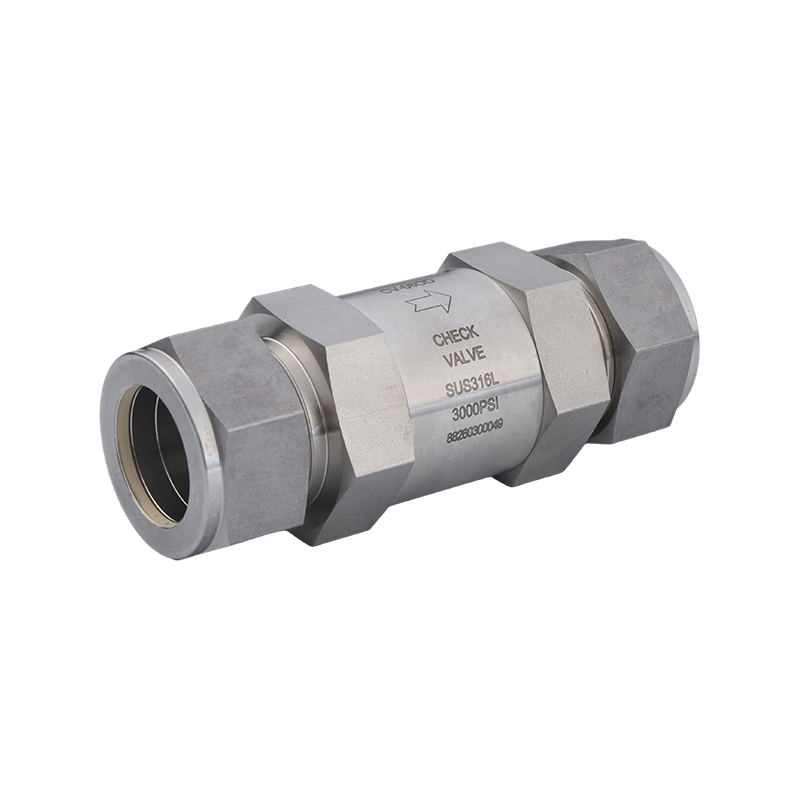
| Check valves | 1/4 inch to 24 inch | Dosing pumps, transfer lines |
| Y-strainers and basket strainers | 1/2 inch to 12 inch | Protection of pumps and instruments |
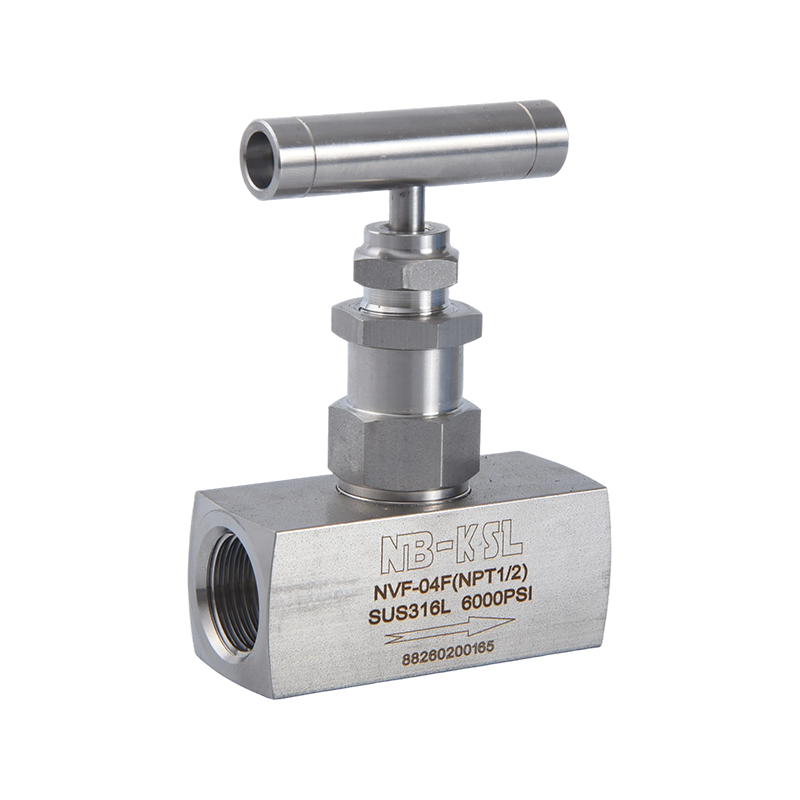
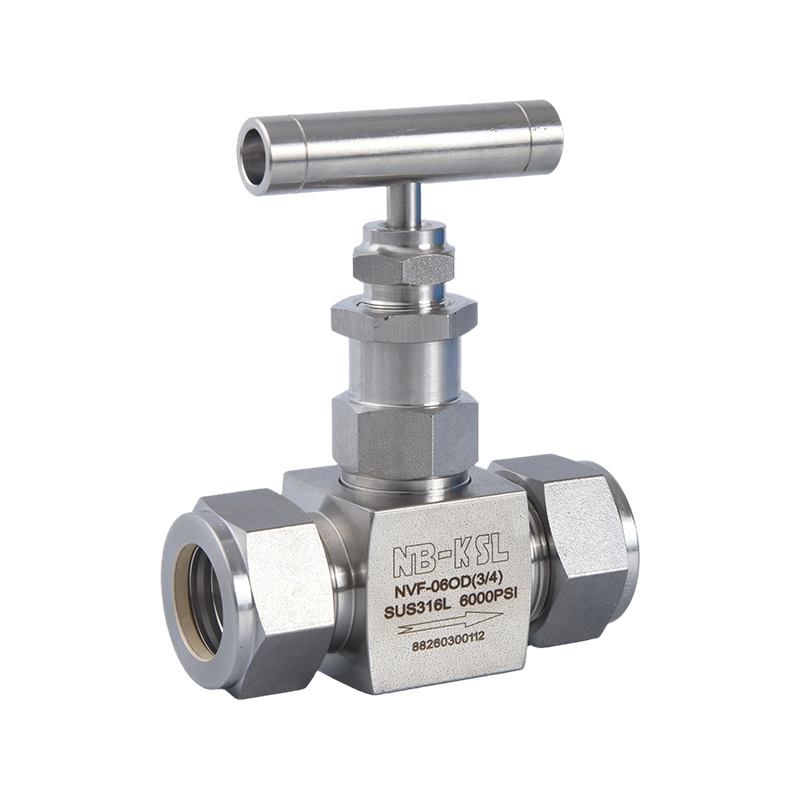
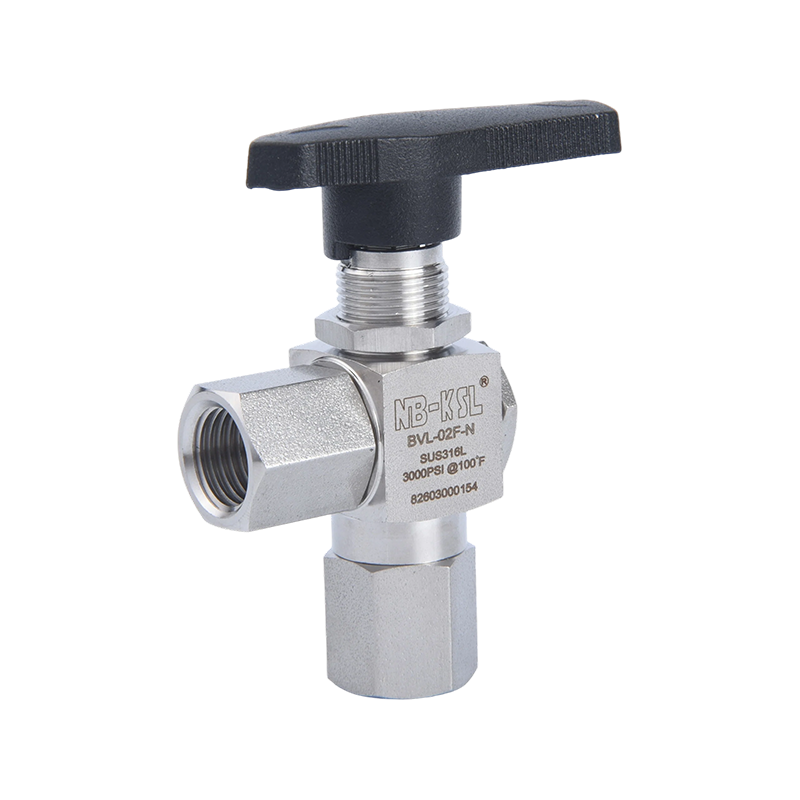
| Needle valves and instrument manifolds | 1/8 inch to 1 inch | Sampling and gauges |
| Actuated valve packages | Matched to valve | Remote and automated process control |
Typical chemical industry applications
- Specialty and fine chemicals: batch reactors, solvent transfer, intermediates.
- Petrochemicals and polymers: monomer and additive lines, heat transfer systems.
- Fertilisers and agrochemicals: ammonia, urea, nitric acid, phosphoric acid streams.
- Paints, coatings and adhesives: solvent and resin lines, with tight shutoff and easy cleaning.
- Water treatment chemicals: dosing of acid, caustic, coagulants and disinfectants.
Send us the process medium list, with concentration, temperature and cleaning agents. We will mark the recommended material and seat for each line, and highlight lines where stainless steel is not advisable.
Standards and Codes for Chemical Process Valves
Chemical plants are designed under process piping codes and operate under safety and environmental rules. These documents set requirements for materials, testing, emissions and handling of hazardous fluids. The references below are those most often used when specifying valves.
| Area | Standard or Code |
|---|---|
| Process piping code | ASME B31.3 (including fluid service categories Normal, Category M for toxic fluids, Category D, High Pressure) |
| Valve design | ISO 17292, API 608, API 600, API 602, API 609, EN 593 |
| Pressure-temperature ratings | ASME B16.34, EN 12516 |
| Testing | API 598, ISO 5208, EN 12266-1 |
| Fugitive emissions | ISO 15848-1, API 624, API 641, TA-Luft practice |
| Fire safe design | API 607, ISO 10497 |
| Explosive atmospheres | ATEX Directive 2014/34/EU, IEC 60079 (for actuators and electrical parts) |
| Material standards | ASTM A351, A182, A890 / A995, EN 10088 |
| Corrosion testing | ASTM G48, A262, A923 |
| Chlorine service | The Chlorine Institute recommendations, project specific |
| Static electricity | API 608 and ISO 7121 anti-static requirement |
Fluid service categories change the rules. Under ASME B31.3, toxic fluids in Category M and very high-pressure services have stricter requirements for materials, valve design and testing. Please tell us the fluid service category of each line, so that we can confirm which valves can be used.
For very toxic or carcinogenic fluids, many plants require bellows seals or low-emission designs with proven test results. We discuss these options early, since they change valve type and lead time.
Reference note: process safety rules differ by country and by company, and many chemical producers apply their own valve specifications on top of public standards. Send us the specification with your inquiry. We will go through it line by line, and tell you which parts we meet, which need extra work, and which we cannot meet.
Documents for Chemical Plant Projects
Chemical plant projects are run by engineering contractors who manage thousands of items and expect each valve to arrive with proper paperwork. A missing certificate can hold up a whole line, and a wrong one can lead to a rejected delivery. We prepare complete packages that match the project's document list.
- Material certificates: EN 10204 3.1 for body, ball or disc, stem and bolting, with chemical composition and heat numbers.
- Seat and seal documents: resin and compound certificates for PTFE, RPTFE, PFA, FKM and EPDM, with batch numbers.
- Pressure test report: shell and seat tests per API 598 or EN 12266-1.
- Fugitive emission report: ISO 15848-1 or API 624, for selected designs.
- Fire safe report: API 607 or ISO 10497, for selected designs.
- PMI and corrosion test reports: alloy verification, ASTM A262, G48 or A923 on request.
- Chemical compatibility statement: our recommendation of materials, with the data sources and assumptions used.
- ATEX documents for actuators: from the actuator maker, where required.
- Quality management: ISO 9001 style system and batch records.
- Third-party inspection: SGS, BV, TUV, DNV or the buyer's inspector can witness tests.
Process responsibility remains with the user. We give recommendations based on available data, but the final decision about material suitability belongs to the process designer, who knows the full conditions, including upsets, cleaning cycles and impurities. We encourage coupon tests for new or unusual media.
Sample document sets can be sent before order confirmation.
Audit tip: keep the material certificate, seat compound certificate and test report together for each valve lot, and add the compatibility statement used for the selection. If an incident or audit questions why a valve was chosen, this file shows the data on which the decision was based and the checks done before delivery.
Traceability for Hazardous Service
For hazardous chemicals, a failed valve is not a maintenance matter but a safety event. Investigators will ask which material was used, which seat batch was fitted and how the valve was tested. Our traceability records make it possible to answer these questions without delay.
- Hard marking: body carries heat number, grade, size, rating and manufacturer mark.
- Material receiving: mill certificates and PMI checks, with chemistry verification for critical grades such as 316L and duplex.
- Seat and seal batches: resin or compound supplier, lot number and certificate recorded for each valve lot.
- Stem seal records: packing type, supplier batch and preload settings recorded for low emission valves.
- Cleaning and special handling: degreasing for oxygen or chlorine service recorded, with sealed packing where required.
- Test records: pressure and leak tests linked to serial numbers.
| Item | Record | Purpose |
|---|---|---|
| Body and trim | Heat number, certificate, PMI | Proof of grade |
| Seat and seal | Supplier lot, certificate | Chemical resistance and compliance |
| Stem packing | Type, batch, preload | Emission control |
| Cleaning | Method and date | Safe service with sensitive media |
| Valve | Serial number, test reports | Evidence of leak tightness |
Records are kept for many years, and can be reissued when plants audit equipment or investigate an incident.
Why packing records matter: stem packing is the main source of leakage in chemical service, and it depends on type, preload and fitting method. By recording these items for each valve, we can explain performance in service, repeat a good result on later orders, and check quickly whether a leaking valve left the factory in the correct state.
Testing Capability for Chemical Duty
Beyond standard pressure tests, chemical processing needs tests that reflect the medium and the risk. We combine routine production tests with optional chemical and emission tests, many of them done with partner laboratories.
| Test | Method | Frequency |
|---|---|---|
| Shell and seat test | Hydrostatic and air tests per API 598 or EN 12266-1 | 100% of valves |
| Helium leak test | Detector with specified rate for toxic or high-value media | On request |
| Stem emission test | ISO 15848-1 or API 624 type test, ISO 15848-2 production sampling | Type test on selected designs |
| PMI | XRF analyser for body, ball, stem and bolting | Incoming and sampling |
| Corrosion tests | ASTM A262 for sensitisation, G48 for pitting, A923 for duplex | On request, third party |
| Seat immersion test | Sample seat immersed in customer's chemical, change in weight, hardness and dimension | On request |
| Coupon test | Metal coupons exposed to customer's medium, corrosion rate measured | On request, third party |
| Torque test | Operating torque at rated pressure | Sampling, 100% for actuated valves |
| Cycle test | Repeated operation, then leakage check | Type test |
Seat swelling shows up slowly. A PTFE-family seat is resistant to almost all chemicals, but filled grades, elastomers and plastics may swell, soften or harden in specific media, and the effect appears over days or weeks. An immersion test with the actual chemical, at the actual temperature, is the most reliable way to catch this before the valve is installed.
Customers are welcome to witness testing, and we can share photos and videos of the tests.
Reading the immersion result: a seat that changes weight by only a small fraction of a percent, with no noticeable change in hardness or size, is normally considered stable in the test medium. A large change signals swelling or attack, and a different seat grade should be chosen before the valves are installed on the plant.
Frequently Asked Questions about Chemical Processing Valves
Q: Which stainless steel grade is best for chemicals?
316L is the usual choice, because molybdenum improves resistance to many acids and chlorides. 304 is acceptable for nitric acid and many neutral chemicals. Duplex helps with chlorides and stress corrosion.
Q: Can stainless steel valves handle hydrochloric acid?
No. Hydrochloric acid attacks stainless steels rapidly, even at low concentration. Use lined valves, plastic valves or nickel alloys, depending on concentration and temperature.
Q: What seat is best for aggressive chemicals?
PTFE, TFM and PFA resist most chemicals. Filled grades improve strength but have specific chemical limits. We recommend a seat after reviewing the chemical and temperature.
Q: What is a Category M fluid?
In ASME B31.3, Category M covers fluids so toxic that a single exposure could cause serious harm. It has stricter requirements for piping and valves. The classification is the owner's responsibility.
Q: Do I need bellows seals?
For very toxic, carcinogenic or very expensive fluids, bellows seals give near-zero stem emission. For many other fluids, live-loaded packing with tested low emission performance is enough.
Q: Can you supply valves for chlorine?
Wet chlorine and hypochlorite attack stainless steel. Dry chlorine can be handled by suitable designs under strict rules. Please send details, and we will say honestly whether we can supply.
Q: How do I know the valve is suitable for my chemical?
Use compatibility charts as a first filter, confirm with your process engineer, and for new or mixed media run a coupon or seat immersion test. We can help organise it.
MOQ and Pricing for Chemical Processing Valves
Chemical plant orders include small spares for maintenance and large packages for new plants. We accept both, and we price special materials and tests separately so that the cost of each requirement is visible.
| Item | Typical Terms |
|---|---|
| Sample order | 1 to 5 pieces per model |
| Standard MOQ | 20 to 50 pieces per size; project orders from 1 piece |
| Duplex and special seats | From 1 piece for larger sizes, subject to material availability |
| Seat immersion and coupon tests | Charged at cost, with laboratory fees |
| Pricing basis | EXW, FOB Ningbo, CFR or CIF in USD |
| Quote validity | 30 days, adjusted for stainless steel and nickel price changes |
| Payment | 30% T/T deposit, 70% before shipment; L/C at sight for approved accounts |
What affects the price
- Body material: 316L costs more than 304, and duplex costs more than 316L.
- Seat material: TFM, PFA and PEEK cost more than virgin PTFE.
- Stem seal: live-loaded and bellows seals add cost, but reduce emissions.
- Safety features: fire safe, anti-static and lockable features add parts and testing.
- Documentation: extended certificates and witness inspection are extra.
Right-size the specification. A water line in a chemical plant does not need the same valve as a toxic solvent line. Dividing the plant by hazard and chemistry lets you put the expensive features where they matter, and use standard valves elsewhere, which can reduce the total project cost.
Ordering advice: send a table of lines with chemical, concentration, temperature, pressure, size and fluid service category. This single sheet allows us to propose body material, seat and stem seal for every line, point out risks early, and prepare one quotation that your engineers and buyers can review together.
Lead Time, Customisation, Packaging and Trade Terms
Lead time and stock
Standard stainless steel valves with PTFE or RPTFE seats ship in 15 to 30 days. Duplex valves, special seats, low emission designs and orders with extended tests need 35 to 70 days. Urgent maintenance orders can sometimes be filled from semi-finished stock, if you tell us the deadline.
Customisation
We can customise body and trim material, seat grade, stem seal type, cavity relief, vent and drain ports, cleaning level, handle, actuator, marking and documents. For unusual chemicals, we can run immersion tests and tune the design before volume production.
Packaging
- Valves packed with ball or disc in the open or half-open position, to protect seats
- End covers on flanges, threads and weld ends
- Cleaned and sealed bags for sensitive media
- Cartons with dividers, wooden cases for heavy valves
- Labels with size, class, material, seat and lot, plus hazard marking if specified
Shipping and trade terms
| Term | Details |
|---|---|
| Incoterms | EXW, FOB Ningbo, CFR, CIF, DAP |
| Port | Ningbo-Zhoushan; Shanghai as an alternative |
| Transport | Sea freight, air freight for urgent items, express courier for samples |
| Documents | Invoice, packing list, bill of lading, origin certificate, material and test certificates |
We can consolidate chemical plant valves with strainers, fittings and spare seat kits in one shipment, which makes receiving and storage at the plant more efficient.
Handling advice: before installation, check that the valve data match the line list, flush the pipe of welding debris, and operate the valve once by hand. During commissioning, check stem seals for leakage with the real fluid at working pressure, and tighten glands evenly only as the manual advises.