

 English
 中文简体
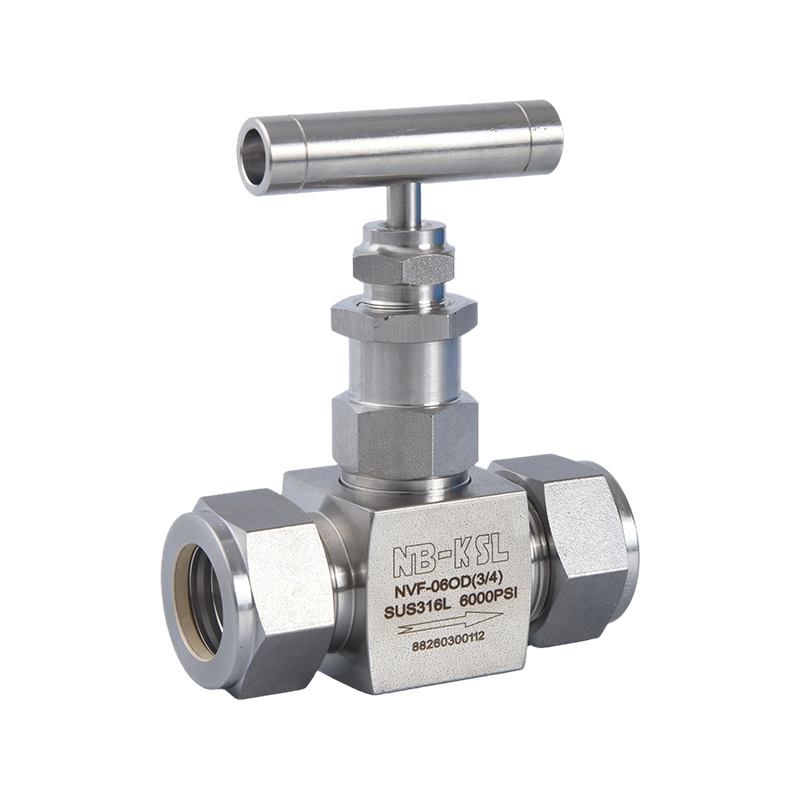


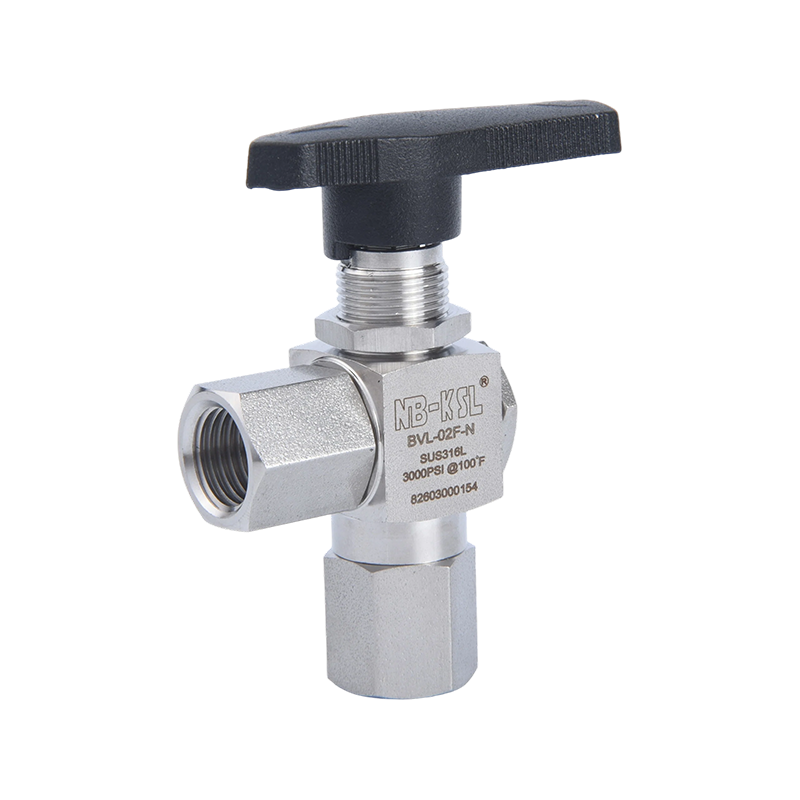
How a Blow-Out Proof Stem Works
| Feature | Blow-Out Proof Design | Non-Proof Design (Top Entry) |
|---|---|---|
| Stem insertion | From inside the body, before the ball is fitted | From outside, through the packing bore |
| Stem retention | Shoulder on the stem sits against a seat in the body; pressure holds it in | Held by a nut, a retainer ring or the gland |
| If gland is removed under pressure | Stem stays in the valve | Stem can be pushed out by pressure |
| Stem seal | Packing or O-rings around the stem, adjustable by a gland nut | Same, but the gland also holds the stem |
| Thrust support | Thrust washer between shoulder and body, usually PTFE or RPTFE | Often none, or a simple washer |
| Standards | Required by ISO 17292, API 608, API 6D | Not accepted by these standards |
Typical valve parameters
| Parameter | Typical Specification |
|---|---|
| Stem material | 316 stainless steel standard; 304 or 17-4PH on request |
| Stem shoulder | Machined as one piece with the stem, designed for pressure load with safety factor |
| Thrust washer | PTFE, RPTFE or PEEK |
| Stem seal | PTFE packing with adjustable gland nut; PTFE V-rings, graphite packing or O-rings as options |
| Anti-static | Spring or pin connecting stem, ball and body, where specified |
| Stem surface finish | Polished, typically Ra 0.4 µm or better, for sealing |
| Pressure rating | 1000 WOG, PN16, PN40, Class 150, Class 300 and higher |
| Valve types | Ball valves 1/4 inch to 12 inch, needle valves, plug valves |
| Body material | CF8, CF8M, CF3M (A351); F304, F316L (A182) |
The geometry is simple, but the details matter. The shoulder must be large enough to resist the pressure force, which grows with the square of stem diameter. The thrust washer must carry the load without extruding. The stem must still turn smoothly, so that operation torque is not increased. We design these elements together.
The force can be surprising: at 100 bar, a stem of 12 mm diameter experiences a push of more than 1100 newtons, about the weight of 110 kilograms. A loose nut cannot hold that. A shoulder against the body can.
Blow-Out Proof Valve Range and Related Safety Features
A blow-out proof stem is only one of several safety features in a good valve. We combine it with others according to the application, so the buyer receives a design that is safe in several ways and not only in one.
| Product | Size Range | Safety Features |
|---|---|---|
| 2-piece ball valve | 1/4 inch to 4 inch | Blow-out proof stem, anti-static, lockable handle |
| 3-piece ball valve | 1/4 inch to 4 inch | Blow-out proof stem, adjustable gland, anti-static |
| 1-piece ball valve | 1/4 inch to 2 inch | Blow-out proof stem, compact body |
| Flanged ball valve | 1/2 inch to 12 inch | Blow-out proof stem, fire safe and anti-static options |
| Trunnion ball valve | 2 inch to 12 inch | Blow-out proof stem, double block and bleed option |
| Needle valve | 1/8 inch to 1 inch | Back-seated stem, blow-out proof design |
| Plug valve | 1/2 inch to 8 inch | Retained stem, sleeve or lubricated types |
| High-pressure ball valve | 1/4 inch to 2 inch | Blow-out proof stem, 3000 to 6000 psi |
Related safety features
- Anti-static device: keeps stem, ball and body at the same electrical potential, to avoid sparks.
- Fire safe design: secondary seat and graphite seals for use with flammable fluids.
- Lockable handle: prevents accidental or unauthorised operation.
- Body cavity relief: prevents trapped fluid from building dangerous pressure.
- Live-loaded packing: reduces emissions and keeps the stem seal tight.
If you have an existing valve with an unsafe stem design, replacing it with a blow-out proof valve of the same size and end connection is usually simple. We can help identify a suitable replacement.
Standards That Require Blow-Out Proof Stems
The idea of a blow-out proof stem appears in several major valve standards. It is not a marketing feature, but a requirement for valves that conform to those standards. Knowing where it is required helps you write a specification that rules out unsafe designs.
| Standard | Requirement |
|---|---|
| ISO 17292 (Metal ball valves for petroleum and process industries) | Stem must be designed so it cannot be ejected from the valve while the valve is pressurised, when the gland is removed |
| API 608 (Metal ball valves, flanged, threaded and welding ends) | Blow-out proof stem required, with stem retention independent of the gland |
| API 6D (Pipeline valves) | Blow-out proof stem required |
| ASME B16.34 (Valves, flanged, threaded and welding end) | Stem retention design requirements for pressure-containing parts |
| MSS SP-110 (Ball valves, threaded, socket weld, solder joint, grooved and flared ends) | Stem retention as part of design requirements |
| API 602 (Compact steel gate valves) | Back seat and stem retention requirements |
| API 599 (Plug valves) | Stem retention requirements |
| Testing standards | API 598, ISO 5208 for pressure testing |
Read the specification carefully. Many purchase specifications simply say "ball valve, 1000 WOG, 316", and do not mention the stem. Suppliers offering a very low price may use a top-entry stem to cut cost. Adding "blow-out proof stem per ISO 17292 or API 608" to the specification stops this.
If you buy through distributors, ask them to confirm the stem design in writing, and ask for a drawing or a photo of the cross-section.
Documents That Show the Stem Design
A blow-out proof stem is an internal feature, so a buyer cannot see it from the outside. The only way to know is by drawing, by documentation or by taking a valve apart. We therefore provide documents that show the design clearly.
- Cross-section drawing: showing the stem shoulder, thrust washer, body seat for the shoulder and packing arrangement, with part numbers.
- Design statement: declaring that the stem is blow-out proof, according to the named standard.
- Stem retention test report: showing the result of a test with gland removed under pressure, for type-tested designs.
- Material certificate: EN 10204 3.1 for stem, body and ball.
- Pressure test report: shell and seat tests per API 598 or EN 12266-1.
- Stem torque test report: showing the stem withstands torque greater than the maximum operating torque, with safety factor.
- Quality management: ISO 9001 style system and batch records.
- Third-party inspection: SGS, BV, TUV or the buyer's inspector can witness stem checks on sample valves.
Disassembly check. The most direct proof is to open a sample valve, remove the stem and see how it is held. We are glad to open a sample valve for your inspector, or to send a cut-away sample or a video of disassembly.
Sample drawings and design statements can be sent before the order is confirmed.
Audit tip: add the cross-section drawing and the design statement to your project safety file for each valve type. If a safety audit asks how stem ejection risk was controlled, you can show the design and the standard it follows, instead of relying on a supplier brochure that may not be specific.
Traceability for Stems and Retaining Parts
The stem and its shoulder carry the pressure load, so they are safety-critical parts. A defect in the stem material, or a stem shoulder that is too thin, defeats the purpose of the design. We therefore apply traceability and dimensional control to the stem, the thrust washer and the body seat that supports the shoulder.
- Stem material: bar is received with certificates, heat numbers recorded and PMI checked.
- Stem machining: stem diameter, shoulder diameter and thickness are measured on sampled parts in each lot.
- Thrust washer material: PTFE, RPTFE or PEEK batch is recorded with supplier certificates.
- Body seat for the shoulder: bore and seat dimensions checked on sampled bodies.
- Assembly: assembly sheet lists stem lot, washer lot and body heat number.
- Marking: valves carry the manufacturer mark, size, rating and, where specified, a note such as BOP stem on the nameplate or carton.
| Part | What Is Controlled | Why It Matters |
|---|---|---|
| Stem | Material, shoulder size, surface finish | Strength and sealing |
| Thrust washer | Material and thickness | Load carrying and smooth turning |
| Body seat for shoulder | Dimension and finish | Retention of stem |
| Packing and gland | Material and fit | Stem sealing |
| Valve | Serial number and test report | Link to records |
If a customer reports an issue with a stem, these records let us check the original dimensions and material, and find the cause without guessing.
Why dimensions matter: a stem shoulder that is a fraction of a millimetre too thin, or a body seat cut too shallow, reduces the holding strength. We measure these features on sampled parts in every lot, and keep the data, so the strength margin of the design is not an assumption but a recorded fact.
Testing the Stem and Its Retention
We test blow-out proof stems in three ways: we check the dimensions of the stem and its seat, we check the strength of the stem under torque, and on type test samples, we check retention under pressure with the gland removed. Routine pressure tests then confirm that the valve holds pressure in normal use.
| Test | Method | Frequency |
|---|---|---|
| Stem dimension inspection | Micrometer and gauge on stem diameter, shoulder and length | First article and sampling |
| Body seat inspection | Bore gauge on the seat for the stem shoulder | First article and sampling |
| Stem torque test | Torque applied to the stem to a multiple of maximum operating torque, checked for permanent twist | Type test and sampling |
| Stem retention test | Gland and packing removed, valve pressurised to rated or test pressure, check that stem remains in place | Type test on sample of each design |
| Shell test | Hydrostatic at 1.5 x rating | 100% of valves |
| Seat test | Hydrostatic at 1.1 x rating and low-pressure air test | 100% of valves |
| Stem seal leak test | Visual check and, where required, helium test at the stem | 100% visual, helium on request |
| Cycle test | Repeated operation, checking torque and stem seal | Type test |
Safety of the retention test. Testing stem retention is itself a hazardous operation, because a failure would eject the stem. Our test is performed in a protected cell, with the valve secured and barriers in place, and with a limited test pressure. We do not run this test on production valves, only on type samples.
Customers can ask to see test records or video, and can attend a type test with advance notice.
Frequently Asked Questions about Blow-Out Proof Stem Valves
Q: What is a blow-out proof stem?
It is a stem designed so that internal pressure cannot push it out of the valve, even if the packing gland and handle are removed. It is held by a shoulder against the inside of the body.
Q: How can I tell if a valve has one?
From the outside you cannot. Look at the cross-section drawing, ask for a design statement, or open a sample valve. The stem should be inserted from inside the body and have a shoulder larger than the stem bore.
Q: Do all ball valves have blow-out proof stems?
No. Some low-cost valves use a top-entry stem held by a nut. Valves that conform to ISO 17292, API 608 or API 6D must have a blow-out proof stem.
Q: Is a blow-out proof stem more expensive?
The cost difference is small compared with the total valve. It needs a body machined to receive the stem from inside, and a shoulder on the stem, but it saves risk of serious injury.
Q: Can I tighten the gland while the valve is under pressure?
It is not recommended. Tighten the gland only when the valve is depressurised, or follow the safe practice of your site. A blow-out proof stem reduces the risk, but does not make the work free of other hazards.
Q: Does a blow-out proof stem prevent stem leakage?
No. It prevents ejection of the stem, but leakage along the stem is controlled by the packing or seals. For low leakage, choose live-loaded packing or a low emission design.
Q: Is it suitable for steam and gas?
Yes, with suitable seat and packing materials. Steam needs graphite packing and metal or PEEK seats at higher temperature, and gas needs a good stem seal and anti-static design.
MOQ and Pricing for Blow-Out Proof Valves
Blow-out proof design is standard in most of our stainless ball valves, so it does not add a separate charge. Where a valve type does not offer it as standard, we state the extra cost or recommend a different model.
| Item | Typical Terms |
|---|---|
| Standard ball valves | BOP stem included; MOQ 50 to 100 pieces per size |
| Flanged and trunnion ball valves | MOQ 10 to 30 pieces per size |
| Needle and plug valves | MOQ 50 to 100 pieces per size |
| Sample order | 1 to 5 pieces per model; cut-away sample available on request |
| Pricing basis | EXW, FOB Ningbo, CFR or CIF in USD |
| Quote validity | 30 days, adjusted for stainless steel price changes |
| Payment | 30% T/T deposit, 70% before shipment; L/C at sight for approved accounts |
What affects the price
- Stem material: 316 and 17-4PH cost more than 304.
- Packing design: live-loaded and graphite packing cost more than simple PTFE packing.
- Anti-static and fire safe features: add cost but improve safety.
- Size and pressure class: larger stems and shoulders increase machining cost.
- Documents: type test reports and witness inspection are charged separately.
Do not trade safety for a few cents. The saving from a top-entry stem is small, while the consequence of ejection can be serious. When comparing quotations, ask each supplier to state the stem design, and use the same specification for all.
Ordering advice: write the stem requirement into your purchase specification and ask all suppliers to confirm it. If you already own valves of unknown design, ask us to review a photo or a cut-away of one, and we can tell you whether it follows a blow-out proof arrangement or needs replacement in critical lines.
Lead Time, Customisation, Packaging and Trade Terms
Lead time and stock
Standard blow-out proof ball valves in popular sizes ship in 10 to 20 days. Flanged, trunnion and high-pressure designs usually need 25 to 50 days. Special stem materials or extra documents may need extra time.
Customisation
We can customise stem material, packing type, thrust washer material, anti-static device, stem extension, handle, end connections and marking. We can also provide cut-away sample valves for training, inspection and sales demonstrations.
Packaging
- Valves packed with the ball in the open or half-open position
- Individual bags or foam sleeves to protect stem and handle
- Handle packed attached or separately, as agreed
- Cartons with dividers and export cartons on pallets
- Labels with size, rating, material, stem design note and lot
Shipping and trade terms
| Term | Details |
|---|---|
| Incoterms | EXW, FOB Ningbo, CFR, CIF, DAP |
| Port | Ningbo-Zhoushan; Shanghai as an alternative |
| Transport | Sea freight, air freight for urgent items, express courier for samples |
| Documents | Invoice, packing list, bill of lading, origin certificate, material and test certificates |
We can supply blow-out proof valves with matching spare packing kits and stem seals, packed with the order, so that your maintenance team has the right parts available.
Maintenance advice: before servicing the stem packing, depressurise and drain the line, follow your lockout procedure, and loosen the gland slowly. Even with a blow-out proof stem, trapped pressure can release fluid, and good practice protects people from hot, toxic or corrosive media that may escape around the stem. A short safety note comes with each shipment on request.